Veltron
Veltron
Veltron
Engineered to withstand diverse deployment demands, optimized for cooling efficiency, high memory bandwidth, and seamless integration with modern bare-metal hypervisors.
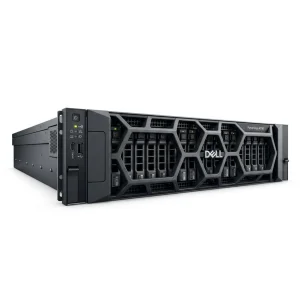
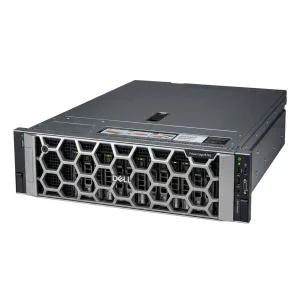
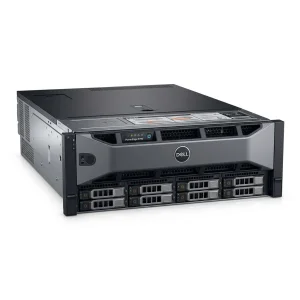
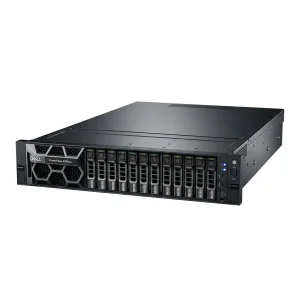
Kenya is rapidly evolving into the premier tech hub of East Africa, often referred to as the "Silicon Savannah". With the expansion of municipal fiber networks, the advancement of Konza Technopolis, and a mature mobile money ecosystem (spearheaded by platforms like M-Pesa), the requirement for reliable, on-premise, and hybrid cloud server infrastructure has reached an unprecedented scale. Both local corporations and international enterprises operating in Kenya require physical infrastructure that can manage high transaction volumes while offering deep compliance with localized data protection policies.
Businesses in Nairobi, Mombasa, and Kisumu are actively pivoting from outdated legacy hardware to high-density rack servers. A critical driver for this shift is the need to minimize latency for locally hosted applications. While global public clouds serve general purposes, specialized workloads—such as FinTech payment rails, local data sovereignty compliance, and real-time agricultural supply chain logistics—require local hardware deployments that deliver predictable performance and predictable cost structures.
The East African enterprise IT ecosystem is exhibiting clear technical transformations:
How Veltron Computing partners with IT hardware procurement networks to bridge the gap between custom configuration, strict QA validation, and secure Kenyan customs clearance.
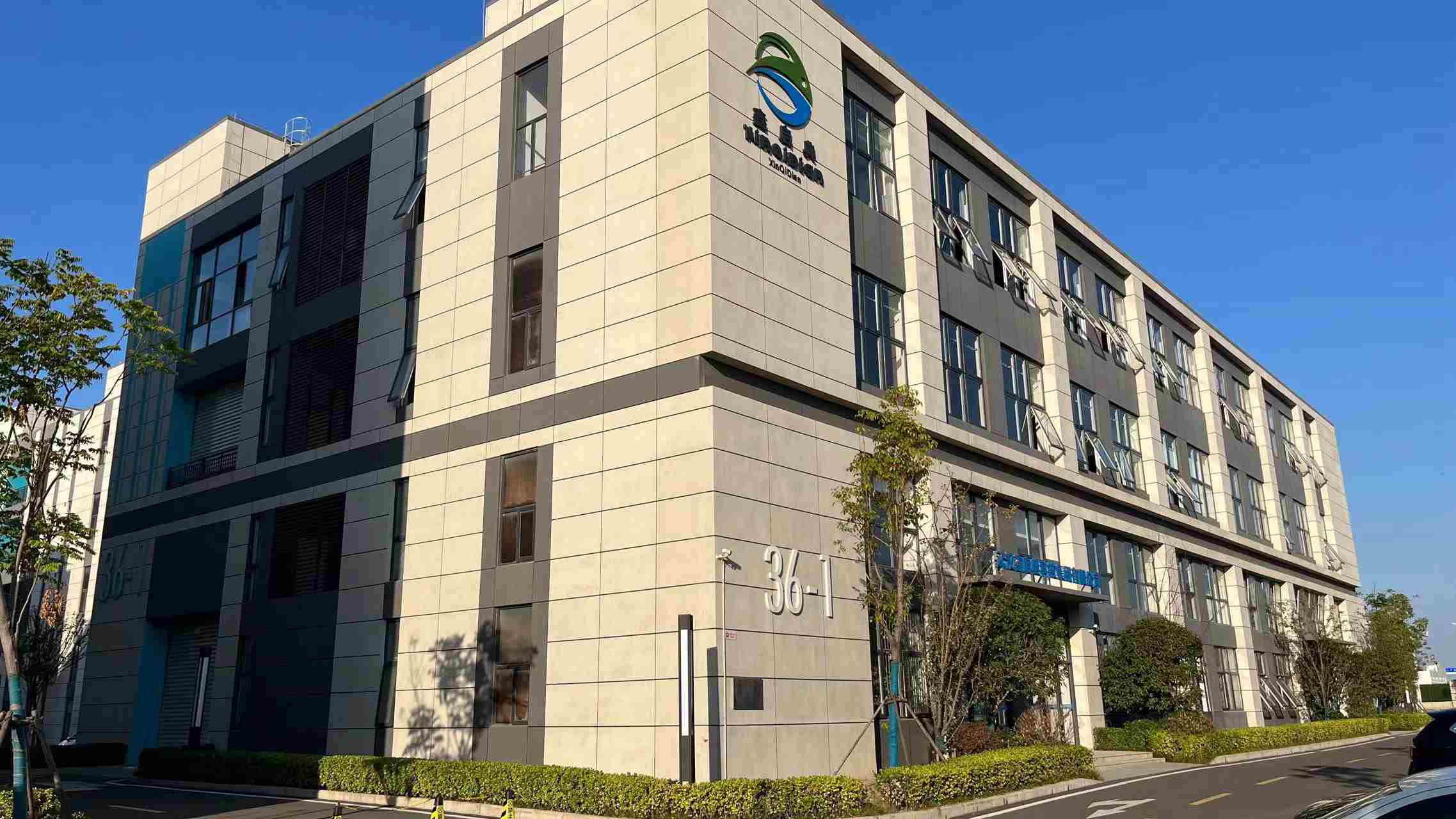
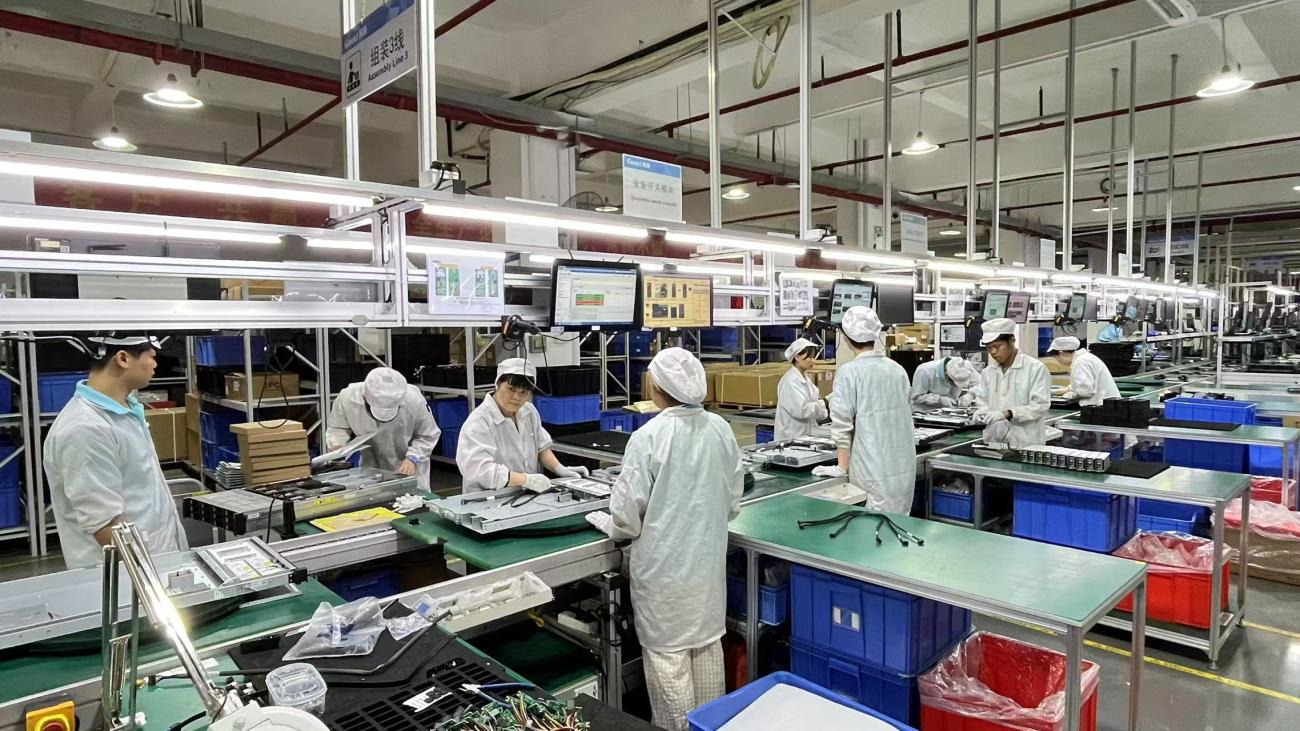
Established in 2016 in Shenzhen, China, Veltron Computing Technology Co., Ltd. operates a advanced manufacturing facility covering over 3,800 square meters. We bridge the gap between high-volume tier-1 manufacturing and direct enterprise localization.
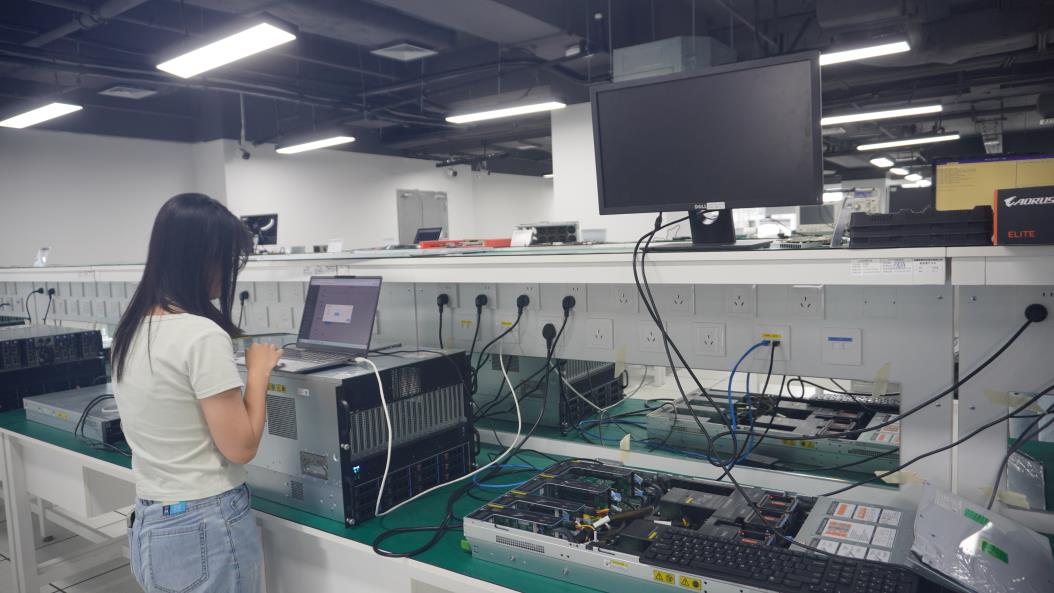
With 168 experienced engineers specializing in system architecture, thermal analysis, and custom BIOS adjustments, we perform complete hardware validations. Our annual export capacity exceeds USD 18 million, shipping stable server infrastructure to clients in East Africa and worldwide.
For systems integrators and data center operators in Nairobi, standard out-of-the-box hardware may not always align with specific environmental or infrastructure constraints. Our manufacturing capability allows us to configure customized configurations, including:
Every single module undergoes a rigorous 56-point quality check process, including long burn-in, full memory diagnostics, and performance benchmarking under high thermal loads before dispatch.


A technical guide on how different system models align with localized application demands.
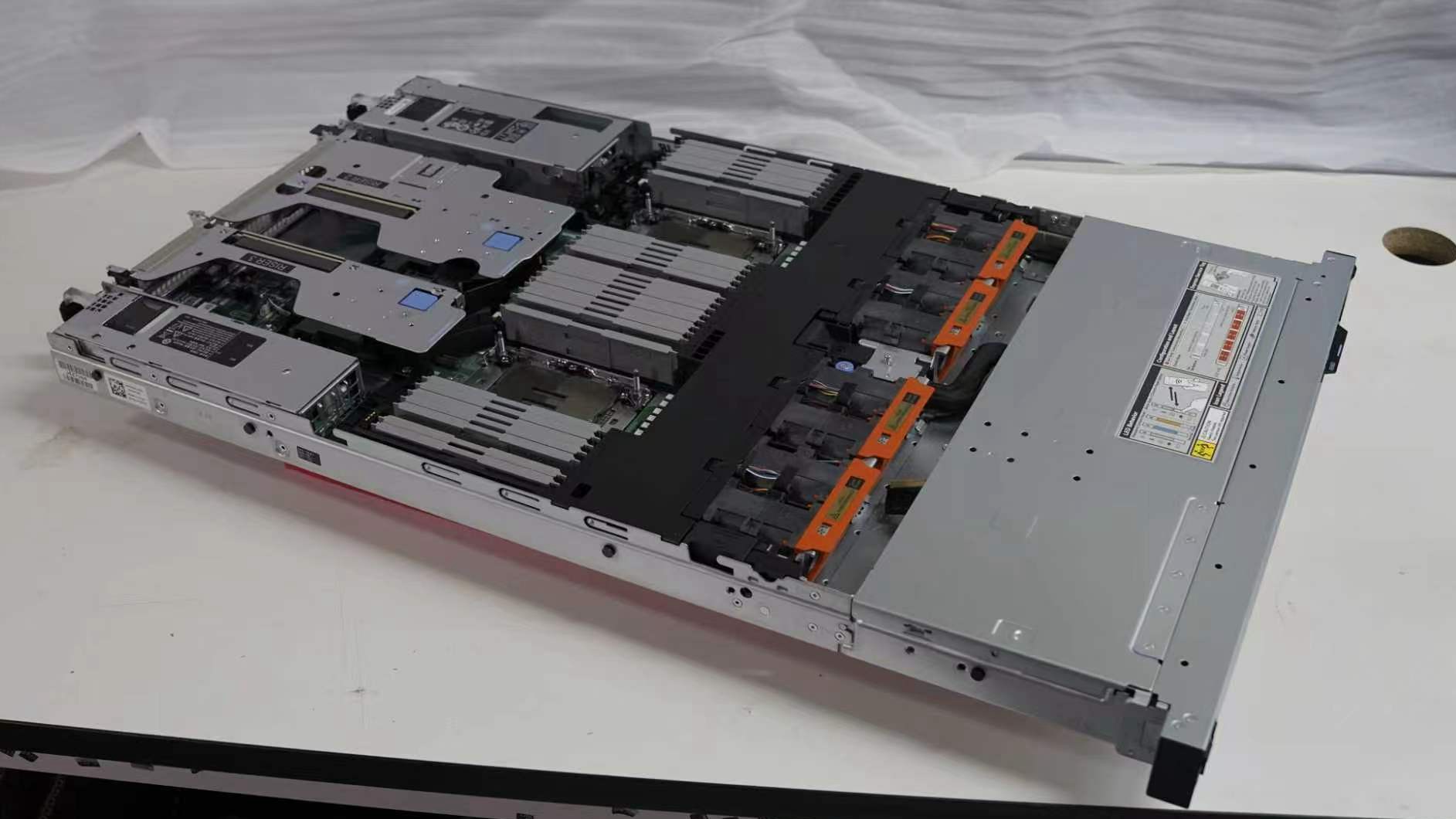
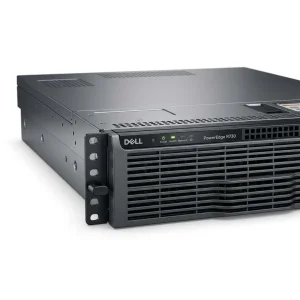
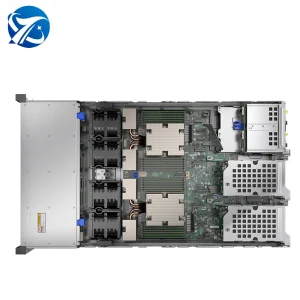
For high-throughput transaction environments, databases require optimal random read/write IOPS. Deploying the Dell PowerEdge R760 with NVMe PCIe Gen 5 arrays delivers ultra-low query latency for critical accounting applications. Dual redundant Hot-plug power supplies protect against local grid fluctuations.
The Dell PowerEdge R750xs and R660 are custom-configured with balanced processor layouts (e.g., dual 3rd/4th Gen Intel Xeon Scalable CPUs) to support multiple virtual machines. This optimization keeps software licensing costs (such as VMware vSphere) efficient while maximizing density.
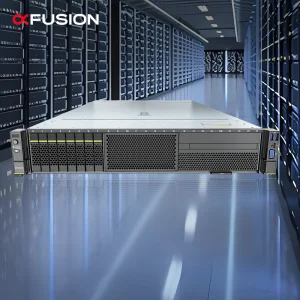
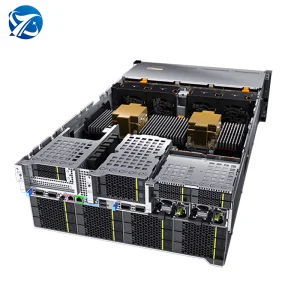
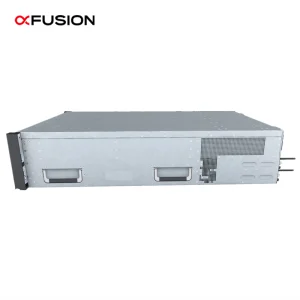
Using platforms like the FusionServer G5200 V5 and high-performance GPU workstations, data labs in East Africa can train localized large language models (LLMs) and process spatial mapping data sets locally, eliminating expensive cloud egress charges.
Browse our verified list of available configurations. Contact our sales engineers for specific component optimizations, processor speed matches, and customized memory arrays.
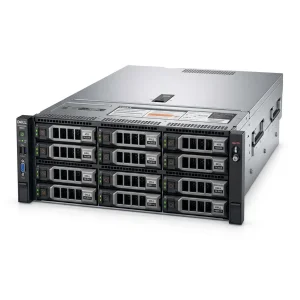
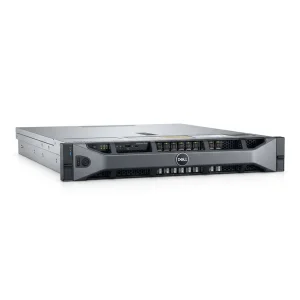
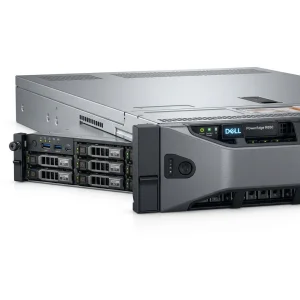
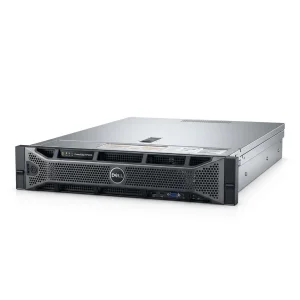
When procurement managers configure bare-metal infrastructure for deployments in East Africa, standard global templates must be adapted to account for real-world environmental factors. Localized variables such as average relative humidity, cooling efficiency (PUE targets), and electrical power quality require careful planning.
In developing markets, power quality fluctuations present a major risk of hardware degradation. Transient surges or dropouts can quickly damage non-redundant components. To protect operations, Veltron configures Dell PowerEdge servers with dual, hot-plug redundant power supplies (typically Platinum or Titanium efficiency levels) supporting a wide input voltage range. Combined with localized uninterruptible power supplies (UPS) and automatic transfer switches (ATS), this redundancy ensures clean, consistent power delivery to the system motherboard.
Data center cooling represents a significant operational cost in Sub-Saharan climates. Standard systems operating at high fan RPMs consume considerable energy. Dell’s multi-vector cooling systems adjust airflow dynamically based on internal sensor arrays, optimizing thermal performance. For enterprises hosting systems in legacy or non-traditional data rooms, we recommend choosing 2U form factors over 1U, as the larger chassis volume provides better airflow pathing and lowers thermal stress on components.
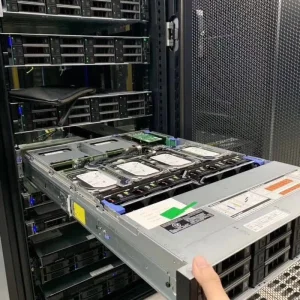
Global logistics can expose shipments to component swaps or transit damage. Veltron addresses this risk through strict supply-chain controls. We source original Intel Xeon scalable processors, Samsung/SK Hynix ECC RAM, and enterprise-grade solid-state storage directly from authorized, verified distributors. Our 56-point testing process validates that every memory chip, RAID controller, and PCIe channel operates exactly to specification before the equipment leaves our factory.
Technical guidance on procurement, custom configurations, and deployment strategies for IT buyers in East Africa.
Partner with Veltron for verified hardware, customized configurations, and reliable supply-chain delivery to Kenya.