Veltron
Veltron
Veltron
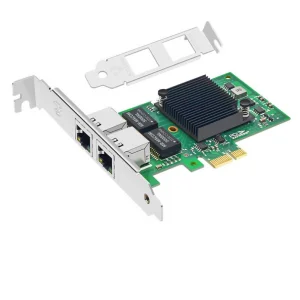
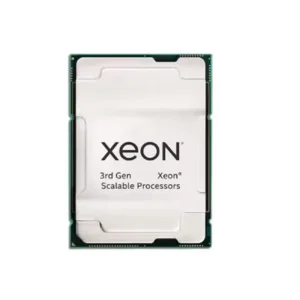
In the era of hyper-scale cloud data centers, large language models (LLMs), and complex AI computational architectures, raw computational power is no longer determined by the standalone CPU or GPU alone. Modern datacenter scaling strategies show that overall performance, structural stability, and system uptime are highly dependent on the reliability of the peripheral server ecosystem. As a specialized Server Accessories Manufacturer & Supplier, understanding the critical performance metrics of network adapters, RAID controller cards, system buses, and power units is essential for minimizing transmission bottlenecks and maximizing return on hardware investment.
From a macro perspective, the global server accessories market is transitioning rapidly. The industry is adjusting to the performance demands of PCIe Gen 4.0, PCIe Gen 5.0, and early implementations of PCIe Gen 6.0 interfaces. These standards offer the raw bandwidth needed for massive datasets, but they also require components with tighter tolerances, superior thermal design, and higher signal integrity. These physical requirements demand advanced research and development (R&D) and quality control standards from server hardware manufacturers.
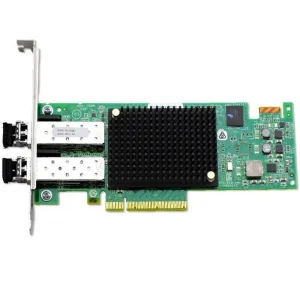
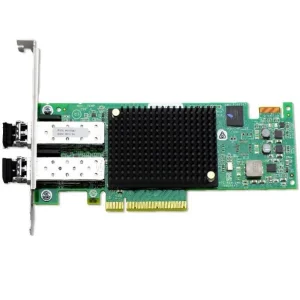
Modern system benchmarks show that storage write delays and packet drops under heavy load degrade AI training efficiency far more than slight variations in CPU clock speeds. For example, deploying a high-quality dual-port 32Gb/s Fibre Channel HBA (like the Emulex LPe35002-M2) helps prevent bottlenecks in storage area networks (SANs) during distributed machine learning runs.
The modernization of datacenter infrastructure is driven by three main operational requirements: data transfer speeds, storage safety, and power usage efficiency. As a result, the following product categories have become core elements of high-performance system designs:
The shifting focus toward decentralized edge networks and dense central computing systems is changing the global supply chain for server parts. Standard designs are giving way to custom, project-specific component configurations.
Established in 2016 in Shenzhen, China, Veltron Computing Technology Co., Ltd. has grown into a key global manufacturer and supplier of high-performance server components, GPU servers, and AI computing systems. Our modern production facilities span over 3,800 square meters and feature advanced assembly lines, environmental chambers, and high-speed signal validation tools to ensure each component meets strict performance standards.
By maintaining partnerships with over 1,200 supply chain vendors, Veltron ensures consistent access to high-quality raw materials and components, supporting steady production and stable lead times. With an annual export volume exceeding USD 18 million, our solutions serve enterprises, system integrators, and cloud providers across North America, Europe, Southeast Asia, the Middle East, and South America.
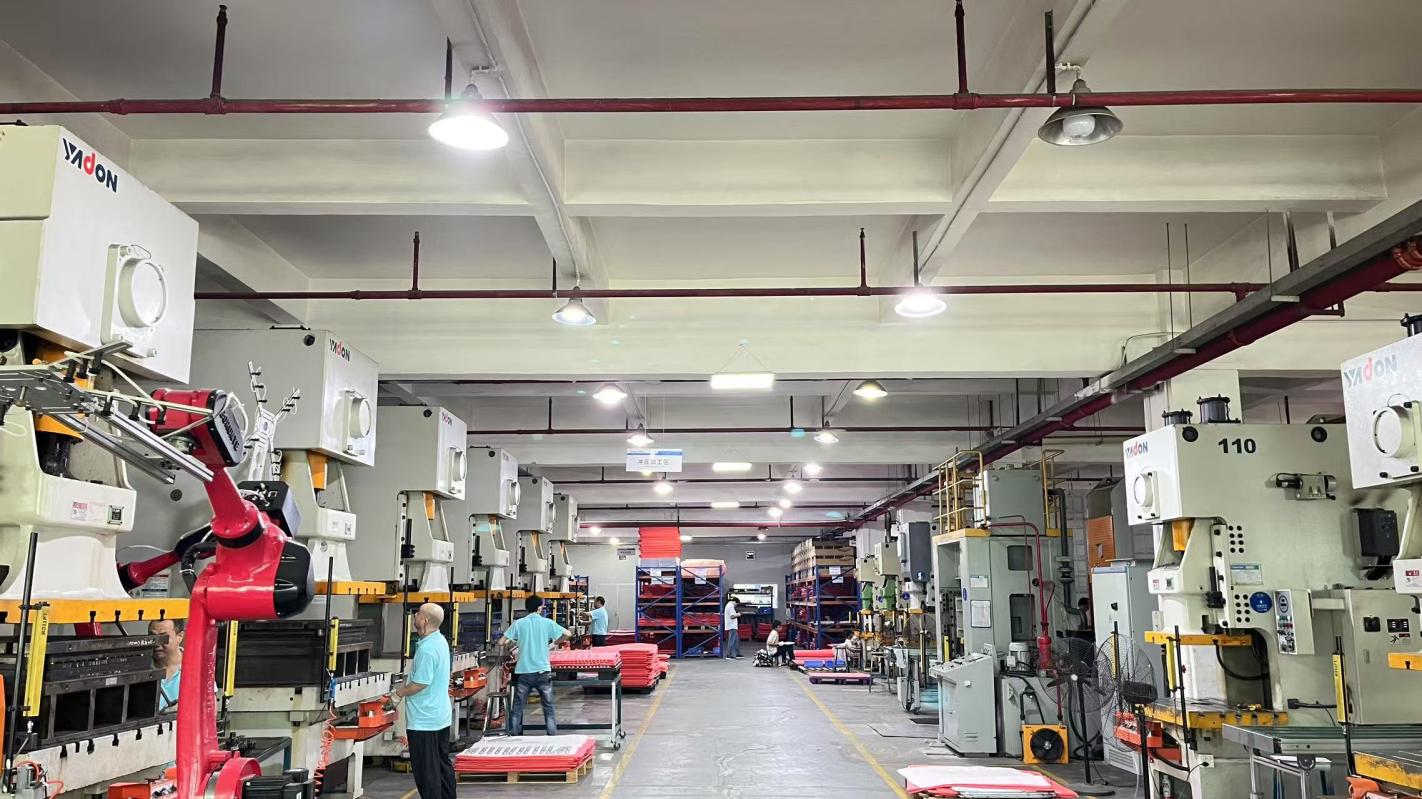
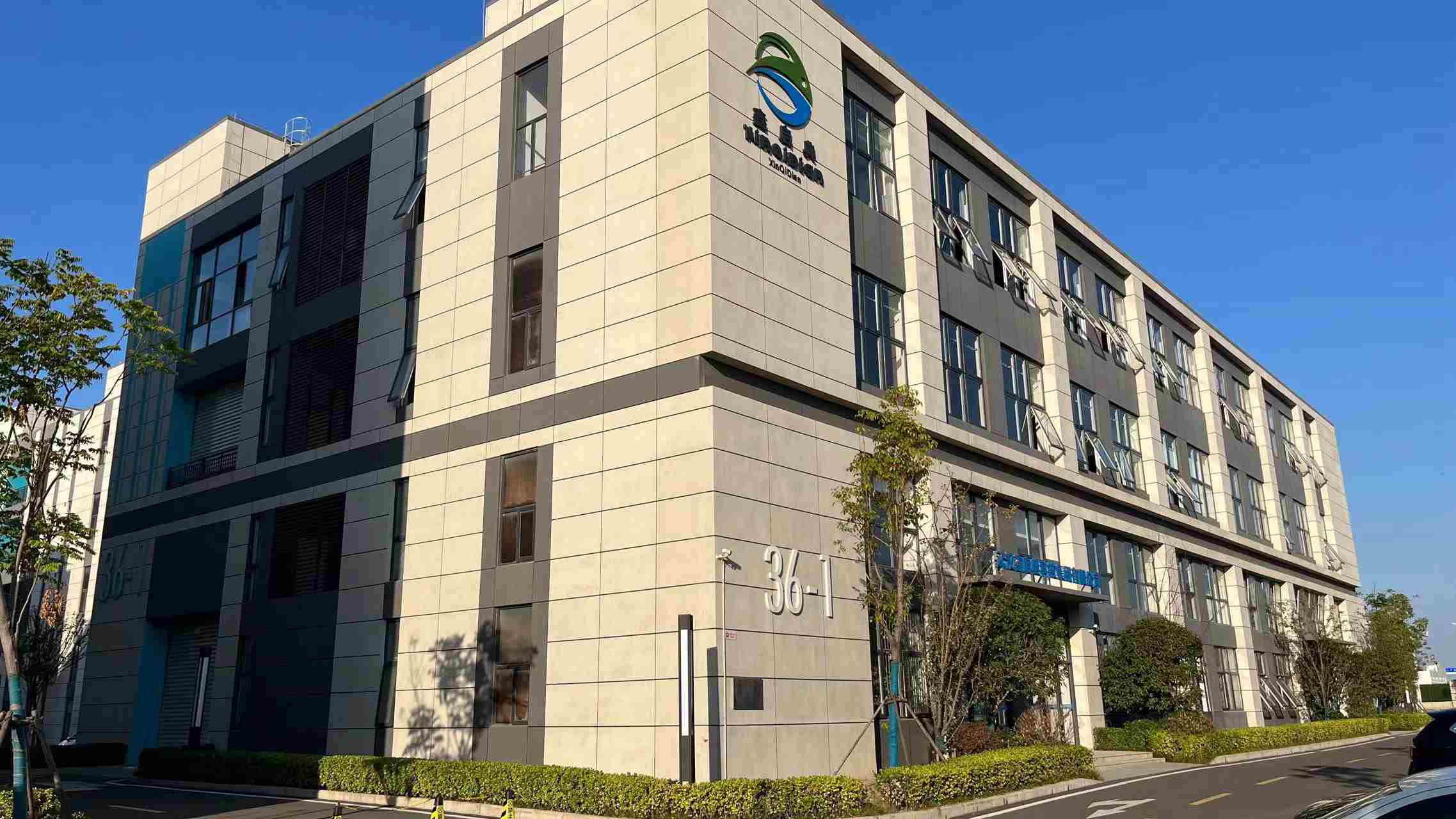
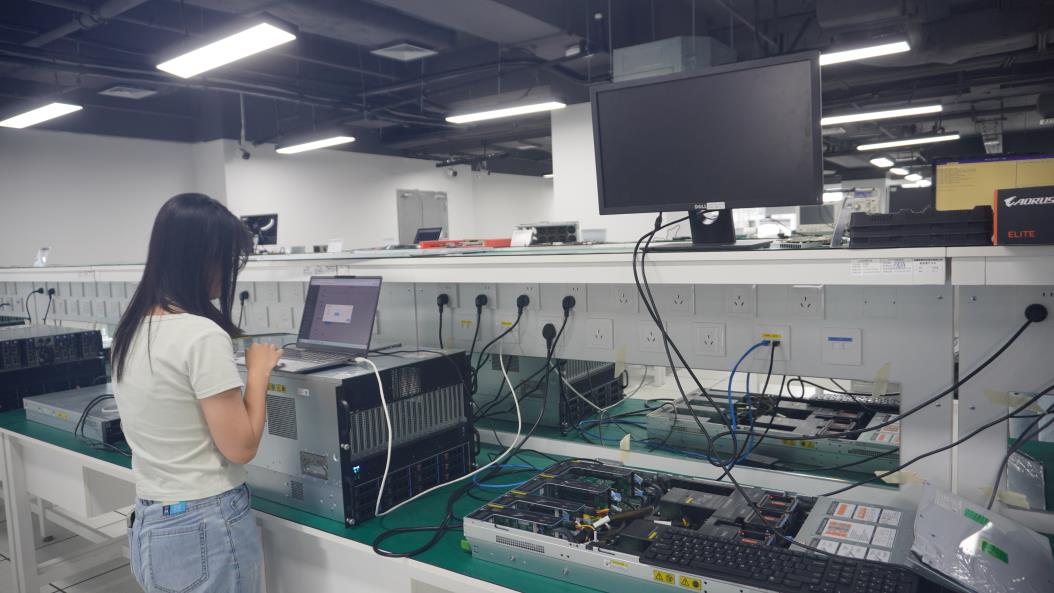
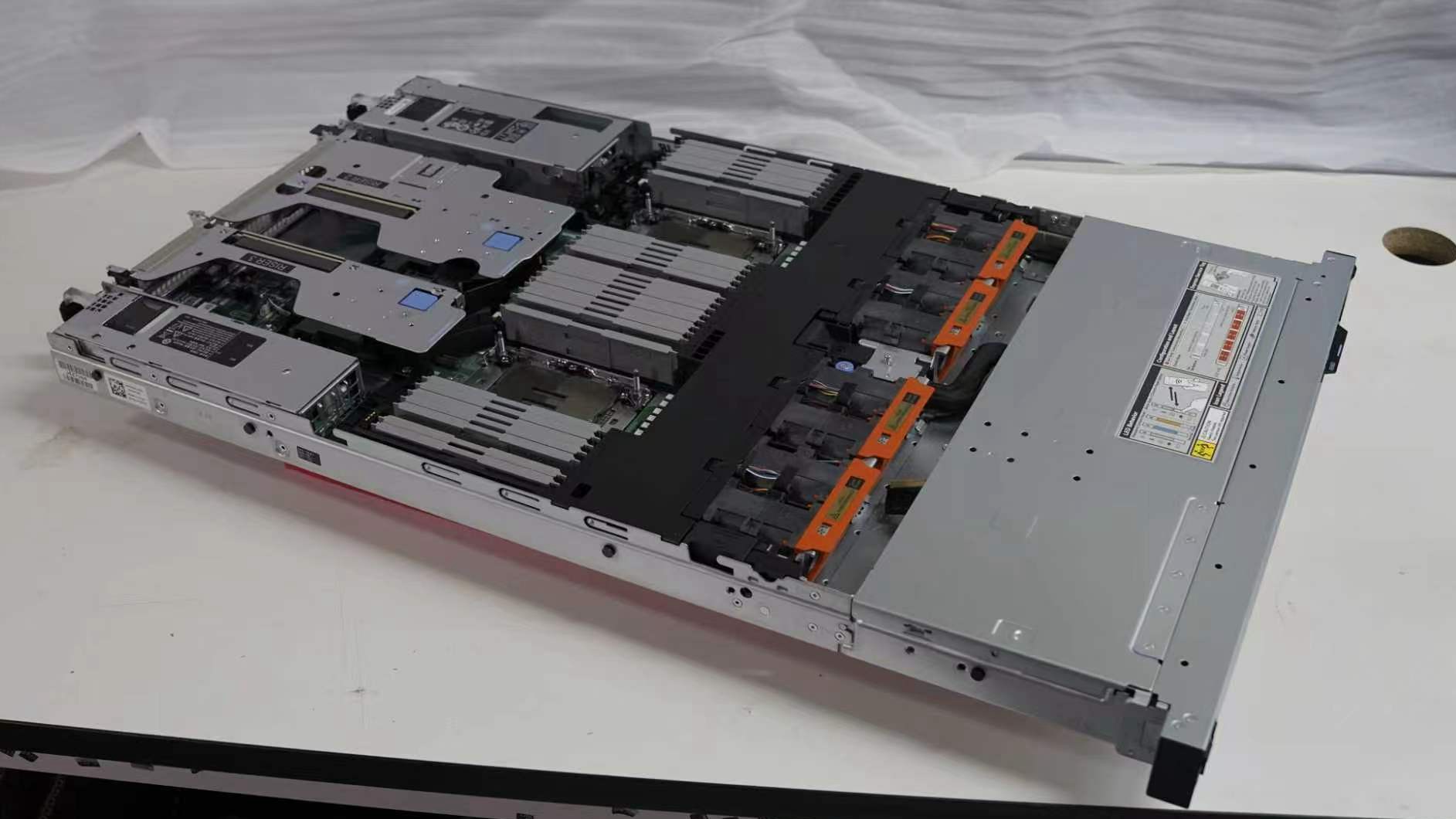
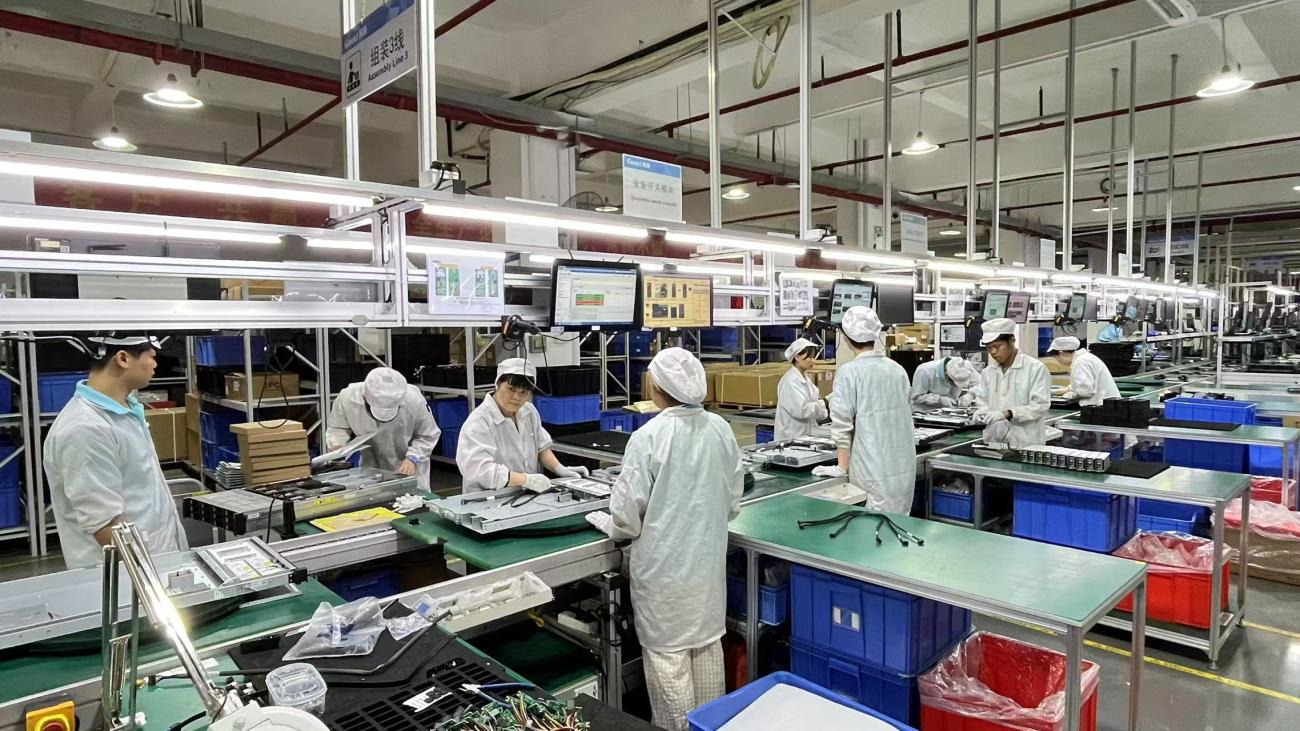

Our R&D division consists of 168 experienced engineers specializing in circuit board layout, high-frequency signal integrity, thermal dynamics, and firmware customization. This engineering foundation allows us to design and build bespoke components tailored to specific requirements, from custom riser configurations to dedicated RAID BIOS optimizations.
Quality control is integrated throughout our manufacturing process. We employ 56 quality assurance inspectors who run every component through a multi-stage validation process. This includes incoming quality control (IQC), in-process testing, high-temperature burn-in tests, and full-load signal analysis to verify operational stability under real-world conditions.
As networks move from 10G/25G toward 100G/200G and faster connections, the physical hardware layout must adapt. The following technical phases outline how modern datacenters upgrade their internal infrastructure to handle these performance targets:
Deploying enterprise PCIe 4.0/5.0 RAID cards (such as the LSI 9560-16I with 8GB cache) allows systems to make full use of fast NVMe storage arrays. This setup helps prevent storage access speeds from bottlenecking high-performance compute cores.
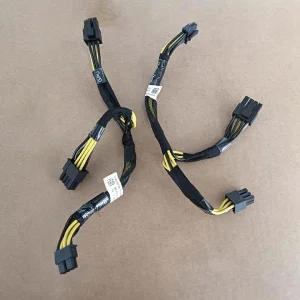
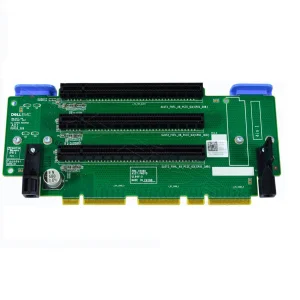
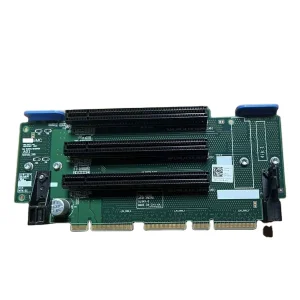
High-density GPU nodes require specialized power distribution and physical routing to handle high power loads. Using quality riser boards (like the PM3YD right riser card for PowerEdge) and specialized GPU cables (such as the TR5TP power cable) maintains clean power delivery and minimizes signal noise.
High-performance enterprise components generate significant heat. Modern system design relies on a mix of optimized airflow, high-thermal-conductivity heatsinks, and liquid cooling options. Working with experienced component suppliers allows operators to customize thermal profiles for high-density compute chassis.