Veltron
Veltron
Veltron
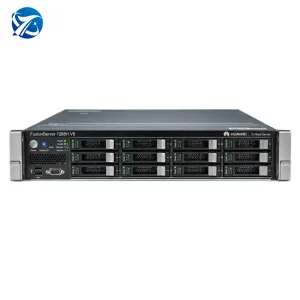
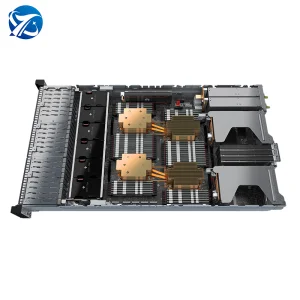
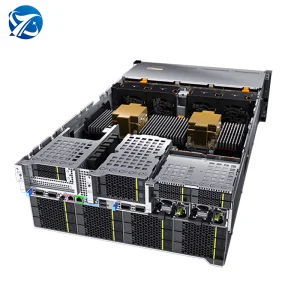
In the era of hyper-scale computing, multi-tenant cloud ecosystems, and generative AI workloads (such as DeepSeek and LLM training matrices), the choice of network switches acts as the fundamental design pillar for physical layer topologies. A standard network switch does not merely route packets; it determines the latency limits, collision domain dynamics, and buffer capability of high-throughput computational frameworks. Veltron Computing Technology Co., Ltd., a specialized provider in high-performance hardware, recognizes that modern network switch designs must be co-engineered with hardware accelerators (GPUs, TPUs, DPUs) to eliminate networking bottlenecks during distributed matrix computations.
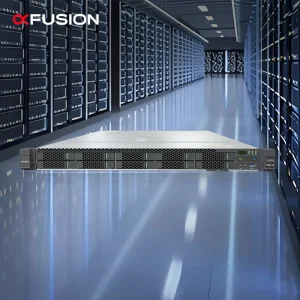
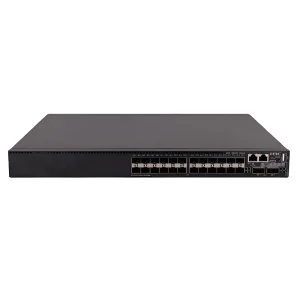
Traditional network topologies relied heavily on hierarchical tree designs. Today, modern operations mandate a Spine-Leaf (Clos) architecture. By ensuring that every leaf switch connects directly to every spine switch, organizations minimize lateral (East-West) latency. When selecting hardware like the H3C S6520X-30QC-EI, which features 24 ports of 10G optical interface plus 40GE high-speed uplink pathways, network administrators gain a three-layer core device built to buffer dynamic workload spikes. Integrating switches with dedicated AI servers, such as the FusionServer and xFusion series, ensures that the communication overhead in MPI (Message Passing Interface) collectives is kept to an absolute minimum.
Utilizing high-performance ASICs to deliver full wire-speed packet processing without head-of-line blocking, enabling ultra-low latency routing protocols across thousands of compute nodes.
Leveraging RDMA over Converged Ethernet (RoCEv2) to allow direct memory transfers between server nodes, minimizing CPU overhead and delivering PCIe-like speeds over standard fiber cabling.
Decoupled hardware-software architectures supporting ONIE (Open Network Install Environment) and SONiC OS configurations, giving enterprise architects complete programmatic control.
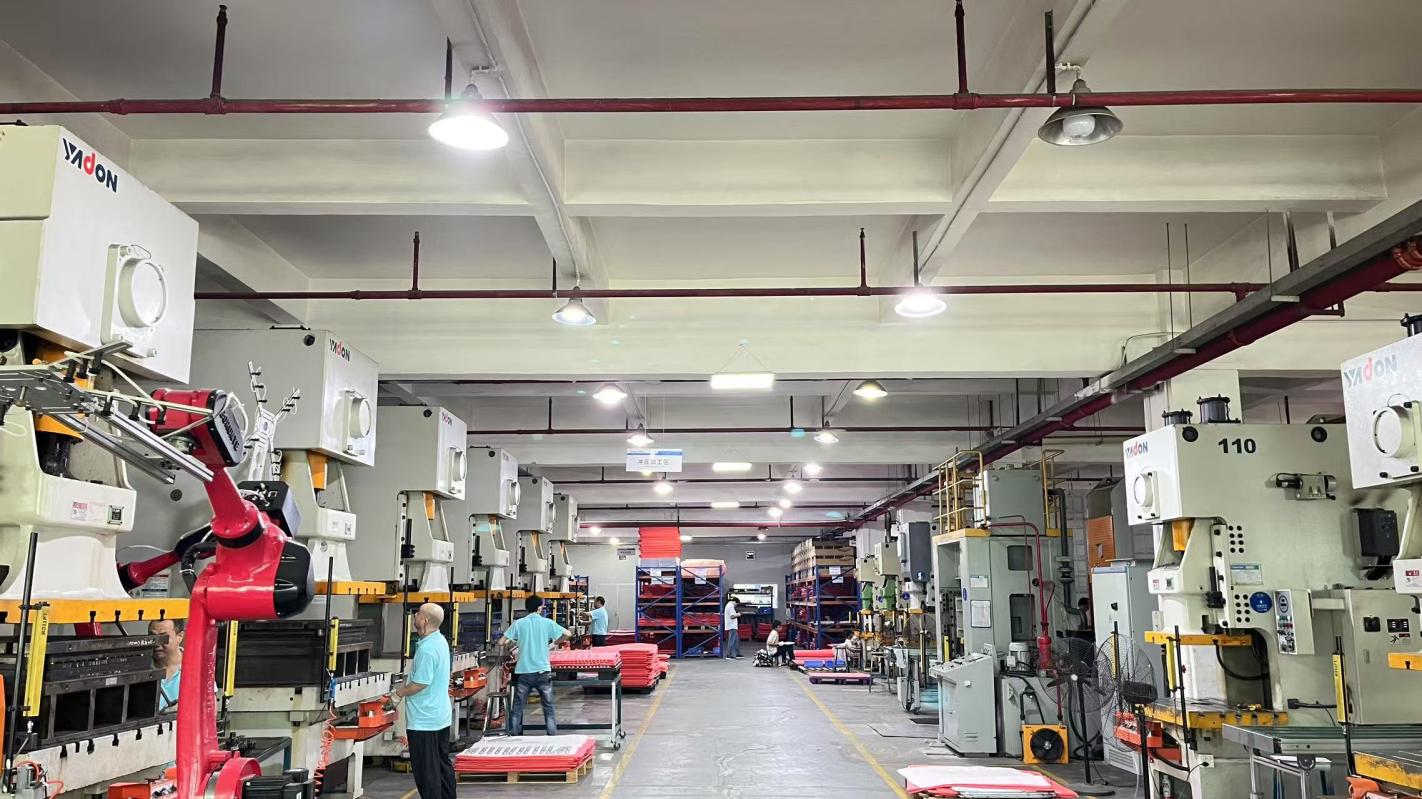
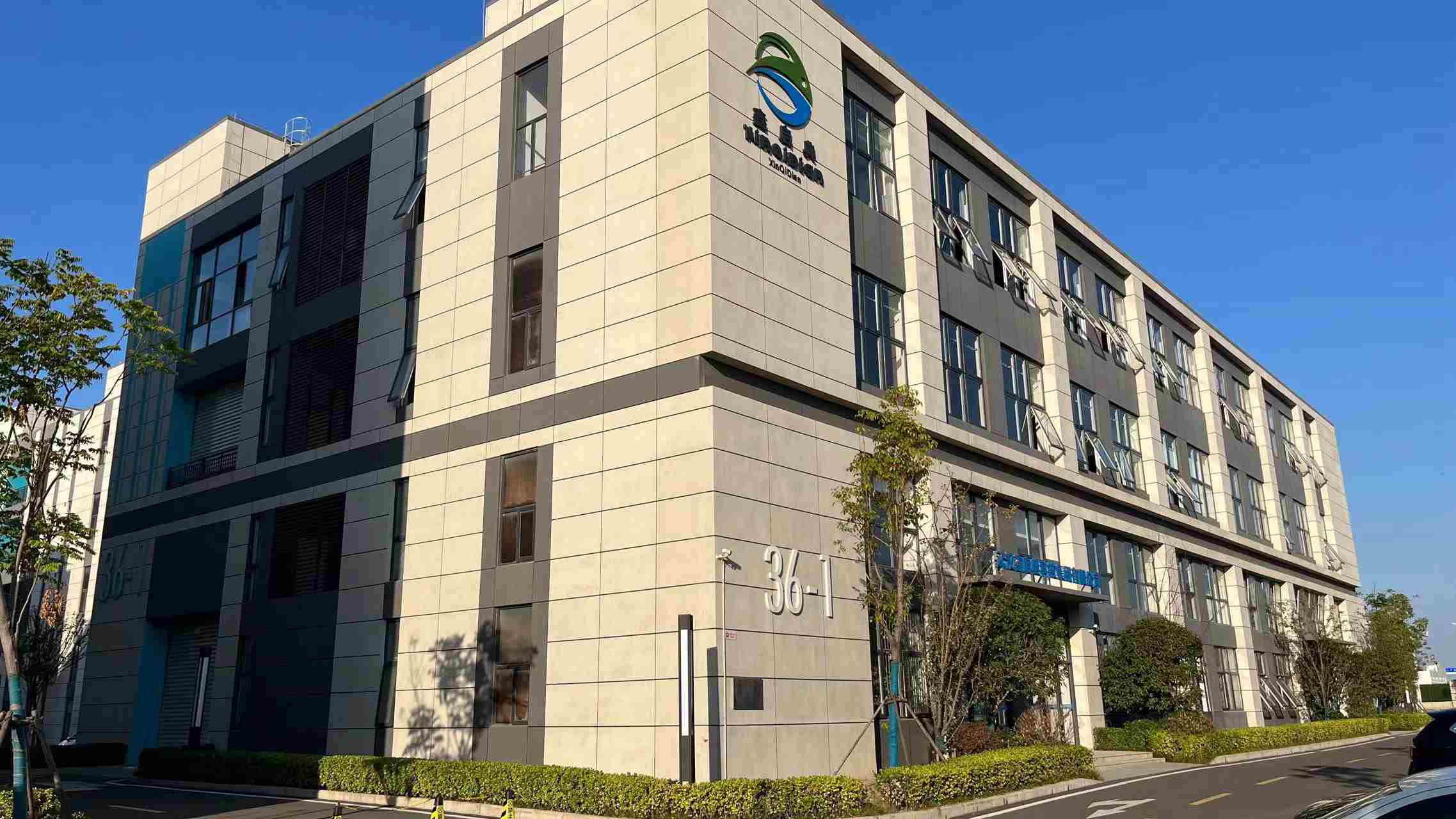
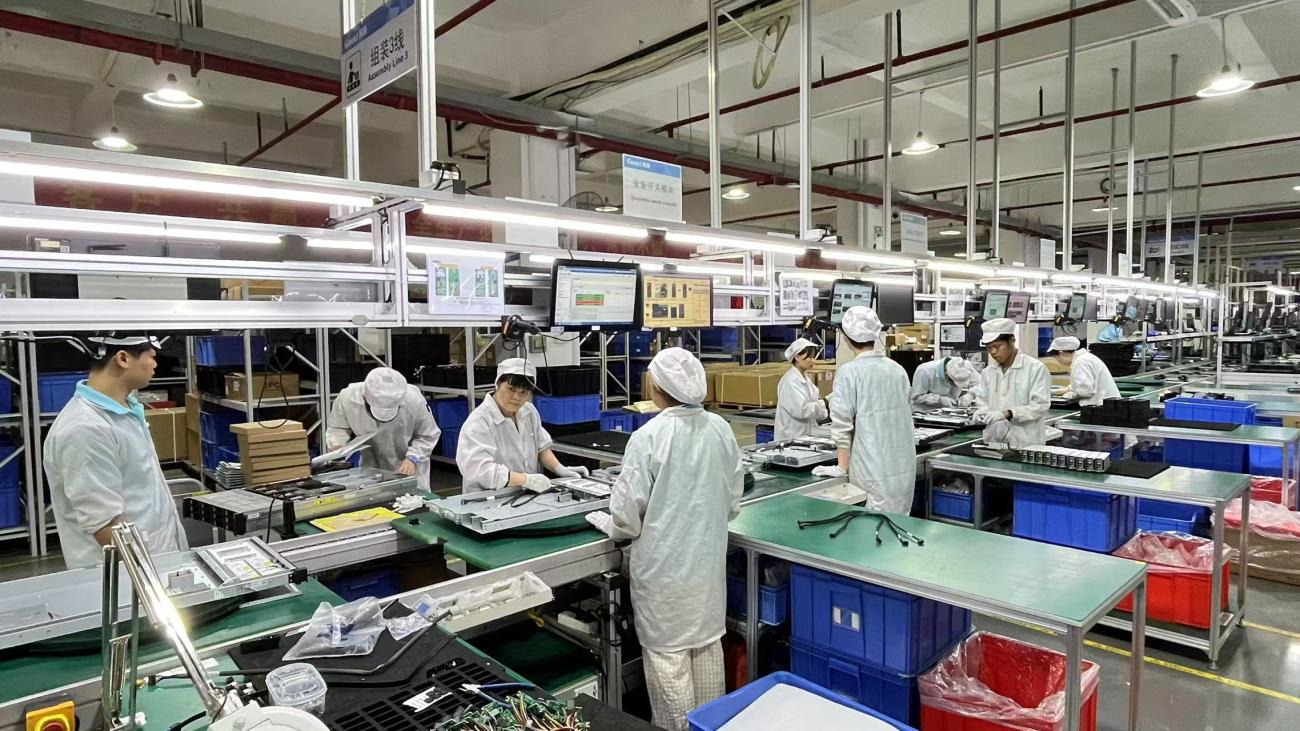
As a prominent name in Shenzhen’s high-tech manufacturing sector, Veltron Computing Technology Co., Ltd. has designed and exported top-tier computational hardware since 2016. Drawing on over 14 years of professional industry expertise and 8 years of global export logistics management, Veltron designs infrastructure systems for the world's most demanding AI labs and data centers. Headquartered in Shenzhen, China, our advanced facility spans more than 3,800 square meters, incorporating automated surface mount technology (SMT) lines, structural hardware assembly labs, and extensive thermal stress chambers.
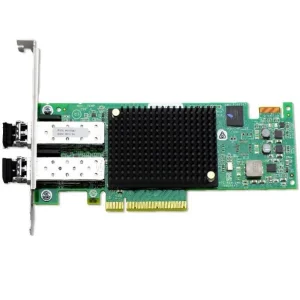
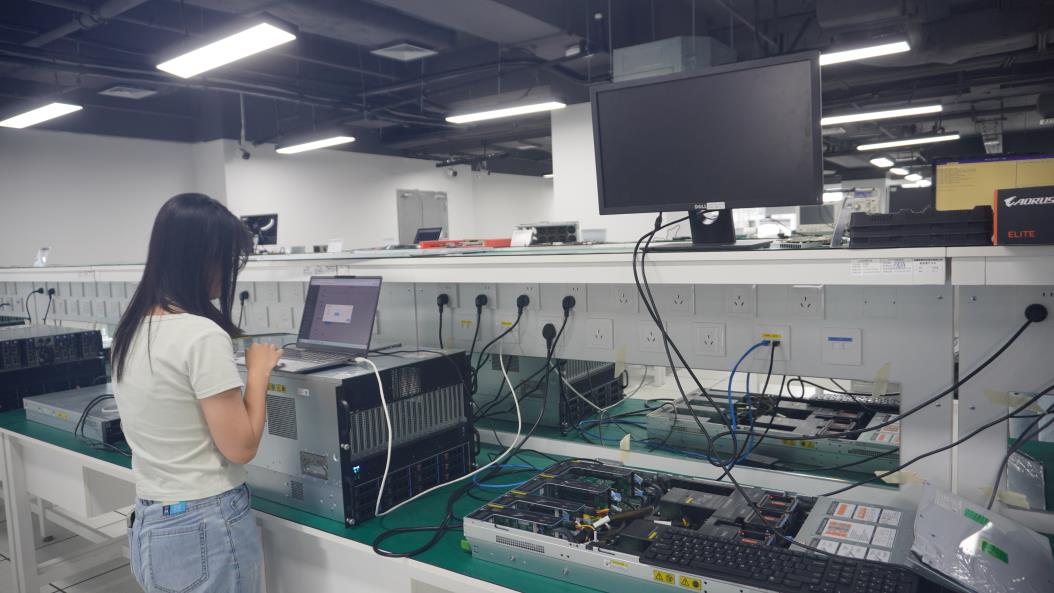
Our manufacturing philosophy centers on robust quality control. Every server node, optical HBA transceiver like the Emulex LPe35002-M2 Dual Port 32GB FC32 HBA Card, and core switch component goes through a multi-point verification process managed by our 56 dedicated quality control personnel. This covers component level testing, high-temperature dynamic burn-in testing, and continuous signaling simulation tests before final packing. Benefiting from a robust supply network of over 1,200 strategic supply partners, we maintain uninterrupted component availability, enabling rapid OEM and ODM turnarounds even during global chip allocation periods.
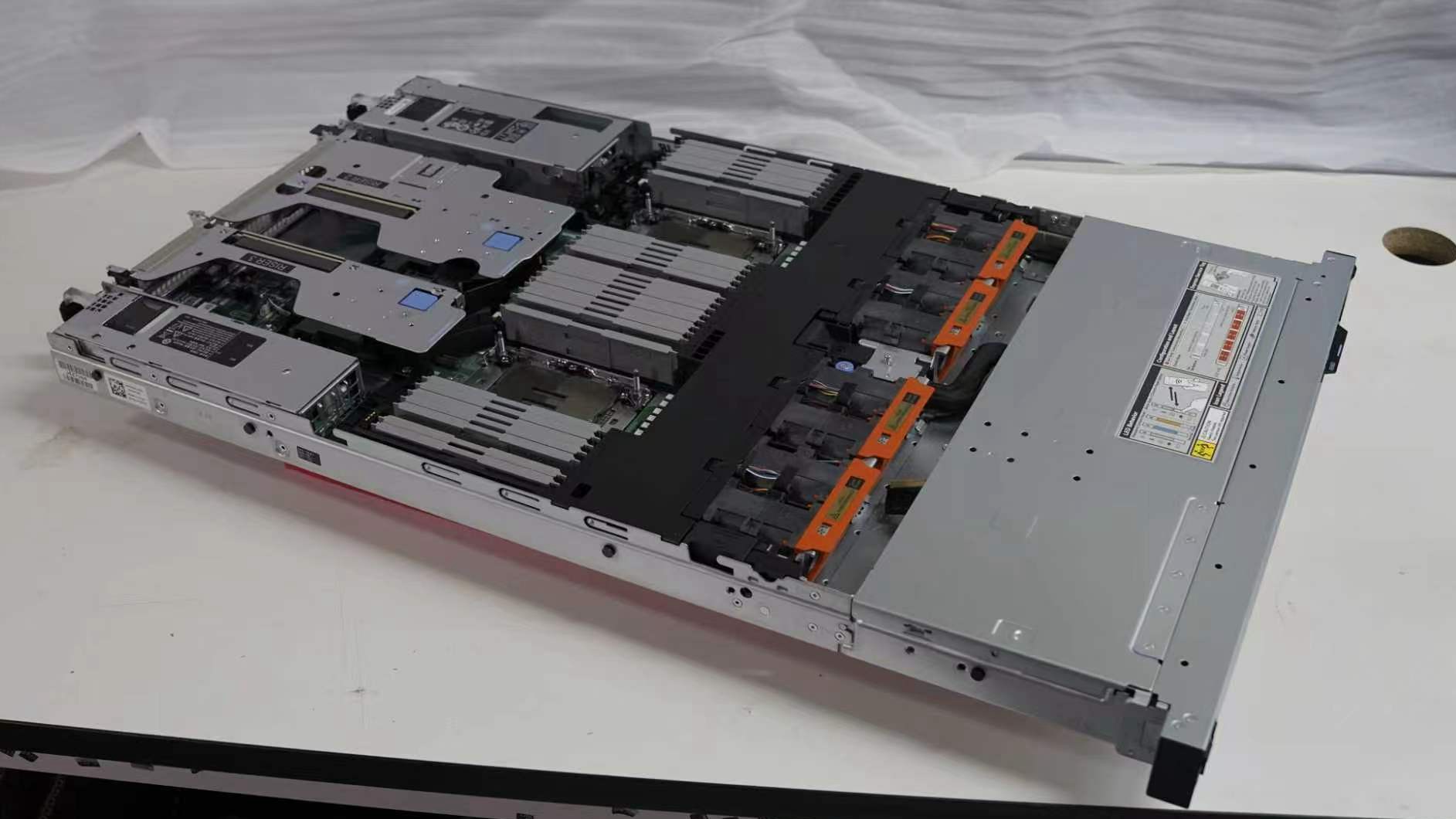

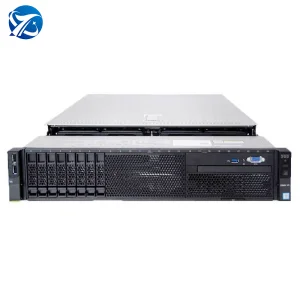
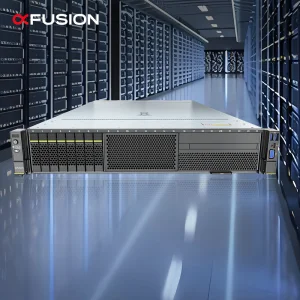
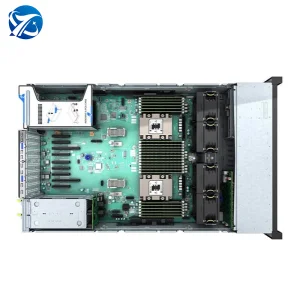
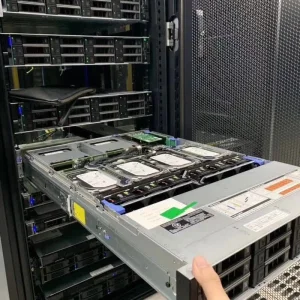
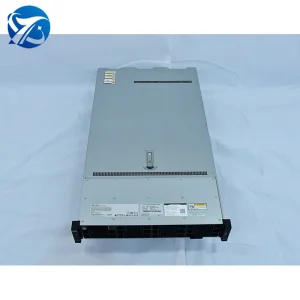
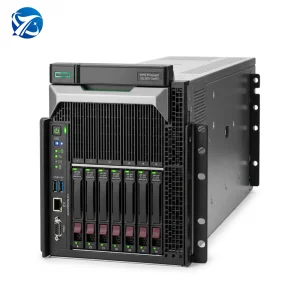
International enterprise buyers operate in challenging regulatory environments. Procuring switches, GPU nodes (e.g., FusionServer 2488H V5 / V6 and high-density xFusion 2288H V6 rack mounts), and optical interconnect devices requires strict adherence to geographic-specific certifications. Equipment destined for European markets must feature a clear CE mark, ensuring conformity with health, safety, and environmental protection standards. Similarly, US-bound network devices must satisfy FCC Part 15 rules regarding electromagnetic interference. For eco-conscious enterprise initiatives, compliance with RoHS (Restriction of Hazardous Substances) and REACH (Registration, Evaluation, Authorisation and Restriction of Chemicals) ensures that dangerous elements are excluded from the fabrication process.
Hardware-level cybersecurity is another critical consideration for global procurement. Layer 2 and Layer 3 core switches must support MACsec (IEEE 802.1AE) line-rate cryptographic protection to defend against wiretapping and active network attacks. Additionally, advanced access control lists (ACLs), AAA security architectures utilizing TACACS+ or RADIUS, and secure bootloader protocols (such as UEFI Secure Boot) safeguard physical infrastructure from compromised firmware injections. This level of verification makes our computational setups ideal for complex enterprise environments, hybrid clouds, and high-security government installations.
Fully certified and verified for electromagnetic compatibility and RF emission limits, facilitating seamless deployment in global markets and enterprise networks.
Adhering to EU RoHS and REACH regulations, eliminating restricted hazardous chemicals from our lead-free soldering and polymer compounding pipelines.
Embedded TPM 2.0 modules and cryptographically signed boot loaders verify structural integrity, protecting switches and servers from firmware-level exploits.
Every network layout requires a design suited to its environment. High-performance switches and servers operate differently depending on their specific workloads:
To reduce gradient synchronization wait times during backpropagation, high-performance GPU systems like the FusionServer G5500 V7 and xFusion 2488H V6 require non-blocking 100G/400G switches equipped with RoCEv2. This design allows direct memory access from host memory to network adapter, bypassing kernel CPU cycles entirely.
Financial firms require sub-microsecond packet transit times. Utilizing ultra-low latency L2/L3 switches with cut-through switching capability, instead of store-and-forward architectures, ensures market feeds reach execution layers with minimal delay.
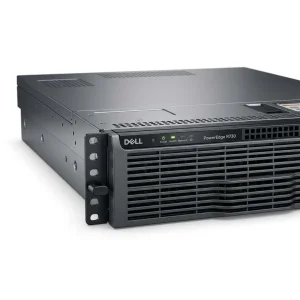
Cloud service provider deployments, such as SQL hosting and virtual machine clusters, use platforms like the Dell PowerEdge R730/R750 paired with core switches that support VXLAN (Virtual Extensible LAN). This helps partition and isolate tenancies across broad physical subnets.
The network hardware landscape is undergoing rapid technological transitions: