Veltron
Veltron
Veltron
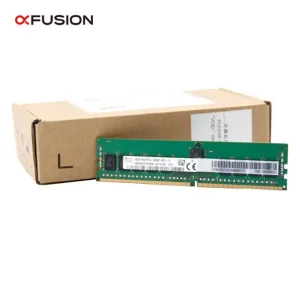
Deploy enterprise-grade memory systems engineered for heavy database management, advanced cloud storage architectures, and continuous AI deep learning workloads. Explore our high-density memory selection below.
In the modern landscape of hyperscale cloud environments, high-performance computing (HPC), and dense artificial intelligence (AI) clusters, Server RAM is the vital bridge determining system throughput and processing speed. As computational limits push outward, server memory subsystems have evolved beyond simple components into highly intricate architectures designed to secure uptime, eliminate bottlenecks, and ensure data integrity. Understanding the operations of a modern Server RAM Factory requires deep insight into the complex global supply chain of DRAM silicon, precise packaging processes, and the strict engineering rules governing high-performance enterprise systems.
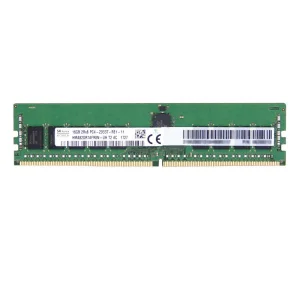
Standard consumer memory and enterprise-grade server RAM differ significantly in design, reliability, and functionality. Consumer modules focus primarily on raw speed and latency in short bursts. In contrast, server memory relies on Error-Correcting Code (ECC) mechanisms, registered buffers (RDIMM), and load-reduced technologies (LRDIMM). These additions manage the electrical loads on memory buses, allowing servers to support multiple terabytes of memory per system while maintaining stable 24/7/365 operations.
The global enterprise demand is transitioning rapidly from DDR4 to DDR5 platforms. DDR5 introduces architecture upgrades, including on-chip power management ICs (PMICs), on-die ECC paired with traditional sideband ECC, and independent dual 32-bit subchannels. A specialized server RAM factory must adapt its manufacturing and testing protocols to manage these higher frequencies, lower operating voltages (1.1V), and complex thermal layouts.
Procuring server memory at scale requires planning for lead times, validating compatibility, and optimizing total cost of ownership (TCO). Enterprise buyers must navigate fluctuating spot pricing for memory chips while managing strict system certification standards. Working with a reliable, vertically integrated server partner helps mitigate supply-chain disruptions and ensures consistent hardware performance.
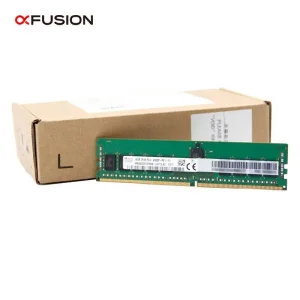
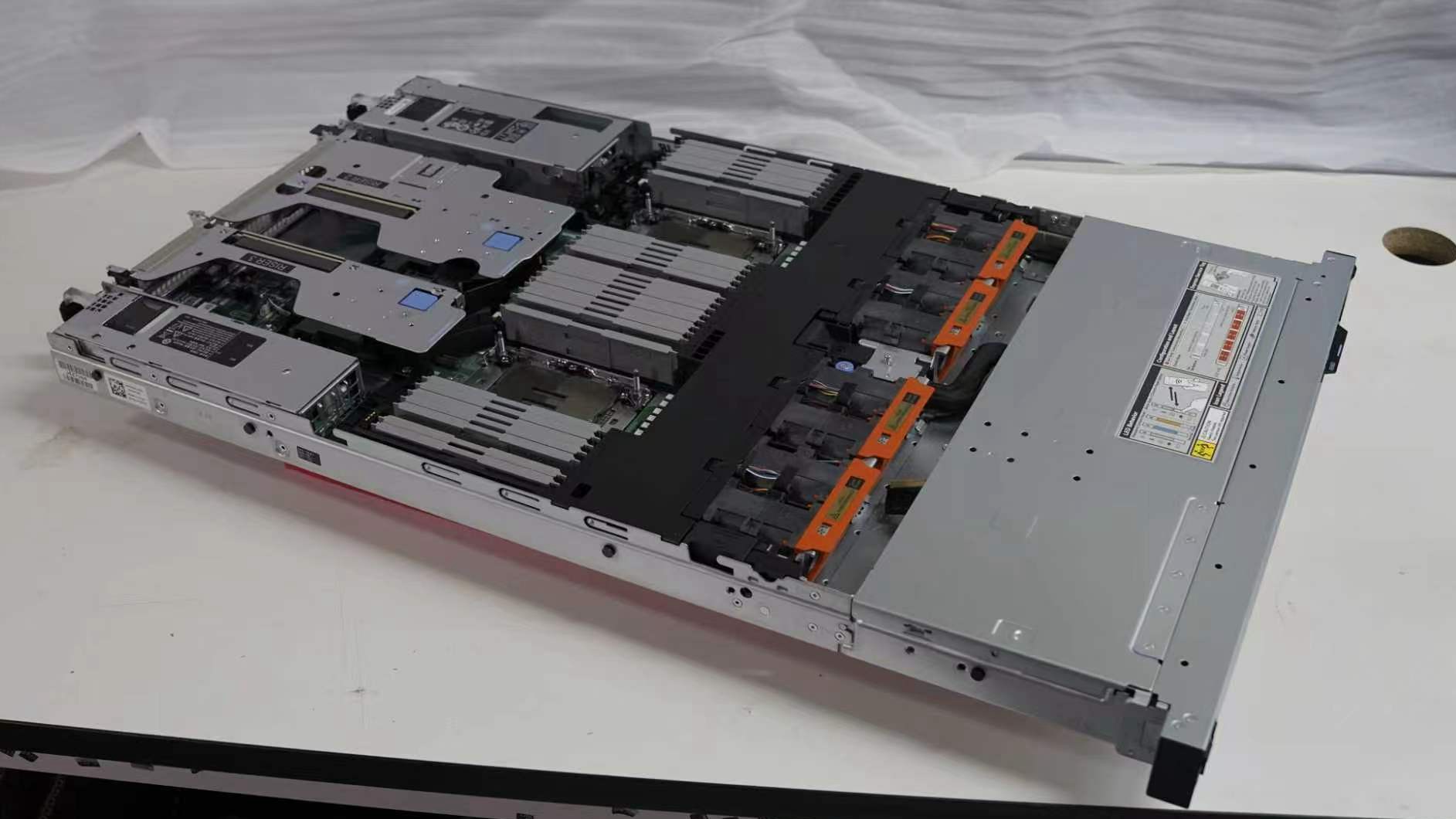
For IT infrastructure managers, system compatibility and validation represent critical challenges. Many systems require memory certified to match the exact firmware configurations of top server platforms like Dell PowerEdge, xFusion FusionServer, or HPE ProLiant. A professional factory must run detailed cross-platform validation processes, ensuring that third-party or OEM-equivalent memory modules align perfectly with the BIOS and IPMI monitoring systems of target platforms. This meticulous engineering reduces memory-bus errors and avoids system downgrades.
Additionally, procurement departments must plan memory configurations to support future expansions. Running memory configurations at maximum capacity or incorrect channel configurations can degrade system speed. For instance, populating three dual-inline memory modules (DIMMs) per channel in some server configurations can drop the operating frequency from 4800MT/s to 3600MT/s. Organizations must collaborate with expert factory engineers to design memory configurations that balance overall capacity, speed, and cost.
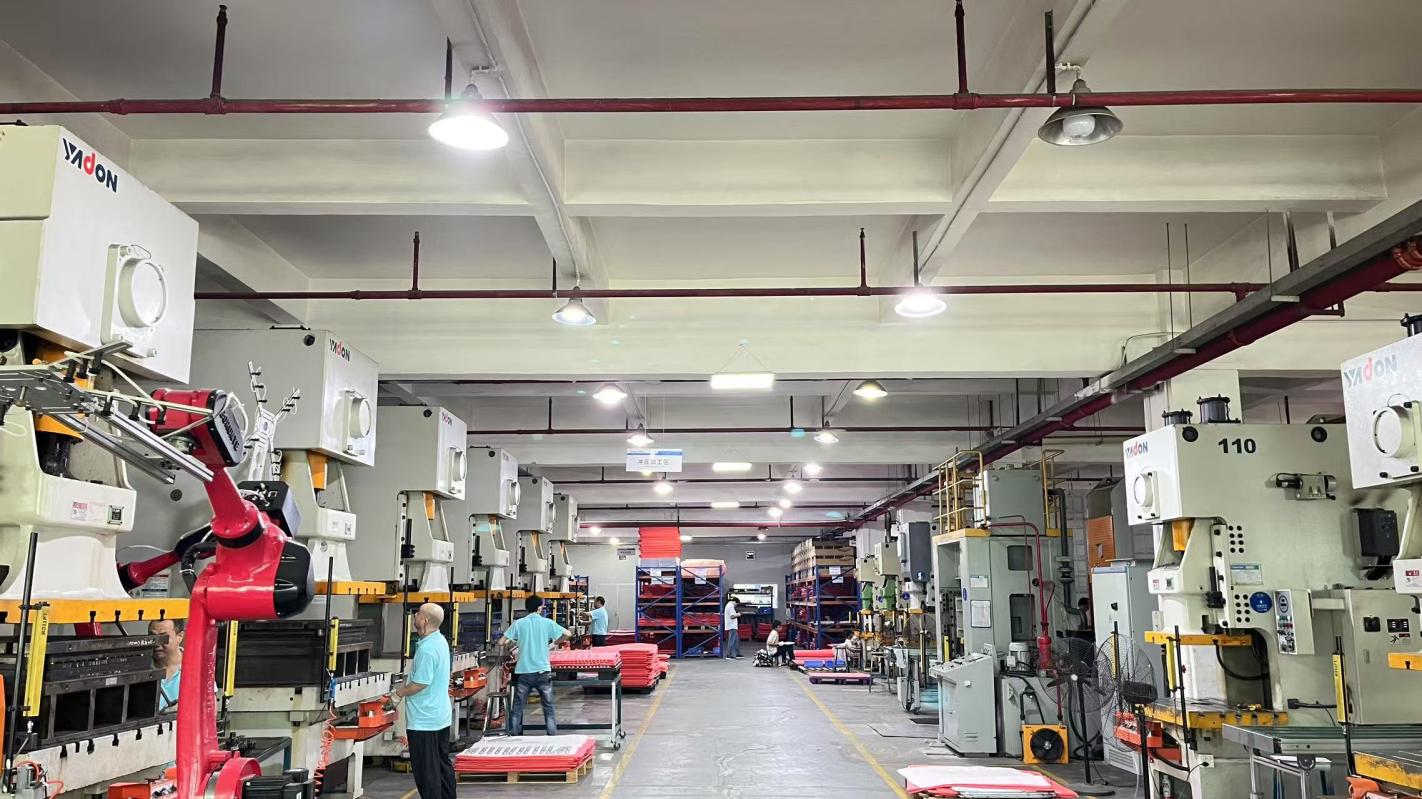
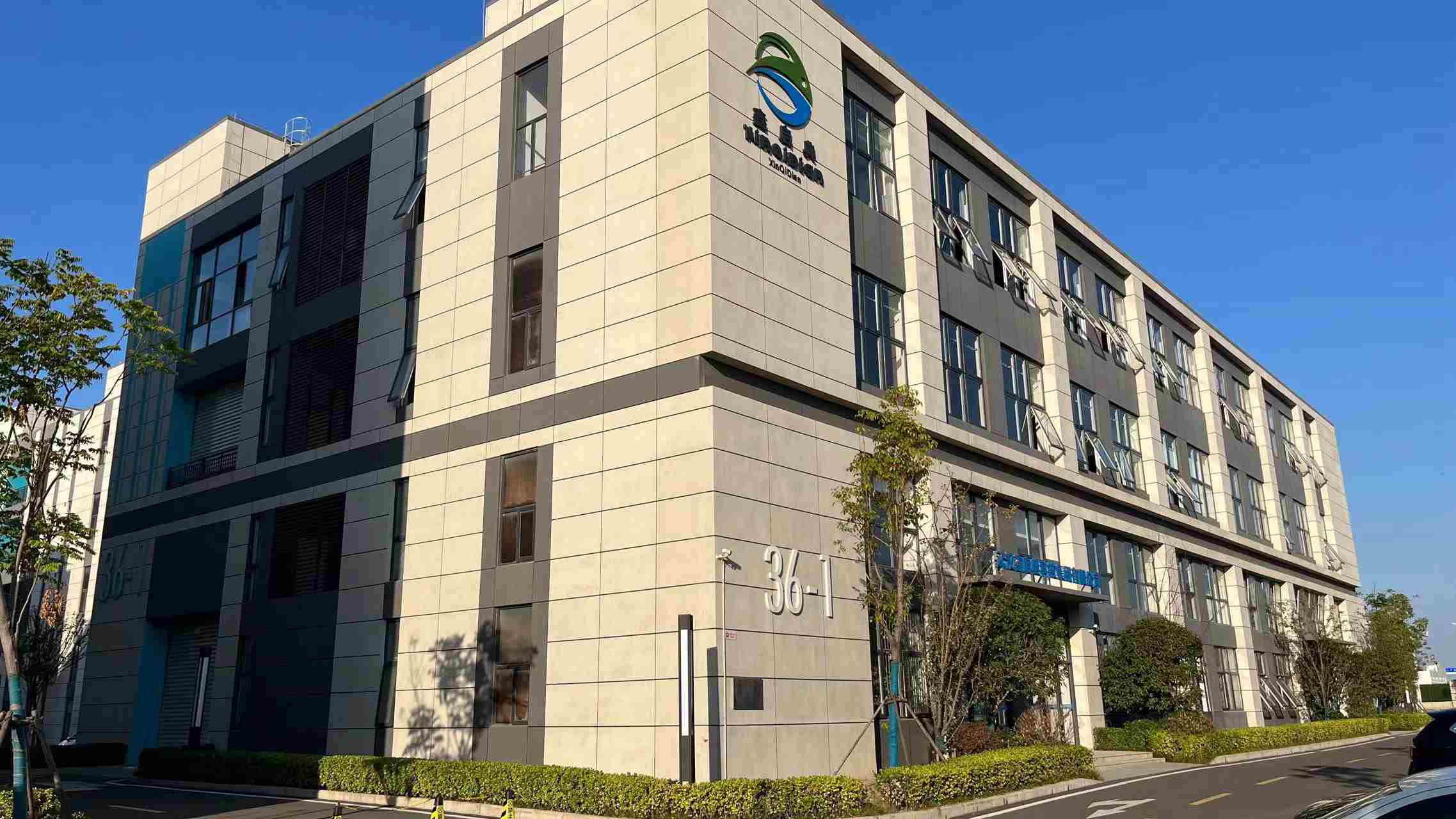
Veltron Computing Technology Co., Ltd. stands as a premier manufacturer and global supplier of high-end GPU servers, AI computing hardware, and advanced server components. Established in 2016 and backed by 14 years of industry expertise along with 8 years of global export experience, Veltron has built a reputation for high-performance enterprise hardware. Located in the tech hub of Shenzhen, China, Veltron runs a modern production facility spanning over 3,800 square meters.
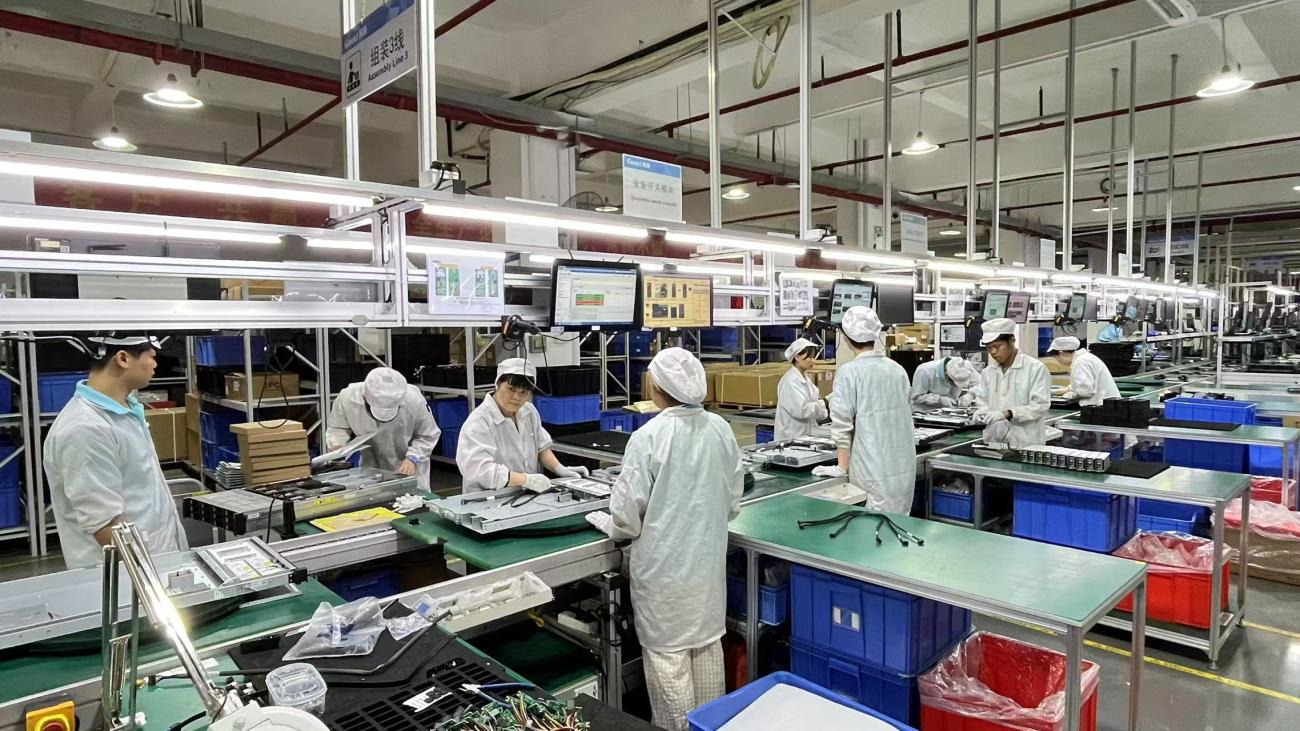
With an annual export revenue exceeding USD 18 million, Veltron supports projects across North America, Europe, Southeast Asia, South America, and the Middle East. Strategic collaborations with over 1,200 supply chain partners ensure access to premium DRAM wafers and advanced server chassis components. The factory features modern assembly lines, specialized cleanrooms, and testing laboratories. A team of 168 experienced engineers manages OEM and ODM projects, introducing over 85 new product designs and upgrades annually.
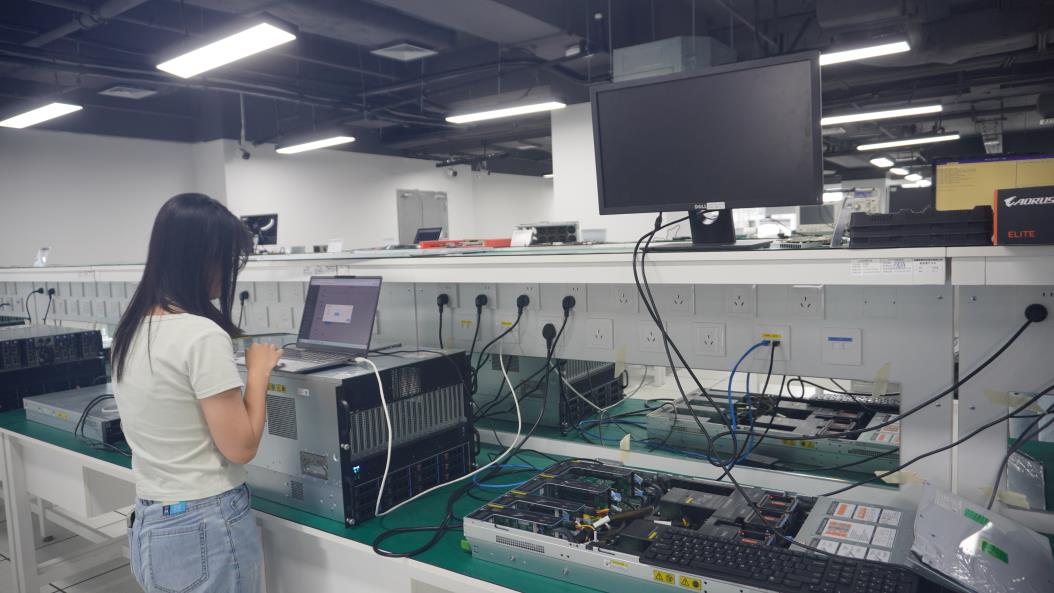
Quality control remains central to Veltron's manufacturing philosophy. A team of 56 quality control personnel monitors each phase of production. Products undergo thorough testing, including high-temperature burn-in, signal integrity, and environmental validation. This thorough approach ensures that each module matches enterprise standards for stability and service life.

The shift from DDR4 to DDR5 technologies marks a major milestone in memory bus design. While DDR4 tops out at a standard 3200MT/s per module, DDR5 scales to 4800MT/s, 5600MT/s, and up to 6400MT/s. These performance gains are driven by architecture upgrades:
DDR5 shifts power management from the motherboard directly to the memory module using a Power Management Integrated Circuit (PMIC). This improves power distribution efficiency, lowers noise, and offers finer control over voltages (down to 1.1V from DDR4's 1.2V).
DDR5 memory modules introduce on-die ECC to correct errors within the DRAM chips before data leaves the module. This works alongside the system's sideband ECC to protect against transmission errors on the memory channel.
DDR5 splits the traditional 64-bit channel into two independent 32-bit subchannels (plus 8 bits of ECC). This configuration doubles the access efficiency and reduces memory access latency for multi-core CPUs.
Looking ahead, the enterprise memory market is embracing CXL (Compute Express Link) technologies. CXL 2.0 and 3.0 protocols enable memory pooling over PCIe physical layers. This architecture allows servers to dynamically access memory pools across the datacenter, maximizing resource utilization.
Large scale virtual machines (VMs) demand massive memory pools. By implementing high-density RDIMM and LRDIMM modules, hyperscale datacenters can support higher VM densities per physical node, lowering infrastructure footprints and power requirements.
AI clusters running LLMs like DeepSeek require vast pipelines of data moving between NVMe arrays, system memory, and GPU VRAM. Veltron’s custom server integrations ensure high bus stability under sustained computational loads, minimizing CPU wait states.
ERP and in-memory platforms like SAP HANA require constant uptime. Veltron's memory modules feature advanced heat-spreaders and undergoes environmental chamber testing, ensuring performance and stability for mission-critical operations.
Every memory module produced by Veltron undergoes a comprehensive validation process. Testing begins with raw wafer inspection, continues through SMT line validation, and finishes with board-level diagnostic testing. The modules are subjected to thermal stress testing (ranging from 0°C to 85°C) and voltage margining to ensure they meet the demands of continuous enterprise operations.
All components comply with international standards including CE, FCC, RoHS, and UL certifications. This compliance guarantees that Veltron hardware meets global regulatory requirements for environmental protection, flame resistance, and electromagnetic interference. Additionally, Veltron offers comprehensive technical support and replacement policies, securing your technology investment and simplifying lifecycle management.
RDIMMs (Registered DIMMs) buffer the command and address registers to reduce the electrical load on the memory controller. LRDIMMs (Load-Reduced DIMMs) buffer both control and data lines, substituting the physical ranks of the memory modules with logical ranks. This reduces electrical load further, enabling higher capacity configurations per channel, though it may introduce slightly higher latency.
DDR5 on-die ECC corrects single-bit errors inside the DRAM chip itself before sending the data to the CPU, improving reliability for high-density components. Traditional ECC (sideband ECC) uses extra data lines on the module to correct errors that occur during transmission across the memory bus. Together, they offer dual-layer error protection.
Placing the Power Management IC (PMIC) on the memory module allows for more precise power control, reducing voltage drops and signal noise. This design simplifies motherboard layout and improves power efficiency under heavy, variable computing workloads.
Enterprise servers run intensive, 24/7 workloads. High temperatures can cause timing errors and accelerate component wear. Veltron modules feature custom aluminum alloy heat-spreaders and undergo testing in thermal chambers to ensure stability and prevent thermal throttling.
Ranks refer to the independent 64-bit wide data blocks on a module. Higher ranks increase capacity per module, but add electrical load to the memory bus. Using multiple ranks per channel can sometimes lower the system's maximum operating speed, making proper channel configuration essential.
Examine our advanced platform designs, GPU systems, power distribution configurations, and high-frequency DDR5 memory components designed for next-generation datacenter upgrades.