Veltron
Veltron
Veltron
Enterprise-grade server units configured for high-throughput cluster topologies and massive scale-out virtualization.
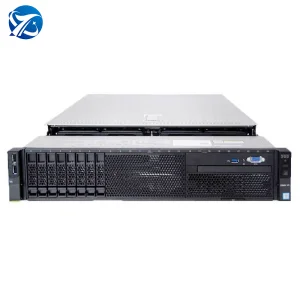
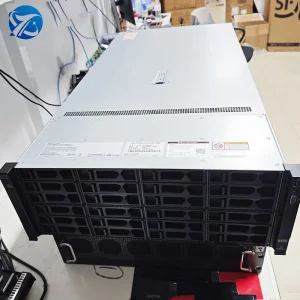
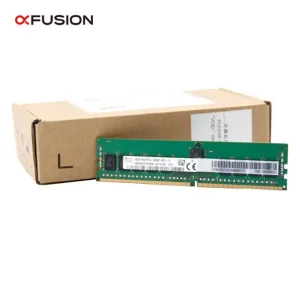
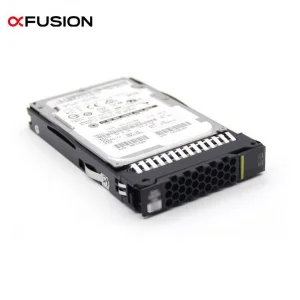
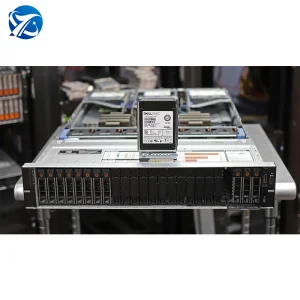
In the modern digital economy, enterprise application infrastructure requires near-zero latency and absolute downtime protection. High-availability server clustering has evolved from a failover contingency into a core architectural requirement. By combining multiple hardware compute nodes into a single cohesive logical system, server clustering provides automated failover, load balancing, and unparalleled scalability.
Modern software environments—ranging from complex database management systems (DBMS) to distributed neural network training arrays—rely heavily on cluster nodes that communicate via low-latency interconnects. A server cluster distributes workloads across multiple physical servers, eliminating any single point of failure (SPOF). When a specific hardware component or node encounters a fatal error, cluster management software immediately migrates running services to active healthy units in the network, preserving operational state and ensuring complete transaction integrity.
Distributes processing loads across all active cluster nodes concurrently, optimizing computing resource utilization and achieving high throughput.
Active-passive clusters maintain standby systems that assume operations instantly within milliseconds of detecting a main unit failure.
Enables the seamless integration of additional hardware server units to accommodate organic memory, compute, and I/O expansion.
Selecting a certified server clustering manufacturer ensures that hardware and driver layers are fully harmonized. Real-time synchronization requires high-bandwidth system architectures, redundant power systems, and specialized motherboard features designed for synchronized server orchestration.
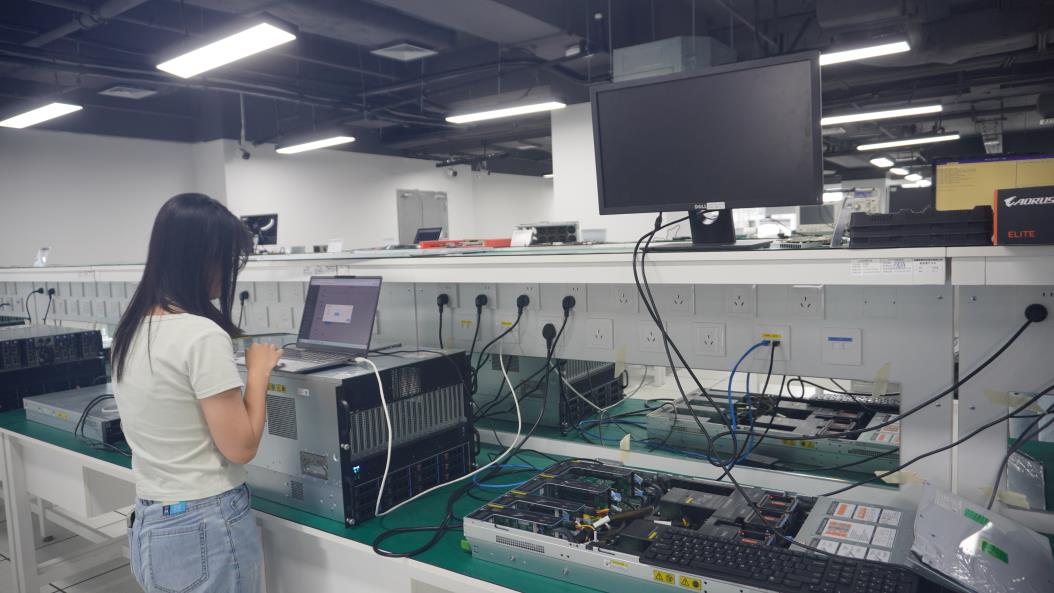
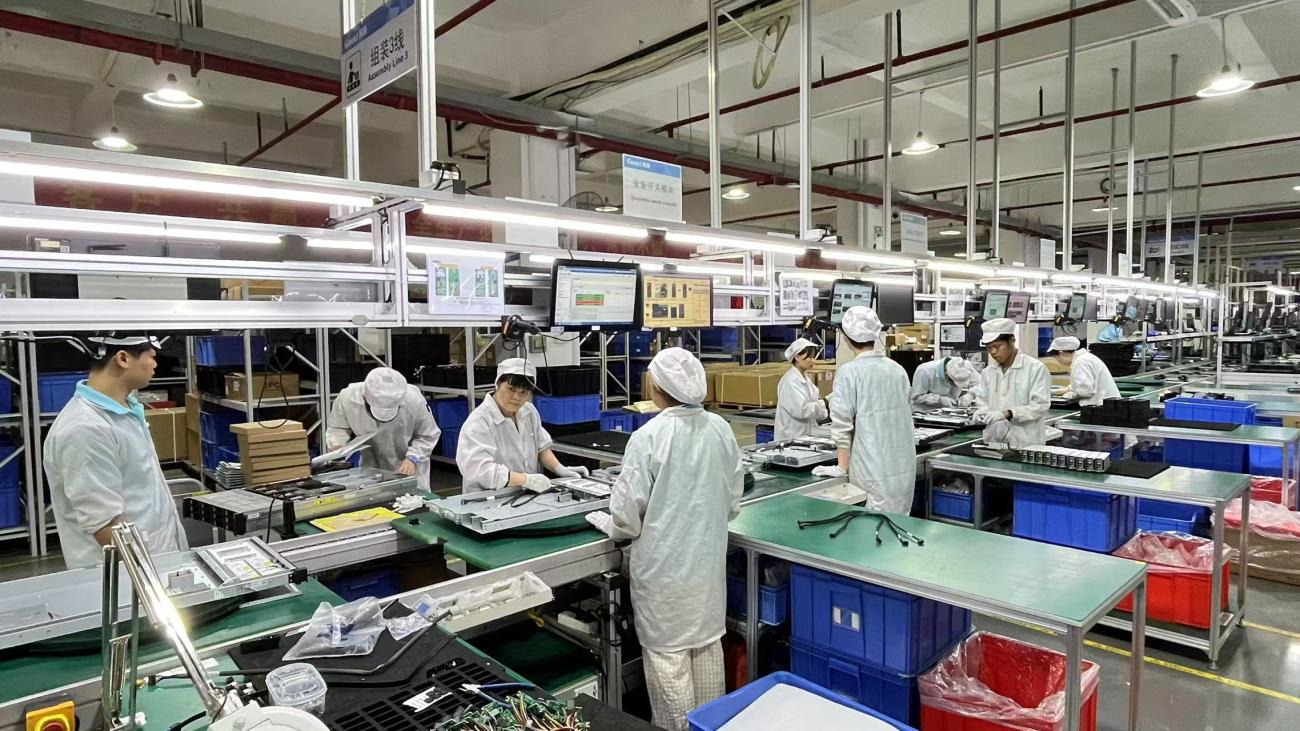
Established in 2016, Veltron Computing Technology Co., Ltd. is a premier manufacturer and global supplier of high-performance GPU servers, AI computing systems, and hardware platforms optimized for server clustering. Headquartered in the hardware innovation capital of Shenzhen, China, Veltron operates an advanced manufacturing plant spanning over 3,800 square meters. The facility is equipped with automated assembly lines, precision climate testing chambers, and specialized stress-testing laboratories.
Over the past 8 years of global export and 14 years of industry innovation, Veltron has supplied enterprise-grade computing power to system integrators, AI solution providers, and massive data centers across North America, Europe, Southeast Asia, South America, and the Middle East. With an annual export volume exceeding USD 18 million, our systems run mission-critical processes worldwide.
Years Tech Experience
R&D Engineers
QC Specialists
Supply Partners
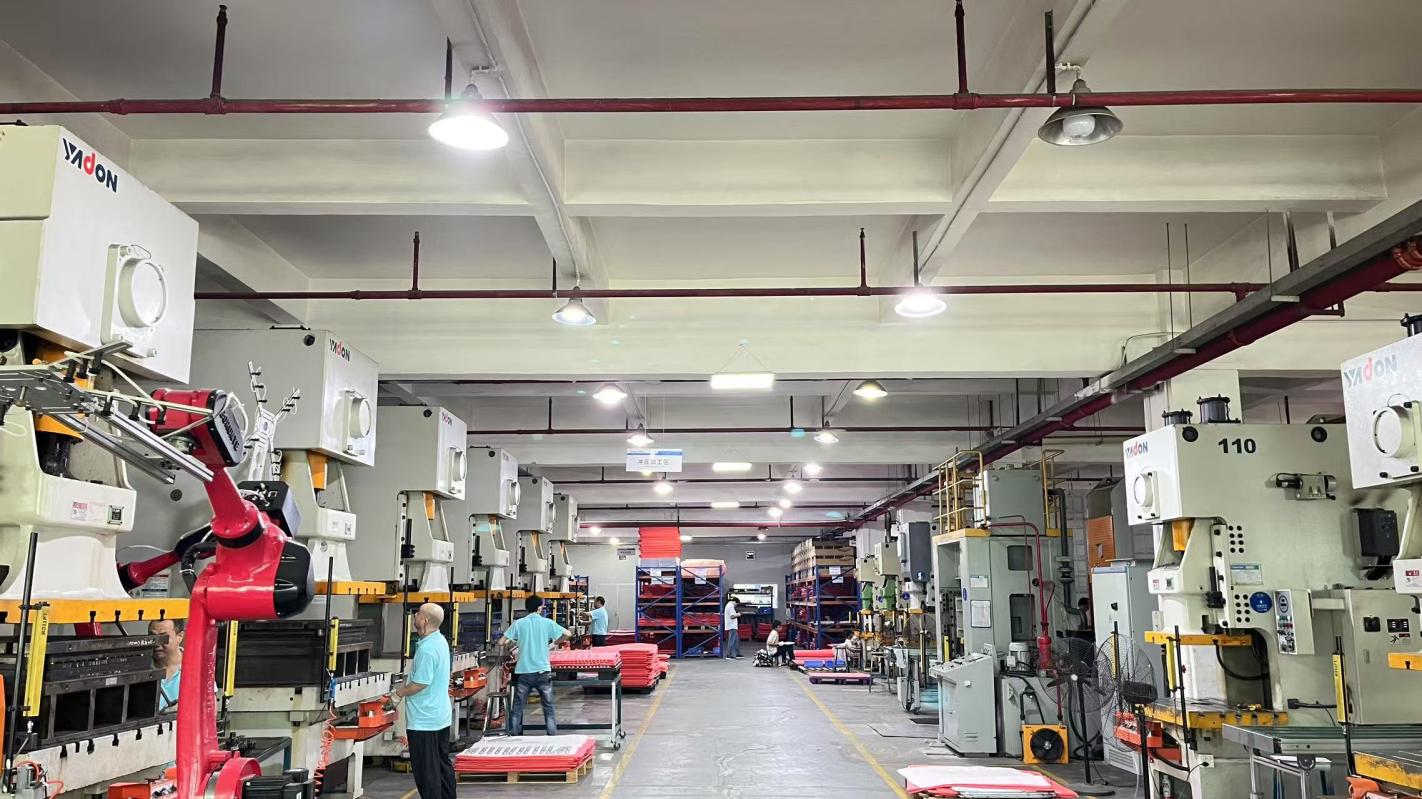
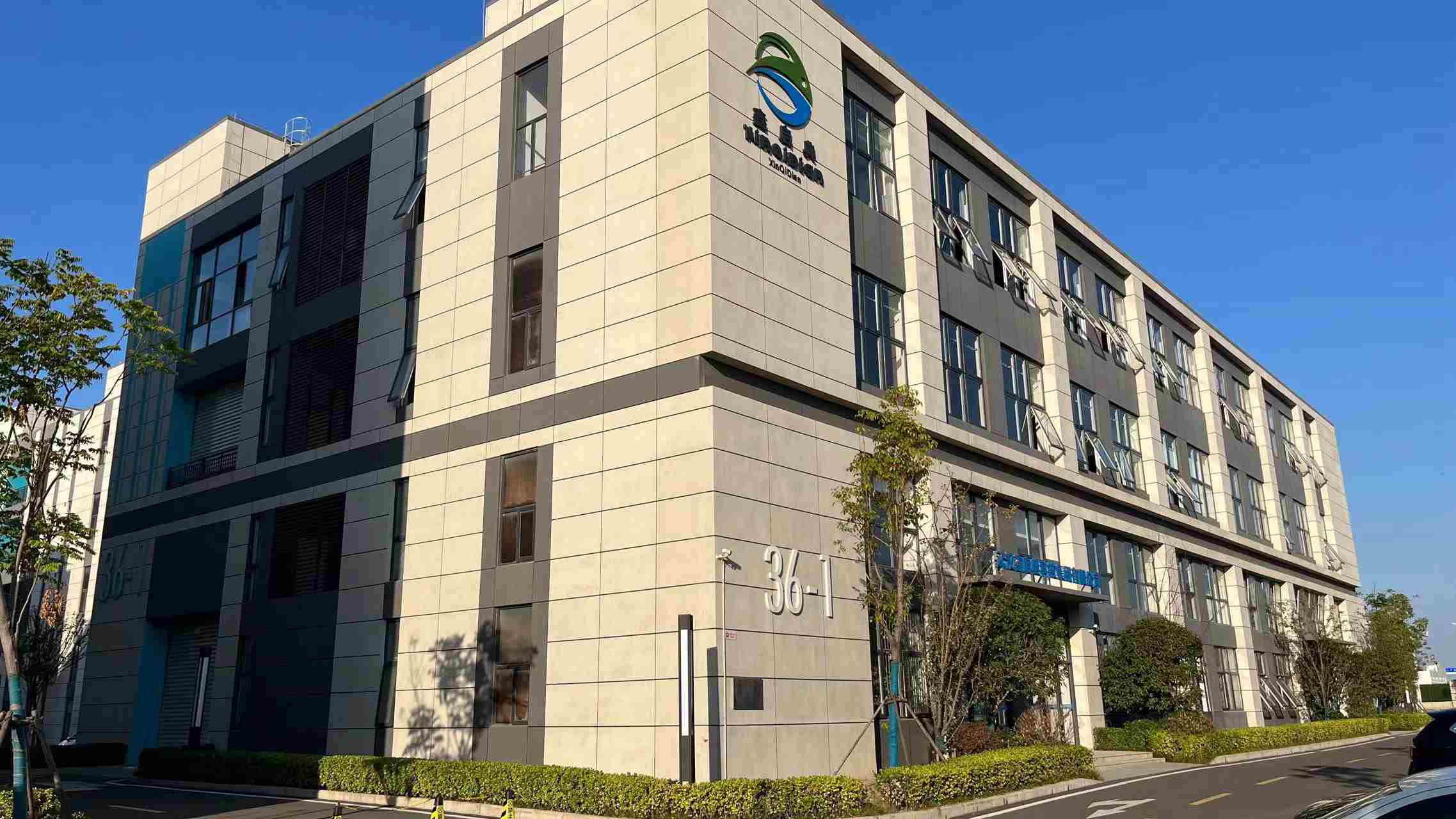

Procuring server clustering hardware on a global scale involves navigating complex variables beyond raw CPU or GPU speeds. Enterprise buyers, IT decision-makers, and database architects analyze parameters such as Total Cost of Ownership (TCO), physical rack density, electrical thermal design power (TDP), and global compliance structures.
As organizations adopt modern large language models, such as DeepSeek AI, and scale virtualization infrastructures, standard server setups hit performance walls. A typical enterprise cluster requires dedicated, high-speed node-to-node interconnects. Procurement teams must source hardware that guarantees broad compatibility across operating systems and virtualization layers. Key purchase metrics include:
Different industries utilize server clustering to solve specific processing, storage, and availability challenges. Veltron designs, tests, and delivers tailored cluster nodes designed for distinct business verticals:
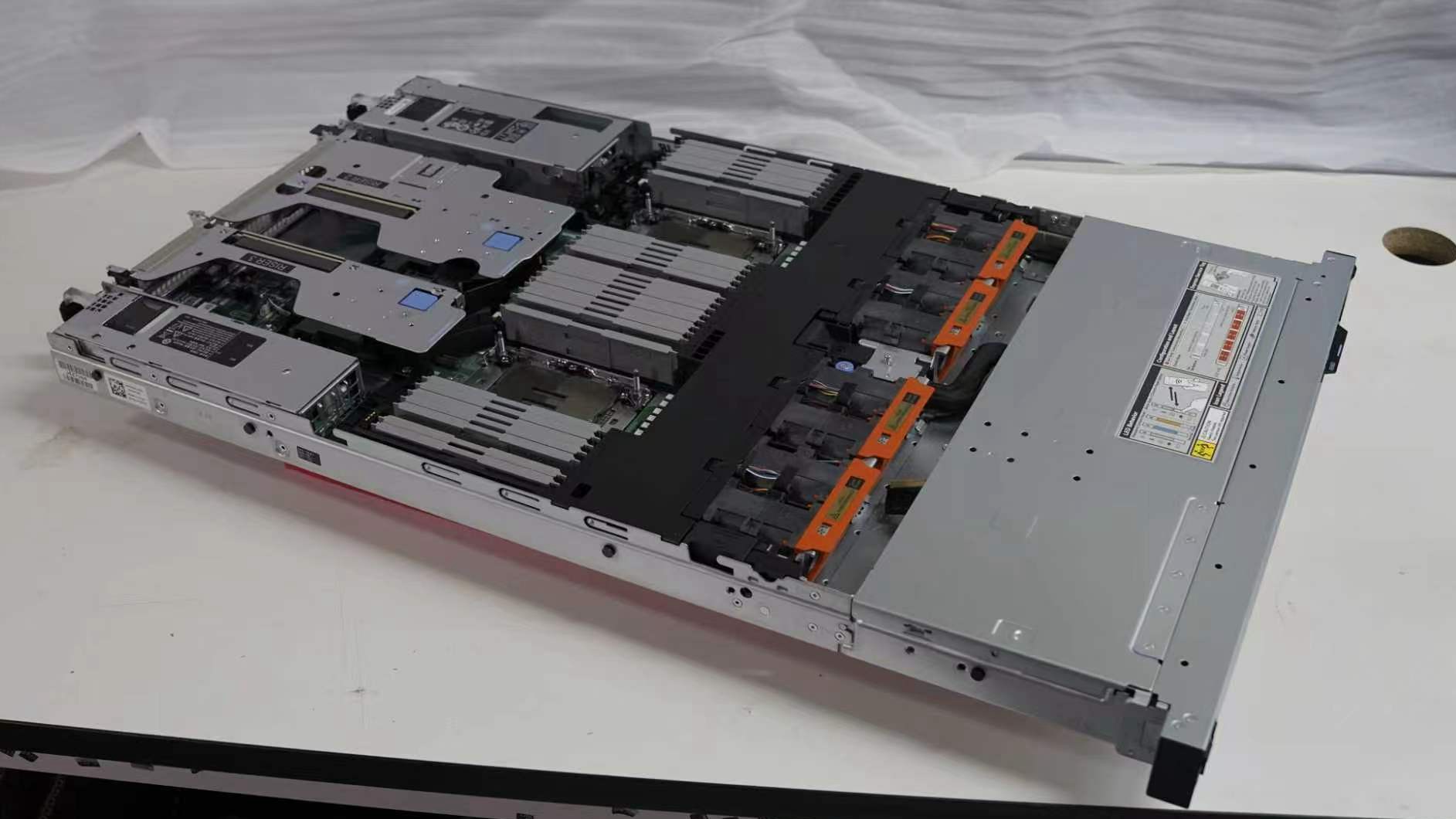
For banking platforms and trading desks, transaction consistency is critical. Veltron's 1U and 2U rack servers are optimized for active-active database clustering, running distributed databases like Oracle RAC or Microsoft SQL Server with zero data loss (RPO = 0) and sub-second failover execution.
AI training runs require hundreds of compute cores working in unison. By configuring clusters of GPU-dense platforms, like the Veltron-supported FusionServer G8600 V7, research institutions can build distributed neural network training pipelines. These setups feature high GPU-to-GPU bandwidth, enabling rapid gradient exchange and reduced epoch training durations.
Telecommunications operators use dense server clusters to manage Network Functions Virtualization (NFV). Using high-density 1U dual-socket platforms, cloud providers can host hundreds of isolated virtual machines per cluster, utilizing automated resource scheduling to balance compute demands dynamically.
The next generation of high-availability clustering will be defined by liquid cooling, CXL (Compute Express Link), and unified optical networking. To remain competitive, organizations must adapt to these emerging technical standards.
Adopting hybrid cooling loops to manage TDP up to 700W+ per node, ensuring consistent clock speeds across the cluster.
Using Compute Express Link protocol to enable pooled memory sharing across clustered devices, reducing latency bottlenecks.
Integrating machine learning in management planes to predict component degradation and migrate workloads before errors occur.
Moving from traditional 2U configurations to multi-node chassis designs, maximizing compute density per rack unit.
Veltron's R&D laboratory, comprised of 168 experienced engineers, remains at the forefront of these transitions. By releasing over 85 new product configurations and platform upgrades annually, we ensure our customers receive clusters designed to accommodate future computing shifts.
Hardware reliability is critical when deploying clustered nodes. A single unstable node can compromise the entire cluster. Veltron maintains strict quality control measures, backed by 56 dedicated quality inspectors and testing specialists.
Every server blade, GPU workstation, and database controller undergoes systematic testing protocols:
Veltron leverages strategic partnerships with over 1,200 suppliers globally. This integrated supply chain enables reliable components sourcing, predictable manufacturing cycles, and competitive lead times, even for highly customized layouts.
Expert insights regarding deployment configurations, hardware support, and cluster management.
Load-balancing clusters distribute incoming network traffic across multiple nodes to maximize system performance and optimize resource utilization. High-availability clusters focus on redundancy, maintaining a secondary node to assume control instantly if the primary unit fails.
We configure hardware and BIOS options to support fencing (such as STONITH - Shoot The Other Node In The Head). Additionally, we recommend dedicated heartbeat connections and redundant network paths to ensure nodes maintain precise communication states.
While software layers like Kubernetes or VMware vSphere allow heterogeneous hardware configurations, matching identical processor generations, memory sizes, and networking controllers prevents performance bottlenecks and ensures consistent compute performance.
Our team of 168 R&D engineers provides customization services, including specialized chassis modifications, custom BIOS configurations, proprietary firmware integration, and custom branding for system integrators.
For high-throughput database systems, we recommend dual 10G or 25G Ethernet links for heartbeat and control, and 100G RoCEv2 or InfiniBand interconnects for distributed storage systems like Ceph or NVMe-oF.
Our server hardware platform meets global regulatory standards, including CE, FCC, RoHS, and CCC, ensuring compatibility with international datacenter requirements.
Reliable computing systems, high-density blades, and essential expansion hardware to build stable enterprise clusters.