Veltron
Veltron
Veltron
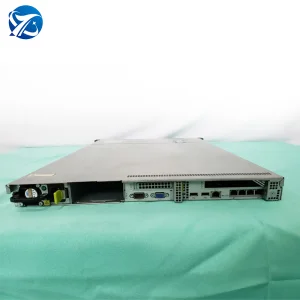
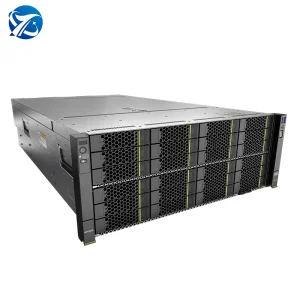
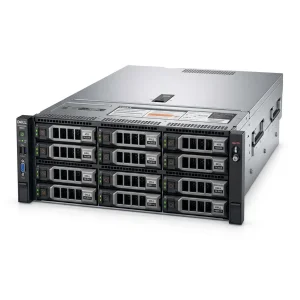
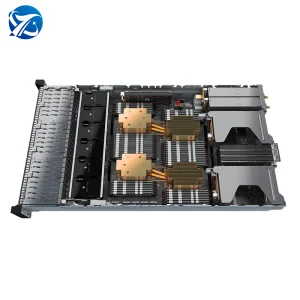
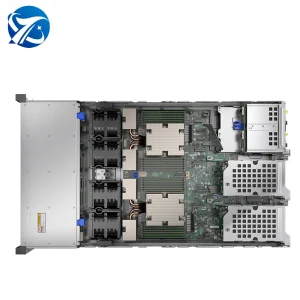
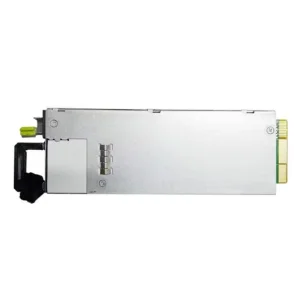
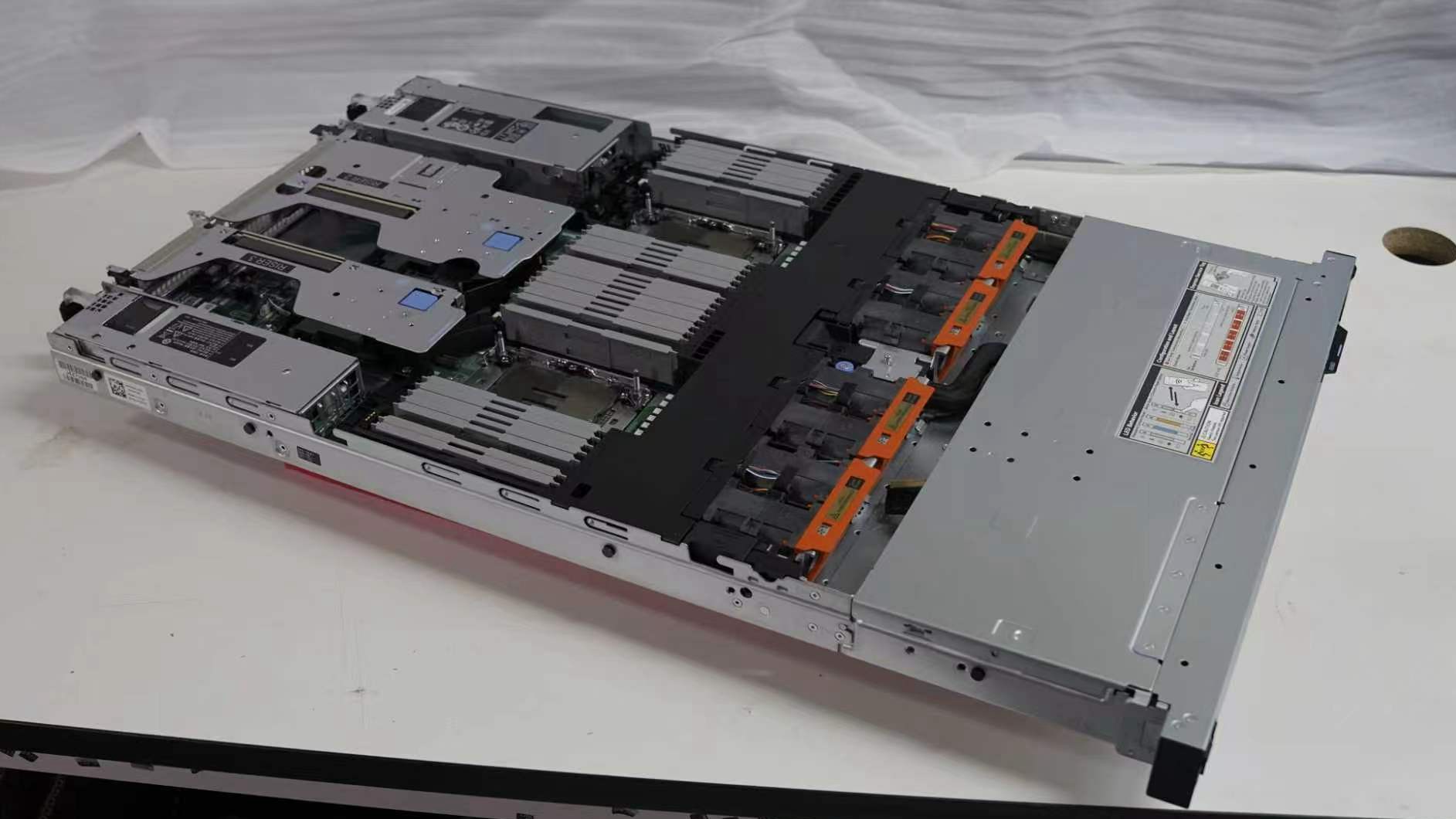
Explore our elite portfolio of enterprise server units and heavy-duty computing systems, designed for complex data centers and harsh industrial edge deployments.
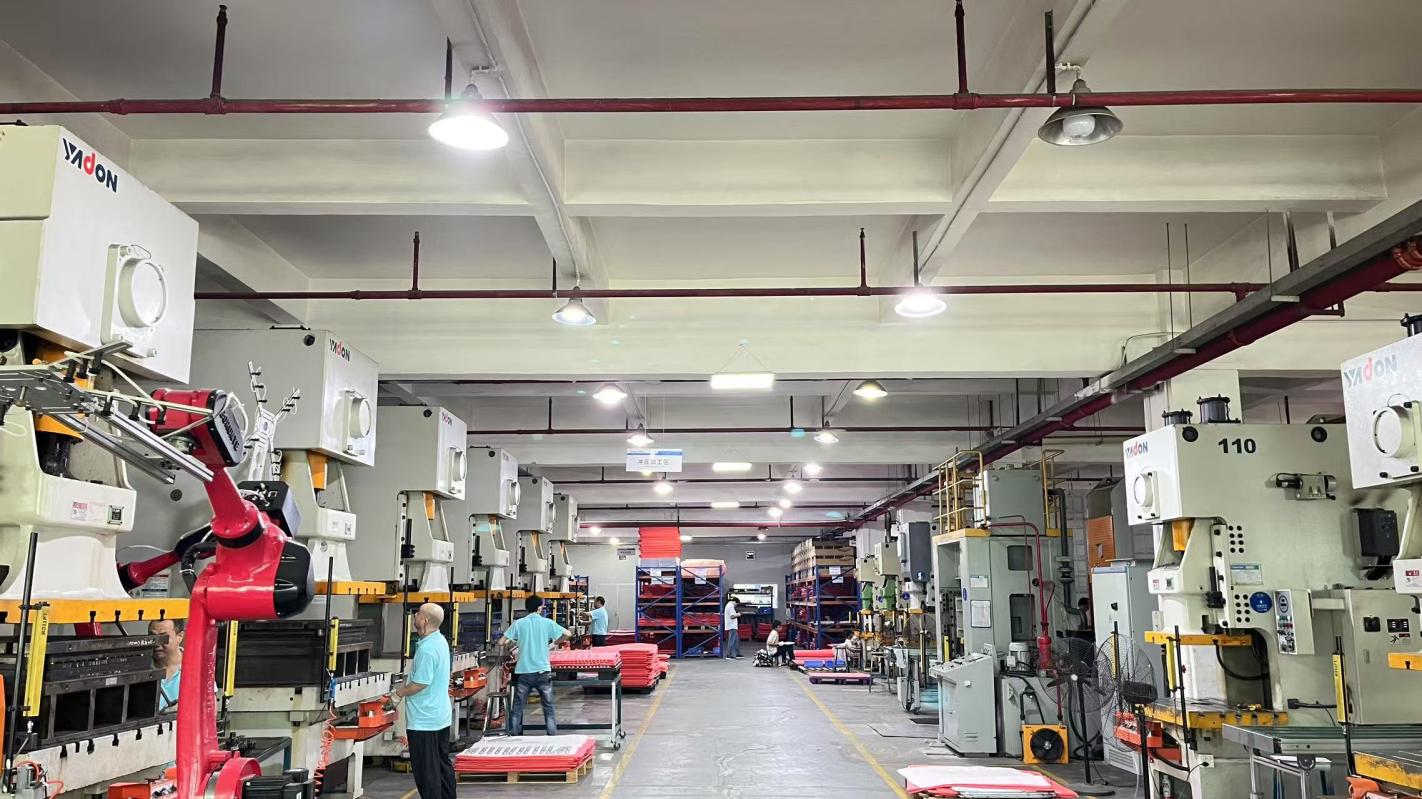
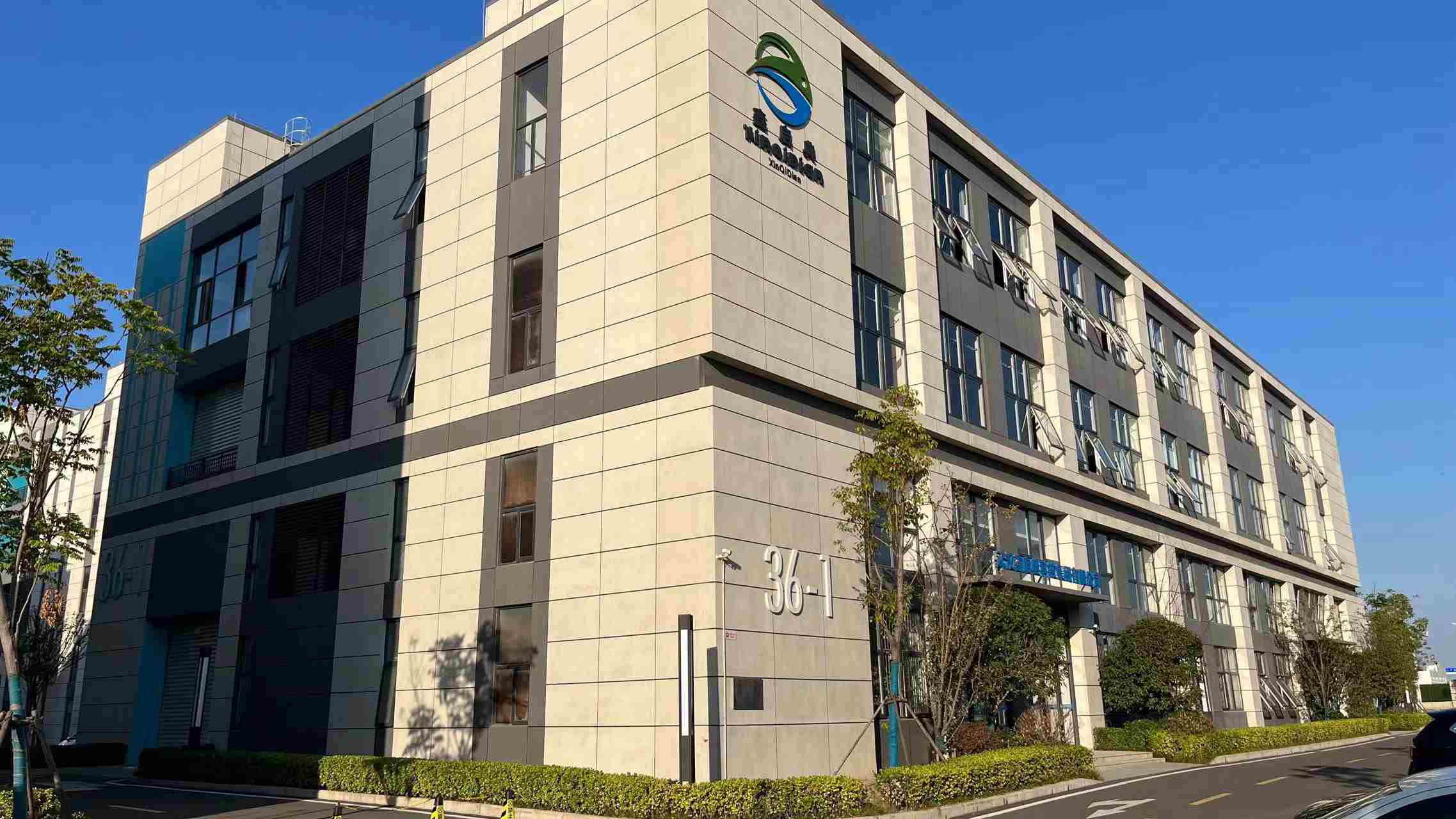
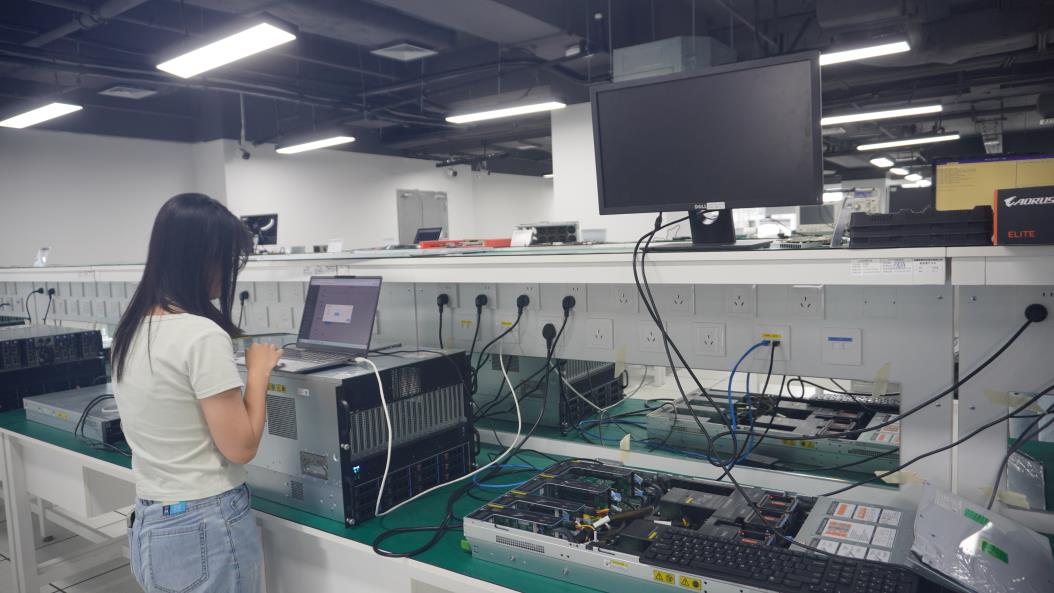
A look into our manufacturing scale and engineering competence based in Shenzhen, China.
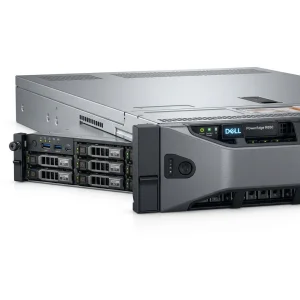
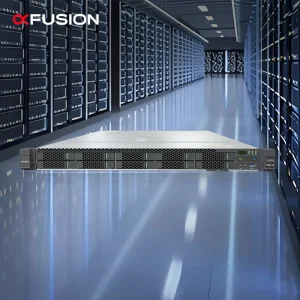
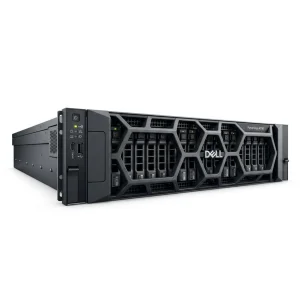
As industrial operations transition toward automated, data-driven frameworks, deploying high-performance processing hardware at the network edge is no longer optional. Modern workloads such as localized computer vision, automated sorting, real-time safety monitoring, and sensor fusion demand substantial compute capabilities. This requires high-performance servers, such as Dell PowerEdge and xFusion 2U/1U rack units, to operate reliably outside controlled, pristine data centers.
Deploying sensitive enterprise-grade computational components in environments like marine ports, smelting plants, desert solar fields, or railway corridors exposes them to dust, humidity, water ingress, and varying temperatures. To mitigate this risk, operators rely on IP66-rated enclosures. An IP66 enclosure offers a dual protective guarantee: complete protection against dust ingress (dust-tight) and resilience against high-pressure water jets from any direction. By integrating advanced IP66 enclosures with robust computing systems, operators ensure long-term stability and minimize costly downtime.
Selecting an IP66 enclosure goes beyond mechanical dimensions. It requires coordinating thermal load calculations, electromagnetic compatibility (EMC) shielding, vibration isolation, and structural integrity. A quality enclosure must protect sensitive computing components while maintaining the necessary thermal operating parameters.
The Ingress Protection (IP) rating system, defined under international standard IEC 60529, classifies the degree of protection provided against the intrusion of solid objects, dust, accidental contact, and water. For demanding industrial applications, the IP66 classification represents a critical benchmark:
For critical compute infrastructure, meeting IP66 standards is essential. Even minor particle ingress can cause short circuits on high-density PCBs, while moisture accumulation can lead to oxidation, chemical corrosion, and unexpected system failure.
China has established itself as a hub for advanced mechanical engineering and manufacturing. Working with an experienced exporter provides several distinct advantages for global enterprise buyers:
Leading Chinese exporters utilize high-precision CNC laser cutters, automated robotic bending cells, and advanced welding systems. This technology ensures tight tolerances, which are critical for the consistent compression of polyurethane or neoprene gaskets required to achieve an IP66 seal. Common materials include:
Sealing a high-heat GPU server inside an IP66 enclosure requires careful thermal management. As an exporter of both computational systems and mechanical enclosures, Veltron Computing understands the balance between containment and cooling. Solutions include:
IP66 enclosures serve as critical protective shells across various global industries:
Modern ports rely on automated guided vehicles (AGVs), automated gantry cranes, and optical character recognition (OCR) systems to manage shipping containers. The computing hardware driving these edge systems must operate reliably near saltwater, high humidity, and heavy dust. IP66 enclosures protect the server units from corrosion, ensuring continuous port operations.
Refineries and smelting plants generate abrasive particulate matter and require regular high-pressure washdowns to maintain safety standards. Encasing computing nodes in SUS316 stainless steel IP66 enclosures keeps fine dust and chemical sprays away from the circuitry, preventing premature component wear.
Smart cities require edge servers installed on utility poles, traffic control boxes, and building exteriors to manage real-time camera feeds and traffic control data. These systems must withstand heavy rainfall, snow, and extreme summer temperatures. Weatherproof IP66 cabinets protect the electronics, keeping critical municipal infrastructure operational year-round.
Designed for reliability and performance in demanding operational environments.
Complete defense against microscopic particulates and industrial dust. Verified by rigorous vacuum pressure testing protocols.
Engineered to withstand direct, high-pressure water jets. Perfect for environments undergoing frequent washdown cycles.
Available with customized air-to-air heat exchangers and integrated cooling loops to prevent internal heat buildup.
Constructed with SUS304/SUS316 stainless steel or outdoor-grade powder coatings for long-term resistance to coastal environments.
Optional electromagnetic shielding to protect high-frequency signals and ensure reliable data transmission near heavy machinery.
Every batch undergoes comprehensive testing, including salt spray corrosion, load testing, and seal compression analysis, to verify adherence to international standards.
Enterprise buyers, system integrators, and infrastructure leads should evaluate several key technical criteria when sourcing IP66 enclosures:
The gasket is the primary defense against water and dust ingress. Prominent gasket options include:
For outdoor and public installations, physical security is as critical as environmental protection. High-quality enclosures utilize multi-point locking mechanisms (3-point or 5-point systems) with tamper-resistant cylinder locks. This design ensures even distribution of compression across the gasket, maintaining the IP66 seal.
An enclosure is only as secure as its entry points. The use of IP68-rated brass nickel-plated or nylon cable glands is required to maintain the system's overall IP rating. Modular cable entry plates allow for the routing of pre-terminated cables (such as RJ45, fiber patch cords, and power lines) without compromising the seal.
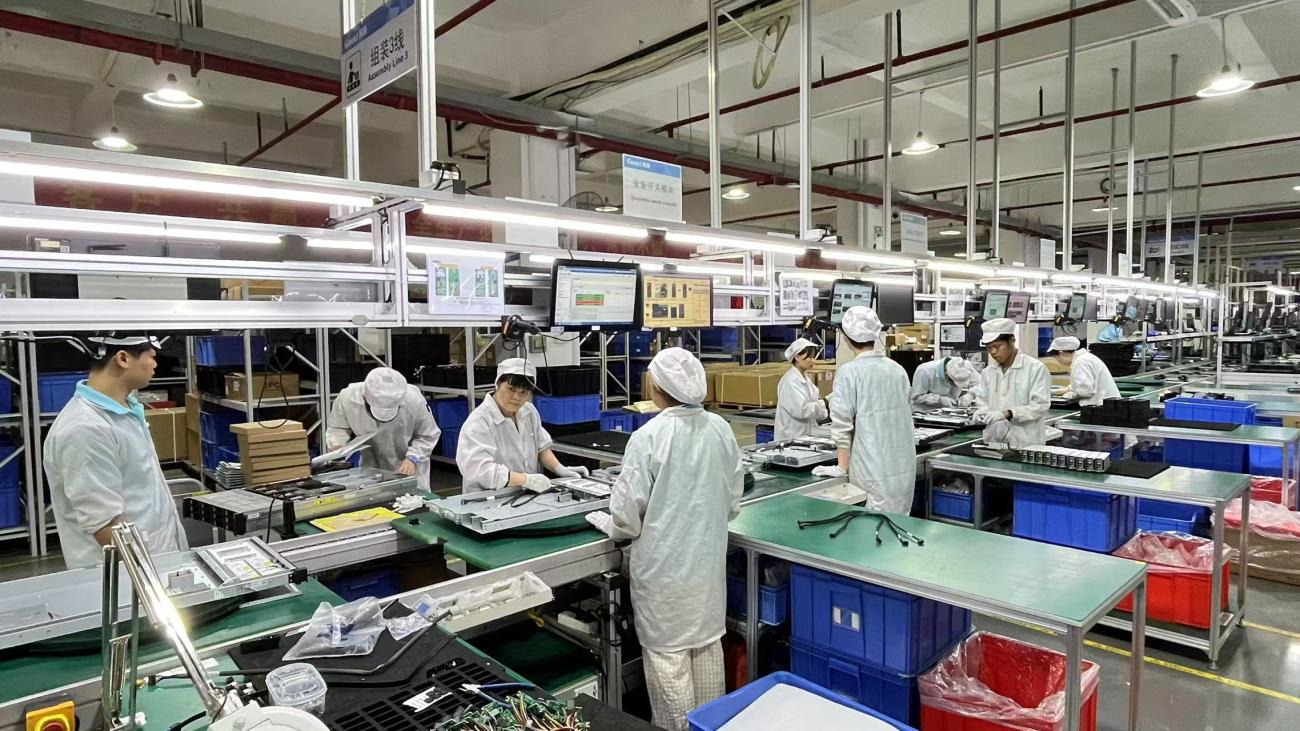
Located in Shenzhen, China, Veltron Computing operates a 3,800 square meter facility that integrates modern fabrication equipment with testing systems. A team of 56 quality control personnel monitors every phase of the manufacturing process, from raw material inspection to final environmental testing. With access to over 1,200 local supply chain partners, we ensure consistent production capacity and reliable component sourcing. Our 168 R&D engineers support OEM/ODM projects, introducing regular upgrades to match evolving edge computing requirements.

Technical answers to key concerns for global procurement officers and system engineers.
Select options from our scalable compute architectures, GPU configurations, and specialized enterprise power systems.