Veltron
Veltron
Veltron
Enterprise Servers & RAID Controller Cards Engineered for Modern Cloud Databases, Edge Computing & AI Inference
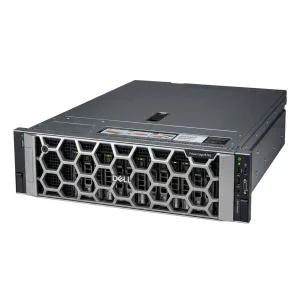
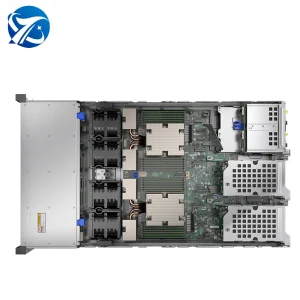
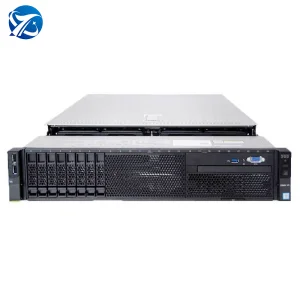
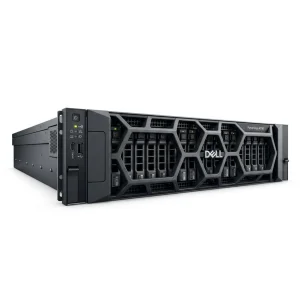
In the modern datacenter, legacy CPU-centric computing is facing severe efficiency limitations. As networking demands surpass 100 Gbps and enter the 200G/400G era, the processing overhead required to handle hypervisor management, software-defined storage, network virtualization, and inline encryption—often termed the "datacenter tax"—consumes up to 30% of host CPU cycles.
The Data Processing Unit (DPU) resolves this bottleneck by acting as an independent system-on-chip (SoC). It blends high-performance multi-core processors, hardware-accelerated network interfaces (SmartNIC functionalities), and programmable engines designed for specialized workloads. By offloading infrastructure management, the DPU returns valuable compute cycles to the CPU, freeing up the primary processor to run customer applications, database transactions, and LLM algorithms.
China's manufacturing sector has rapidly positioned itself at the epicenter of this technological shift. Factories in Shenzhen and surrounding tech zones utilize dense semiconductor integration capabilities and robust supply chains to manufacture world-class DPUs, GPU servers, and high-speed network interfaces. As a premium manufacturer, Veltron Computing Technology Co., Ltd. addresses the global demand for advanced hardware platforms, delivering enterprise-level systems that seamlessly adopt DPU-accelerated networking and storage protocols.
Analyzing the Ecosystem Advantages, Industrial Clustering, and Unmatched Production Velocity of China's Tech Hubs
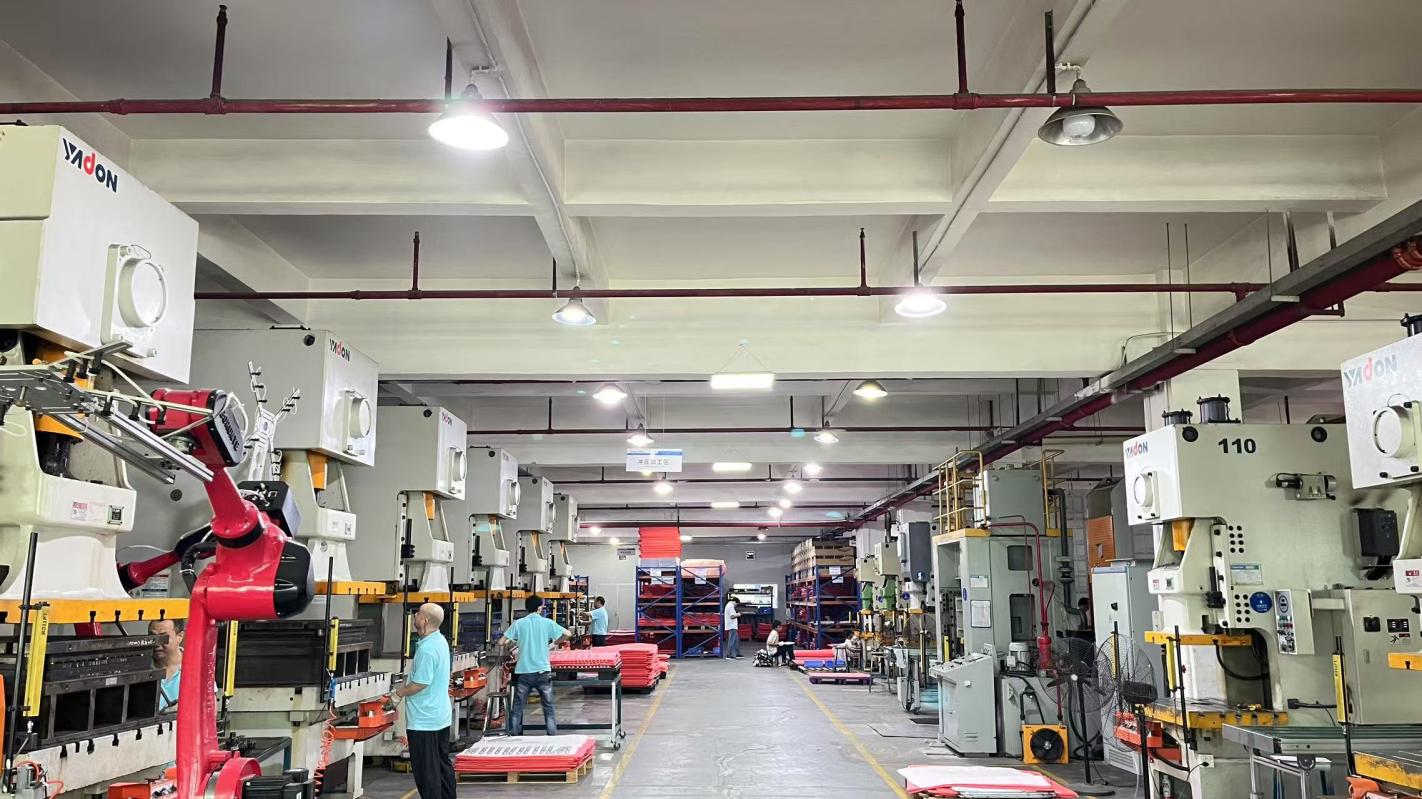
Chinese hardware clusters, particularly in Shenzhen, offer immediate access to PCB fabricators, high-density component suppliers, thermal interface material experts, and advanced metal chassis casting. This proximity reduces development cycles and allows custom hardware modifications within days rather than months.
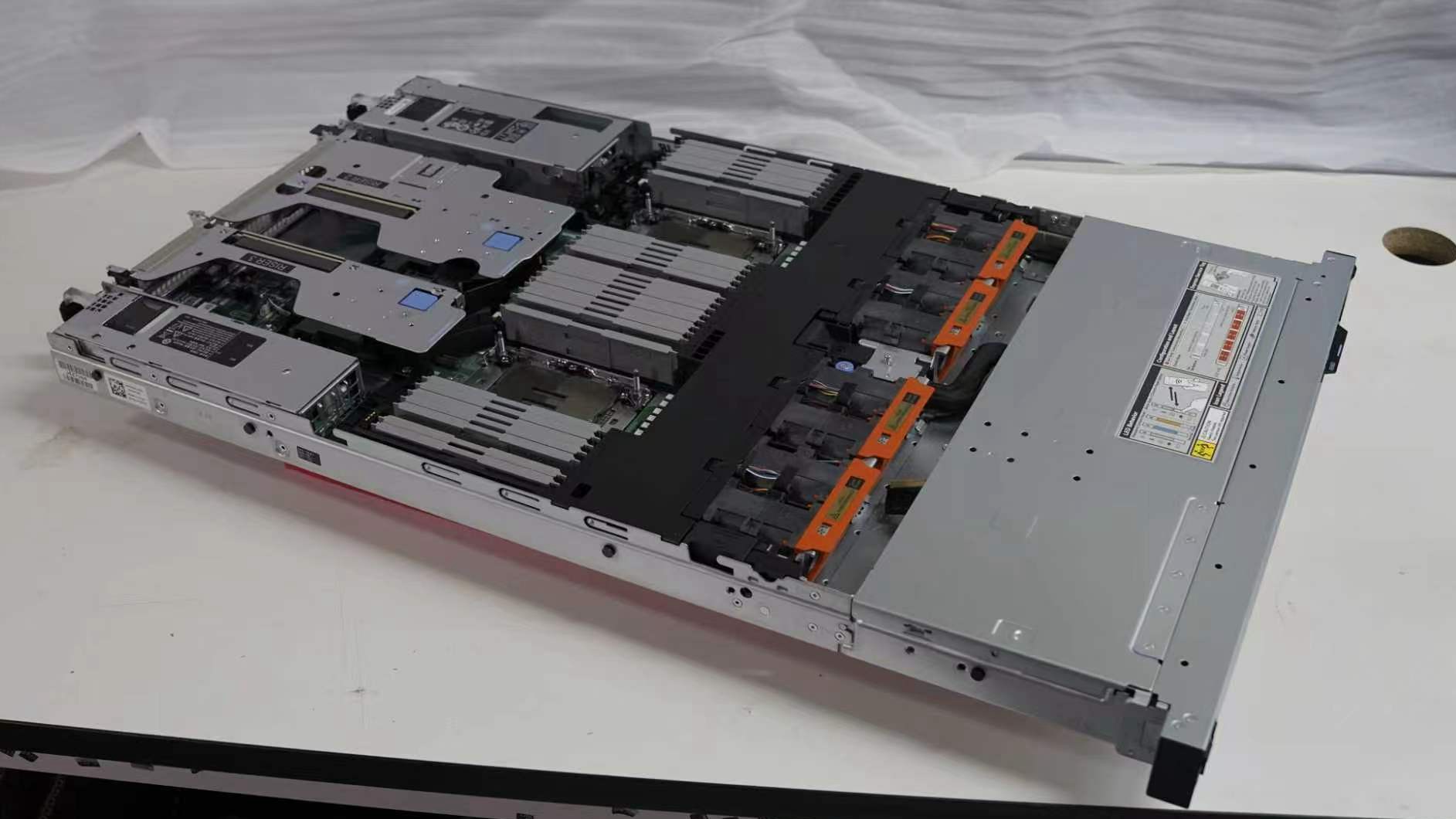
Factories are engineered to accommodate high-mix, low-volume pilot runs as easily as high-volume production schedules. Dedicated structural and firmware engineering teams assist international procurers in customizing server motherboards, chassis cooling designs, and BIOS configurations to meet exact customer specifications.
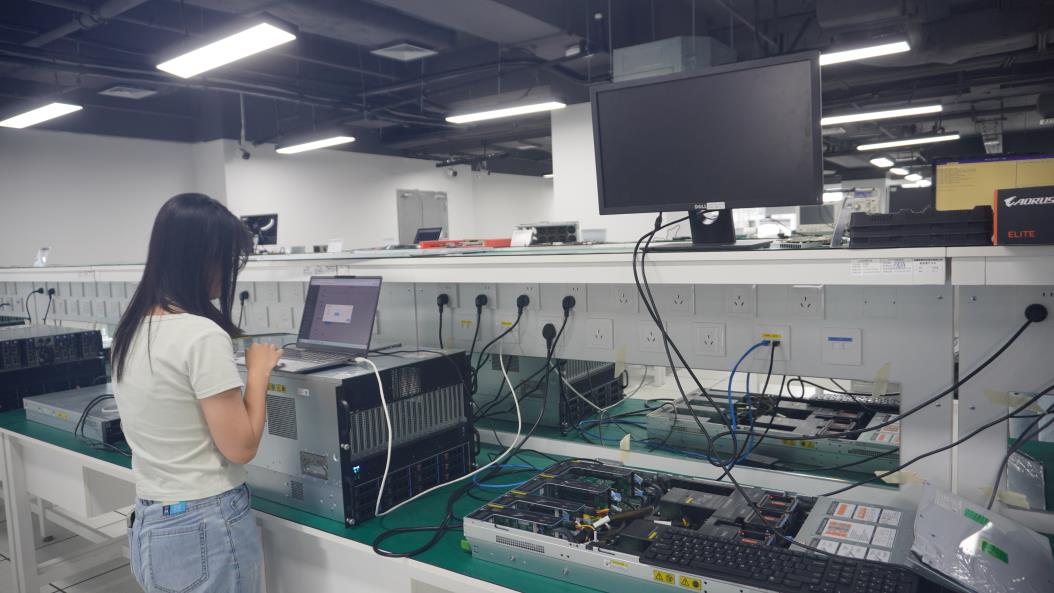
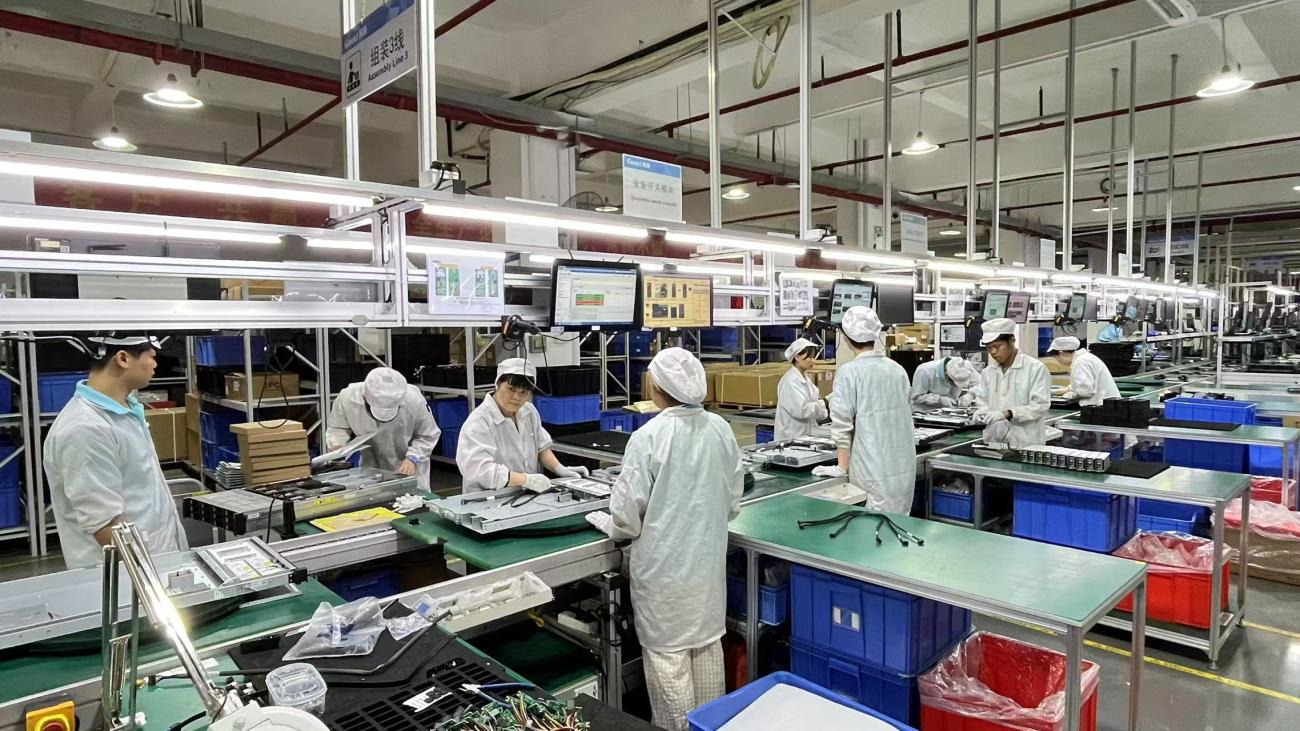
Advanced Chinese manufacturing facilities feature optical testing equipment (AOI), x-ray inspections for BGA soldering, high-temperature burn-in chambers, and environmental chambers. This guarantees server-grade reliability, keeping failure rates beneath strict enterprise thresholds.
Years of Industry Expertise
Annual Export Volume
R&D Engineers
Dedicated QC Personnel
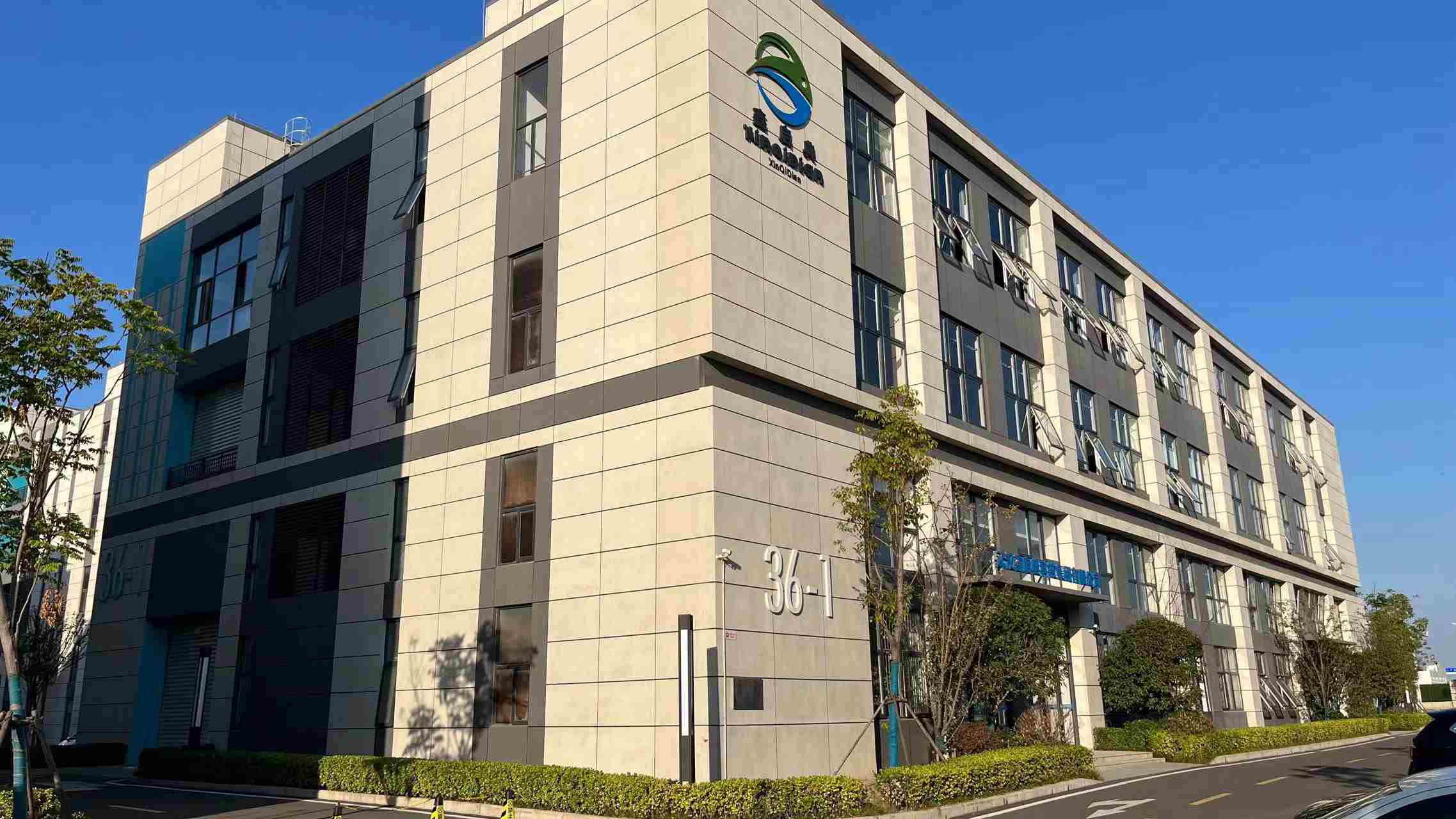
Established in 2016, Veltron Computing Technology Co., Ltd. has grown into a leading manufacturer and global exporter of high-performance GPU servers, intelligent computing systems, and server accessories. Located in the technology hub of Shenzhen, China, Veltron operates a state-of-the-art manufacturing facility spanning over 3,800 square meters, utilizing modern assembly lines, diagnostic equipment, and strict quality control protocols.
With 8 years of dedicated export experience and 14 years of industry expertise, Veltron has successfully delivered scalable, reliable computing infrastructure to system integrators, cloud service providers, and enterprise IT operators in North America, Europe, South America, the Middle East, and Southeast Asia. Our strong supply chain network, consisting of more than 1,200 partners, ensures stable raw material supply, predictable production timelines, and rapid shipping capabilities.
Innovation and reliability represent the core of our operations. Our R&D center, staffed by 168 experienced engineers, focuses on server hardware optimization, GPU cooling design, and hardware-software validation. Every year, we launch more than 85 new product designs and upgrades, ensuring our catalog aligns with the latest developments in AI training, cloud computing, and DPU integration.

How Modern Data Processing Units Accelerate Compute, Virtualization, and Network Fabrics
By shifting virtualization hypervisors (such as KVM or ESXi) onto the DPU, data centers can supply true bare-metal performance while retaining the resource isolation, live migration capabilities, and tenant management features of a fully virtualized public cloud.
By executing firewalls, access control policies, threat inspection, and line-rate encryption (TLS/IPsec) directly on the DPU, security boundaries are physically isolated from the host CPU. This protects data even if the host operating system or virtual machine is compromised.
DPUs natively emulate local NVMe physical drives over ethernet networks. Through protocols such as RoCEv2, servers access remote flash storage arrays with minimal latency overhead, enabling highly scalable, disaggregated storage pools.
Global buyers sourcing from China must verify key technical, compliance, and logistical parameters to ensure seamless deployment and reliable long-term operations:
The semiconductor and datacenter industries are witnessing rapid consolidation between SmartNIC and DPU features. Future DPU chips will integrate dedicated AI accelerators directly on the processing card, enabling real-time network traffic modeling, autonomous routing, and hardware-accelerated security scanning.
Furthermore, the transition to PCIe Gen 6 and CXL (Compute Express Link) architectures will enable cohesive memory sharing between the host CPU, system RAM, DPU, and connected GPU accelerators. This memory pooling minimizes system latency and improves cluster efficiency during distributed LLM training workloads.
For enterprise procurers, sourcing from flexible manufacturing partners like Veltron ensures access to systems built on the latest design standards, featuring optimized thermal solutions and validated component compatibility.
Technical & Logistical Guidance for Procurement Officers, Systems Integrators, and Datacenter Architects
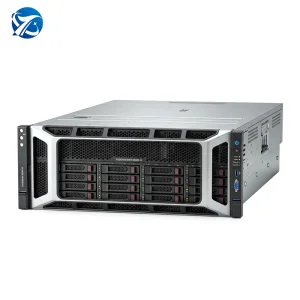
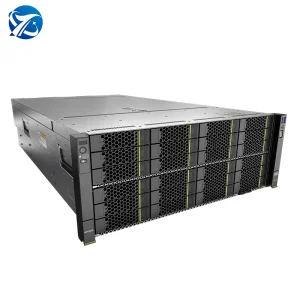
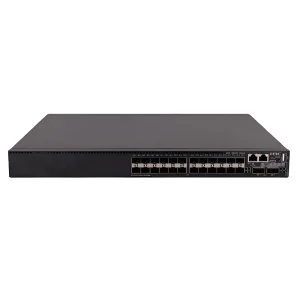
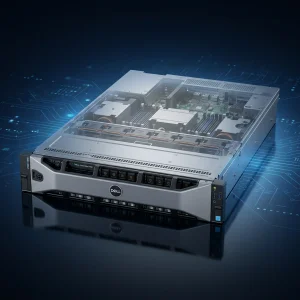
Enterprise Network Switches, High-Performance GPU Clusters, and Quality Accessories