Veltron
Veltron
Veltron
Direct access to advanced internal interconnects, server motherboards, and memory configurations.
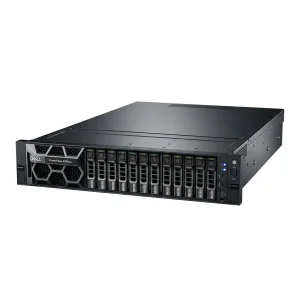
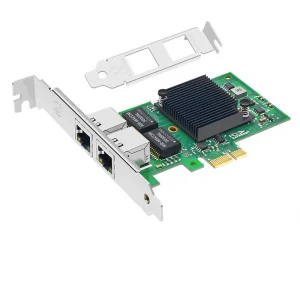
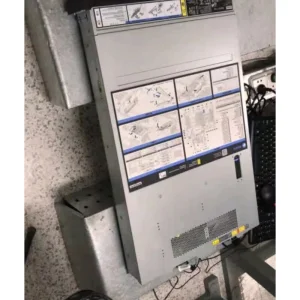
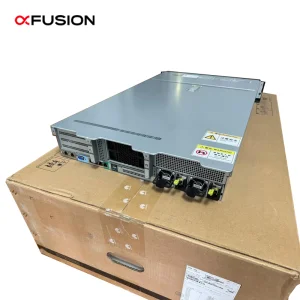
In the modern data center era, cabling is no longer merely a means of electrical connection. With the explosive rise of AI training clusters, large language model configurations, and high-performance computing (HPC) centers, cabling systems have become a core determinant of signal integrity, system reliability, and thermal efficiency.
Global research indicates that over 18% of unexpected server downtimes are linked directly to mechanical connection fatigue, excessive cable bending, or blocked thermal pathways. As data transfer speeds breach PCIe Gen5 and Gen6 levels, signal attenuation demands strict adherence to bend radius specifications and structural optimization.
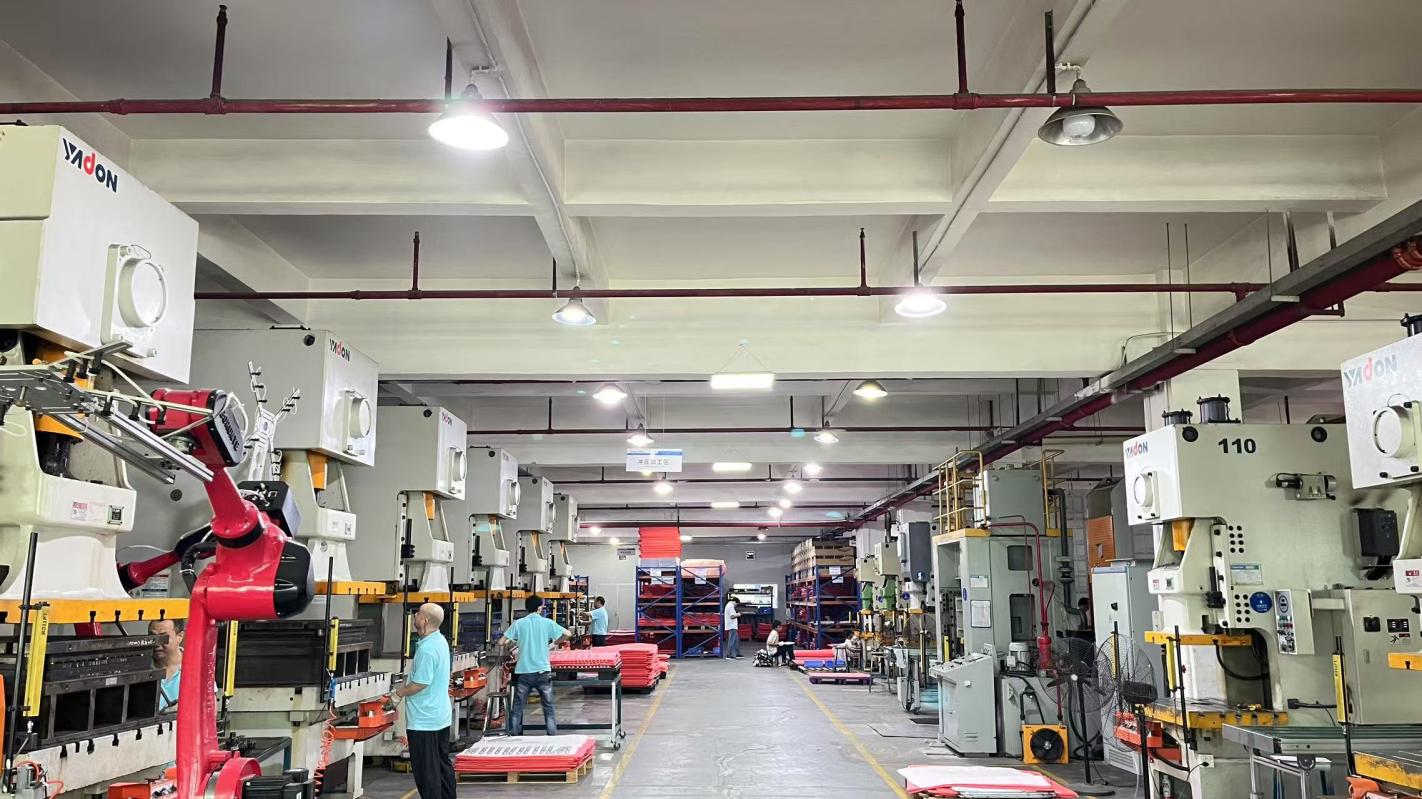
Combining strategic supply chain alignment with state-of-the-art server integration to deliver robust digital transformation assets worldwide.
A structured engineering breakdown of the leading physical cabling architectures utilized by enterprise data center designers globally.
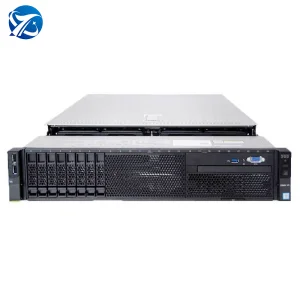
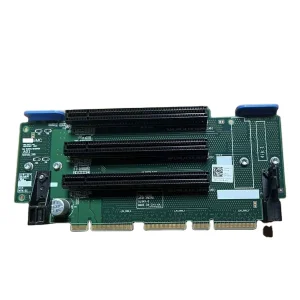
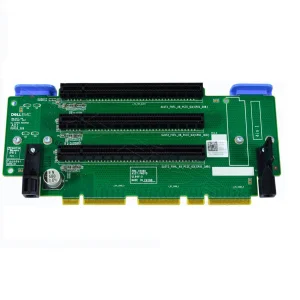
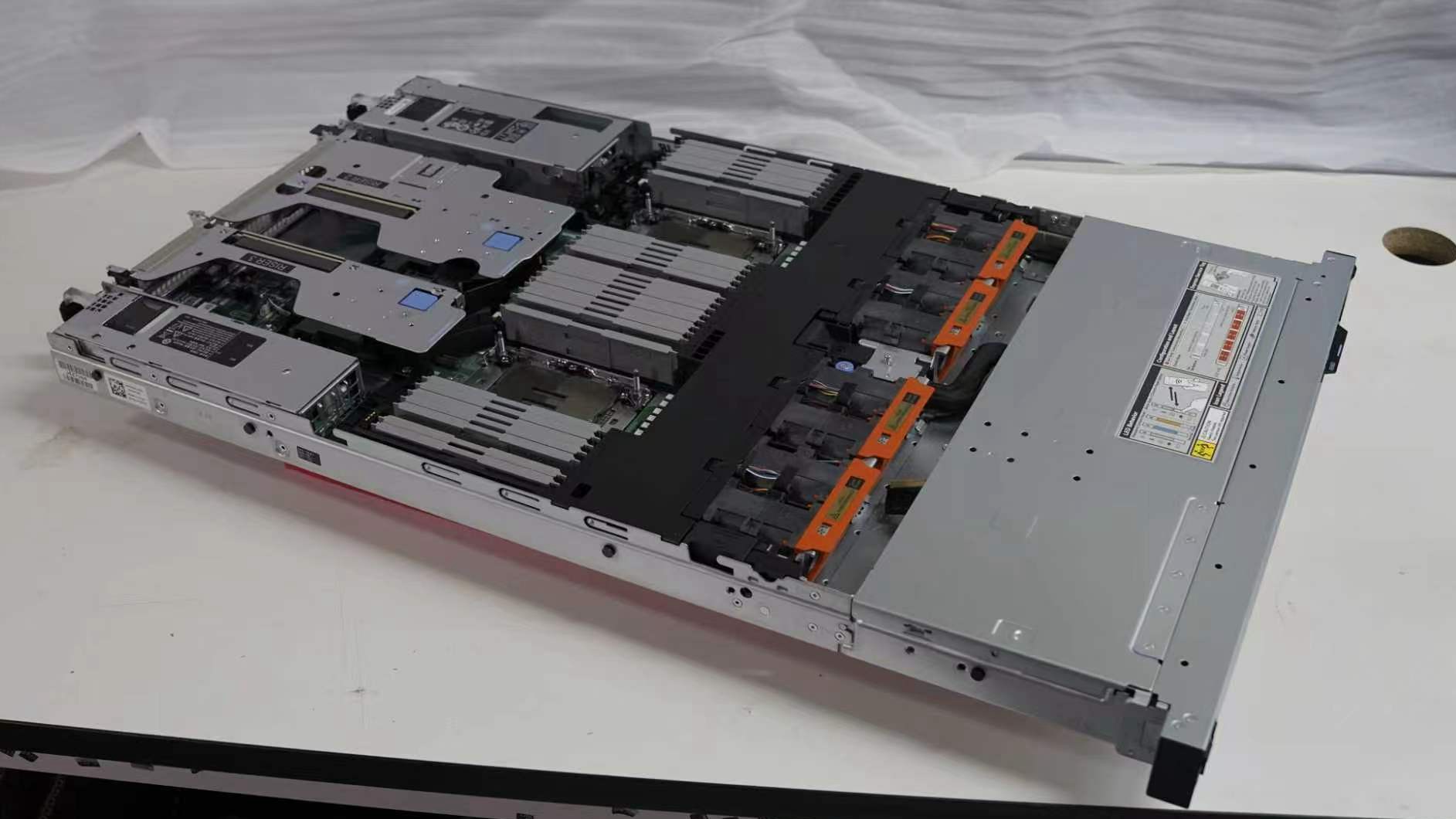
For AI servers like the Dell R740 and xFusion V6 series, riser boards (e.g., PM3YD) allow GPUs and NICs to align cleanly with backplanes. Structured riser cabling reduces mechanical strain on motherboard slots while creating direct, clear ventilation pathways.
Utilizing high-speed cables like the XC170-M-8i arrays ensures impedance matching and minimum signal crosstalk. Secure path routing keeps storage buses running at 12Gb/s or higher without packet drops or thermal interference from GPU power lines.
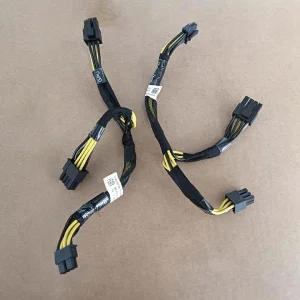
High-density GPU nodes require high-current capacity connections. Specific power harness cables like the TR5TP graphic power lines handle heavy electrical loads and include flame-retardant sleeves that organize complex power layouts.
Positioned on the sides of 19-inch racks, vertical channels manage power and fiber drops, preventing high-density optical fibers from bending past their physical limits and suffering signal degradation.
horizontal organizers route patch cords between switches and patch panels. Brush panels block hot air recirculation from the rear of the cabinet, improving the thermal efficiency of cold-aisle containment systems.
Separate from copper power paths, overhead yellow fiber raceways route fragile optical connections safely across the room, isolating data lines from electromagnetic interference (EMI).
Replacing plastic zip-ties with hook-and-loop fasteners prevents over-compression of high-speed copper lines (such as Cat6A or Twinax cables), which can alter wire geometry and cause impedance changes.
CMAs attach to the back of sliding rack-mount servers. They fold and extend dynamically, allowing engineers to pull out a server for maintenance without disconnecting active network or power lines.
In raised-floor facilities, under-floor trays organize heavy power distribution cables. They must be routed systematically to avoid blocking the supply of pressurized cold air to the server front intakes.
Using color-coded patch configurations for management, public networks, and backup storage simplifies troubleshooting, speeds up hardware provisioning, and reduces human error during hot-swapping.
How data center physical layer cabling is evolving to match the speed and power demands of massive AI models.
As signaling speeds increase, internal motherboard trace lengths must shorten. System builders rely on ultra-low-loss Twinaxial cable arrays to link motherboards directly to high-speed NVMe and GPU expansion slots, bypassing circuit board traces entirely.
The shift toward liquid-to-chip cooling adds coolant tubes inside the chassis. Cabling paths must adjust to share space with fluid manifolds without creating mechanical pinch points or blocking service access to memory slots and riser cards.
Smart cabling systems use RFID and sensor-embedded connectors to automatically track physical connections in real time. Remote operators can map connection topologies and receive instant alerts if a critical network link is disconnected.
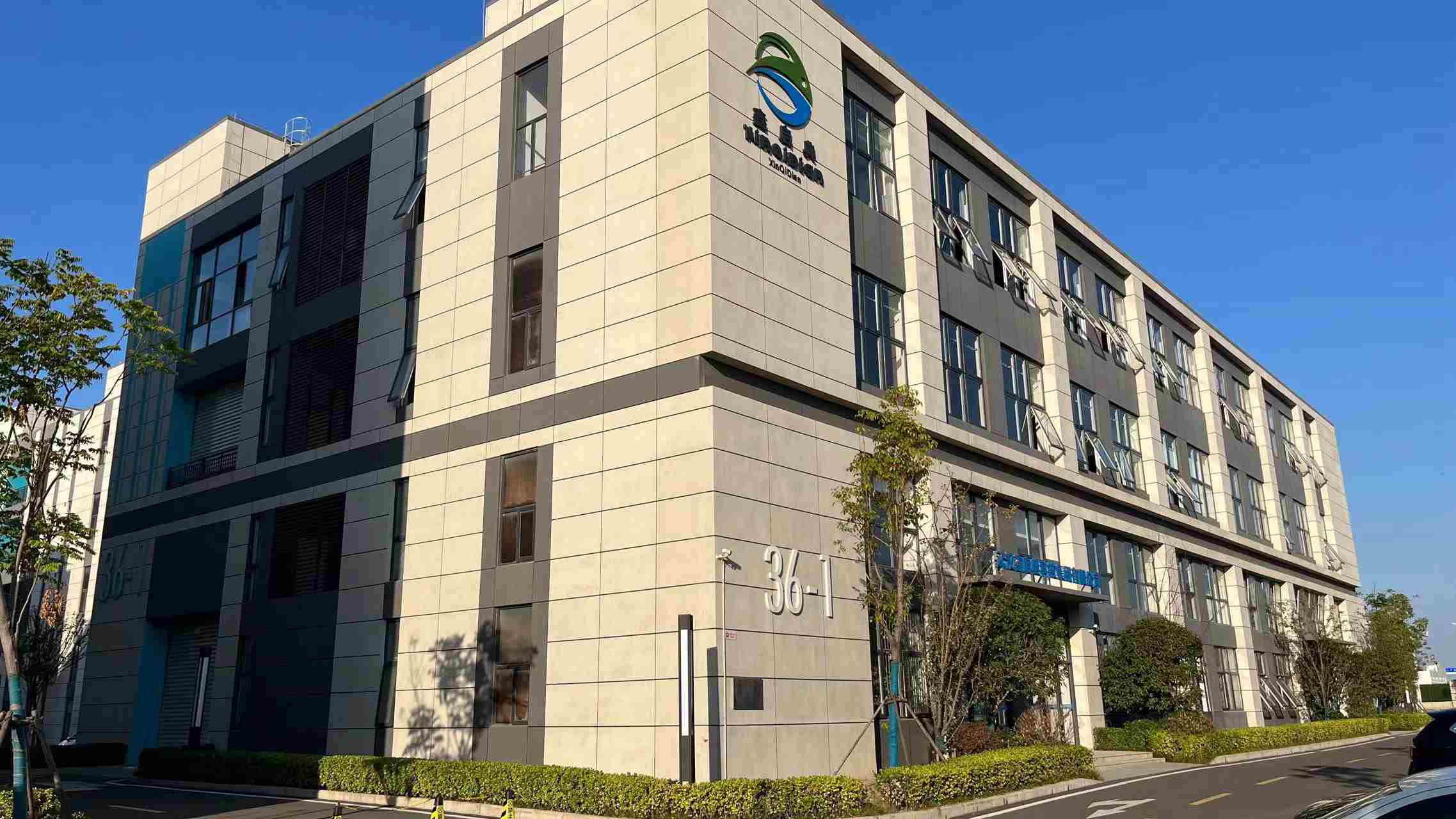
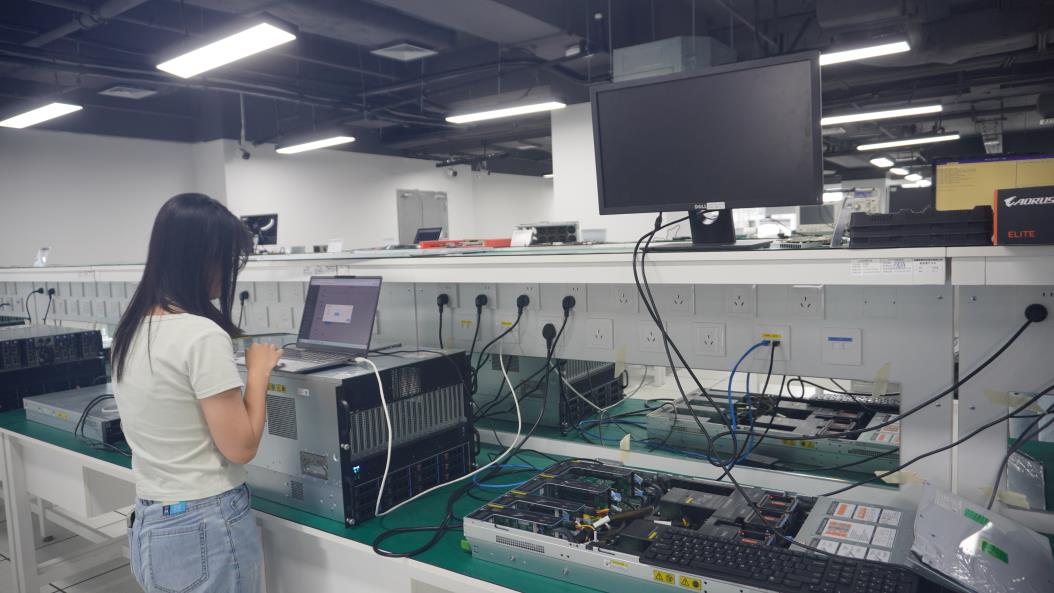
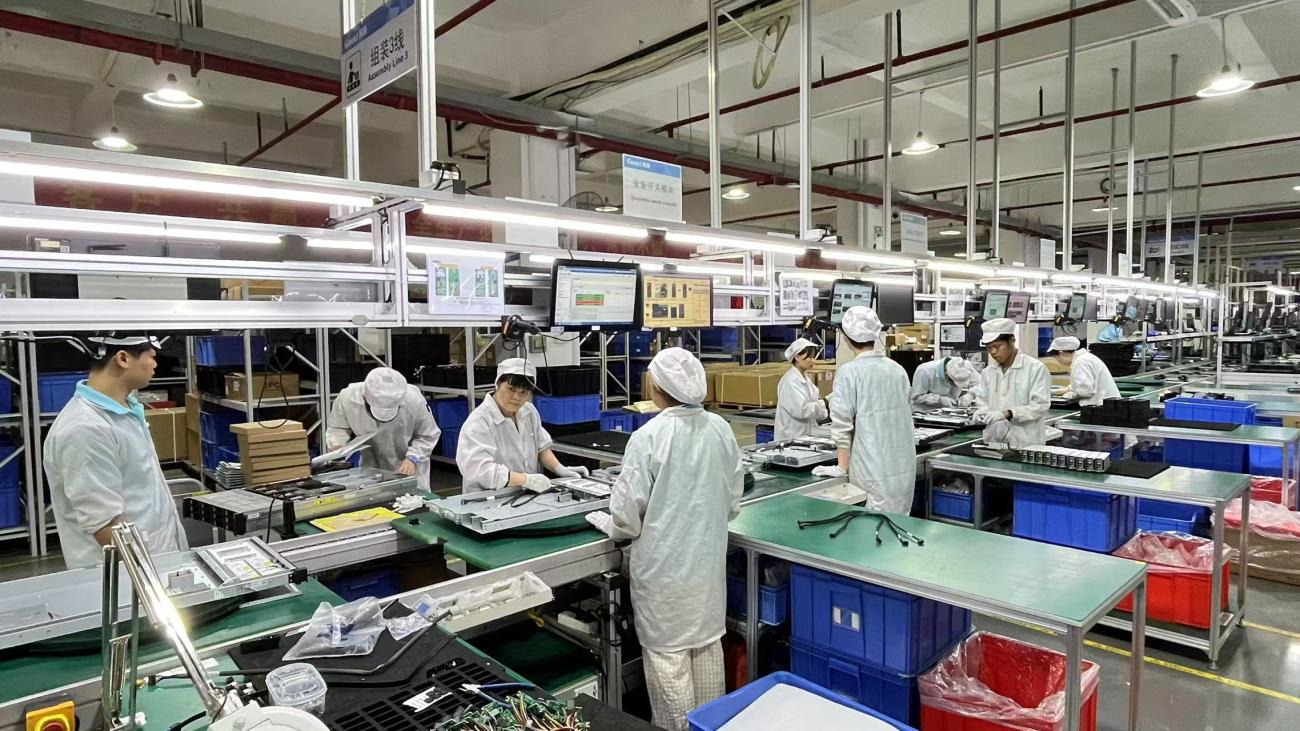

Veltron Computing Technology Co., Ltd. is a professional manufacturer and global supplier of GPU servers, AI computing systems, and high-performance server solutions. Established in 2016, Veltron is dedicated to delivering reliable, scalable, and innovative computing infrastructure for AI training, machine learning, cloud computing, data centers, scientific research, and enterprise applications worldwide.
Located in Shenzhen, China, Veltron operates a modern manufacturing facility covering over 3,800 square meters, equipped with advanced assembly lines, testing laboratories, and quality control systems. With years of expertise in the intelligent computing industry, we have built a strong reputation for delivering high-performance server solutions that meet the evolving demands of global customers.
Our annual export revenue exceeds USD 18 million, serving customers across North America, Europe, Southeast Asia, the Middle East, and South America. Backed by 8 years of export experience and 14 years of industry expertise, Veltron has successfully supported hundreds of projects in AI infrastructure, cloud platforms, enterprise computing, and edge data centers.
Quality is at the core of everything we do. We implement a comprehensive quality management system with 56 professional quality control personnel overseeing every stage of production. All products undergo strict reliability testing, performance validation, thermal testing, burn-in testing, and final inspection before shipment to ensure exceptional product stability and long-term performance.
Veltron maintains strategic partnerships with more than 1,200 supply chain partners, enabling efficient sourcing, stable production capacity, and rapid delivery for customers worldwide. Our primary customers include system integrators, cloud service providers, AI solution providers, data center operators, distributors, and enterprise IT infrastructure companies.
Innovation drives our growth. Our dedicated R&D center consists of 168 experienced engineers specializing in server architecture, GPU integration, thermal management, intelligent computing platforms, and customized hardware solutions. With strong OEM and ODM capabilities, we offer flexible customization options including chassis design, hardware configuration, branding, firmware optimization, and application-specific solutions. Every year, Veltron launches more than 85 new products and solution upgrades to meet the rapidly changing requirements of the AI and high-performance computing industries.
Answers to common technical questions about server routing, GPU power delivery, and signal integrity.
Deploy high-capacity GPU systems with matching internal power structures.