Veltron
Veltron
Veltron
Optimized for deep learning clusters, hyperconverged analytics platforms, and enterprise data centers requiring maximum computing density.
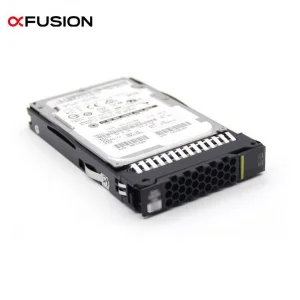
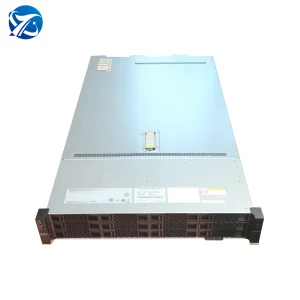
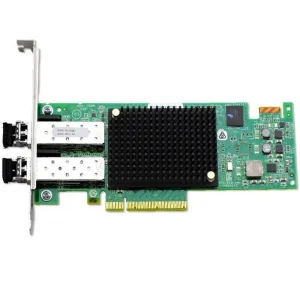
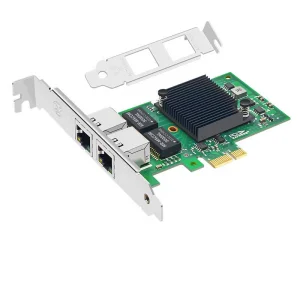
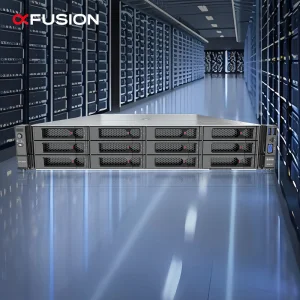
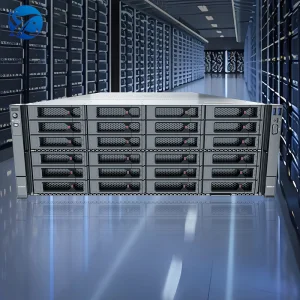
In the modern data ecosystem, the convergence of Deep Learning (DL), Large Language Models (LLM), and real-time behavioral analytics has pushed enterprise database engines and data lakes beyond the processing limits of traditional CPU architectures. High-Performance computing (HPC) nodes powered by customized GPU arrays have transitioned from niche scientific compute clusters to the foundational backbone of corporate decision-making infrastructure. To deploy scalable AI analytics pipelines, system architects must look past software-level optimizations and establish direct, low-latency communication with bare-metal server configurations engineered specifically for massive data throughput.
Classic business intelligence (BI) relied on historical batch processing, utilizing relational databases mapping structured inputs. Conversely, modern AI analytics engines run continuous inference pipelines analyzing semi-structured and unstructured data, including live video feeds, biometric signals, natural language streams, and financial time-series telemetry. This real-time processing demands sub-millisecond execution times for deep neural networks (DNNs). The hardware implementation is heavily dependent on high-speed data buses, optimized memory topologies, and hardware storage controllers. Choosing a supplier that understands these design nuances makes the difference between a system bottleneck and an agile, scaling AI ecosystem.
For organizations deploying DeepSeek AI, LLM training/fine-tuning nodes, or multi-container virtualization clusters, the mechanical integration of GPU systems is a multi-layered equation:
Direct from the heart of Shenzhen's technology ecosystem, Veltron Computing provides customizable, high-end server architectures for leading enterprise operators.
Veltron Computing Technology Co., Ltd. is a professional manufacturer and global supplier of GPU servers, AI computing systems, and high-performance server solutions. Established in 2016, Veltron is dedicated to delivering reliable, scalable, and innovative computing infrastructure for AI training, machine learning, cloud computing, data centers, scientific research, and enterprise applications worldwide.
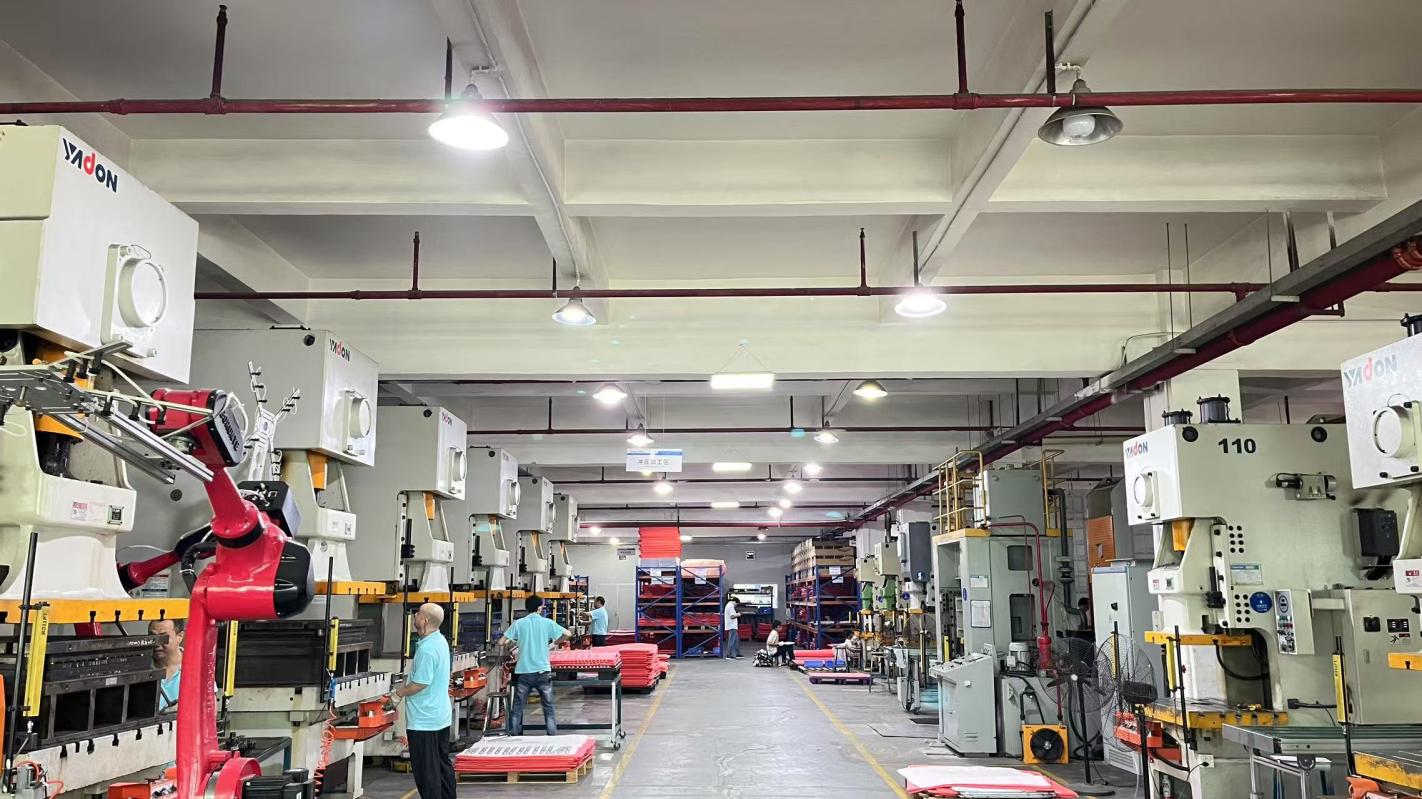
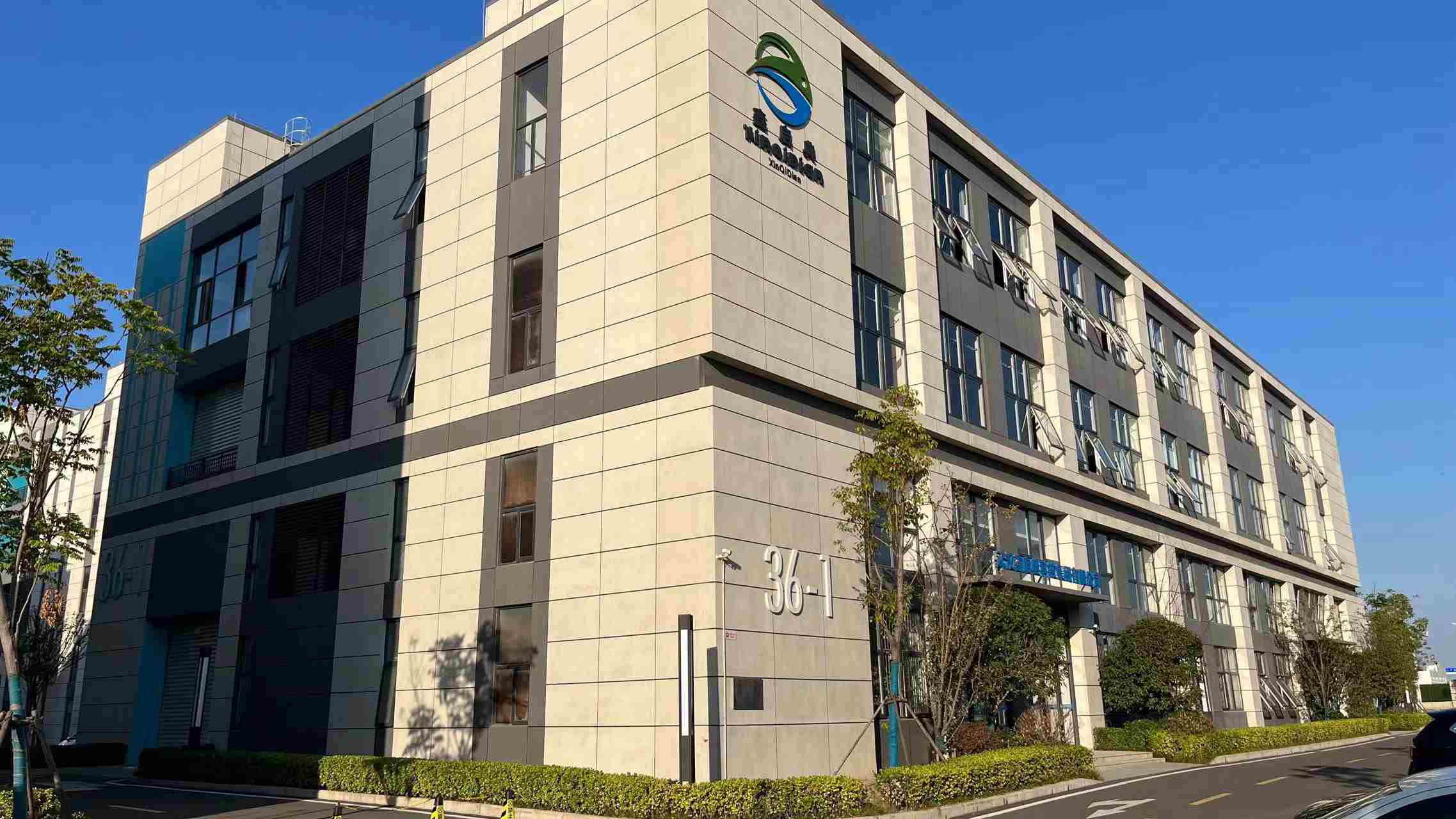
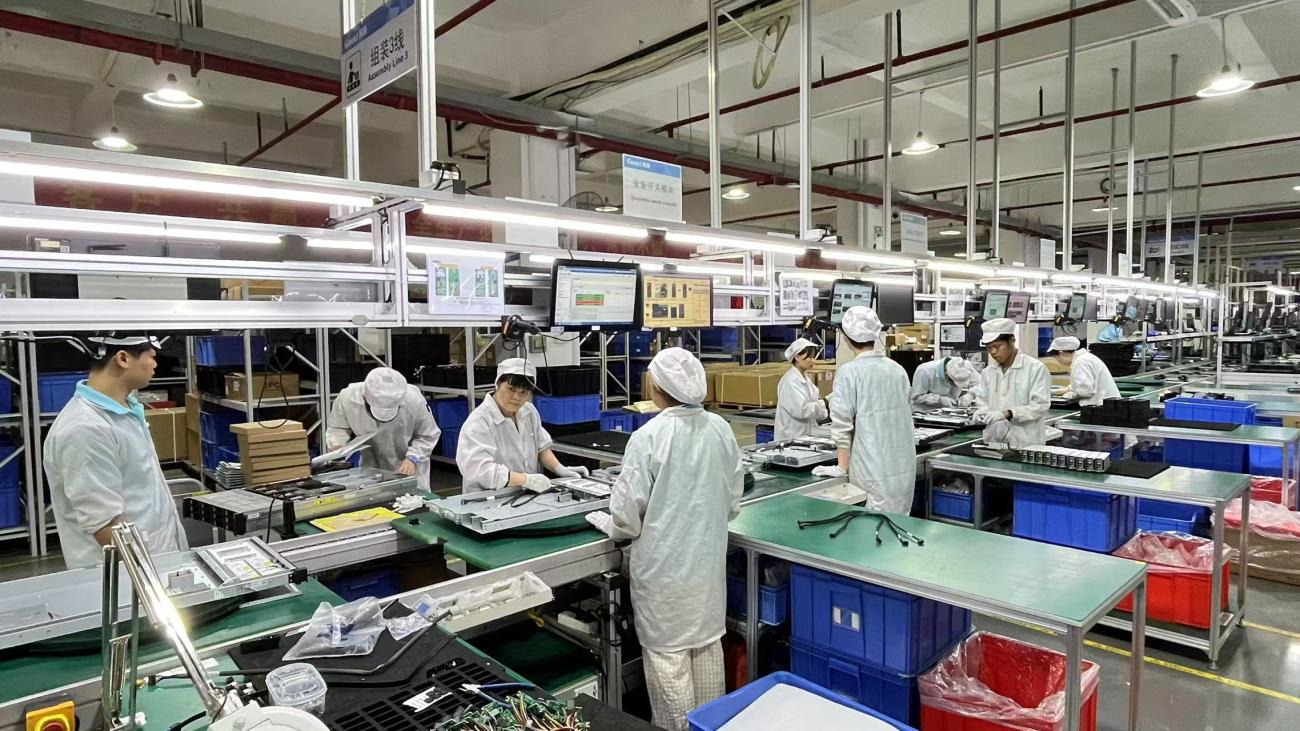
Located in Shenzhen, China, Veltron operates a modern manufacturing facility covering over 3,800 square meters, equipped with advanced assembly lines, testing laboratories, and quality control systems. With years of expertise in the intelligent computing industry, we have built a strong reputation for delivering high-performance server solutions that meet the evolving demands of global customers. Our annual export revenue exceeds USD 18 million, serving customers across North America, Europe, Southeast Asia, the Middle East, and South America. Backed by 8 years of export experience and 14 years of industry expertise, Veltron has successfully supported hundreds of projects in AI infrastructure, cloud platforms, enterprise computing, and edge data centers.
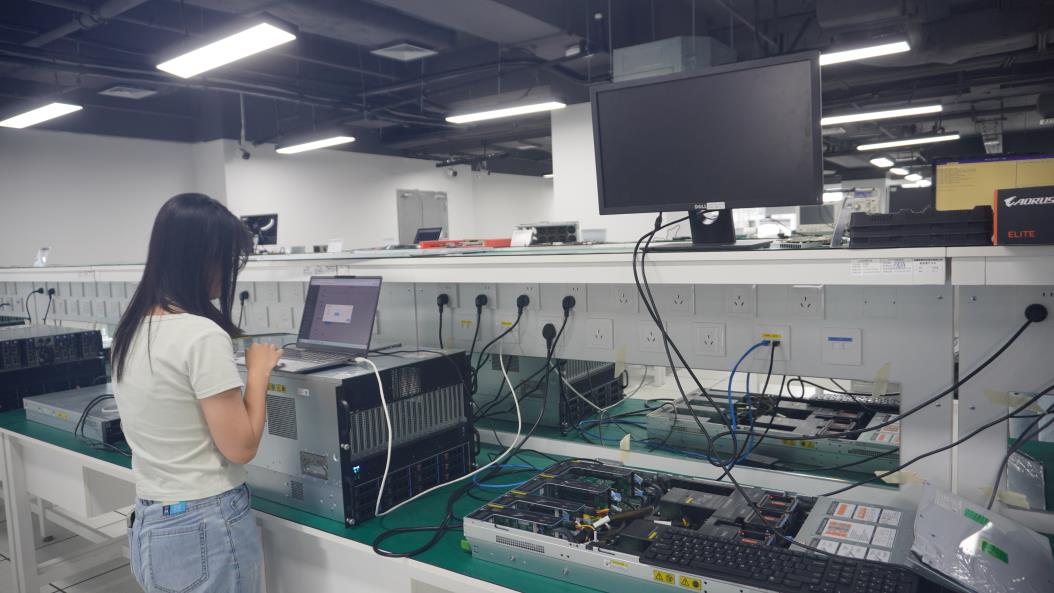
Quality is at the core of everything we do. We implement a comprehensive quality management system with 56 professional quality control personnel overseeing every stage of production. All products undergo strict reliability testing, performance validation, thermal testing, burn-in testing, and final inspection before shipment to ensure exceptional product stability and long-term performance.
Veltron maintains strategic partnerships with more than 1,200 supply chain partners, enabling efficient sourcing, stable production capacity, and rapid delivery for customers worldwide. Our primary customers include system integrators, cloud service providers, AI solution providers, data center operators, distributors, and enterprise IT infrastructure companies.
Innovation drives our growth. Our dedicated R&D center consists of 168 experienced engineers specializing in server architecture, GPU integration, thermal management, intelligent computing platforms, and customized hardware solutions. With strong OEM and ODM capabilities, we offer flexible customization options including chassis design, hardware configuration, branding, firmware optimization, and application-specific solutions. Every year, Veltron launches more than 85 new products and solution upgrades to meet the rapidly changing requirements of the AI and high-performance computing industries. Our commitment to technological innovation, product quality, and customer success has positioned Veltron as a trusted partner for organizations seeking advanced GPU server solutions. At Veltron, we are committed to empowering the future of artificial intelligence and high-performance computing through reliable hardware, professional engineering support, and world-class manufacturing excellence.
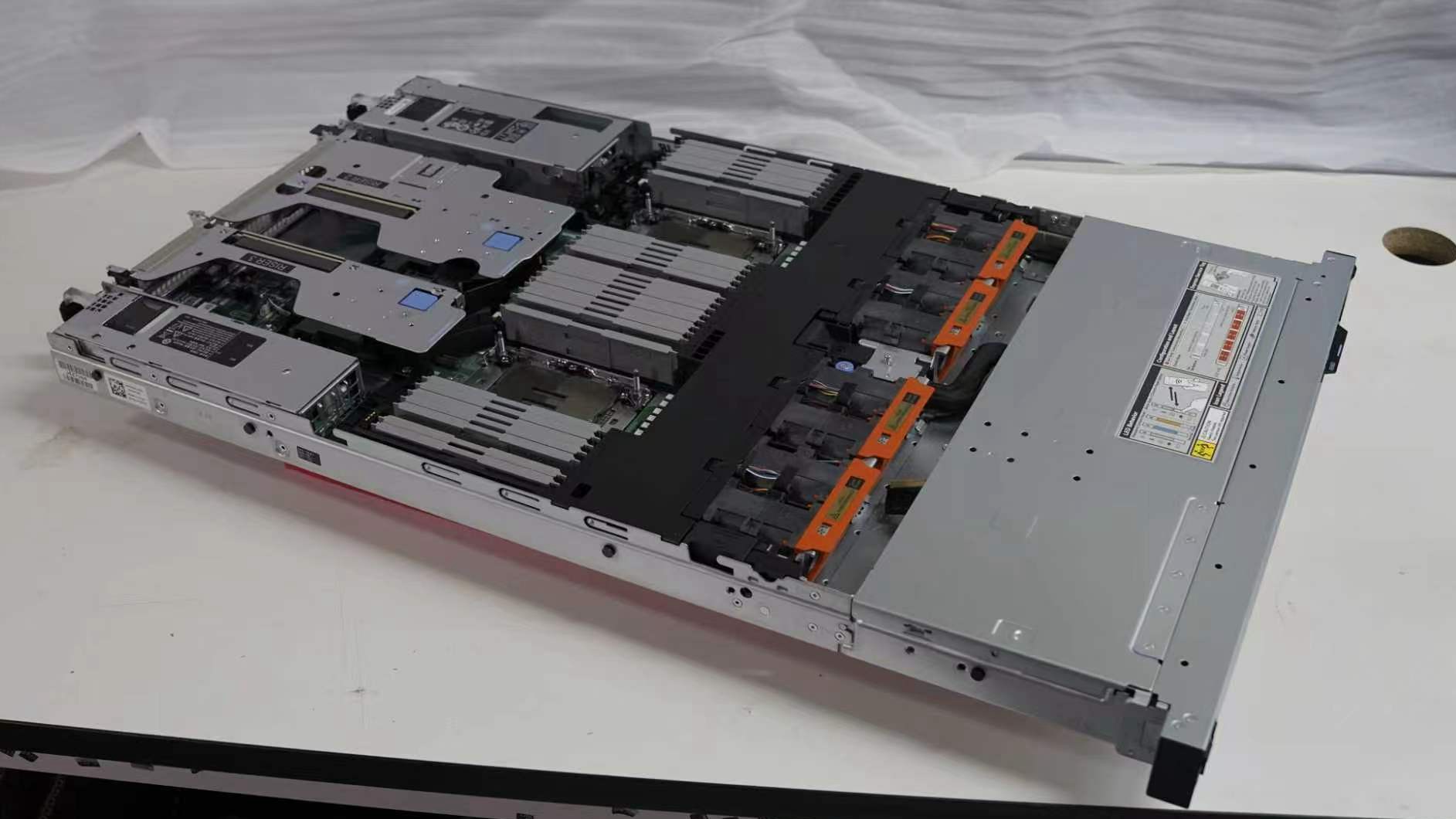

Deploying AI analytics infrastructure globally involves navigating localized grid standards, complex export compliance controls, and specific server management API frameworks. High-performance servers must do more than deliver raw FLOPS; they need to conform to the distinct physical and network topologies of local data centers.
A key failure point in imported server systems is power supply incompatibility. Veltron’s system integrations use dual-redundant high-efficiency power supplies (e.g., 1500W to 2200W hot-swap 80 Plus Platinum units) configured to support variable voltage environments (110V–240V AC or HVDC standard systems). Dynamic fan-speed profiling and Intelligent Platform Management Interface (IPMI 2.0 / PMBus) options ensure system alerts conform to local facility management systems, keeping operating ambient temperatures stable even in warm-aisle containment systems.
In response to international export parameters and regional logistics frameworks, Veltron supplies optimized configurations engineered for diverse geographic targets, including Eastern Europe, Central Asia, and Latin America. We construct tailored hardware configurations—such as custom-configured rackmount servers designed with specialized storage layouts and BIOS firmware adjusted to support legacy environments—enabling smooth integration with regional cloud platforms.
Operating from Shenzhen, the global capital of electronic components manufacturing, gives Veltron unique supply chain efficiency:
High-performance computing is moving closer to the data source. As the industry advances towards decentralized data models, several major trends are shaping the future of AI analytics hardware:
Modern applications are built around containerization. Server hardware must be optimized to run container managers like Kubernetes, hosting multiple isolated analytics environments. High-performance, high-thread platforms like the 2026 Windows Dedicated Data Center Rack AI GPU Server offer the physical CPU cores, PCIe lane availability, and virtualized SR-IOV network interfaces necessary to process concurrent machine learning jobs without inter-container bandwidth contention.
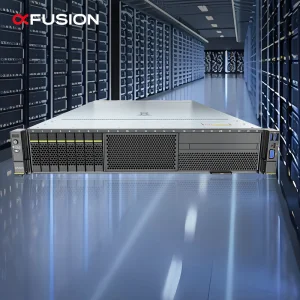
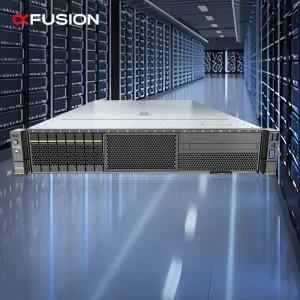
From video analytics at the edge to real-time industrial telemetry, processing data at the source minimizes round-trip latency. Compute nodes like the FusionServer 1288H V6 and HPE DL360 Gen12 provide the low-latency networking card configurations and high-speed local NVMe caches needed for localized, real-time decision-making without constant reliance on centralized cloud systems.
Traditional SQL processing is shifting toward GPU acceleration. System configurations featuring high-speed RAID controller cards (e.g., the LSI 9560-16I with 8GB onboard cache) linked with ultra-fast solid-state drives ensure that database engines can ingest thousands of columns per second, feeding data lines directly into GPU clusters for accelerated execution.
Industrial-grade computational nodes designed to power large-scale enterprise deployments, database analytics, and deep learning neural networks.
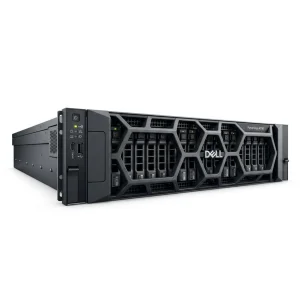
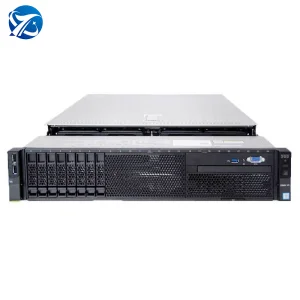
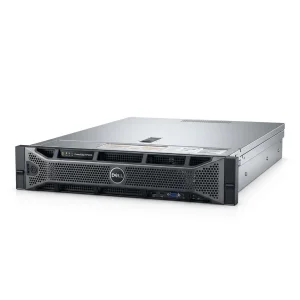
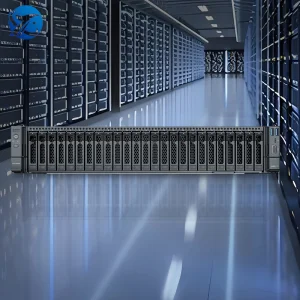
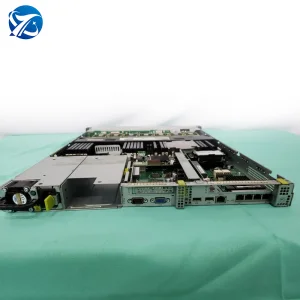
Ensuring compliance, reliability, and architectural optimization for international server acquisition pipelines.