Veltron
Veltron
Veltron

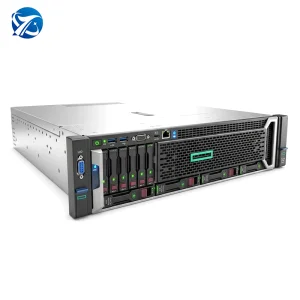
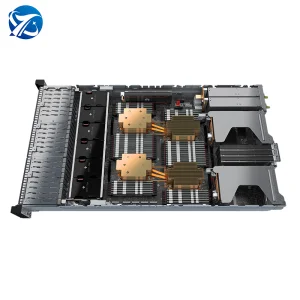
In the modern era of high-density AI clusters, hyperscale cloud architecture, and multi-GPU arrays (such as the DeepSeek-V3 and Llama-3 compute frameworks), the bottleneck has shifted from raw silicon compute capacity to the network fabric itself. High-performance physical layer customization is no longer an afterthought; it is a critical system layer.
Physical cross-connect infrastructure is the foundation of network scale-out. Traditional standardized networking equipment often fails to meet the exact architectural layouts, customized pinouts, specific latency metrics, and optical routing topologies demanded by cutting-edge AI networks. Without high-efficiency, bespoke optical and copper cross-connect pathways, servers cannot reach their optimal inter-GPU communication latency.
As a leading custom OEM cross-connect services supplier, Veltron Computing Technology Co., Ltd. bridge this physical-to-logical gap. By tailoring physical-layer cabling designs, high-density patch panels, customized backplane connectivity, and optimized optical breakout interfaces, we ensure that modern enterprises bypass structural limitations and unlock true low-latency data flow.
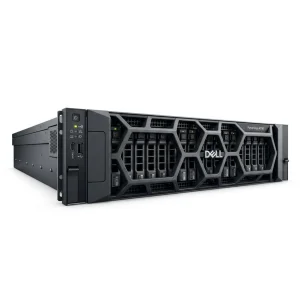
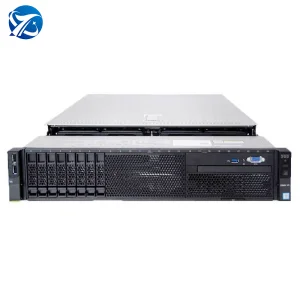
For AI models demanding extreme parallelization across hundreds or thousands of GPUs, network topography is structured via a Spine-Leaf, Torus, or Fat-Tree layout. Physical cross-connects sit at the intersection of these topologies, serving as the central point-to-point physical links between the server network adapters and the distribution switches. When integrating heavy compute chassis (such as our 8U rackmount GPU servers), configuring these links requires highly specialized engineering.
Designing physical layer structures inside the server frame. Directing internal traces and external fiber interfaces (MPO/MTP) to prevent impedance mismatching and signal attenuation at high baud rates.
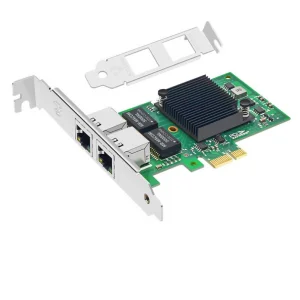
Managing up to 144 fibers per Rack Unit (RU). Multi-fiber Push-On (MPO) custom panels route 100G, 400G, and 800G pathways directly from the server network interface cards (NICs) to structural optical distribution frames.
Custom length and color-coded active optical assemblies engineered for intra-rack and inter-rack high-speed interconnection, optimized to eliminate signal jitter and electromagnetic interference.
Founded in 2016, Veltron Computing Technology Co., Ltd. has established itself as a professional manufacturer and global supplier of high-performance servers, GPU computing solutions, and foundational interconnect network hardware.
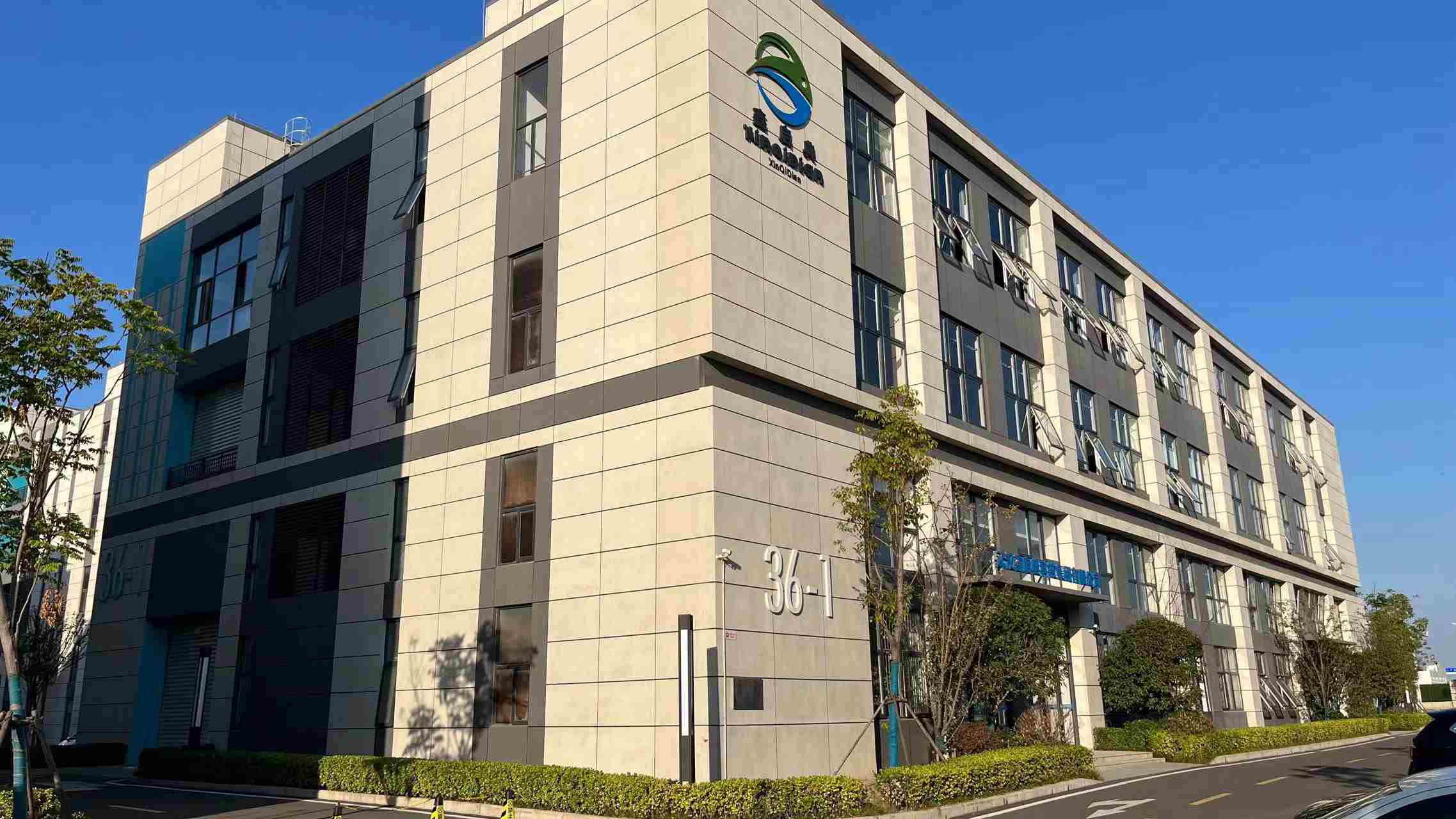
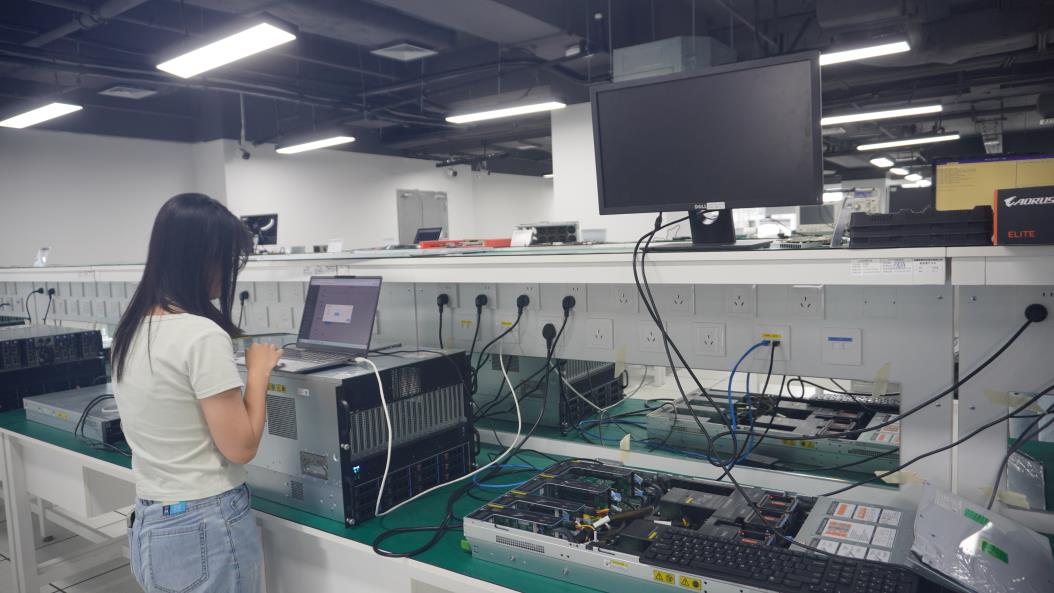
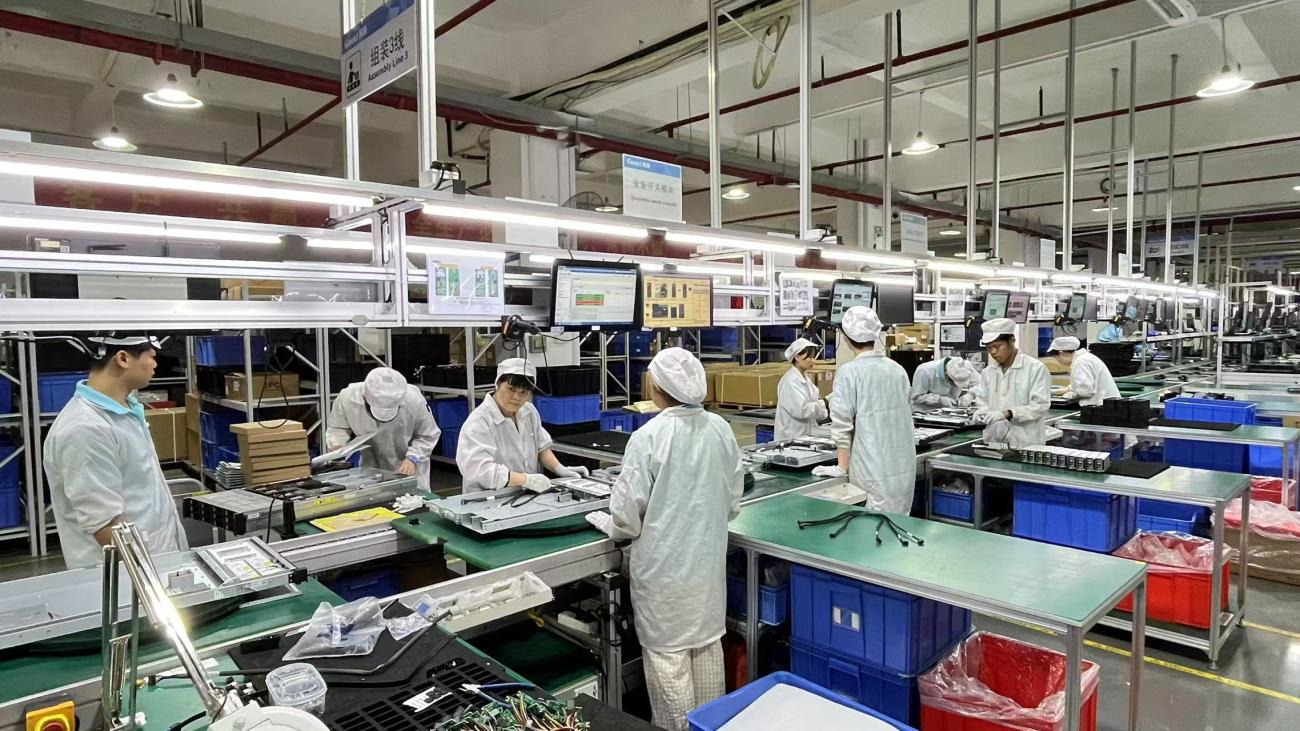
Located in Shenzhen, China, our advanced facility runs state-of-the-art assembly lines, detailed testing labs, and strict quality control systems. Our dedication to quality and physical-layer stability has pushed our annual export revenue beyond USD 18 million, shipping high-density systems to North America, Europe, Southeast Asia, the Middle East, and South America.
Innovation is in our DNA. Backed by 8 years of export operations, our R&D center specializes in thermal management, GPU/FPGA integration, server chassis design, and tailored network physical-layer architectures. We launch more than 85 new products and solution upgrades annually to match the fast-moving requirements of the AI and High-Performance Computing (HPC) fields.
To guarantee structural reliability in critical systems, Veltron maintains a staff of 56 dedicated quality control personnel. We implement comprehensive quality testing loops before any system ships:
Data center infrastructures worldwide are shifting toward optical networking to sustain the enormous bandwidth required by LLMs and multi-tenant cloud architectures. The physical layer, specifically customized cross-connect cabling, has emerged as a key vector for system optimization.
Cloud service providers (CSPs) manage complex environments where rapid provisioning is paramount. Our custom patch panels, pre-terminated breakout cassettes, and optimized server racks allow CSPs to scale physical networks in hours rather than weeks.
Supercomputing centers run multi-GPU parallel pipelines where minor latency anomalies can degrade computing efficiency. Veltron’s physical fiber routing systems reduce bend-induced attenuation, stabilizing high-throughput connections.
Space constraints at edge installations demand creative layout design. Our high-density, low-profile cross-connect panels compress physical switching overhead by up to 40%, maximizing compute density per square foot.
Deploying physical infrastructure internationally requires strict alignment with regional safety rules, fire-retardant material codes, and structural safety standards.
Veltron ensures that all structural components, custom cabling jackets, and distribution enclosures meet rigorous local regulations:
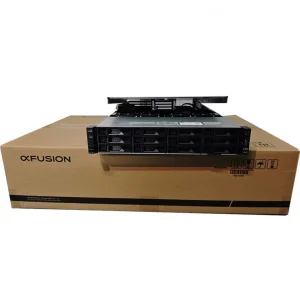
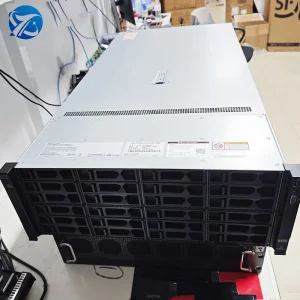
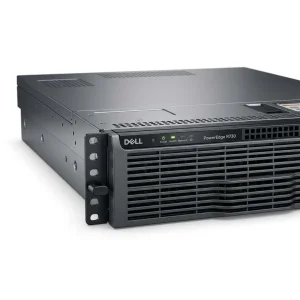
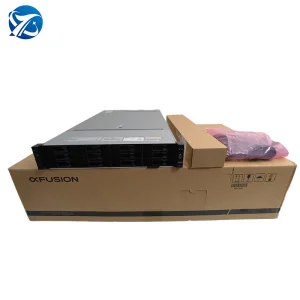
Whether integrating legacy systems (like Used Dell PowerEdge R730 setups for SQL hosting in Eastern Europe) or shipping massive AI blocks (like xFusion G8600 V7 clusters in Southeast Asia), Veltron adapts packaging, cabling, and bracket hardware for local standards. Our system layouts match standard EIA/ECA-310-E dimensions, fitting seamlessly into any standard global rack architecture.
Network requirements are shifting rapidly. With PCI Express Gen 6/7 coming online and 1.6T transceiver modules entering testing phases, physical cross-connect design must evolve to prevent signal loss.
Expanding physical deployment of high-density MPO-24 connectors to support high-throughput, latency-optimized parallel transceivers directly inside GPU frames.
Designing physical layer structures that bring fiber connections directly to the ASIC package, bypassing traditional PCB losses.
Creating combined network routing structures that accommodate direct-to-chip liquid cooling loops alongside high-density fiber arrays.
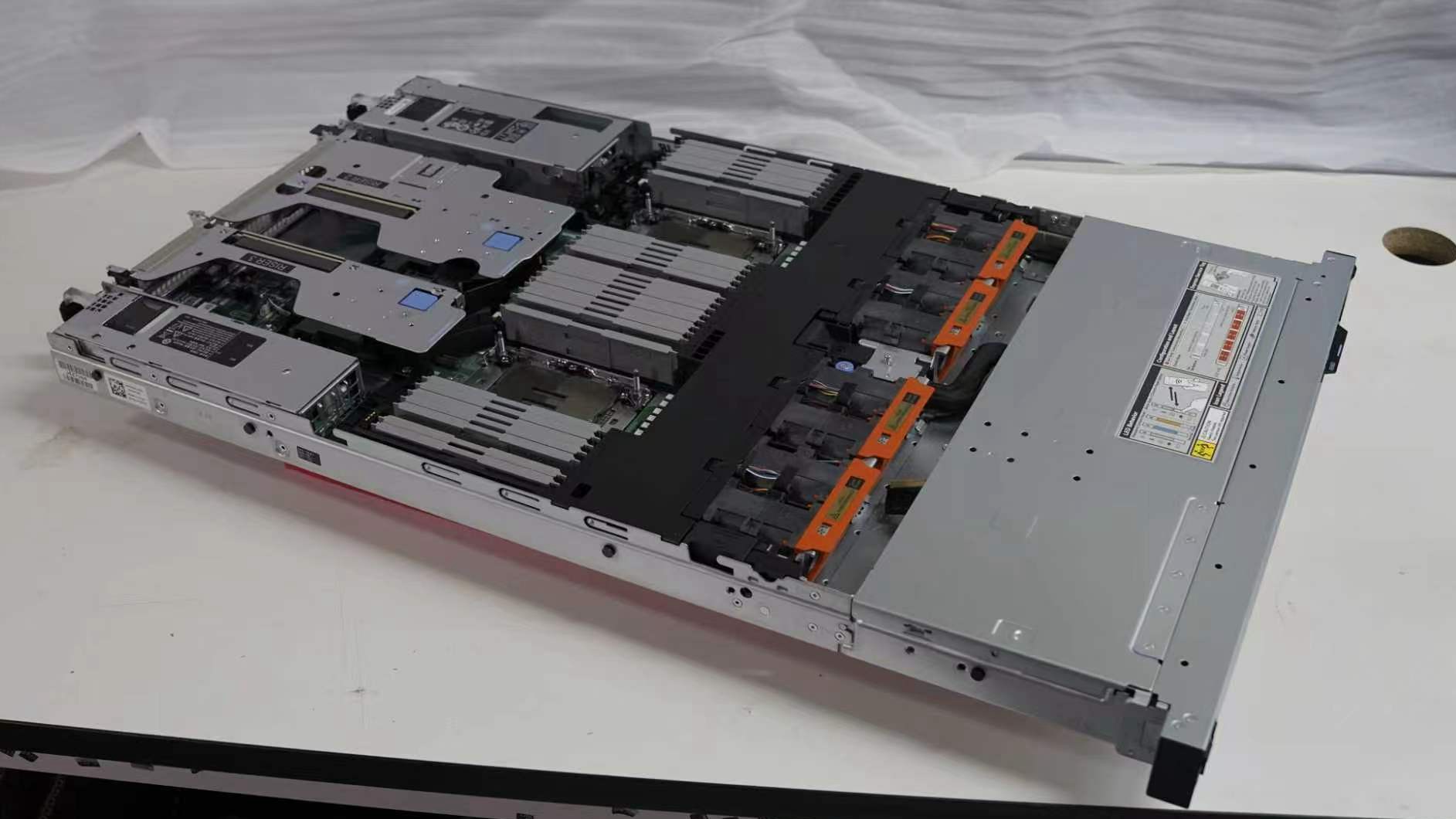
A visual overview of Veltron’s engineering facilities, advanced integration setups, testing areas, and server production spaces in Shenzhen.