Veltron
Veltron
Veltron
Driving the next generation of artificial intelligence, high-performance computing, and database management solutions across global enterprises.
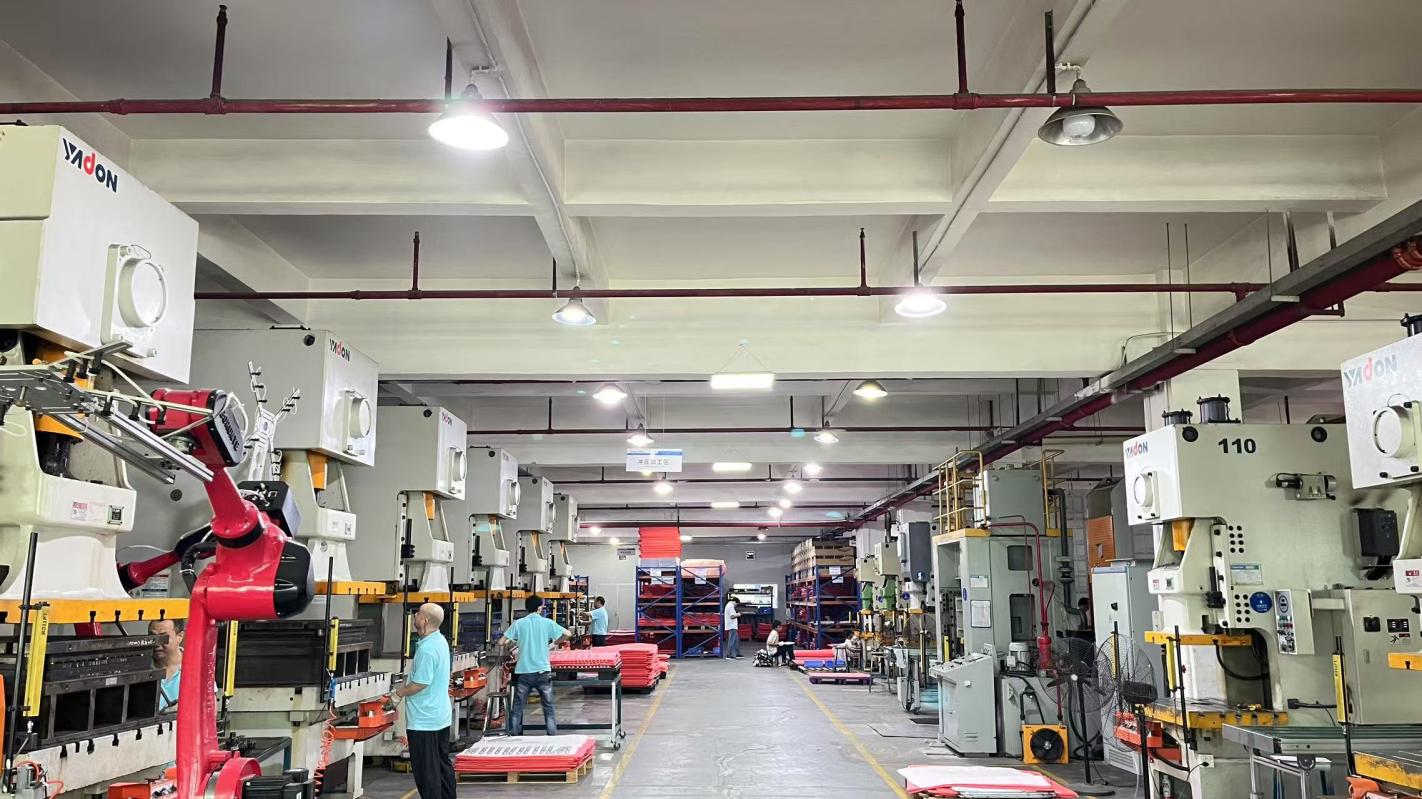
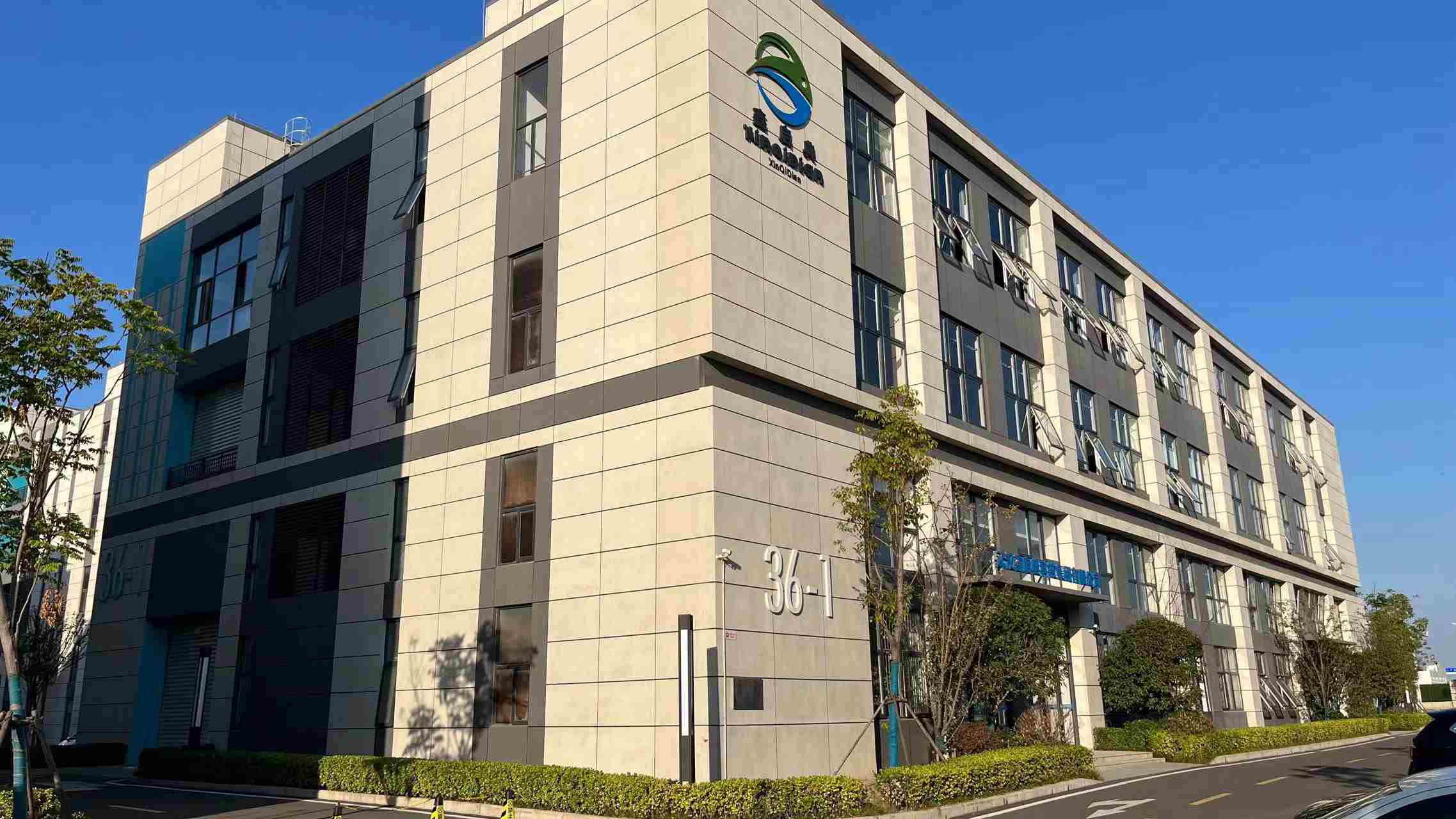
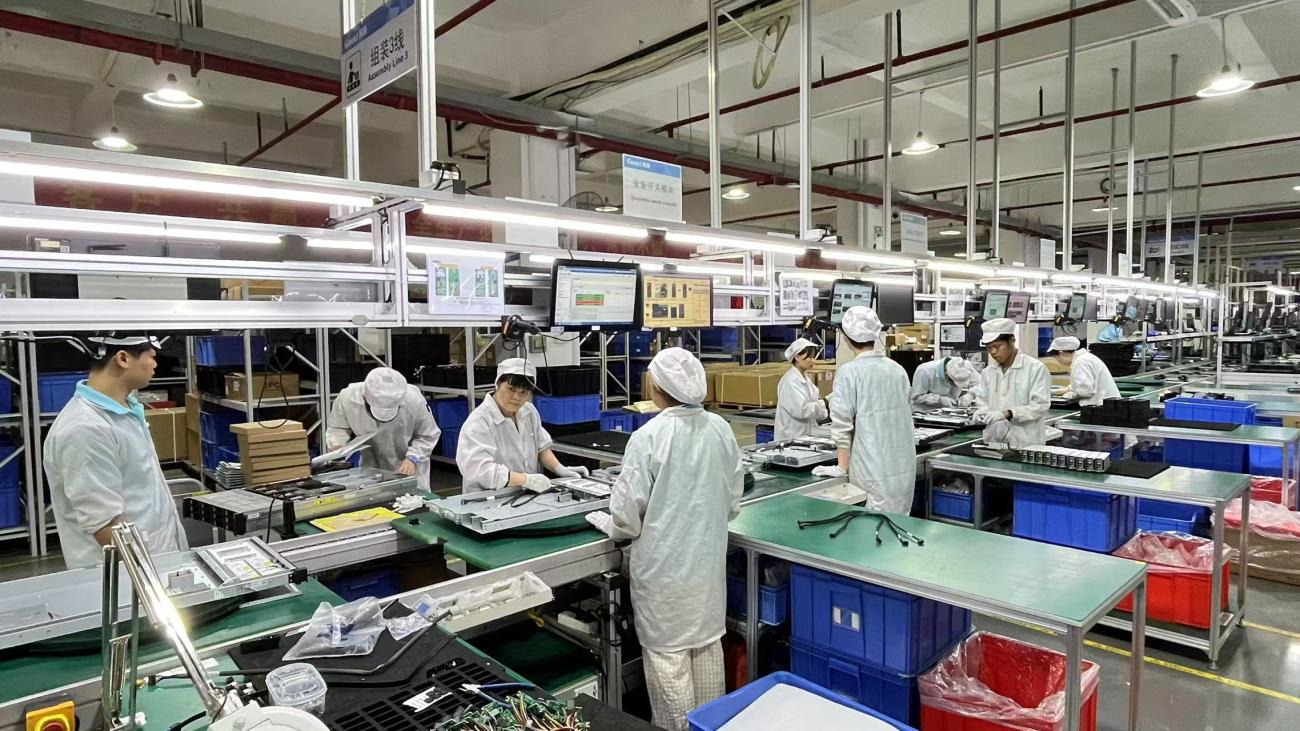
Established in 2016, Veltron Computing Technology Co., Ltd. has established itself as an elite manufacturer and global supplier specializing in GPU servers, high-density AI computing systems, and custom database hosting networks. Headquartered in the hardware innovation capital of Shenzhen, China, our advanced facility spans over 3,800 square meters, utilizing cutting-edge assembly processes, certified burn-in chambers, and high-performance testing methodologies.
Leveraging 14 years of design and manufacturing experience alongside 8 years of intensive global trade execution, Veltron empowers data centers, cloud providers, and system integrators with unparalleled server hardware stability. Our dedication to premium component procurement, meticulous QC auditing, and deep hardware personalization makes us the premier choice for organizations running critical AI and database workloads.
As cloud deployments scale and Large Language Models (LLMs) like DeepSeek require vast clusters, the demand for resilient database servers has reached unprecedented heights.
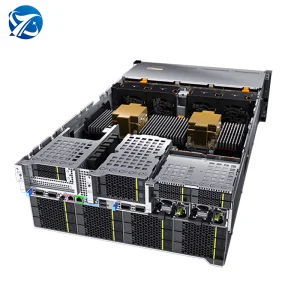
Handling thousands of concurrent transactions and real-time operational analytics requires platforms featuring robust multi-socket architectures, such as the mission-critical 4-Socket servers, ensuring maximum CPU reliability and DRAM density.
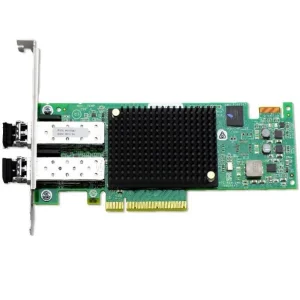
Modern relational databases and NoSQL pools depend heavily on random read/write speeds. Utilizing NVMe PCIe Gen 5 arrays alongside Fibre Channel HBA connectivity limits bottlenecks and delivers peak IOPS.
AI models require database acceleration through heterogeneous compute platforms. Servers optimized with dedicated GPU slots facilitate lightning-fast vector indexing and embedding generation processes.
Globally, IT architectures are moving from legacy monolithic mainframes to hyperconverged infrastructures (HCI) and hybrid clouds. High-density server hardware must satisfy rigid parameters for compute efficiency, thermal throttling prevention, and rack consolidation to maximize datacentor floor margins.
Our Shenzhen-based factory functions at the intersection of a massive logistics ecosystem and specialized silicon distribution corridors, guaranteeing predictable delivery timelines.
By establishing localized strategic frameworks with over 1,200 supply chain partners, Veltron eliminates raw material delays that plague Western fabricators. From high-grade multilayer PCBs and custom copper heatpipe modules to power distribution units (PDUs) and server chassis, our integrated sourcing flow cuts system lead times by up to 45%.
How Veltron’s database and GPU servers optimize workloads across real-world commercial and industrial installations.
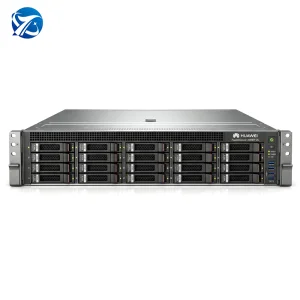
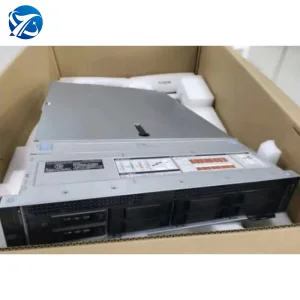
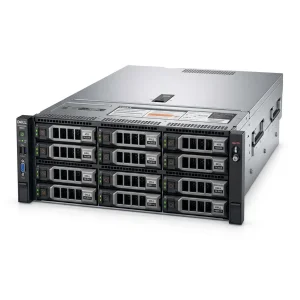
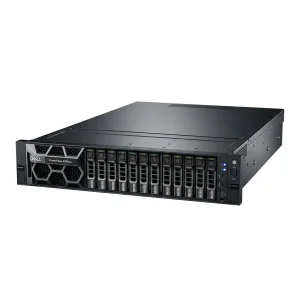
For relational banking databases requiring absolute ACID compliance, our 2U and 4U multi-socket servers support high-frequency Xeon processors paired with low-latency Fibre Channel HBAs (like the 32GB FC32 card). This minimizes transactional latency and prevents lock contention during peak settlement windows.
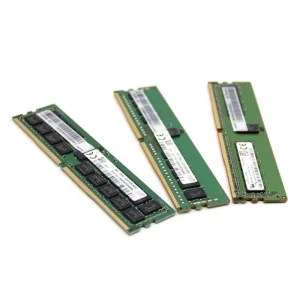
With open-source architectures like DeepSeek scaling globally, enterprises demand local edge servers that can house high-density GPUs, large RAM configurations (256GB/512GB DDR5), and fast local NVMe storage. Veltron servers provide the physical space, airflow, and power stability required to run private LLM instances locally, maintaining complete control over data privacy.
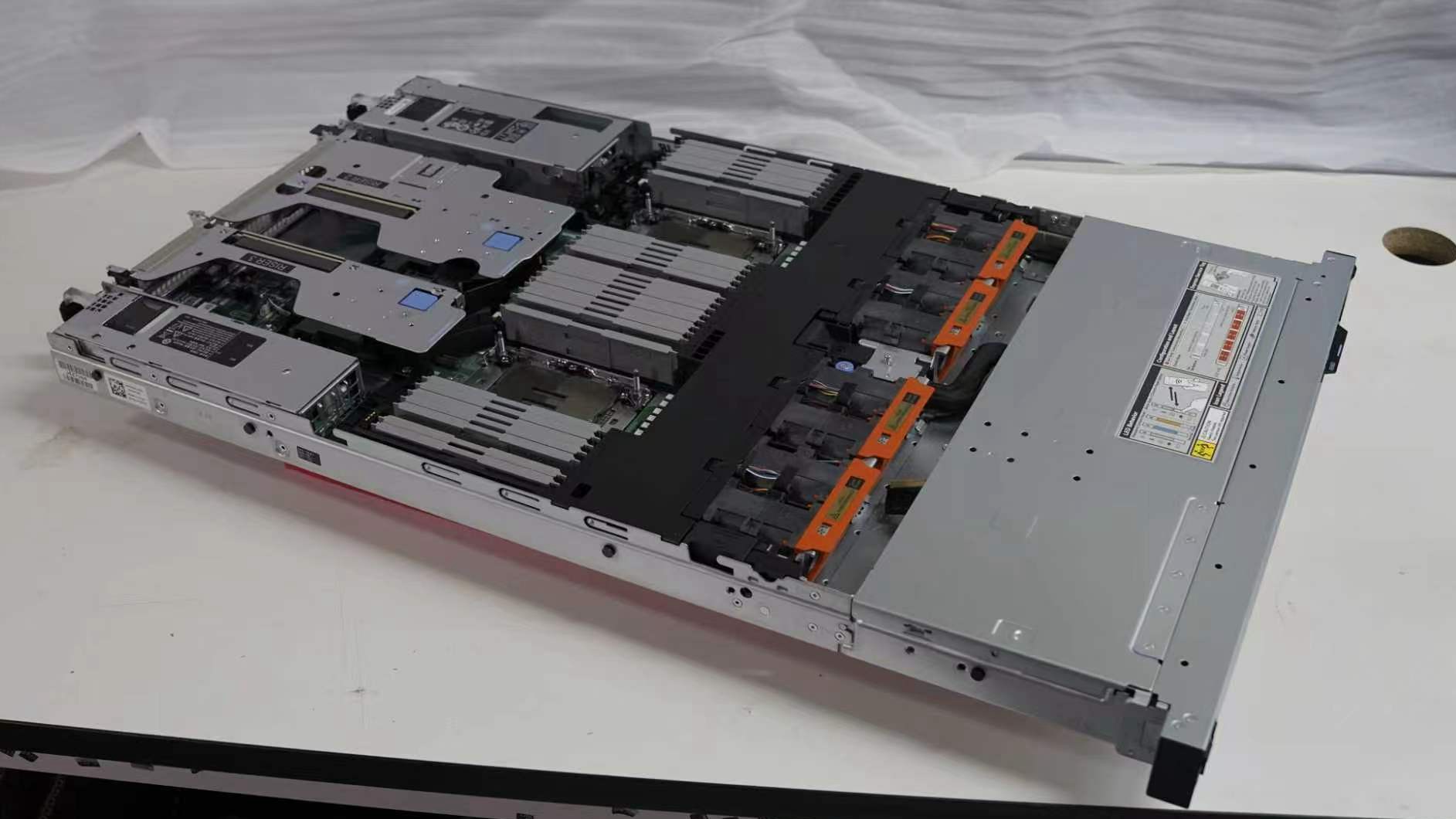
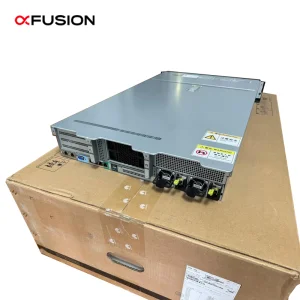
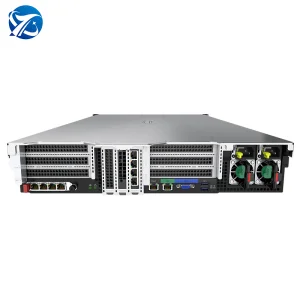
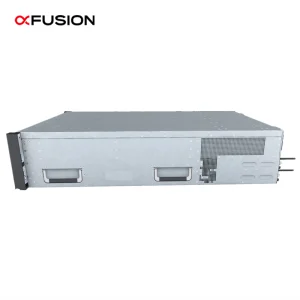
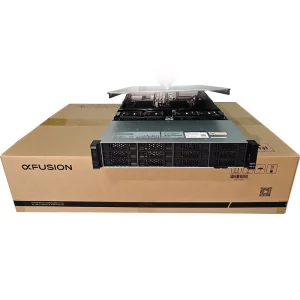
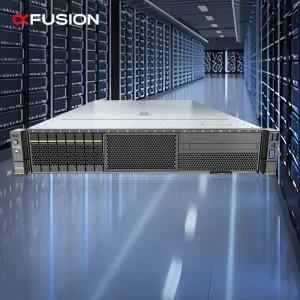
By blending compute, storage, and virtualization networking into unified 1U or 2U architectures, systems such as the xFusion 2288H V6 maximize hardware utility. This setup is ideal for localized public sector clouds, university research groups, and distributed corporate offices demanding self-contained private clouds.
Modern factories deploy IoT database gateways directly on-premise to manage thousands of sensor telemetry streams. Veltron's hardware engineering ensures stable operation in harsh environments, featuring industrial dust filters, robust thermal cooling designs, and high-efficiency power units that handle minor line-voltage fluctuations.
Our R&D team works closely with leading silicon developers to engineer future-proof server designs.
We are actively prototyping next-generation server motherboards supporting Compute Express Link (CXL) 3.0. This allows unified memory pooling across CPUs and GPUs, removing the standard DDR-to-PCIe transfer bottlenecks for in-memory databases.
With processors surpassing 350W TDP and GPUs pushing past 700W, traditional air cooling has reached its physical limits. Veltron is introducing closed-loop liquid-to-air cooling options directly within our 2U and 4U chassis to keep operation whisper-quiet and thermally stable.
Our upcoming proprietary IPMI/BMC firmware utilizes localized machine learning modules to analyze power curves, fan vibration, and component temperature fluctuations, offering system administrators pre-failure alerts before issues occur.
Integrating titanium-level 80-Plus power supplies with dynamically scaling power managers reduces idle power consumption by up to 18%, decreasing global data center operating expenses and carbon footprints.
We ensure every shipped server meets global compliance and performance metrics before it leaves our loading docks.
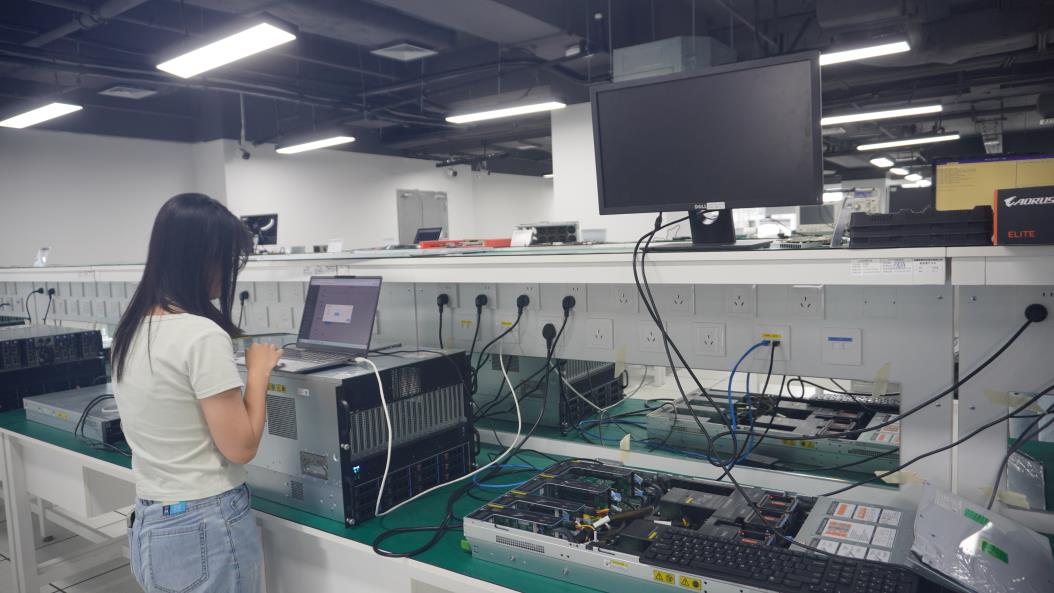
Veltron stands on a foundation of reliability. Our 56 dedicated quality control specialists run a comprehensive QA workflow. Each server undergoes a minimum 24-hour continuous burn-in procedure inside heat-monitored chambers, testing hardware stability under full compute loads.
Additionally, we offer customized localization packages that guarantee full regulatory compliance with international standards, including CE, FCC, RoHS, and local import declarations. To simplify cross-border operations, our engineering support lines provide direct troubleshooting and design consulting for system integrators globally.

High-density data routing requires precise channel alignments and superior signal trace engineering.
Our server layouts are designed to prevent electromagnetic interference (EMI) and signal attenuation. By routing PCIe lanes through optimal PCB layers, we ensure that storage networks operating on SAS-4, NVMe Gen 5, or dual-port Fibre Channel connections run with minimal packet retransmissions.
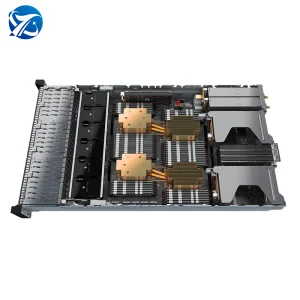
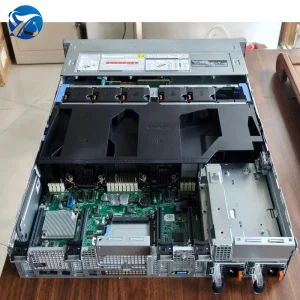
Whether deploying virtualization nodes, clustered relational database management systems, or distributed cloud compute layers, our mainboard design prevents thermal pooling near the central processing unit socket, redirecting waste heat towards exhaust paths.
Find clear answers to key technical, supply, and custom integration questions regarding our database server solutions.