Veltron
Veltron
Veltron
Understanding the engineering guidelines, validation methods, and compliance frameworks governing mission-critical server manufacturing.
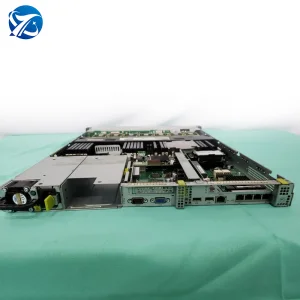
In the modern data center economy, the demand for enterprise computing infrastructure has grown exponentially. As artificial intelligence models scale from billions to trillions of parameters, and enterprise hybrid-cloud deployments demand unprecedented IOPS and network stability, the hardware supporting these operations must meet strict, non-negotiable standards. For procurement directors, systems integrators, and Chief Technology Officers, securing equipment from CE Certified HPE Server Factories or certified OEM/ODM production facilities is a key requirement to guarantee operational reliability, thermal safety, and regulatory compliance.
This whitepaper covers the manufacturing standards, supply chain dynamics, quality control procedures, and technical architectures of high-performance servers. By analyzing the structural requirements of platforms like the HPE ProLiant DL380 Gen11, customized GPU server arrays, and enterprise storage systems, this document details how hardware factories deliver system stability and regulatory compliance. It also outlines the structural capabilities of Veltron Computing Technology Co., Ltd. as a key OEM/ODM manufacturing partner operating within these strict standards.
Unlike standard marketing materials, this whitepaper dives into the technical details of CE certification (specifically EN 62368-1, EN 55032, and EN 55035) and shows how these guidelines prevent system downtime in heavy industrial setups. We analyze the design constraints of high-density server chassis, detailing how custom signal routing, impedance control, and advanced thermal management prevent signal degradation in PCIe Gen 5 and Gen 6 architectures.
The CE (Conformité Européenne) mark on a server chassis is more than just a regulatory badge; it indicates compliance with multiple European Union directives aimed at safety, electromagnetic compatibility, and environmental impact. For HPE servers and customized OEM platforms, the certification process involves several key directives:
The safety of electrical equipment operating within specific voltage limits is governed by the LVD. In high-density server configurations where power supplies frequently exceed 1600W (often reaching up to 2400W or 3200W redundant configurations to support multi-GPU setups), adherence to safety standard EN 62368-1 (which replaced EN 60950-1) is required. This standard focuses on hazard-based safety engineering, requiring factories to evaluate safety risks regarding electrical energy, thermal injury, mechanical hazards, and radiation.
Data centers house thousands of servers operating at high frequencies. Without strict electromagnetic control, crosstalk and signal interference can degrade system performance. CE certification requires adherence to EN 55032 (electromagnetic emission limits) and EN 55035 (immunity requirements). Production facilities must test for:
Modern CE certified factories must guarantee that every motherboard, connector, solder joint, and capacitor contains lead, mercury, cadmium, and hexavalent chromium levels below strict limits. Compliance with RoHS 3 is audited via X-ray fluorescence (XRF) screening during component assembly.
Rigorous hazard-based safety testing to prevent thermal, electrical, and mechanical failures under maximum workload stresses.
Chassis design utilizing advanced EMI gaskets and isolated ground planes to block radio and electromagnetic interference.
100% lead-free soldering and eco-friendly component sourcing, aligned with global environmental protection mandates.
Shenzhen, China, has evolved from a simple assembly hub into a major ecosystem for high-performance computing hardware development. This region houses thousands of component manufacturers, PCB fabricators, high-speed connector suppliers, and thermal solution specialists. This density allows for quick turnarounds from design to final production.
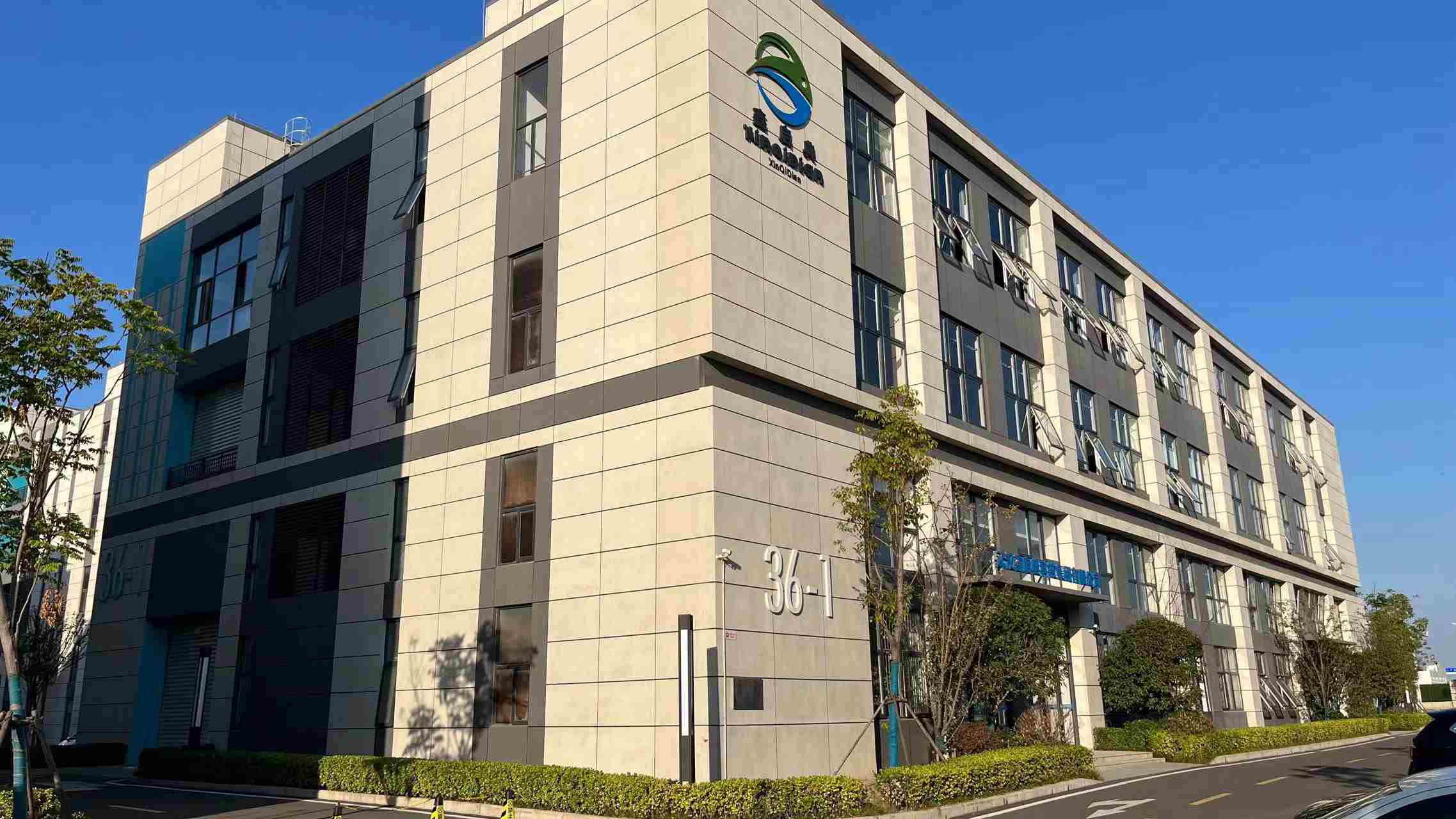
Veltron Computing Technology Co., Ltd. runs a modern 3,800 square meter facility in this tech cluster. This location enables Veltron to source high-grade materials, build prototypes, and complete production runs faster than factories in less consolidated regions. By maintaining over 1,200 supply chain partnerships, Veltron avoids raw material bottlenecks and component shortages that can stall global enterprise projects.
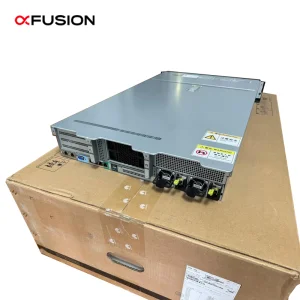
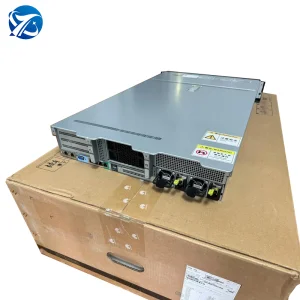
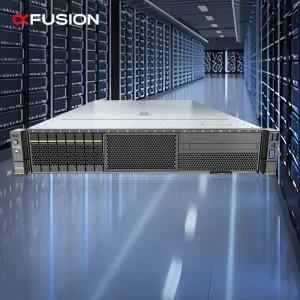
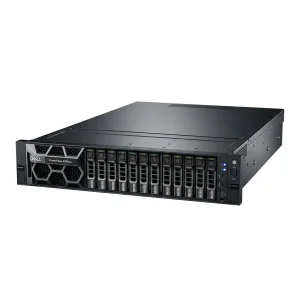
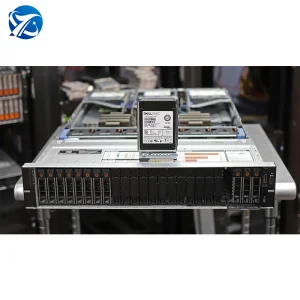
Additionally, the proximity to primary IC suppliers and semiconductor distributors enables rapid procurement of high-speed data components, such as Broadcom/LSI storage controllers, Emulex Fibre Channel adapters, and server-grade DDR5 memory. This ecosystem allows Veltron to produce high-density 2U configurations, such as the *xFusion FusionServer 2288H V6* or *Dell PowerEdge R750*, featuring custom design changes without delaying production schedules.
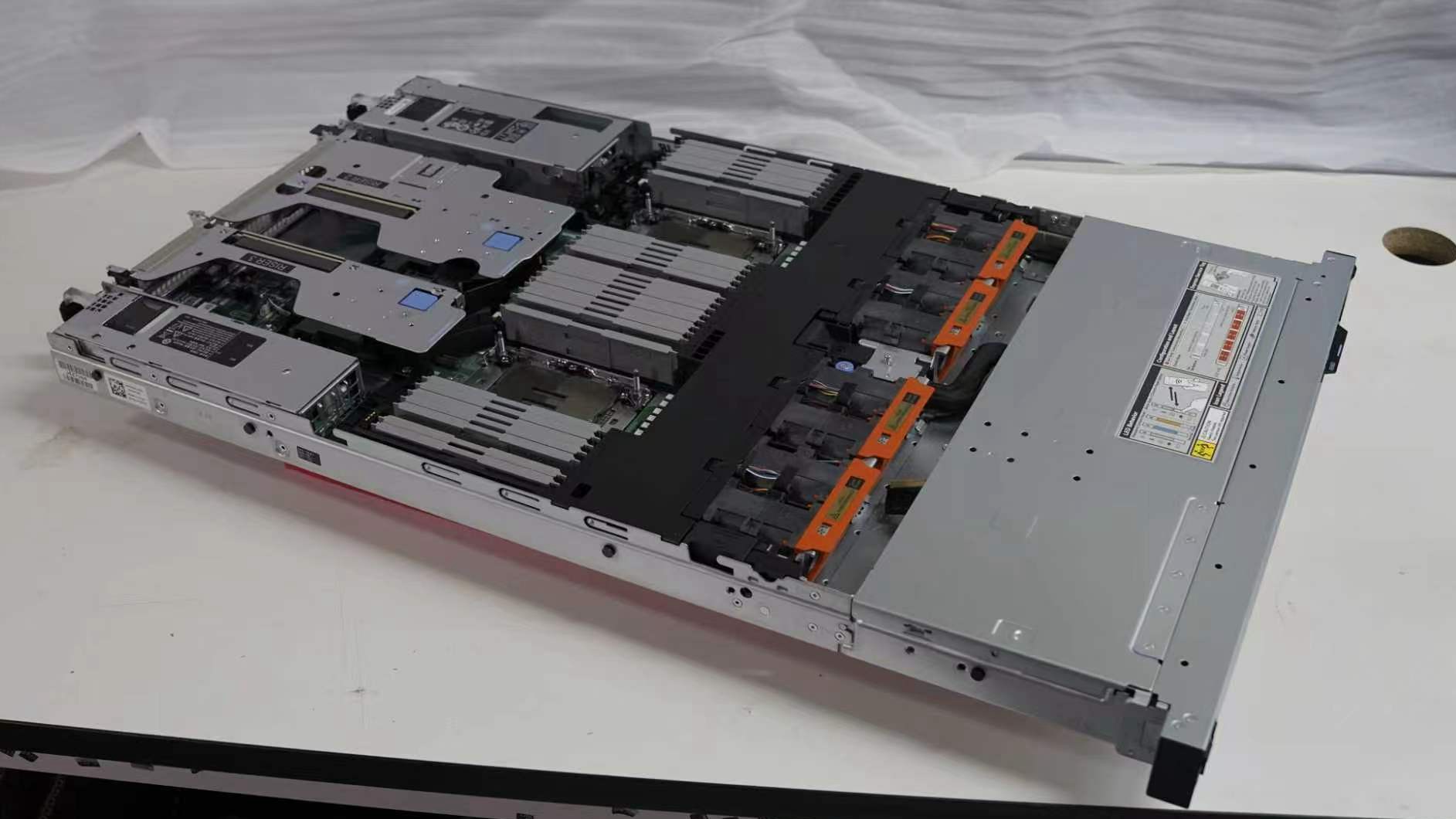

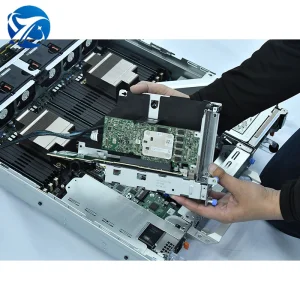
Enterprise server platforms must support heavy computational workloads while managing thermal and electrical challenges. These systems must balance data flow across PCIe networks, control impedance in memory systems, and deliver clean power to CPU cores. Below is a detailed look at the core components that define modern CE certified systems:
Modern servers utilize 4th and 5th Gen Intel Xeon Scalable Processors or AMD EPYC processors. These chips feature up to 64 or 96 cores per socket, demanding reliable power delivery networks. Power delivery to these sockets must be clean and stable, using multi-phase voltage regulator modules (VRMs) to prevent voltage sag. The physical layout of the motherboard traces must maintain high signal integrity, limiting jitter and electromagnetic radiation even under high operating frequencies.
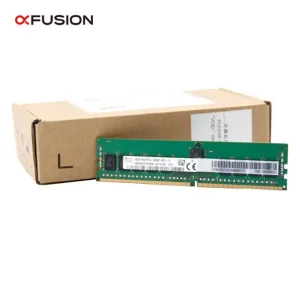
With data transfer rates reaching 6400 MT/s and beyond, DDR5 memory layouts require tight design tolerances. Because high-frequency memory lines are susceptible to crosstalk, layout engineers use layout strategies such as star and daisy-chain routing to match line lengths exactly. Additionally, using registered DIMMs (RDIMMs) with Error Correcting Code (ECC) prevents single-bit memory faults from causing system-wide crashes, which is critical for continuous enterprise virtualization and database applications.
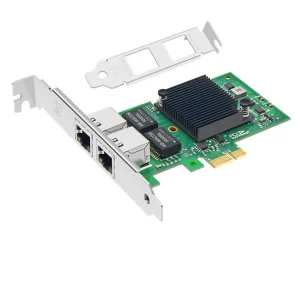
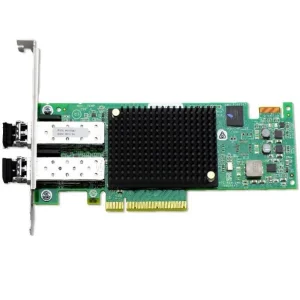
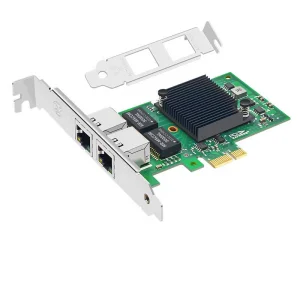
High-speed NVMe storage and SAS enterprise drives are essential for fast data access. High-performance host bus adapters (HBAs), such as the Emulex LPe35002-M2 Dual Port 32GB Fibre Channel HBA, and PCIe 4.0/5.0 RAID controllers, like the LSI 9560-16i (8GB cache), manage these storage workloads. These controllers offload parity calculations from the host CPU to prevent bottlenecking during high-speed database transactions.
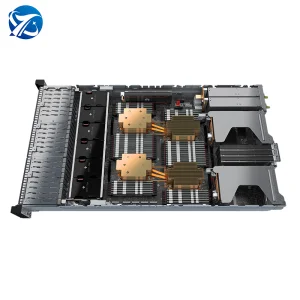
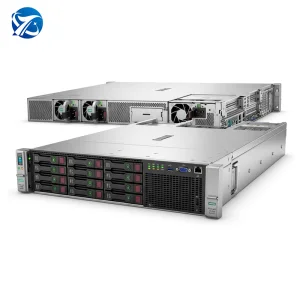
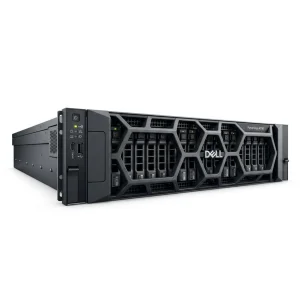
Thermal management is a critical factor in compact server design. For instance, in a 2U rack server like the HPE ProLiant DL380 Gen11, cooling up to two 350W CPUs and several high-performance GPUs requires precise airflow engineering. Factories use specialized fan zones with hot-swappable, counter-rotating fans to pull cold air through the drive bays and expel it past custom heatsinks, keeping internal temperatures within safe limits.
How CE certified, high-performance computing hardware translates to real-world performance across various verticals.
Running models like DeepSeek-R1 locally requires high GPU and memory throughput. CE-certified servers provide the thermal and power envelope necessary for multiple GPU accelerators to run continuously during training and inference tasks.
Enterprise workloads require high core counts and large memory limits. Standard dual-socket platforms run hundreds of virtual machines efficiently by utilizing DDR5 RAM and low-latency storage controllers.
Smart City applications rely on real-time video processing. Certified edge servers process multiple 4K video feeds locally, running AI inference models to detect events and report analysis with minimal latency.
By using localized computing clusters rather than relying entirely on public clouds, organizations maintain ownership of their sensitive data, decrease external network bandwidth requirements, and achieve sub-millisecond response times. Choosing hardware built in a CE certified facility ensures that these on-premise installations operate continuously without electrical or thermal issues.
Data center server design is evolving rapidly, driven by the need for more efficient power usage and higher performance. Veltron’s R&D department, comprising 168 engineers, is focusing on several key technical transitions:
CXL technology runs over the PCIe physical layer to enable memory pooling and device coherency. In future deployments, servers can access external, shared pools of DDR5 or persistent memory, reducing latency and maximizing resource utilization across host systems.
As CPU TDPs exceed 350W and GPU power requirements surpass 700W, traditional air cooling is reaching its physical limits. Veltron is developing direct-to-chip (D2C) liquid cooling loops. These systems circulate non-conductive coolant directly over thermal transfer plates on the processors, allowing high-density server configurations to operate with lower fan power requirements and improved power usage effectiveness (PUE).
PCIe Gen 6 doubles the bandwidth of Gen 5 using PAM4 (Pulse Amplitude Modulation 4-level) signaling. This shift requires precise PCB board design. Veltron's hardware team utilizes advanced simulation tools to check signal path routing, layout design, and via placement, preventing signal reflections and keeping bit error rates (BER) within acceptable limits.
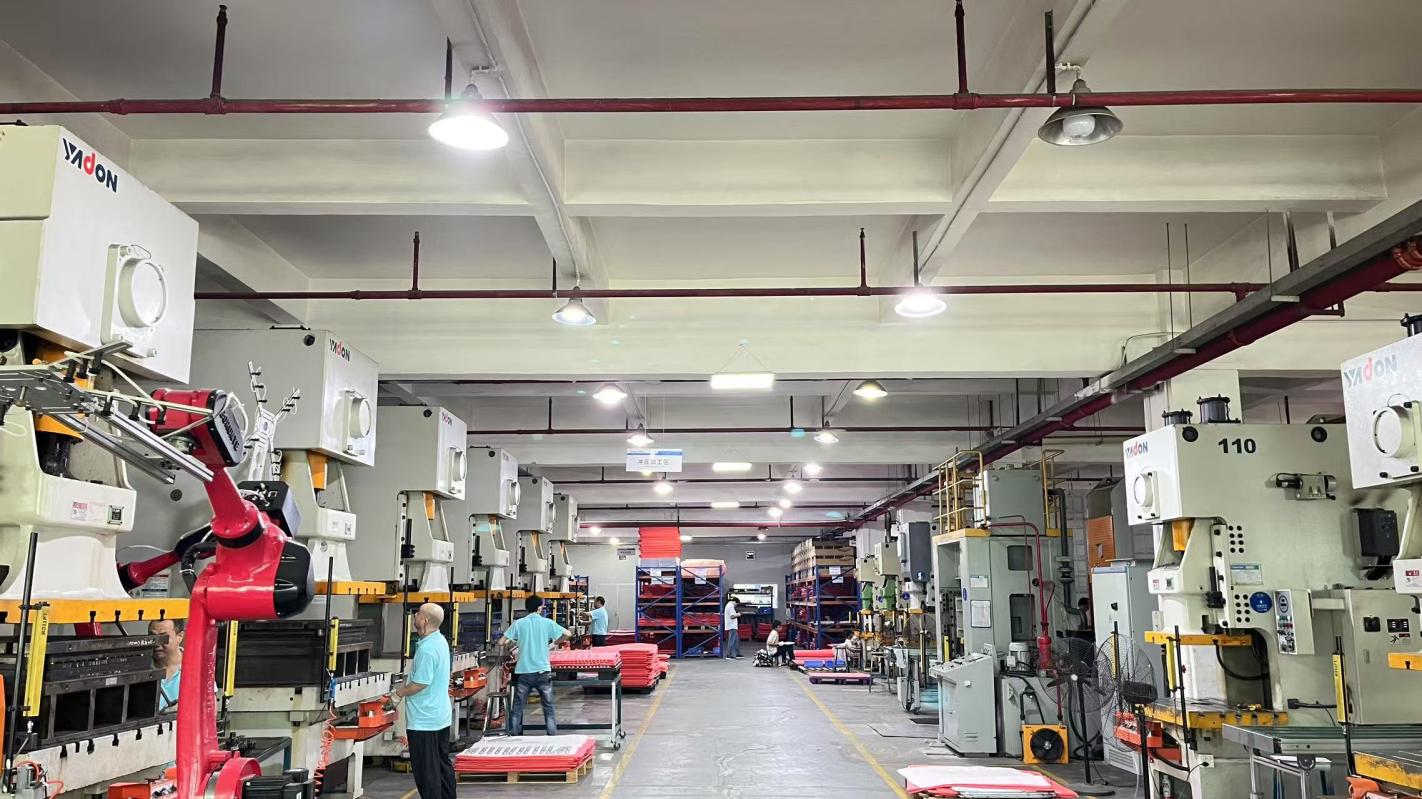
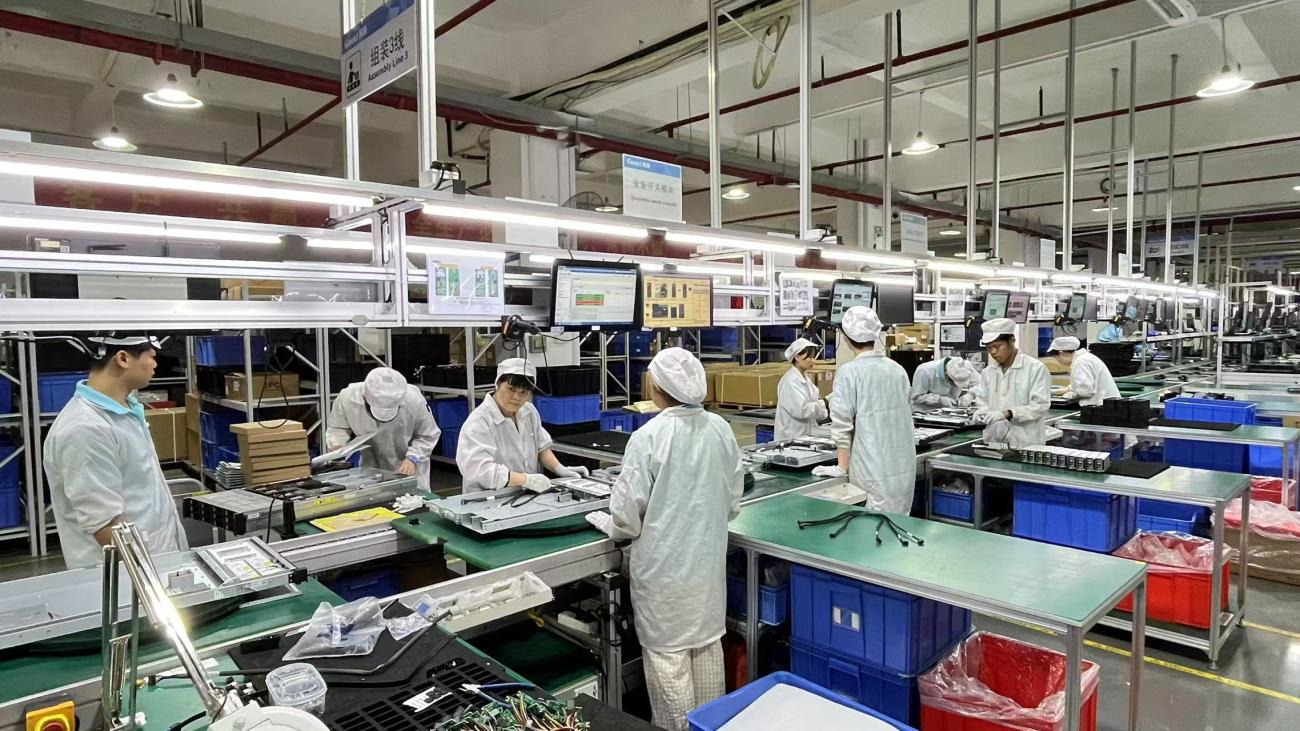
Quality control is central to Veltron's manufacturing philosophy. Within our 3,800 square meter factory, a team of 56 quality control technicians monitors each stage of production. From receiving incoming materials to the final system packaging, we verify that every server complies with CE and global standards.
The manufacturing process consists of five main stages:
All component shipments undergo X-ray inspection to check solder paste alignment and detect component defects. High-stress elements, like power distribution boards, undergo automated optical inspection (AOI).
Motherboards and system interfaces are assembled on automated SMT lines. Specialized ESD-controlled environments prevent static damage during the physical handling of sensitive ICs.
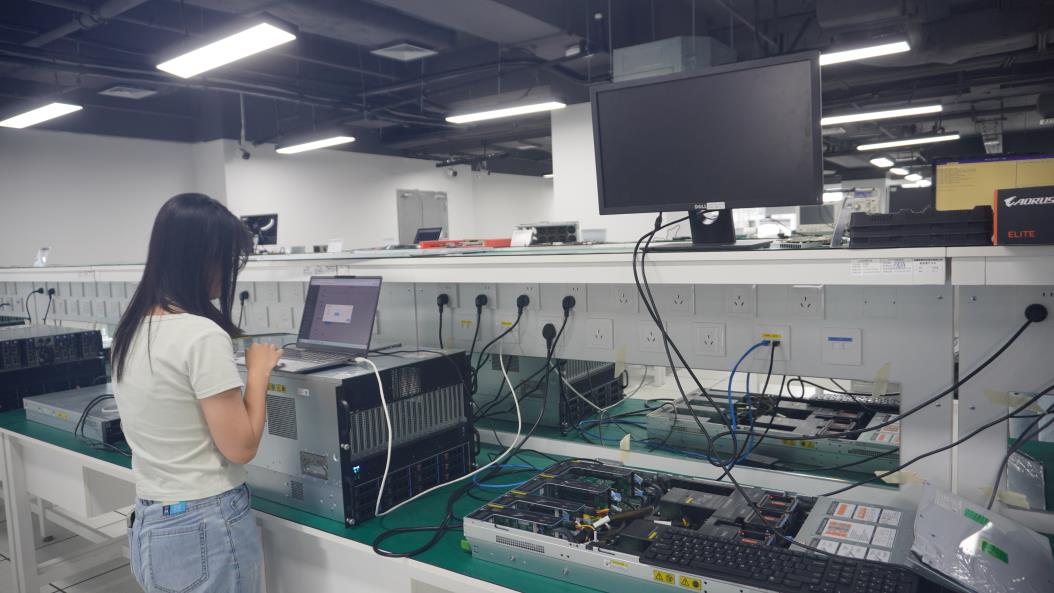
Fully assembled server units are placed in environmental test chambers for burn-in testing. These systems run under maximum CPU and memory load at 40°C to 45°C for 24 to 72 hours to identify early component failures.
Engineers use high-bandwidth oscilloscopes to measure power rail ripple and high-speed signal pathways, verifying that storage and network connections operate with minimal packet loss.
Once system diagnostic tests are complete, units receive CE labeling and are packed in custom anti-static bags and shock-absorbing cartons designed for secure transit.
Answers to common technical, compliance, and supply questions regarding CE-certified server platforms.