Veltron
Veltron
Veltron
Engineered for mission-critical applications, cloud virtualization, and localized data analytics infrastructure.
The Sydney metropolitan area, serving as the commercial engine of Australia and the primary gateway to the Trans-Pacific cloud corridor, is undergoing an unprecedented digital transformation. Driven by high-density deployments in major colocation centers across Macquarie Park, Alexandria, Ultimo, and Eastern Creek, local companies are encountering a structural shift. The demands of modern cloud architectures, low-latency financial trading platforms, and localized AI workloads require compute density that older platforms can no longer sustain without inflating operational costs.
In this demanding landscape, V6 Rack Servers represent a critical architectural milestone. Operating on the Intel® Xeon® Scalable and AMD EPYC™ architectures, these V6 computing platforms deliver significant performance-per-watt optimization. For Australian companies navigating volatile energy markets and stringent carbon reduction targets, the V6 framework addresses these challenges directly. It features native support for PCIe Gen 4/5 throughput, enhanced memory bandwidth, and integrated AI acceleration engines (such as Intel® Deep Learning Boost), allowing Sydney-based enterprises to achieve high compute density within a compact physical footprint.
Managed Service Providers (MSPs) and systems integrators serving New South Wales (NSW) face unique challenges: high rack rental costs in Tier-3/Tier-4 Sydney data centers and the strict performance standards of Australian corporate clients. Deploying legacy hardware often results in high power consumption and thermal inefficiencies. Upgrading to V6 servers offers several distinct technical benefits:
The global enterprise server ecosystem is currently defined by supply volatility and the rapid growth of high-density AI cluster configurations. In this environment, relying on traditional multi-tier distribution channels often leads to long lead times and inflated costs. By establishing a direct supply pipeline from specialized manufacturing hubs in Shenzhen, China, to integration teams in Sydney, organizations can bypass unnecessary intermediaries and accelerate their deployment timelines.
As an industry-focused manufacturer, Veltron Computing Technology Co., Ltd. coordinates every stage of the hardware lifecycle. Operating a modern 3,800+ square meter manufacturing facility, we manage the entire process from custom component sourcing to stress testing. Our direct-to-market model ensures that system integrators receive consistent, high-performance hardware at competitive price points.
Our engineering and production capabilities are optimized to meet the strict regulatory and environmental requirements of the Australian market:
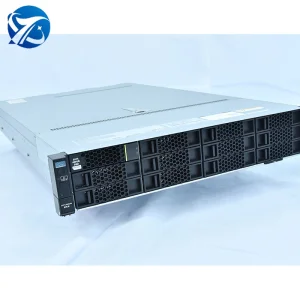
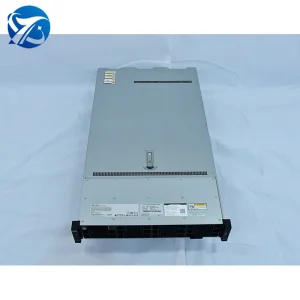
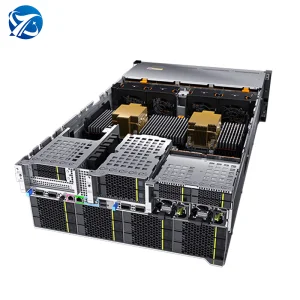
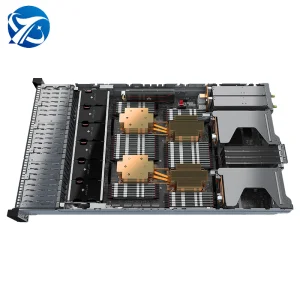
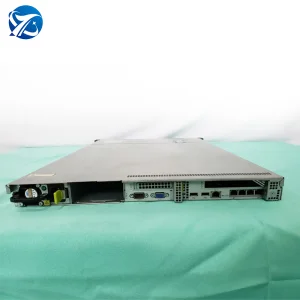
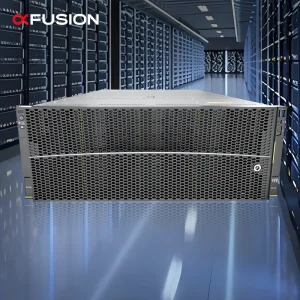
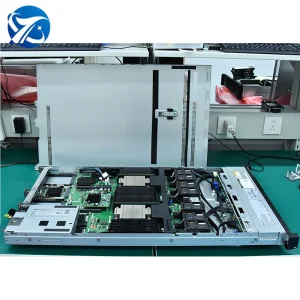
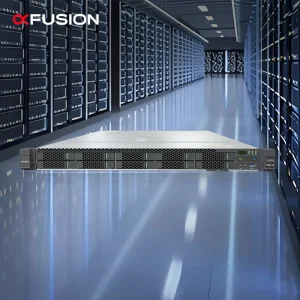
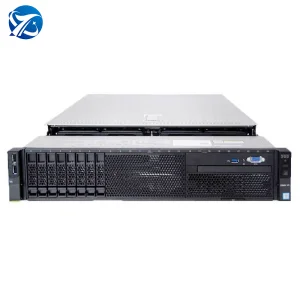
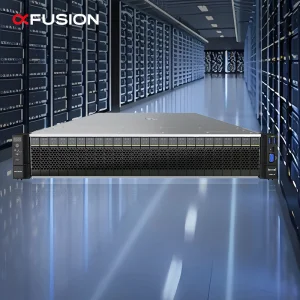
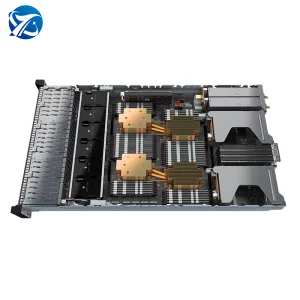
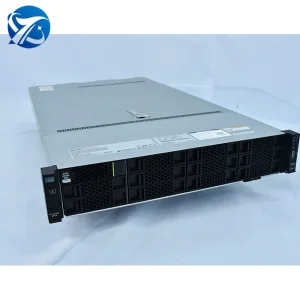
Explore our full range of 1U, 2U, and 4U high-density configurations, optimized for diverse computing environments.
A standard configuration is rarely optimal for all use cases. The Sydney business ecosystem includes several distinct industries, each with specific requirements for hardware density, thermal performance, and network bandwidth. Our V6 systems are customized to match these industry-specific workloads:
For organizations operating in algorithmic trading, high-frequency trading (HFT), and quantitative risk modeling, system latency is a critical performance metric. V6 servers configured with dual high-frequency Intel Xeon Scalable processors, low-latency DDR4/DDR5 ECC RAM modules, and direct-attached NVMe storage arrays minimize transmission delays. These systems are optimized for the high-throughput, low-latency requirements of CBD trading nodes.
Academic institutions and research labs require cost-effective compute clusters for deep learning, genomics, and structural simulation. Utilizing multi-socket V6 servers (such as the 4U FusionServer 5288 V6 and 2U 2488H V6) provides the dense core counts and memory addressing space necessary to run high-performance computing (HPC) software suites, delivering cluster-grade computing power directly to local labs.
Modern distribution hubs in Western Sydney rely on real-time inventory tracking, route optimization, and data storage. These operations require robust storage capacity and reliable system uptime. V6 server configurations with high-capacity 3.5-inch drive bays (supporting up to 36 drive modules) provide cost-effective options for local database indexing, archive storage, and enterprise application hosting.
From visual effects production to training machine learning models, modern creative agencies and technology teams require GPU accelerators. Our V6 servers are designed with flexible PCIe configurations, allowing the integration of multiple double-width GPU cards alongside high-capacity power supplies to support demanding visualization and compute workloads.
A trusted manufacturing partner delivering high-performance GPU servers, AI compute infrastructure, and customized enterprise systems worldwide.
Established in 2016 and based in Shenzhen, China, Veltron Computing Technology Co., Ltd. is a dedicated manufacturer and global supplier of GPU servers, AI computing systems, and high-performance hardware. Over the past 8 years of export operations and 14 years of industry history, we have established a reputation for reliability, precision, and technical support across Europe, North America, Southeast Asia, the Middle East, and South America.
Our modern manufacturing facility covers more than 3,800 square meters. It is equipped with advanced component assembly lines, cleanrooms, and testing facilities to manage production quality at scale. Our annual export revenue exceeds USD 18 million, reflecting the trust global system integrators and cloud service providers place in our products.
Quality control is central to our production process. A team of 56 quality control personnel monitors every phase of assembly, from incoming parts inspection to final thermal and system testing. This comprehensive verification process ensures that every server shipped to Sydney or other global markets meets our standards for performance and reliability.
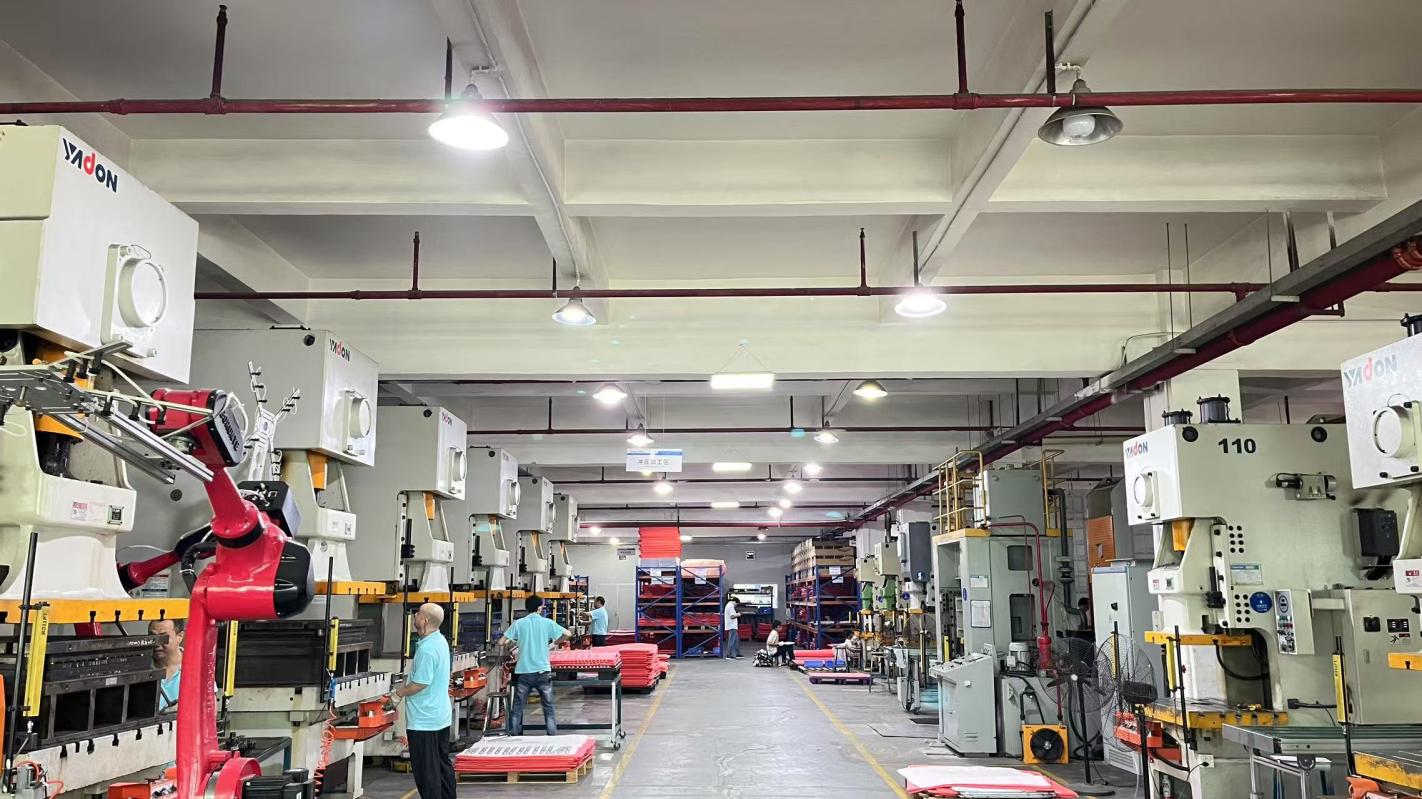
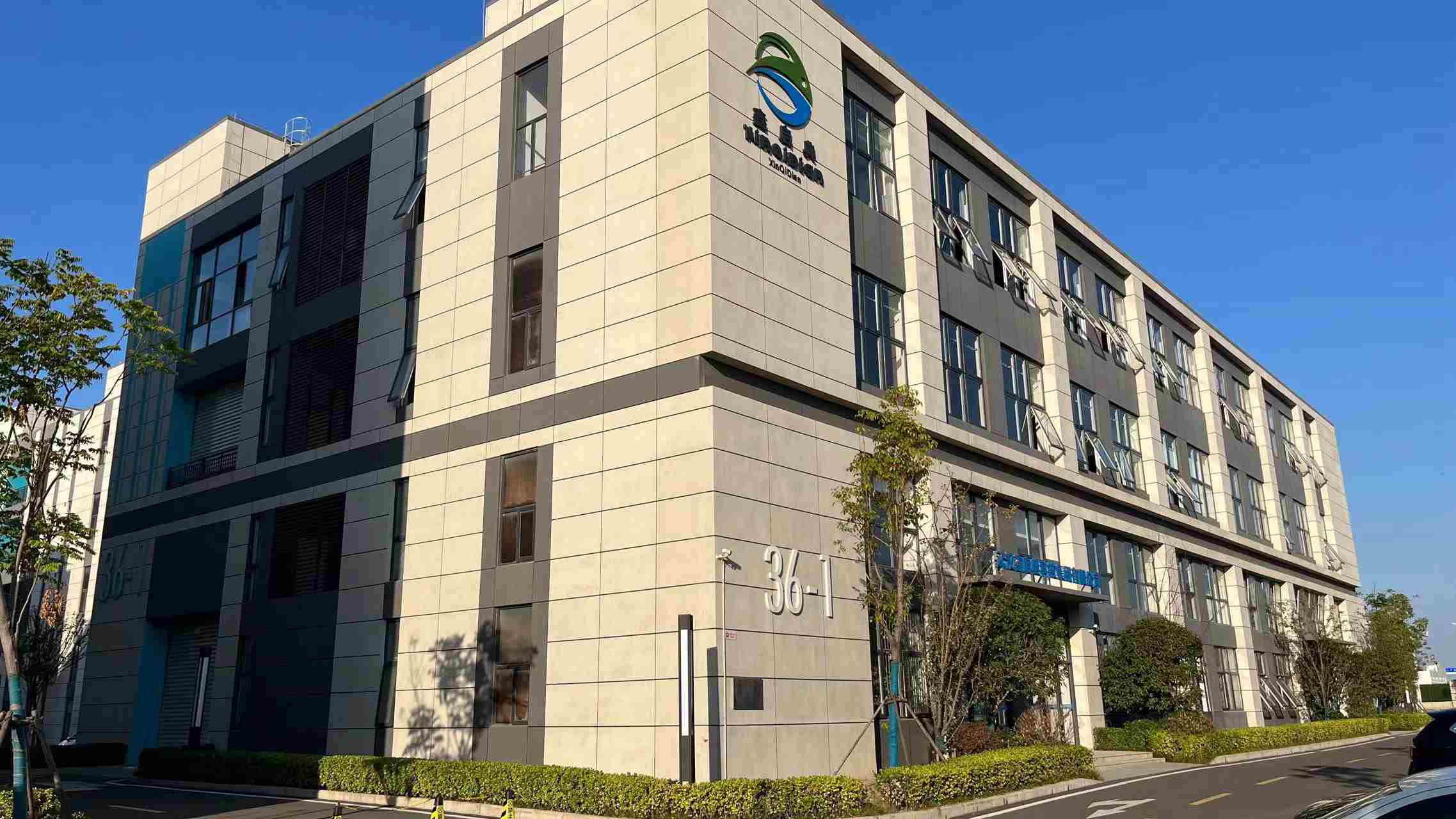
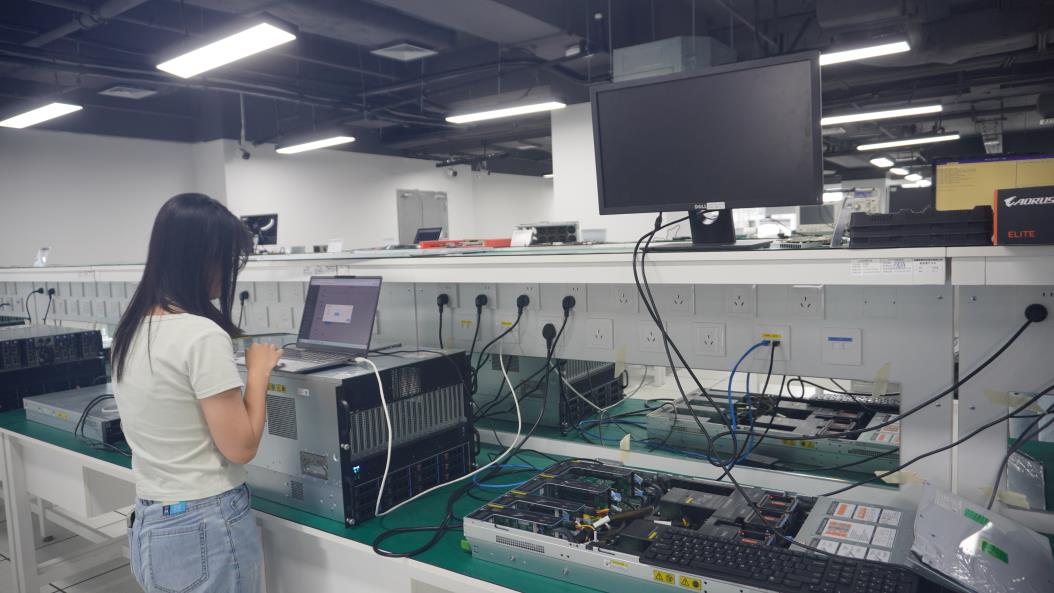
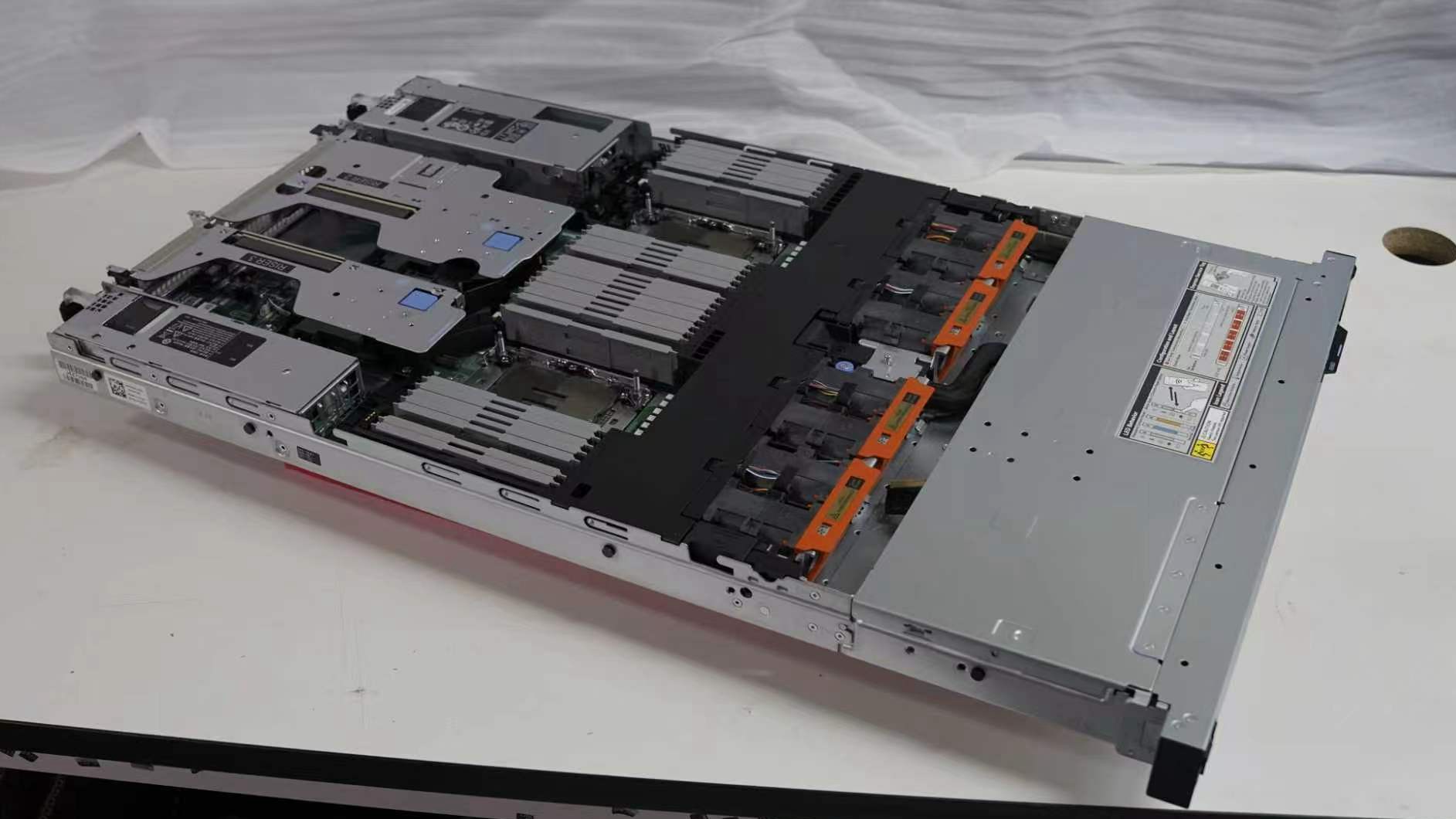
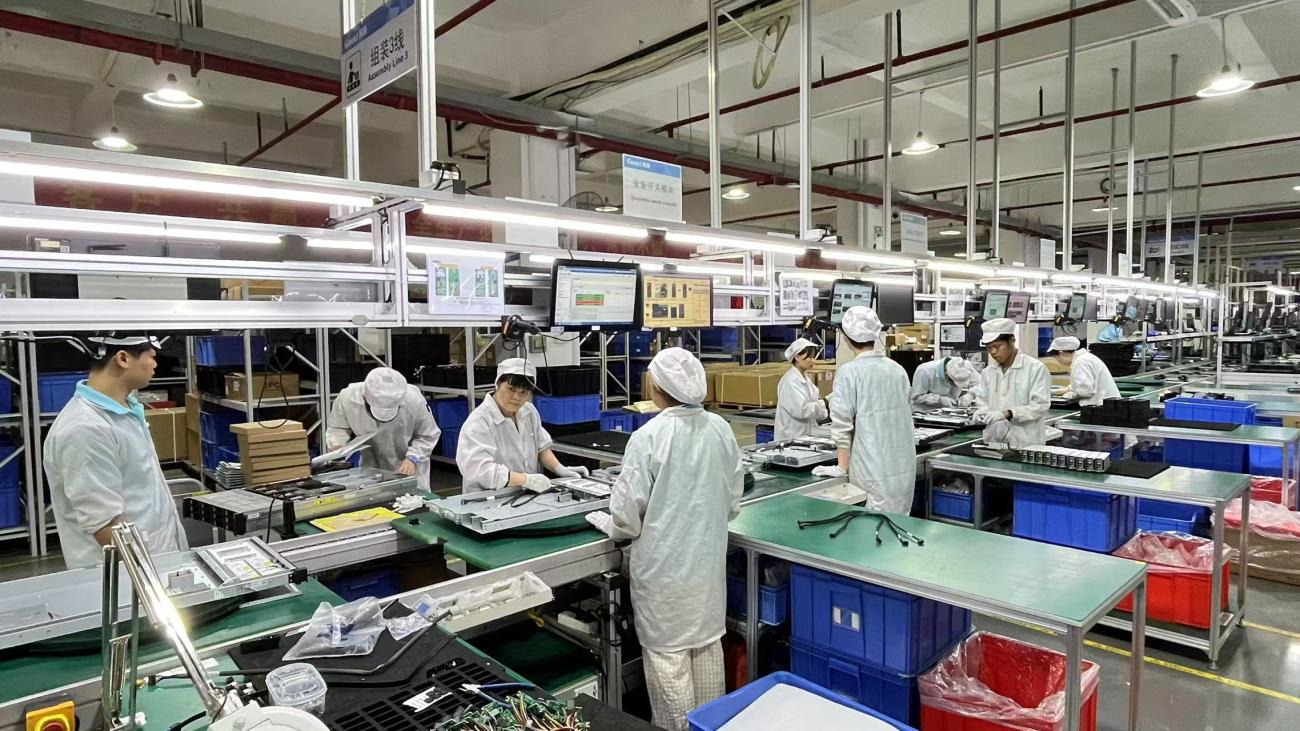

Innovation is key to supporting our clients' evolving infrastructure needs. Our R&D center features 168 engineers specializing in server architecture, thermal management, GPU integration, and customized firmware optimization. Launching more than 85 new products and hardware upgrades annually, Veltron helps enterprises keep pace with the demands of the AI and high-performance computing sectors.
Answers to common questions regarding V6 server shipping, configuration, and compliance for the Australian market.
For standard configurations, production and testing are typically completed within 7 to 10 business days. Custom OEM/ODM orders may take 15 to 21 business days, depending on configuration complexity. Shipping via air freight to Sydney Airport (SYD) takes approximately 3 to 5 business days, while sea freight via Port Botany averages 14 to 20 days.
Yes. All servers shipped to the Australian market are configured with high-efficiency power supplies designed for 230V 50Hz electrical environments. Power configurations are compatible with standard data center power distribution units (PDUs) and meet international safety standards.
Yes, we offer comprehensive OEM and ODM services. Our 168 R&D engineers can customize chassis branding, pre-configure specific hardware arrays, adapt BIOS settings, and pre-install preferred operating systems or hypervisors before shipment.
Our quality assurance process is managed by 56 QC specialists. Every server undergoes component validation, high-temperature burn-in tests, and network interface checks to ensure system stability and performance upon arrival.
Yes. We maintain a stock of critical spare parts, including power modules, storage controllers, network cards, and cooling fans, to support system maintenance and future hardware upgrades.
Yes, configurations such as the FusionServer 2488H V6 and 2288H V6 support multiple double-width, high-power GPU accelerators, making them suitable for local machine learning, model training, and data visualization projects.
When sourcing computing hardware, evaluating technical specifications alongside operational requirements helps ensure long-term compatibility. The following checklist can guide your selection process: