 Veltron
Veltron
Veltron
Deploying enterprise-grade memory is critical to maintaining high availability and resolving latency bottlenecks. Below are our high-performance memory modules optimized for deployment across San José, Alajuela Free Zones, and regional Latin American cloud structures.
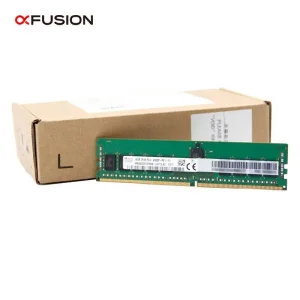
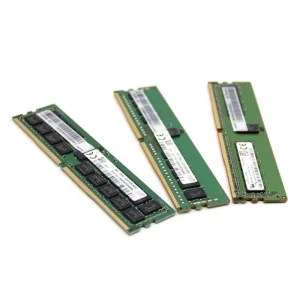
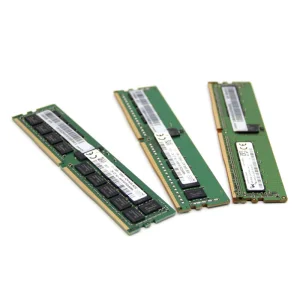
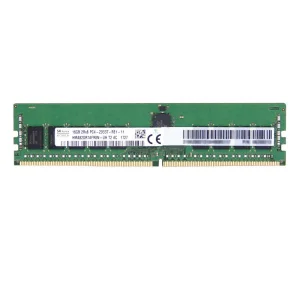
Over the past decade, Costa Rica has successfully shifted its economic focus from agricultural exports to a high-technology service and manufacturing hub. Today, regions such as the Coyol Free Zone in Alajuela and the America Free Zone (AFZ) in Heredia host numerous Fortune 500 multinationals, technology innovators, and specialized medical device manufacturing complexes. The expansion of these parks, coupled with Costa Rica's highly educated workforce and stable political climate, has driven massive demands for domestic digital infrastructure. Enterprise-grade server deployments are increasing rapidly to support local production systems, research nodes, and complex regional ERP environments.
Critically, Costa Rica operates on one of the greenest electrical grids in the world, generating roughly 99% of its power from renewable sources (such as hydro, geothermal, and wind power). This unique operational reality positions Costa Rica as a prime destination for sustainable colocation facilities and green corporate data centers. To maintain low Power Usage Effectiveness (PUE) ratios, local facilities require specialized computing architectures designed to maximize efficiency. High-performance, low-voltage (1.2V DDR4 and 1.1V DDR5) server RAM plays a vital role here. By maintaining lower thermal outputs and maximizing memory density, data centers in San José and Heredia can minimize both active cooling overhead and operational carbon footprint.
The localized demand is not limited to raw compute capacity; it focuses on system integrity. In transactional spaces like digital finance and medical manufacturing ERP systems, a single bit flip error can halt assembly lines or corrupt transaction logs. This reality drives local demand for advanced Error-Correcting Code (ECC) server RAM, making reliable suppliers in Costa Rica highly sought after.
| Architecture Feature | DDR4 Server RDIMM (Current Baseline) | DDR5 Server RDIMM (Next-Gen) | Impact on Enterprise Data Centers |
|---|---|---|---|
| Operating Voltage | 1.2 Volts (Typical) | 1.1 Volts (Typical) | Reduction in energy overhead and system thermal generation. |
| Channel Architecture | Single 72-bit channel per DIMM (including ECC) | Dual independent 40-bit subchannels (including ECC) | Significantly improved memory access efficiency for multi-core CPUs. |
| Base Bus Speed | 1600 MHz to 3200 MHz | 4800 MHz to 6400+ MHz | Over 50% increase in baseline bandwidth to alleviate CPU core starvation. |
| On-DIMM Power Control | Managed by the Host Motherboard | Integrated PMIC (Power Management IC) on DIMM | Improved local voltage regulation and better system stability at high densities. |
| Error-Correcting Code | Sideband ECC (Detects multi-bit, corrects single-bit) | On-Die ECC + Sideband ECC | Enhanced multi-layer reliability needed for 24/7 AI systems. |
As dynamic cloud deployments scale up globally, memory constraints often limit virtual machine density per physical host. In dense containerized environments, maximizing system memory capability (often up to 1TB or 2TB of RAM per node) is the primary method to lower hardware acquisition costs and optimize virtualization software licenses. Therefore, sourcing stable, high-performance RDIMM products that undergo rigorous thermal and signaling validation is essential to preventing costly unscheduled downtime.
Looking toward the end of the decade, memory subsystems are evolving beyond direct bus architectures. The integration of CXL (Compute Express Link) stands out as the next major technological leap. CXL allows hosts to access pooled memory over high-speed PCIe lanes, decoupling memory expansion from rigid motherboard slot allocations. This enables data centers to scale DRAM resources independently of CPU constraints, significantly lowering total cost of ownership.
Enables high-speed memory sharing between servers, allowing dynamic allocation of memory capacities to match real-time workloads without waste.
3D TSV (Through-Silicon Via) technology enables memory manufacturers to stack silicon dies, allowing individual server RDIMMs to hit 128GB, 256GB, and even higher capacities.
Modern DDR5/CXL controllers feature telemetry engines that predict hardware degradation, identifying potential memory faults before they trigger system failures.
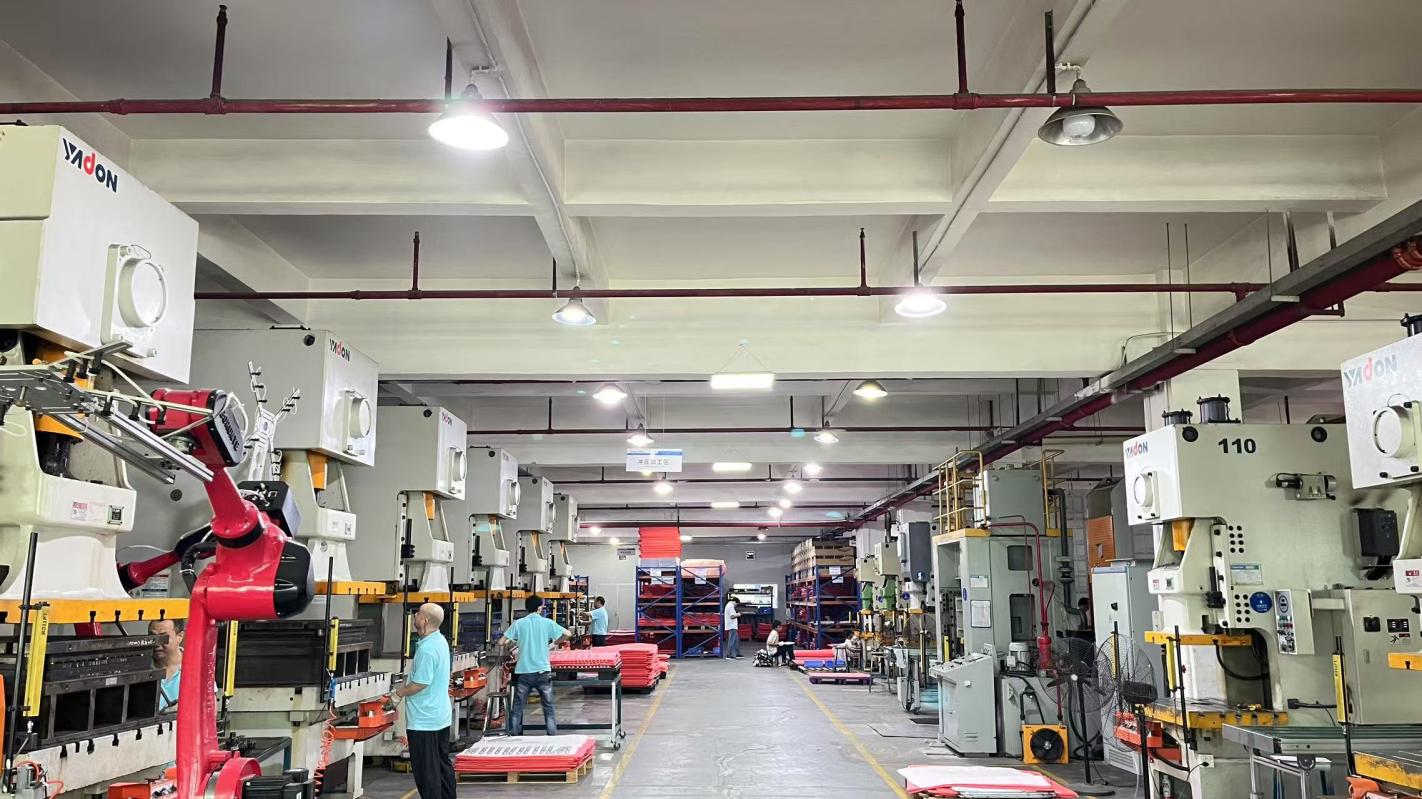
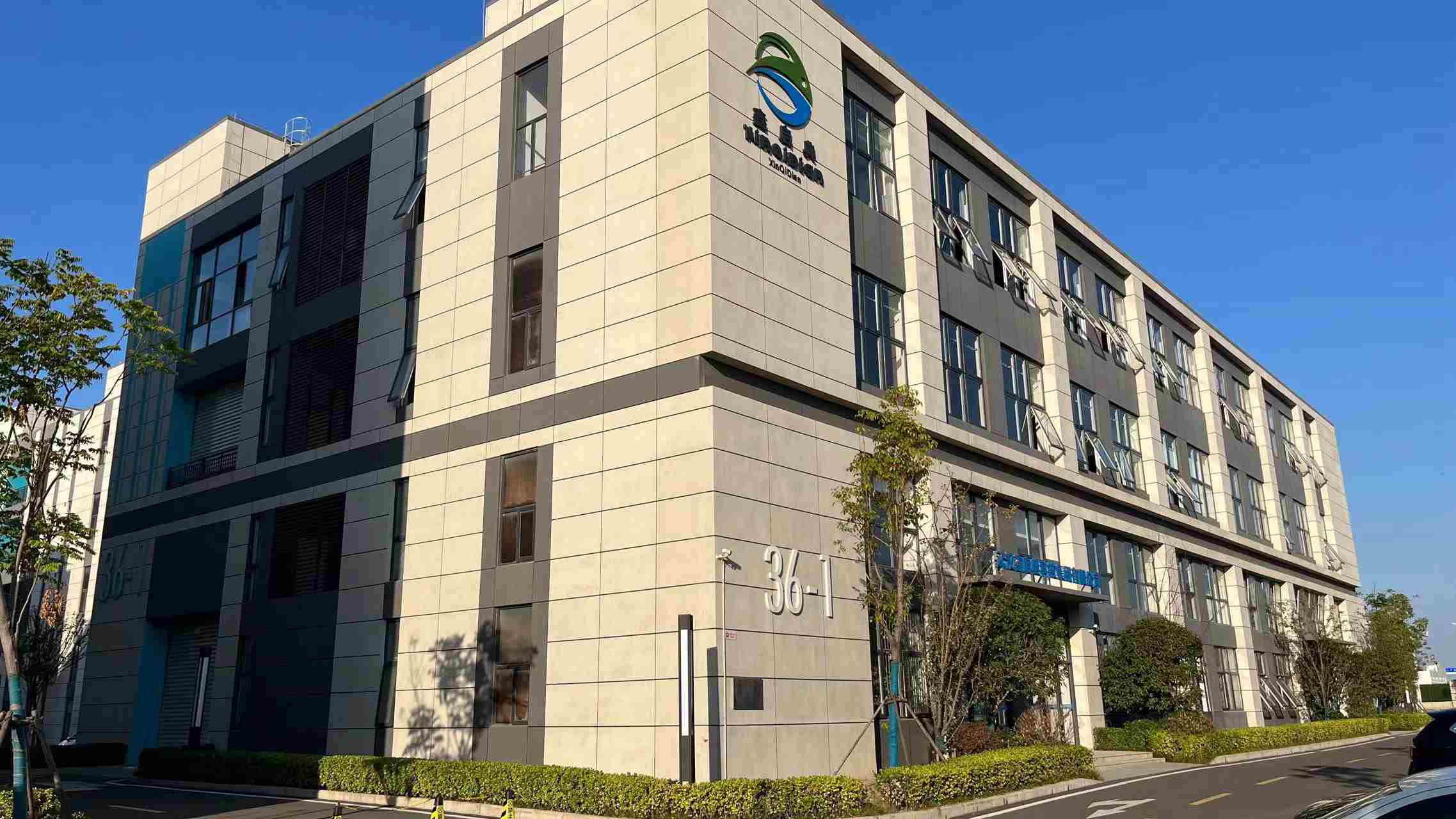
As a trusted international manufacturer and supplier, Veltron Computing Technology Co., Ltd. (established in 2016) delivers high-end server configurations, advanced AI processing rigs, and enterprise components. Operating from our state-of-the-art facility in Shenzhen, China (covering over 3,800 square meters), Veltron has spent over 14 years refining its industry expertise to guarantee top-tier hardware reliability.
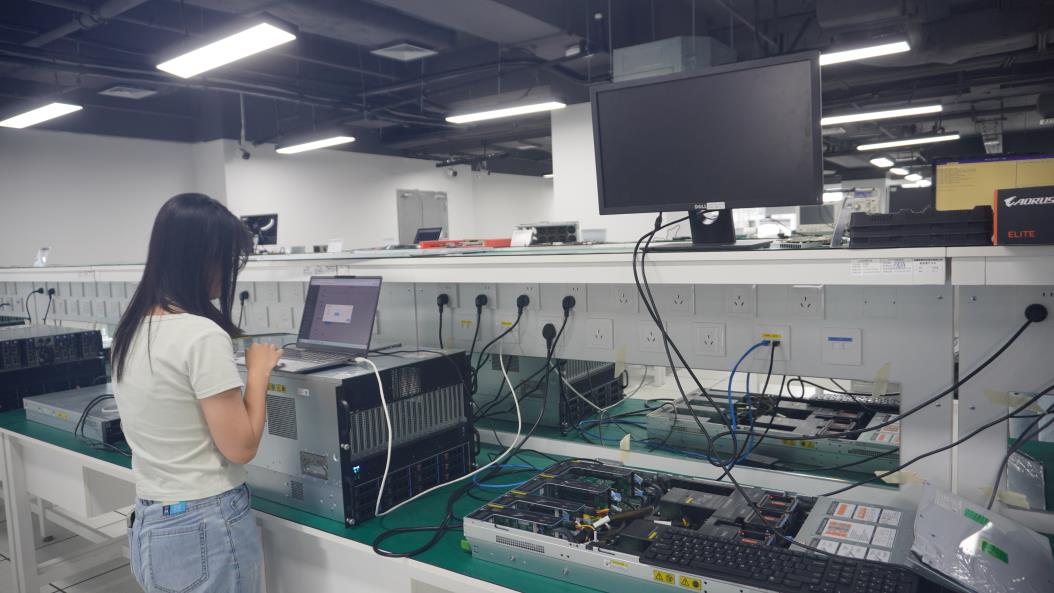
Every server memory module and GPU barebone unit that leaves our facility passes through a strict 56-checkpoint quality evaluation program. Our dedicated group of 56 quality inspection professionals tests for signal integration, thermal resilience under high load, and prolonged burn-in cycles to make sure all parts are stable and fully operational prior to transport.
Backed by a staff of 168 R&D engineers, Veltron is highly equipped to provide custom configurations, custom cooling implementations, and OEM/ODM solutions tailored to your technical requirements. We maintain more than 1,200 strategic supply relationships, which allows us to ensure stable inventory reserves and rapid global logistics for enterprise projects across Central America, Europe, and Asia.
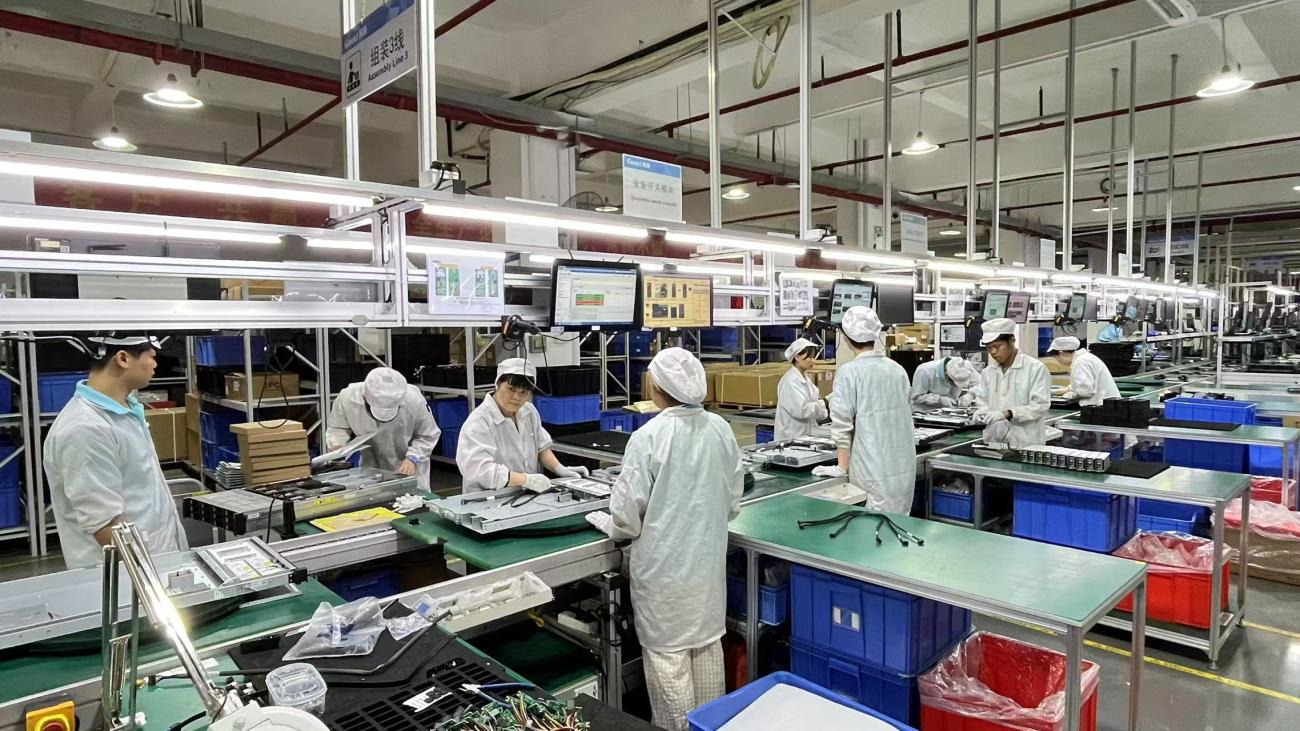

In Costa Rica’s dynamic industrial ecosystem, high-capacity server RAM is critical across multiple specialized application scenarios:
Free Trade Zone manufacturers run continuous ERP systems to coordinate global supply lines. High-speed ECC RDIMM prevents memory execution faults, keeping lines operational 24/7.
San José software development agencies process huge testing models. Dense multi-rank RAM arrays allow developers to replicate hybrid environments locally without bottlenecks.
Leveraging Costa Rica's green grid, providers deploy low-voltage DDR4 and DDR5 modules to control thermal output, optimize PUE, and reduce cooling costs.
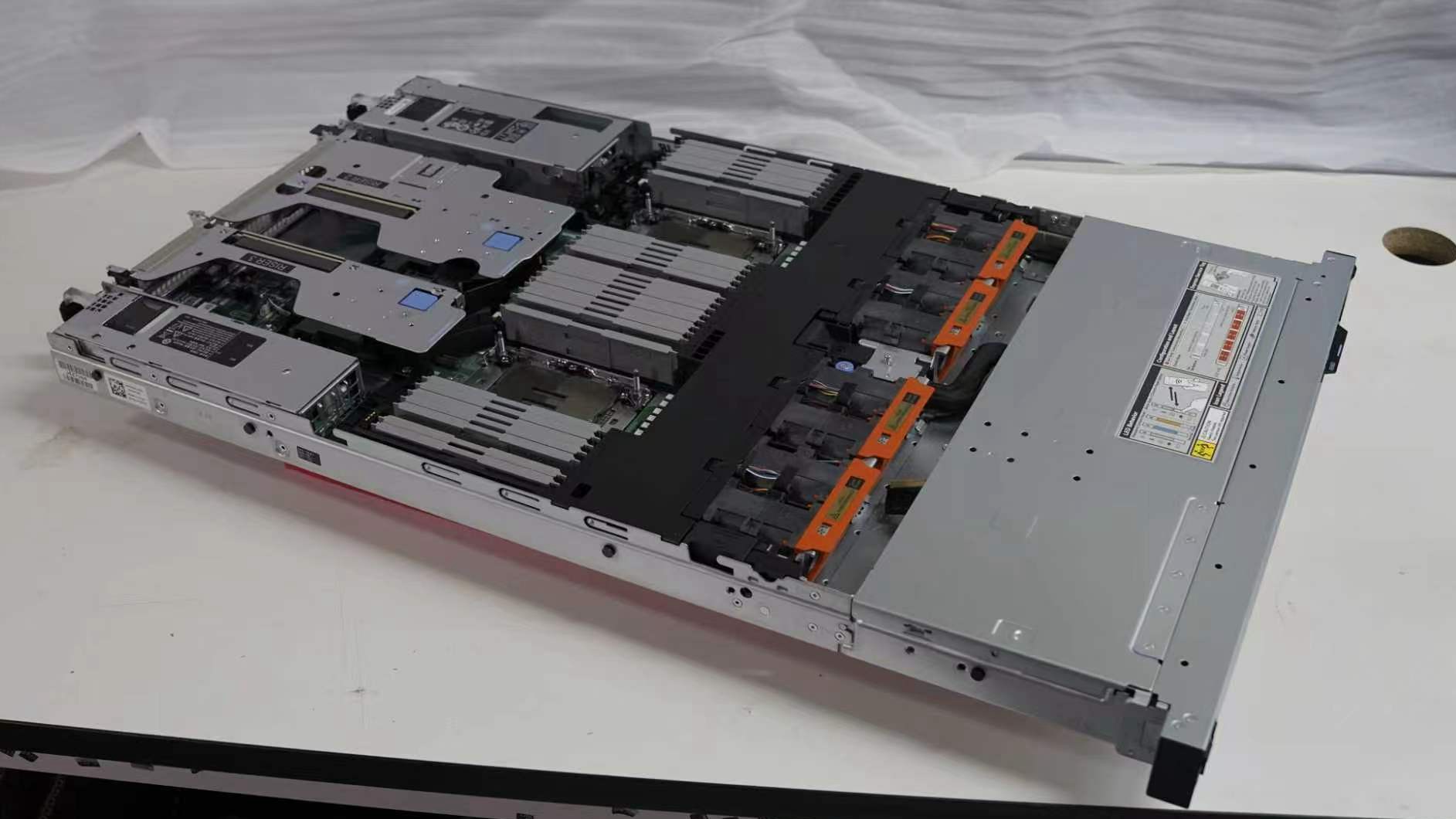
Beyond raw RAM components, we supply complete rackmount systems, accelerated GPU servers, and high-speed storage configurations to build high-performance data centers. Explore our compatible enterprise line updated for regional deployments:
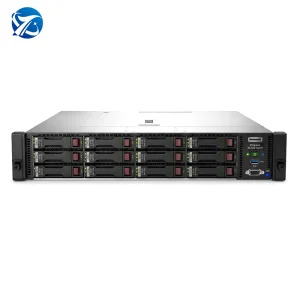
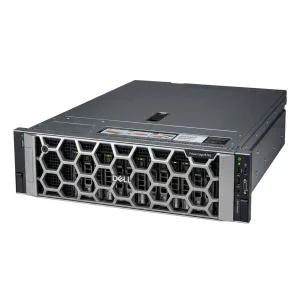
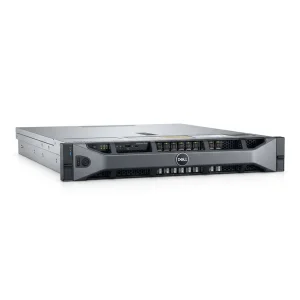
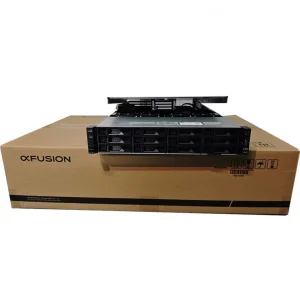
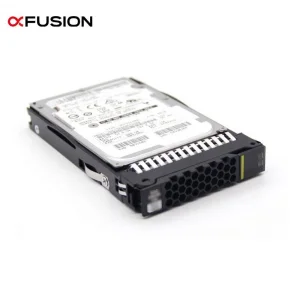
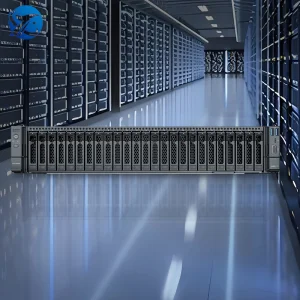

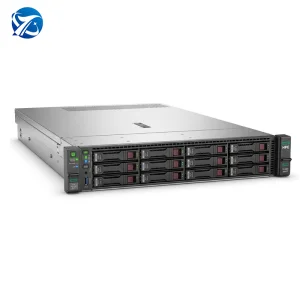
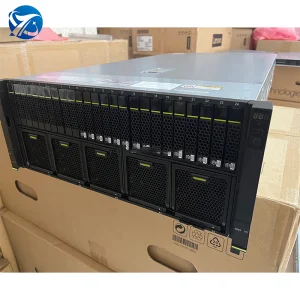
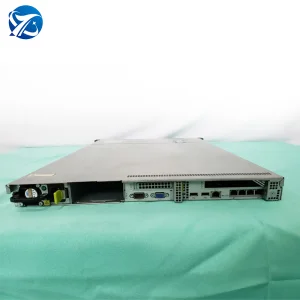
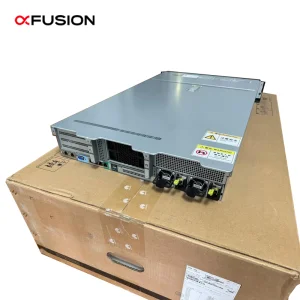
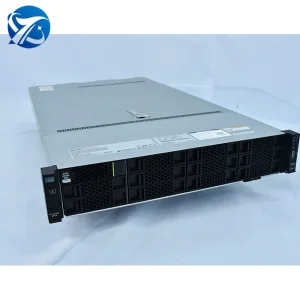
Modern compute loads require a holistic architectural design. Simply buying high-speed RAM is not enough; it must be integrated with the system's thermal and motherboard profiles. Veltron specializes in creating cohesive configurations where server RAM, compute nodes, and network cards work together seamlessly.
Optimizing physical nodes for high VM density. We help configure high-density RDIMM systems (e.g. 64GB DDR4/DDR5) to match CPU thread capacities, preventing memory saturation issues.
Deploying low-voltage components in harsh edge environments. Our configurations prioritize thermal stability and low PUE, which is critical for remote enterprise setups.
Aligning CPU system RAM with high-performance GPU storage to prevent system bottlenecks during large training runs and DeepSeek model workloads.
Technical details regarding compatibility, logistics, and deployment standards for our enterprise customers.
Don't let memory bottlenecks limit your data center's potential. Reach out to our engineering team today for custom specifications, volume pricing, and reliable delivery to Costa Rica.
Send Inquiry Now