Veltron
Veltron
Veltron
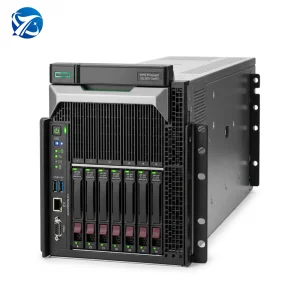
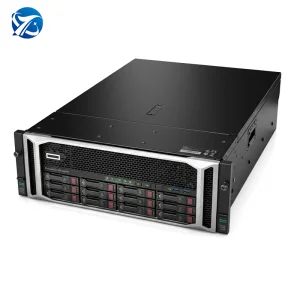
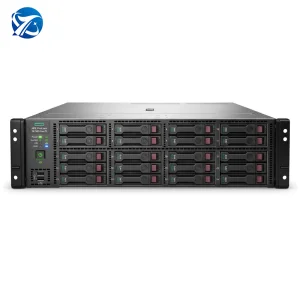
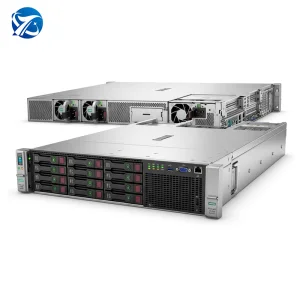
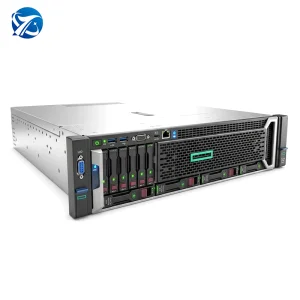
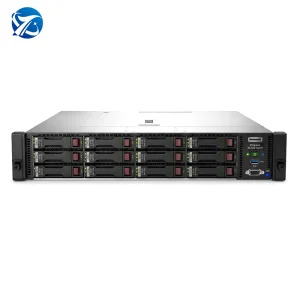
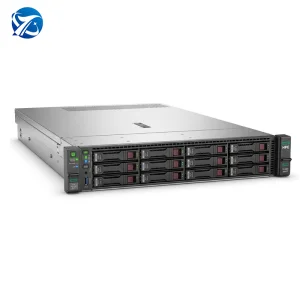
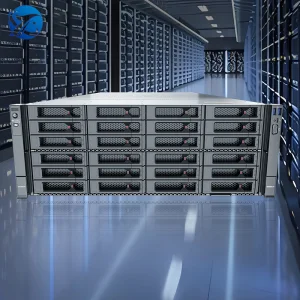
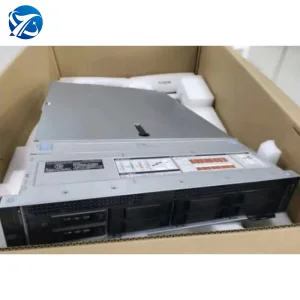
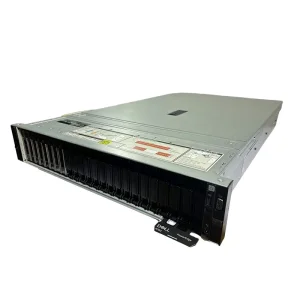
Immediate stock and customized configurations of industry-leading HPE Rack Servers designed for mission-critical operations in Kanagawa, Chiba, and Otemachi data hubs.
As one of the world's most dense and sophisticated technology ecosystems, the Greater Tokyo Area—spanning key colocation and hyper-scale hubs in Otemachi, Toyosu, Mitaka, and Kanagawa Prefecture—demands unprecedented server performance, power efficiency, and hardware security. Enterprise computing in Japan is currently experiencing a massive structural transition. Traditional multi-tenant hosting architectures are rapidly evolving to support AI inference workloads, LLM executions (such as DeepSeek-R1 optimizations), and high-frequency trading platforms. As a premier partner and exporter of high-performance server hardware serving Tokyo, we understand that modern infrastructure must deliver more than raw compute; it must meet stringent local constraints regarding thermal footprints, acoustics, and power efficiency.
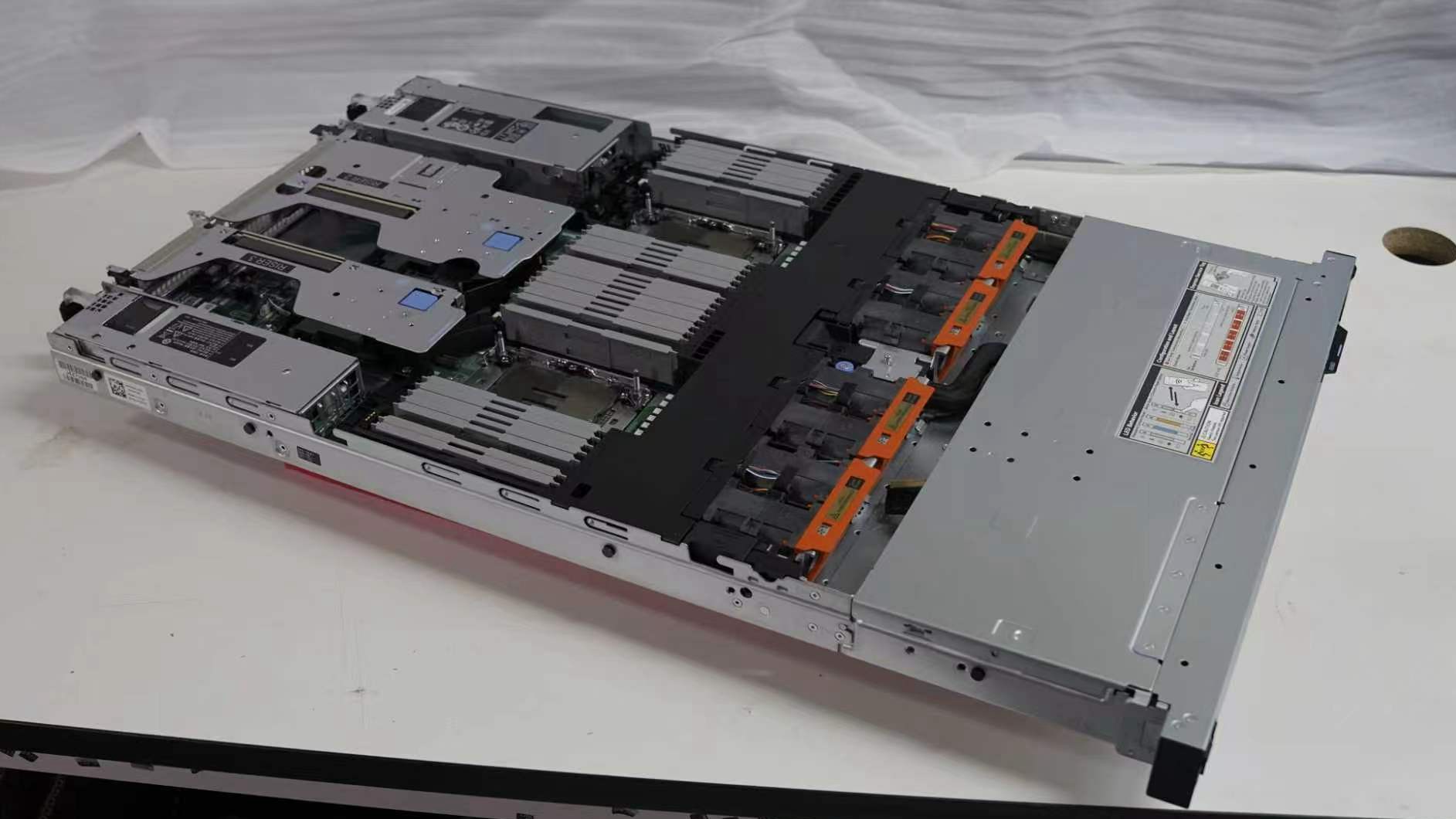
The acceleration of Japan’s digital transformation (DX) initiatives, backed by Ministry of Economy, Trade and Industry (METI) directives, has pushed local enterprises to prioritize data sovereignty, hybrid cloud flexibility, and green computing. HPE ProLiant Gen11 and Gen12 server architectures have emerged as the standard for these high-stakes deployments. Featuring advanced engineering that seamlessly integrates AMD EPYC™ and Intel® Xeon® Scalable processors, these platforms offer the dense throughput required for low-latency financial systems in Nihonbashi and high-concurrency e-commerce nodes across Japan.
Industry Expertise
Annual Export Revenue
R&D Technical Team
Supply Chain Partners
Deploying high-density server hardware in Tokyo requires deep insight into the specific demands of local industries. Our customized HPE configurations are optimized for several critical regional applications:
For financial institutions operating near the Tokyo Stock Exchange (TSE), microseconds determine profitability. Our HPE ProLiant configurations feature ultra-fast DDR5 memory architectures and custom PCIe 5.0 bus configurations to enable sub-microsecond algorithmic executions.
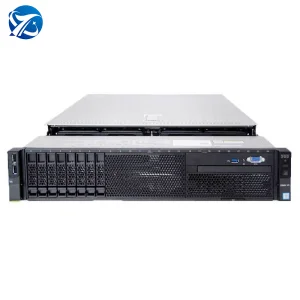
In industrial zones surrounding Tokyo Bay and Kawasaki, manufacturers rely on edge computing to drive real-time automation. 1U footprints like the HPE DL360 Gen11 and Gen12 provide high-concurrency compute directly on the factory floor under variable physical conditions.
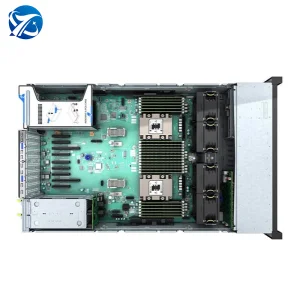
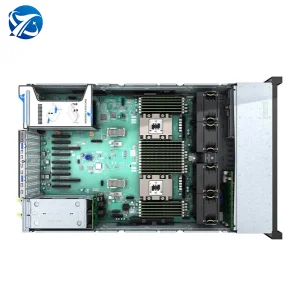
Tokyo's academic institutions and AI research startups in Shibuya demand scalable GPU clusters. We supply specialized multi-GPU systems, including xFusion and custom multi-socket server platforms configured specifically for local deep learning models.
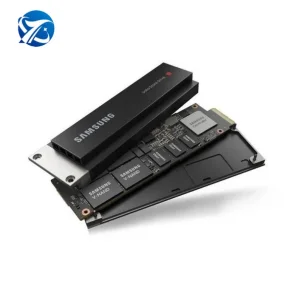
The progression of modern data center infrastructure is driven by three main challenges: thermal density, interconnect bottlenecks, and security vulnerability. HPE's latest server generations address these through aggressive architectural innovations. With the launch of Gen12 platforms, support for EDSFF (Enterprise & Datacenter Storage Form Factor) SSDs and PCIe Gen5 interfaces doubles data throughput capabilities compared to Gen10 architectures. This is critical for Tokyo-based organizations processing massive telemetry databases or running real-time machine learning inference.
Furthermore, because power costs in metropolitan Japan are among the highest globally, thermal management has become a critical operational metric. Direct Liquid Cooling (DLC) configurations, available in the HPE Compute DL360 Gen12, bypass traditional airflow limitations by transferring heat directly from the processor dies. This enables systems to run continuously at peak turbo frequencies without thermal throttling, maintaining optimal PUE (Power Usage Effectiveness) ratios in space-constrained Japanese facilities.
Security is integrated at the silicon level. With HPE’s exclusive Silicon Root of Trust, the server firmware is anchored directly to the physical ASIC, ensuring that compromised code cannot execute during the boot process. This zero-trust architecture aligns with the strict security profiles required by Japan's cybersecurity laws and corporate risk management frameworks.
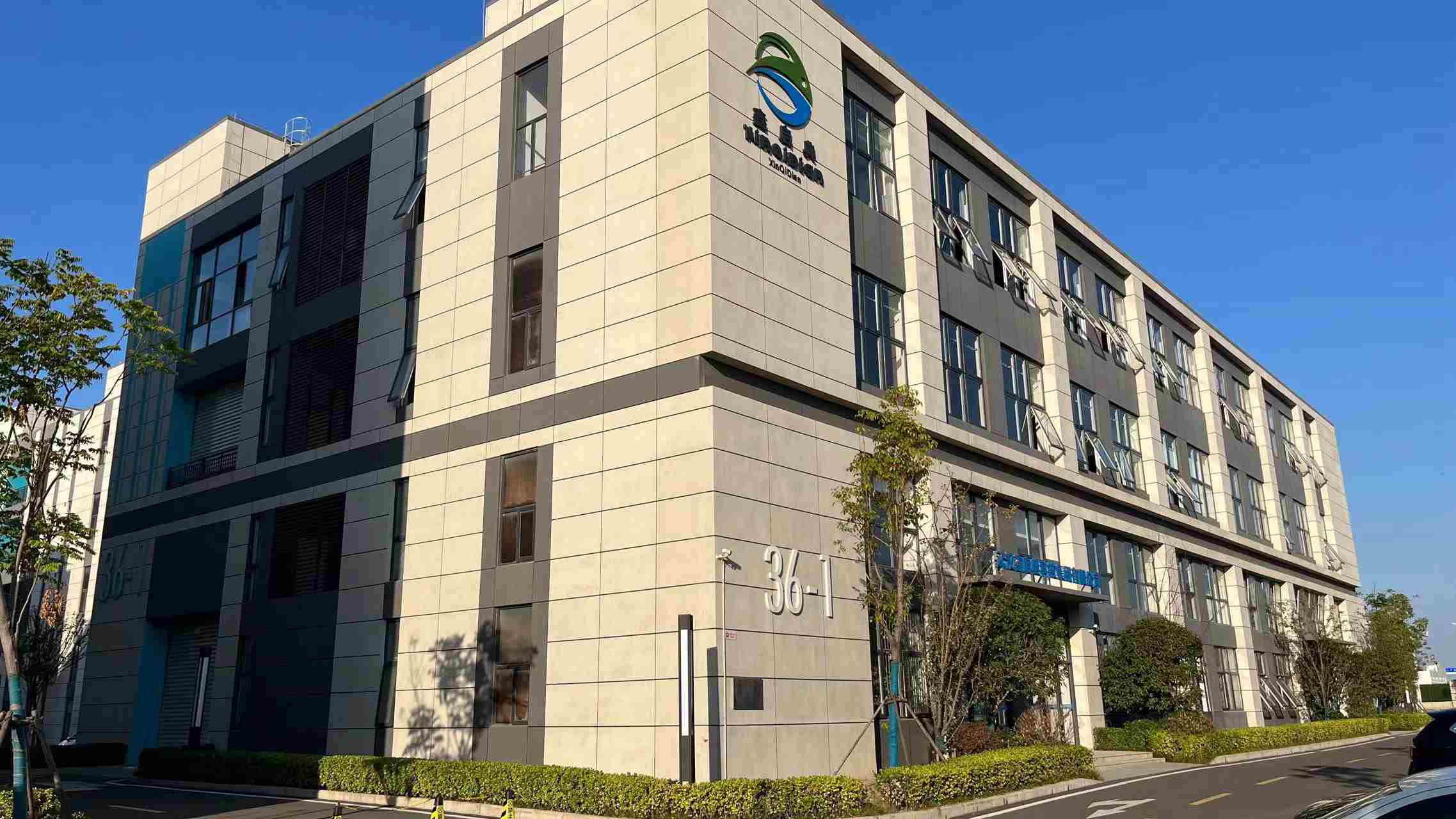
Sourcing advanced computing hardware requires a supply chain that combines manufacturing capacity, strict quality control, and rapid delivery. Operating out of Shenzhen, the hardware capital of the world, Veltron Computing Technology Co., Ltd. serves as a reliable link for Tokyo system integrators and data center operators.
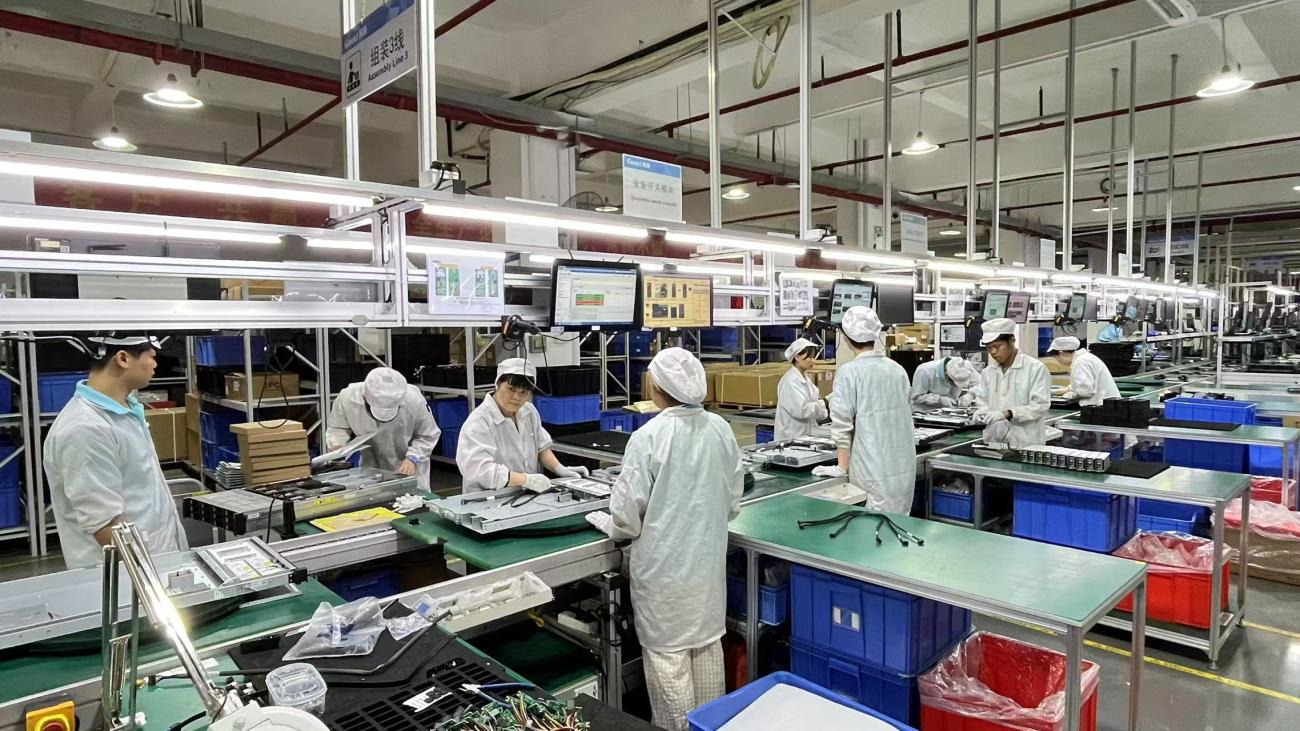
Established in 2016, Veltron operates a modern 3,800-square-meter manufacturing facility equipped with advanced assembly lines, specialized thermal chambers, and automated diagnostic units. With over 14 years of industry expertise and 8 years of dedicated export experience, we have developed a streamlined pipeline that reduces delivery times from factory floor to Tokyo port to a fraction of the industry average.
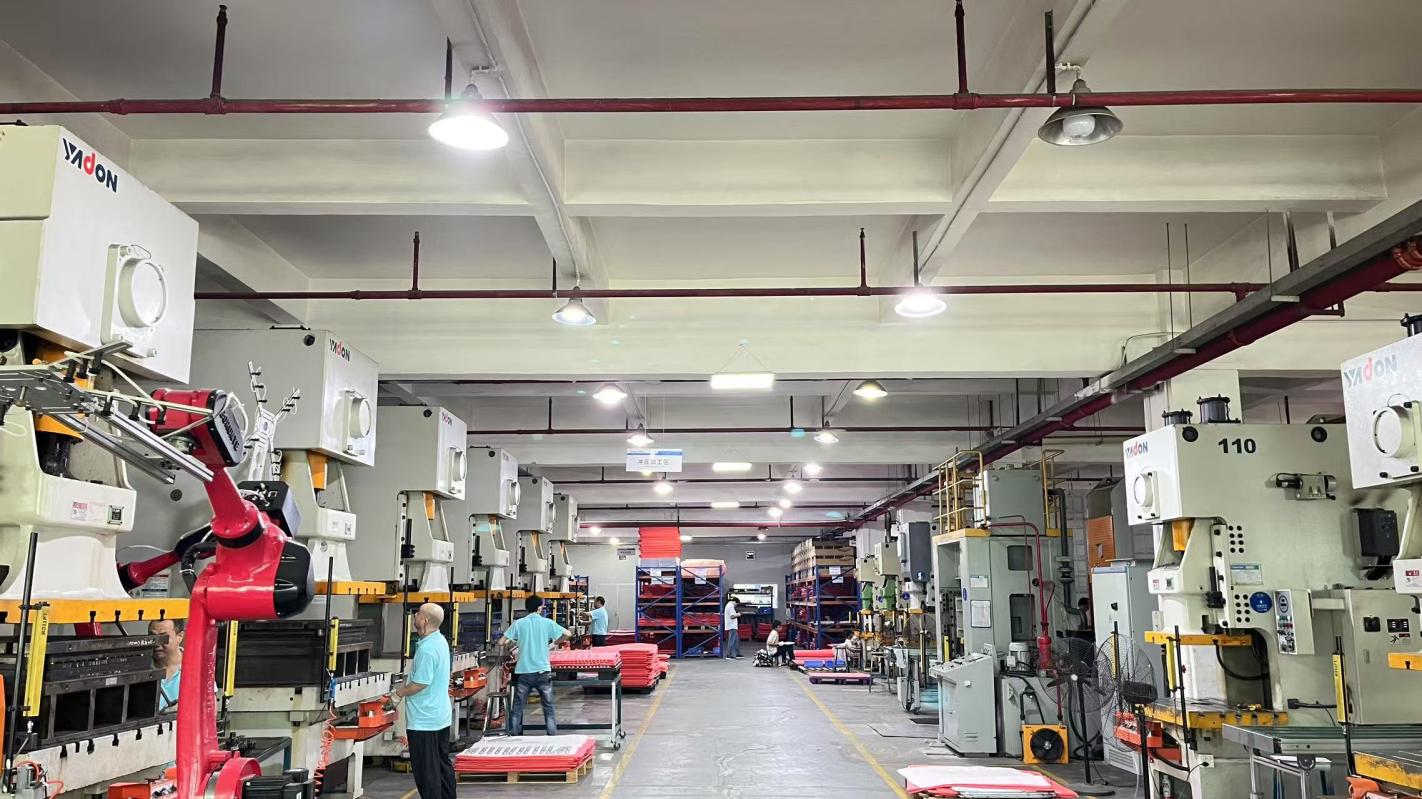
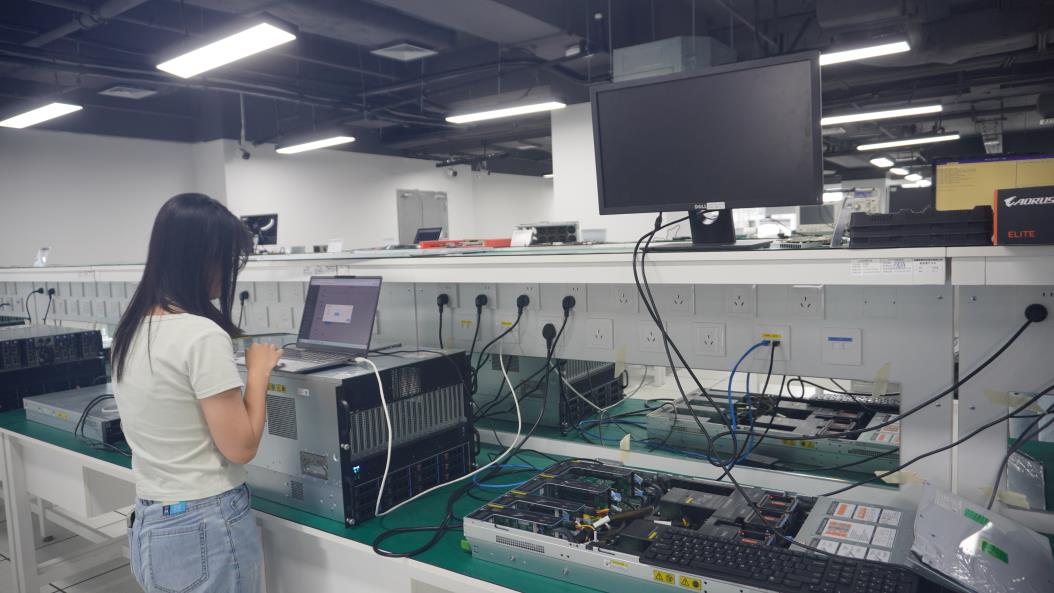
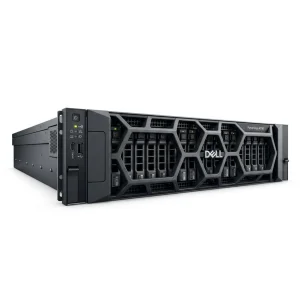
Quality assurance is central to our operations. Our team includes 56 professional quality control personnel who monitor every stage of production. Every HPE, Dell, and custom-configured server undergoes a rigorous testing program before leaving our Shenzhen facility. This includes thermal cycling, extended high-load burn-in testing, and network interface validation to ensure that systems arrive in Tokyo ready for deployment without DOA (Dead On Arrival) risks.
Our network of over 1,200 strategic supply chain partners gives us access to hard-to-source components, including high-capacity enterprise SSDs and advanced processor variants. Whether you need custom OEM chassis branding, modified BIOS settings, or specialized rail kits for Japanese rack standards, our team of 168 R&D engineers can design, configure, and ship configurations tailored to your exact specifications.

Operating a global data network means complying with local regulations. For hardware deployments in Tokyo, this requires compliance with Japanese electrical safety and electromagnetic standards. Our exported equipment is prepared to comply with PSE (Product Safety Electrical Appliance & Material) certifications and VCCI (Voluntary Control Council for Interference) Class A guidelines, ensuring that your server racks operate safely and legally within Japanese data centers.
Additionally, our shipping practices are optimized to navigate Japanese customs smoothly. We provide full documentation, including Certificate of Origin (CO) details and precise HS Code classifications, to ensure rapid clearance through Tokyo Port and Narita Airport. We also offer double-walled, anti-static export packaging to protect your investment during transit across the East China Sea.
Expert answers to common integration, procurement, and deployment questions for Japanese IT departments and data center administrators.
For standard stock configurations, including HPE ProLiant Gen11 and Gen12 servers, dispatch from our facility occurs within 3 to 5 business days. Transit time to Tokyo via air freight (Narita/Haneda) is 2 to 3 days, while ocean freight to Tokyo Port takes approximately 5 to 7 days, including customs clearance documentation processing.
We offer a standard 3-year warranty on our HPE and custom server builds. If a component fails (such as an enterprise SSD or power supply), we ship replacement parts directly to your Tokyo office or data center via express courier (DHL/FedEx) to minimize downtime. For larger scale deployments, we can include an on-site spare-parts kit containing extra fans, drives, and power supplies.
Yes, all our servers are configured with high-efficiency, hot-plug redundant power supplies (typically Platinum or Titanium rated) that support universal input voltages ranging from 100V to 240V AC. We supply standard Japanese power cords (NEMA 5-15P for 100V or NEMA L6-15P/L6-20P for 200V) and compatible sliding rail kits designed to fit standard EIA-310-compliant 19-inch racks used in Tokyo data centers.
Our team of 168 R&D engineers specializes in custom OEM/ODM services. We can pre-configure BIOS/UEFI settings, adjust fan speed curves for noise-sensitive Tokyo offices, pre-install specific hypervisors (such as VMware ESXi or Proxmox VE), and flash custom IP addresses to ensure the units are ready to plug in and run on arrival.
We maintain long-term partnerships with over 1,200 verified distributors and direct component manufacturers. Every batch of processors, memory modules, and storage drives undergoes rigorous serial number verification and performance diagnostics. This testing process is managed by our 56 QC specialists to ensure that only genuine enterprise-grade hardware is used in our builds.
Explore our complete range of high-density nodes, advanced storage SSDs, and multi-GPU deep learning servers optimized for Tokyo data centers.
We source and supply an array of alternative configurations for cross-platform data infrastructures globally.