Veltron
Veltron
Veltron
High-reliability compute nodes engineered to optimize multi-tenant hypervisors and unified virtual SAN environments.
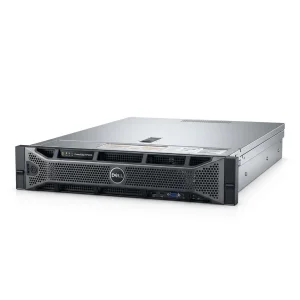
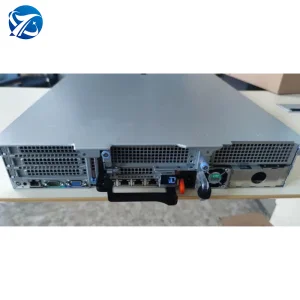
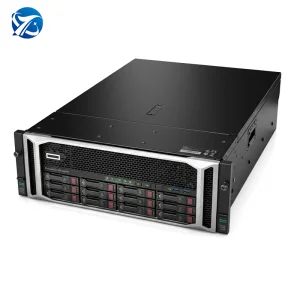
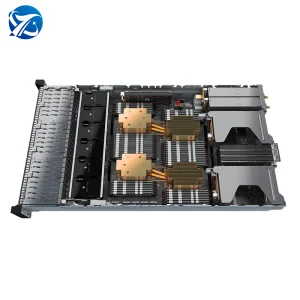
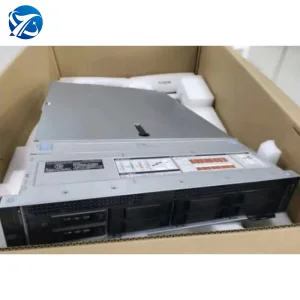
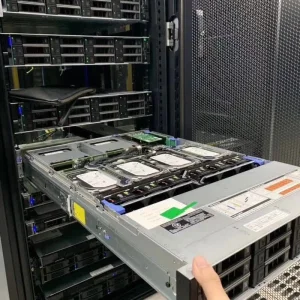
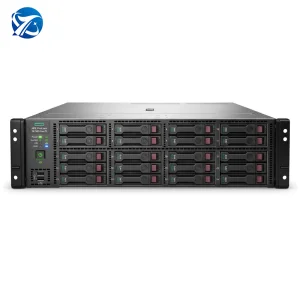
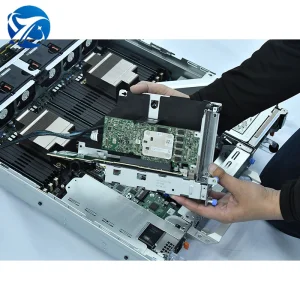
Modern enterprises are rapidly shifting away from traditional three-tier IT storage architectures—siloed compute nodes, dedicated storage area networks (SAN), and independent physical switches. In its place, Hyper-Converged Infrastructure (HCI) has emerged as the definitive design model for next-generation software-defined datacenters (SDDC). By consolidating compute, storage, virtualization management, and networking into unified, scale-out x86 or ARM server clusters, HCI reduces physical complexity, simplifies orchestration, and optimizes total cost of ownership (TCO).
As a premier manufacturer in this sector, Veltron Computing Technology Co., Ltd. specializes in constructing high-density hardware platforms optimized for hyperconverged software suites. With the rise of intensive artificial intelligence platforms, local LLM installations (such as DeepSeek 671B architectures), and complex SQL databases, standard servers are no longer sufficient. Modern workloads demand strict component cohesion, high PCIe lane availability for accelerators, robust storage controllers (such as the XC170-M-8i array interface), and optimized power delivery configurations designed to run 24/7 in harsh multi-tenant configurations.
"By bridging software-defined flexibility with robust, hardware-level customization, manufacturers enable enterprise IT leaders to dynamically partition resources, ensuring that databases, AI pipelines, and virtual desktops get high IOPS and low-latency throughput exactly when needed."
Analyzing semantic search trends and infrastructure procurement cycles reveals five key dynamics shaping the manufacture and procurement of hyper-converged hardware:
The technical pillars ensuring bare-metal scalability, high availability, and structural reliability for modern workloads.
Integrating direct-attached storage (DAS) using high-bandwidth RAID cards and host bus adapters (HBAs) to pool NVMe and SAS disks into unified virtual storage pools.
Validated hardware configuration for leading virtualization technologies, enabling elastic provisioning of virtual machines and containerized architectures.
Direct hardware customization including BIOS modifications, dynamic fan control curves, dedicated BMC profiles, and personalized bezel brand configurations.
When purchasing data center infrastructure, global procurers look beyond spec sheets to examine manufacturing processes, component consistency, and supplier stability. Headquartered in the hardware manufacturing hub of Shenzhen, China, Veltron Computing Technology Co., Ltd. operates a modern 3,800-square-meter facility designed to fulfill these strict requirements.
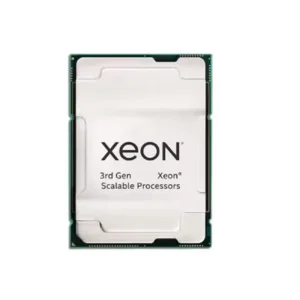
By implementing Industry 4.0 production strategies, our facility maintains structural resilience against material supply challenges. Through direct, long-standing relationships with over 1,200 supply chain partners, we ensure consistent availability of essential components: from original Intel Xeon processors (such as the 4310, 4314, and 5317 lines) to high-speed enterprise SAS arrays and motherboard components.
Our dedicated R&D center, staffed by 168 experienced server design engineers, focuses on optimizing physical design aspects like system thermal control and chassis dynamics. Every server node we ship is built to maintain steady temperatures and optimal power efficiency, even when running heavy artificial intelligence workloads or demanding enterprise VM environments.
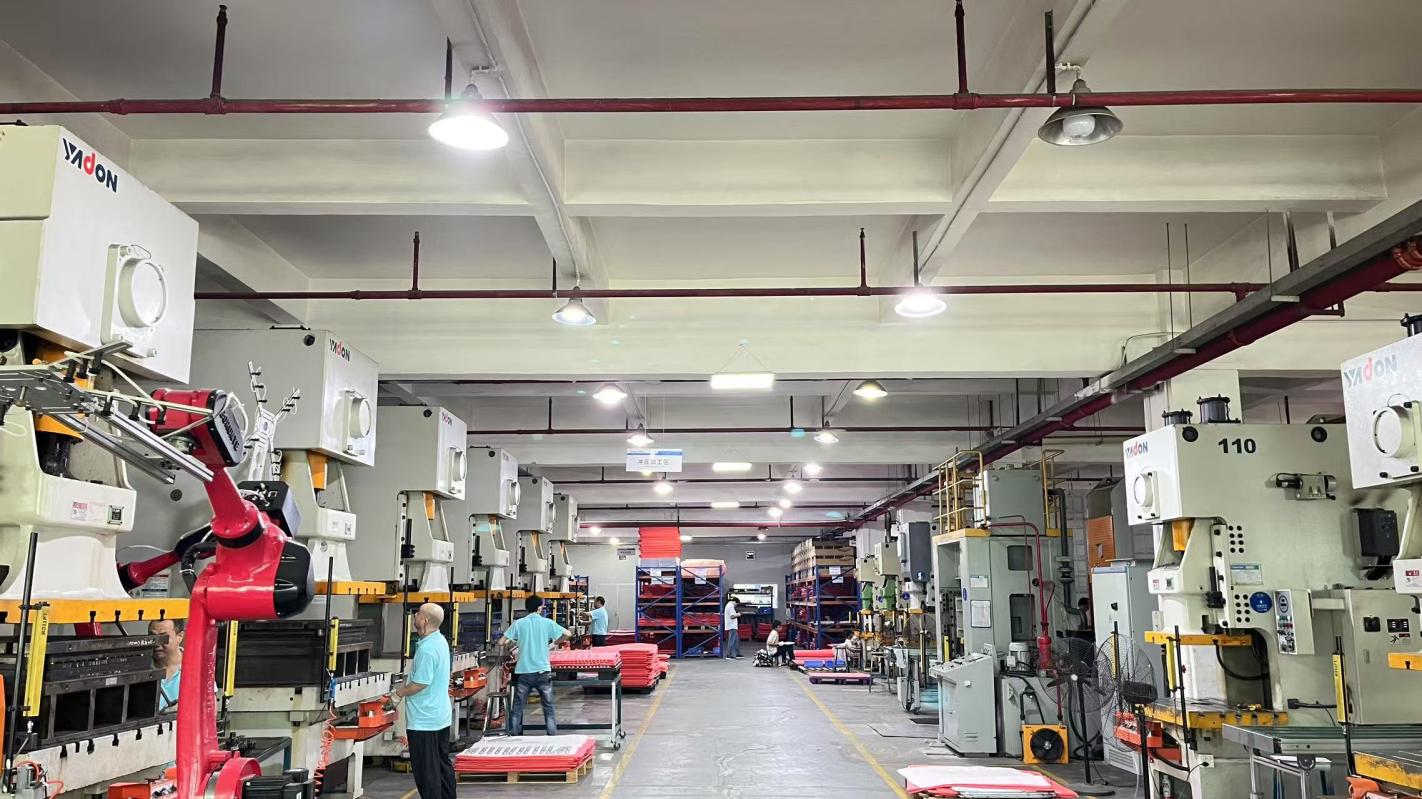
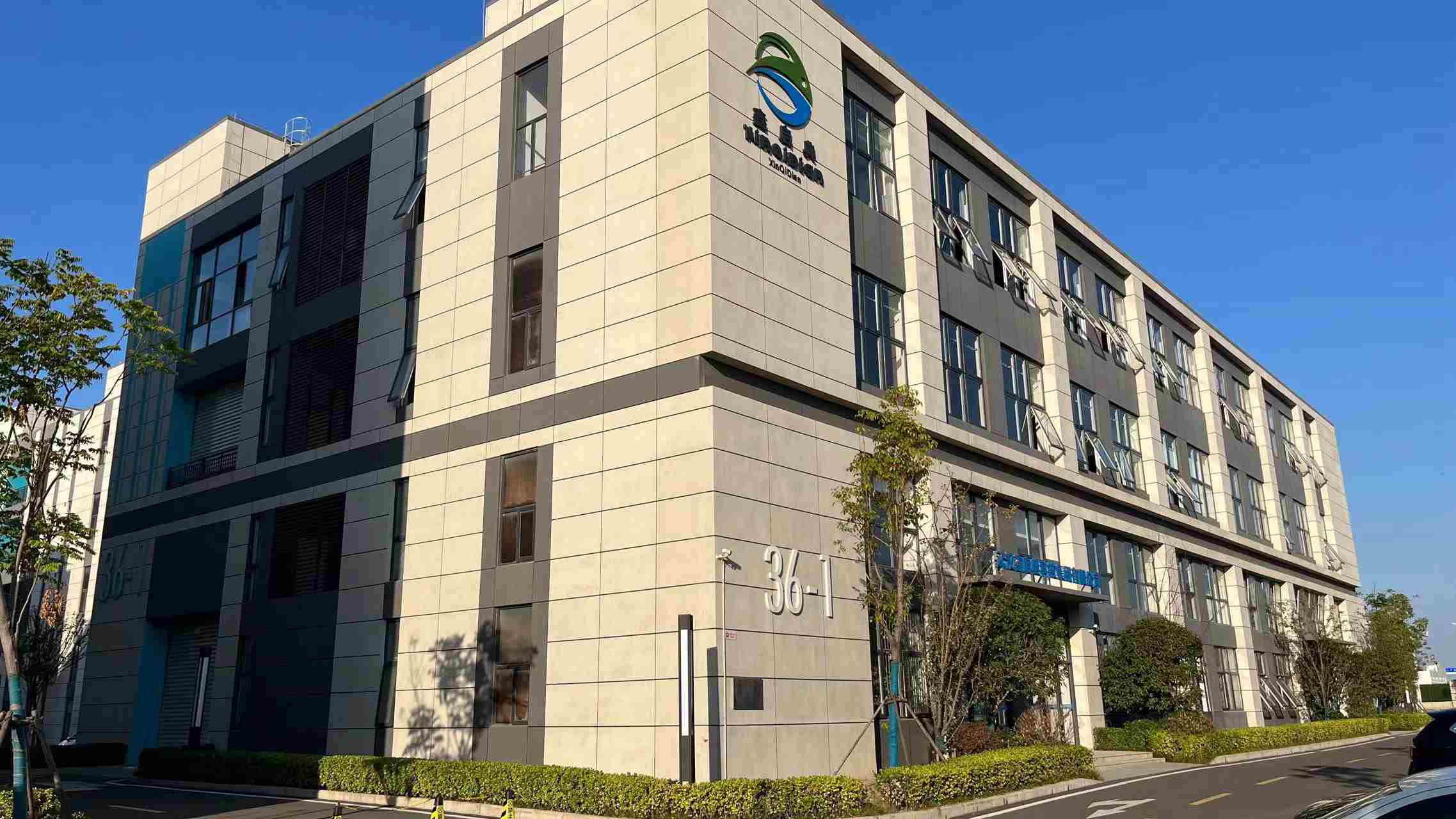
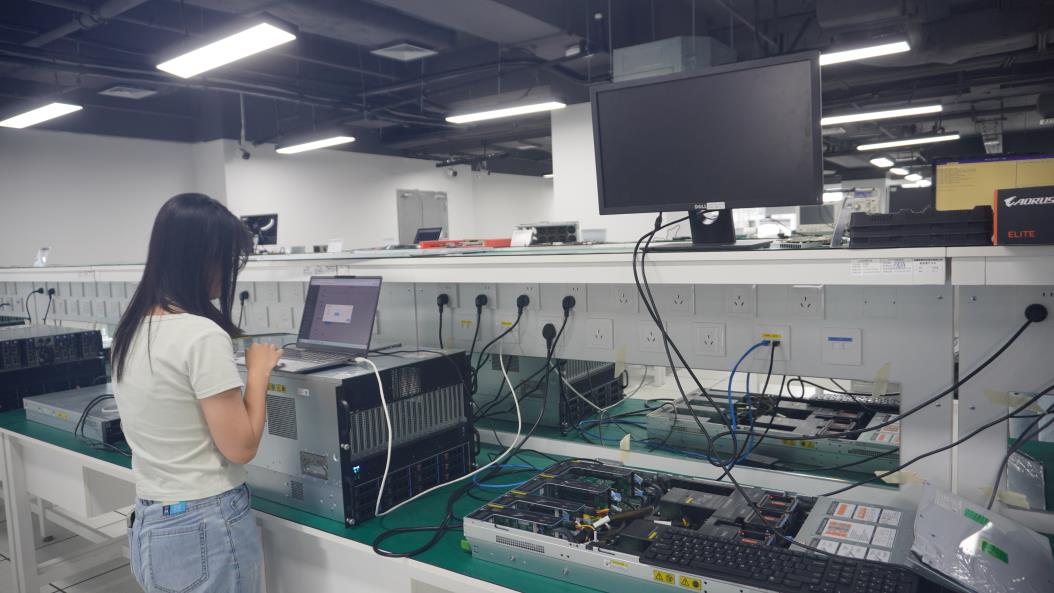
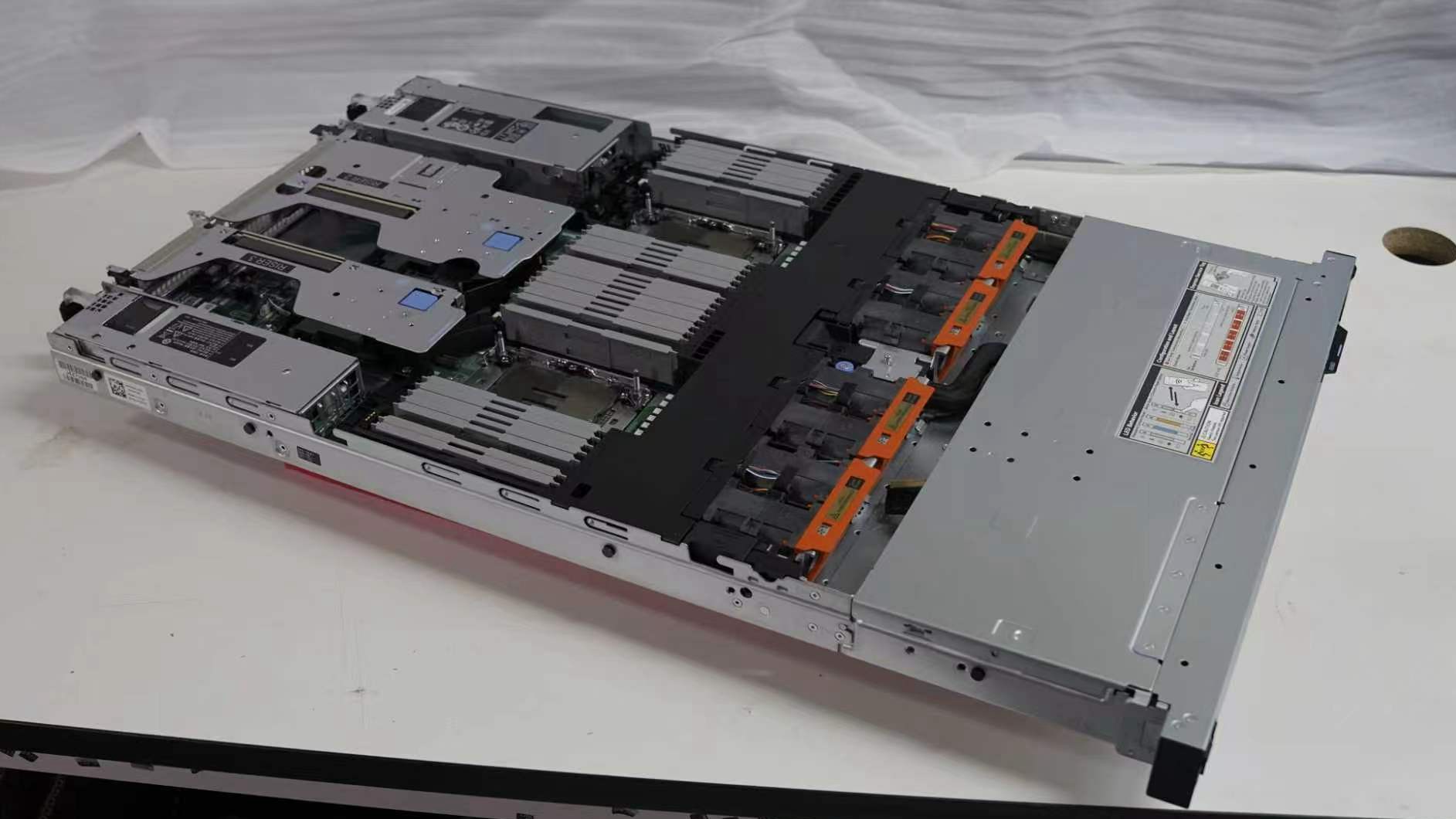
At Veltron, quality assurance is an active part of the assembly process. Our 56 dedicated quality control specialists oversee a strict multi-phase verification pipeline:
Enterprise IT procurement teams face distinct architectural challenges depending on their scale and sector. Understanding these parameters is essential for successful system integration:
Hyper-converged nodes are deployed across diverse regional operating environments, each requiring tailored system configurations:
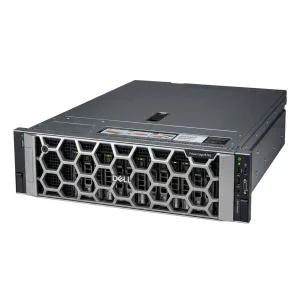
1. High-Performance SQL Databases (Russia & Eastern Europe): Organizations in these regions often focus on hardware reliability and cost efficiency. Refurbished Dell PowerEdge R740 systems or custom-configured R750XS platforms, equipped with robust storage cards, provide high performance for local enterprise database and transactional workloads.
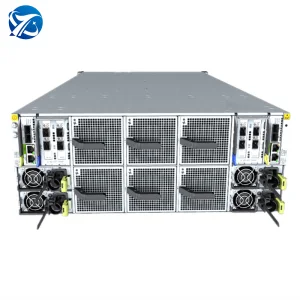
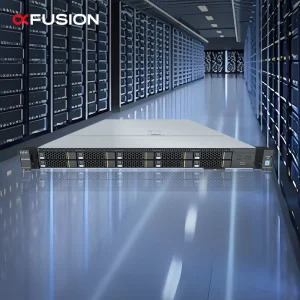
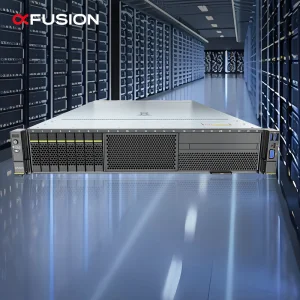
2. GPU-Accelerated Virtualization (North America & EU): Enterprises deploying modern containerized platforms and distributed machine learning applications use high-density compute nodes like the G5200 V5 or xFusion G5500 V6. These solutions run virtual desktop infrastructure (VDI) alongside training and inference pipelines in real time.
3. Smart Factories & Edge Industrial Systems (Southeast Asia): Factories use rugged 1U and 2U servers to handle local IoT sensor arrays, machine vision processes, and local virtualization nodes on the factory floor, minimizing the need for remote cloud data transfer.
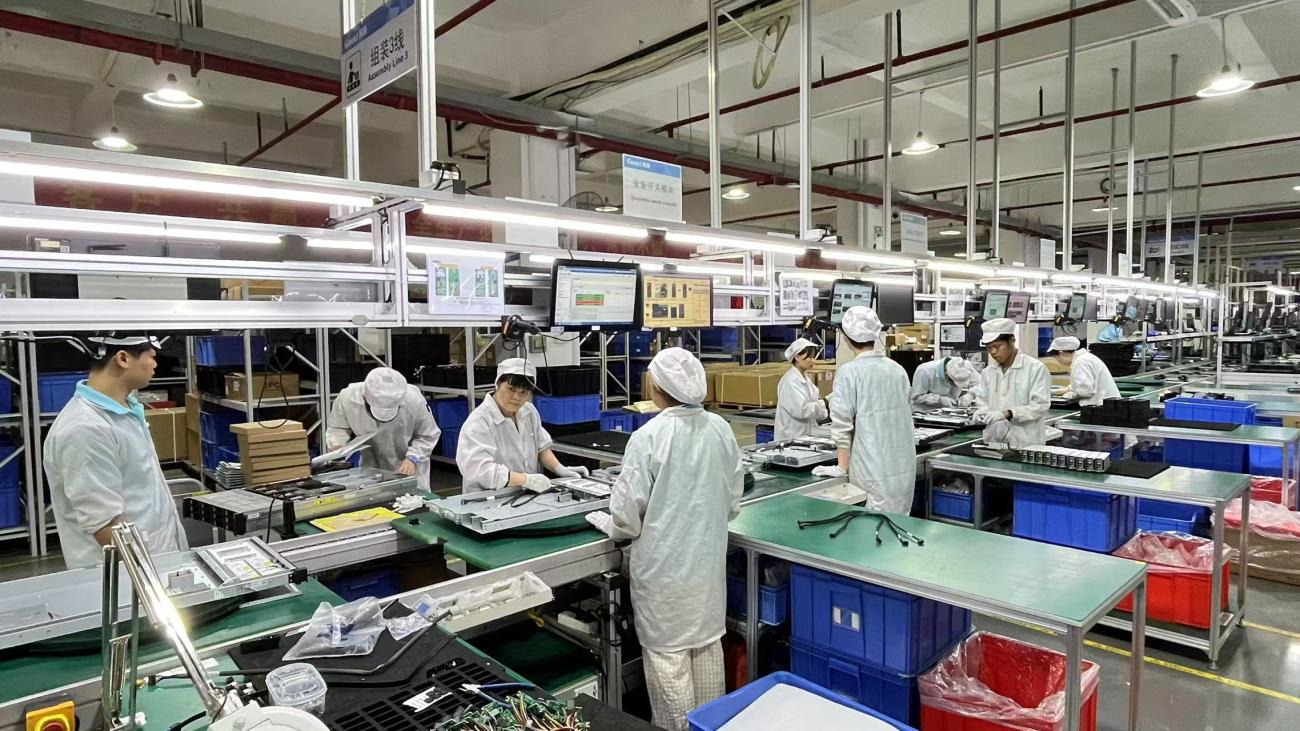
Inside Veltron's production lines, showing assembly setups and system integration capabilities.

Answers to key technical questions from enterprise system integrators, CTOs, and data center managers.
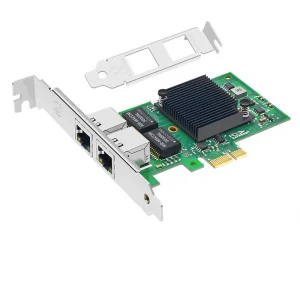
HCI platforms rely heavily on software-defined storage (SDS). A dedicated RAID/HBA card like the XC170-M-8i provides high-speed 12Gb/s SAS and SATA system pathways without cache bottlenecks. This design allows the hypervisor host to write directly to storage media, reducing network latency and preventing database performance bottlenecks.
Our 168 R&D engineers validate every motherboard firmware, network card, and storage controller against common virtualization platforms. We use open-standard components to ensure smooth driver integration for KVM, Proxmox VE, Hyper-V, and VMware ESXi.
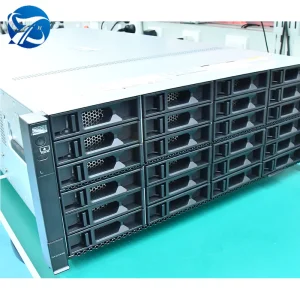
Our high-density server chassis, such as the G5200 V5, feature optimized air cooling paths, high-airflow PWM cooling fans, and isolated motherboard pathways. These configurations ensure that CPUs and enterprise GPUs stay within safe thermal limits, preventing performance throttle-downs during continuous, heavy computing workloads.
Yes. With our dedicated research and manufacturing facility in Shenzhen, we provide end-to-end customization services, including custom physical chassis designs, modified BIOS settings, custom system styling, and pre-packaged storage configurations.
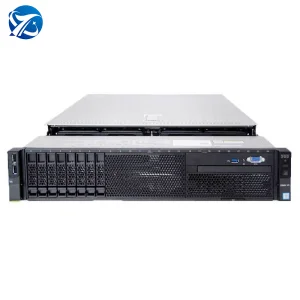
Select server options and specialized hardware components designed for scale-out data center deployments.