Veltron
Veltron
Veltron
Deploy battle-tested, high-density server architectures optimized for cryptographic computations, validator operations, and distributed consensus mechanisms.
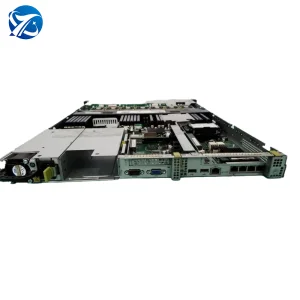
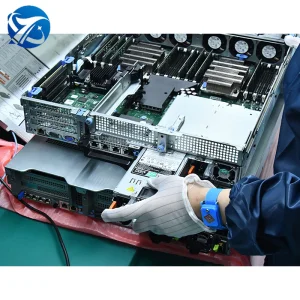
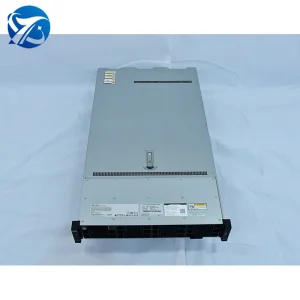
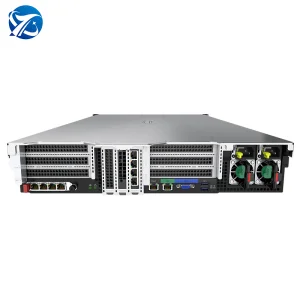
In the contemporary digital economy, blockchain technology has transitioned from speculative experimental frameworks to foundational infrastructure for global enterprise operations, decentralized finance (DeFi), state-backed central bank digital currencies (CBDCs), and secure supply chain logistics. At this industrial scale, the primary limiting factor for blockchain throughput, latency, and cryptographic security is no longer merely software architecture—it is the underlying computational hardware. Robust physical infrastructure acts as the bedrock for modern consensus mechanisms, Zero-Knowledge (ZK) rollup verification, and distributed data availability layers.
As consensus algorithms shift globally towards energy-efficient Proof of Stake (PoS) models, the demand for physical validator hardware characterized by absolute redundancy and high-speed network interfaces has skyrocketed. Concurrently, Proof of Work (PoW) protocols and complex Zero-Knowledge Proof (ZKP) computation models require specialized GPU nodes and high-density, multi-core CPU rack servers. Today's global blockchain network topology necessitates bare-metal hardware solutions designed with deep structural tolerance, advanced thermal mitigation, and continuous operational integrity.
"The convergence of Artificial Intelligence and decentralized ledgers—often realized via Decentralized Physical Infrastructure Networks (DePIN)—requires an unprecedented combination of high-density GPU computing and enterprise-grade storage resilience. Software security begins with hardware integrity."
From the execution client sync speeds in Ethereum layer-1 structures to the extreme processing overhead associated with generating cryptographic proofs for layer-2 rollups, hardware performance determines the viability of decentralized networks. Hardware optimization in the modern era requires specialized memory scaling (such as DDR4 and DDR5 RDIMM ECC setups), high-speed storage interconnects (PCIe Gen4/Gen5 and NVMe RAID arrays), and redundant network interfaces like dual-port Fibre Channel HBAs. Only through specialized manufacturing and tight supply-chain integration can global enterprise platforms secure the throughput necessary to drive millions of daily trustless transactions.
Navigating the technological lifecycle of enterprise server architecture requires a structured roadmap that addresses rising thermal demands, cryptographic complexities, and absolute data integrity requirements.
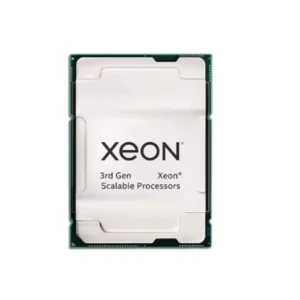
Deployment of specialized enterprise GPU computing systems and high-core-count processors (such as the 4th/5th Gen Intel Xeon Scalable families) to handle complex mathematical operations. Accelerating MSMs (Multi-Scalar Multiplications) and NTTs (Number Theoretic Transforms) to achieve sub-second transaction finality on Layer-2 rollups.
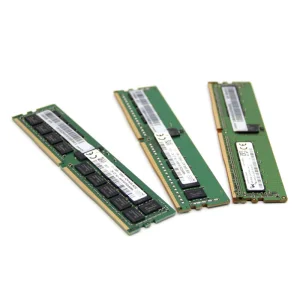
Integration of DDR5 ECC memory architectures capable of reaching speeds up to 4800MT/s and 5600MT/s. Leveraging large-capacity RDIMM sets (up to 8TB memory capacities) to prevent consensus node synchronization failures and sustain memory-intensive smart contract computation.
Designing customized server chassis architectures utilizing multidirectional heat pipe configurations, advanced high-static-pressure cooling fans, and preparation for direct-to-chip (D2C) liquid cooling interfaces. This reduces Data Center Power Usage Effectiveness (PUE) to comply with global green-initiative regulations.
Implementing Intel SGX and AMD SEV technologies to isolate validator private keys and consensus-related cryptographic tasks directly inside secure hardware enclaves.
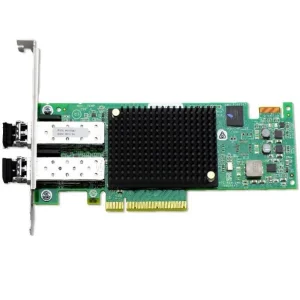
Sustaining sub-millisecond block propagation via Emulex dual-port Fibre Channel and optical LC transceivers, eliminating bottlenecking during high network congestion events.
To successfully integrate blockchain solutions at a macro scale, organizations must bridge the gap between legacy IT infrastructure and decentralized network protocols. Our hardware solutions are engineered precisely to facilitate this transition across various enterprise domains:
Supporting high-density rack servers optimized with Xeon processing capabilities to serve as decentralized nodes, allowing distributed networks to lease processing and rendering capacity securely.
Providing custom server chassis and components engineered for low-latency transaction validation, database hosting, and secure high-availability storage pools required by global financial networks.
Facilitating enterprise implementations of IPFS, Filecoin, and decentralized cold storage with redundant RAID SAS/SATA cards, SAS expanders, and modular L1/L2 server storage bays.
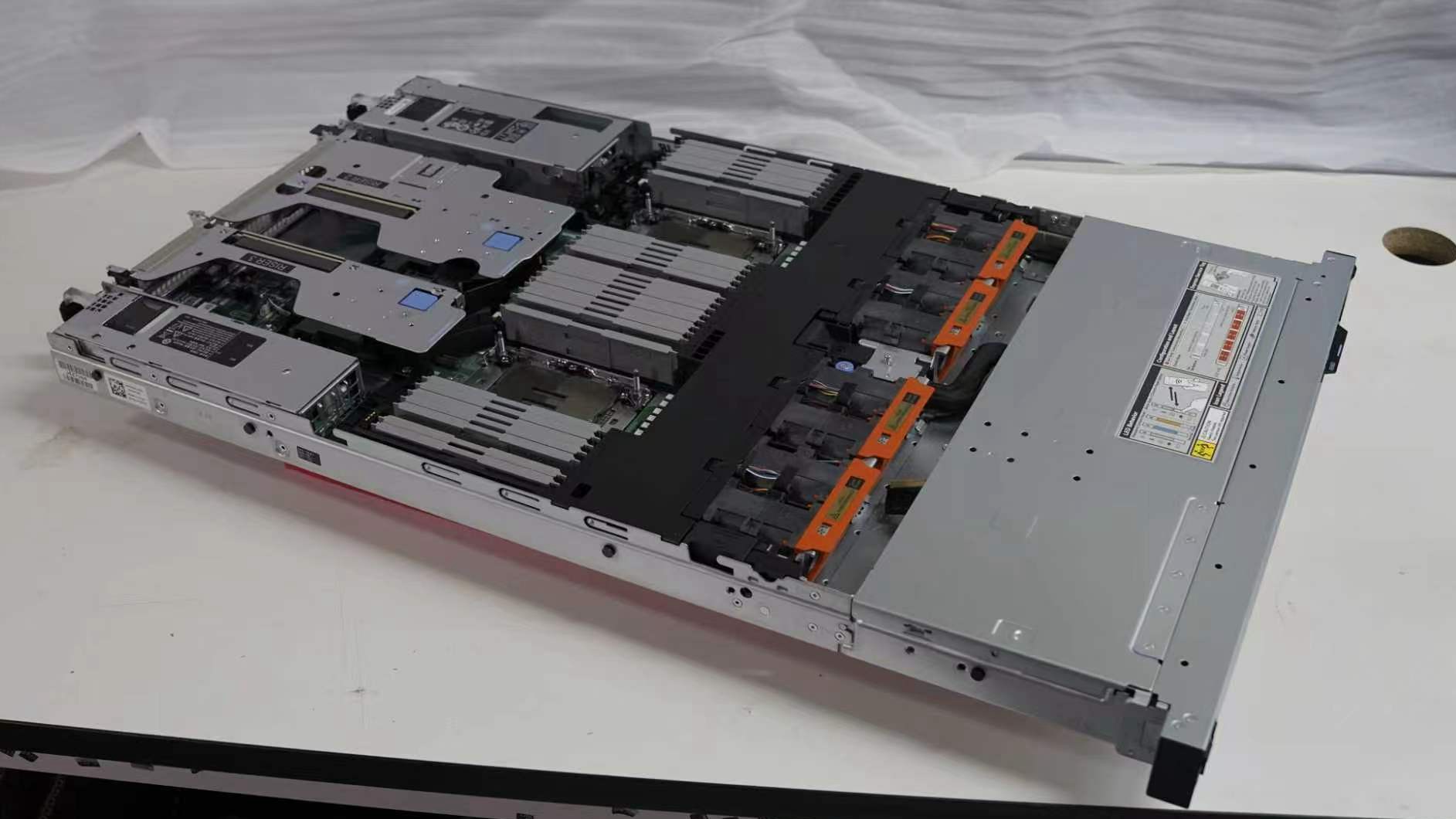
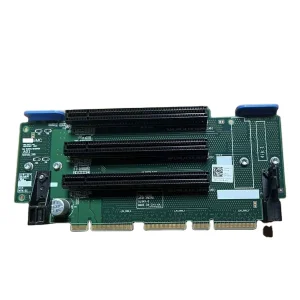
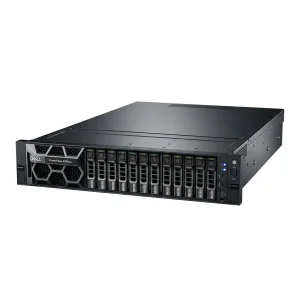
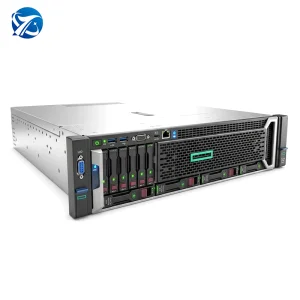
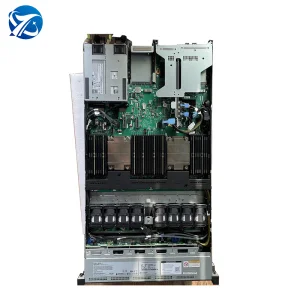
In high-density industrial hubs across Western Europe and Eastern Europe (such as localized SQL database networks and virtualization centers in Russia), infrastructure stability under high electrical and thermal load is key. For instance, deployed configurations of HPE ProLiant Gen12 and Dell PowerEdge systems require custom BIOS tuning and optimized power distribution boards (such as specialized right-side riser boards) to support sustained virtualized transaction loads. By tailoring the physical PCIe layout and power configurations, enterprise operators realize a 24% decrease in latency-induced block validation timeouts, maintaining consistent network consensus even during unpredictable network packet drops.
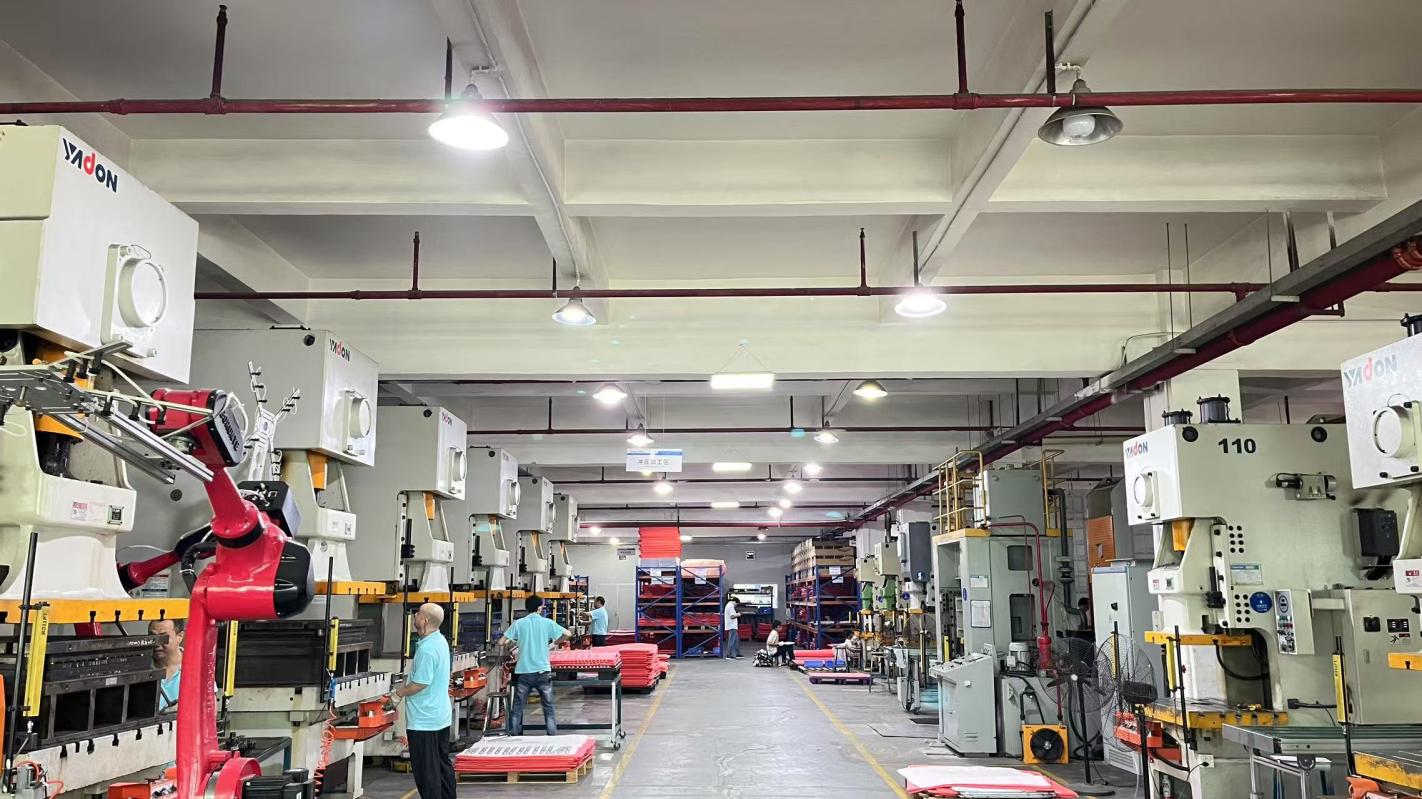
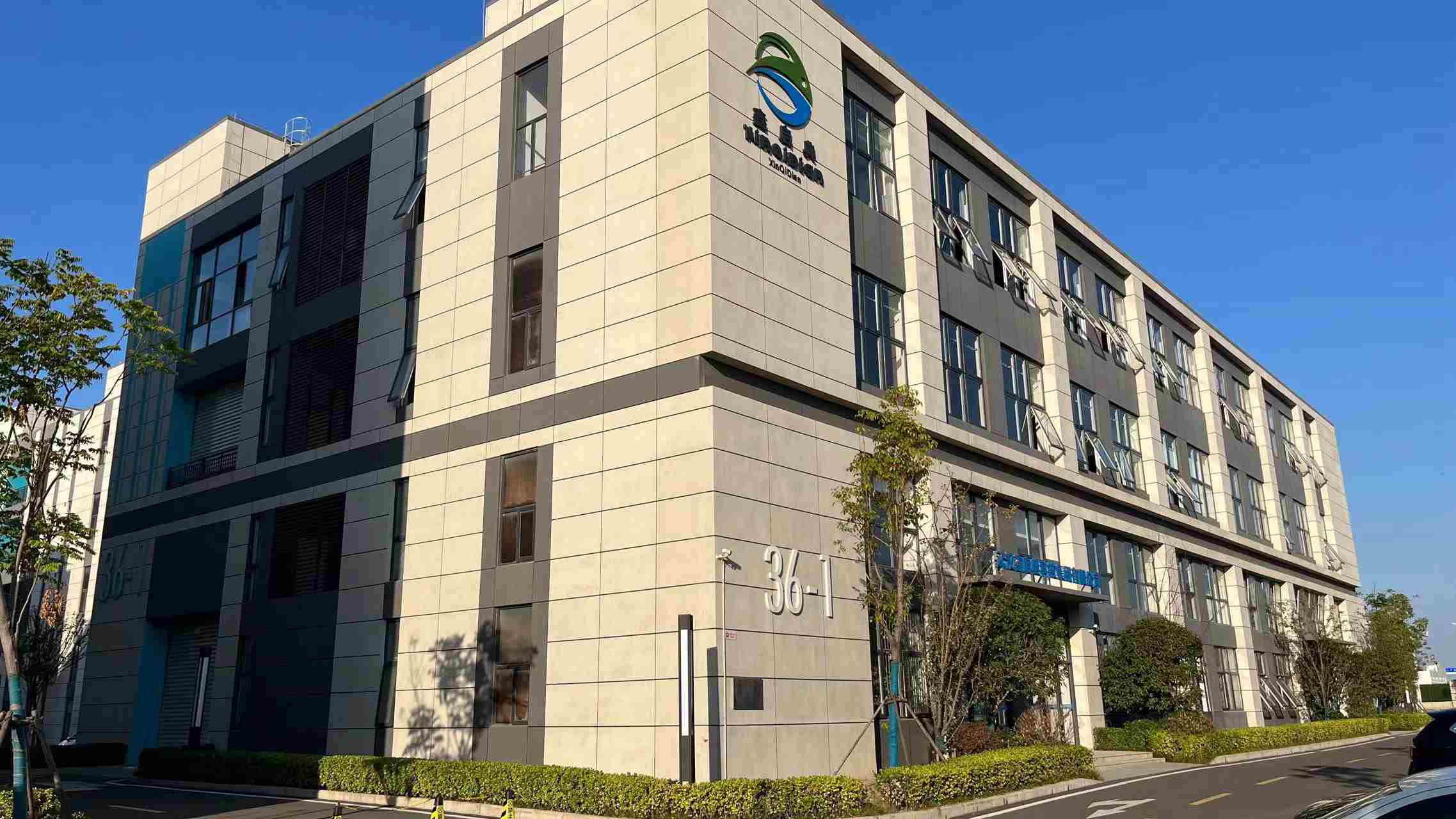
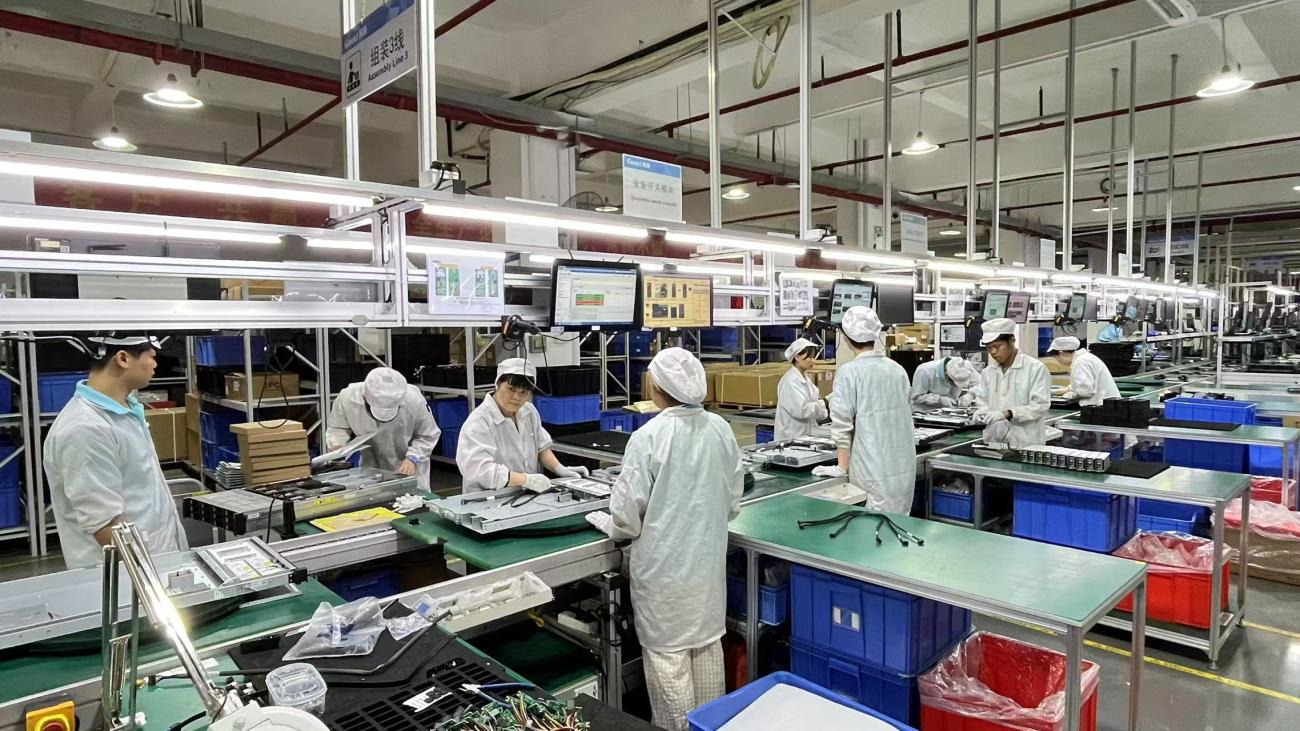
Established in 2016 in Shenzhen, China, Veltron Computing Technology Co., Ltd. has grown into a premier professional manufacturer and global supplier of GPU servers, AI computing systems, and high-performance server solutions. With a sprawling, modern manufacturing facility covering over 3,800 square meters, we maintain a complete operational footprint equipped with advanced assembly lines, testing laboratories, and precision quality control systems.
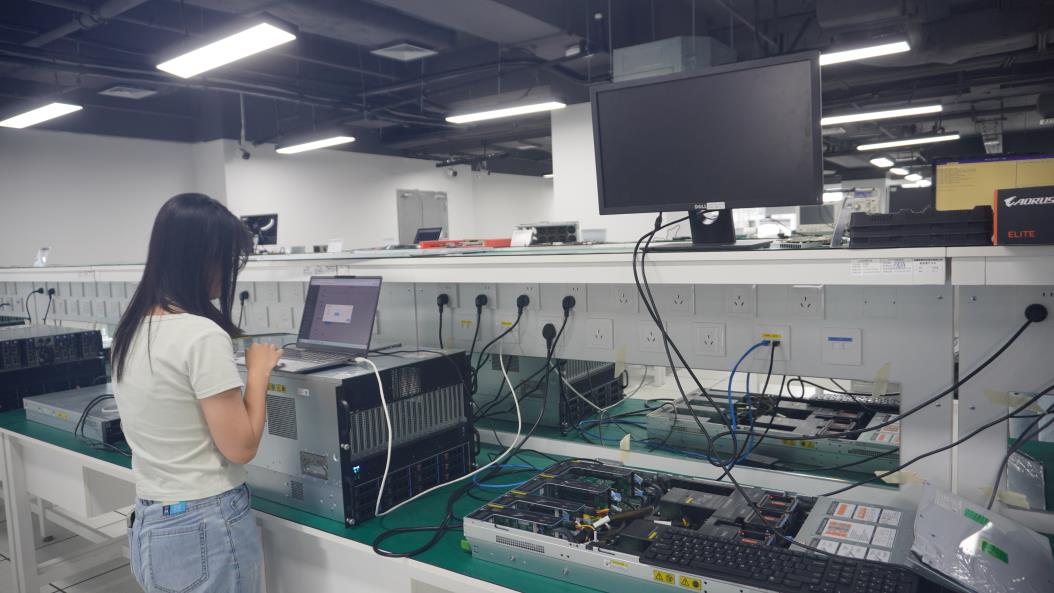
Our commitment to quality is backed by 8 years of dedicated export experience and 14 years of deep computing industry expertise, enabling Veltron to successfully support hundreds of projects in AI infrastructure, cloud platforms, enterprise computing, and edge data centers. Quality is at the core of our corporate DNA; we implement a comprehensive quality management system overseen by 56 professional quality control personnel. Every system undergoes rigorous thermal testing, reliability validation, burn-in protocols, and performance inspections before global shipping.
Driven by continuous technological innovation, Veltron’s R&D center features 168 experienced engineers specializing in server architecture, GPU integration, thermal management, and hardware customization (OEM/ODM). We launch more than 85 new products and updates annually, catering to over 1,200 supply chain partners and achieving an annual export revenue exceeding USD 18 million across North America, Europe, Southeast Asia, the Middle East, and South America.
Technical clarifications on blockchain node hosting, hardware scaling, server configurations, and procurement processes.
Configure enterprise infrastructure with specialized multi-generational compatibility, robust cooling systems, and specialized motherboard interconnects.
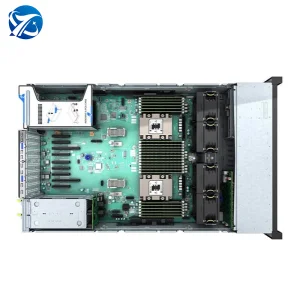
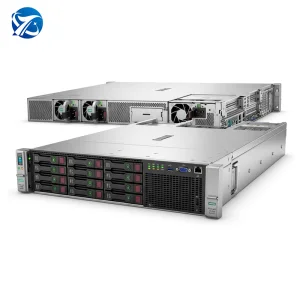
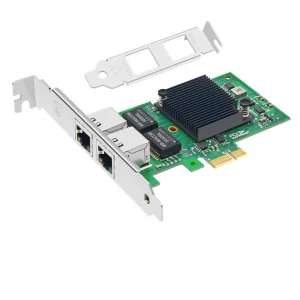
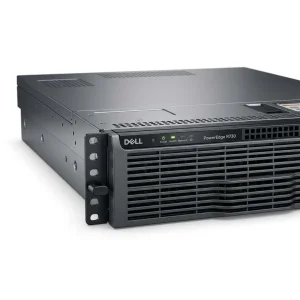
A visual tour through our Shenzhen production and assembly plant, featuring ISO-certified equipment setups and specialized validation processes.