 Veltron
Veltron
Veltron
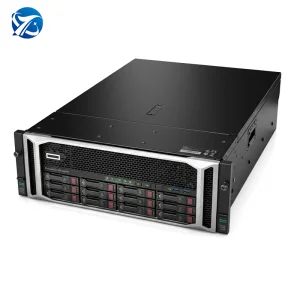
VDI, database storage, and high-density computing servers designed to deploy secure, low-latency remote environments.
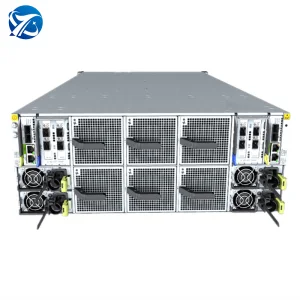
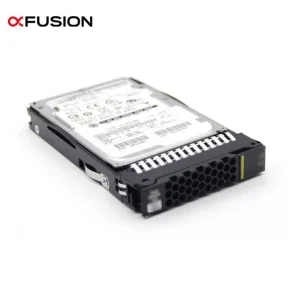
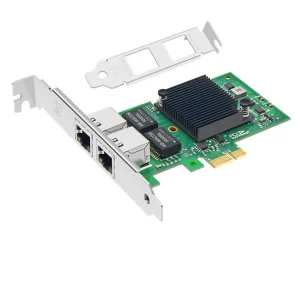
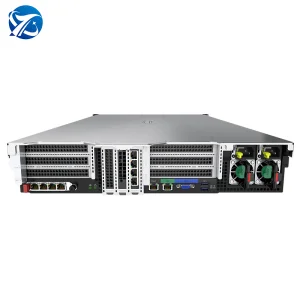
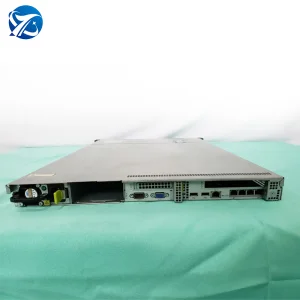
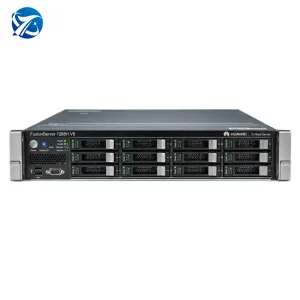
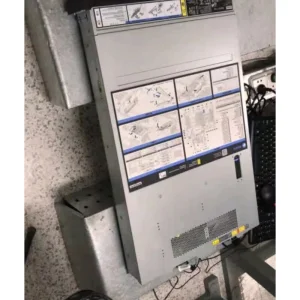
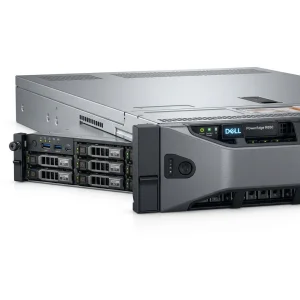
When discussing "Remote Work Tools," the typical conversation highlights communication platforms, collaborative document editing, or project management boards. However, for modern global enterprises, the real bottleneck is the *backend hardware* that drives these digital tools. To support thousands of concurrent remote employees, secure database calls, massive rendering pipelines, and AI models running off-site, enterprises require enterprise-grade servers.
At Veltron Computing Technology Co., Ltd., we define remote work tools by their foundational architecture: the high-density computing nodes, high-speed networking paths, and fail-safe RAID storage systems that power remote desktop environments (Virtual Desktop Infrastructure - VDI) and centralized cloud instances.
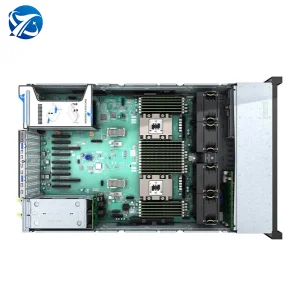
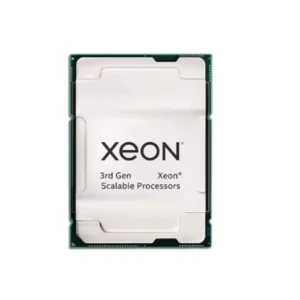
As organizations move away from public cloud dependency due to rising costs, data compliance issues, and intellectual property leaks, self-hosted and hybrid enterprise clouds are taking over. Our GPU and Xeon servers represent the premier hardware backbone for deploying secure internal VDI networks and local computing setups.
High-performance processing needs are exploding as deep learning, collaborative CAD rendering, and real-time virtualization scale across the world.
How Veltron harnesses Shenzhen’s tech ecosystem to deliver customized hardware solutions at unparalleled scale.
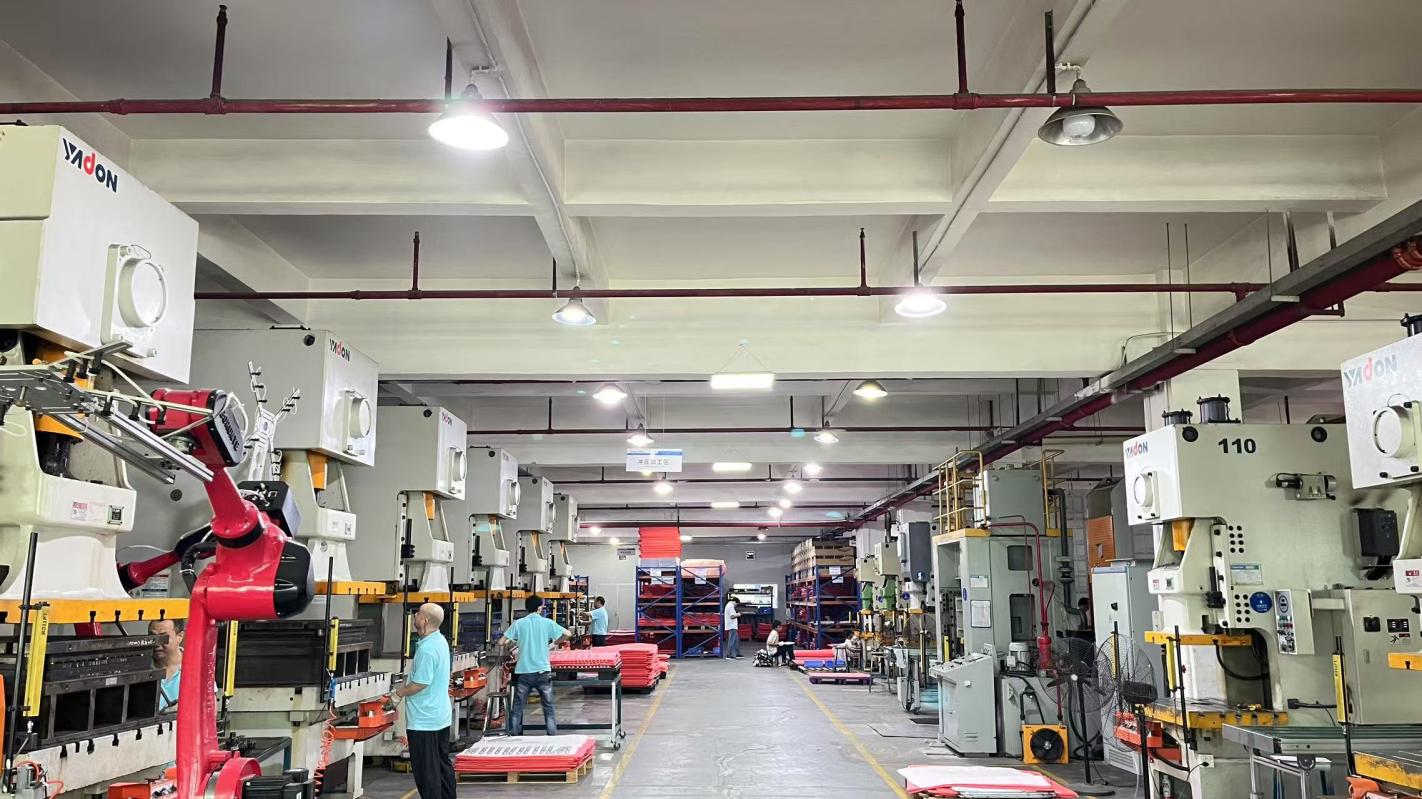
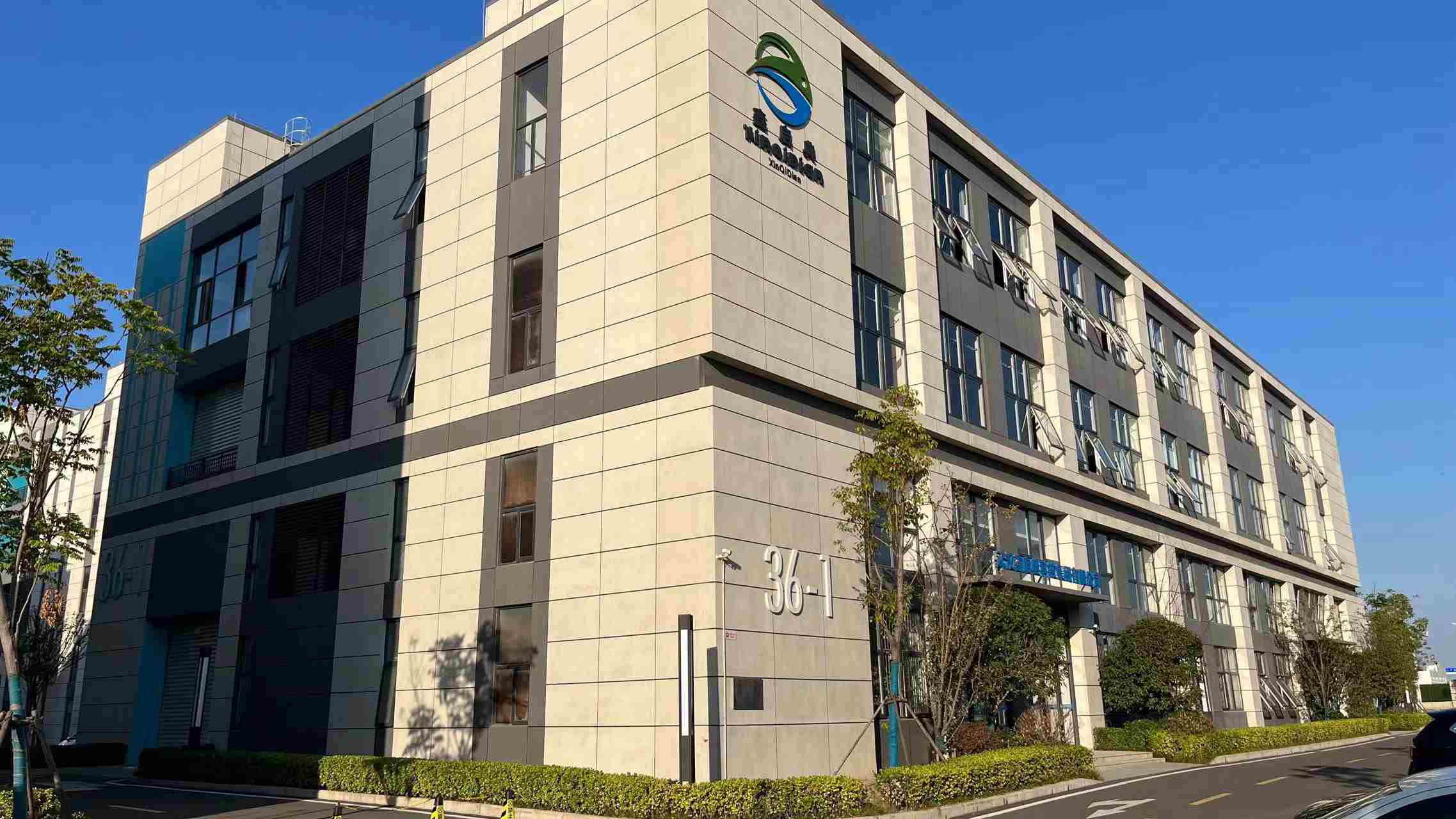
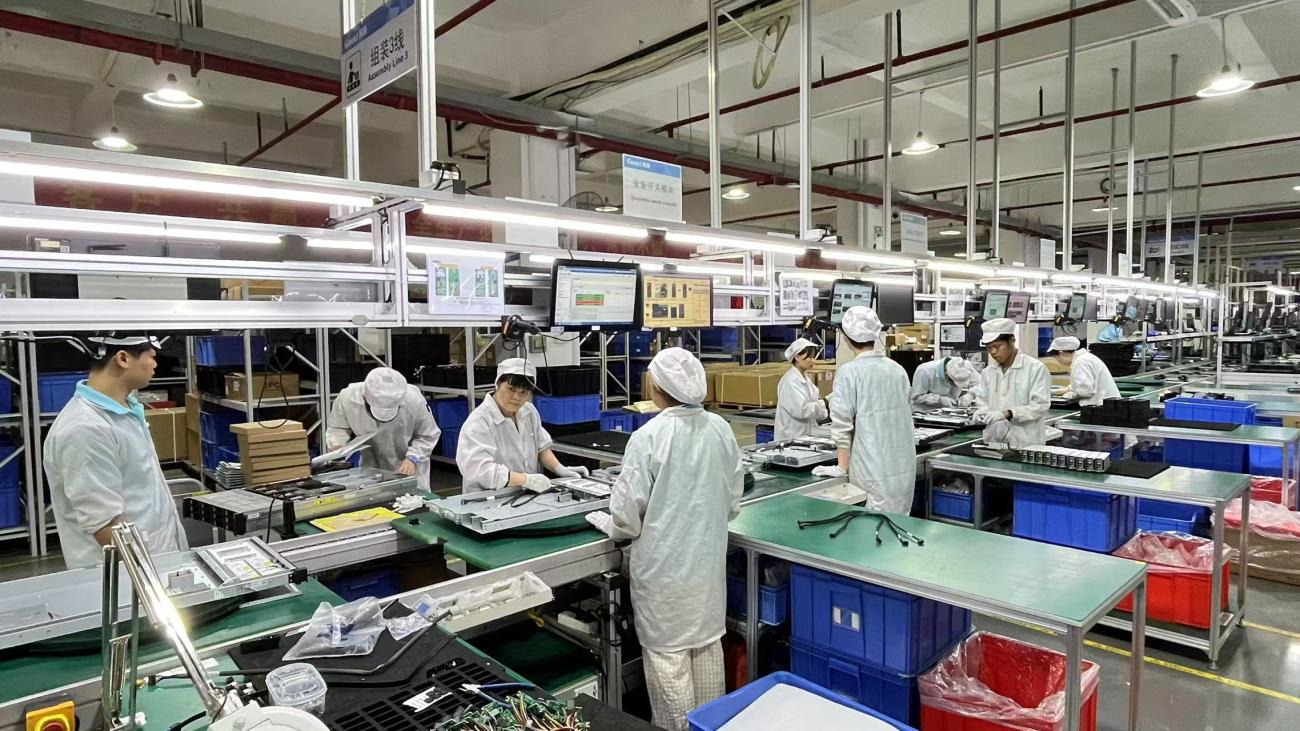
Established in 2016 in Shenzhen, China, our specialized facility runs advanced assembly lines, thermal testing chambers, and precision burn-in labs to guarantee that every computing node is ready for 24/7 mission-critical workloads.
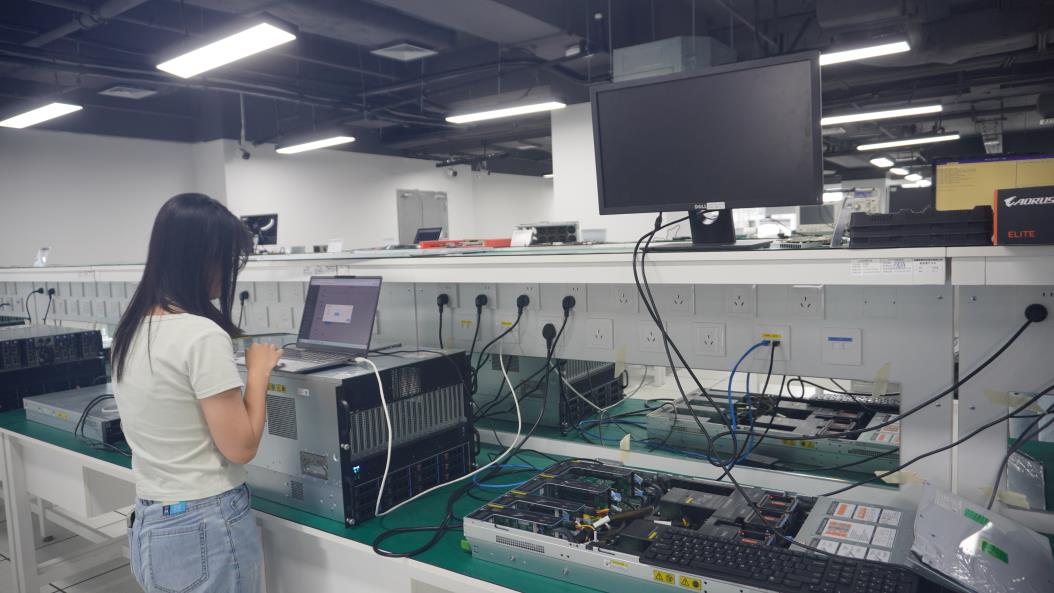
We field a staff of 56 professional quality control personnel monitoring every assembly stage. Products undergo validation for long-term stability, structural integrity, high-speed throughput testing, and complex thermal cycling before dispatch.
Backed by 14 years of computing hardware expertise and an engineering team of 168 R&D experts, we launch over 85 new systems and component upgrades annually, adapting to the latest Intel Xeon, AMD, and GPU configurations.
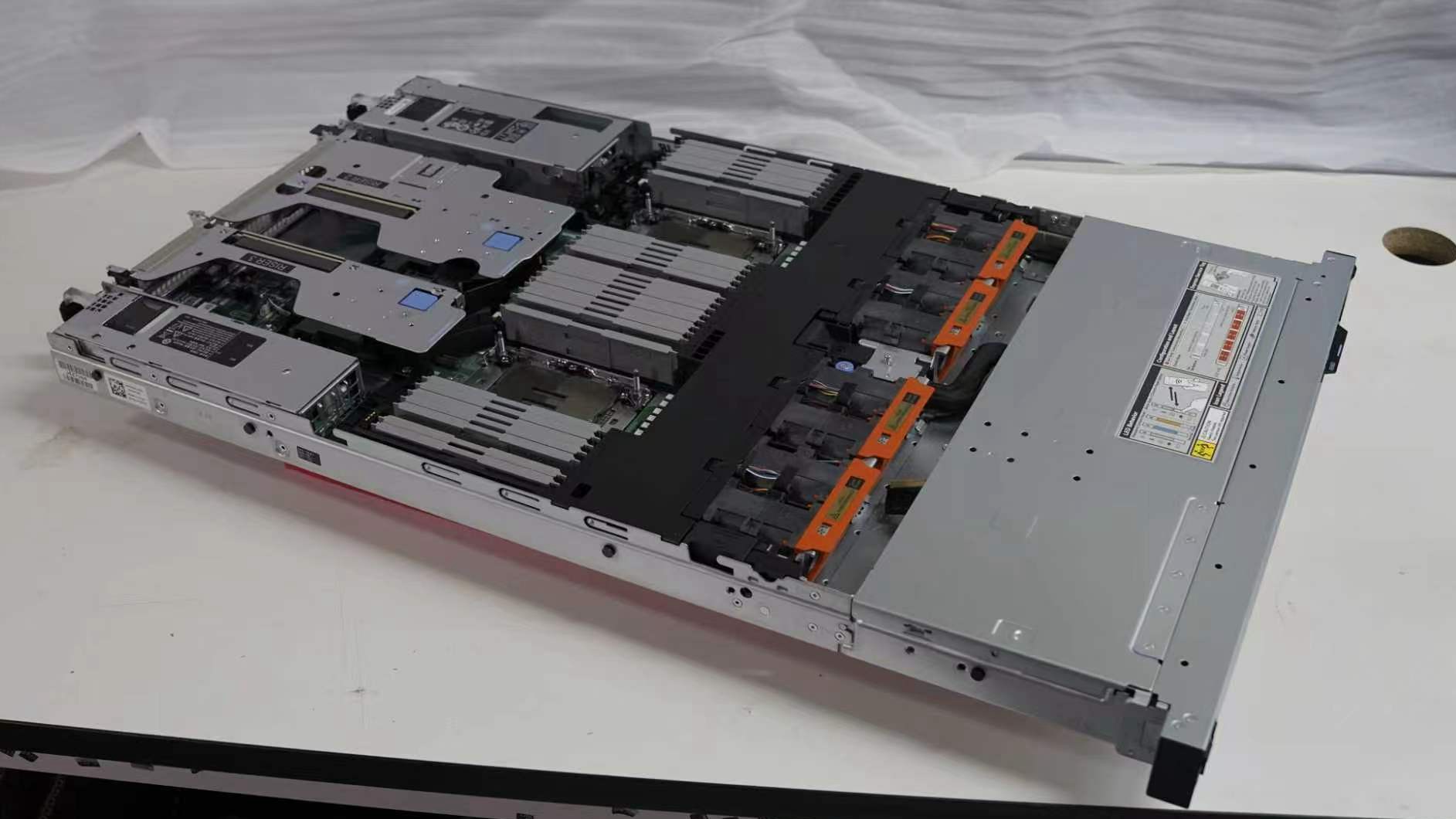
When deploying remote database layers or VDI endpoints, IT architecture teams face bottlenecks in memory access, hard drive throughput (IOPS), and network interfaces. A poorly configured server leads to input lag, application crashes, and data loss.
To address this, Veltron offers optimized configurations that ensure seamless operations:
This attention to design allows enterprise teams in Europe, North America, Southeast Asia, and the Middle East to run reliable networks without constant hardware interventions.
Different industries require unique balances of CPU computing power, memory, and storage layouts. Here is how our hardware meets those demands.
3D animation, VFX, and CAD studios require high-end graphics processing. Deploying the G5200 V5 GPU Server lets teams remote into virtualization machines (VDI) to edit and render high-resolution files without needing local GPU setups at home.
Financial institutions and database admins require secure configurations. Using dual Intel Xeon configurations with SAS HDD arrays and PCIe RAID controllers enables stable hosting of centralized SQL databases, keeping private data safely in the corporate server room.
Distributed engineering teams training AI models use GPU cloud centers. Hardware solutions optimized for container orchestration allow developers to spin up sandboxed environments remotely to test and train models on the fly.
Get quick answers regarding hardware specifications, procurement compliance, and shipping logistics.
GPU servers centralize the processing demands. Remote workers only require standard client systems with visual viewers (like thin clients or standard notebooks), while the heavy rendering, compilation, and computational workloads are handled by high-density server nodes in the datacenter. This approach protects source files, reduces local energy draw, and prevents data leaks.
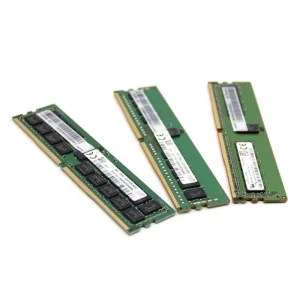
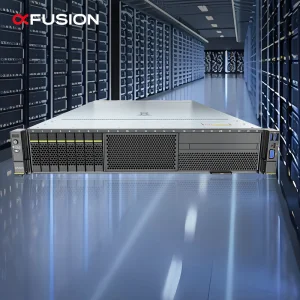
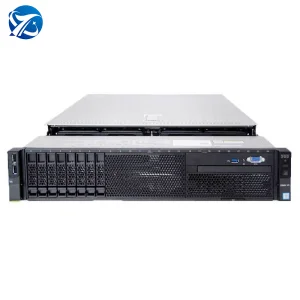
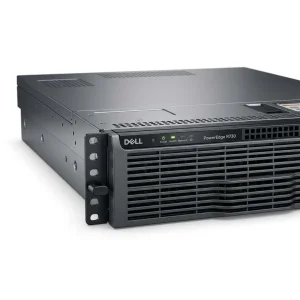
All our components, including servers, RAID cards, ECC RAM, and SAS hard drives, comply with international standards. We build on x86 server architecture using standard PCIe slots, ensuring compatibility with globally established brands such as Dell, HPE, and FusionServer. This design simplifies sourcing, replacement, and expansion.
Backed by partnerships with over 1,200 supply chain providers, we maintain raw material inventory for fast turnarounds. Standard system configurations ship within 1 to 2 weeks, while large-scale, custom OEM/ODM system designs take approximately 4 to 6 weeks, which includes physical layout, hardware validation, and complete burn-in testing.
Our 56 QC engineers conduct multi-phase tests, including high-stress data load cycles, performance optimization tests, and strict thermal validation. We use component-level verification (e.g., verifying capacitors, RAM traces, and controller firmware) to prevent unexpected system shutdowns.
Configure, build, and optimize hardware nodes to keep operations fast, redundant, and scalable.
Ensuring hardware stability, thermal dissipation parameters, and architectural compliance for globally deployed nodes.
