Veltron
Veltron
Veltron
In the contemporary digital landscape, the synergy between Open Source Software (OSS) and high-performance hardware manufacturing has become the bedrock of modern innovation. As businesses transition from monolithic, proprietary systems to agile, software-defined architectures, the demand for "Open Source Hardware Factories"—suppliers capable of delivering flexible, interoperable, and scalable server solutions—has skyrocketed.
The Open Compute Project (OCP) and similar initiatives have shifted the purchasing behavior of global enterprises. Companies no longer just buy "servers"; they invest in ecosystems. Our analysis indicates that organizations are prioritizing suppliers who demonstrate high supply chain resilience, deep technical integration capabilities, and a commitment to open-standard architectures that prevent vendor lock-in.
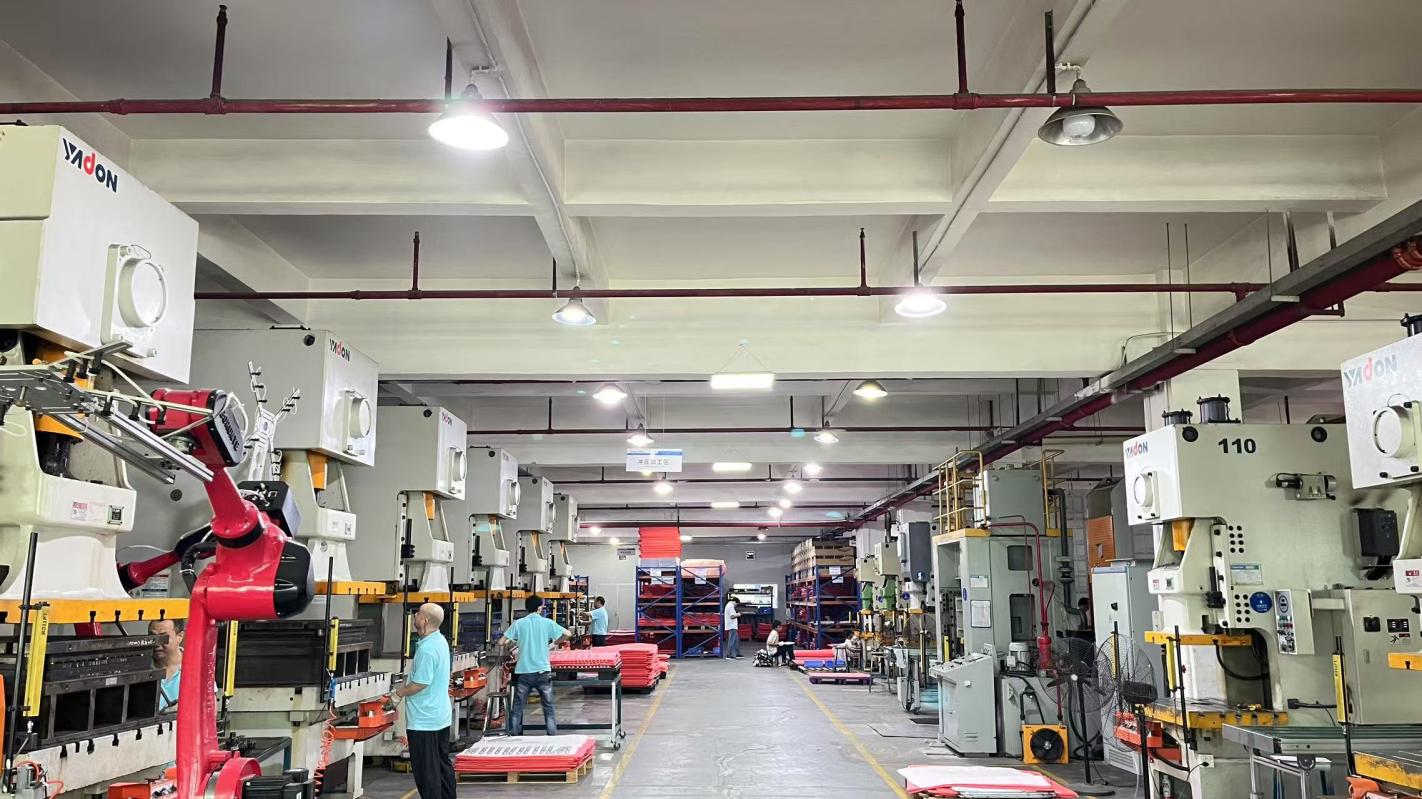
The "China Factory 4.0" model is not merely about volume manufacturing; it is about intelligent, data-driven production. In cities like Shenzhen, the manufacturing ecosystem has evolved into a powerhouse of efficiency, blending high-speed assembly with rigorous quality control.
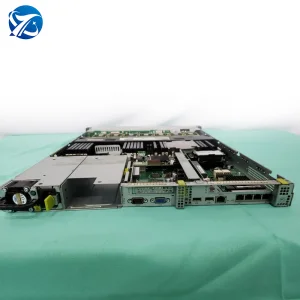
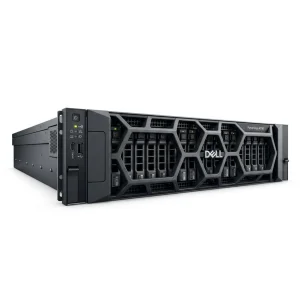
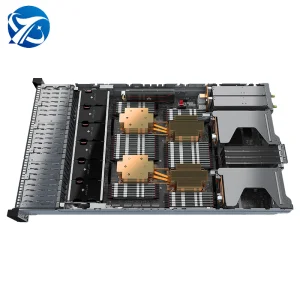
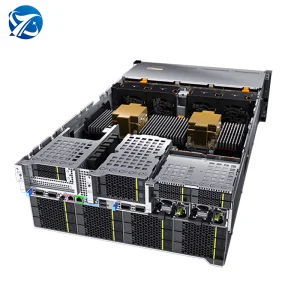
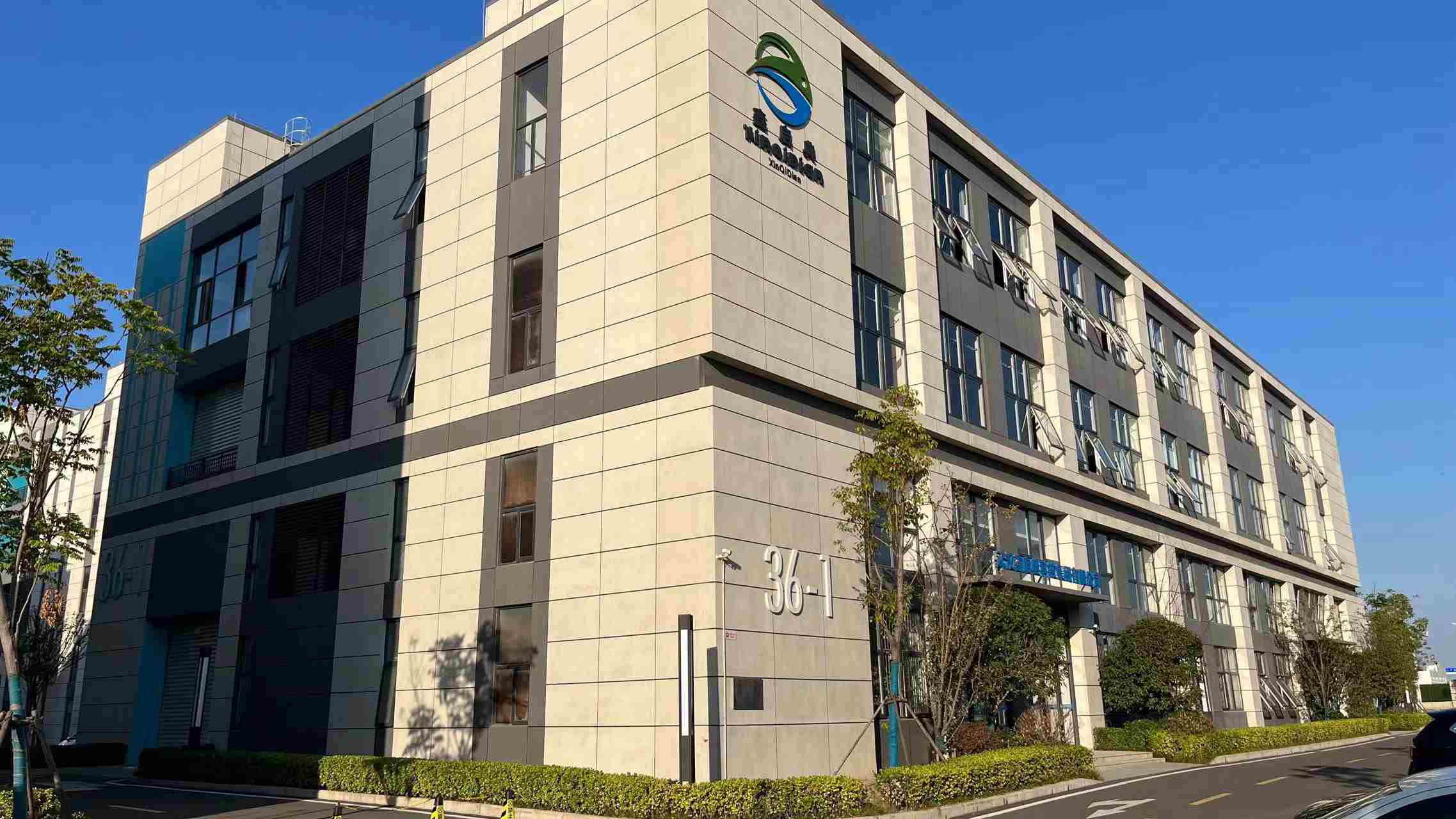
Veltron Computing Technology Co., Ltd. stands as a prime case study of this transformation. By integrating modern manufacturing facilities (over 3,800 square meters) with deep R&D capabilities, they bridge the gap between abstract open-source software requirements and tangible, robust hardware performance. With 168 engineers specializing in server architecture and thermal management, these factories do not just build units; they engineer solutions that support AI training, machine learning, and cloud-native environments.
The advantage is clear: Rapid Iteration. While legacy suppliers may take months to pivot, 4.0 factories leverage a network of over 1,200 supply chain partners, ensuring that global enterprises can deploy AI-ready infrastructure with minimal lead times.
Established in 2016, Veltron exemplifies the E-E-A-T (Experience, Expertise, Authoritativeness, Trustworthiness) framework in the server hardware sector. Their 8 years of export experience and 14 years of total industry expertise provide a foundation of trust for global clients.
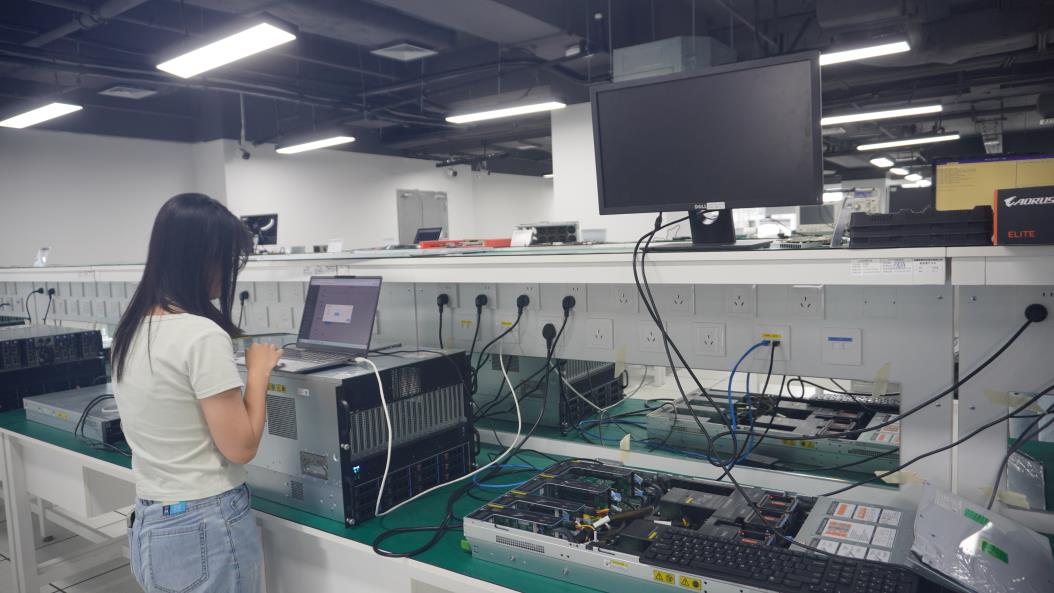
Quality Assurance at Scale: Quality is not an afterthought; it is baked into the manufacturing process. With 56 dedicated quality control personnel, every unit—from AI GPU servers to NAS storage systems—undergoes strict reliability, performance, thermal, and burn-in testing. This rigorous approach is critical for clients in North America, Europe, and Southeast Asia who require 24/7 uptime for their cloud and data center operations.
Customization Power: In an era of specialized AI workloads, "one size fits all" is obsolete. Veltron’s R&D capabilities allow for:
For system integrators, cloud service providers (CSPs), and enterprise IT departments, the procurement of server infrastructure is a high-stakes decision. The current trend emphasizes "Total Cost of Ownership" (TCO) over initial hardware price.
Key drivers in procurement include:
An ideal partner is one that aligns with OCP standards, offers transparent supply chain documentation, and provides hardware that is highly compatible with software ecosystems like Linux, Kubernetes, and AI frameworks like PyTorch or TensorFlow.
Shenzhen provides an unmatched density of component suppliers, skilled R&D talent, and efficient logistics. This allows manufacturers like Veltron to iterate hardware designs faster than global competitors, ensuring the latest server technologies are available to market quickly.
Always verify the manufacturer's QC protocols. Look for firms with a structured quality management system—specifically those that conduct burn-in, thermal, and load testing on every unit before shipment, as opposed to batch sampling.
The focus has shifted towards "GPU-centric" architecture. Modern AI models require higher throughput and lower latency, necessitating servers that are specifically optimized for multi-GPU arrays and high-speed NVMe storage interconnects.