Veltron
Veltron
Veltron
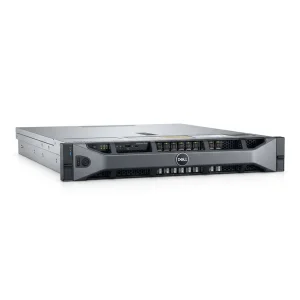
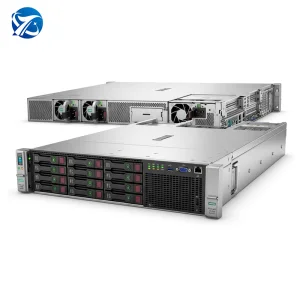
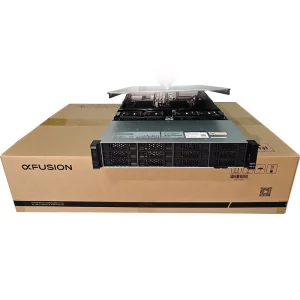
Explore our elite selection of memory-intensive compute nodes and high-density rack servers optimized for modern software architectures.
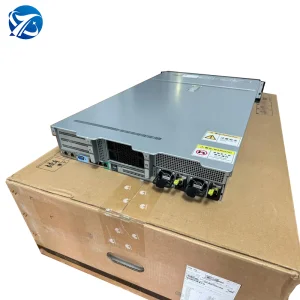
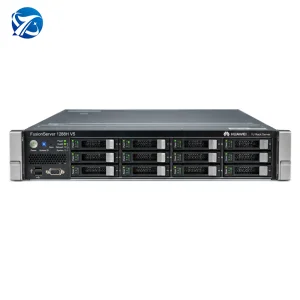
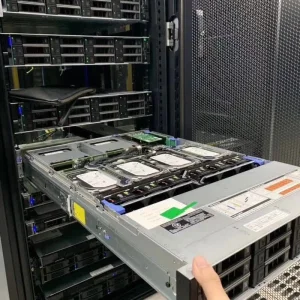
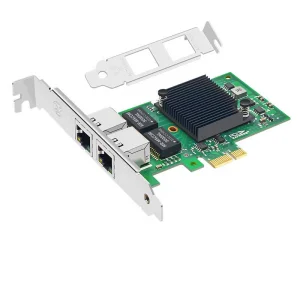
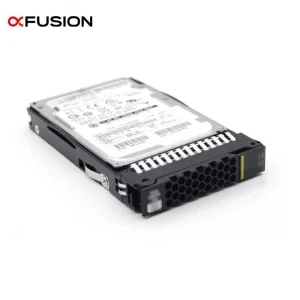
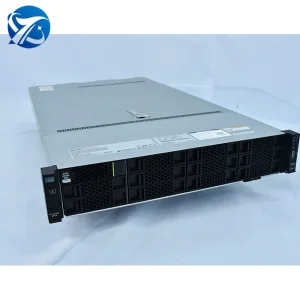
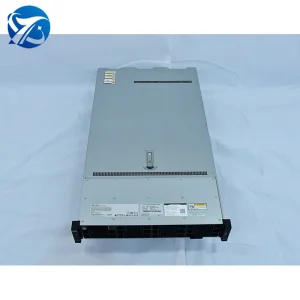
The global enterprise data ecosystem is undergoing a seismic architectural migration. Traditional disk-bound computing, constrained by persistent storage I/O bottlenecks, is no longer sufficient to support modern data intensity. In-Memory Computing Systems (IMCS) have transitioned from niche scientific utility to the core driver of enterprise digital growth. These systems process complex calculations directly in high-density random-access memory (RAM), yielding data retrieval speeds up to 100,000 times faster than traditional SSD arrays.
Industries worldwide are implementing IMCS to unlock new levels of efficiency. From Wall Street's high-frequency trading (HFT) models executing millions of operations per millisecond, to the global distribution channels of high-tech manufacturers, the demand for immediate processing is surging. This revolution is accelerated by the rise of complex artificial intelligence models (such as DeepSeek and large-scale language systems) which require massive, concurrent data matrices to be resident within memory spaces to maintain processor saturation.
A look into the structural, manufacturing, and operational indicators that differentiate elite fabrication facilities globally.
Elite facilities leverage advanced Surface Mount Technology (SMT) with placement precision up to 10 micrometers, crucial for multi-channel DDR5 bus configurations and dense circuit architectures.
Advanced high-frequency signal simulation and verification ensure zero data corruption at multi-gigatransfer rates, preventing memory controller bus collisions.
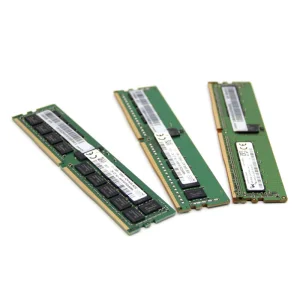
Thermal management validation through full-system chambers ensures persistent, high-density memory modules (NVDIMM/DRAM) operate safely under high computational loads.
Top factories test compatibility across varying protocols, ensuring seamless support for RDIMMs, Non-Volatile RAM configurations, and PCIe 5.0 expansion buses.
Component assembly and trace cleaning must occur in highly regulated environments to eliminate microscopic conductive dust and prevent short-circuiting.
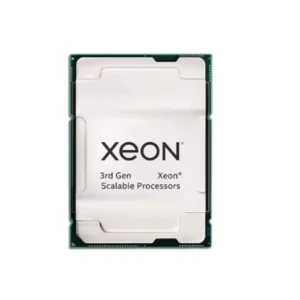
Optimal motherboard bus designs allow fast inter-socket communications (UPI or Infinity Fabric) to scale coherent memory structures across multiple processors.
Veltron Computing Technology Co., Ltd. is a professional manufacturer and global supplier of GPU servers, AI computing systems, and high-performance server solutions. Established in 2016, Veltron is dedicated to delivering reliable, scalable, and innovative computing infrastructure for AI training, machine learning, cloud computing, data centers, scientific research, and enterprise applications worldwide.
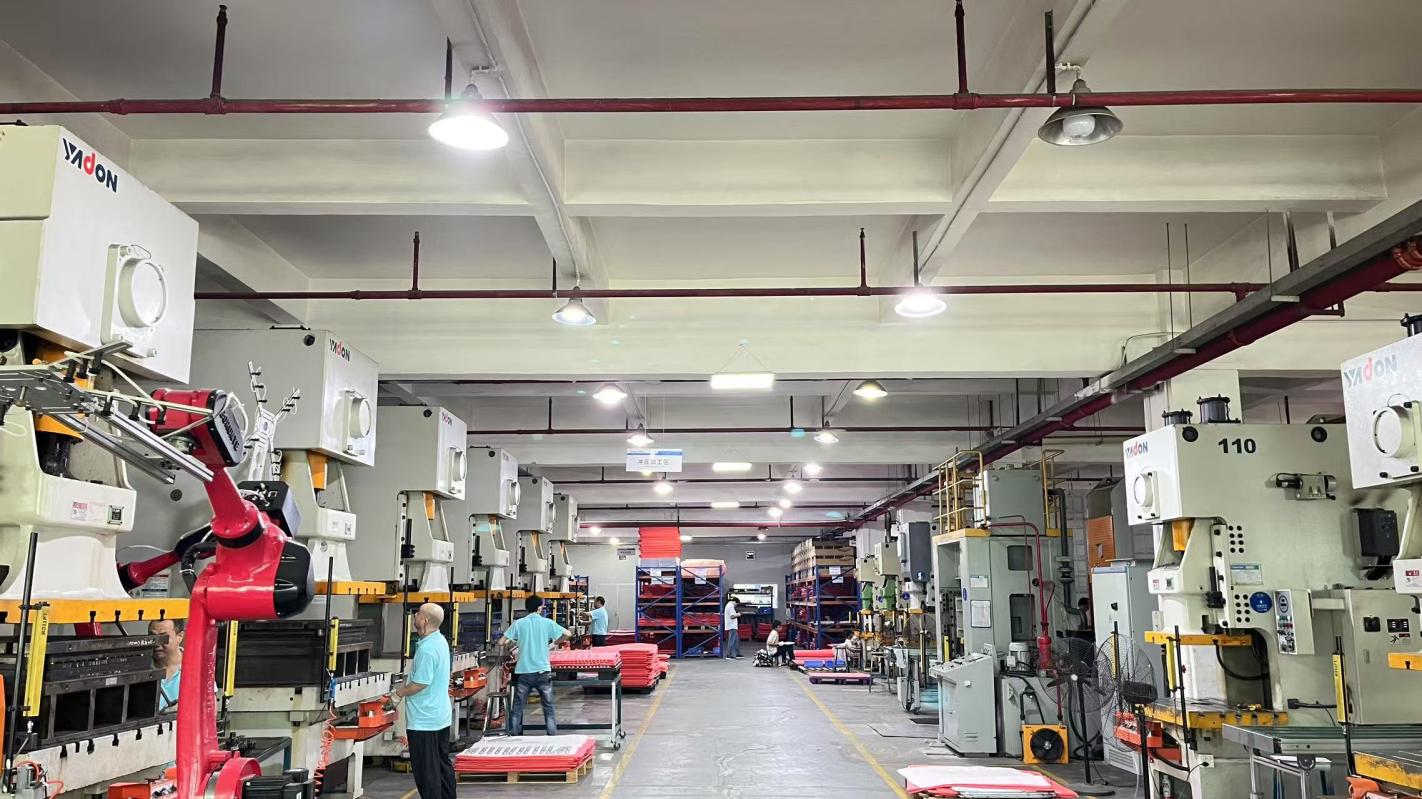
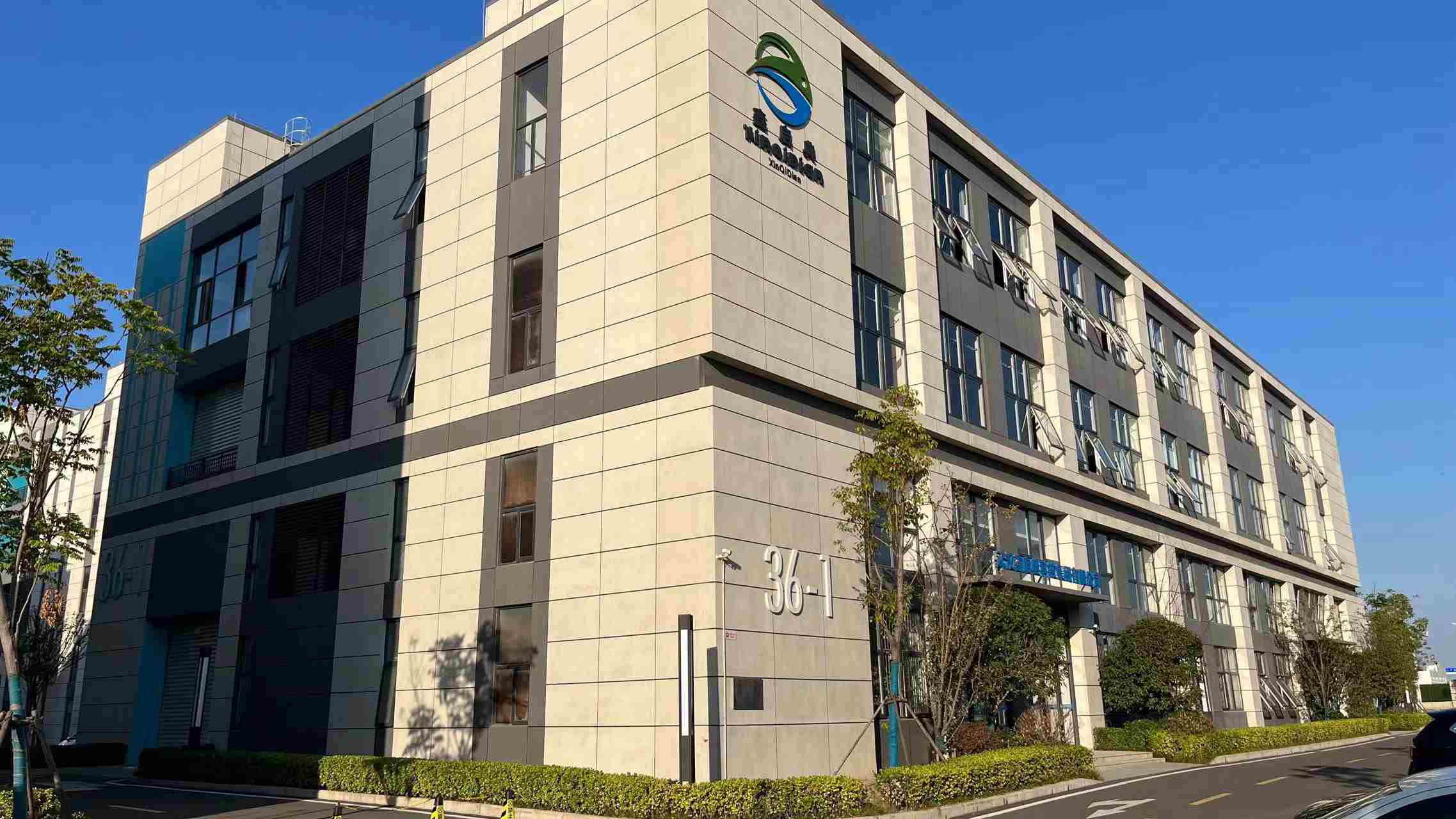
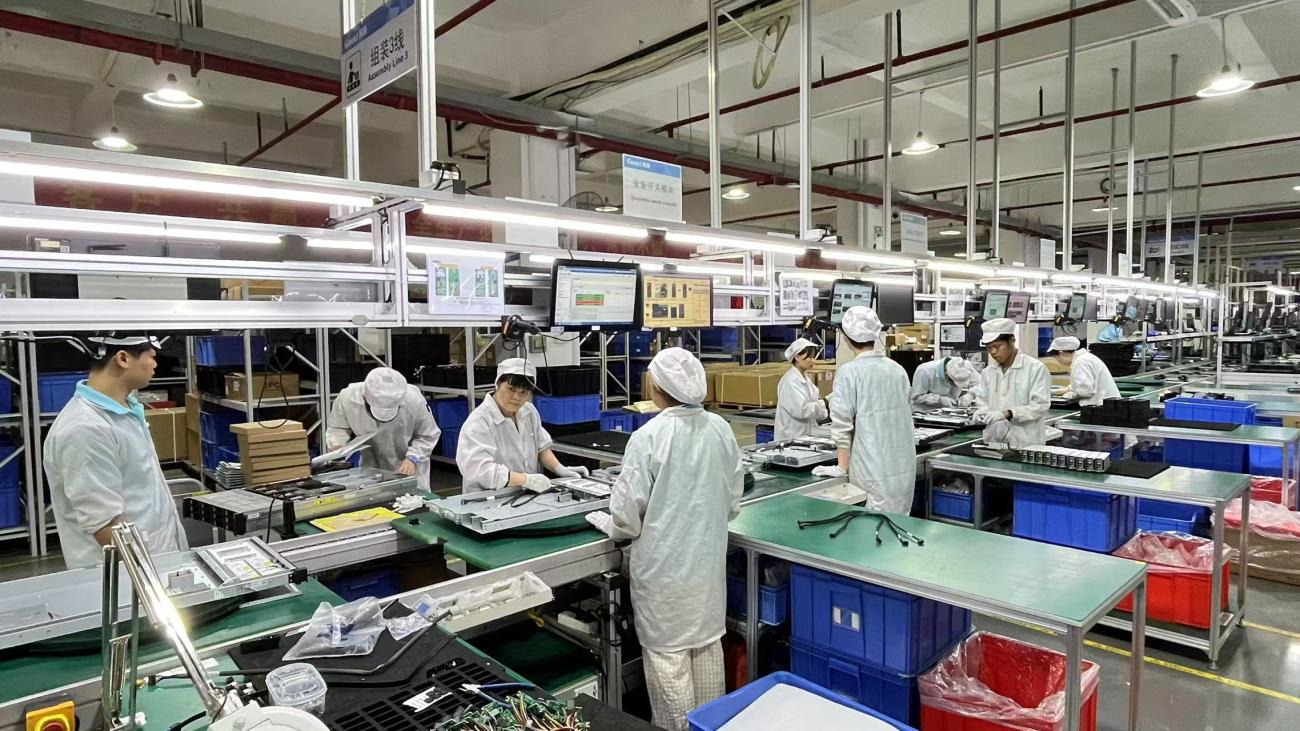
Located in Shenzhen, China, Veltron operates a modern manufacturing facility covering over 3,800 square meters, equipped with advanced assembly lines, testing laboratories, and quality control systems. With years of expertise in the intelligent computing industry, we have built a strong reputation for delivering high-performance server solutions that meet the evolving demands of global customers.
The technological milestones shaping the next generation of In-Memory Computing Systems.
Establishing Memory Pools and Hardware Disaggregation
Current architectures rely heavily on Compute Express Link (CXL) 2.0 to dynamically allocate coherent memory pools across distinct servers, decoupling memory scaling from local processor limits.
Eliminating the Data Transport Bottleneck
Future iterations introduce logic units directly inside memory registers. By executing simple arithmetic routines within the DRAM itself, the CPU-memory bus bottleneck is completely bypassed.
Vertically Stacked Memory Integration
Integrating 3D stacked DRAM components directly adjacent to AI accelerators on silicon interposers enables interface bandwidth exceeding several terabytes per second, ideal for large-scale neural network training.
How high-performance in-memory hardware architectures resolve complex enterprise computational bottlenecks.
By loading volatile transactional ledgers and historical logs entirely into system RAM, financial service platforms achieve microsecond latency limits for fraud risk modeling, trade matching, and option valuation.
AI training requires massive parallel data streams. Our GPU-focused system designs optimize GPU-to-memory channels, allowing large language models like DeepSeek to train with minimal queue delay.
Sequencing DNA requires comparing millions of base pairs. In-memory data alignments allow researchers to perform sequence matching in minutes rather than days, accelerating medical discoveries.
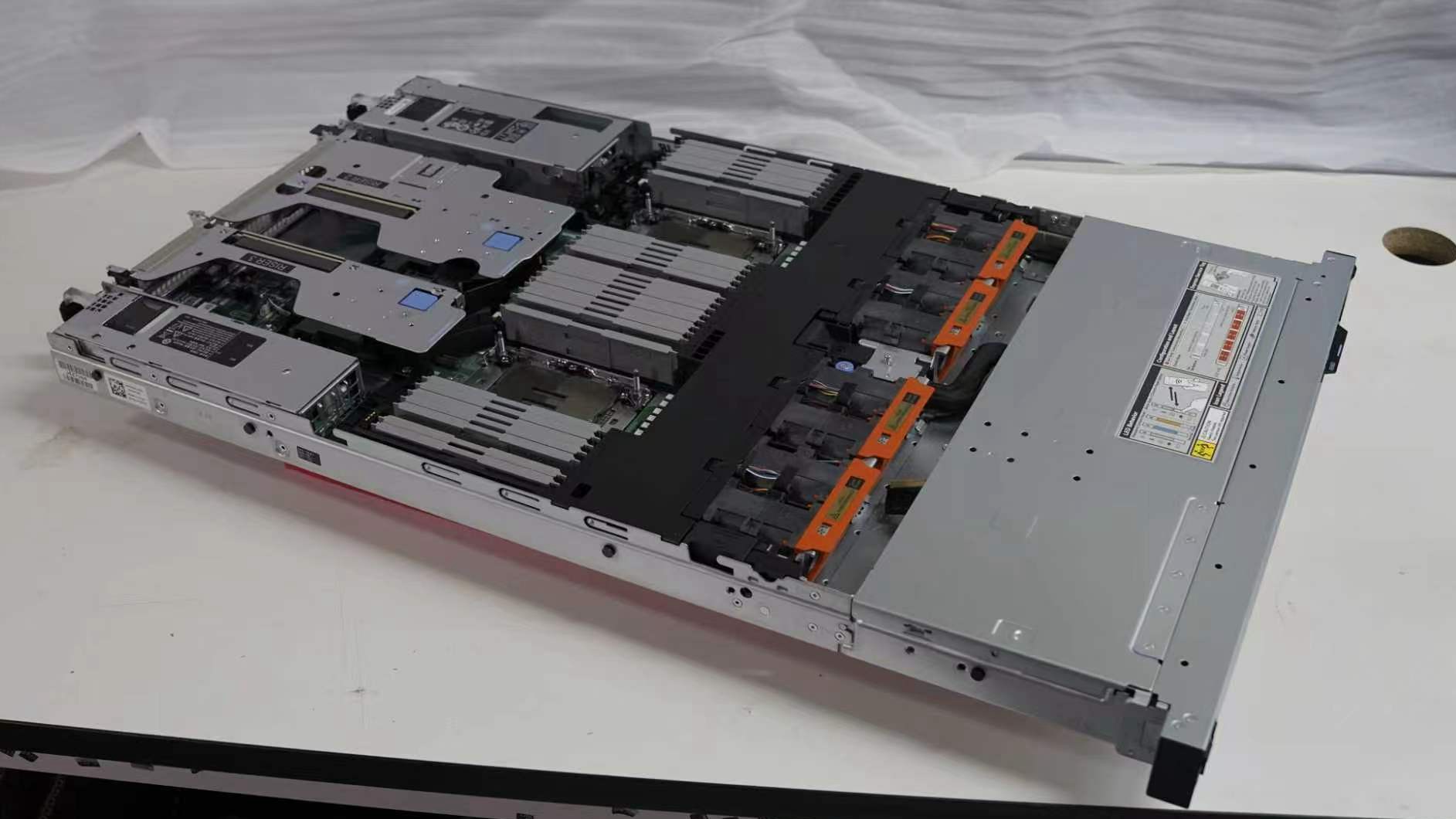
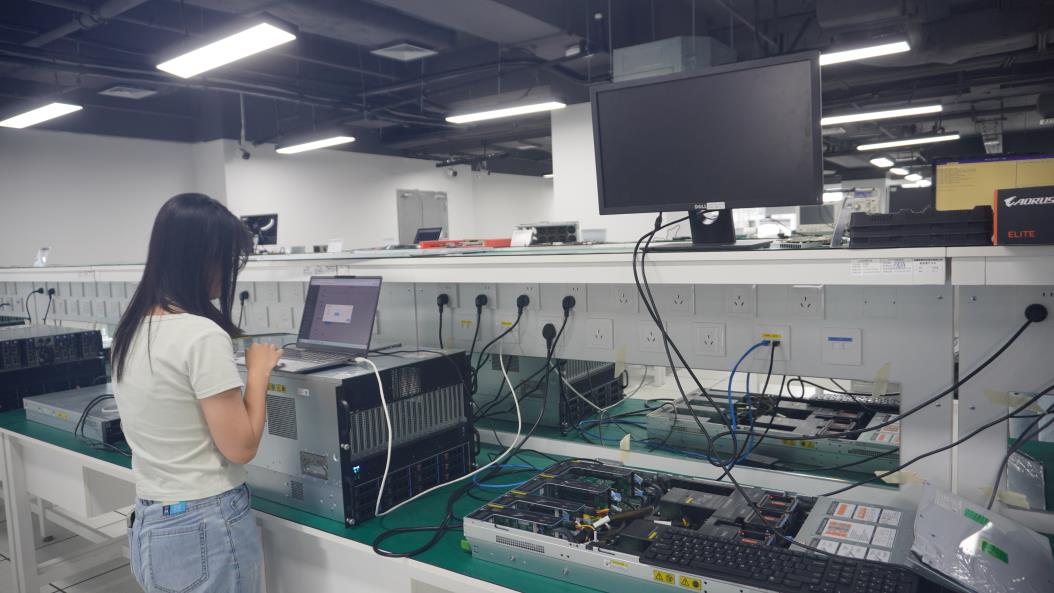
Quality is at the core of everything we do. We implement a comprehensive quality management system with 56 professional quality control personnel overseeing every stage of production. All products undergo strict reliability testing, performance validation, thermal testing, burn-in testing, and final inspection before shipment to ensure exceptional product stability and long-term performance.
Veltron maintains strategic partnerships with more than 1,200 supply chain partners, enabling efficient sourcing, stable production capacity, and rapid delivery for customers worldwide. Our primary customers include system integrators, cloud service providers, AI solution providers, data center operators, distributors, and enterprise IT infrastructure companies.
Our dedicated R&D center consists of 168 experienced engineers specializing in server architecture, GPU integration, thermal management, intelligent computing platforms, and customized hardware solutions. With strong OEM and ODM capabilities, we offer flexible customization options including chassis design, hardware configuration, branding, firmware optimization, and application-specific solutions. Every year, Veltron launches more than 85 new products and solution upgrades to meet the rapidly changing requirements of the AI and high-performance computing industries.

Get answers to critical technical questions regarding system configuration, manufacturing standards, and supply parameters.
High-efficiency hardware platforms engineered for high throughput, optimized computing, and scalable system architectures.