Veltron
Veltron
Veltron
Direct access to state-of-the-art enterprise rack platforms, accelerator configurations, and network interfaces optimized for heavy business analytics and virtualization.
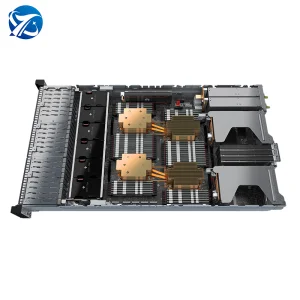
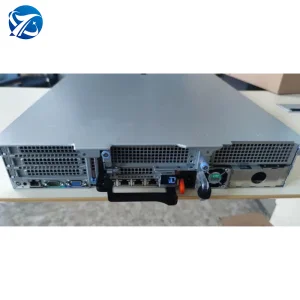
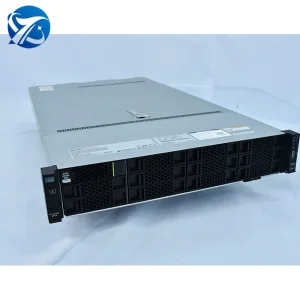
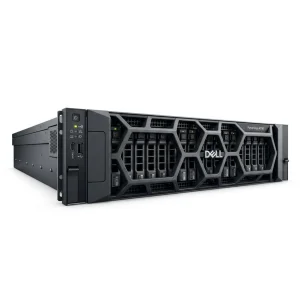
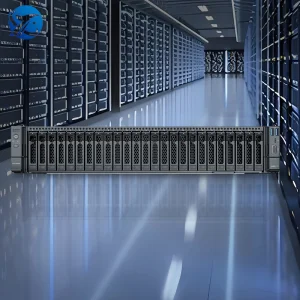
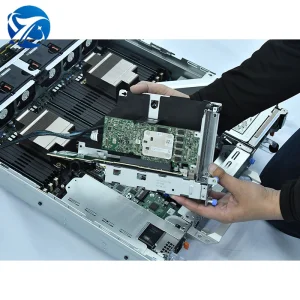
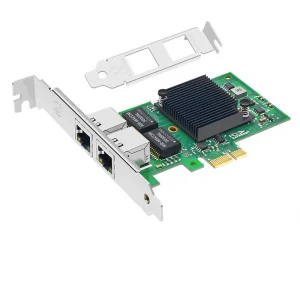
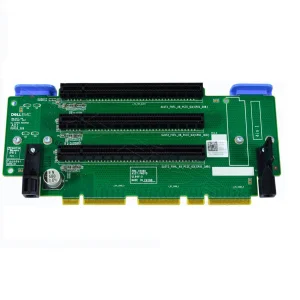
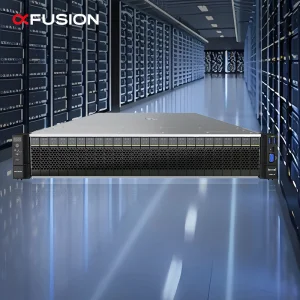
The terminology of "Fusion Server" has transitioned from a specialized computing concept to a cornerstone of modern high-density data centers. Originally engineered to bridge the gap between blade-like processing density and standard rack-mount flexibility, today’s fusion server systems integrate dense compute resources, massive memory lanes, and specialized hardware accelerators. With the rapid ascendancy of large language models like DeepSeek, compute infrastructures must scale horizontally and vertically. Modern data centers require server systems that can run high-density compute workloads, maintain intensive thermal efficiency, and guarantee multi-socket reliability.
High-socket density (e.g., 2U 4-socket configurations) maximizes processor core count per rack unit, eliminating networking latency between physical chassis boards.
Seamless support for massive GPU clusters, high-speed NVMe storage planes, and smart array cards, catering directly to complex AI training and inference requirements.
Smart power distribution combined with optimized airflow paths allows sustained performance at elevated room temperatures, minimizing total PUE values.
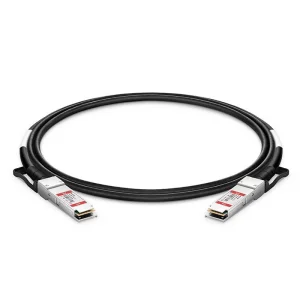
Hardware procurement managers are no longer looking for standard boxes. They are seeking manufacturers and suppliers who can deliver validated compatibility with next-generation fabrics (e.g., 100G/200G QSFP+ interfaces), robust hardware array systems (such as the XC170-M-8i SAS/SATA controller), and systems capable of running containerized deep learning workloads.
How global logistics constraints, technical specification demands, and software compatibility reshape hardware supply lines.
In the current geopolitical and macroeconomic climate, high-performance server procurement is dictated by key variables. Hardware architectures must offer high scalability to handle changing compute workloads. Procurement teams focus on three primary dimensions during the vendor evaluation phase:
Standardization is giving way to application-specific builds. For example, database operations and intensive ERP systems are deployed on multi-socket layouts (like the 2488H V6 / V7 4-socket nodes) to maximize memory-to-core ratios. Conversely, Deep Learning workloads, video analytics, and smart city architectures require GPU-centric layouts (such as the FusionServer G5200 V5 GPU servers) that support fast PCIe expansion lanes.
Energy efficiency is critical. Data centers calculate power usage down to the individual server power supply unit (PSU). High-efficiency systems utilizing Titanium or Platinum-rated 900W+ PSUs help lower operating expenses (OPEX). Furthermore, smart fan controllers adjust rotation speeds based on localized thermal sensor data to optimize power consumption.
| Workload Type | Recommended Server Setup | Key Hardware Attributes | Deployment Benefits |
|---|---|---|---|
| Enterprise ERP & Business Analytics | xFusion 2488H V5 / V6 (4-Socket) | Intel Xeon Scalable, High DIMM capacity, Redundant 900W PSUs | Exceptional single-node compute capability, low NUMA latency. |
| AI Inference & Video Processing | G5200 V5 GPU Servers | Multi-GPU chassis support, high-speed PCIe riser configurations | Accelerated model execution, low-latency packet processing. |
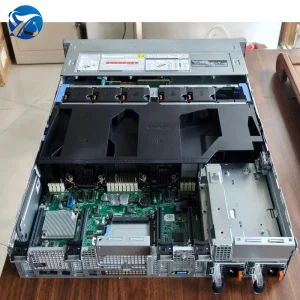
| Virtualization & Private Cloud | Dell PowerEdge R750 / R7625 | AMD EPYC or Intel Xeon Dual-socket, NVMe storage planes | High virtualization densities, lower licensing costs per core. |
A closer look at the advanced facilities, testing protocols, and supply chains of Shenzhen's leading server manufacturer.
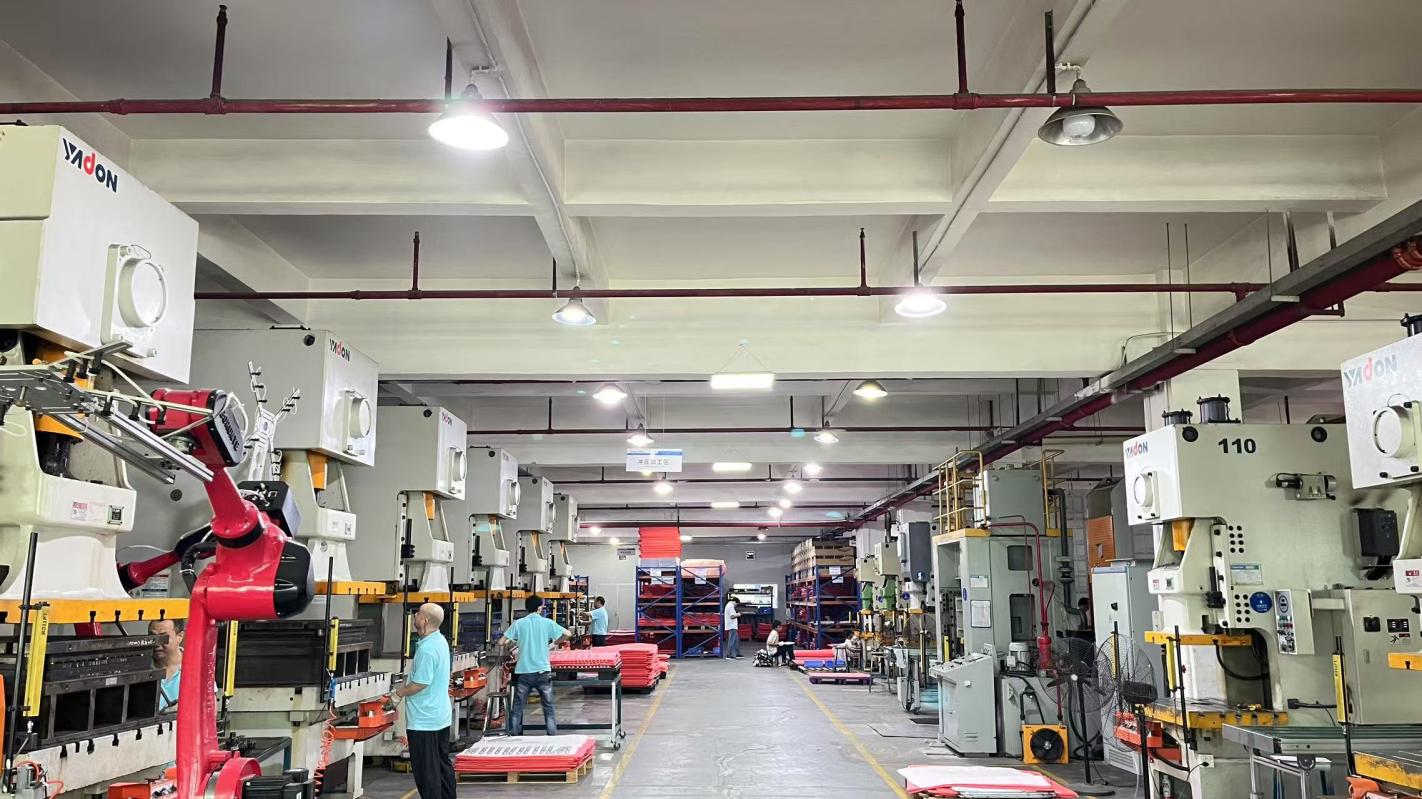
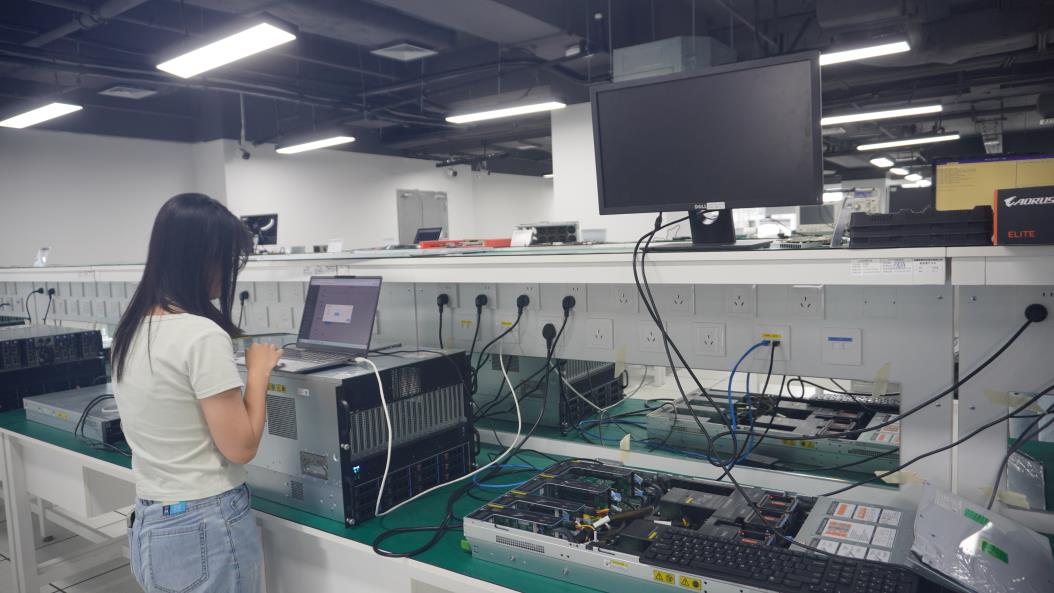
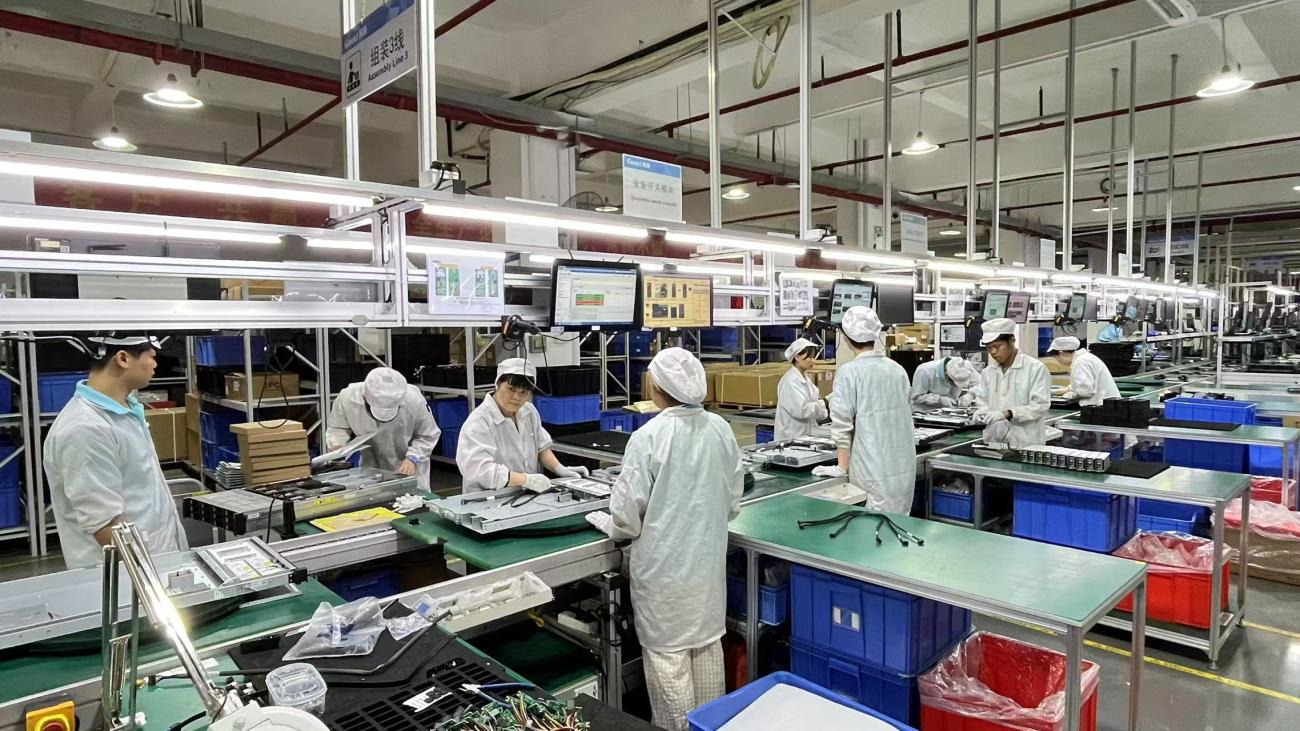
Quality control is critical for hardware deployment. Veltron Computing implements a multi-phase testing framework. Every Fusion Server and AI computing cluster undergoes rigorous validation before leaves our Shenzhen facility:
With a staff of 168 R&D engineers, Veltron meets custom requirements for global clients. Whether you require customized chassis dimensions, specific branding, pre-configured drive configurations, or customized BIOS/firmware setups, our production lines accommodate these adjustments:
An objective review of the global players dominating high-performance computing, highlighting their architecture advantages and supply capacities.
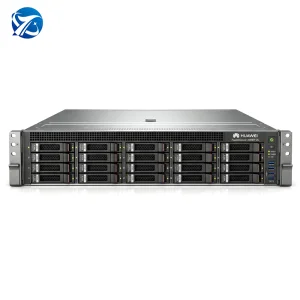
Formerly a division of Huawei, xFusion is a leading player in the fusion server space. Known for their FusionServer lineup (including the 2288H and 2488H series), they lead in 4-socket efficiency and system density. Their systems are widely deployed in cloud datacenters and ERP architectures worldwide.
Dell's PowerEdge servers represent a global benchmark for enterprise IT. Platforms like the R750 and R7625 incorporate Dell's iDRAC management engine. They provide reliable compatibility with various software ecosystems, making them a top choice for virtualization and hybrid environments.
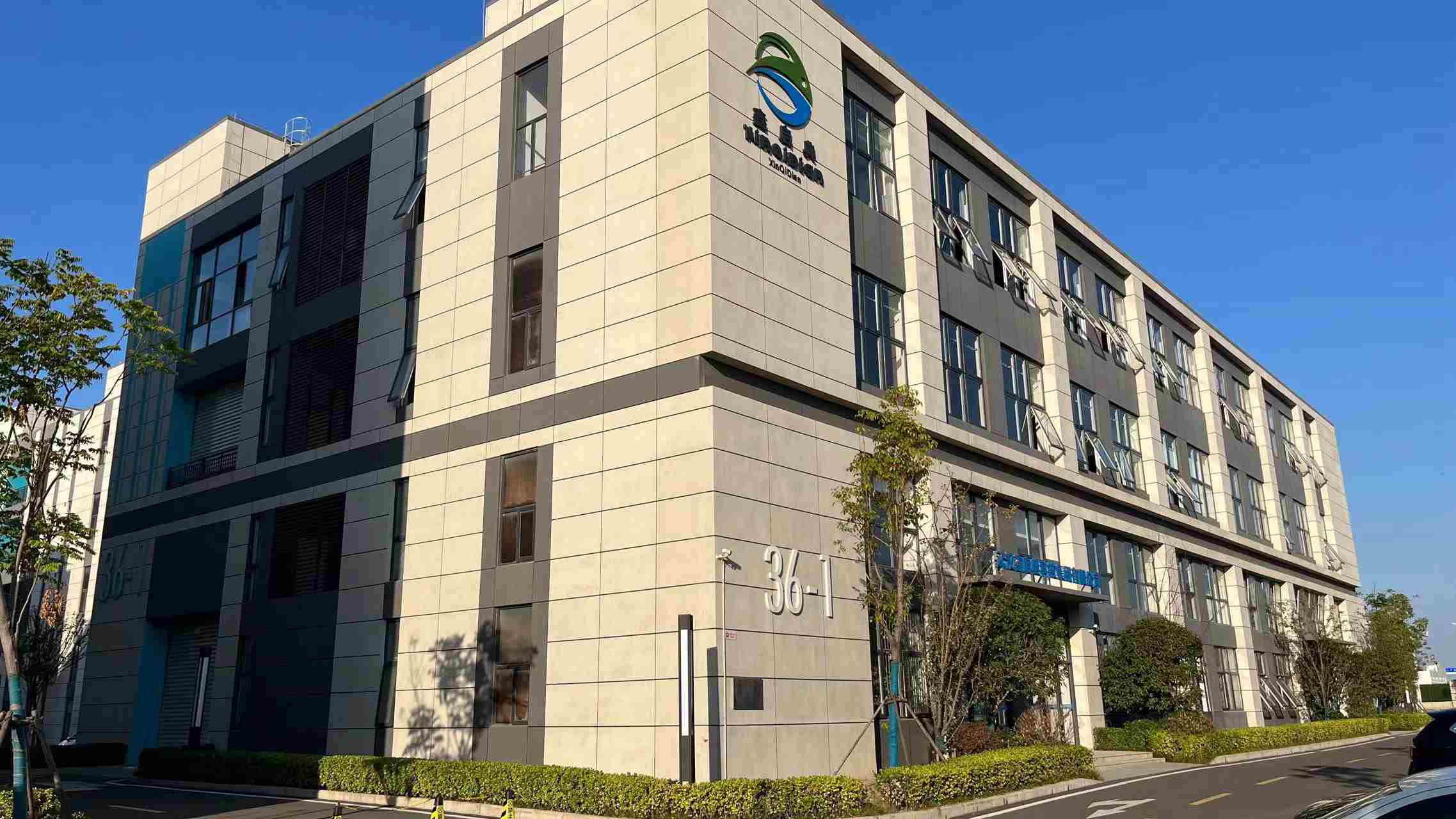
A prominent ODM/OEM and system supplier based in Shenzhen. Operating a 3,800㎡ facility with 14 years of expertise, Veltron specializes in GPU computing setups, DeepSeek AI hardware, and customized server builds. Veltron's 1,200+ partner network ensures stable component availability and rapid global logistics.
HPE's ProLiant platform remains a cornerstone of enterprise computing. HPE stands out for its Silicon Root of Trust security features and global enterprise distribution. Their servers are frequently specified in hybrid-cloud configurations.
A major supplier in hyperscale datacenter deployments. Inspur focuses heavily on open-compute architectures and GPU servers. They support cloud platforms and AI research teams with modular, high-volume hardware options.
Based in Silicon Valley, Supermicro is a pioneer of "Application-Optimized Server Building Block Solutions." They are recognized for rapid time-to-market deployments of new silicon chips and liquid-cooled data center racks.
Lenovo’s ThinkSystem series features high reliability indices. With a balanced global supply chain, Lenovo supports enterprise deployments, virtualization setups, and high-performance computing (HPC) environments.
Although separating its xFusion server arm, Huawei continues to design high-end, custom chips and AI processing infrastructure (such as Ascend processors). They focus on deeply integrated national computing projects.
Gigabyte offers specialized hardware for GPU dense deployments. They design custom chassis layouts, liquid cooling plates, and direct-to-die setups that are widely used in HPC and research labs.
Cisco UCS (Unified Computing System) integrates network, storage, and server management into a cohesive, policy-driven architecture. Known for simplifying infrastructure orchestration, Cisco remains a top supplier for organizations with deep network integration priorities.
The rapid expansion of AI models, including the DeepSeek open-source architectures, has altered the requirements for enterprise server hardware. Standard dual-socket platforms often struggle with the parameter loading speeds and throughput required for AI workloads.
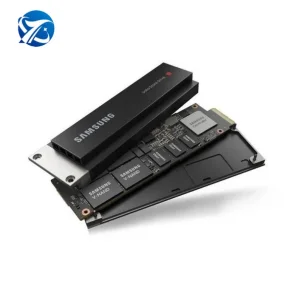
Utilizing SSD technology (such as the Samsung PM883/PM893 enterprise-grade series) helps reduce read and write latency during processing. By using PCIe Gen5 buses, systems bypass storage bottlenecks, facilitating faster data transfers between memory channels and GPUs.
Deploying high-core-count processors (such as Dual Intel Xeon Scalable or EPYC 9654 chips) requires robust heat dissipation. Standard fans are increasingly paired with liquid cooling blocks and optimized copper heat sinks to maintain performance and prevent thermal throttling.
For system administrators deploying local deep learning nodes, hardware choices like the FusionServer G5200 V5 AI inference platform offer balanced configurations. They integrate computational power and storage interfaces needed for complex model execution, smart city telemetry, and large-scale video processing.
Shipping server hardware internationally requires compliance with national and regional standards. Veltron Computing handles the necessary documentation, import-export paperwork, and compliance certifications to ensure smooth customs processing:
Full validation alignment including CE, FCC, RoHS, and CCC. Every batch is documented to meet destination safety and EMI criteria.
We use custom wooden crates, anti-static barrier bags, and moisture-controlled packaging to protect hardware during international shipment.
Veltron offers comprehensive warranty options, including replacement parts (fans, PSUs, memory) shipped via expedited logistics networks.
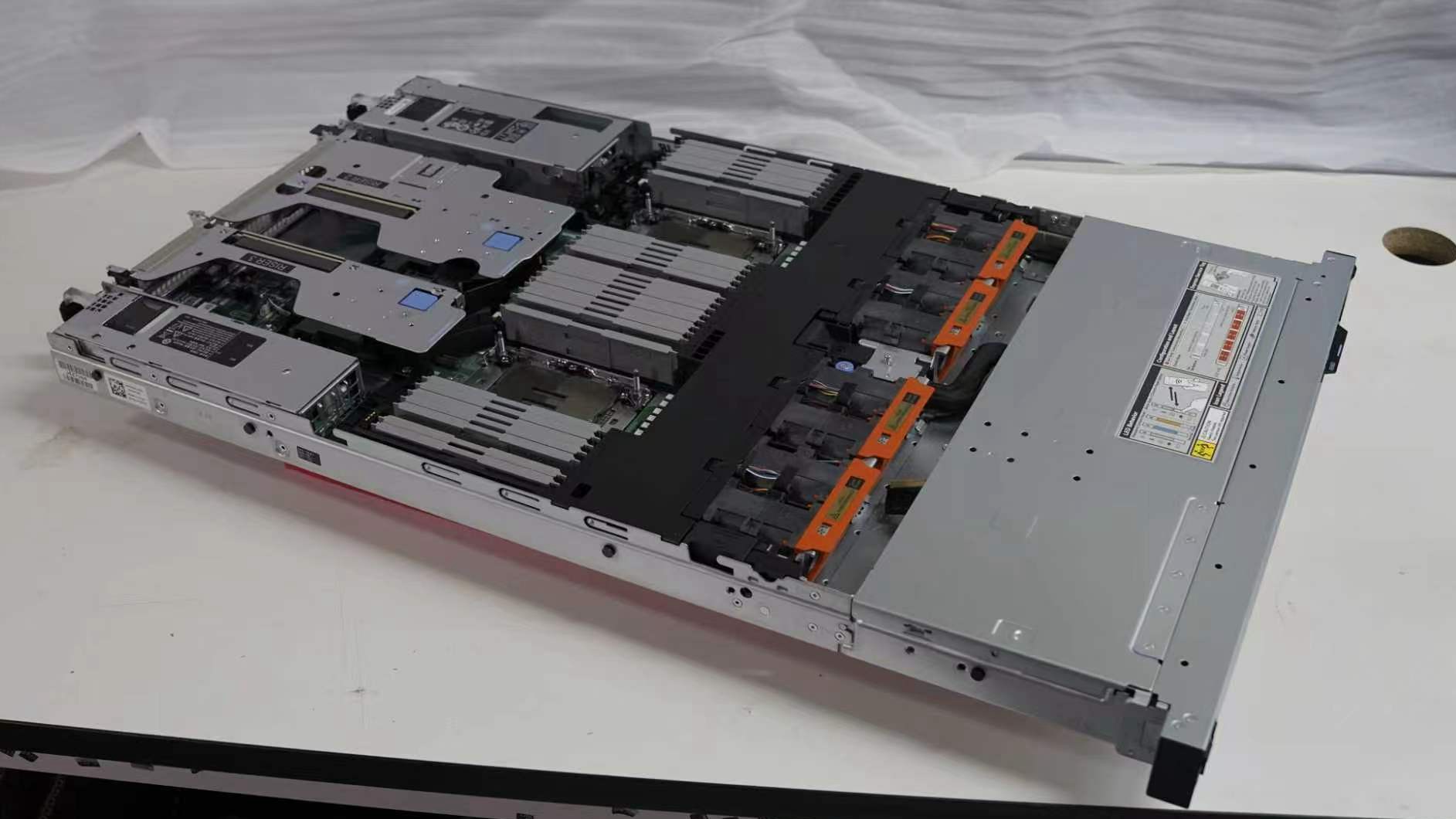
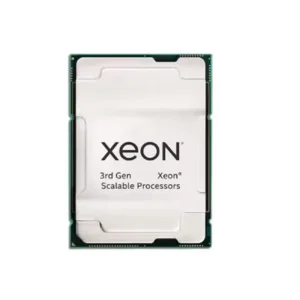
Complete hardware configurations, system processing components, and solid-state storage options optimized for data center deployments.
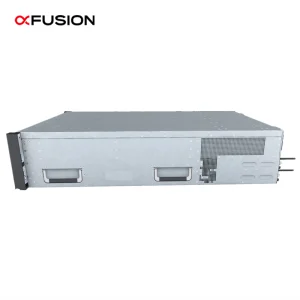
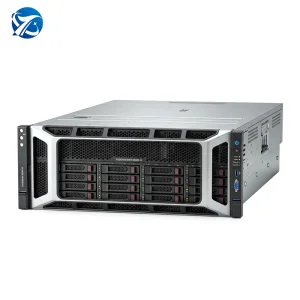
Answers to common technical and procurement queries from system administrators and enterprise hardware sourcing teams.
Real-world footage of Veltron Computing's production processes, system assembly lines, and high-temperature testing laboratories.