Veltron
Veltron
Veltron
Deploy your AI frameworks on proven enterprise platforms. The computing units listed below represent the cutting edge of industrial machine learning deployment.
In the contemporary landscape of high-performance computing, the distinction between artificial intelligence software frameworks and hardware architectures has dissolved. Organizations no longer merely choose an AI software model (such as PyTorch or TensorFlow); they design, procure, and build complex compute nodes that directly align with the mathematical operations these frameworks execute. Choosing a qualified Artificial Intelligence Frameworks Supplier and Exporter involves understanding the mechanical, electrical, and thermal constraints of AI accelerators combined with software stacks.
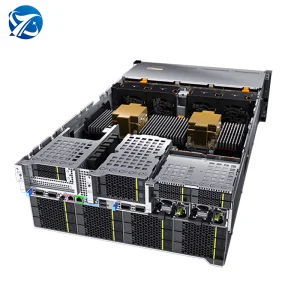
Modern machine learning methods, specifically Large Language Models (LLMs) and Mixture-of-Experts (MoE) topologies, require huge memory bandwidth and inter-gpu throughput. The optimization of models like DeepSeek R1 on architectures like the xFusion G5500 V7 emphasizes the importance of hardware matching. High-performance servers must handle memory-bound compute operations, dynamic graph computations, and distributed data parallelisms over fast networking layers, using technologies like Mellanox/Emulex Fibre Channel HBA cards and high-bandwidth interconnects.
| AI Framework | Primary Computational Profile | Optimized Hardware Target |
|---|---|---|
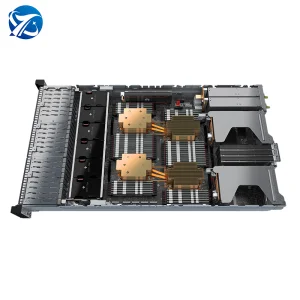
| PyTorch | Dynamic graph computation, intensive GPU memory (vRAM) allocation | Multi-GPU Rack Server (e.g., xFusion G5500 V7, 64GB DDR5) |
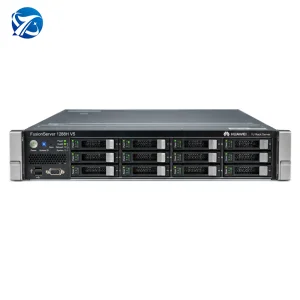
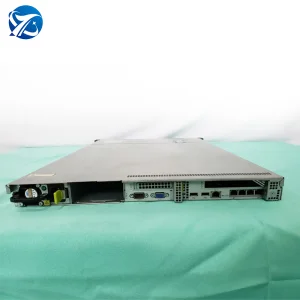
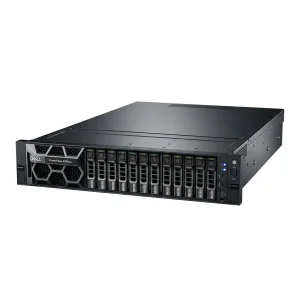
| TensorFlow | Static graph processing, distribution across heterogeneous nodes | High-density 1U/2U clusters (e.g., FusionServer 1288H V6, HPE DL360 Gen11) |
| DeepSeek R1 / MoE | Dynamic routing, high-density matrix math, ultra-low latency memory access | Dedicated GPU Clusters with High-speed RDMA / PCIe Gen5 Storage |
| JAX | Autograd, XLA compilation, massive tensor parallelisms | High-density accelerator clusters, customized GPU boards |
When selecting AI server configurations, key indicators determine the deployment capacity:
Understanding the connection between software frameworks and physical hardware is essential for building efficient data centers. Below, we break down the top 10 frameworks and detail how physical compute platforms enable their performance.
PyTorch is the leading platform for AI research and production-grade NLP. Because it builds computational graphs dynamically, it requires GPUs with large memory capacity. Systems like the FusionServer G5200 V5 provide the flexible storage and processing needed to keep PyTorch running smoothly.
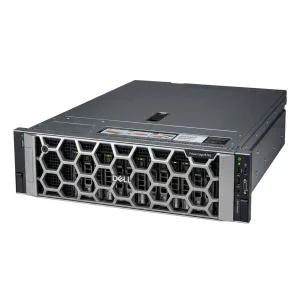
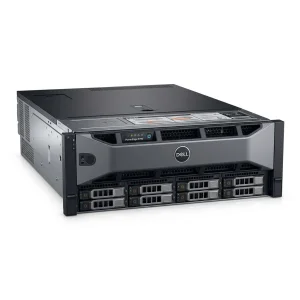
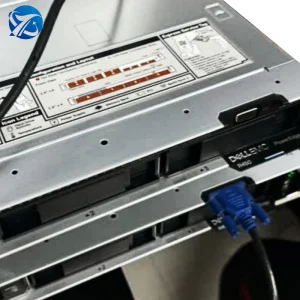
TensorFlow uses static graphs for reliable, large-scale deployment across multiple systems. This makes it ideal for enterprise configurations, which benefit from servers like the Dell PowerEdge R760 with its fast DDR5 memory and Intel Sapphire Rapids processors.
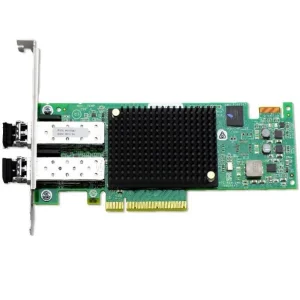
JAX compiles numerical code using XLA (Accelerated Linear Algebra) for high-performance computing. It requires servers with low-latency network connections, such as the Emulex LPe35002-M2 32GB FC HBA Card, to maintain speed across cluster connections.
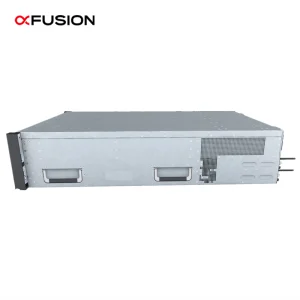
DeepSeek's Mixture-of-Experts architecture activates different routing paths for different tasks. This structure needs high-density GPU platforms like the xFusion G5500 V7 to manage massive parameter counts and handle high memory workloads efficiently.
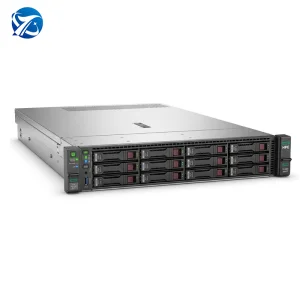
ONNX helps move models between different platforms. To run ONNX-optimized models at scale, enterprises rely on flexible configurations like the HPE ProLiant DL380 Gen12, which can be configured for either inference or training workloads.
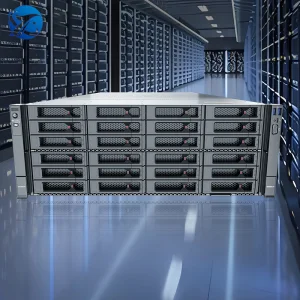
TensorRT optimizes deep learning models to minimize latency during inference. This software works best when paired with hardware featuring high storage and memory speed, such as the FusionServer 5288 V6, to process real-time video, audio, or text inputs.
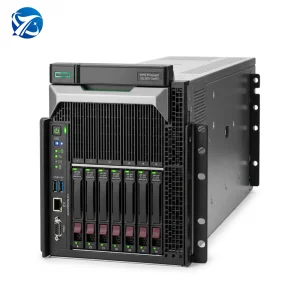
Intel’s OpenVINO improves model performance on Intel processors from edge devices to data centers. Pairing OpenVINO with servers like the HPE DL360 Gen11 or Dell PowerEdge R760xs ensures fast CPU-based inference workloads without needing dedicated GPUs.
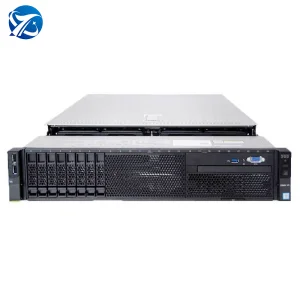
MXNet is a scalable deep learning framework designed for efficiency across multiple languages. It operates smoothly on multi-node configurations, where units like the xFusion 1288H V5 1U Rack Server save space while maintaining high compute density.
Keras offers a user-friendly API for prototyping and testing neural networks. When training models on Keras, developers use servers like the xFusion 2288H V6 2U Rack Server, which provides the flexibility and performance needed for rapid testing.
Hugging Face Text Generation Inference (TGI) and vLLM are optimized engines for hosting large language models. They achieve high speeds using paged attention, which requires reliable network routing and array card infrastructure, such as the XC470C-M-8i SAS/SATA RAID Card.
Procuring AI hardware requires assessing more than simple compute metrics. Enterprise buyers must plan for infrastructure integration, power efficiency, long-term support, and component compatibility. Our international projects show that sourcing teams prioritize three main areas:
High compute density (e.g., placing 4 GPUs into a compact 2U server) reduces physical space requirements in data centers. However, dense systems generate significant heat. Global data centers look for systems configured for balanced airflow, liquid cooling compatibility, and power efficiency to keep operating costs low.
Sourcing teams need verified component origins, especially for mission-critical parts like networking cards and array controllers. Having reliable components, such as genuine XP270-M2 (SAS3808 BootCard) controllers, prevents data issues and keeps system management tools operating correctly.
Standard servers often need adjustments to fit specific project requirements. Enterprises value partners who can customize firmware, install specialized PCIe expansion setups, modify cooling designs, and pre-configure operating environments prior to shipping.
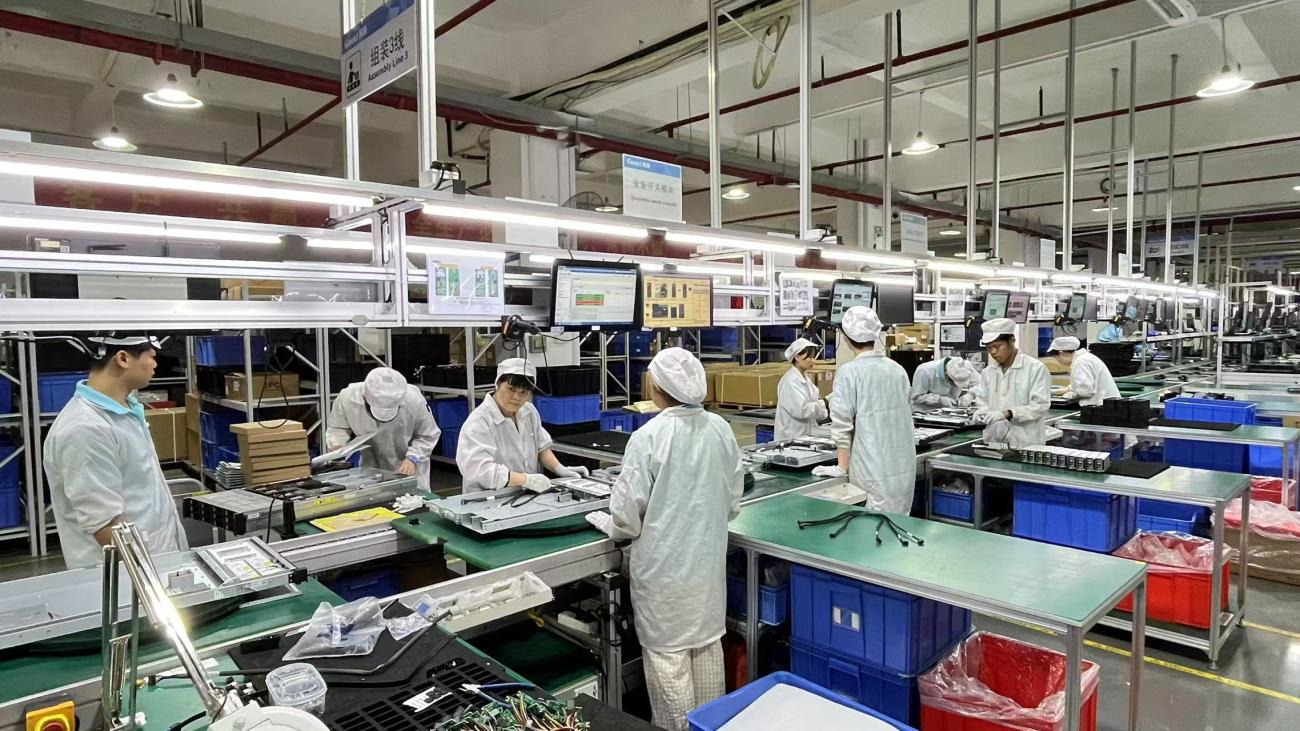
Building high-performance AI computing equipment requires structured quality control and a responsive supply chain. Sourcing servers from Shenzhen, the global hub of electronic hardware engineering, offers key strategic advantages:
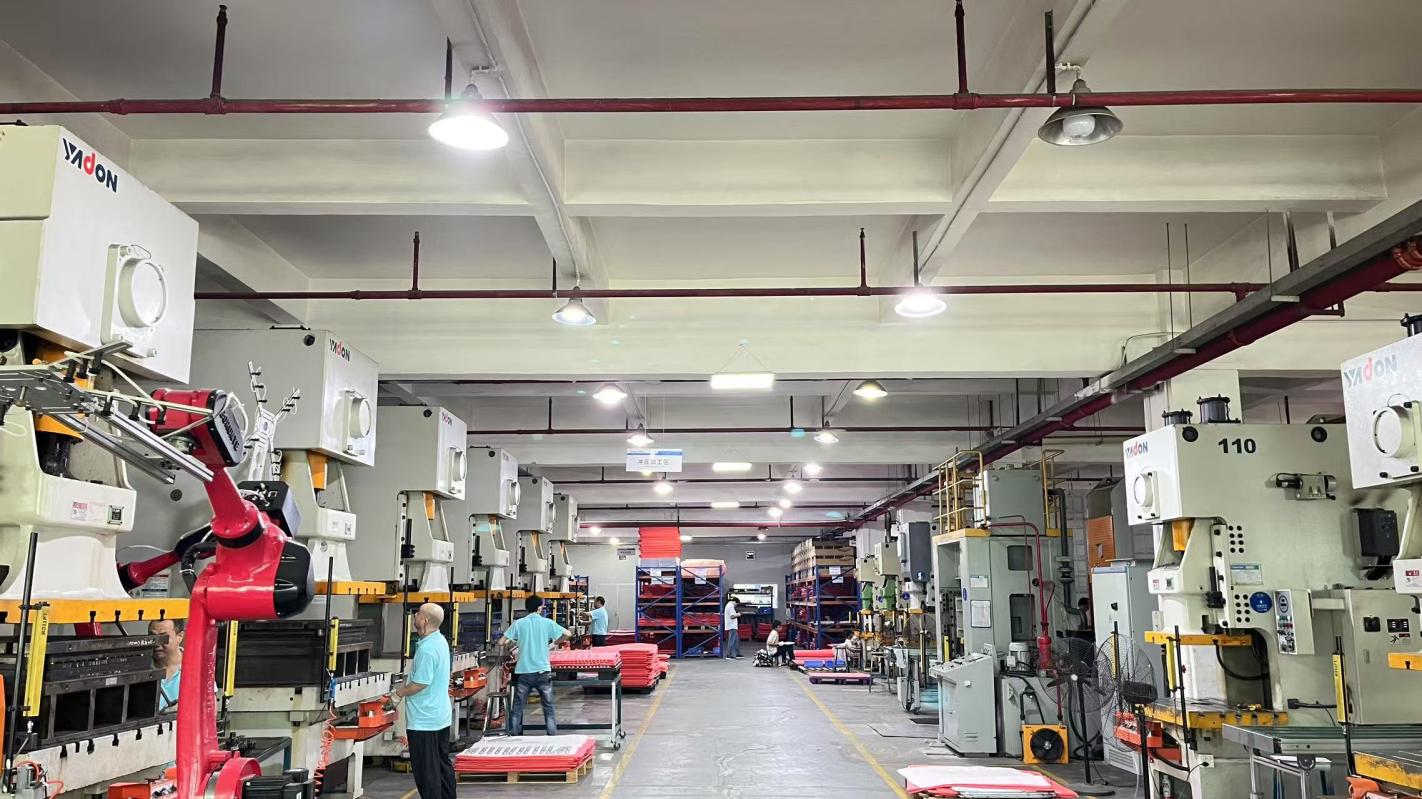
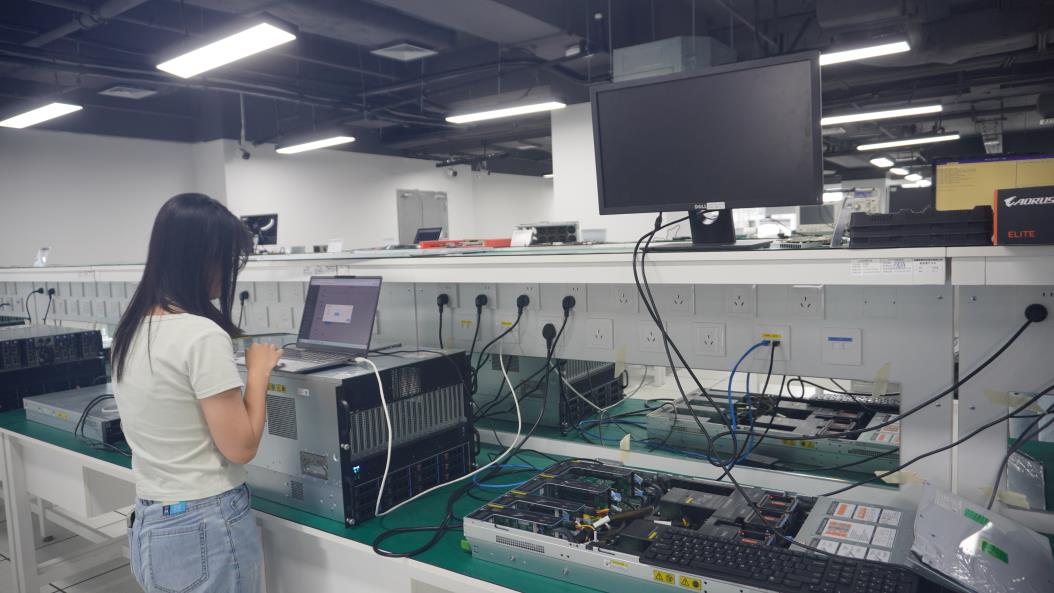
By using automated component assembly, modern testing systems, and real-time inventory management, modern factories can rapidly adjust production based on current global demand. Extensive stress testing, thermal chamber validation, and full load tests ensure that every AI system shipped can handle continuous computing workloads. This approach provides international buyers with reliable, industrial-grade hardware.
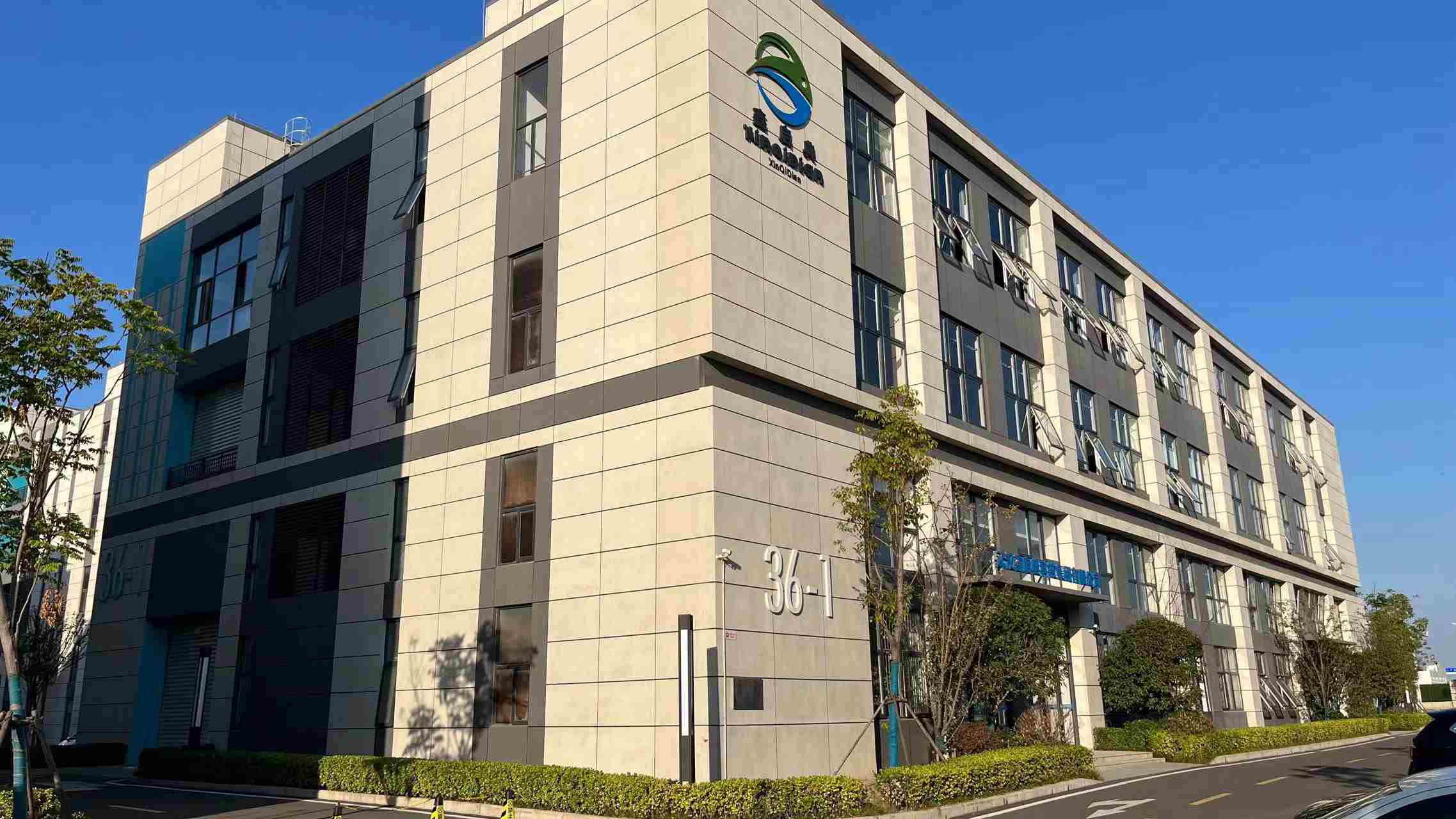
Veltron Computing Technology Co., Ltd. is a professional manufacturer and global supplier of GPU servers, AI computing systems, and high-performance server solutions. Established in 2016, Veltron is dedicated to delivering reliable, scalable, and innovative computing infrastructure for AI training, machine learning, cloud computing, data centers, scientific research, and enterprise applications worldwide. Located in Shenzhen, China, Veltron operates a modern manufacturing facility covering over 3,800 square meters, equipped with advanced assembly lines, testing laboratories, and quality control systems.
With years of expertise in the intelligent computing industry, we have built a strong reputation for delivering high-performance server solutions that meet the evolving demands of global customers. Our annual export revenue exceeds USD 18 million, serving customers across North America, Europe, Southeast Asia, the Middle East, and South America. Backed by 8 years of export experience and 14 years of industry expertise, Veltron has successfully supported hundreds of projects in AI infrastructure, cloud platforms, enterprise computing, and edge data centers.
Quality is at the core of everything we do. We implement a comprehensive quality management system with 56 professional quality control personnel overseeing every stage of production. All products undergo strict reliability testing, performance validation, thermal testing, burn-in testing, and final inspection before shipment to ensure exceptional product stability and long-term performance.
Veltron maintains strategic partnerships with more than 1,200 supply chain partners, enabling efficient sourcing, stable production capacity, and rapid delivery for customers worldwide. Our primary customers include system integrators, cloud service providers, AI solution providers, data center operators, distributors, and enterprise IT infrastructure companies. Innovation drives our growth. Our dedicated R&D center consists of 168 experienced engineers specializing in server architecture, GPU integration, thermal management, intelligent computing platforms, and customized hardware solutions. With strong OEM and ODM capabilities, we offer flexible customization options including chassis design, hardware configuration, branding, firmware optimization, and application-specific solutions. Every year, Veltron launches more than 85 new products and solution upgrades to meet the rapidly changing requirements of the AI and high-performance computing industries.
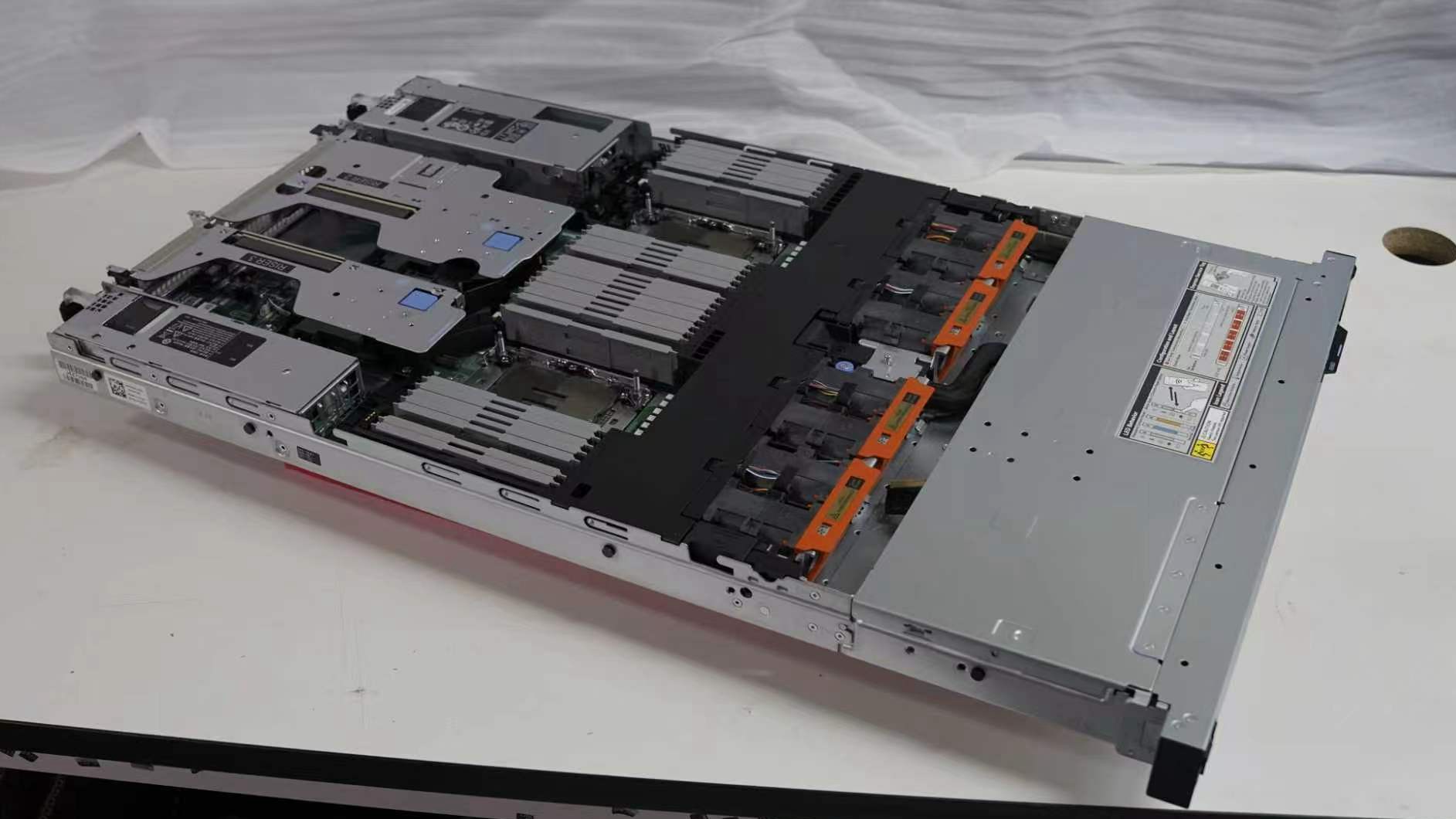

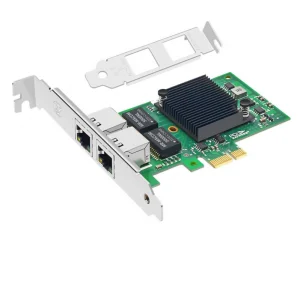
Explore additional systems and network adapters designed to build reliable, high-performance computing clusters.