Veltron
Veltron
Veltron
The massive computation shift powered by Generative AI, Large Language Models (LLMs) like DeepSeek, and real-time deep neural networks has transformed the global requirements for enterprise IT infrastructure. General-purpose CPU computing centers are facing architectural bottlenecks. Modern high-intensity machine learning applications demand highly integrated, bespoke hardware platforms that minimize latency and maximize FLOPS (Floating-Point Operations Per Second). As a leading OEM/ODM Machine Learning Hardware Manufacturer, we stand at the nexus of technology design and physical production, translating complex mathematical architectures into robust, physical bare-metal systems.
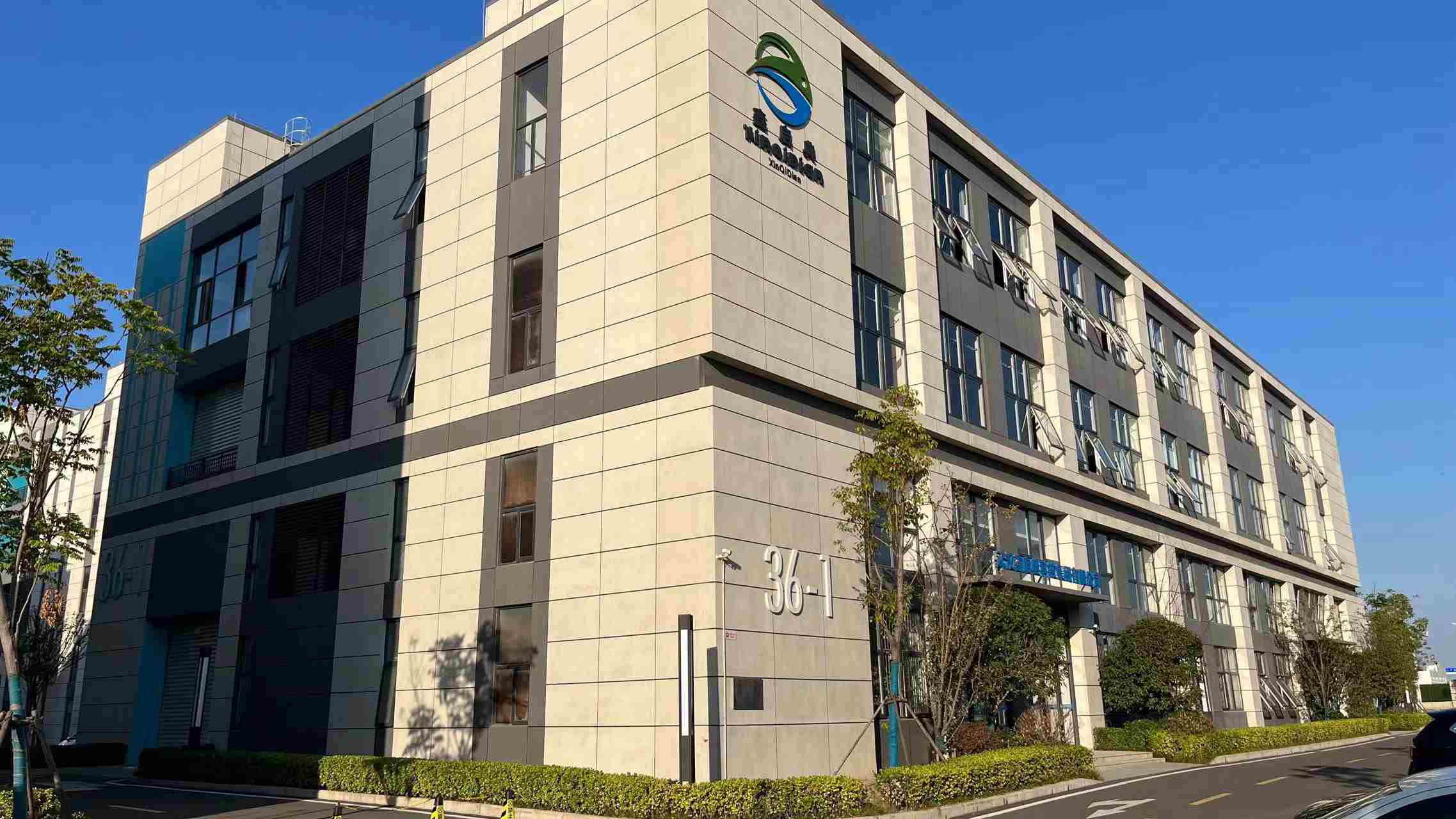
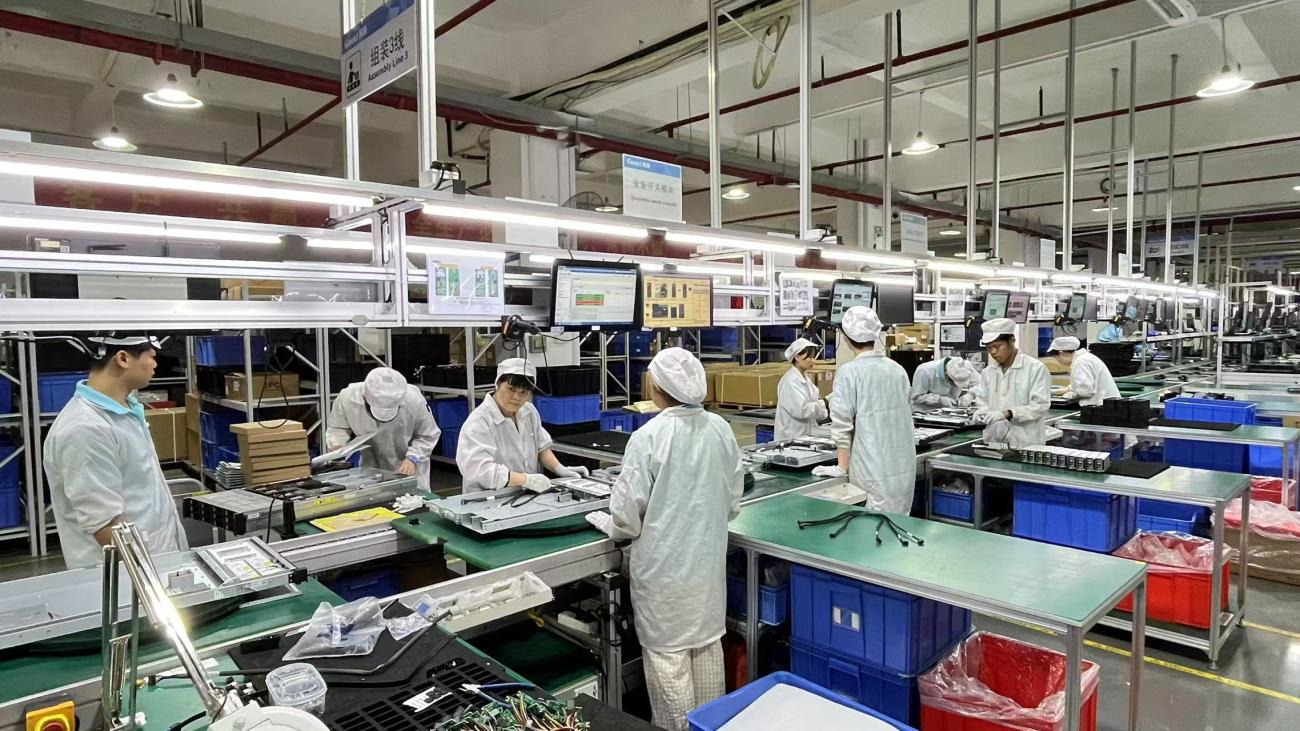
Through years of specialization, Veltron Computing Technology Co., Ltd. has pioneered high-density computing platforms, server virtualization, and hyperconverged infrastructure. Operating from Shenzhen, China, our advanced facility is equipped with dedicated automated assembly lines, climate-controlled testing laboratories, and precision burn-in chambers. Backed by 8 years of direct export experience, Veltron has supported hundreds of complex deployments spanning Europe, North America, Southeast Asia, South America, and the Middle East, establishing a resilient network of more than 1,200 supply chain partners to guarantee stable component allocation even during periods of semiconductor volatility.
Every machine learning workload is unique. While a natural language processing model might require high-throughput memory bandwidth (HBM3/DDR5 ECC), a computer vision system at the edge might depend heavily on low-latency inference accelerators and short-depth chassis profiles. Our R&D center launches over 85 new products and solution upgrades annually, tailoring hardware configurations to meet specialized application profiles.
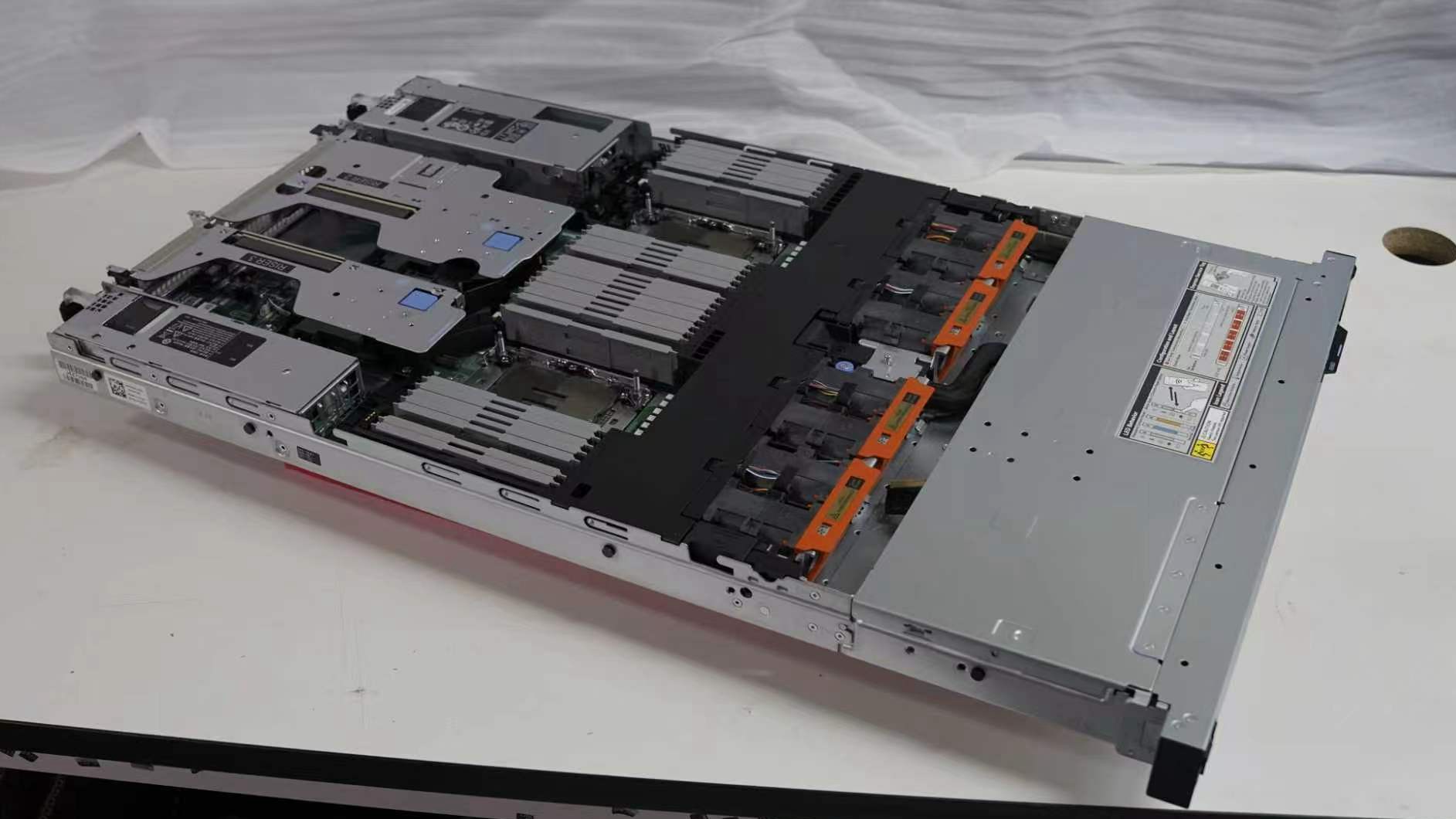
Our engineering teams specialize in modeling customized chassis form factors ranging from 1U to 8U compute racks. By optimizing airflow channels, fan arrays, and structural structural components, we ensure reliable cooling profiles for TDP capacities exceeding 700W per accelerator.
Custom PCB backplane architecture allows PCIe Gen 5.0 and OAM (OCP Accelerator Module) topologies to run with minimal signal loss. We route signal lanes precisely to maximize inter-GPU bandwidth, supporting NVLink mesh networks and AMD Infinity Fabric systems.
Our in-house firmware development team provides custom BIOS, out-of-band management platforms, and OEM branding options. This ensures unified hardware monitoring, enabling operators to manage deep thermal parameters and telemetry remotely.
The performance scaling curve of deep learning models relies heavily on execution performance across heterogeneous hardware. System performance is bound by three factors: computation throughput, memory bandwidth (the "Memory Wall"), and node interconnect latency.
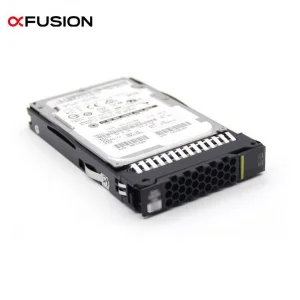
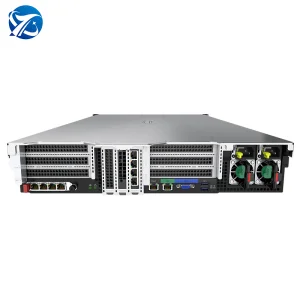
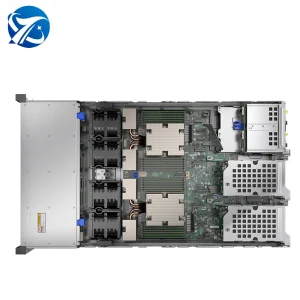
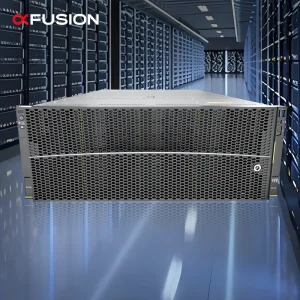
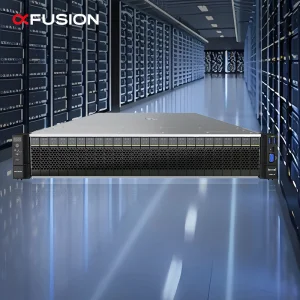
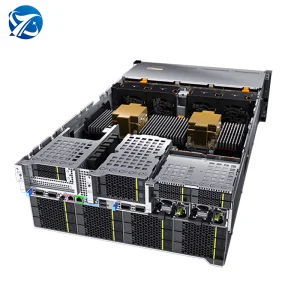
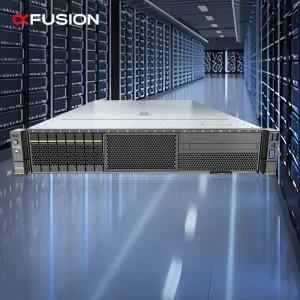
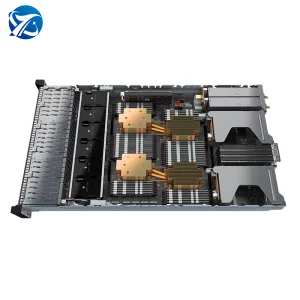
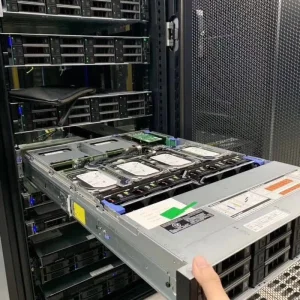
To address the demands of modern model architectures, our production facility manufactures multi-GPU enclosures capable of containing up to 8 or 10 double-width PCIe accelerator cards. Supported by dual AMD EPYC or Intel Xeon scalable processors, these systems optimize memory allocation by leveraging PCIe Gen 5 lanes. High-density server platforms like the FusionServer 5288 V6 utilize customized chassis architectures designed to maintain structural integrity under high heat stress, preventing micro-warping of internal motherboards during thermal cycling.
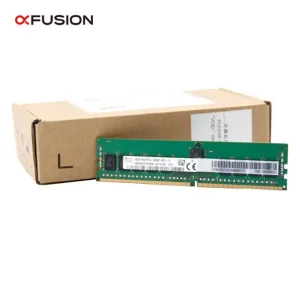
Modern machine learning models require high-speed data access. Integrating high-performance memory modules like DDR5 RDIMM 6400MHz ECC memory allows the system to achieve lower latency times and elevated data integrity levels. Compute Express Link (CXL) architectures are also incorporated to support memory expansion and memory pooling, allowing CPUs and GPUs to share resources dynamically, which helps prevent memory starvation and page faults during massive parallel matrix multiplication tasks.
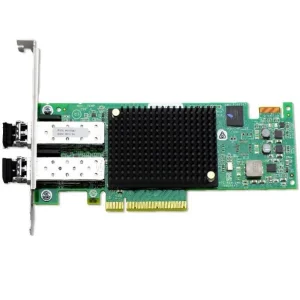
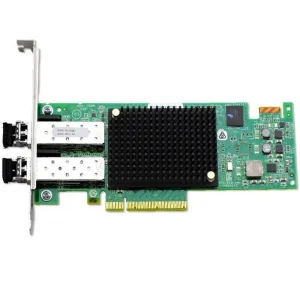
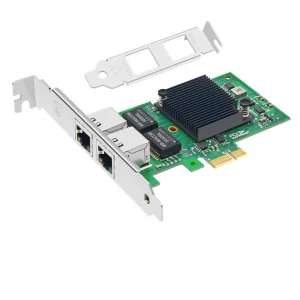
When scaling deep learning training across multiple racks, standard Gigabit Ethernet connections become major performance bottlenecks. We build custom network interface plates using advanced high-speed host bus adapters (HBAs), such as the Emulex LPe35002-M2 Dual Port 32GB FC32 HBA, to ensure high-throughput low-latency networking. Incorporating Fibre Channel and InfiniBand SFP28/SFP56 network cards allows for rapid data transfer rates and low network latencies, which helps prevent bottlenecking during collective communication steps like AllReduce.
International system integrators, hyper-scalers, and data center operators must navigate complex supply chains and localized compliance requirements. The OEM/ODM roadmap for high-performance servers goes beyond raw hardware assembly, requiring strict adherence to international regulatory frameworks, quality assurance systems, and supply chain security.
All hardware units rolling off our manufacturing line are built to comply with global regulatory requirements. Veltron guarantees certifications including CE, FCC, RoHS, and UL for all customized server systems. By maintaining ISO9001 and ISO14001 factory environments, we ensure that every chassis, PCB, and PSU complies with environmental and electrical safety parameters across Europe, North America, and beyond.
To support high-volume OEM/ODM projects, Veltron implements strict component sourcing and tracking systems. With more than 1,200 verified tier-1 supply chain partners, we ensure that critical active components (CPUs, GPUs, memory, SSDs) are authentic and sourced from authorized distributors. This level of tracking helps minimize component failure rates and prevents gray-market elements from entering our production flows.
As machine learning models migrate from regional data centers to distributed edge networks, hardware must balance high computation density with strict power efficiency. The transition from legacy air-cooled facilities to direct-to-chip liquid cooling systems represents the next evolutionary step in AI server design.
Integrating custom water blocks, CDU (Cooling Distribution Unit) manifolds, and quick-disconnect couplings directly inside our 2U and 4U chassis profiles. This setup enables effective dissipation of thermal loads from next-gen GPGPUs, reducing cooling power consumption in high-density data centers.
Designing short-depth, dust-resistant, and high-vibration tolerance computing enclosures to support AI inference at the network edge. These servers are built for deployment in factory environments, cellular towers, and regional transit hubs.
Developing customized BMC (Baseboard Management Controller) firmware with hardware-level security, secure boot verification, and real-time firmware scanning to protect distributed AI networks from hardware-level security threats.
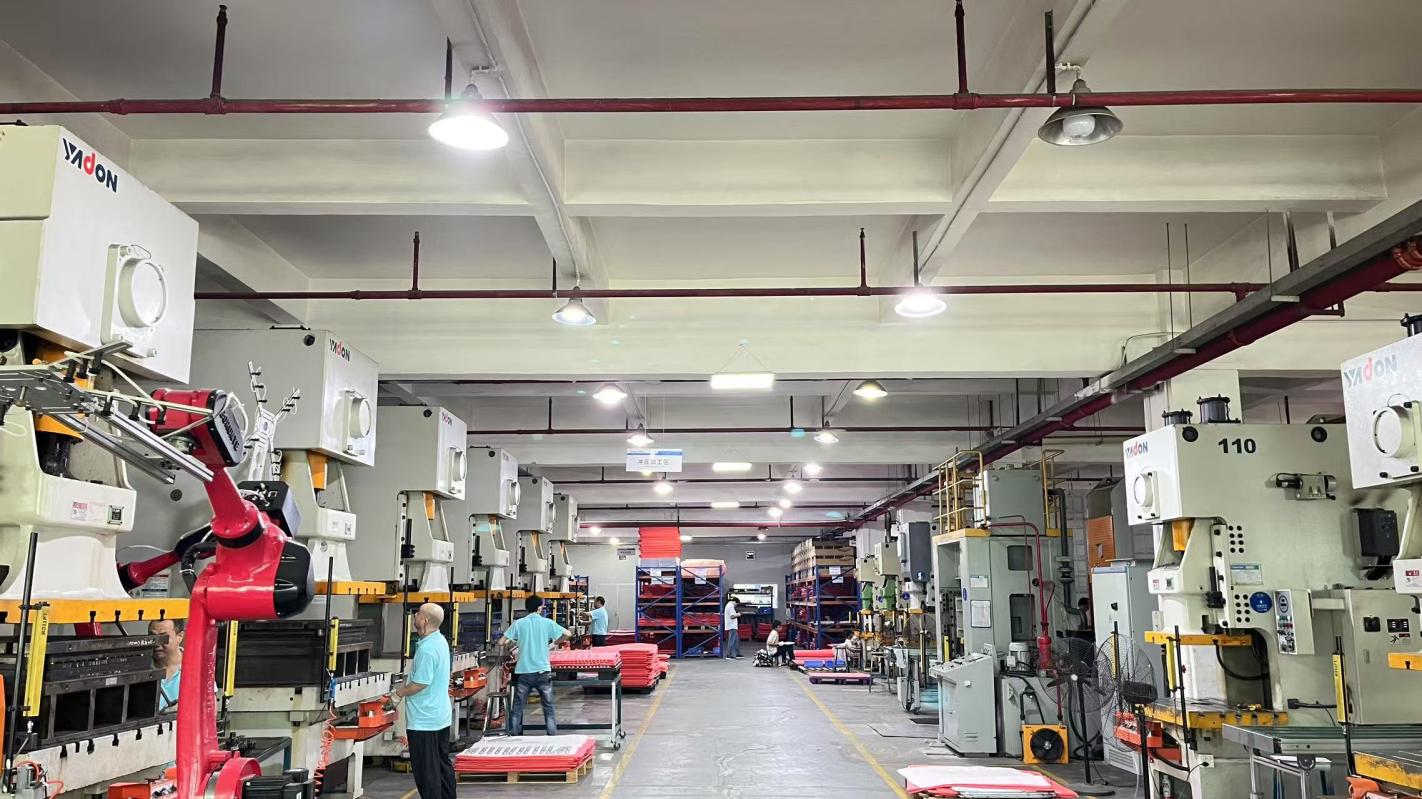
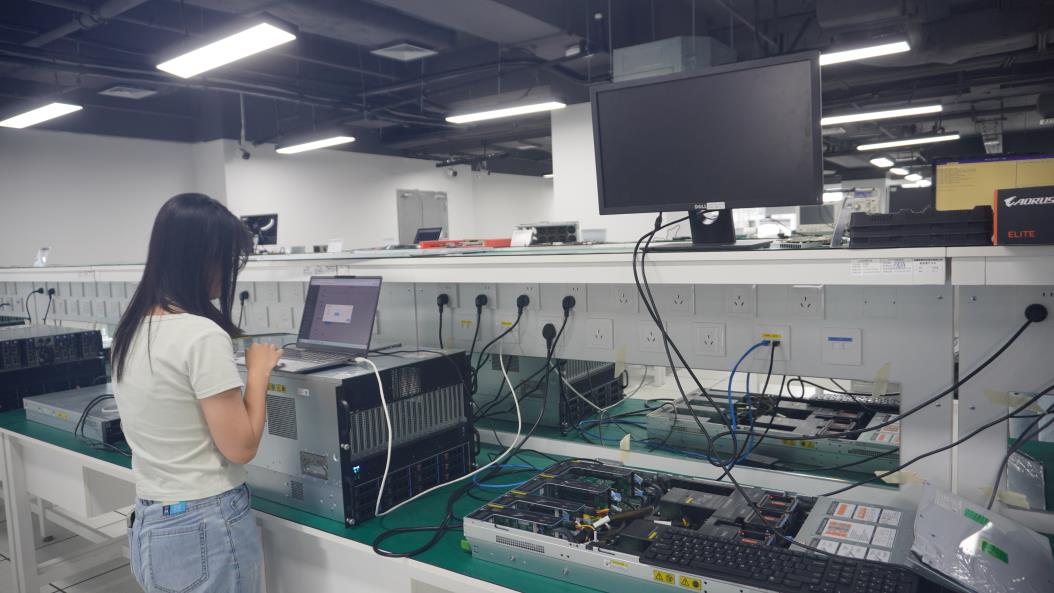
Our 3,800-square-meter facility in Shenzhen features advanced assembly lines, testing bays, and precision burn-in chambers. To ensure system reliability and thermal stability, every system undergoes 24 to 72 hours of continuous workload testing before packaging and delivery.

Below are technical insights and answers to common queries received by our global R&D team regarding OEM/ODM design, component selection, and deployment configurations.