Veltron
Veltron
Veltron
Explore our enterprise-grade GPU servers, hardware accelerators, and storage controllers configured with customized low-level BIOS/UEFI and BMC systems.
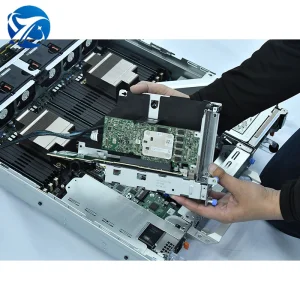
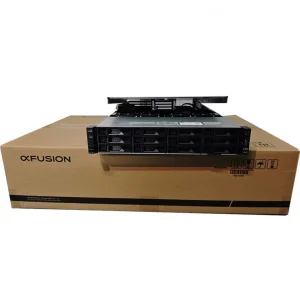
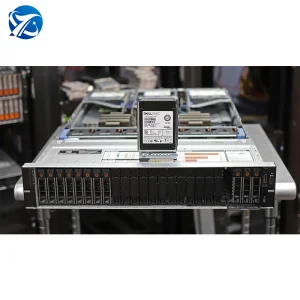
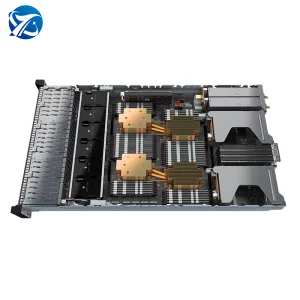
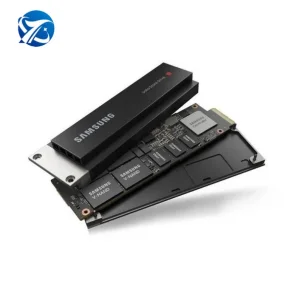
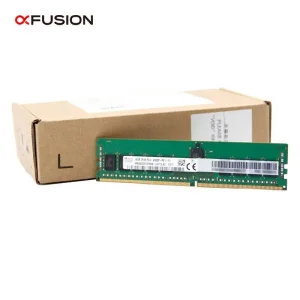
As deep learning models increase in parameters and high-performance computing (HPC) environments transition to dense GPU configurations (such as DeepSeek deployments and NVIDIA HGX/MGX designs), the baseline system firmware has become the critical determinant of system reliability, performance orchestration, and cybersecurity. Custom firmware is no longer merely a basic bootloader. It sits directly at the interface of software and silicon, serving as the Hardware Root of Trust (RoT) and orchestrating telemetry across complex multi-socket buses, PCIe switches, and accelerators.
At Veltron Computing Technology Co., Ltd., we understand that standard off-the-shelf BIOS and baseboard management controller (BMC) configurations often fail when exposed to dense, low-latency AI training operations. Thermal management, voltage profiles, power throttling behaviors, and out-of-band (OOB) monitoring APIs must be custom-tailored to prevent throttling and hardware degradation. This whitepaper analyzes the technical landscape of OEM/ODM firmware customization, highlighting architectural roadmaps, localization integration, and manufacturing resilience.
Providing industrial-scale GPU solutions and customized system firmware globally since 2016.
System architects must choose between proprietary, legacy firmware frameworks and modern open-source initiatives. As a professional firmware manufacturer, Veltron supports both traditional proprietary architectures (such as AMI Aptio V based UEFI) and modernized system firmware distributions like OpenBMC and Coreboot. The optimization pipeline is categorized into two distinct engineering tracks:
Modification of Advanced Configuration and Power Interface (ACPI) tables, custom System Management BIOS (SMBIOS) structures, custom Boot Order configurations, secure PCIe device binding, customized OEM logo injection, and microcode injection for specific multi-core Intel Xeon and AMD EPYC CPU architectures.
Development of custom Intelligent Platform Management Interface (IPMI 2.0) services, fully compliant Redfish API schemas, custom fan speed curve logic matched to specialized server chassis, sensor threshold tuning, and custom KVM over IP implementations.
Securing the boot path via Unified Extensible Firmware Interface Secure Boot, integrating Trusted Platform Modules (TPM 2.0), and implementing custom platform resiliency algorithms that align with NIST SP 800-193 standards to prevent out-of-band firmware injection attacks.
| Feature Category | Proprietary Enterprise BMC (e.g., AMI MegaRAC) | Modern OpenBMC Platform (Veltron Engineered) |
|---|---|---|
| Source Accessibility | Closed Source; vendor-locked updates and licensing fees. | Open Source; complete auditability of code, no vendor-lock. |
| Redfish Integration | Supported, but customizations often require vendor intervention. | Native, highly extensible via standard JSON schemas and D-Bus. |
| Security Patching | Subject to vendor release cycles, which can take weeks to months. | Rapid compilation and deployment of security patches by in-house teams. |
| Custom Hardware Monitoring | Limited to pre-defined sensor inputs and GPIO configurations. | Fully programmable GPIO, ADC, and fan control mapping via devicetree. |
For high-density computations and specialized workloads, customized firmware adapts dynamically based on localized deployment parameters:
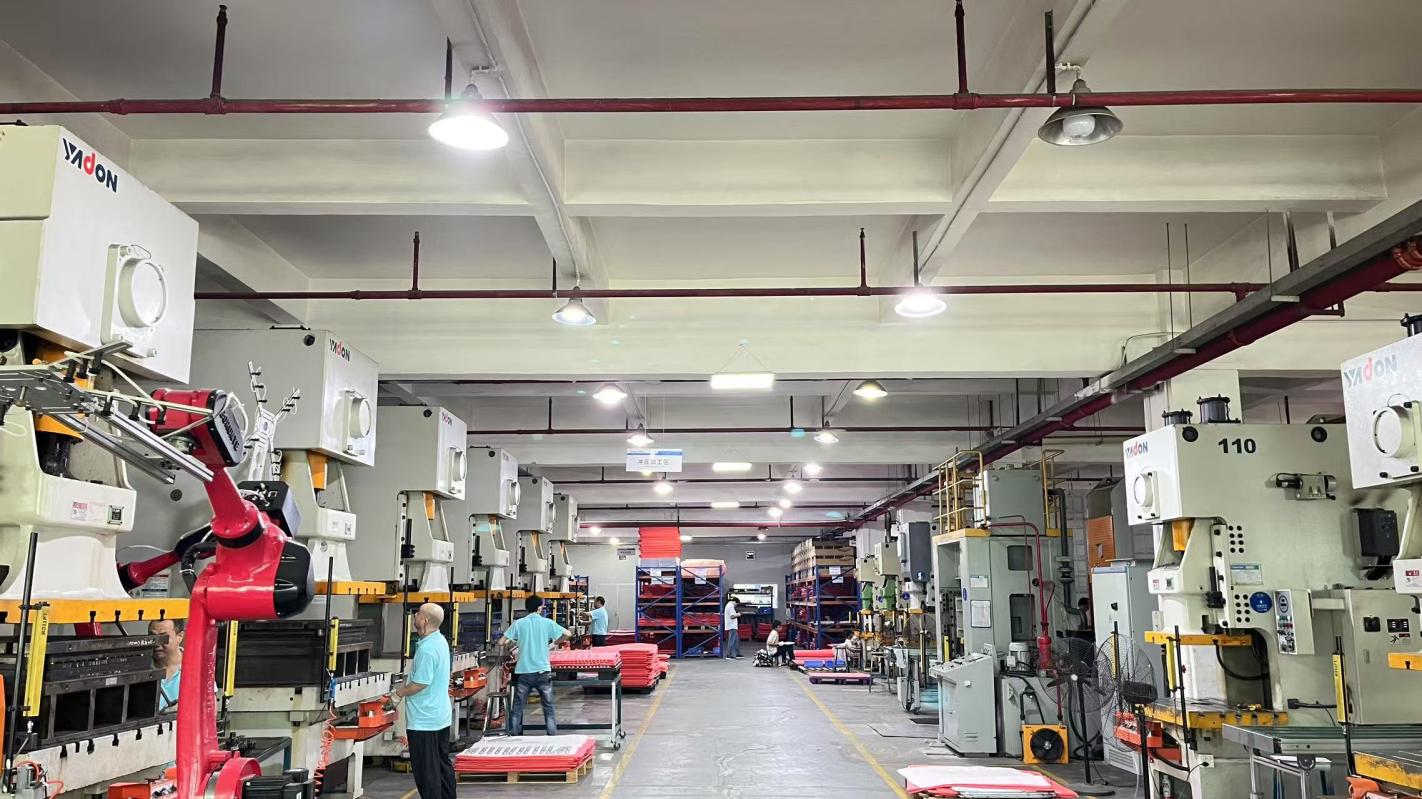
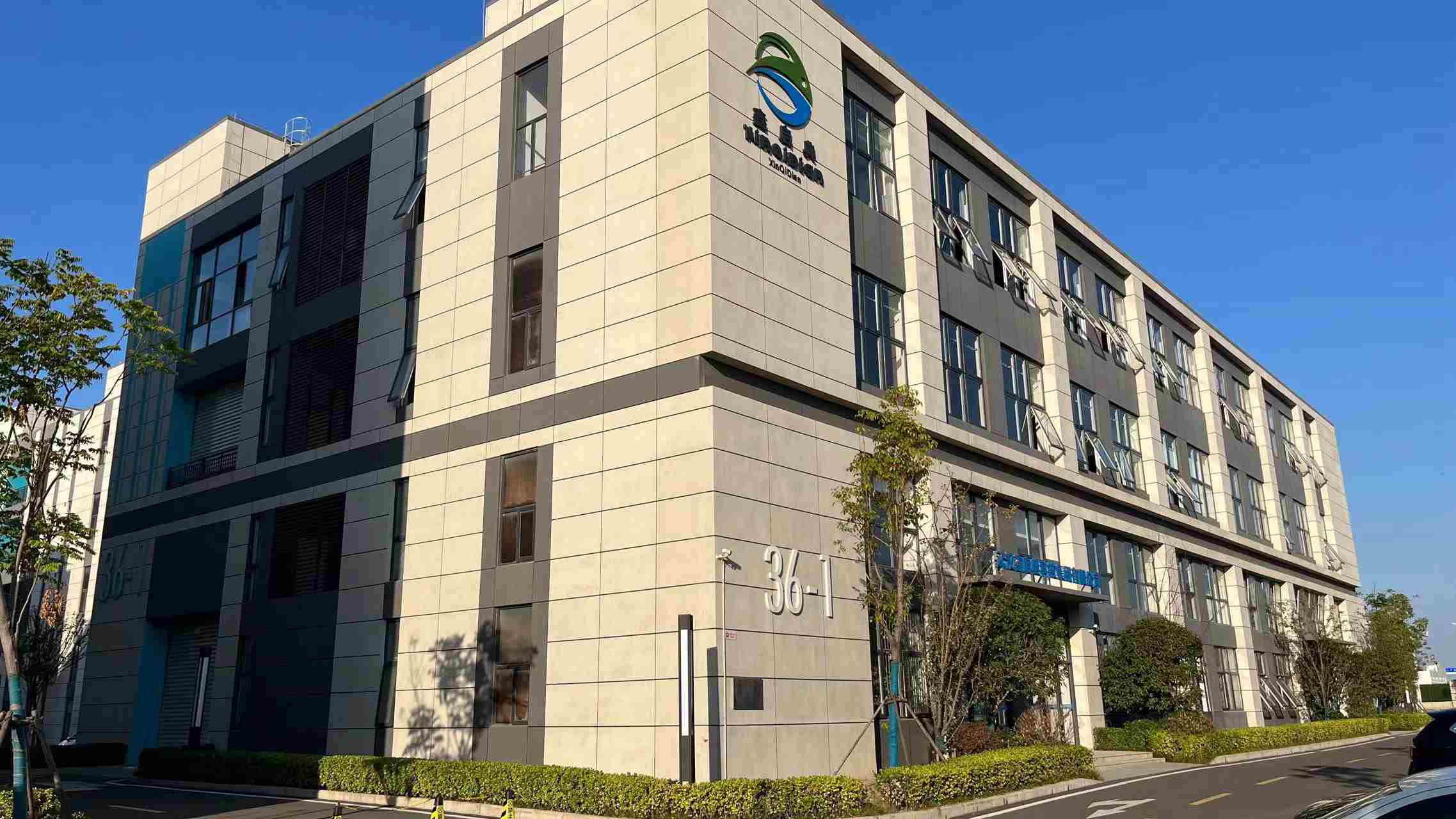
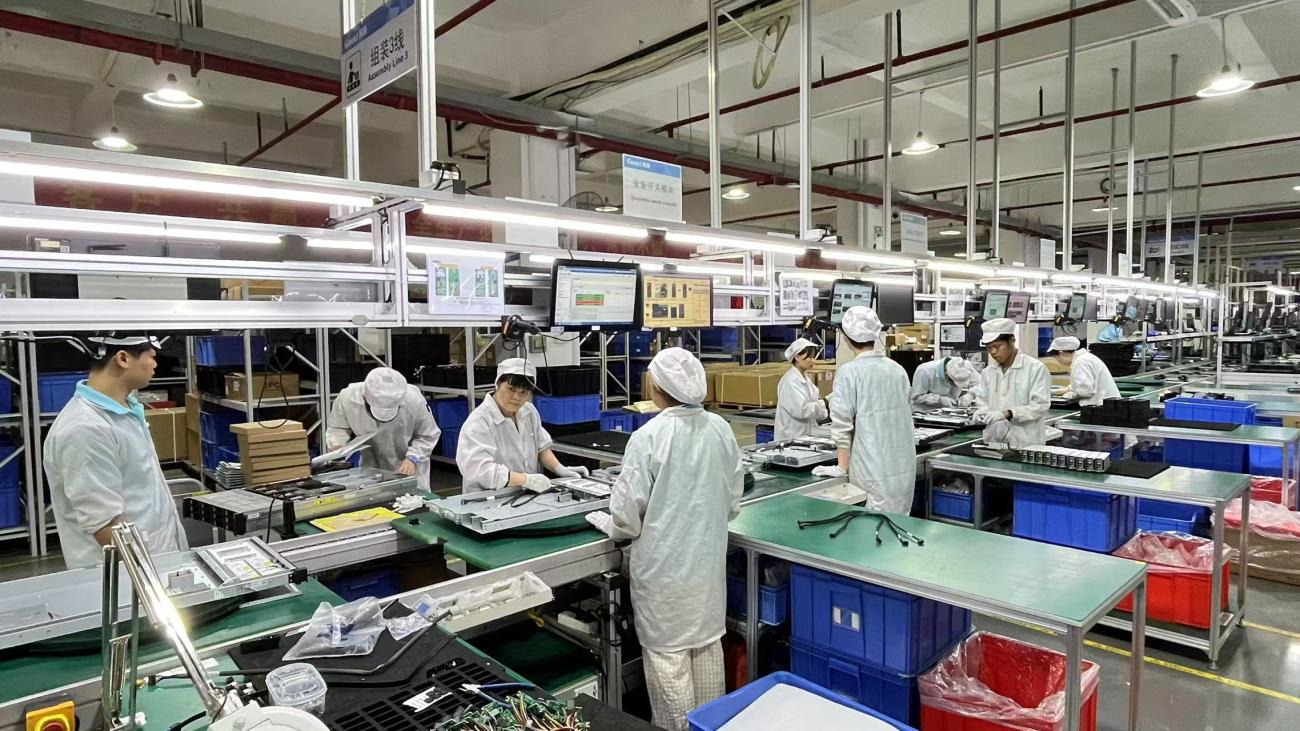
Located in the heart of Shenzhen, China’s primary hardware innovation hub, Veltron operates a state-of-the-art 3,800 square meter production facility. Our engineering team leverages a network of over 1,200 verified supply chain partners. This localization grants our engineers immediate access to raw components, PCB prototyping facilities, high-performance silicon, and thermal testing equipment.
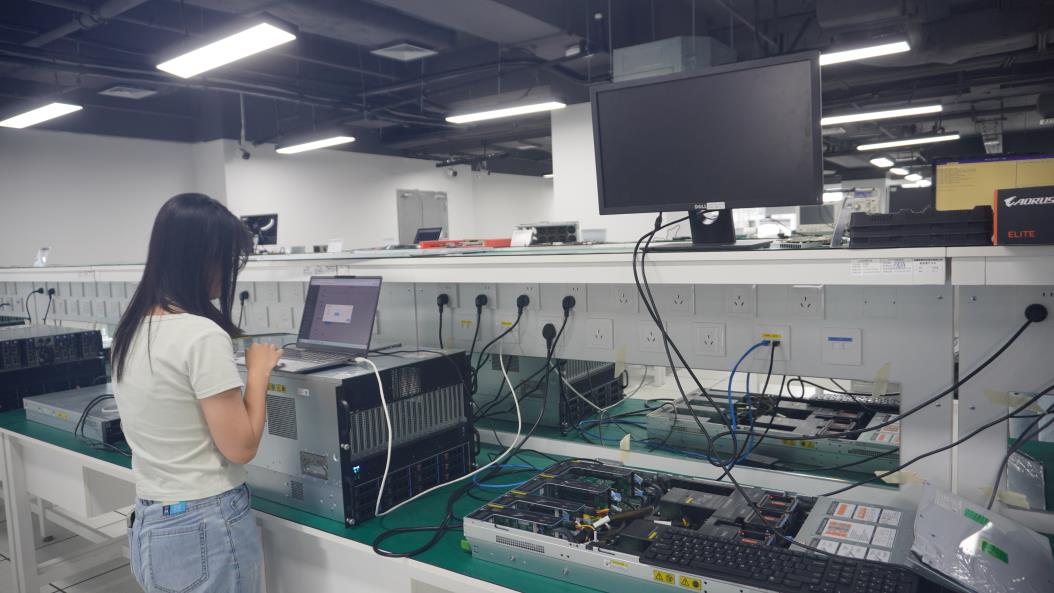
This proximity shortens prototype and hardware-firmware loop iterations. While external suppliers may require months for a customized bios modification, Veltron’s 168 R&D engineers can deliver firmware revisions and custom hardware configurations within days. Rigorous quality assurance is managed by 56 dedicated quality control personnel, who subject all servers to extensive thermal validation, component stress tests, and automated build verification.
Our assembly lines, R&D divisions, quality inspection zones, and validation laboratories operate under strict international standards.
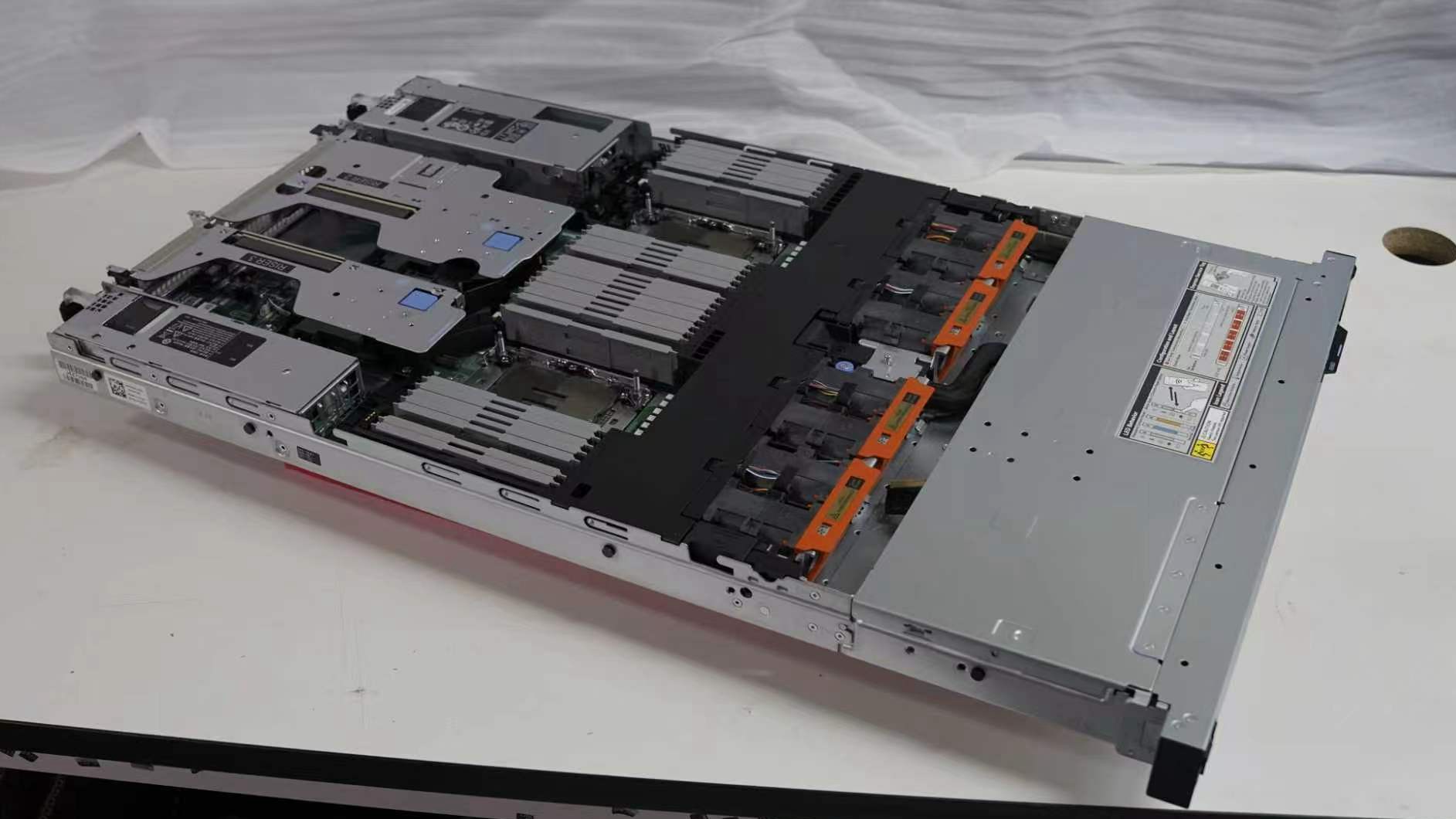

As standard x86 and ARM platforms continue to integrate more cores, firmware must adapt. The industry is moving away from legacy BIOS structures towards lightweight, secure, and containerized runtime environments. Key milestones on the Veltron ODM/OEM technical roadmap include:
Full transition to OpenBMC as the standard management framework, ensuring interoperability across diverse vendor ecosystems and fast integration of the Redfish management specification.
Embedding machine learning models directly into the BMC firmware to analyze hardware metrics in real time, predicting fan failure, SSD wear, and system voltage drops before they occur.
Continuous runtime firmware validation, ensuring that if a system is compromised after boot, the BMC can shut down the host CPU and alert security administrators.
Operating a global data center or corporate network requires adherence to strict cybersecurity standards. Our custom firmware solutions are built with security at the core:
Frequently asked questions regarding server firmware customization, compatibility, and lifecycle management.
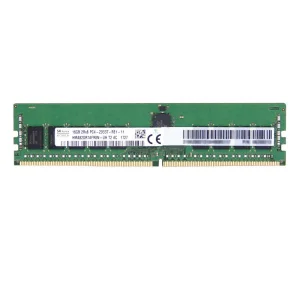
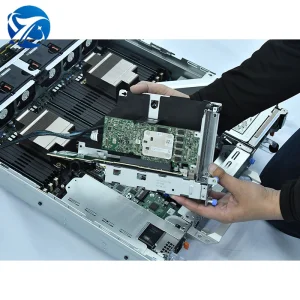
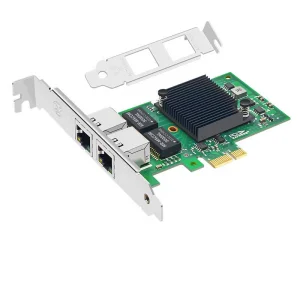
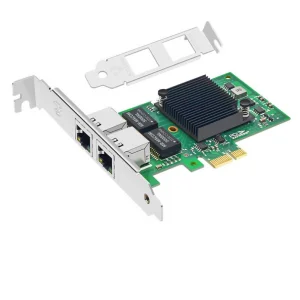
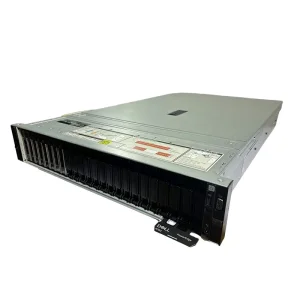
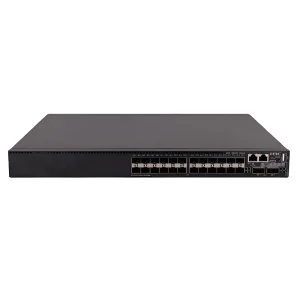
Browse our selection of enterprise memory options, high-density compute nodes, RAID interface systems, and all-optical network switches.