Veltron
Veltron
Veltron
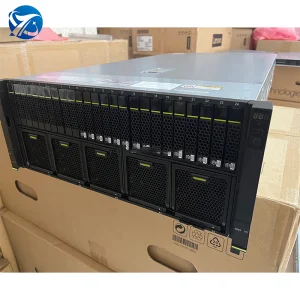
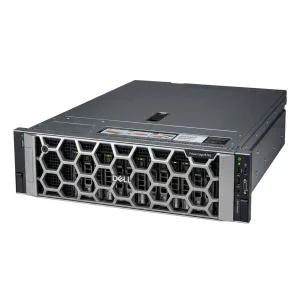
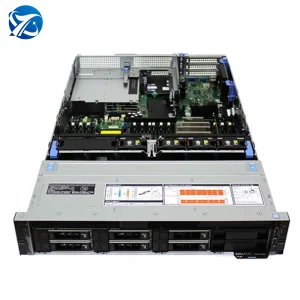
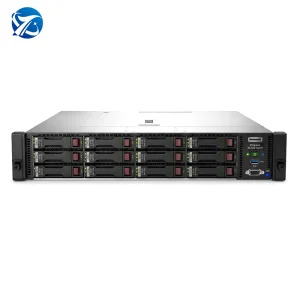
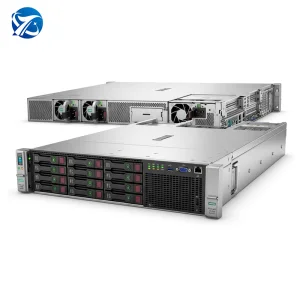
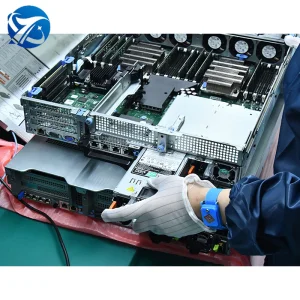
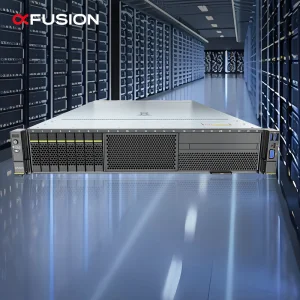
Founded in 2016 in the technological epicentre of Shenzhen, China, Veltron Computing Technology Co., Ltd. has established itself as an authoritative manufacturer and global exporter of high-density GPU servers, AI compute accelerators, and hybrid enterprise server infrastructures. Supported by over 14 years of compute hardware engineering expertise and 8 years of international compliance export experience, we design hardware architectures optimized to meet the most demanding workloads of deep learning, generative AI, cloud computing, and relational SQL database clusters.
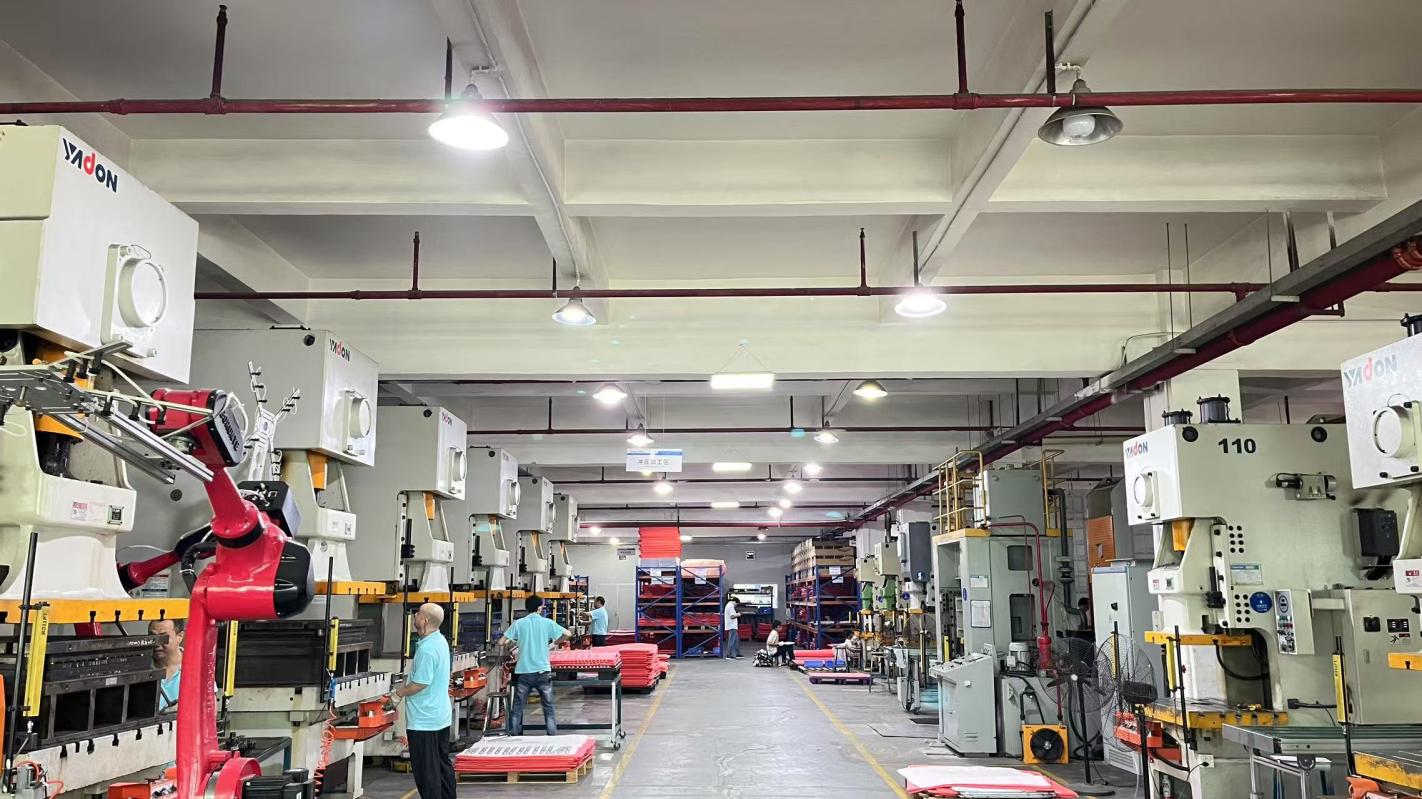
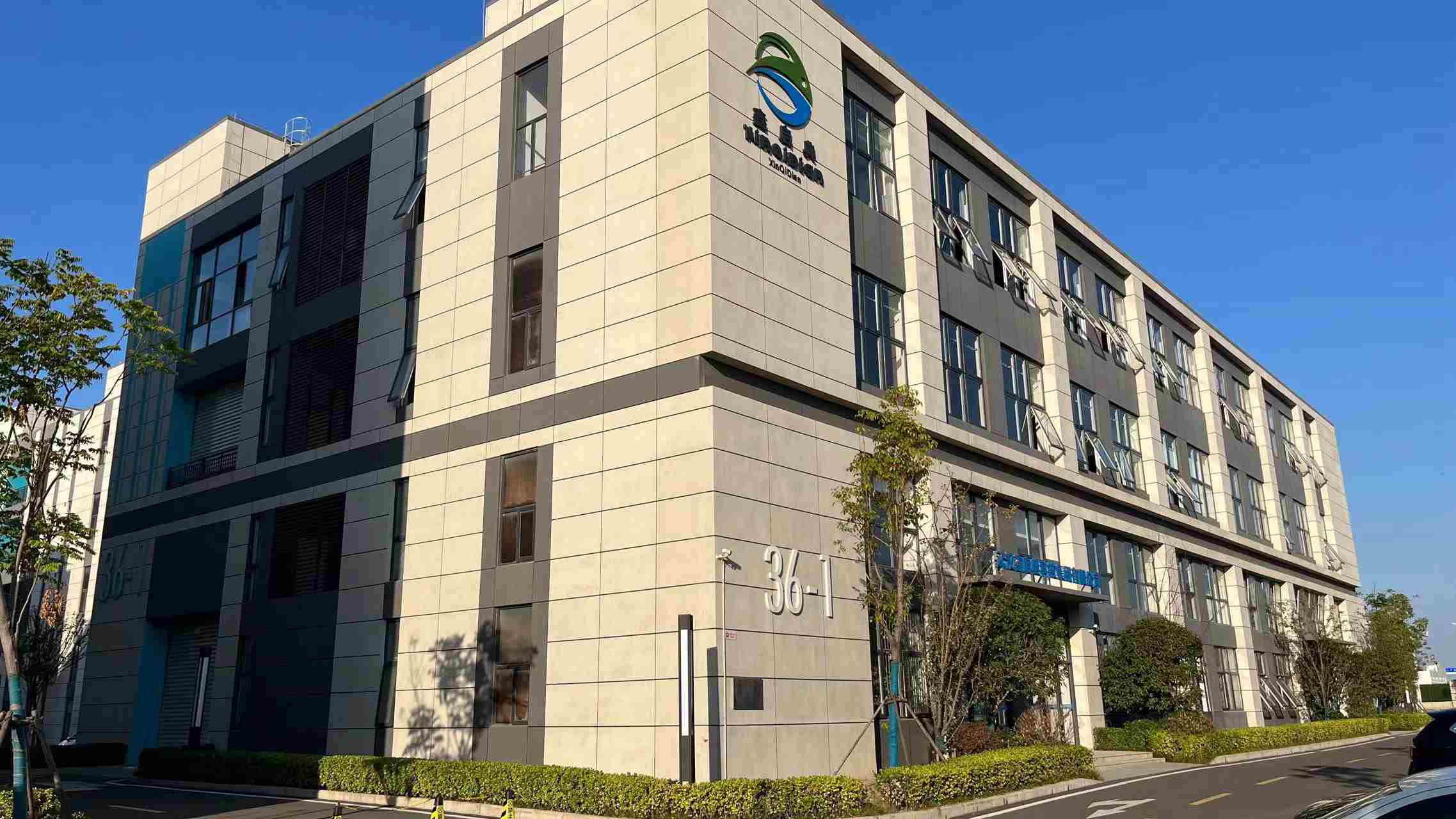
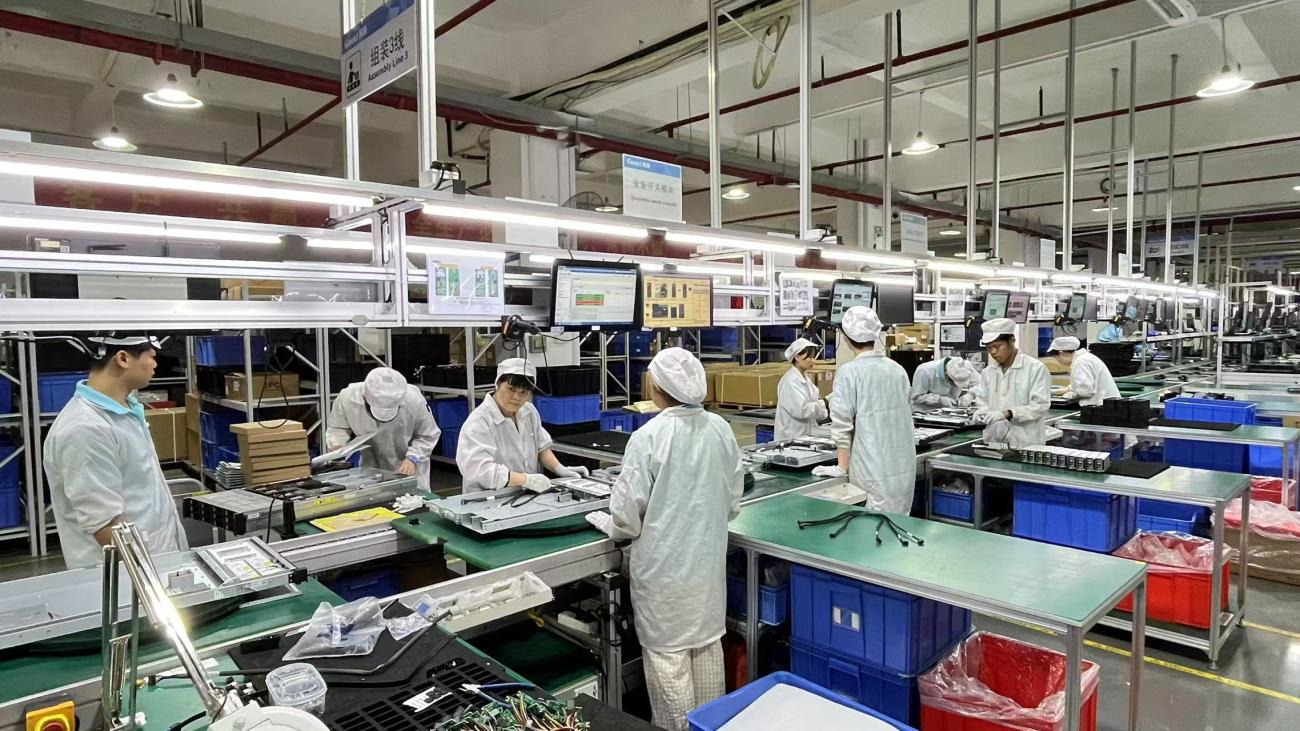
Operating from a modernized 3,800+ square meter assembly and testing facility, Veltron leverages an integrated supply chain network consisting of over 1,200 verified partners. This robust network ensures continuous components procurement, precise fabrication control, and quick delivery to our primary target demographics: global system integrators, public cloud operators, edge networks, and large enterprise IT centers across North America, Europe, South America, Southeast Asia, and the Middle East.
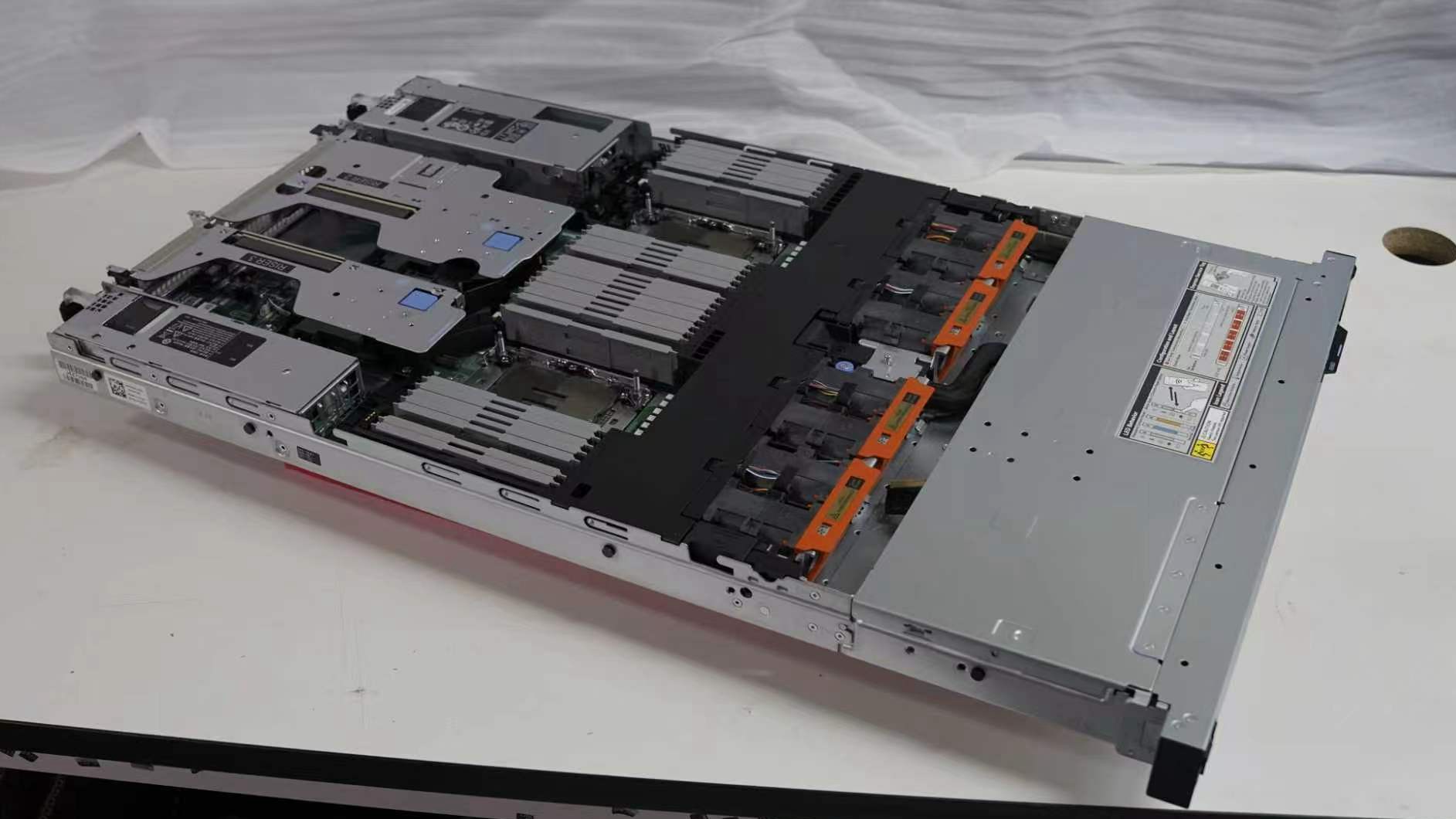
The rise of data-intensive deep learning models (such as DeepSeek, GPT-4, and LLama-3 architectures) has created a significant global demand for raw compute infrastructure. Domestic graphics manufacturer ecosystems, based in the design and production centers of southern China, have transitioned from traditional consumer-grade GPU board assembly to complex enterprise server integration.
Historically, global enterprise deployments relied on rigid hardware configurations from a limited group of Tier-1 OEMs. However, modern workloads require specific hardware adjustments—including custom BIOS instructions, specialized PCIe lane layouts for heterogeneous chips, and proprietary heat-sink designs. China's domestic supply chain enables cost-efficient design and production adjustments, allowing hardware vendors to manufacture enterprise systems that handle modern workloads at lower capital expenses (CAPEX).
As computational density increases, conventional air-cooled hardware platforms face limits in thermal performance and signal integrity. The tech roadmap for Veltron focuses on addressing these issues to support next-generation compute workloads:
Optimized for processing large-scale parameters, including DeepSeek models. Features high-bandwidth memory (HBM) layout, high PCIe lane availability for GPU direct memory access, and custom cooling systems to prevent thermal throttling during long training cycles.
Configured with Intel Xeon processors, large DDR4/DDR5 ECC RAM capacities, and high-performance Tri-Mode RAID controllers. Designed for data protection and reliable performance in processing intensive transaction workloads.
Supports flexible configurations for cloud virtualization platforms. Built for high computing density and efficient power management, allowing operators to run multiple instances per server node while minimizing hosting space requirements.
Designed for smart city systems and edge nodes. Features compact layouts, dust-resistant cases, and integrated Network Attached Storage (NAS) capabilities to handle real-time local processing and secure data backups.
Veltron's engineering teams manage custom development projects from concept to final production. By keeping design, electrical routing, board manufacturing, thermal analysis, and software integration within our facility, we reduce time-to-market cycles for new products.
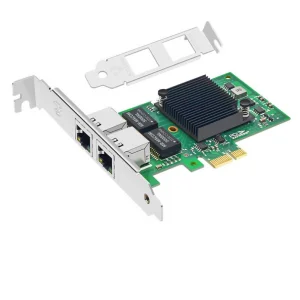
For specialized requirements, we develop tailored firmware and BIOS configurations to ensure system stability. Our engineering team modifies BMC (Baseboard Management Controller) configurations, implements security boot features, and designs custom mounting structures to fit client server rack layouts.
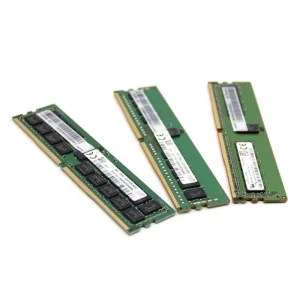
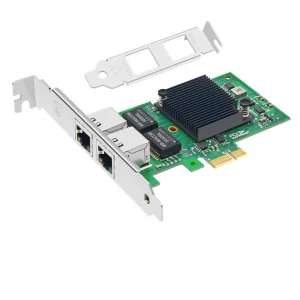
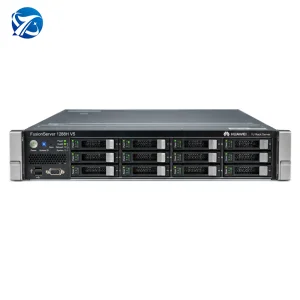
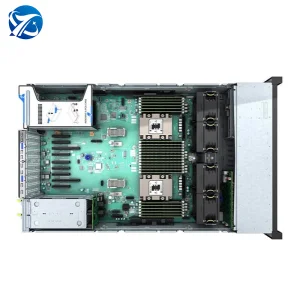
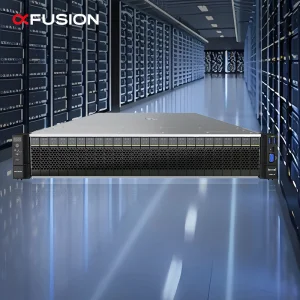
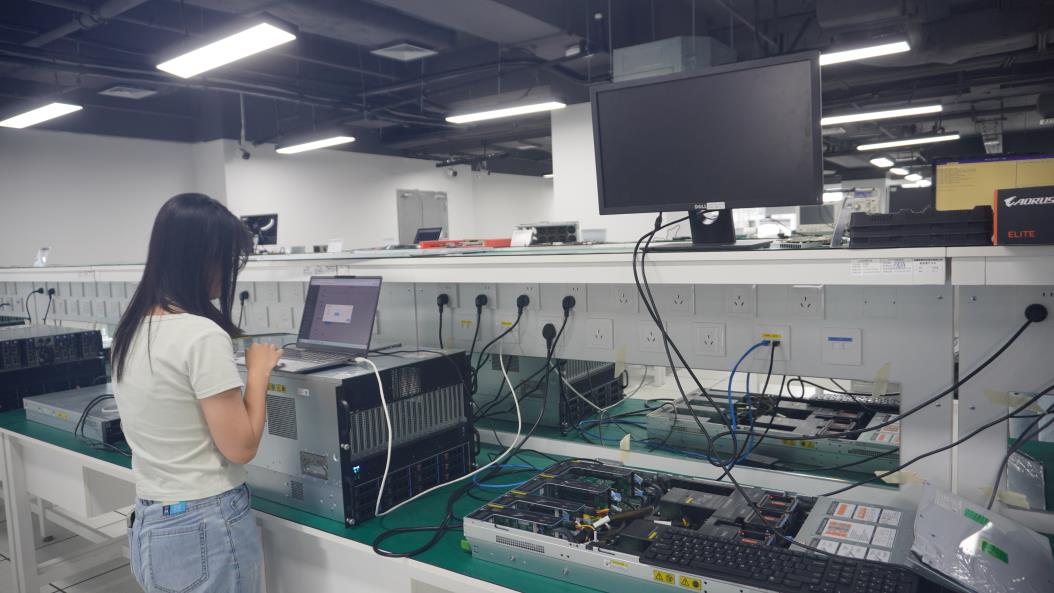
At Veltron Computing, quality control is integrated throughout our entire assembly line. Our dedicated 56-person QA team monitors all stages of production. Our verification process includes initial components validation, high-stress diagnostic checks, thermal cycling, and continuous burn-in testing under load. Every GPU server must pass full validation checks before final packaging and delivery.
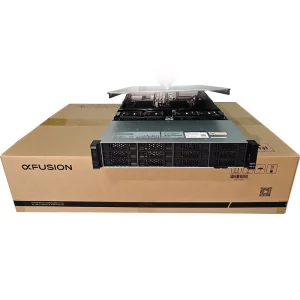
Our manufacturing hub in Shenzhen provides access to major global shipping networks. We coordinate with shipping partners to arrange road, air, and ocean transport, handling export compliance and customs requirements for prompt delivery.