Veltron
Veltron
Veltron
Integrating world-class hardware with optimized airflow design parameters for compute-intensive workloads.
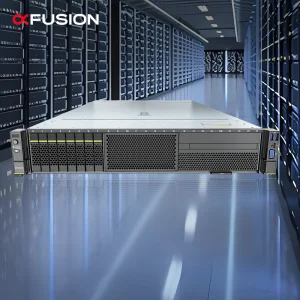
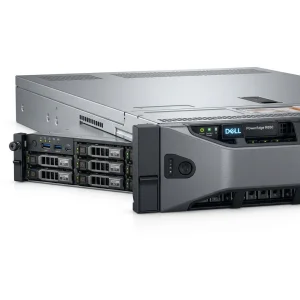
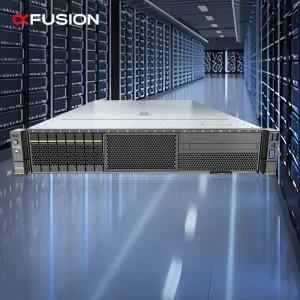
As deep learning models grow in scale and density, standard structural enclaves and basic generic chassis are no longer adequate. The global shift toward dense computing arrays necessitates server racks designed as cohesive thermo-mechanical ecosystems. Today’s GPU clusters generate heat densities that overwhelm traditional passive airflow frameworks. Designing a reliable chassis requires managing static structural loads, dynamic vibration mitigation, electromagnetic compatibility (EMC), and fluid dynamics for hybrid cooling environments.
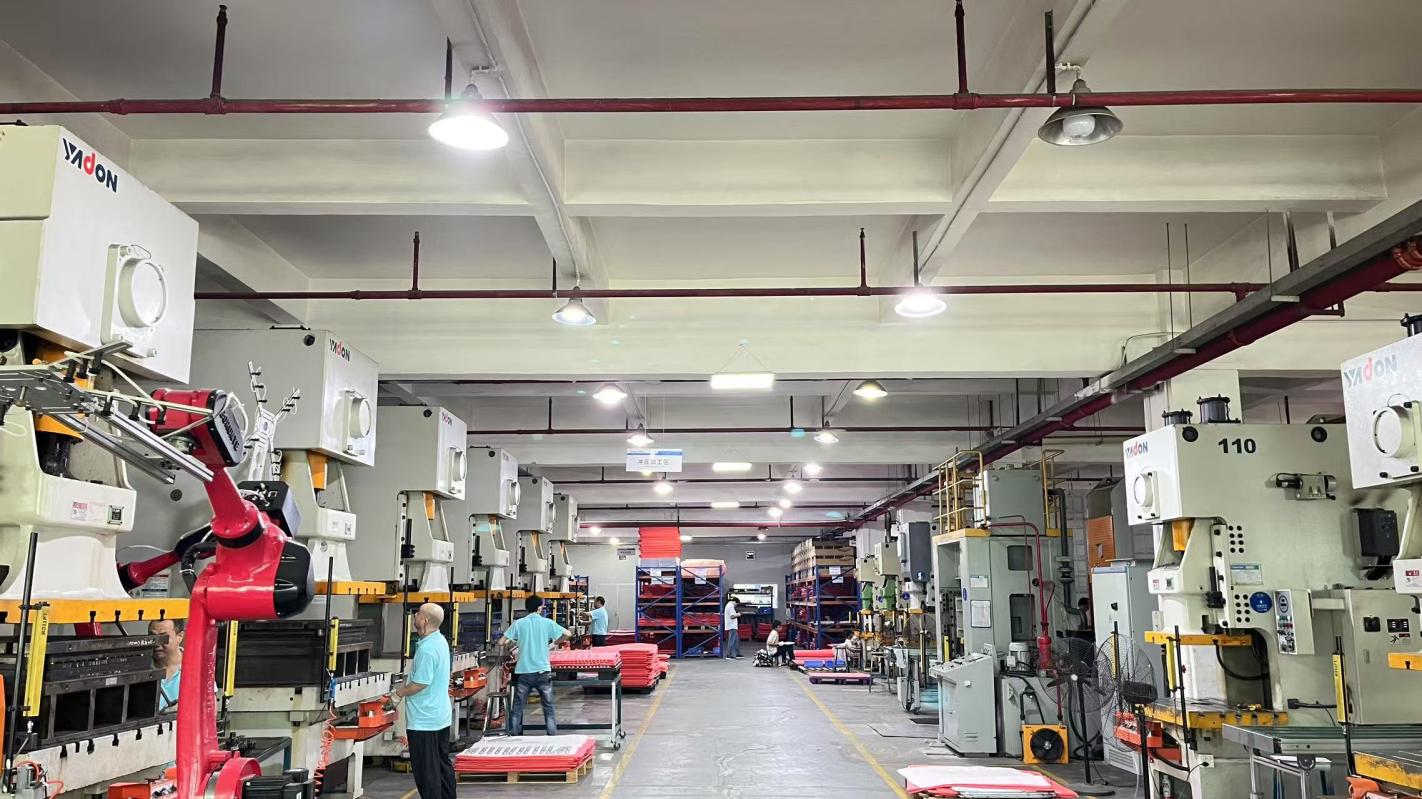
At Veltron Computing Technology Co., Ltd., we bridge the gap between high-performance computing hardware and physical deployment environments. Headquartered in Shenzhen, China, we operate a advanced 3,800 square meter ISO-certified factory that integrates metal stamping, high-precision CNC bending, automated robot welding, and custom powder-coating facilities. This integrated supply chain enables our team of 168 hardware engineers to design and deliver custom OEM server racks tailored for complex multi-GPU systems.
"The performance of an AI model depends not only on silicon efficiency, but on the structural and thermal environment of the rack cabinet. Proper design protects multi-GPU nodes from micro-vibration degradation, localized hot spots, and power delivery failures."
Modern compute nodes, such as deep-learning servers, require high structural capacity. Single chassis models loaded with multiple accelerators can easily exceed 45 kg, meaning a standard 42U rack can reach gross dynamic loads exceeding 1,200 kg. Our custom server racks use heavy-duty SPCC (Steel Plate Cold Rolled Commercial) with structural steel thicknesses up to 2.0mm at load points. This ensures minimal deflection and high torsional rigidity during shipment and seismic events.
| Rack Component | Material Specifications | Load Capacity (Static/Dynamic) | Airflow Perforation Ratio |
|---|---|---|---|
| Heavy-Duty Enterprise Rack | 1.5mm - 2.0mm SPCC Steel | 1500 kg / 1200 kg | 83% Hexagonal Mesh |
| GPU Cluster Enclosure | 2.0mm High-Tensile Steel | 2000 kg / 1500 kg | 85% Dual-Path Mesh |
| Edge Compute Cabinet | 1.2mm - 1.5mm Cold Rolled Steel | 800 kg / 600 kg | Sealed with Heat Exchanger |
| Modular Network Rack | 1.5mm SPCC Steel | 1000 kg / 800 kg | 75% Perforation |
Veltron's location in Shenzhen provides access to a comprehensive industrial supply chain. Leveraging partnerships with over 1,200 suppliers, we manage raw material acquisition, precise hardware positioning, thermal validation, and logistics. This proximity allows us to design, prototype, and manufacture custom structural enclosures in fraction of the time required by Western fabricators. Our engineers launch over 85 new product configurations and upgrades annually, keeping pace with changes in GPU layouts, liquid-cooling manifolds, and power distribution systems.
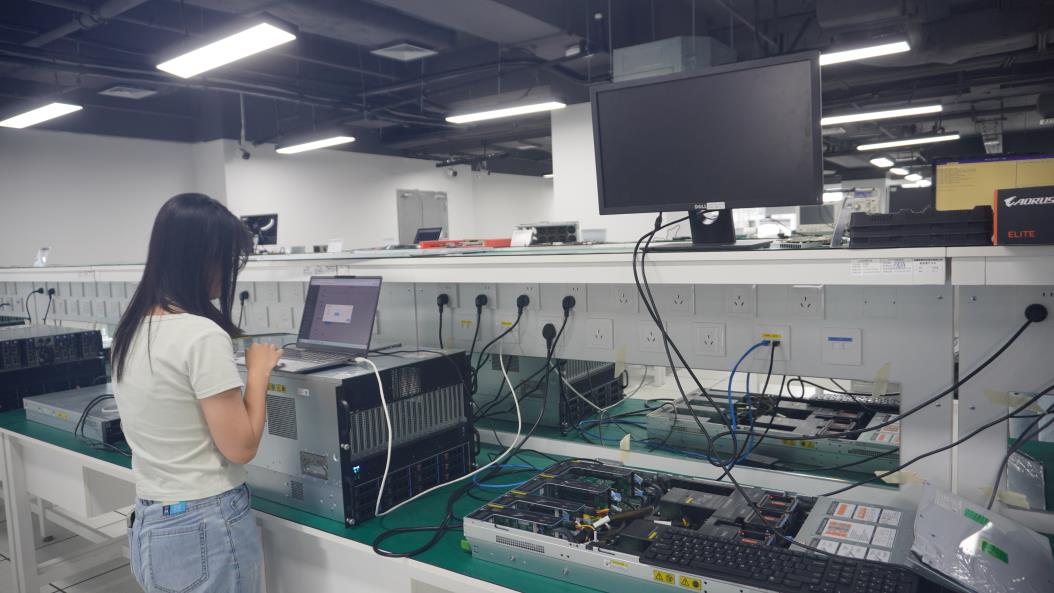
Quality assurance is integrated into every phase of production. We employ 56 dedicated quality control personnel who verify tolerances using coordinate measuring machines (CMM) and perform structural load tests, salt spray corrosion tests, and grounding/continuity audits. All custom chassis undergo vibration sweeps to verify that structural resonant frequencies do not align with system cooling fans, helping prevent data corruption and hardware damage.
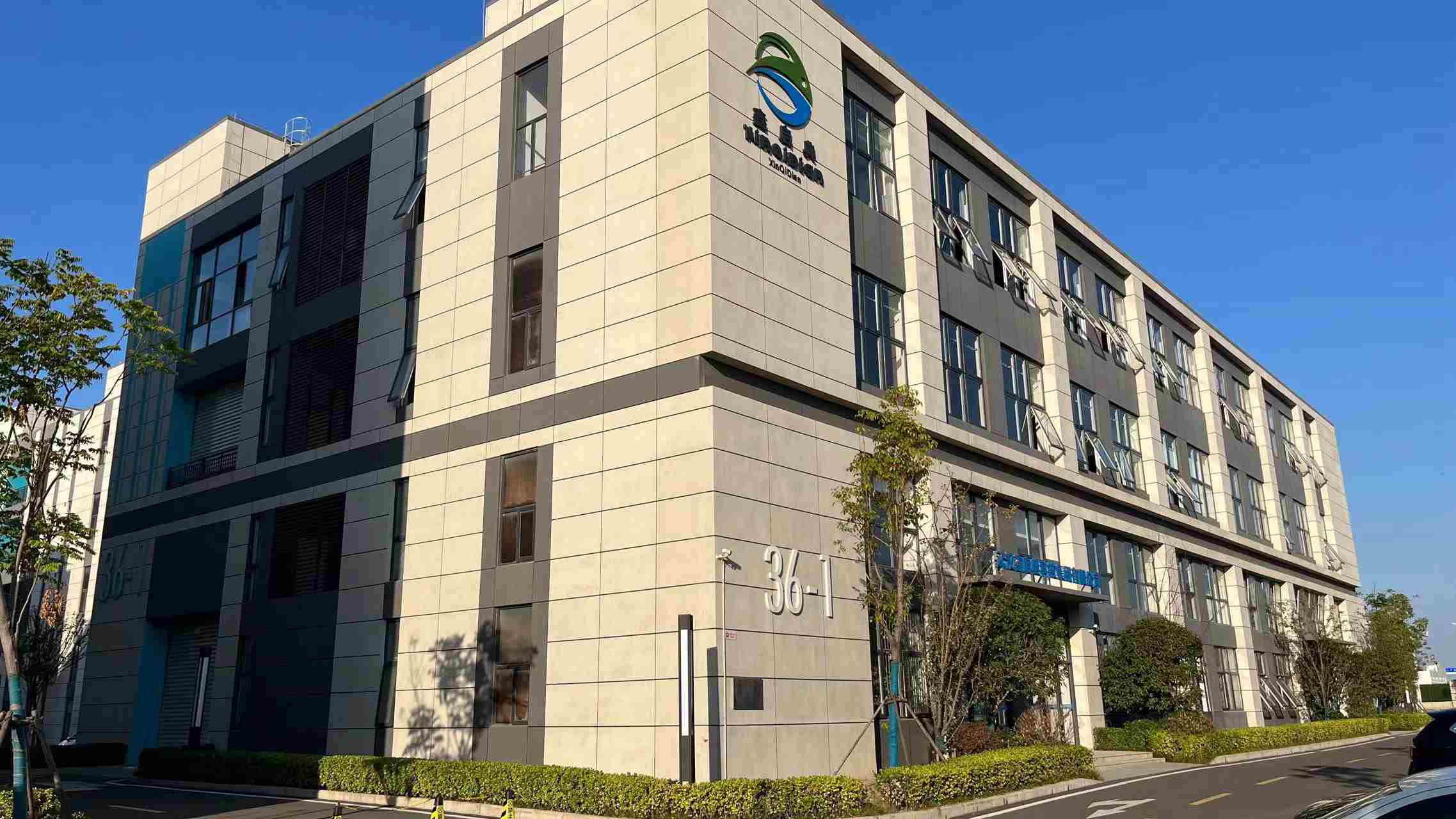
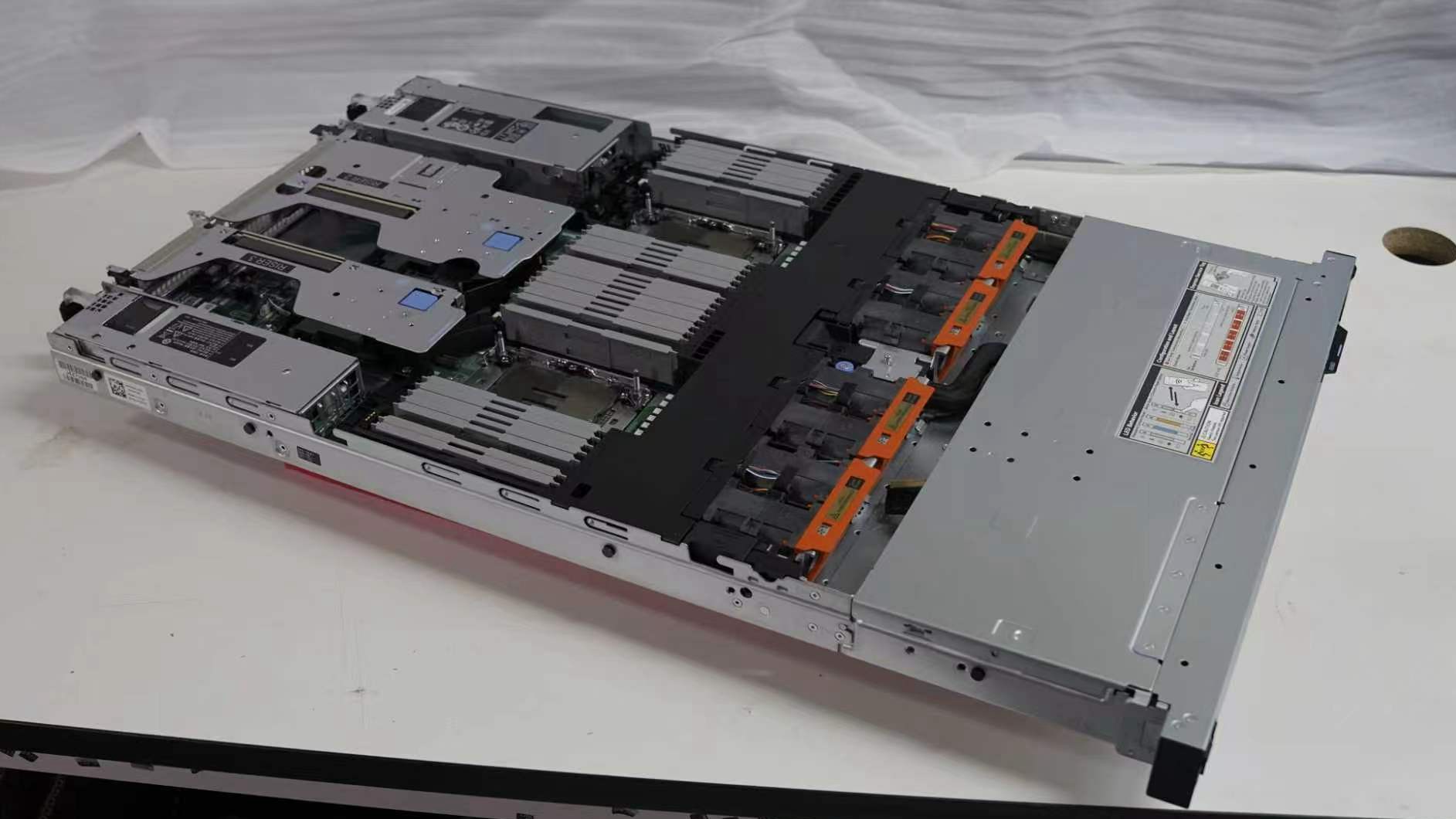
A closer look inside Veltron's manufacturing lines, engineering offices, and quality control test labs in Shenzhen.
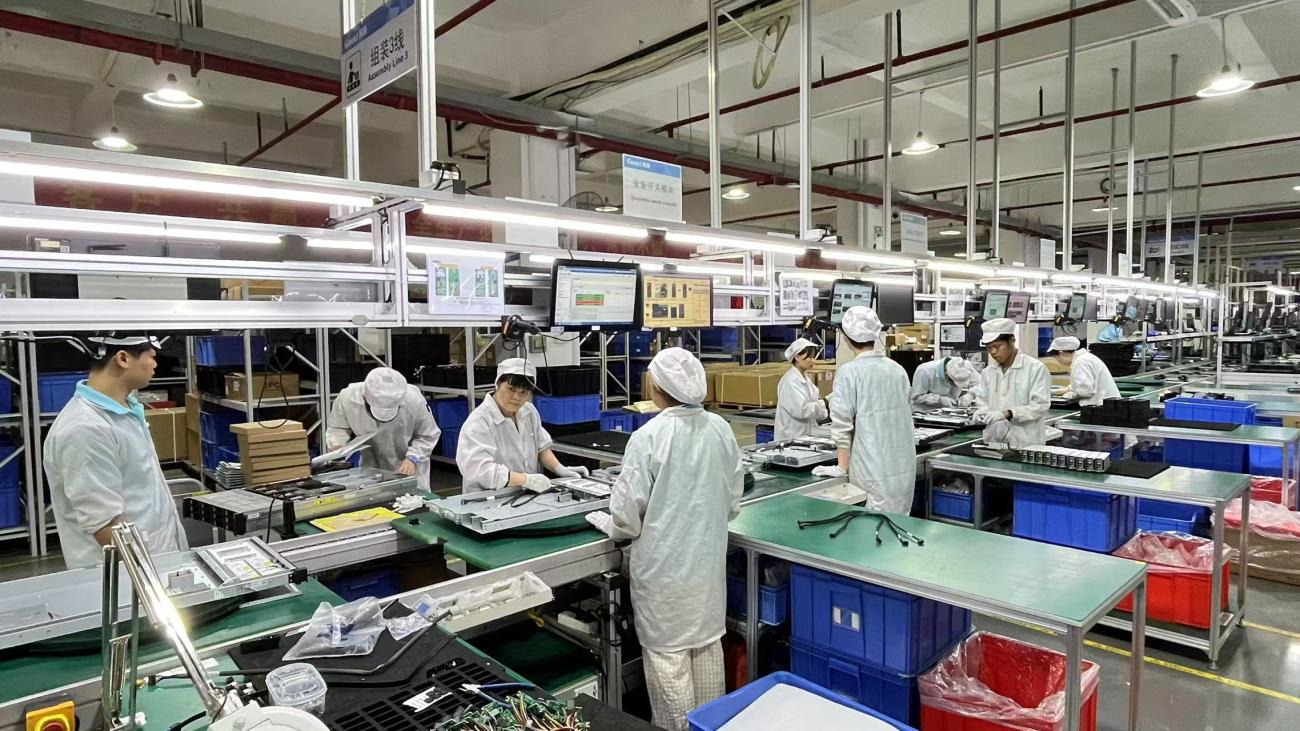

Exporting high-density server racks requires compliance with regional safety, structural, and electrical codes. At Veltron, we design products to meet local compliance standards in all primary target markets, including North America, Europe, Southeast Asia, South America, and the Middle East.
For European Union deployments, our products adhere to CE Mark standards and RoHS Directives, ensuring that all structural materials and cabling options are free of hazardous substances. In the North American market, our custom server racks are engineered to comply with UL 2416, which dictates rigorous standards for structural stability under heavy loads and grounding safety. In addition, we design custom configurations compliant with Telcordia GR-63-CORE Seismic Zone 4 standards. These configurations feature reinforced floor-anchoring and brace systems, ensuring stability for compute nodes in seismically active regions like the West Coast of the United States and Japan.
Full CE, FCC, RoHS, and ISO 9001 certifications. Built to conform with global standards including UL 2416 for data centers.
Custom dynamic mounting rails, specific color options, bespoke ventilation designs, and pre-integrated cooling connections.
Designed to withstand seismic stresses in earthquake-prone zones, using thicker steel alloys and reinforced joints.
Our client base spans several distinct industries, each with unique requirements:
Detailed technical answers addressing common inquiries from server rack purchasers and data center engineers.
Scale your data center operations with high-quality, verified components, storage solutions, and interface cards.