Veltron
Veltron
Veltron
Direct from leading Chinese wholesale manufacturers. Scalable solutions configured for high-performance computing, enterprise AI center virtualization, and cloud platforms.
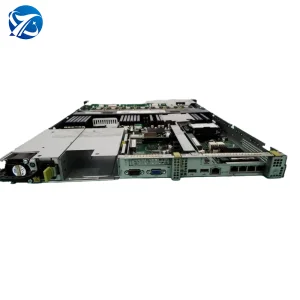
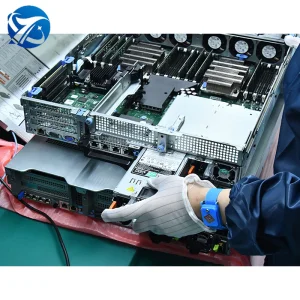
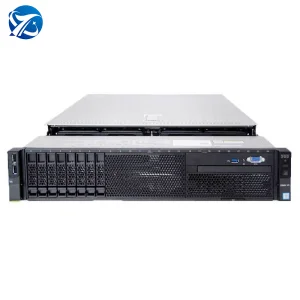
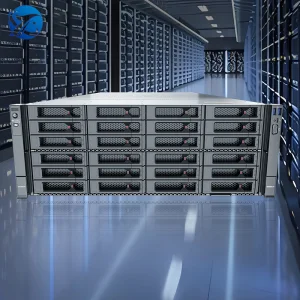
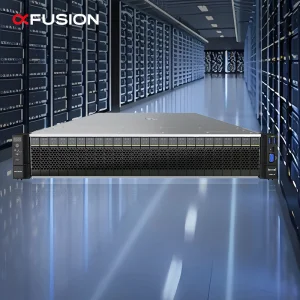
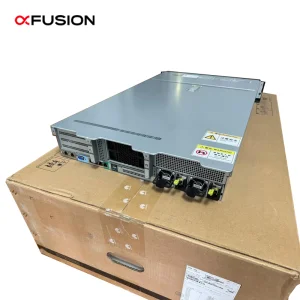
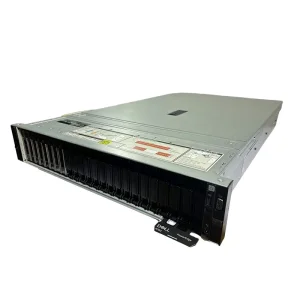
In the current cloud-native and AI-driven business landscape, server storage reliability and data throughput are paramount. Serial Attached SCSI (SAS) technology remains the backbone of transactional enterprise infrastructures. As global hyper-scale data centers upgrade to accommodate localized LLM training pipelines, virtualized enterprise database deployments, and continuous cold/warm tiered backup nodes, the request for dependable SAS storage arrays is increasing significantly.
While NVMe (Non-Volatile Memory Express) has dominated low-latency cache layers, SAS-3 (12Gbps) and SAS-4 (24Gbps) platforms offer an optimal balance between storage capacity, device life cycles, daisy-chain expandability, and structural durability. This makes SAS-equipped rack servers highly suitable for workloads that require 24/7 continuous writing cycles without degrading physical components.
"According to modern industrial metrics, high-availability architecture depends heavily on dual-port SAS drives, offering concurrent paths to redundant controllers. This mechanism minimizes single-point failures and maintains 99.999% uptime in transactional databases—a feature lacking in standard SATA solutions."
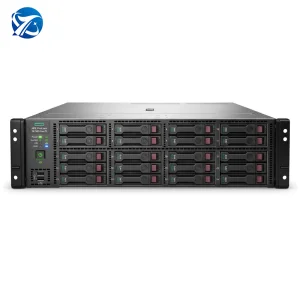
To construct high-density server configurations (such as the 1U or 2U form factors), understanding the interface bottlenecks is critical. SATA (Serial ATA) is historically capped at 6Gbps and lacks full-duplex transmission capabilities, limiting its usage to low-priority archive nodes.
In contrast, 12G SAS delivers dual-port connectivity, full-duplex operation, and support for up to 65,535 device addresses via SAS expanders. This degree of scalability is crucial for servers hosting multiple virtual machines or running complex relational database systems.
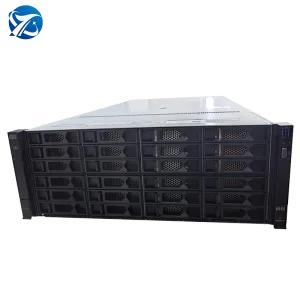
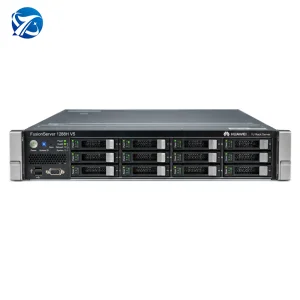
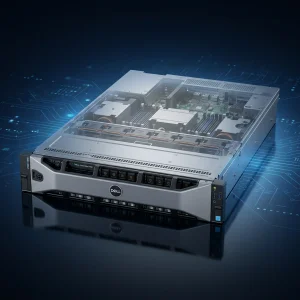
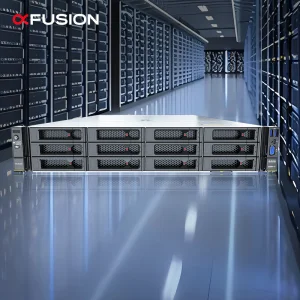
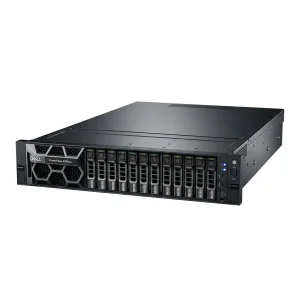
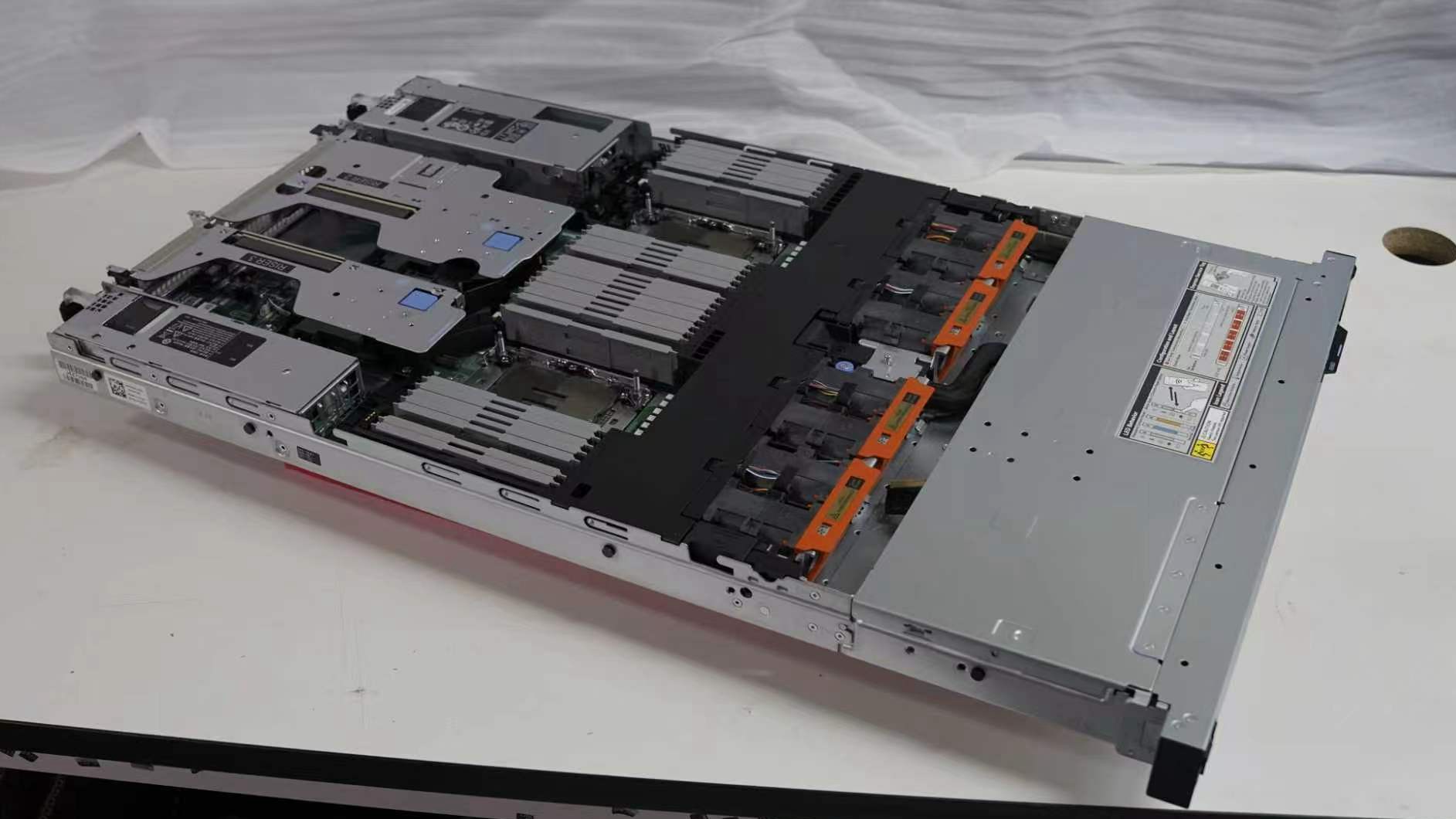
Modern AI platforms, including xFusion FusionServer systems and Dell PowerEdge architectures, integrate hybrid storage backplanes. In these configurations, high-performance NVMe SSDs act as cache layers for model parameter ingestion, while robust SAS SSDs or high-capacity SAS HDDs manage raw data pipelines, checkpoint storage, and massive training logs.
Veltron Computing Technology Co., Ltd. - Empowering the global digital ecosystem with server hardware from Shenzhen, China.
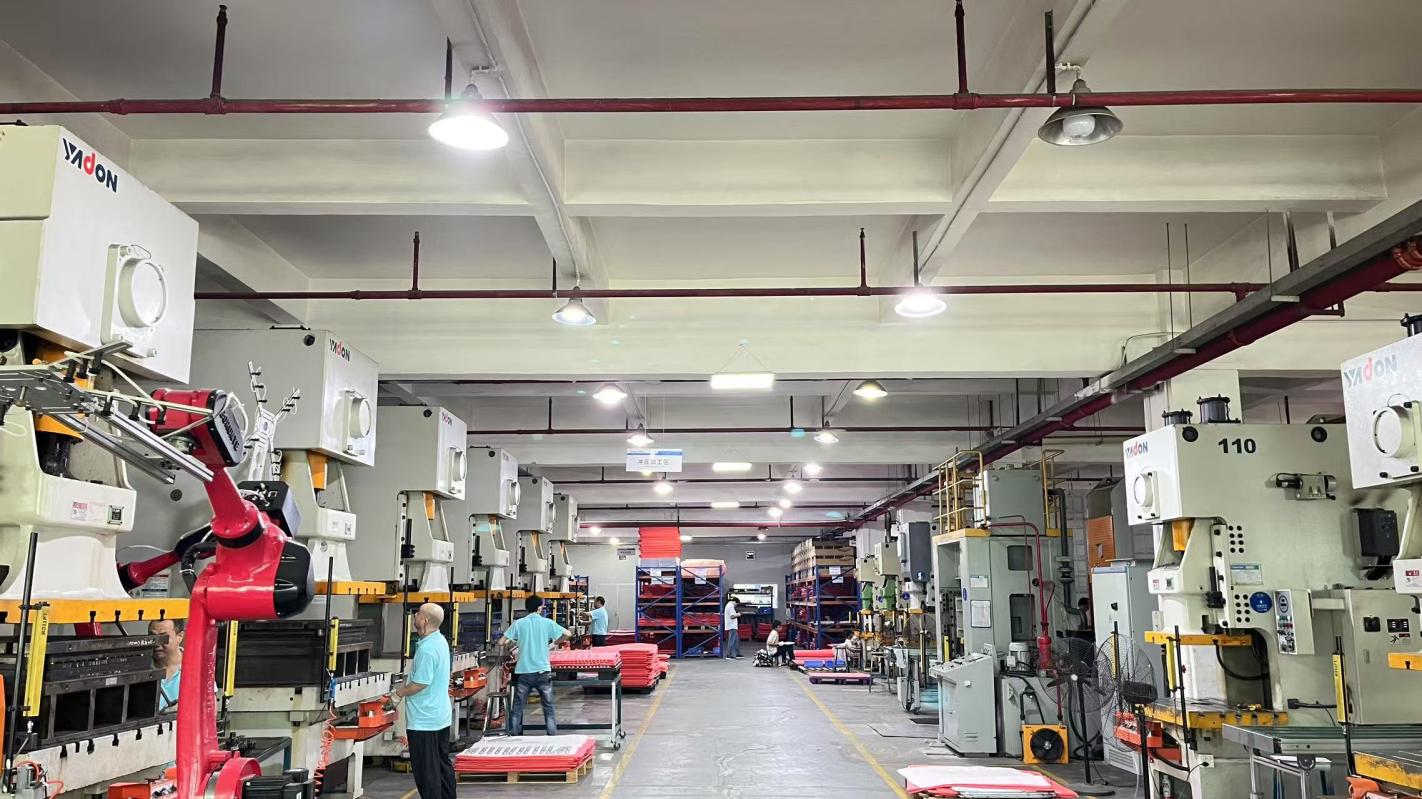
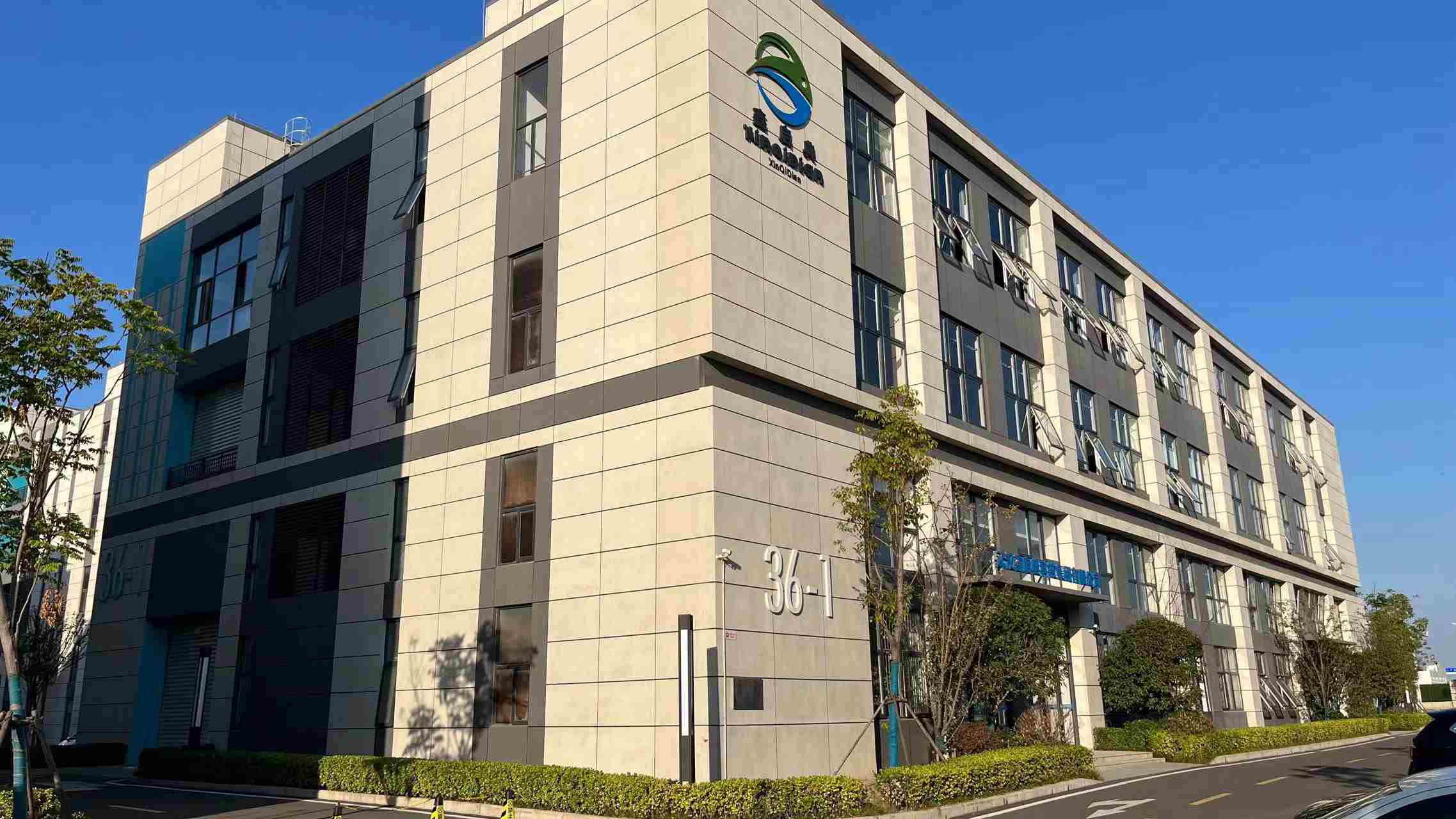
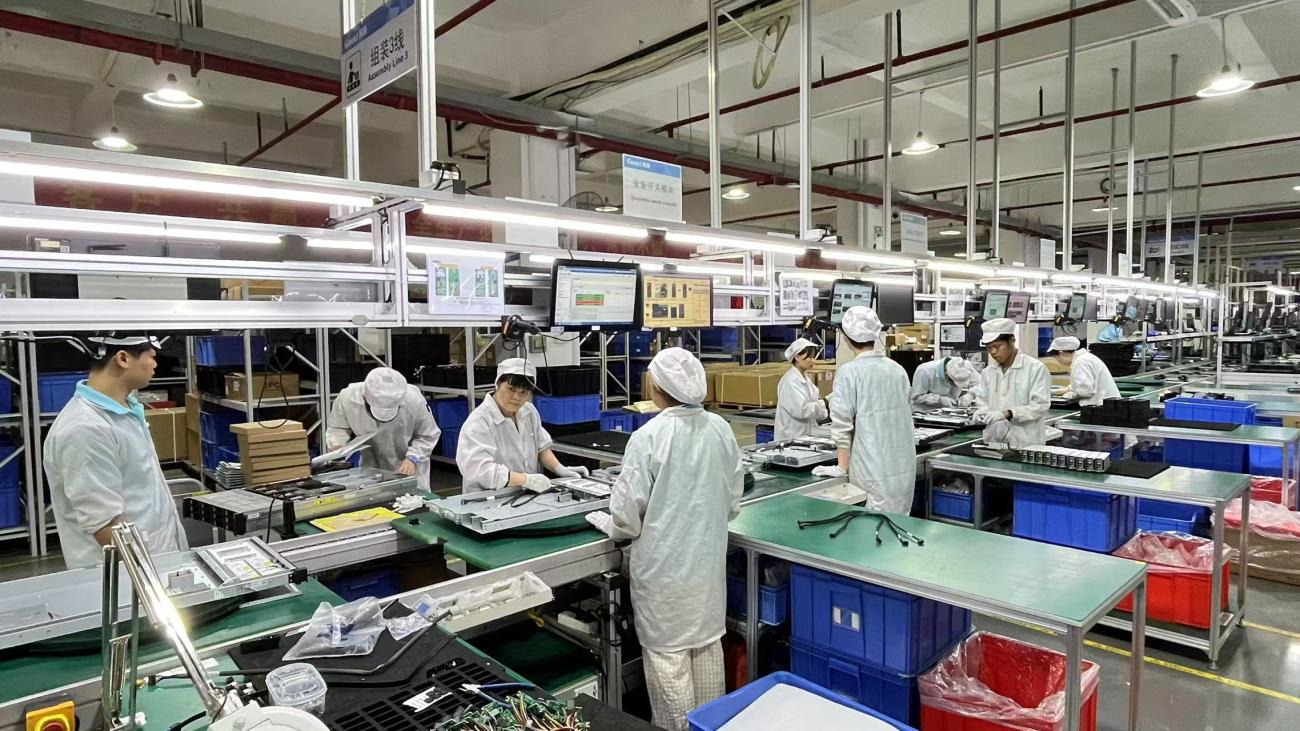
Founded in 2016, Veltron Computing Technology Co., Ltd. has grown into a leading manufacturer and global supplier of GPU servers, high-performance computing systems, and enterprise SAS storage solutions. Operating a modern facility of over 3,800 square meters in Shenzhen, Veltron delivers infrastructure designed to support complex computational workflows worldwide.
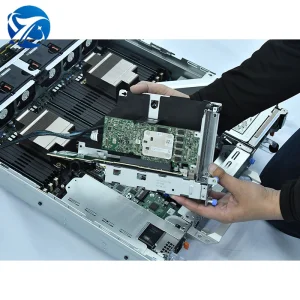
We provide hardware design services, including custom SAS/SATA backplanes, chassis modifications, custom drive bay configurations, customized firmware profiles, and structural enterprise branding.
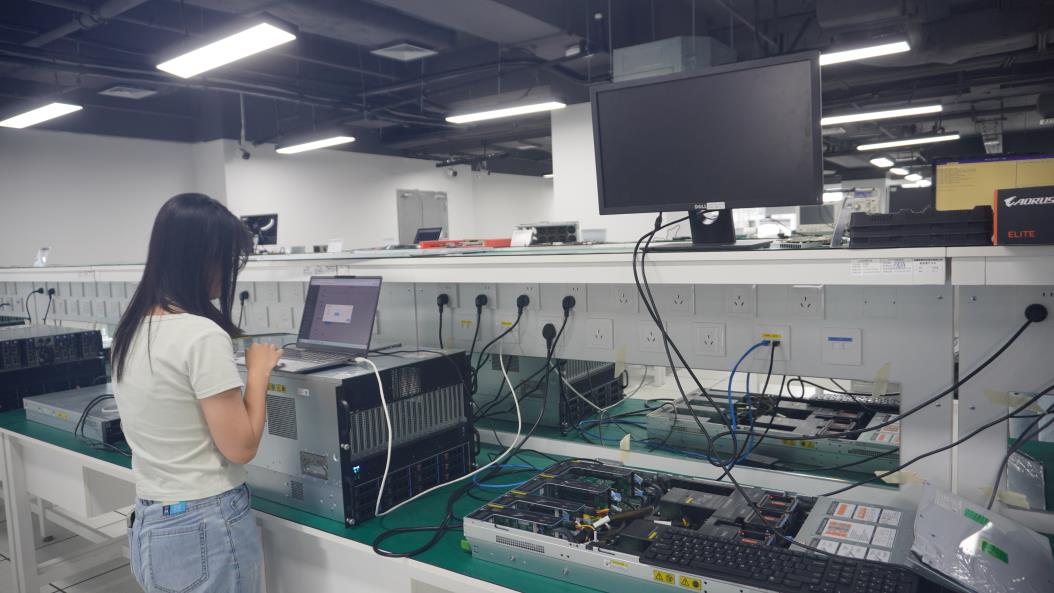
Our quality control processes include thermal cycle validation, high-workload burn-in testing, raw component verification, and physical stress tests overseen by our 56 QC specialists.
Partnering with over 1,200 verified tier-one component suppliers allows us to secure allocation priority for SAS controllers, high-speed backplanes, and storage drives.

Operating computational storage systems across international borders requires compliance with strict regulatory frameworks. Veltron ensures all exported rackmount configurations, SAS host bus adapters (HBAs), and backplanes meet necessary certification requirements:
Hardware deployments require dependable lifecycle support. We provide system integrators with dedicated solutions, including:
SAS architecture is utilized across several industry verticals:
E-commerce platforms and banking institutions require database architectures that process millions of transactions per second. The low latency, high write tolerance, and dual-port failover capabilities of enterprise SAS drives ensure continuous database operations.
In government cloud and corporate file server arrays, tiering systems migrate older data to high-capacity SAS hard drive arrays. This mechanism keeps storage costs manageable while keeping files online and accessible within seconds.
AI model developers use SAS disk arrays to store raw, unstructured data sources, such as video files, PDF archives, and web crawl logs. This data is read and parsed by the primary GPU training clusters via high-speed network interfaces.
Where enterprise SCSI standards are heading in the era of 24G SAS, PCIe Gen5/Gen6, and AI Datacenters.
The transition from SAS-3 (12Gbps) to SAS-4 (24Gbps) doubles link throughput. Using PAM4 encoding, 24G SAS backplanes meet the bandwidth requirements of high-speed SSDs while maintaining backward compatibility with legacy 12G and 6G devices.
Tri-mode controllers and U.3 backplanes allow system administrators to populate a single drive slot with SAS, SATA, or NVMe storage. This adaptability enables organizations to modify drive configurations as operational workloads evolve.
Modern SAS expanders feature smart diagnostic technologies. These integrations enable remote administrators to track drive temperature trends, identify interface errors, and isolate failing storage units before data loss occurs.
Answers to technical queries from enterprise engineers, system architects, and procurement teams regarding SAS storage systems.
Dual-port SAS drives feature two independent physical ports, connecting to separate controllers. In the event of a controller failure or cable damage, the secondary path maintains server connection to the storage drive. This level of path redundancy is a standard feature in SAS architectures, whereas standard consumer NVMe drives typically support only single-port connections.
Our research and development team validates our SAS host bus adapters and server systems across multiple software environments, including VMware ESXi, Proxmox VE, Microsoft Hyper-V, and Red Hat Enterprise Linux. This validation process ensures that drive controllers operate without requiring custom software components.
Standard OEM server configurations are generally processed and shipped within 15 to 25 business days, depending on components requirements. Because we maintain partnerships with over 1,200 suppliers, we can source raw parts quickly and maintain consistent manufacturing timelines even during high seasonal demand.
Yes. Servers like the xFusion FusionServer or Dell PowerEdge are designed to support combined layouts. High-capacity SAS storage serves as the repository for cold data, model libraries, and system image archives, while high-speed NVMe PCIe slots feed data directly to the GPU cards, balancing raw capacity with real-time computational speed.
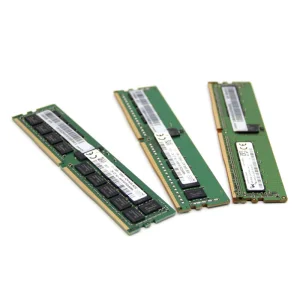
Complete your deployment with high-density server cases, memory upgrades, and specialized network nodes designed for reliable performance.