Veltron
Veltron
Veltron
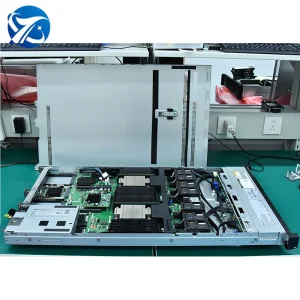
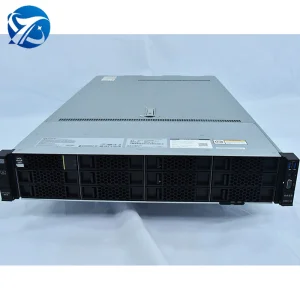
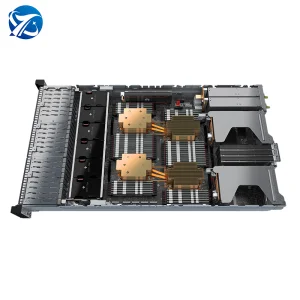
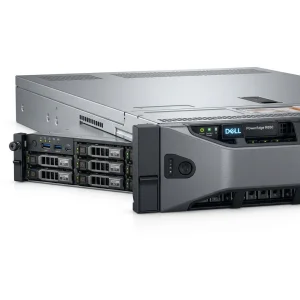
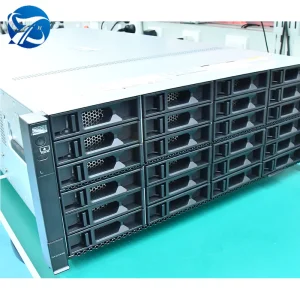

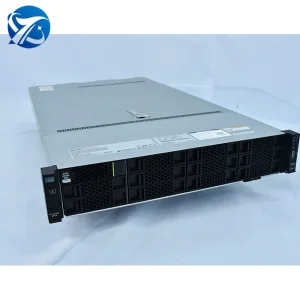
The global compute demand for artificial intelligence has grown exponentially over the last few years. Large Language Models (LLMs) such as GPT-4, Llama 3, and DeepSeek require high-performance AI training servers equipped with enterprise-grade GPU architectures. Today's deep learning algorithms require petabytes of data running through high-density compute pipelines, rendering traditional rack servers obsolete for cognitive AI workloads.
Hardware infrastructure is the primary bottleneck for scaling corporate AI initiatives. System architects look for reliable partners in China to construct custom systems with PCIe Gen 5 interfaces, NVLink technology, high memory bandwidth (HBM3e), and thermal cooling capabilities. High-throughput networks require server builds optimized for low latency and high bandwidth to maintain massive parameter weightings across interconnected GPU clusters.
Veltron Computing Technology Co., Ltd. plays a key role in this ecosystem, providing scalable GPU servers and custom server architectures from Shenzhen, China.
As a specialized manufacturer, Veltron addresses the following core requirements of the global AI server supply chain:
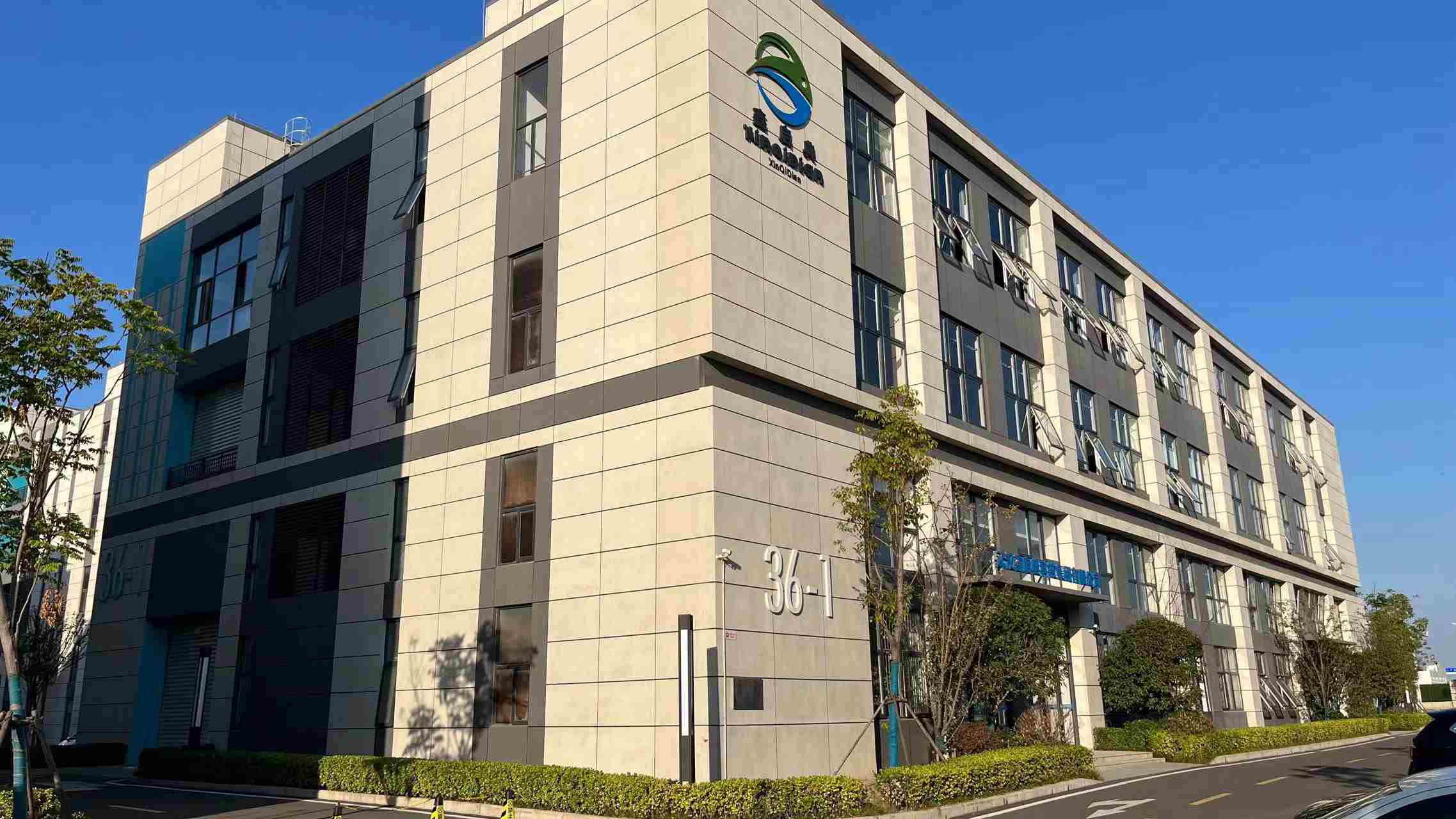
Established in 2016 in Shenzhen, the hardware capital of China, Veltron Computing Technology Co., Ltd. has grown into an industry-leading manufacturer of high-performance computing systems. Operating a modern factory covering over 3,800 square meters, Veltron maintains strategic partnerships with more than 1,200 supply chain partners, enabling stable component sourcing even during periods of global silicon shortage.
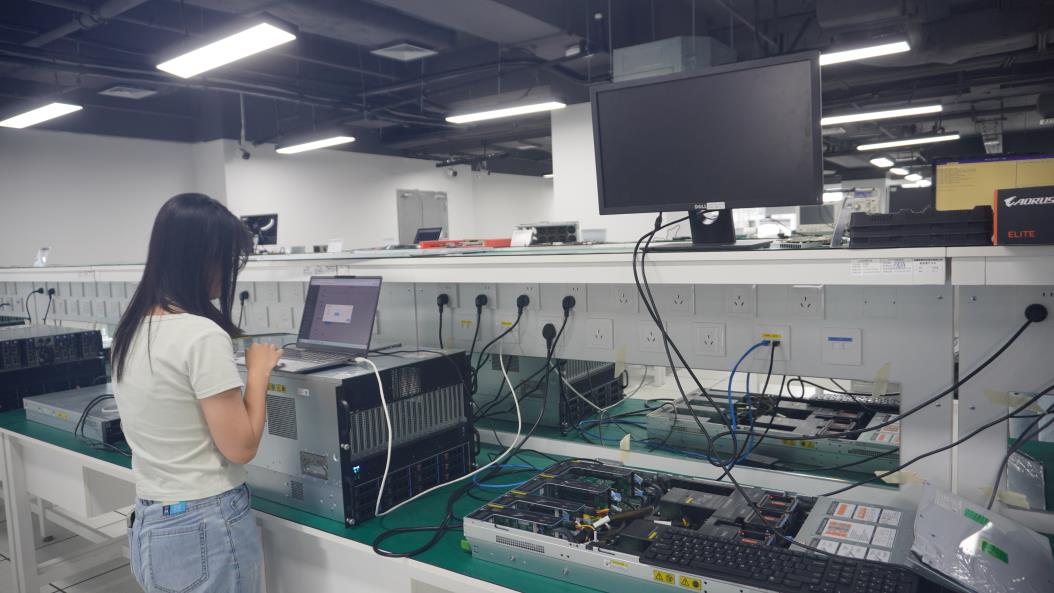
Quality control is the defining metric for high-density servers. A single faulty memory lane or capacitor can disrupt days of model training, incurring massive cloud costs. Veltron operates under a strict Quality Management System (QMS), employing 56 dedicated quality control personnel who verify every stage of production—from incoming component scanning to final thermal simulation inside environmental chambers.
With an annual export revenue exceeding USD 18 million and customers in North America, Europe, South America, the Middle East, and Southeast Asia, Veltron understands the compliance demands of various global markets. Our server platforms undergo complete burn-in testing, load testing, and security checks, ensuring system stability upon arrival at the customer data center.
Our internal R&D capabilities ensure continuous innovation:
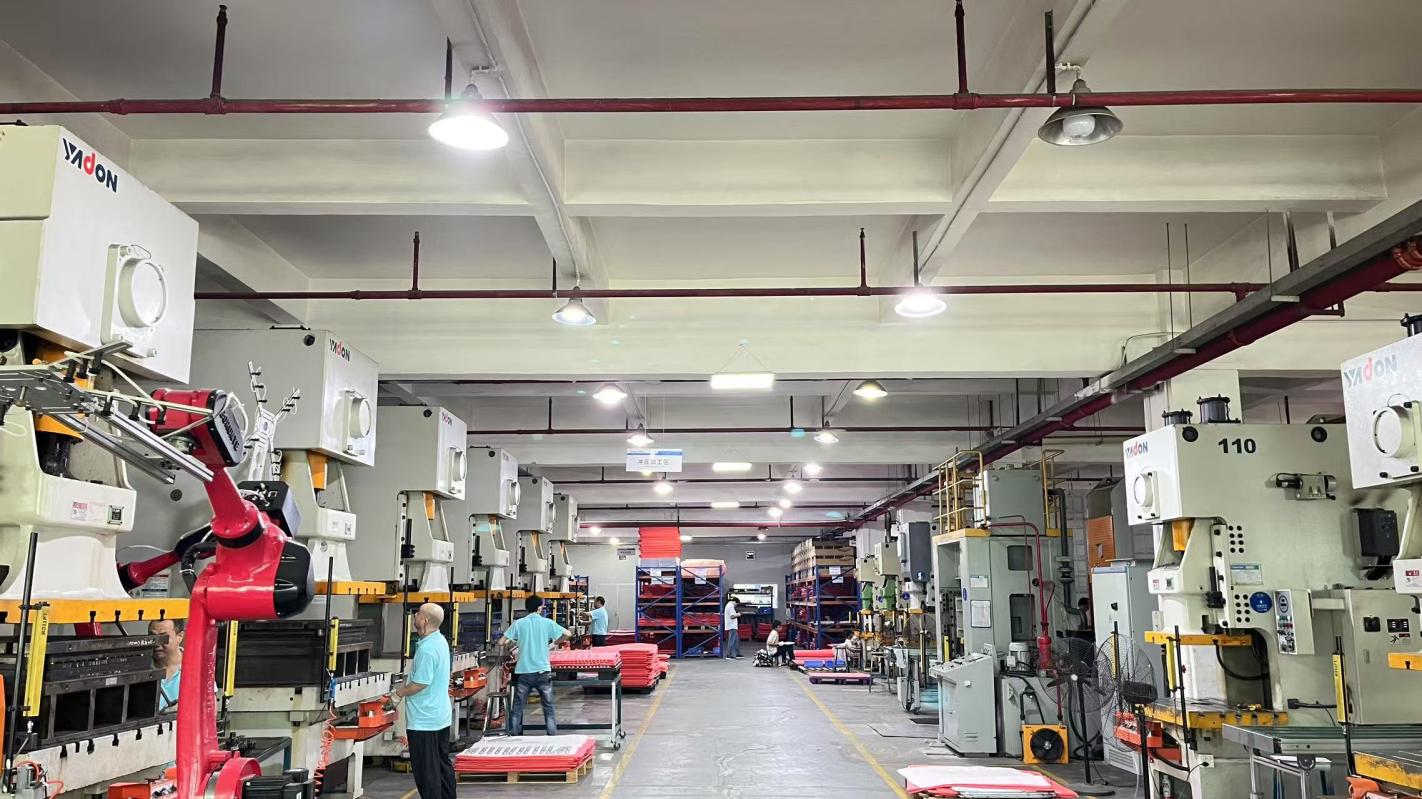
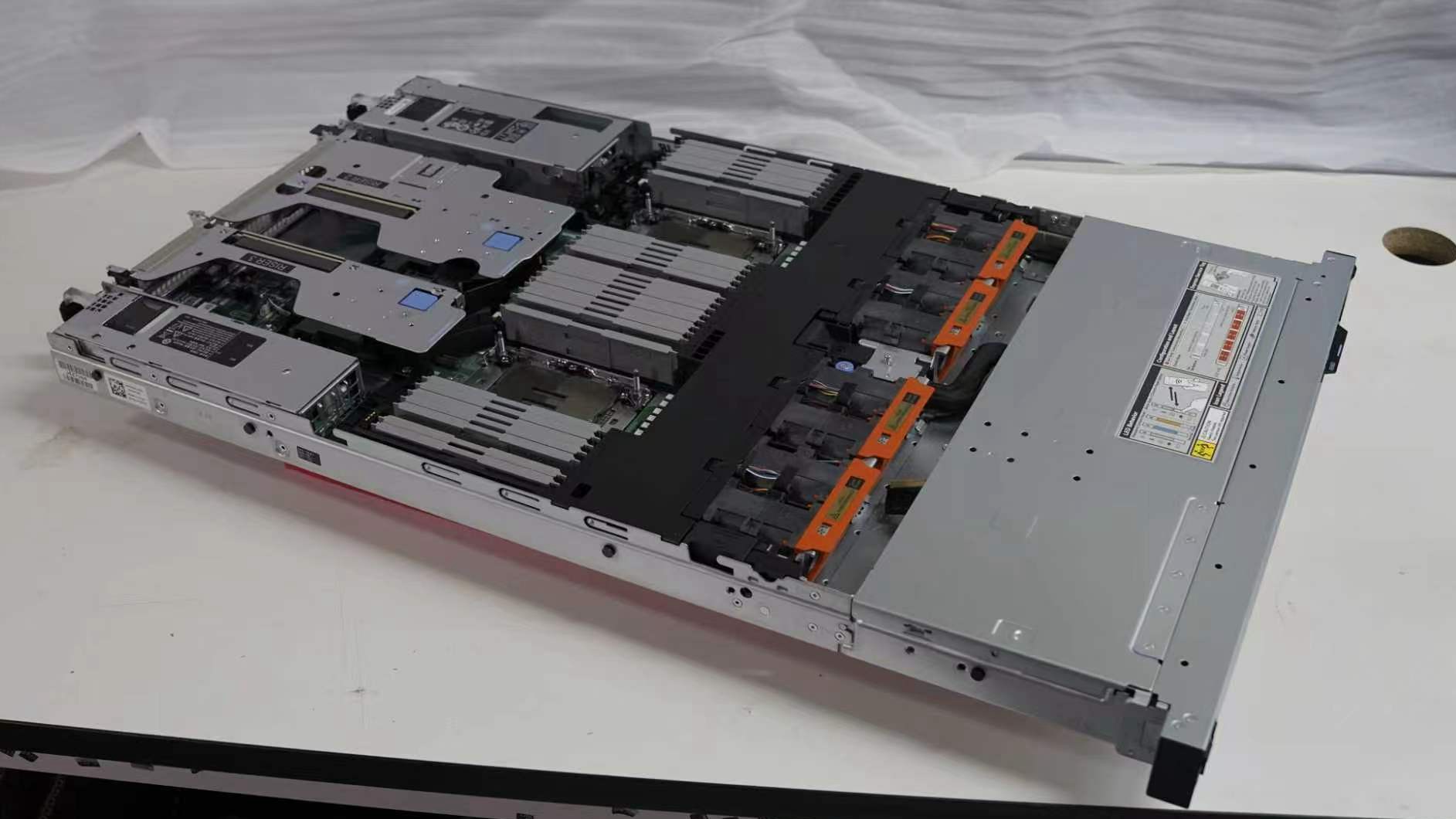
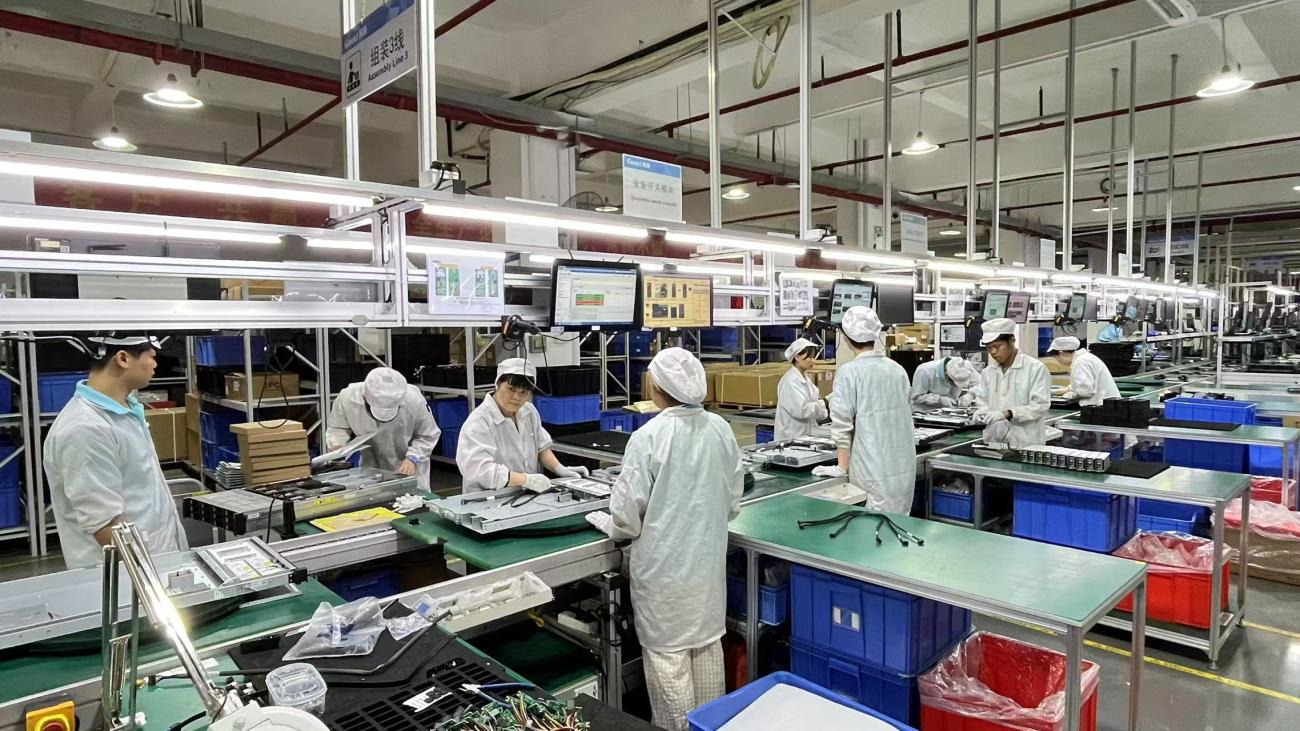

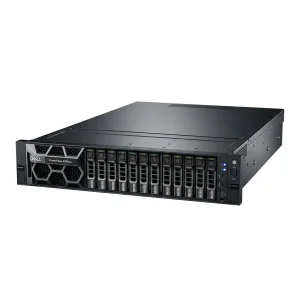
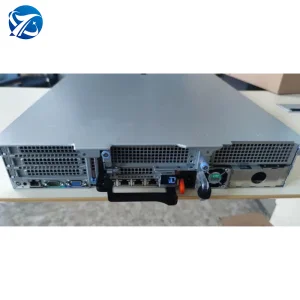
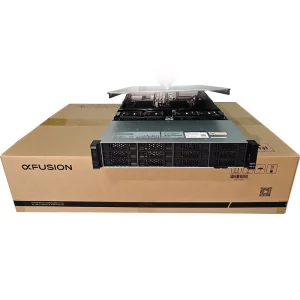
The production of AI training servers involves deep supply chain integration. A standard 2U or 4U AI server, such as the FusionServer xFusion G5500 V6, is composed of thousands of sub-components: high-frequency multilayer PCBs, copper-based heat pipes, advanced voltage regulator modules (VRMs), specialized array cards (like the XC170-M-8i SAS/SATA RAID card), and rugged chassis frames.
Shenzhen's industrial electronics ecosystem offers unparalleled advantages:
AI training is compute-intensive, requiring high thermal dissipation, low signal attenuation across high-frequency lanes, and robust storage controller technology.
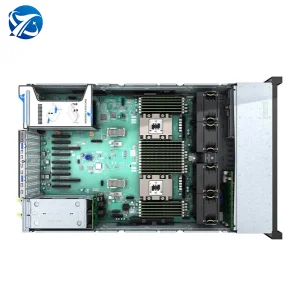
Modern servers like the xFusion FusionServer 2488H V6 utilize point-to-point PCIe Gen 5 configurations to reduce latency. This architecture enables GPUs to communicate directly with CPU cores and local NVMe storage arrays, optimizing the processing of large AI models.
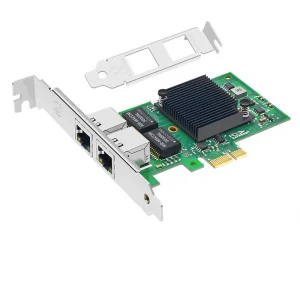
During deep learning loops, the training server requires local scratch space to store checkpoints. Utilizing SAS/SATA RAID array cards, such as the XC170-M-8i (SAS3808iMR) operating at 12Gb/s without cache lag, ensures data integrity and high throughput across SSD pools.
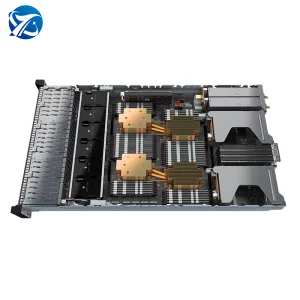
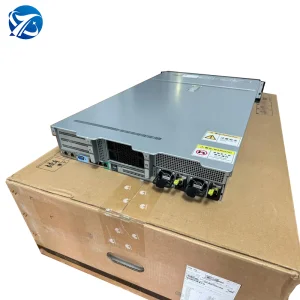
AI training servers often generate significant thermal output, with processors and accelerators dissipating substantial wattage. System housings, such as the 2U chassis used in the xFusion 2288H V6, incorporate multi-zone fan configurations and copper vapor chambers to maintain optimal operating temperatures.
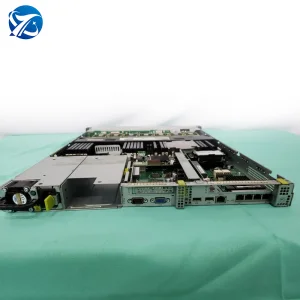
Computing platforms like the FusionServer 2488H V5 4-Socket server provide memory capacity and processor scalability for mission-critical databases and heavy analytical workloads, handling dense parallel processing tasks.
Procuring enterprise technology equipment from a wholesale manufacturer requires careful planning around logistics, customs compliance, and configuration stability. Whether you are building an IT facility in Russia, expanding a cloud center in Europe, or configuring edge infrastructure in South America, Veltron provides end-to-end export support.
Key procurement considerations we address:
Our customization service is built on transparency. OEM buyers can define exact component configurations, including CPU series, RAM capacity, SSD layouts, controller card options, and network interface cards. This ensures that every server integrates smoothly into your existing network infrastructure.
Chassis modifications, front panel styling, bespoke BIOS splash screens, specialized network card integration (InfiniBand/FCoE), and thermal configurations optimized for high-temperature datacenters.
We support multiple accelerator layouts, ranging from dual-GPU setups in 2U servers (e.g., xFusion 2288H V6) to high-density GPU configurations in specialized 4U servers. Our engineering team designs and manufactures brackets and power distribution modules compatible with various accelerator options, including PCIe form factor models and OAM modules.
We utilize high-RPM, pulse-width modulation (PWM) smart fans coupled with custom copper heat pipes and vapor chambers. For dense configurations, we offer hybrid cooling options featuring liquid-to-air cold plate structures, designed to manage high TDP heat loads without throttling performance.
Yes, our ODM/OEM services are a key part of our operations. With 168 engineers, we can customize bezel designs, add physical company badges, program custom UEFI splash screens, and modify drive configurations to meet your specific requirements.
The XC170-M-8i (featuring the LSI SAS3808iMR controller chip) provides 12Gb/s SAS and SATA link speeds directly to the SSD backplane. Supporting RAID 0, 1, and 10, it offers high-speed scratch storage configuration options crucial for checkpoint-writing phases during deep learning routines.
Our quality control process is divided into multiple stages. All components undergo verification upon arrival. Assembled units undergo diagnostic routines and are placed in environmental chambers for 24 to 72 hours of burn-in testing under full load to ensure long-term stability.