Veltron
Veltron
Veltron
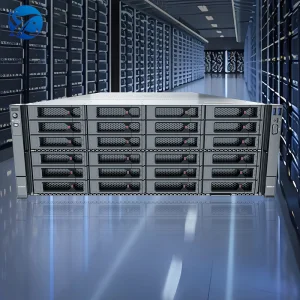
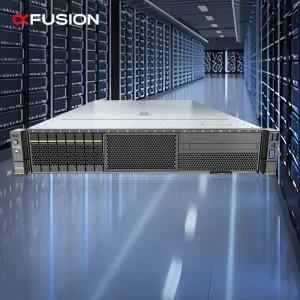
Explore our premium range of servers, storage components, and accessories engineered to run high-density virtualization, deep learning workloads, and mission-critical enterprise systems.
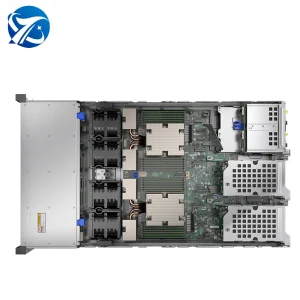
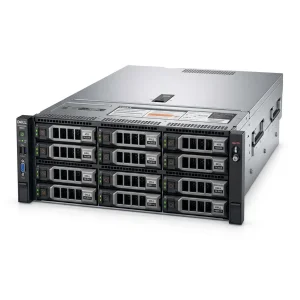
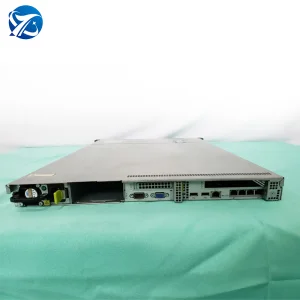
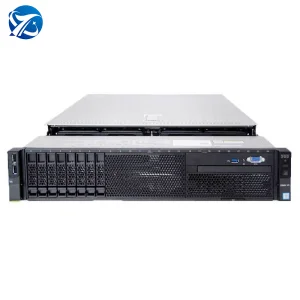
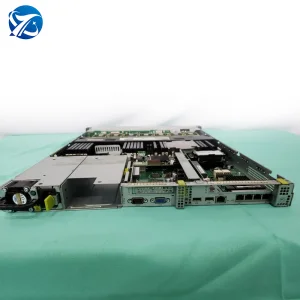
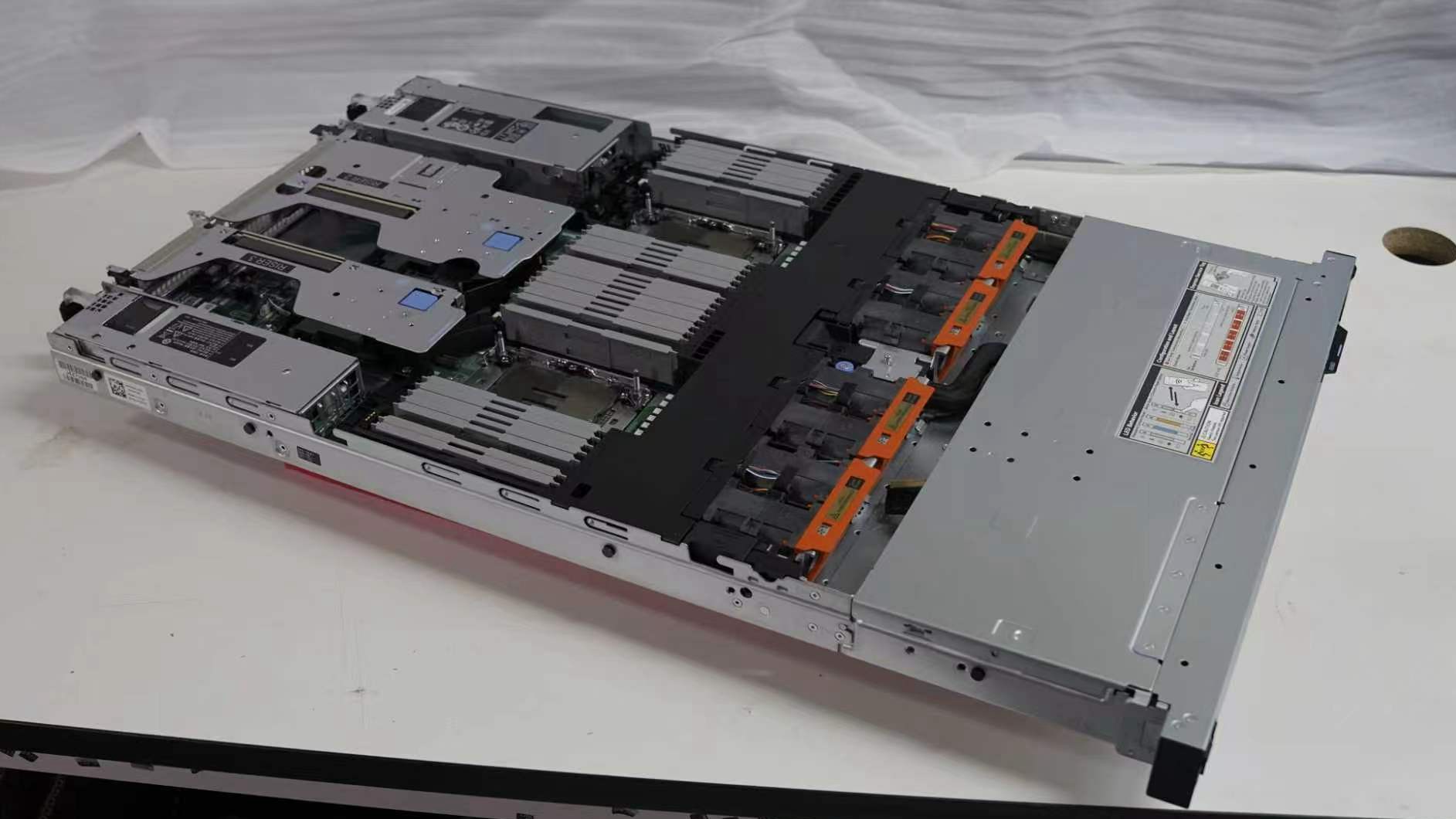
As enterprises globally transition from centralized local offices to hybrid work setups, Virtual Desktop Infrastructure (VDI) has become the gold standard for securing corporate resources, managing computing footprints, and lowering Total Cost of Ownership (TCO). Historically, VDI was limited to basic office applications due to compute bottlenecks and high latency. Today, the convergence of advanced 2U Rack Servers, highly parallel multi-socket CPUs, and high-performance server GPUs has revolutionized user capacity and responsiveness.
From financial institutions managing sensitive customer accounts to research departments executing heavy Deepseek AI containers and deep learning models, VDI enables virtualized desktop profiles to process high-compute workloads on secure remote hardware. Modern VDI systems utilize hyperconverged structures to host hundred-plus container VMs on single 2U Server configurations, minimizing data center footprint and heat output.
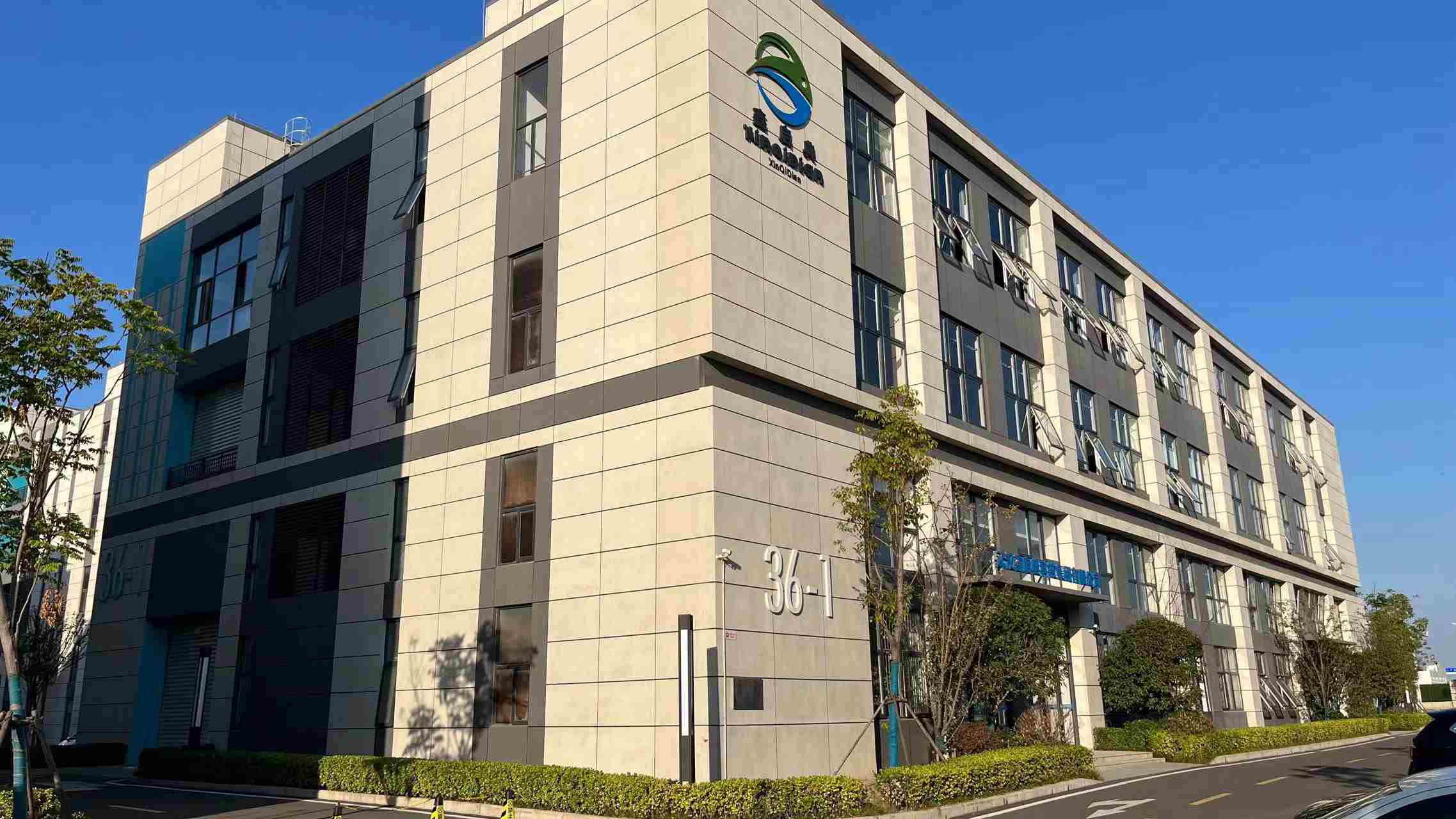
Established in 2016, Veltron Computing Technology Co., Ltd. stands as a professional manufacturer and global supplier of GPU servers, AI computing systems, and high-performance VDI-ready server solutions. Centered in Shenzhen, China's hardware and engineering capital, Veltron leverages 14 years of professional industry expertise alongside 8 years of dedicated export operations to supply global system integrators, cloud service providers, and data center operators.
Our dedicated R&D center houses 168 engineers specializing in multi-socket system architecture, GPU integration, and thermal management. We deploy over 85 customized hardware designs and platform upgrades yearly.
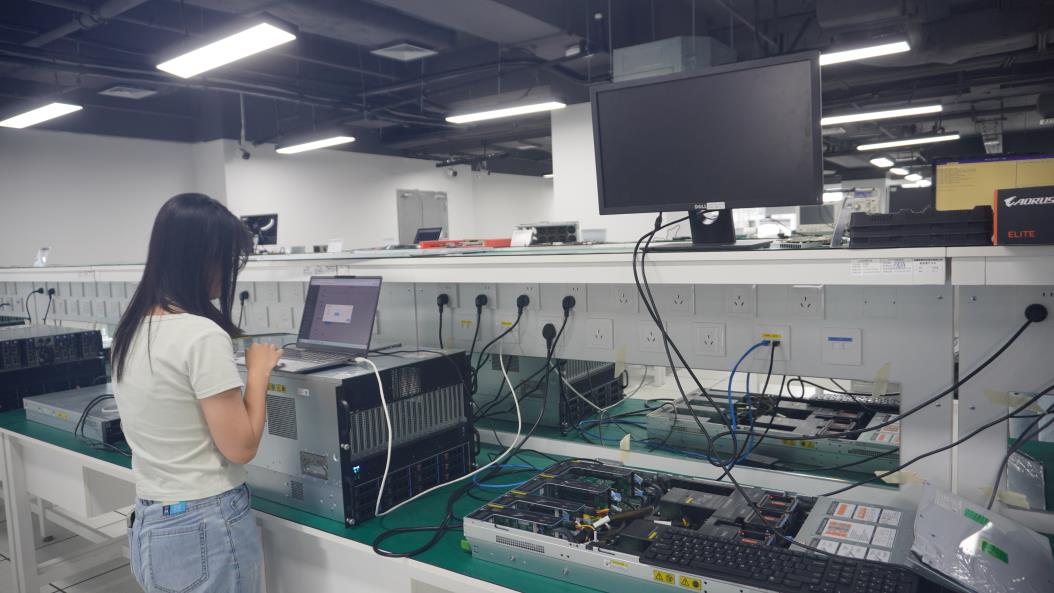
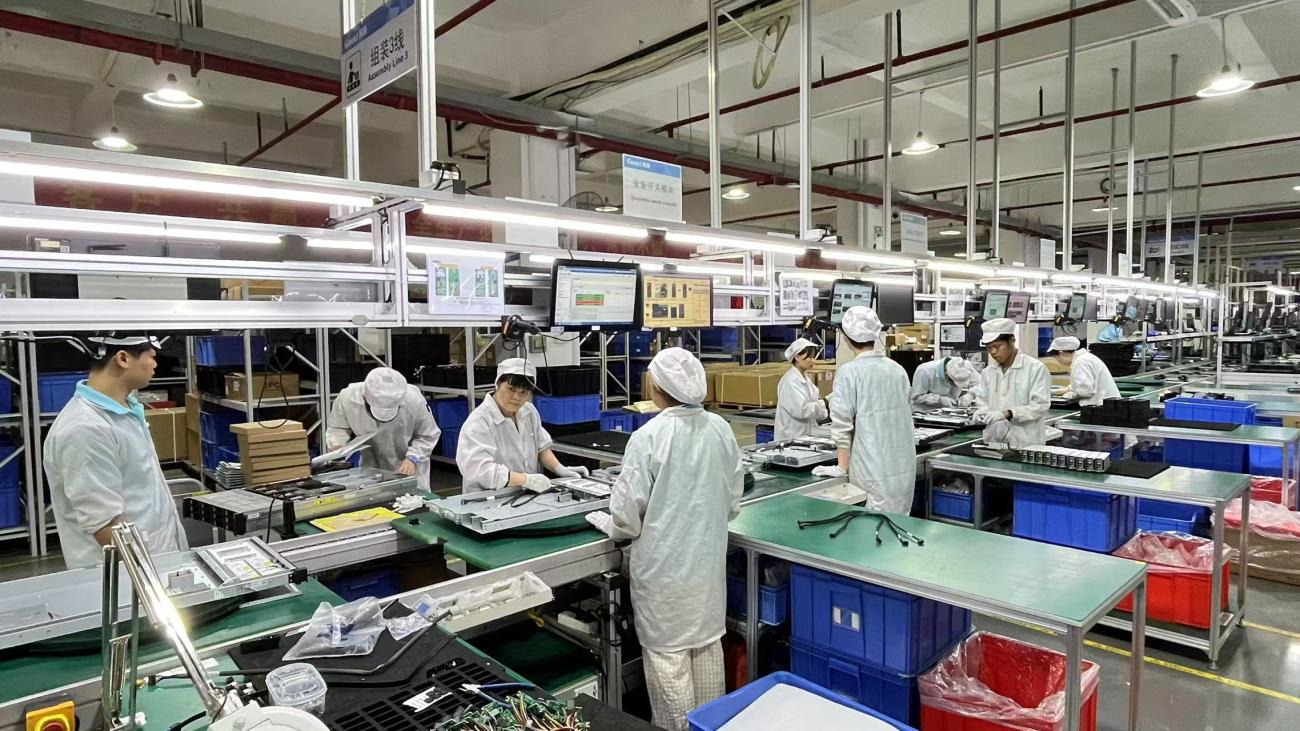
Our 3,800 m² factory runs under rigorous quality control standards overseen by 56 QC engineers. Every unit undergoes intense thermal, burn-in, compatibility, and speed testing before shipping.
With strategic tie-ins spanning more than 1,200 raw material and component suppliers, Veltron provides rapid OEM/ODM delivery cycles and avoids common component bottle-necks.
Procuring Virtual Desktop Infrastructure servers from China yields direct capital and operational benefits for Western and Asian enterprises alike. Shenzhen's dynamic cluster of high-speed optical component suppliers, power supply manufacturers, and metal CNC chassis fabricators allows us to source raw materials in real-time, reducing lead times to fractions of European or American assembly windows.
Veltron transforms this regional advantage into reliable hardware. By keeping chassis structural fabrication, PCB surface mounting, power terminal design, and testing protocols inside a unified 3,800 square-meter footprint, we bypass standard supply chain markups. Consequently, we supply global system integrators and distributors with premium rack servers and components at highly competitive wholesale rates.
Building an efficient Virtual Desktop Infrastructure deployment requires balanced hardware configurations. Unbalanced system architectures lead to slow login times (boot storms), laggy user interfaces, and packet collisions. To avoid these issues, your data center infrastructure must be optimized in three critical areas:
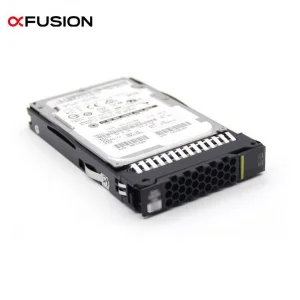
Traditional hard disk drives struggle with the random read/write spikes typical of multiple operating systems boot sequences. Mixing high-capacity mechanical drives like the SATA HDD 4000GB-20TB 7.2K drives for archiving with high-speed SSD configurations for fast virtualization caching provides the optimal blend of storage capacity and responsiveness. Incorporating multi-channel SAS controllers (e.g., 9540-8i) guarantees sustained storage performance during peak usage hours.
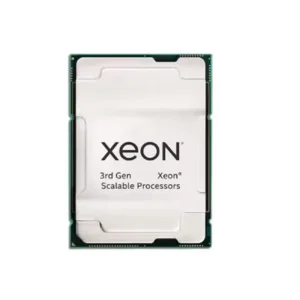
Modern Xeon Scalable processors (such as the 4310, 5318Y, or 6330 series) provide the multi-core, multi-thread capabilities needed to run virtual machines simultaneously. Virtual CPU (vCPU) overcommitment ratios should be carefully designed—ranging from 2:1 for heavy power users up to 5:1 for light office tasks—to prevent processing queues that impact user productivity.
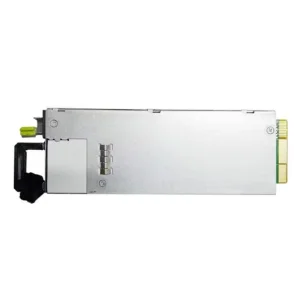
As server loads fluctuate based on user activity, reliable power distribution is vital. Veltron's hardware features redundant Platinum 900W, 1500W, or 2000W AC power supplies to support variable workloads, ensuring continuous operations and high energy efficiency even at peak performance levels.
Premium server platforms, high-performance switches, and processing components sourced directly from Veltron's production lines for immediate global export.
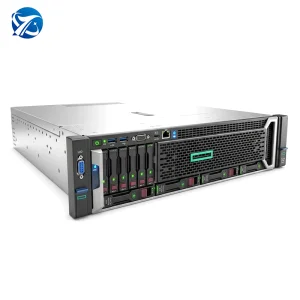
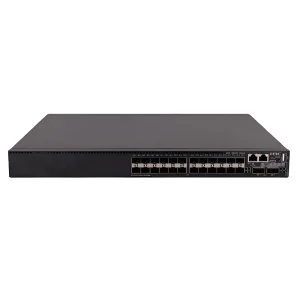
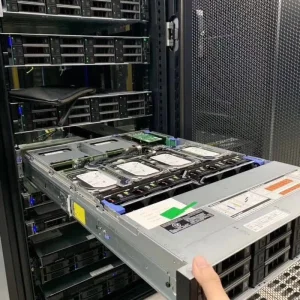
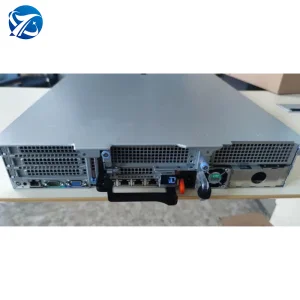
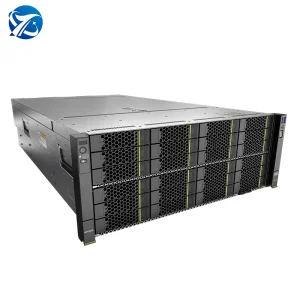
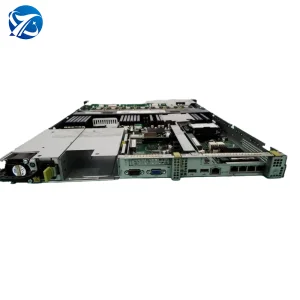
Quality and stability are critical in VDI environments, where a hardware failure on a single hyperconverged server can disrupt hundreds of virtual users. To ensure continuous operations, Veltron maintains a structured, multi-step quality assurance program in our Shenzhen facility.
Every server is built under ESD-safe conditions, using high-grade components. The assembly process is followed by automated diagnostic testing, thermal profiling to monitor heat dissipation, and an extended high-load burn-in cycle. This rigorous process guarantees that each server can handle the demands of enterprise-level workloads.


Expert insights on sizing, component selection, and deployment logistics for global enterprises and IT managers.
Q1: Which processor series is best suited for hosting VDI workloads?
Intel Xeon Scalable Processors, particularly the 4300, 5300, and 6300 series (like the 4310 and 6330), are ideal for VDI deployment. They offer the high core counts and dual-socket support needed to manage concurrent virtual machines. Additionally, their high hyper-threading capacity ensures smooth thread allocation across VMs.
Q2: How do SATA HDD drives integrate with modern SSD storage pools in virtualized environments?
We recommend a hybrid storage configuration. High-speed NVMe or SAS SSDs should be used for primary OS volumes, virtual swap space, and application caching to ensure fast boot times. Large capacity SATA HDD drives (ranging from 4TB up to 20TB) serve as cost-effective tiers for user data, documents, and backups, providing an optimal balance of cost and capacity.
Q3: Why is GPU acceleration important for Virtual Desktop Infrastructure (VDI)?
Standard CPU-only rendering can struggle with modern web browsers, office productivity apps, and multi-monitor setups. Adding high-performance GPU nodes, like the FusionServer G5500 V7, enables hardware-accelerated rendering. This significantly reduces host CPU overhead and improves the end-user experience, especially for demanding tasks like CAD and video editing.
Q4: How does Veltron ensure global shipping compliance and reliability?
With 8 years of export operations, Veltron ensures all servers and components are shipped in robust packaging, complete with custom foam inserts to prevent shock damage. We work with leading international logistics partners to manage import compliance and customs clearance across North America, Europe, the Middle East, and South America.
Q5: What OEM/ODM customization options does Veltron offer?
Our 168-engineer R&D team provides full customization services, including custom server chassis branding, specific BIOS/UEFI configurations, customized RAID setups, and tailored hardware configurations (CPUs, RAM density, and storage interfaces) to fit your software stack.
Q6: How do your 900W, 1500W, and 2000W Platinum power supplies improve reliability?
VDI environments see variable power demands throughout the day. Platinum-rated PSUs convert up to 94% of input power, reducing heat generation and energy waste. This high efficiency lowers running costs and prevents system instabilities caused by power fluctuations.