Veltron
Veltron
Veltron
The foundation of modern public cloud platforms relies on resilient, scalable, and ultra-high-density server architecture. As the digital economy pivots toward generative AI and hyperconverged environments, selecting the optimal hardware supply chain is mission-critical for enterprises worldwide.
In today's interconnected technological ecosystem, "Public Cloud Services" transcend simple software definitions. They represent massive physical topologies composed of specialized compute nodes, dense AI accelerators, and robust edge virtualization storage networks. Underpinning the world’s leading cloud solutions are sophisticated hardware configurations engineered to process petabytes of distributed data with zero downtime. From running heavy enterprise ERP workloads to processing advanced deep learning inferences using systems optimized for models like DeepSeek, the hardware integrity determines the actual operational SLA (Service Level Agreement) of the cloud platform.
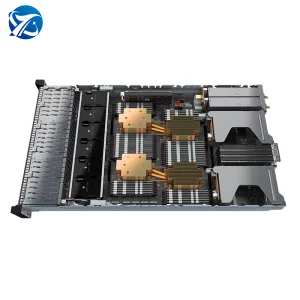
Veltron Computing Technology Co., Ltd. stands at the forefront of this industrial hardware paradigm. Located in Shenzhen, China, we operate as a premier system manufacturer, integrator, and global exporter of industrial-grade GPU servers, 2U rack servers, and hyperconverged infrastructure. By bridging raw manufacturing power with rigorous AI testing, we supply the key server assets that enable global public cloud architectures to maintain low-latency, scalable operations.
Why hyperscale datacenters and public cloud operators choose Veltron as their high-performance computing hardware exporter.
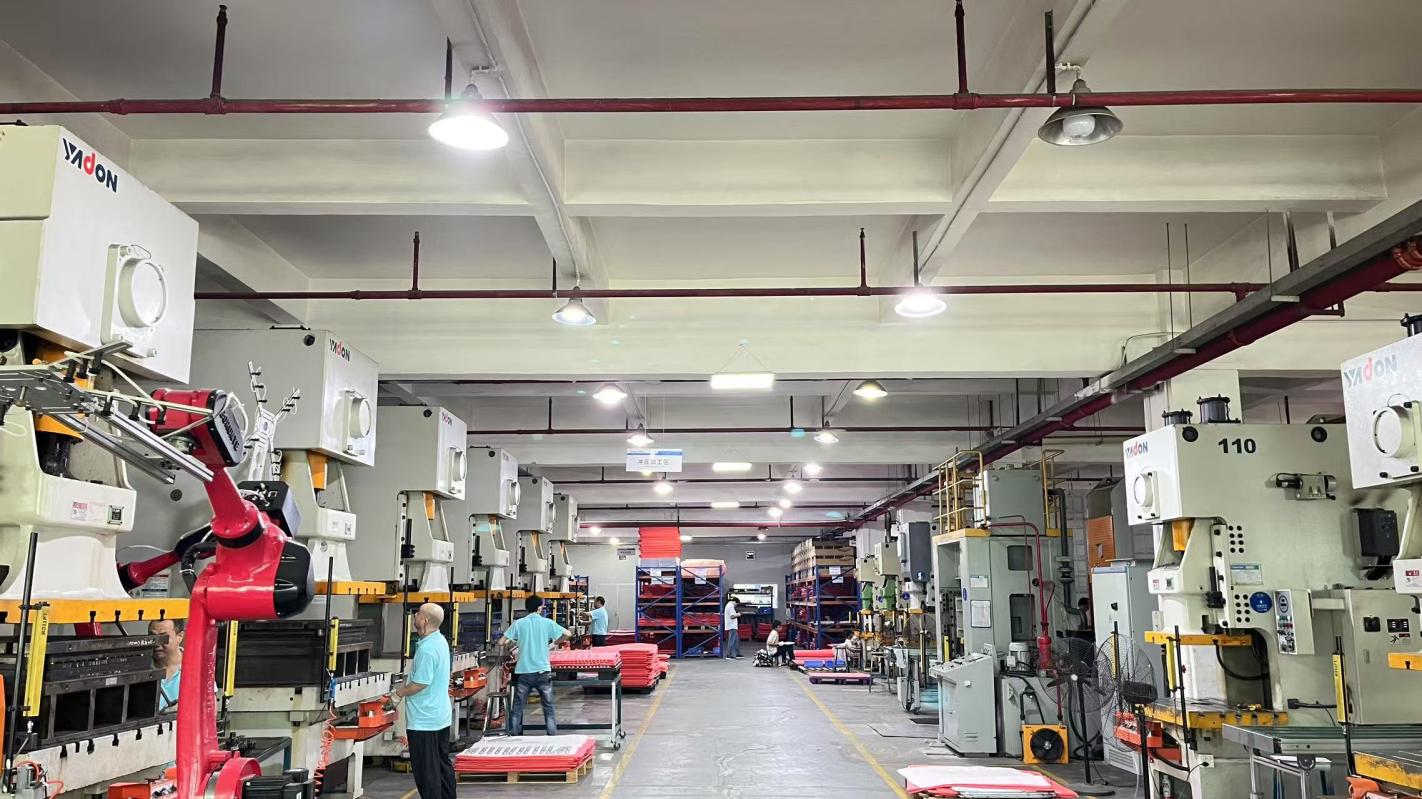
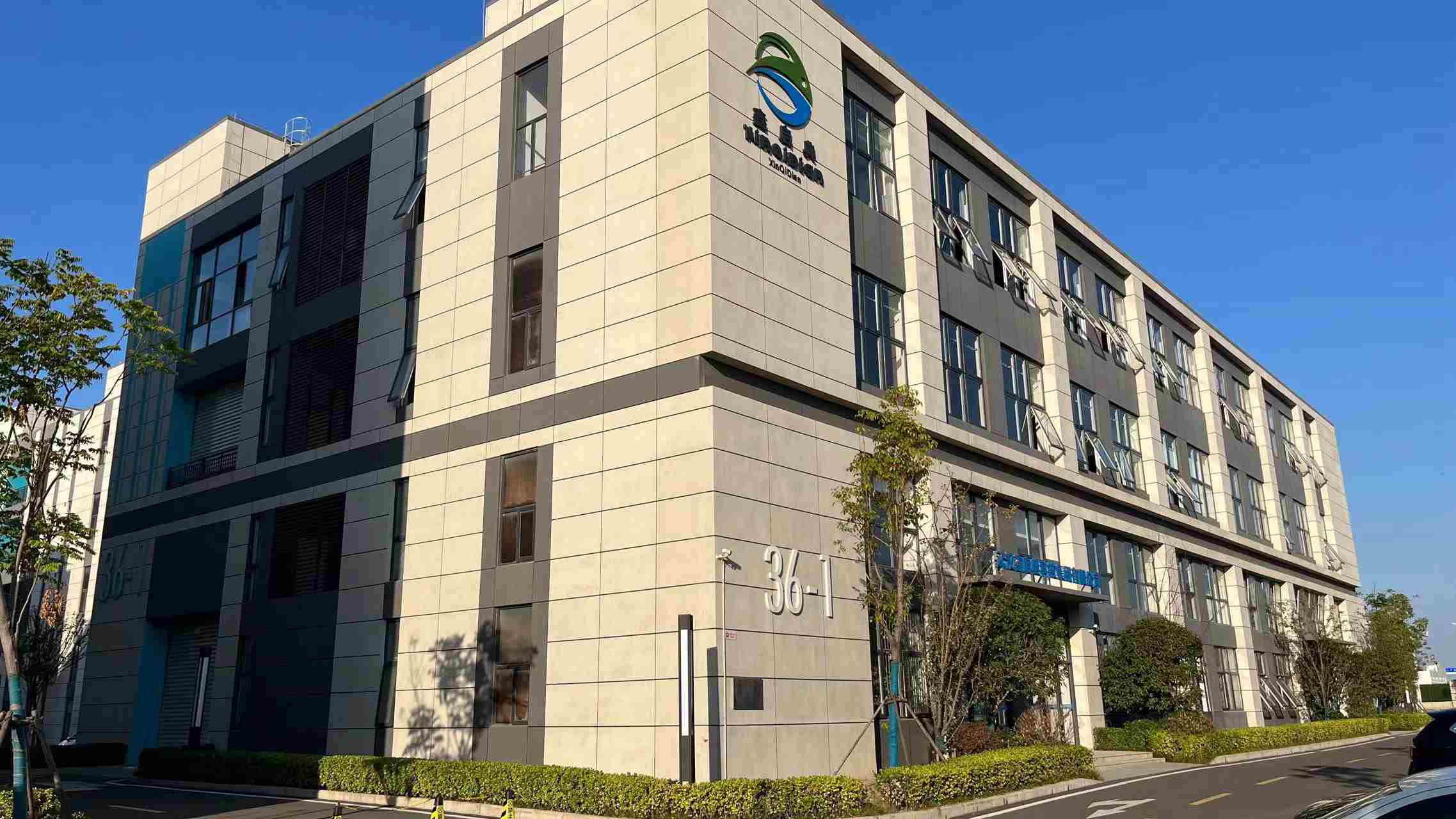
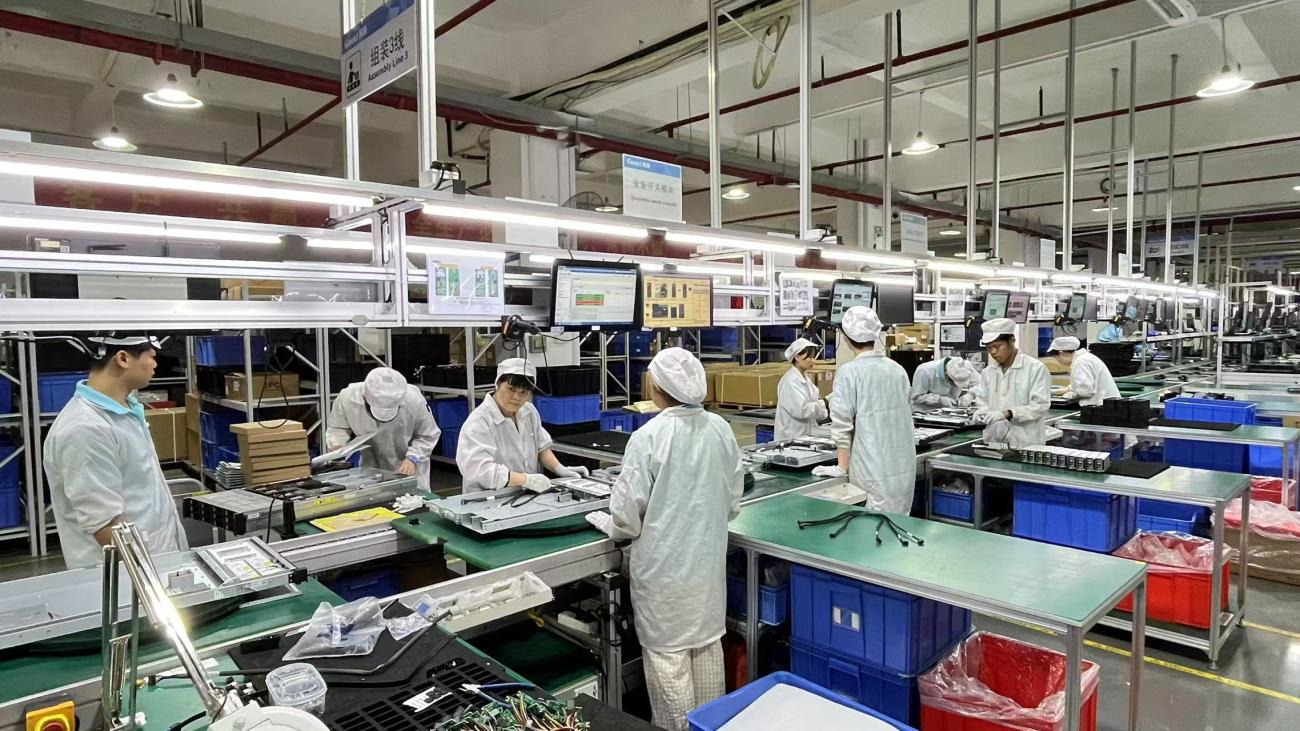
Established in 2016, Veltron Computing Technology Co., Ltd. is a dedicated manufacturer and global supplier of customized GPU servers, AI compute systems, and comprehensive server chassis nodes. Located in the tech hub of Shenzhen, China, we manage a modern production facility spanning over 3,800 square meters. Backed by 8 years of export operations and 14 years of internal technical expertise in the intelligent server market, we have successfully managed server infrastructure deployments across Europe, North America, Southeast Asia, South America, and the Middle East.
Our operation is designed around quality and strategic engineering. Under the guidance of 168 experienced R&D engineers specializing in motherboard layout design, GPU integration, high-wattage power management, and thermodynamic dissipation, Veltron delivers over 85 new products or firmware optimization upgrades annually. This continuous innovation cycle ensures our hardware architecture aligns with the fast-evolving computing requirements of modern high-performance cloud frameworks.
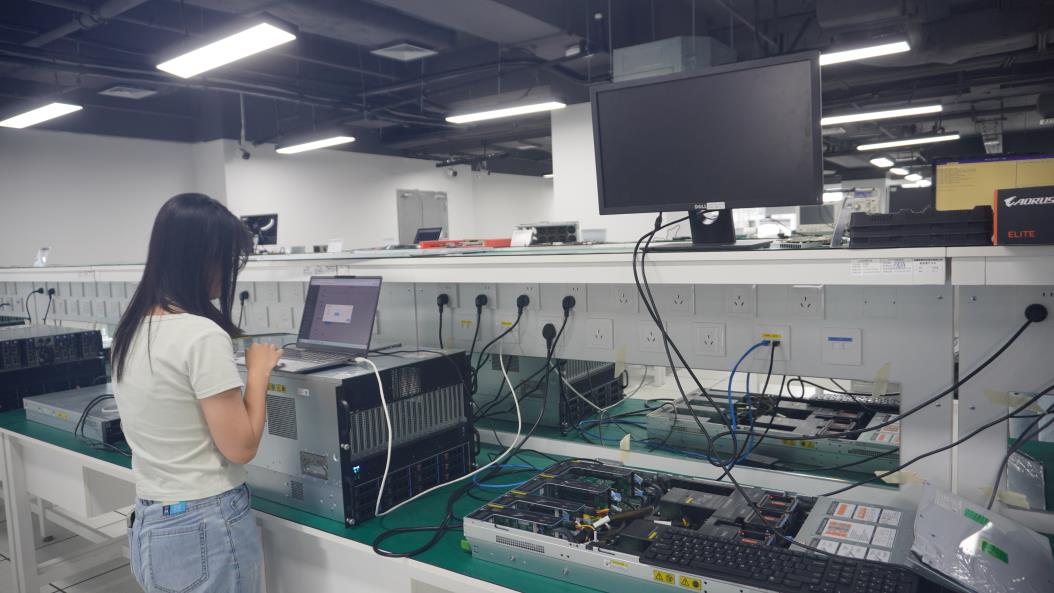
Reliability is non-negotiable for enterprise workloads. Our quality assurance protocol includes a team of 56 dedicated quality control inspectors who manage multiple stages of validation, including visual checks, board-level electrical diagnostics, full-load thermographic imaging, and 72-hour system burn-in testing. Furthermore, with relationships across more than 1,200 verified supply chain partners, we guarantee access to critical components, stable pricing models, and accelerated delivery schedules for global projects.
As enterprise architecture transitions toward specialized processing nodes, several key hardware trends dictate the procurement strategies of public cloud providers.
Looking ahead, the cloud infrastructure ecosystem is transitioning toward hardware platforms designed for energy efficiency and high memory bandwidth. Next-generation systems will increasingly integrate CXL (Compute Express Link) protocols to facilitate memory pooling, reducing latency between processors and accelerators. At the same time, liquid-to-air cooling options will shift from specialized configurations to standard setups as data centers seek to reduce Power Usage Effectiveness (PUE) metrics. Veltron's R&D path focuses on engineering custom bare-metal architectures that support these new protocols, ensuring cloud providers remain competitive on both compute density and power consumption.
We supply the hardware foundation for diverse workloads, from mission-critical enterprise resource planning to edge computing networks.
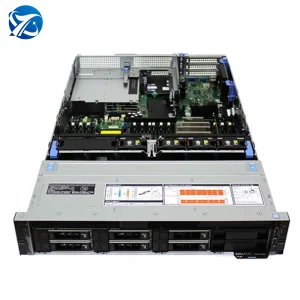
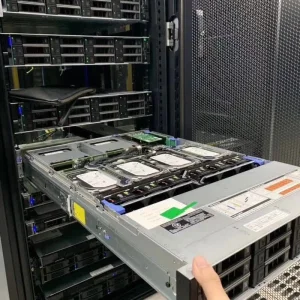
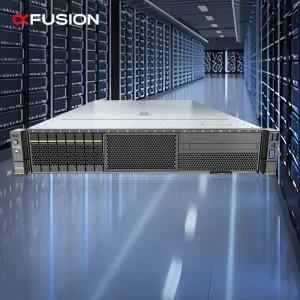
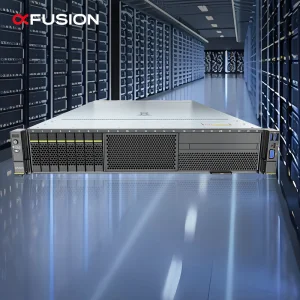
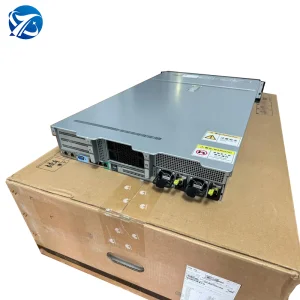
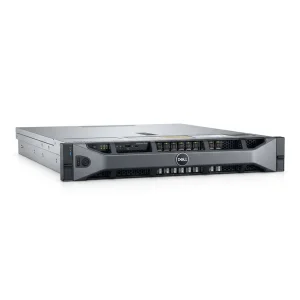
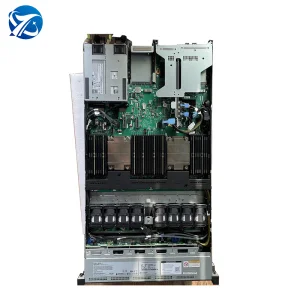
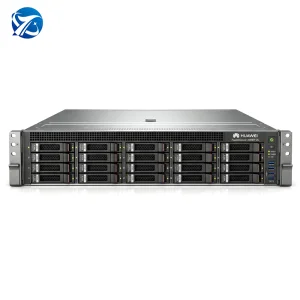
Enterprise Resource Planning (ERP) applications, transactional databases, and real-time business intelligence engines require sustained multi-core CPU performance and high memory capacities. Dual-socket and quad-socket servers, such as the FusionServer 2488H V5, provide the system resilience needed for these tasks. By offering redundant power supply units (PSUs), hot-plug hard drive bays, and extensive PCIe expansion configurations, these nodes support large database software engines (such as SAP HANA) with minimal downtime.
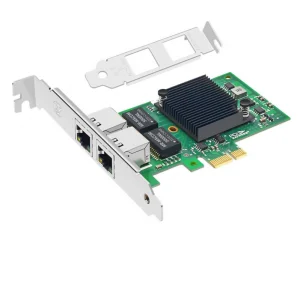
Deploying latency-sensitive applications at the edge of the network requires specialized hardware. These systems need to fit into shallow cabinets while providing robust networking capabilities. The integration of specialized components, like the XP270-M2 SAS3808 BootCard, provides RAID reliability for local boot drives. This setup allows edge cloud nodes to operate independently of central data centers, processing telemetry data locally for manufacturing, utility monitoring, and smart city networks.
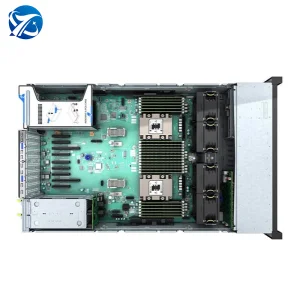
For research labs, engineering firms, and cloud service providers offering specialized GPU hosting, compute density is key. Server platforms optimized for GPU integration, such as the xFusion G5500 V7, support multiple double-wide GPU accelerators alongside DDR5 system memory. This configuration provides the high-bandwidth data paths required for deep learning model training, seismic modeling, molecular physics simulations, and video transcoding at scale.
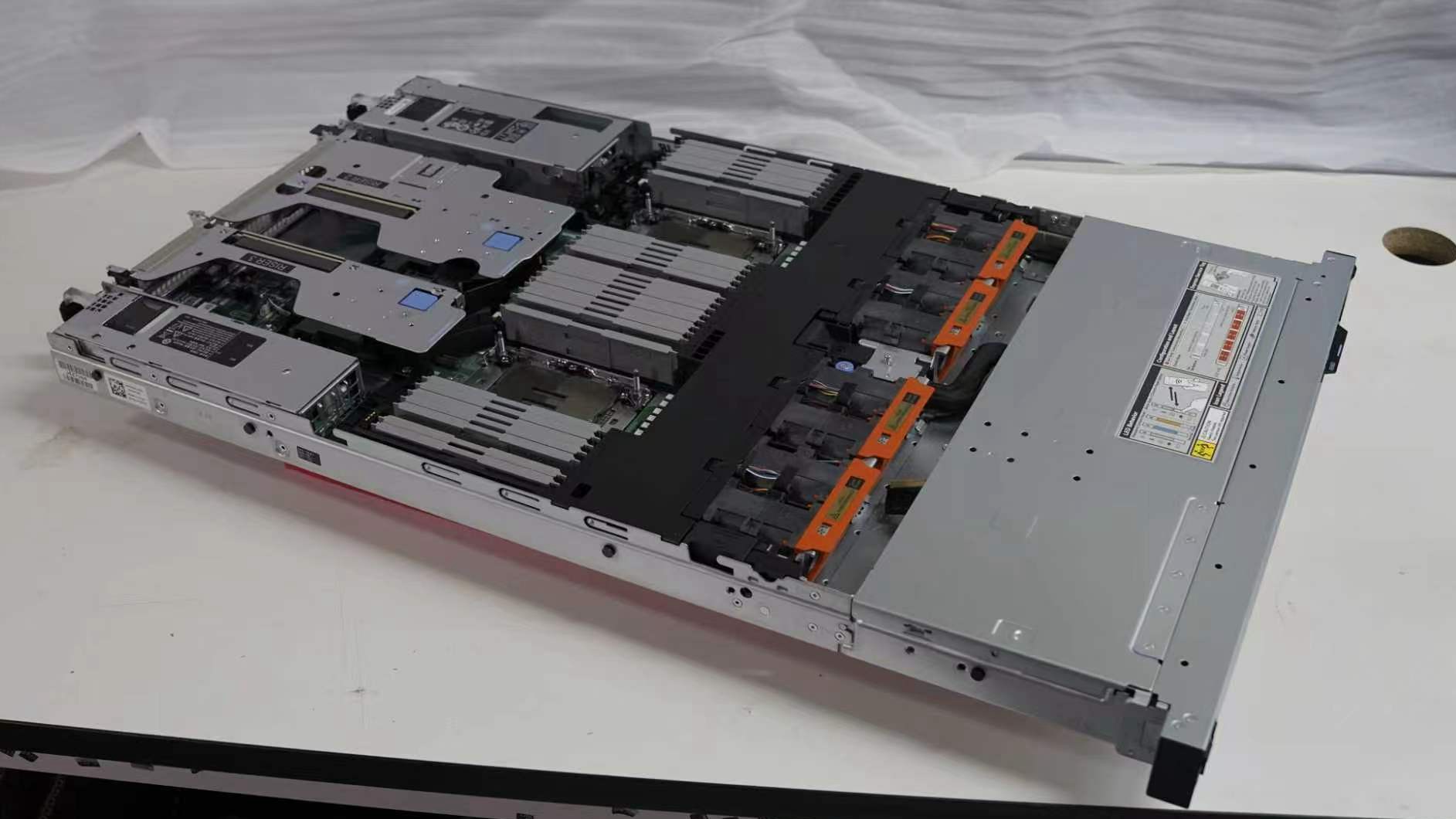
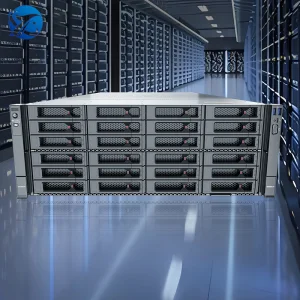
Select from our range of 1U, 2U, and multi-socket server configurations designed to meet modern virtualization and storage needs.
Technical insight into server provisioning, hardware optimization, and sourcing logistics.
Take a virtual tour of our 3,800 square meter assembly lines, testing chambers, and warehousing facilities.