Veltron
Veltron
Veltron
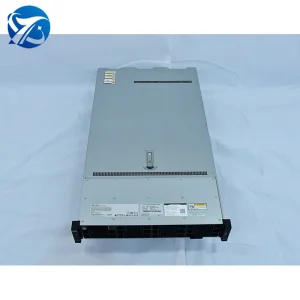
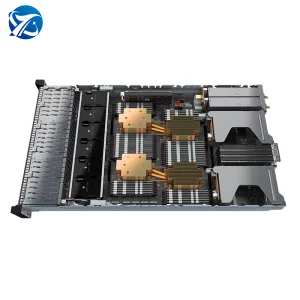
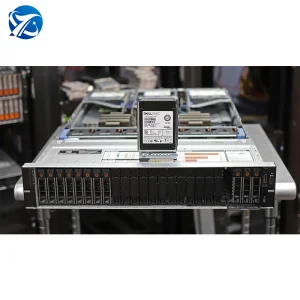
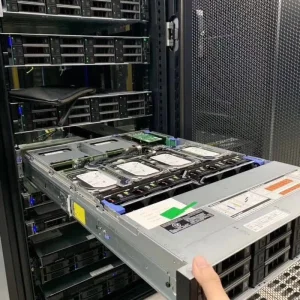
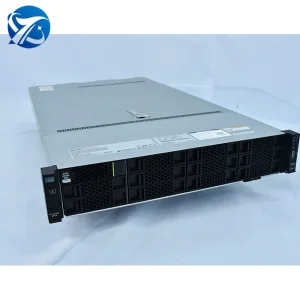
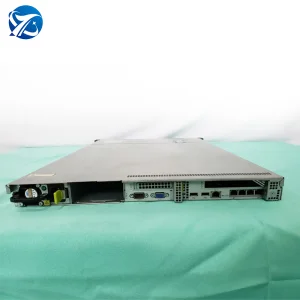
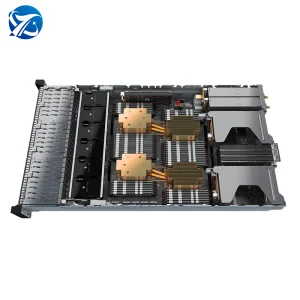
Explore our flagship high-performance systems engineered to support high-throughput cloud calculations and massive deep learning matrices.
An in-depth analysis of supply chain efficiency, advanced hardware architectures, and the global paradigm shift in enterprise-grade data networks.
Modern data centers are experiencing unprecedented scaling demands driven by Large Language Models (LLMs), deep learning, and hyperscale virtualization. In the current computational landscape, processing power is no longer determined solely by isolated GPU components but by the interconnectivity of nodes. Optical networking technologies constitute the physical backbone of this scaling phase. The integration of high-density interconnect designs—such as active optical cables (AOCs), transceivers, and optical switches—ensures minimum latency and prevents transmission bottlenecks.
For enterprise clients scaling applications like DeepSeek-based workloads or massive multi-tenant database clusters, standard network infrastructures are inadequate. These systems demand low-latency, high-bandwidth interconnect protocols like RoCE v2 (RDMA over Converged Ethernet) and InfiniBand. This requirement links the demand for GPU servers directly to the quality of optical networking components. As a global supplier, Veltron Computing Technology Co., Ltd. bridges the gap between hardware and high-speed network topologies.
"The efficiency of modern AI computing clusters is fundamentally constrained by network interconnect limits. High-performance optical channels are the primary catalysts resolving these bandwidth bottlenecks."
China, particularly the Shenzhen hardware cluster, remains a key region for sourcing electronic components and optical communication modules. The concentration of component manufacturers, research centers, and testing labs in the region enables short development cycles and agile manufacturing capabilities. This environment supports the production of key hardware including active optical components, transceivers, chassis, complex server backplanes, and high-frequency PCBs.
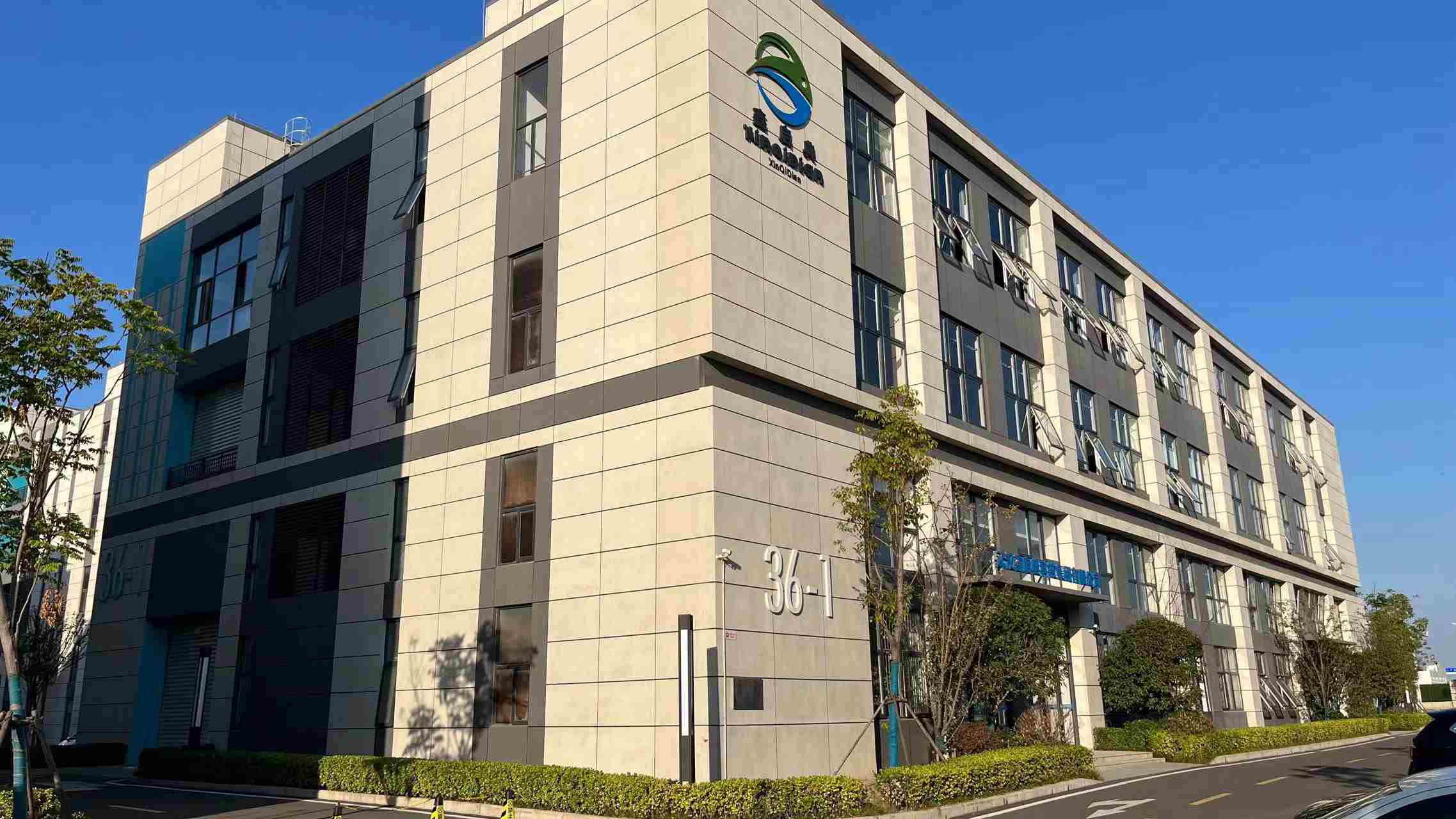
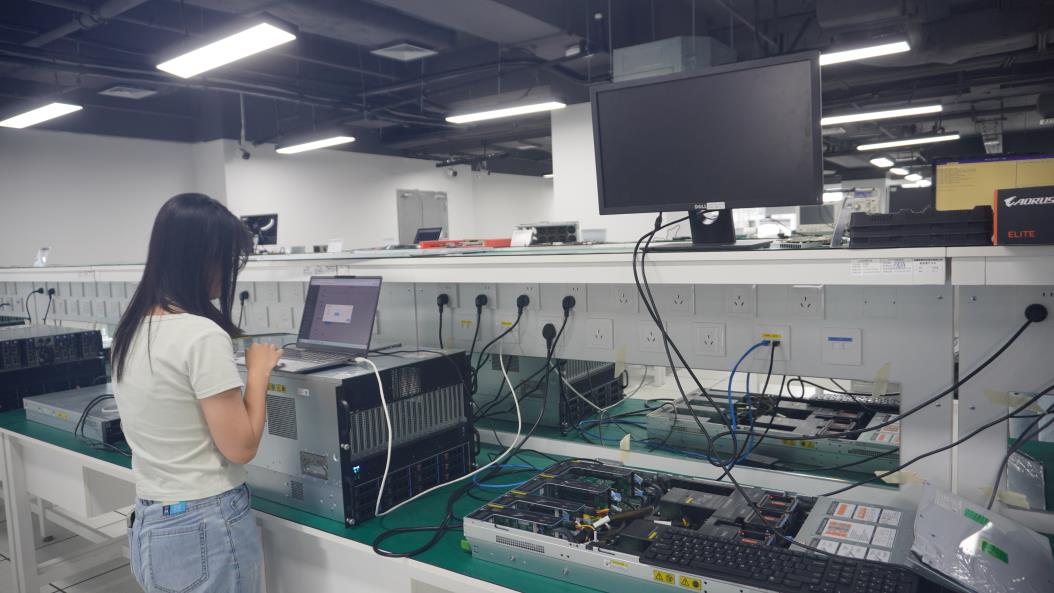
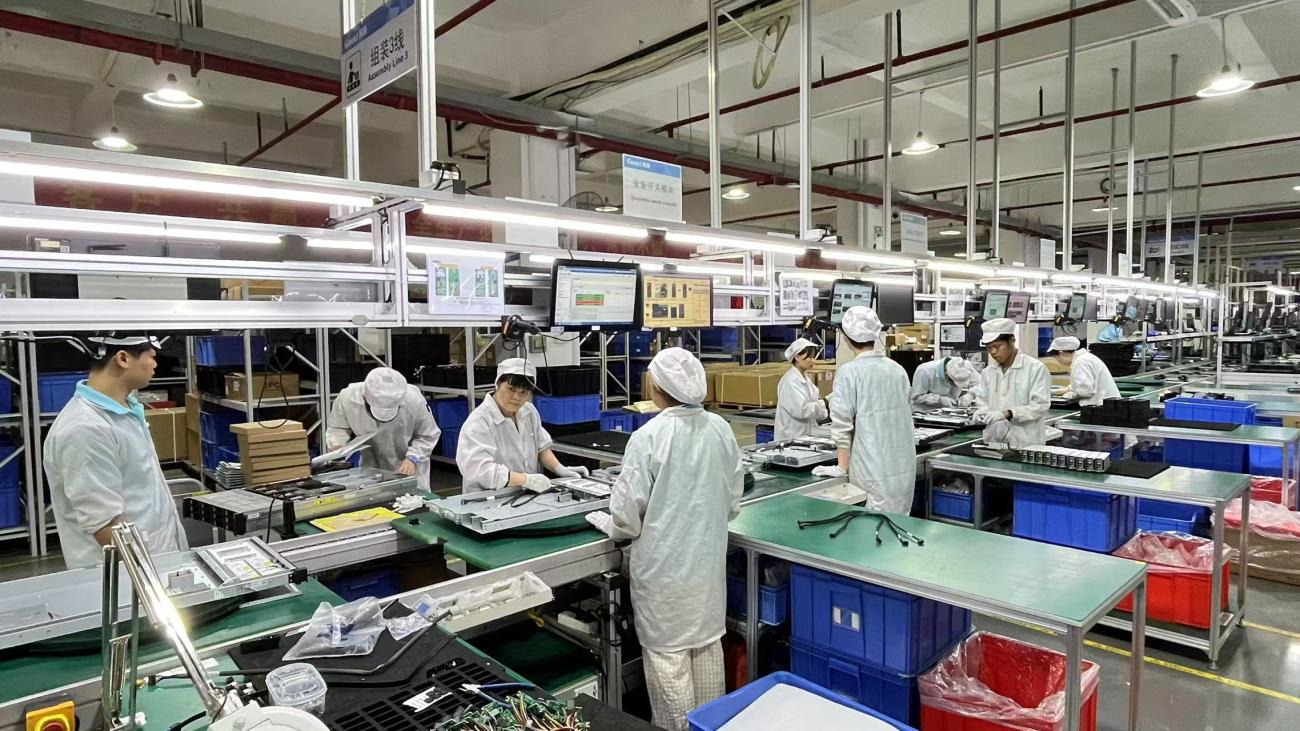
Veltron Computing Technology operates a 3,800+ square meter manufacturing facility in Shenzhen. By integrating raw material sourcing, optical component assembly, high-level testing, and firmware configuration, Veltron reduces the lead times associated with complex custom designs. Leveraging partnerships with over 1,200 supply chain partners, we maintain a stable material pipeline to prevent supply disruptions even during peak demand cycles.
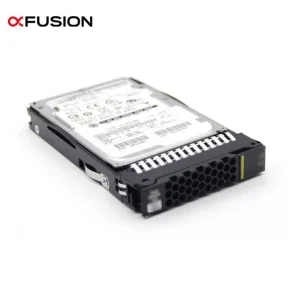
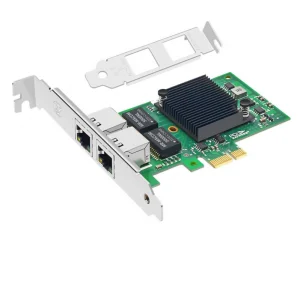
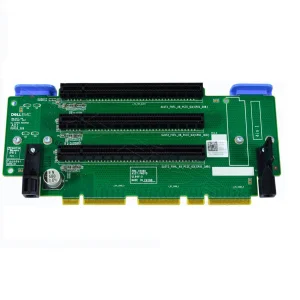
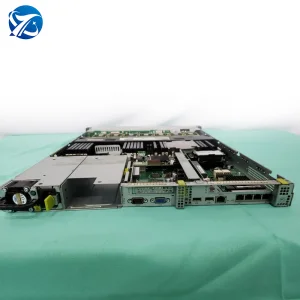
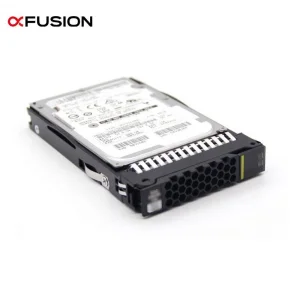
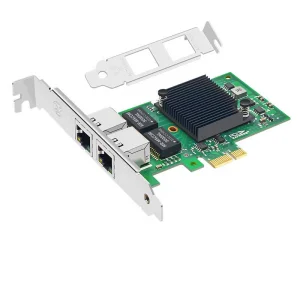
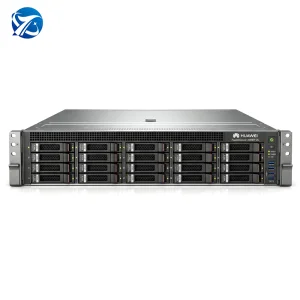
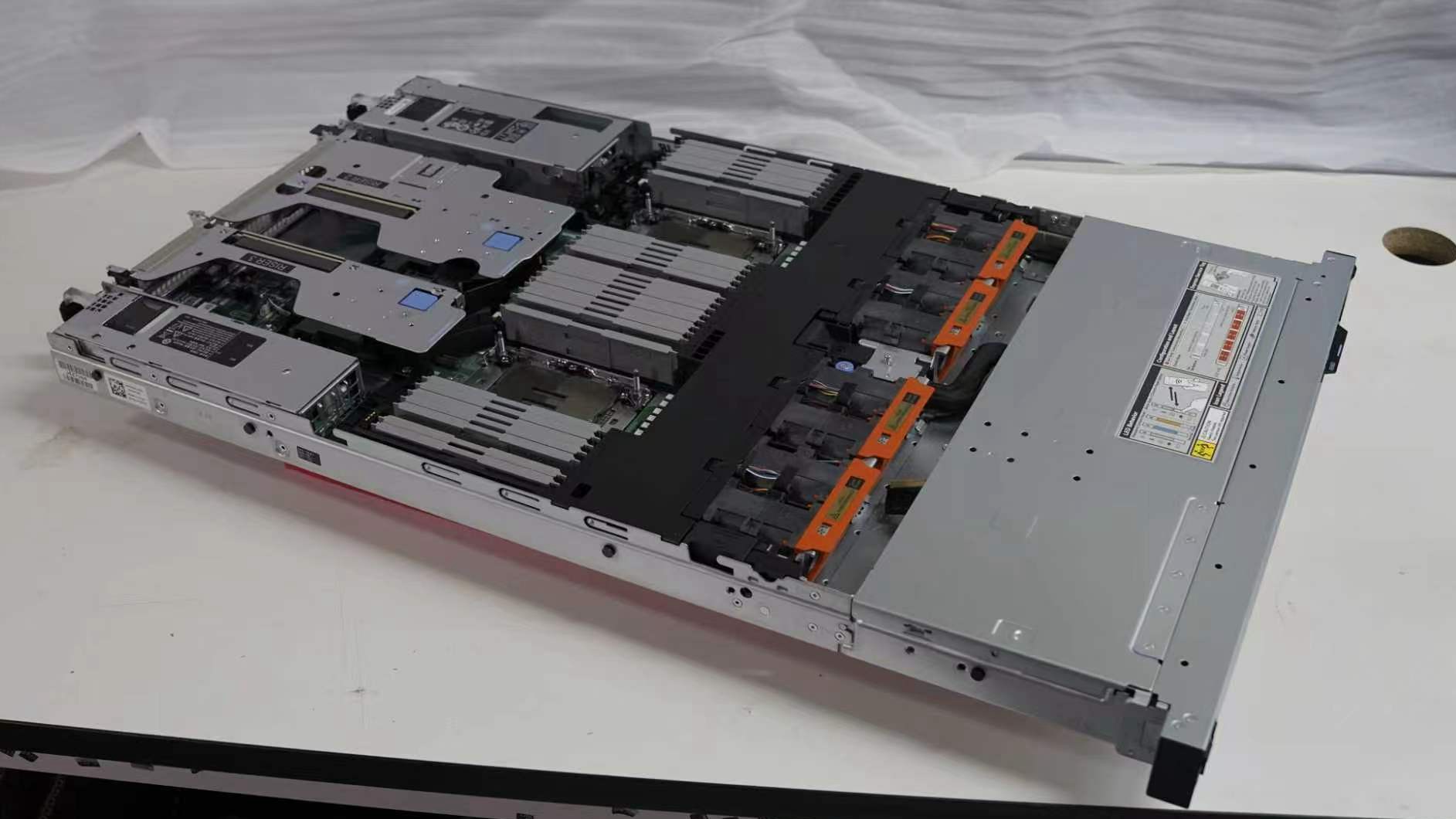
Deploying high-performance clusters requires an understanding of how optical networking hardware interfaces with computing units. In modern server designs like the xFusion FusionServer or Dell PowerEdge systems, high-bandwidth communication relies on PCIe bus optimization. For example, PCIe 4.0 and 5.0 systems achieve raw data rates of 16GT/s and 32GT/s per lane, respectively. This performance is sustained by integrating specialized RAID cards (such as LSI 9560 series controllers) and high-speed network interfaces (NICs).
Utilizing high-speed PCIe Gen 5 architectures and optical transceivers to support data transfers of up to 800Gbps per node.
Implementing direct host-to-fabric interconnect pathways to minimize processing cycles and sub-microsecond networking lag.
Ensuring system stability through dual-path networks, redundant power supplies, and hot-swappable fans.
When configuring cloud-based AI storage networks, administrators combine NVMe-oF (NVMe over Fabrics) protocol architectures with optical networks. This setup decouples storage components from compute nodes, allowing servers to access remote solid-state drives (SSDs) at low latencies. Veltron incorporates enterprise components—such as PM893 series SSDs, NL SAS HDDs, and custom M.2 RAID standard cards—into systems that are pre-configured to operate with high-speed fiber channels.
Global distribution of high-performance computing systems requires compliance with varied regional standards. Enterprise hardware must satisfy specific safety, electromagnetic compatibility, and hazardous material regulations, including CE, FCC, RoHS, and UL certifications.
To address regional compliance and technical requirements:
A inside look at Veltron Computing's 3,800+ square meter factory, highlighting our assembly processes, R&D labs, and quality assurance divisions.


The computing industry is shifting toward more integrated optical architectures. As transceivers reach 800G and 1.6T limits, physical distance constraints on standard copper links require alternative solutions. Silicon Photonics and Co-Packaged Optics (CPO) are emerging as critical technologies.
CPO integrates optical engines directly onto the processor substrate, reducing transmission distance, signal attenuation, and power consumption. Veltron's R&D department closely monitors these trends to ensure compatibility with next-generation high-bandwidth optical connections.
Veltron's systems are optimized for several critical application environments:
Expert answers regarding optical networking configurations, customization capabilities, international compliance, and hardware integration.
Explore our secondary lineup of servers, expansion systems, and performance components to optimize your enterprise network infrastructure.