Veltron
Veltron
Veltron
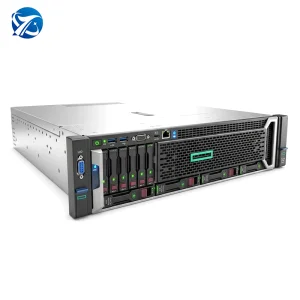
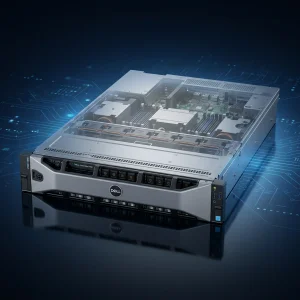
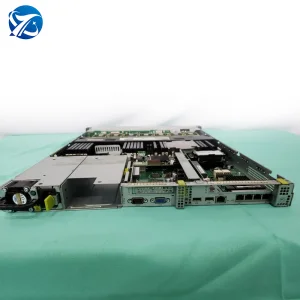
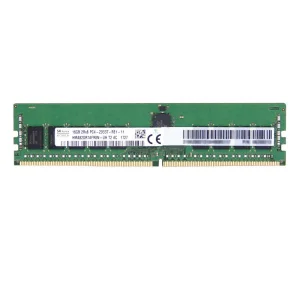
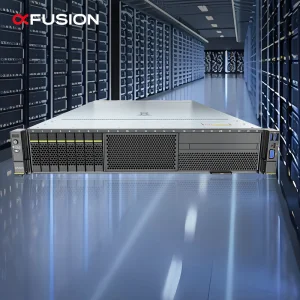
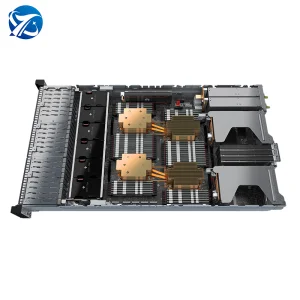
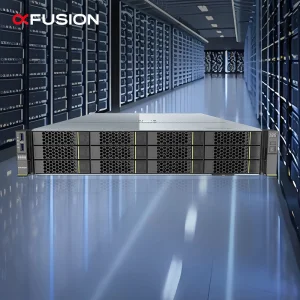
Modern internet architecture demands hardware components capable of processing millions of concurrent requests while simultaneously running real-time analytics, machine learning scripts, and dynamic database transactions. The term "Web Hosting Hardware" has transcended simple CPU-and-storage servers. Today, enterprises rely on high-density GPU computing clusters, complex neural network inference hardware, and containerized virtualization architectures.
As a leading supplier of CE Certified Web Hosting Hardware & GPU Servers, Veltron Computing Technology Co., Ltd. builds hardware that functions as the backbone of next-generation infrastructure. By designing machines optimized for both compute density and power efficiency, we satisfy the rigorous demands of global hosting providers, cloud platforms (IaaS/PaaS), and localized scientific processing pools. Our products comply with European Conformity (CE) guidelines, ensuring that our servers adhere to the strict electromagnetic compatibility (EMC), low voltage electrical safety (LVD), and hazardous substances restriction (RoHS) rules required for legal distribution and long-term operation within Europe and other high-regulation economic territories.
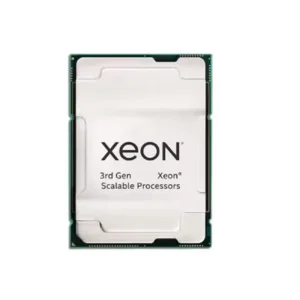
Deploying Intel Xeon Scalable processors alongside AMD EPYC architectures to execute multi-threaded hosting operations, virtualization clusters, and high-frequency database processes with zero latency bottlenecks.
Unlocking specialized computing power for real-time artificial intelligence inference, neural network model execution (such as deep learning architectures and localized LLM instances), and large-scale rendering.
Rigorous CE certification ensures compliance with critical safety directives, minimizing electrical risks, electromagnetic interference, and heat dispersion issues in high-density rack facilities.
Years of Industry Expertise
R&D Engineers & Architects
Strategic Supply Chain Partners
Annual Global Export Volume
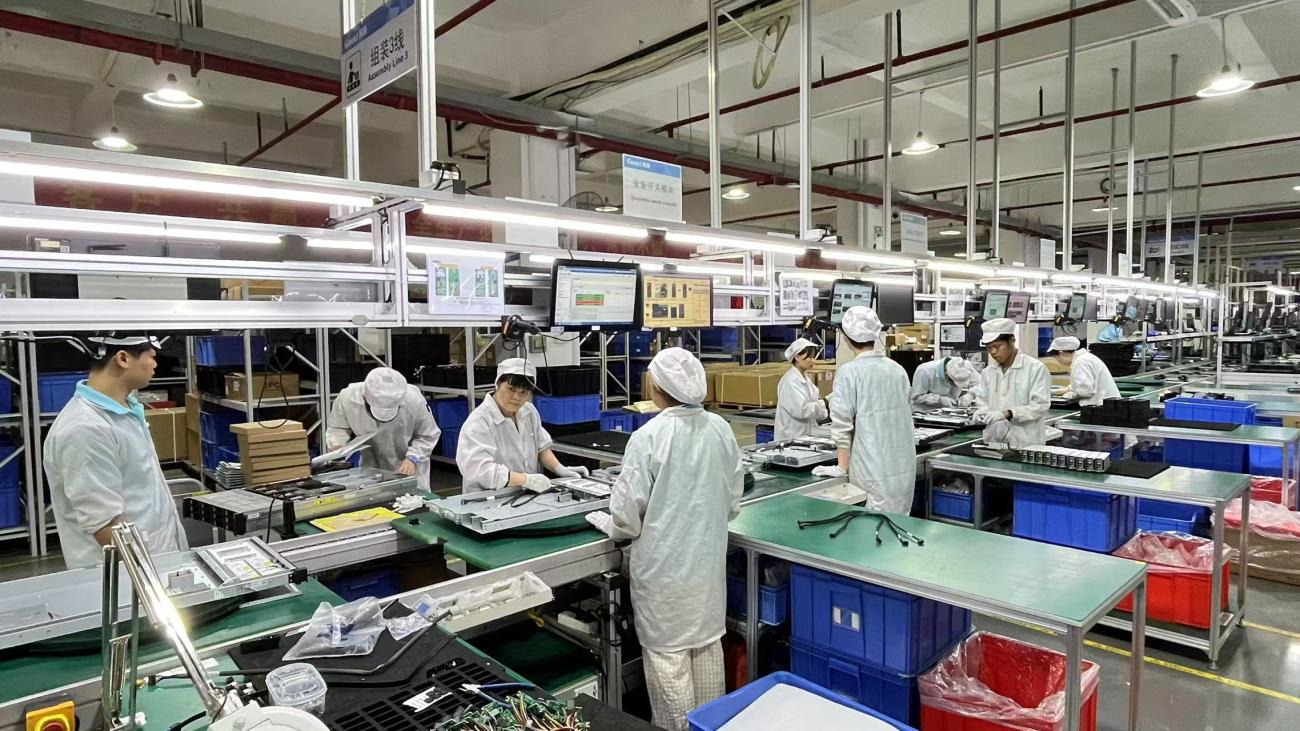
Established in 2016, Veltron Computing Technology Co., Ltd. (operating from Shenzhen, China) has evolved into a premier hardware manufacturer, system integrator, and global distributor. Built on 14 years of design expertise and 8 years of international trade history, Veltron maintains an agile manufacturing facility encompassing over 3,800 square meters. Our production floors feature automated assembly setups, custom surface mount technology (SMT) interfaces, environmental simulation testing chambers, and an in-house thermal laboratory.
Our focus centers on structural efficiency, custom server configurations, and multi-tier quality control validation. Veltron keeps more than 56 dedicated quality control personnel active across all stages of production. Our components must pass a rigid validation path, including material inbound testing, real-time board-level diagnostics, thermal chamber testing, performance stress runs under synthetic workloads, and an intensive 72-hour system-wide burn-in sequence prior to international shipping. By maintaining partnerships with over 1,200 raw material and component suppliers worldwide, Veltron guarantees continuous procurement pipelines even during market fluctuations, allowing us to supply clients with standard and customized hardware configurations at consistent lead times.
With annual international revenues exceeding USD 18 million, our global customer base extends across North America, Europe, Southeast Asia, South America, and the Middle East. Whether supplying pre-configured compute clusters to hyper-scale data centers or shipping modular servers to regional system integrators, Veltron acts as a stable hardware manufacturing partner for systems requiring maximum performance, reliability, and regulatory certification.
Industrial applications present unique physical constraints, data compliance parameters, and computing requirements. Veltron builds hardware platforms to address these varied operating conditions.
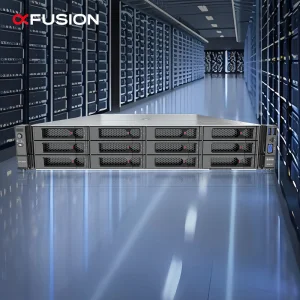
Modern hosting environments run artificial intelligence workloads directly on edge servers. Our high-density xFusion and Dell GPU nodes support large language models (such as DeepSeek R1 setups) with low-latency access and dedicated PCIe lanes for instant GPU-to-memory communication.
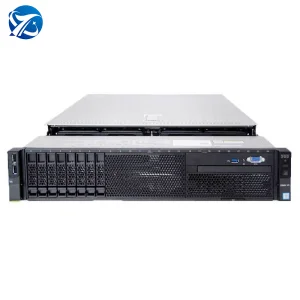
Virtualization layers require dense thread counts and high-capacity, low-latency RAM configurations. Utilizing HPE ProLiant DL360 Gen12 or xFusion 2288H architectures allows providers to partition resources into container pools (Docker, Kubernetes) without risking resource starvation.
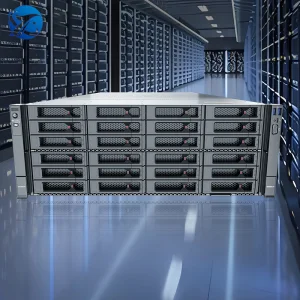
Local business networks require fast data access coupled with physical reliability. Our custom NAS and dedicated storage servers integrate massive LFF/SFF drive bays and hardware RAID controller systems, securing on-premise business data while remaining integrated with cloud architectures.
In Europe, compliance with CE directives ensures that these servers integrate seamlessly into existing commercial and industrial grids without causing local power disruptions or electromagnetic interference with surrounding equipment. Veltron systems are designed with high-efficiency power supplies (typically certified at 80 Plus Platinum or Titanium levels) to keep energy waste minimal, helping data center operators meet local power consumption regulations and PUE (Power Usage Effectiveness) targets.
As computing requirements continue to scale, web hosting infrastructure faces challenges related to thermal dissipation, data throughput, and high-density memory performance. The engineering team at Veltron continuously monitors technology life cycles, allowing us to roll out upgrades that support hardware longevity. Our technology development plan focuses on key infrastructure fields:
Air cooling alone is becoming insufficient for modern high-performance systems. Our hardware layout plans include configurations designed for direct-to-chip liquid cooling systems. By replacing standard aluminum heat sinks with custom-milled copper water block modules, we enable efficient heat transfer from 350W+ TDP processors and high-power GPU units. This reduction in operating temperatures helps prevent thermal throttling and extends component lifespans.
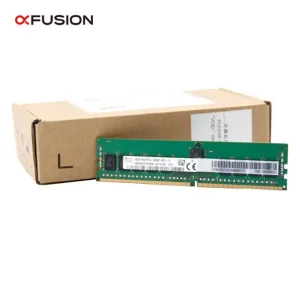
Data transfer rates between storage arrays, RAM modules, and accelerator components are critical for avoiding system bottlenecks. Our engineering team works to integrate next-generation PCIe Gen 6.0 slots, allowing for doubled bandwidth compared to Gen 5.0 systems. Additionally, we are standardizing server models to support DDR5 RDIMM memory speeds reaching 6400MHz and beyond. This allows for high-capacity, low-latency data access ideal for intensive multi-tenant databases and complex machine learning calculations.
Standard x86 architectures are increasingly paired with specialized AI processing units. Future server lines will emphasize modular GPU and NPU integration, allowing hosting operators to provision specialized execution blocks for artificial intelligence models directly on the motherboards. This layout reduces latency for local AI applications while keeping overall power consumption manageable.
Shenzhen remains a core global electronics hub, grouping together component fabricators, semiconductor engineers, raw material providers, and logistics operations. Veltron leverages this local ecosystem to deliver reliable computing hardware efficiently. Our facilities are designed to manage every step from board layout and metal chassis design to electrical validation and final product packaging.
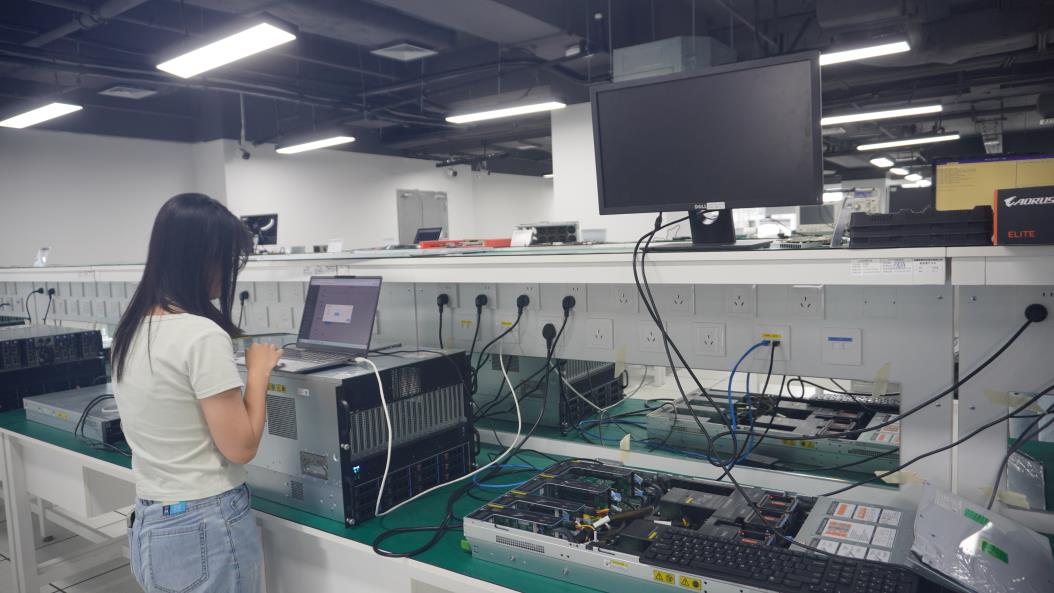
Quality control remains central to our operations. Every hosting server, memory module, and GPU accelerator undergoes step-by-step physical and digital testing:
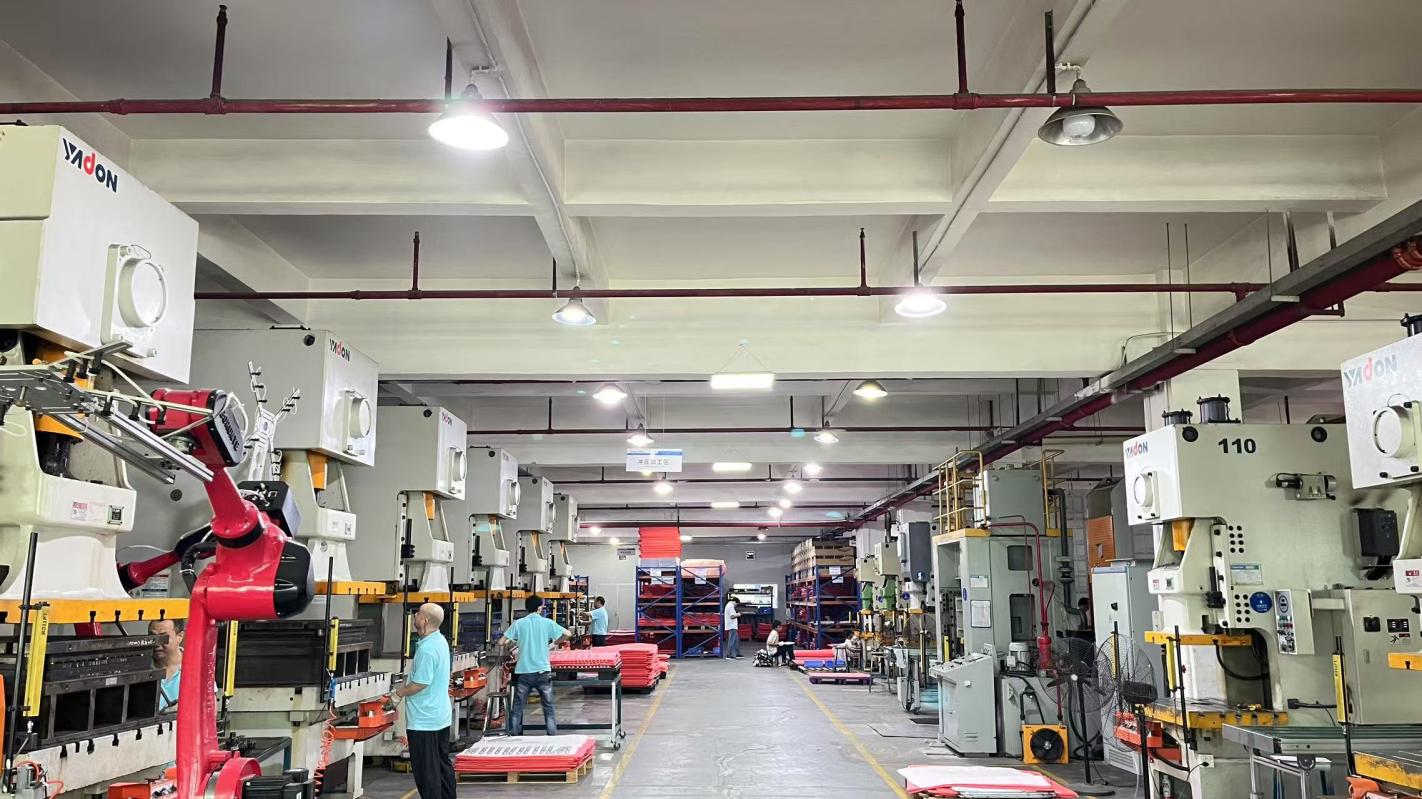
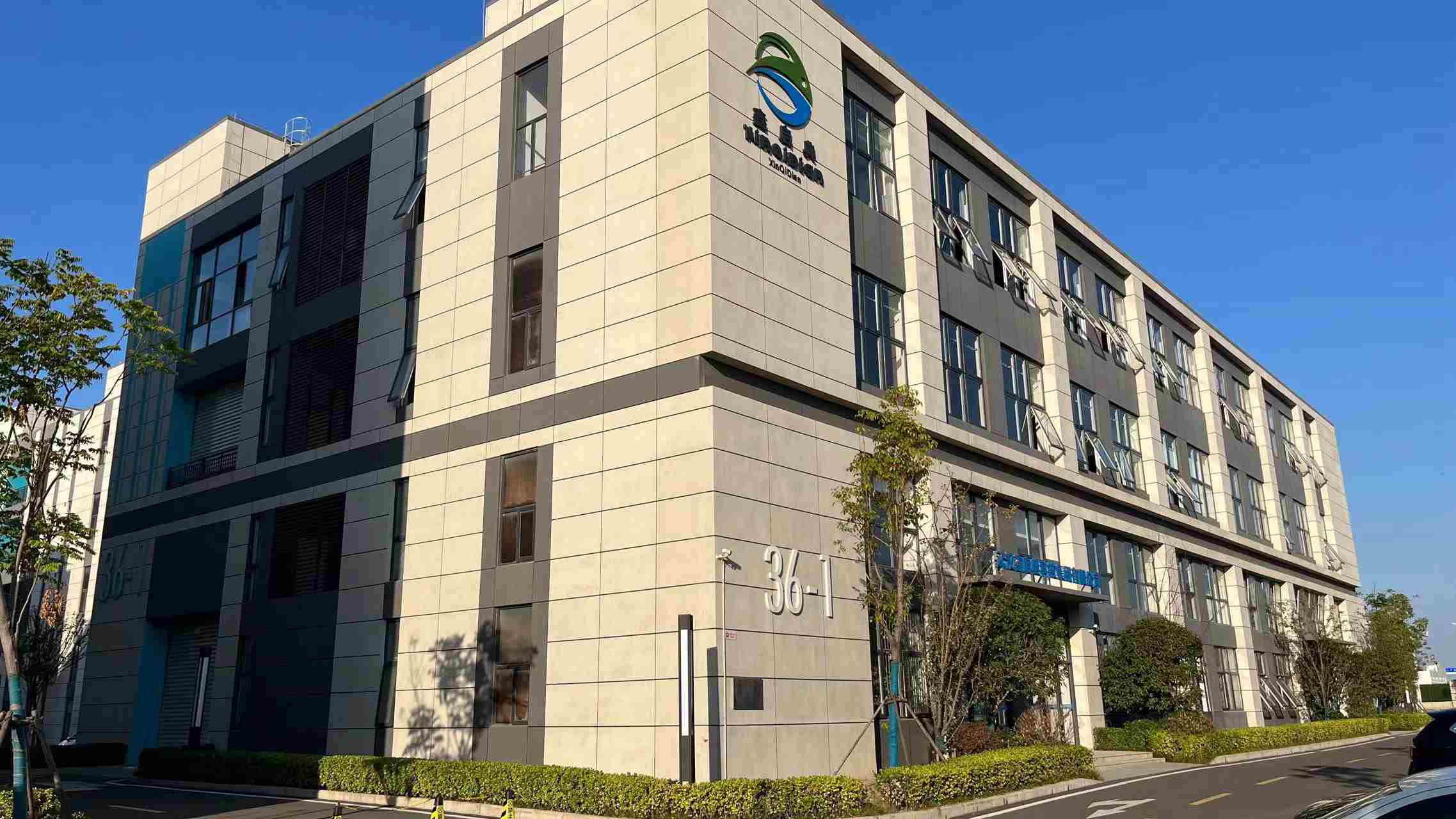
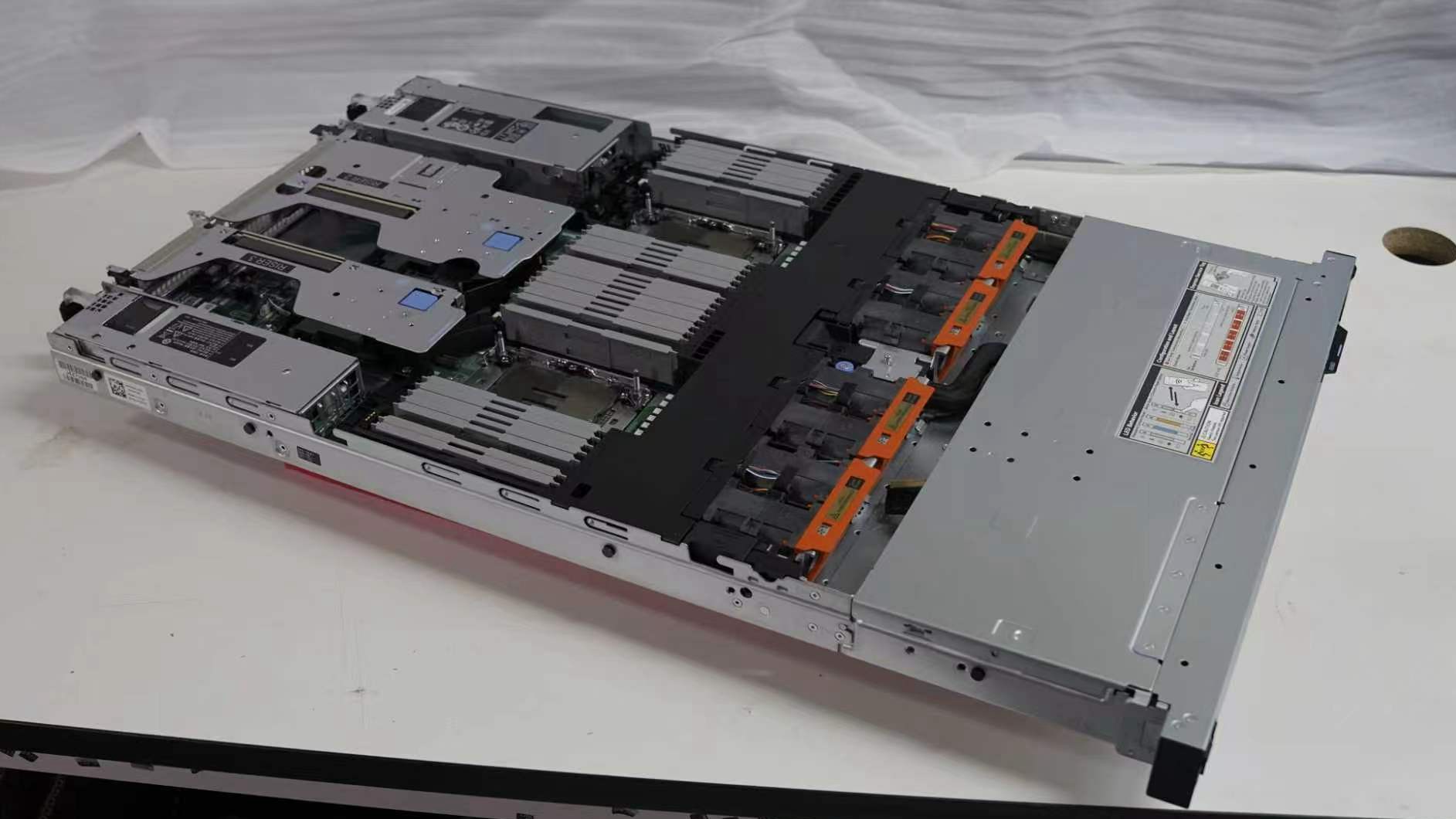
Our strategic procurement networks help protect against critical hardware shortages. By keeping reserve stocks of key parts (such as Intel/AMD processors, DDR5 memory modules, and specialized controller chips), we maintain production lines and reliable shipping schedules even during periods of supply chain volatility. Below, you can see inside our Shenzhen manufacturing facility, testing labs, and warehouse centers:

The global market for hosting hardware is changing as standard data architectures adapt to localized compliance regulations. Standard cloud infrastructures are increasingly shifting toward localized, regional nodes. This transition is motivated by regional data localization laws (such as GDPR within the EU), which mandate that citizen data be processed on local hardware located within national or regional borders. Consequently, there is growing demand for certified server hardware for local setups.
Furthermore, energy regulations are becoming more stringent worldwide. Data center operations must comply with strict electricity usage standards. Because server infrastructure consumes significant power, developers rely on power supply units that meet CE standards and equivalent certifications (such as FCC and UL). In addition to safety, compliance involves structural efficiency. System power supply units are built using active Power Factor Correction (PFC) circuitry and advanced cooling configurations, which help minimize power losses, lower operations costs, and support regional green energy initiatives.
Review key technical information about our servers, customization options, and regulatory certifications below.