Veltron
Veltron
Veltron
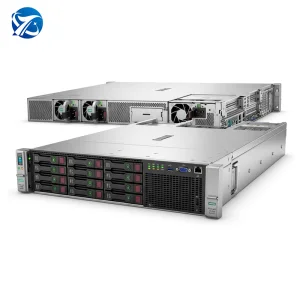
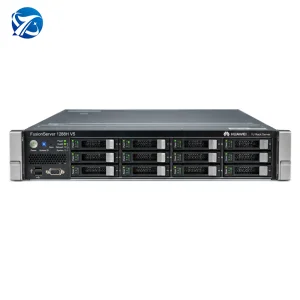
Industrial grade x86 edge servers, NAS arrays, and GPU computing nodes optimized for low-latency operations.
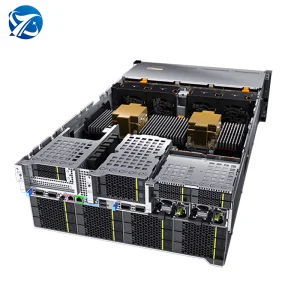
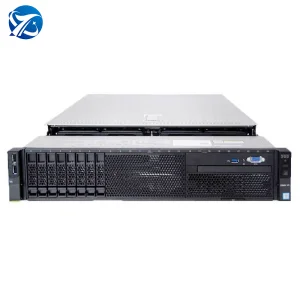
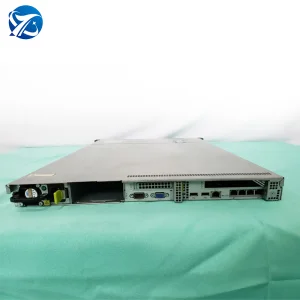
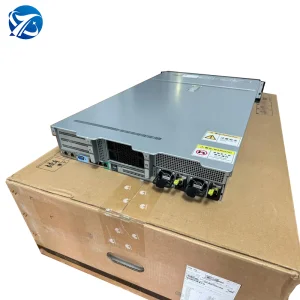
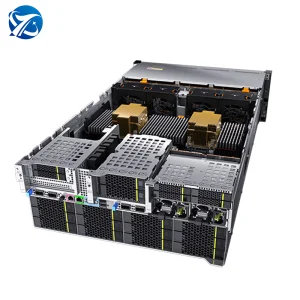
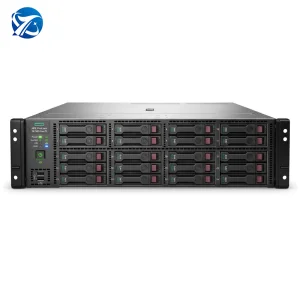
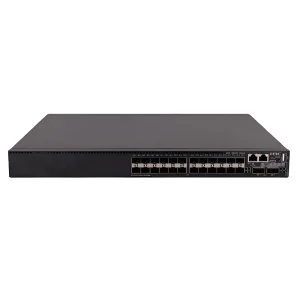
An Industrial Deep Dive into Veltron Computing Technology's Hardware Platform Architecture.
The global shift toward decentralized data infrastructure has elevated the importance of Mobile Edge Computing (MEC). Processing critical workloads directly at the edge rather than sending all telemetric streams to central clouds solves structural problems related to backhaul bandwidth, real-time latency limitations, and geographic privacy boundaries. To support these massive workloads, modern infrastructure demands highly reliable, enterprise-grade hardware nodes that remain functional under strict environmental variations.
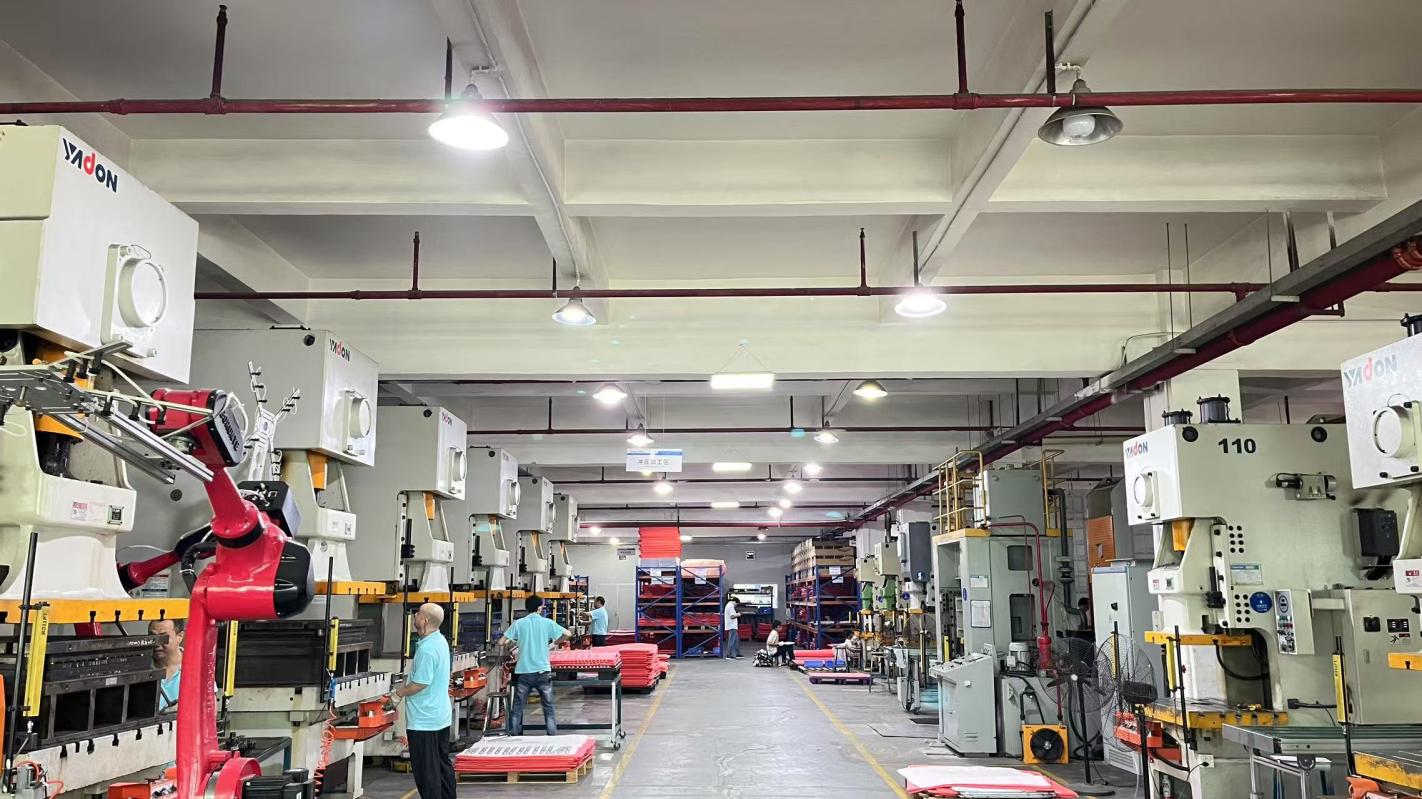
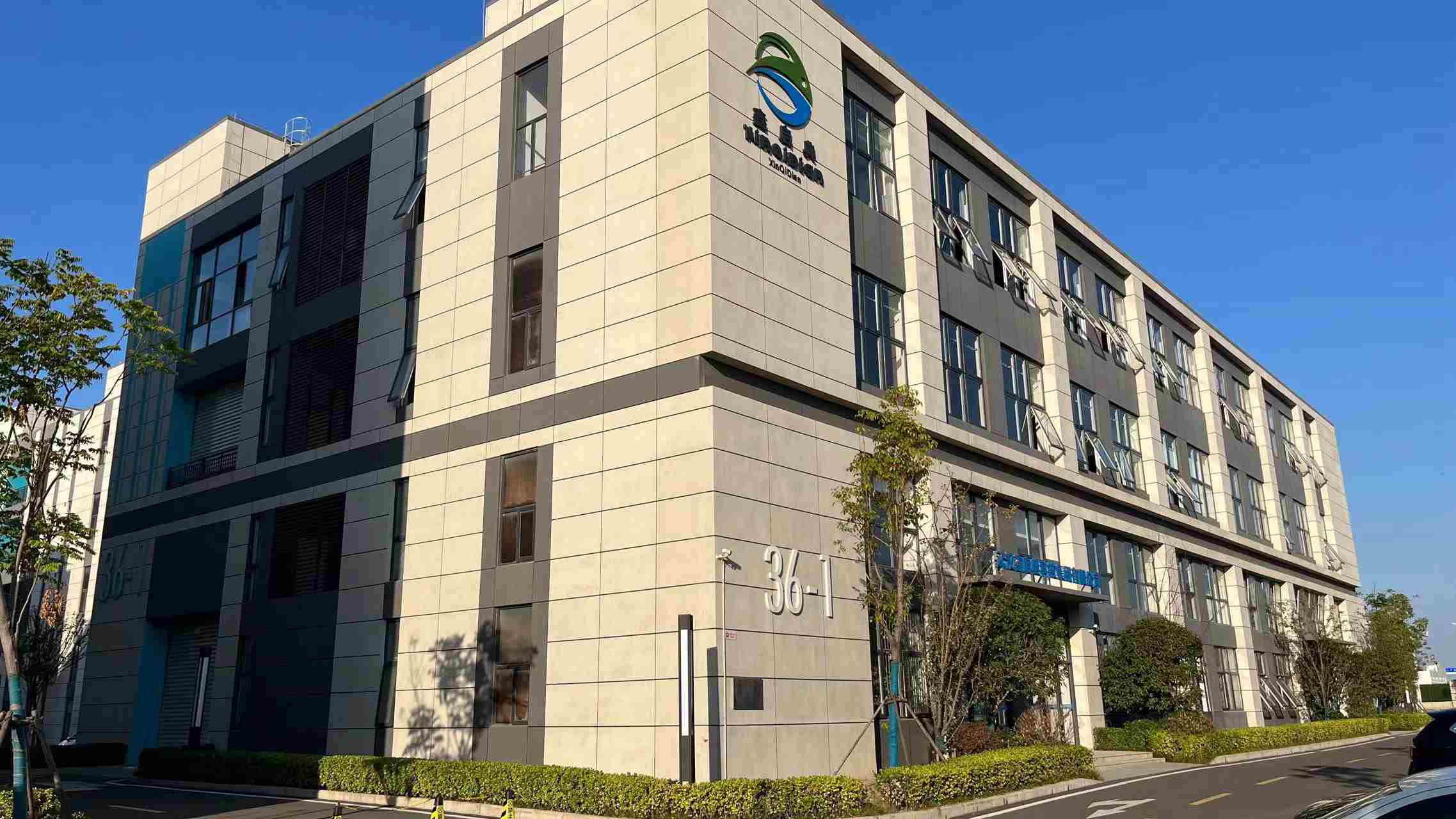
At Veltron Computing Technology Co., Ltd., we serve as a professional manufacturer and global supplier specialized in GPU servers, high-density AI computing systems, and ruggedized edge computing devices. Established in 2016 and backed by 14 years of professional industry expertise in intelligent computing, our manufacturing facility in Shenzhen, China covers over 3,800 square meters. We operate advanced automated assembly lanes, strict thermal test cells, and state-of-the-art diagnostic laboratories to ensure every system that leaves our line matches international enterprise expectations.
For organizations deploying high-density systems globally, regulatory compliance is not optional. Hardware destined for MEC clusters within the European Union, the United Kingdom, and Associated European trade zones must feature authentic CE (Conformité Européenne) Certification. This stamp ensures the edge compute nodes meet all strict safety, electromagnetic compatibility (EMC), and environmental guidelines (such as the Low Voltage Directive and RoHS framework). We focus heavily on ensuring our systems operate safely, with robust EMI/EMC shielding, inside environments with limited ventilation, dust exposure, or unstable power grids.
How Veltron guarantees regulatory reliability in demanding edge network nodes.
Deploying server systems outside of a standard, climate-controlled datacenter introduces severe hardware stressors. Standard edge applications place servers close to active 5G cell sites, manufacturing floors, municipal grids, and autonomous automotive hubs. These situations subject systems to unpredictable electromagnetic interference, power fluctuations, and dust entry. A lack of compliance leads to network degradation, system dropouts, and regulatory fines.
Our CE-certified hardware addresses these factors directly, keeping systems operational inside the following guidelines:
Designed with customized structural metal shielding that suppresses electromagnetic emissions. Prevents interference with adjacent wireless nodes (5G/LTE antennas) and guarantees clean operations next to heavy industrial machinery.
Ensures user safety against electric shock, extreme thermal buildup, and short circuits. Our chassis designs feature active ground protection and use highly-rated, double-insulated electrical components.
Strict controls block heavy metals and hazardous elements from entering our motherboard fabrication and chassis assembly, meeting the requirements of European environmental target markets.
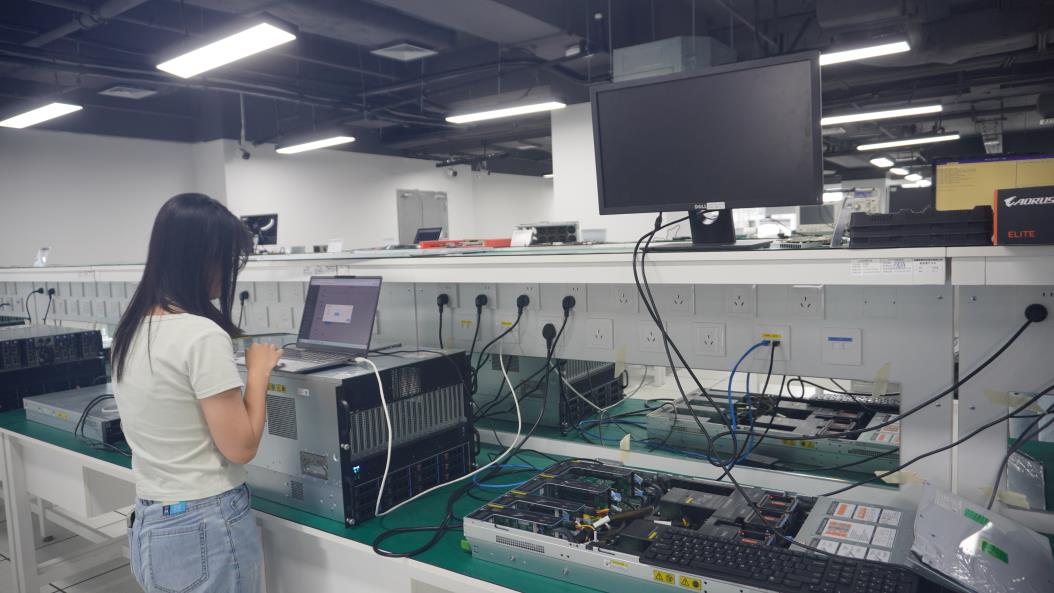
Our quality verification features a strict testing system managed by 56 dedicated quality control personnel. Each unit must undergo high-vibration stress testing, thermal chamber cycles simulating extreme temperatures (-20°C to +65°C), and full electrical load checks before shipping. This focus on reliability maintains stable operations in regions with volatile weather and remote field sites.
Analyzing the geographic and raw component advantages of Veltron's production base.
The speed at which AI computing and edge technologies change requires high-velocity production pipelines. Manufacturers outside of primary electronics hubs face shipping delays, raw component shortages, and slow prototyping phases. Our manufacturing base in Shenzhen, China, solves these speed-to-market challenges by positioning our production in the heart of global electronics logistics.
Our operation leverages this unique ecosystem to provide clients with structural advantages:
| Supply Chain Parameter | Standard Global Exporters | Veltron Shenzhen Supply Ecosystem |
|---|---|---|
| Prototyping Cycle | 6 to 12 Weeks | 2 to 4 Weeks (Driven by 168 R&D Engineers) |
| Component Sourcing Channels | Broker-dependent / Delayed logistics | Direct relationships with 1,200+ Tier-1 partners |
| Custom Chassis and Assembly | High MOQs / Slow re-tooling | Flexible manufacturing, custom sheet-metal & PCB layouts |
| Compliance Inspections | Outsourced to third-party labs | In-house thermal chambers & EMI pre-compliance labs |
This vertical integration allows our annual export revenue to exceed USD 18 million. We support system integrators, telecom networks, and high-performance computing operators throughout North America, Europe, Southeast Asia, the Middle East, and South America.
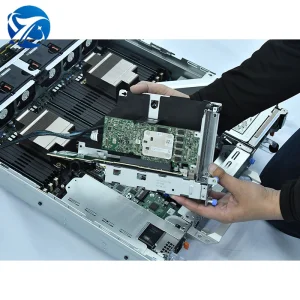
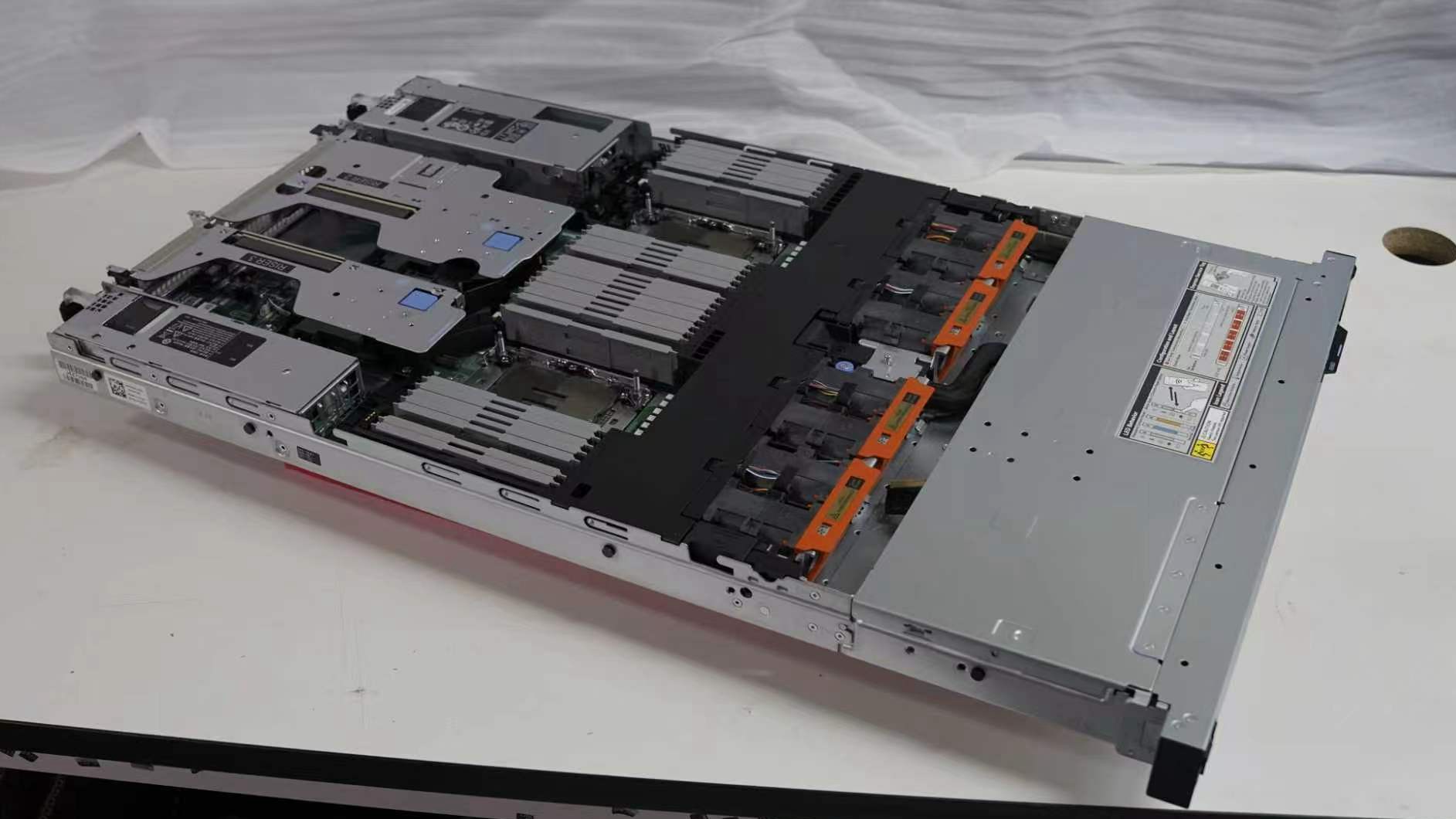
Visualizing our cleanroom assemblies, strict burn-in procedures, and technical diagnostics.
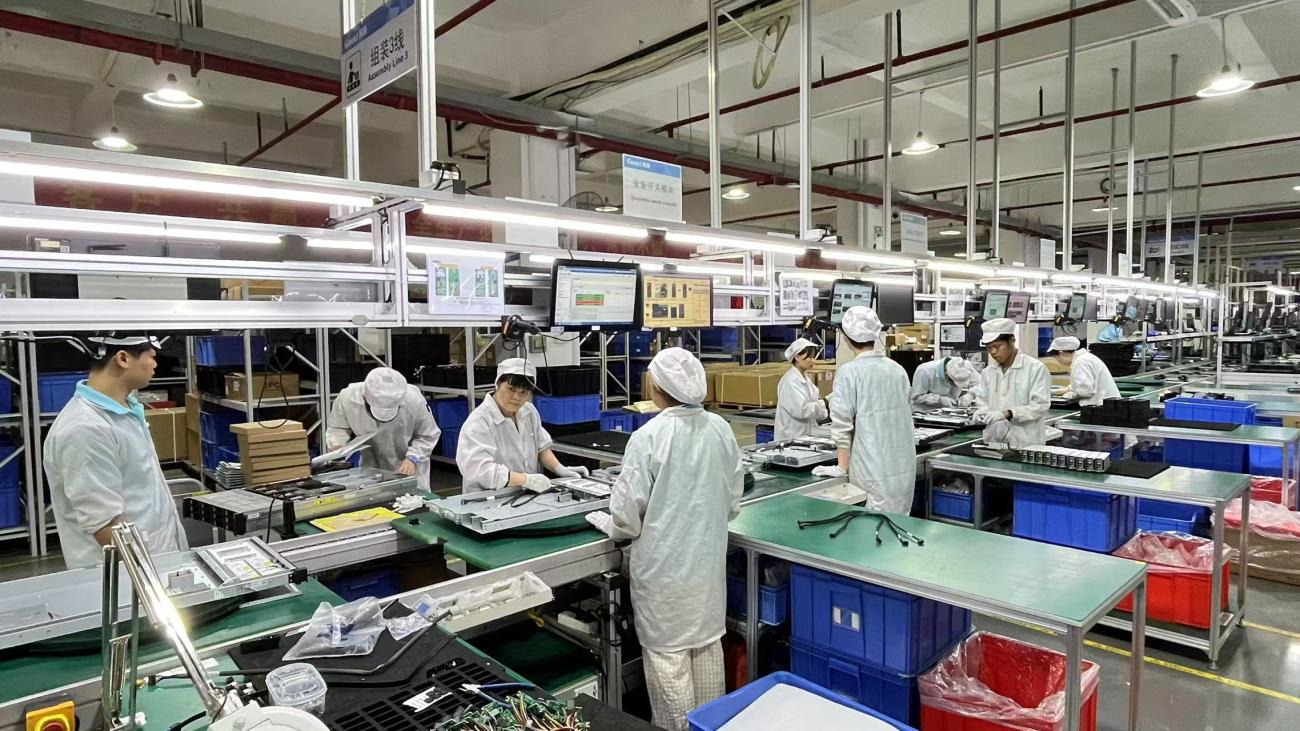

Solving localization challenges across smart cities, autonomous vehicles, and industrial automation.
Procurement teams face strict demands when choosing hardware for edge environments. Datacenter-class rack servers often perform poorly when moved to rural edge nodes, which can suffer from poor power stability, elevated dust levels, and lack of onsite technical support. Selecting edge hardware requires balancing pure floating-point operations (FLOPS) with localized structural safeguards.
Typical edge computing setups must address these specific requirements:
Municipal networks use edge nodes to manage camera feeds at intersections. Processing computer vision tasks locally reduces network usage, allowing traffic lights to adjust dynamically to vehicle flow in real time without sending video back to the cloud.
Robotic production lines require sub-millisecond control loops. CE-certified servers running AI-based visual defect inspection can detect assembly line anomalies instantly, triggering automated stops to prevent production waste.
Autonomous vehicle networks generate gigabytes of sensor data per hour. Edge nodes installed at cell sites process vehicle telemetry locally, enabling quick updates on road safety hazards to nearby cars.
Architecting for next-generation decentralized AI workloads.
The convergence of 5G infrastructure and localized AI model training creates new technical requirements. Small edge clusters are moving from simple data collection to running complex deep learning models directly. As networks integrate models like DeepSeek, LLaMA, and localized vision models, hardware must keep pace with these data-heavy requirements.
We see three main technical trends driving edge server design:
Veltron's 8-year export track record and 14 years of design experience allow us to help system integrators deploy reliable hardware ahead of these market shifts. By managing design and assembly in-house, we deliver custom, compliant systems on schedule.
Technical answers to common questions about Mobile Edge Computing and Veltron's production capabilities.
Maximize your infrastructure efficiency with certified server platforms, high-speed interfaces, and storage arrays.