Veltron
Veltron
Veltron
Explore our leading hardware platforms optimized for AI clustering, edge virtualization, and enterprise network management.
How next-generation computing hardware satisfies the architectural changes triggered by LLMs, hybrid clouds, and edge computing.
The emergence of workloads like DeepSeek-R1 and similar generative AI models requires mass vector-database retrieval and heavy tensor computations. Modern enterprise servers must integrate ultra-fast bus bandwidths, maximizing PCIe Gen 5.0 lanes and DDR5 ECC RAM throughputs up to 6400MHz to eliminate training bottlenecks.
Strict cross-border data protection laws (such as GDPR) necessitate localized private and hybrid clouds. Enterprises are deploying customizable 2U and 4U servers globally to secure sensitive operational information, demanding hardware that boasts rock-solid certifications and hardware-level encryption modules.
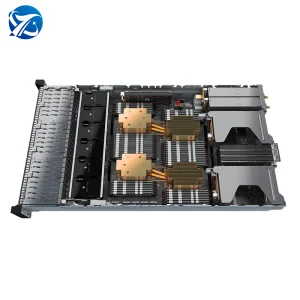
With servers packing multiple high-TDP CPUs and GPUs, conventional air cooling reaches its physics-based limit. High-density servers increasingly utilize liquid-cooling blocks and direct-to-chip heat exchanges, maintaining chip longevity and drastically reducing Power Usage Effectiveness (PUE) metrics in mega-scale facilities.
For global system integrators and tier-1 data center operators, hardware procurement is not just about compute density; it is a meticulous verification of electrical safety, environmental standards, and electromagnetic compatibility. CE Certification is the definitive passport for products entering the European Economic Area (EEA), signaling strict alignment with directives regarding low voltage (LVD), electromagnetic compatibility (EMC), and hazardous substance restrictions (RoHS).
Non-compliant infrastructure introduces severe corporate risks, including regulatory fines, customs confiscations, and catastrophic system failures caused by power surges or poor insulation. Veltron Computing Technology Co., Ltd. addresses these challenges head-on by ensuring that our export hardware is comprehensively certified, providing verifiable test reports for our AI servers, switches, and memory modules.
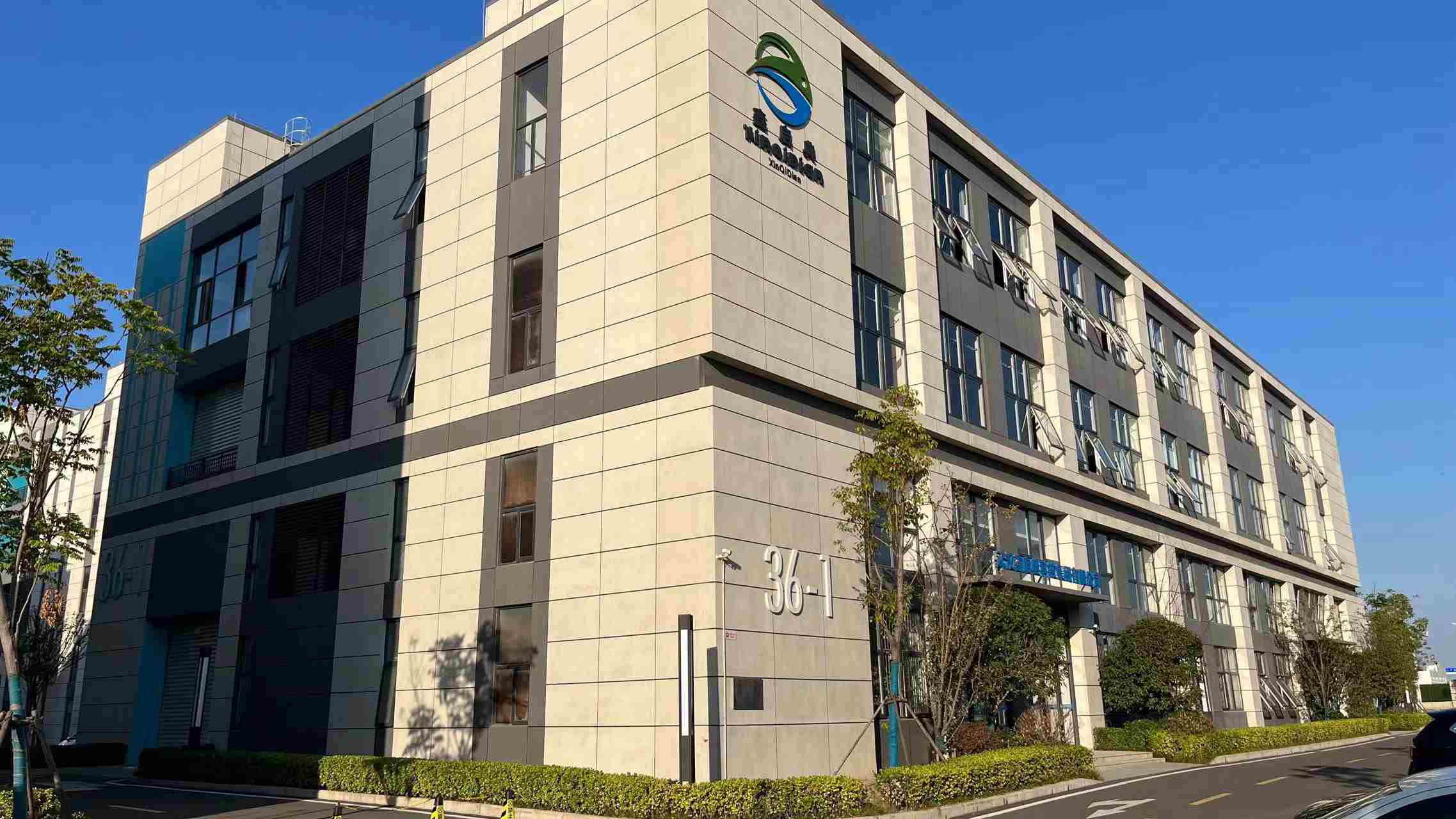
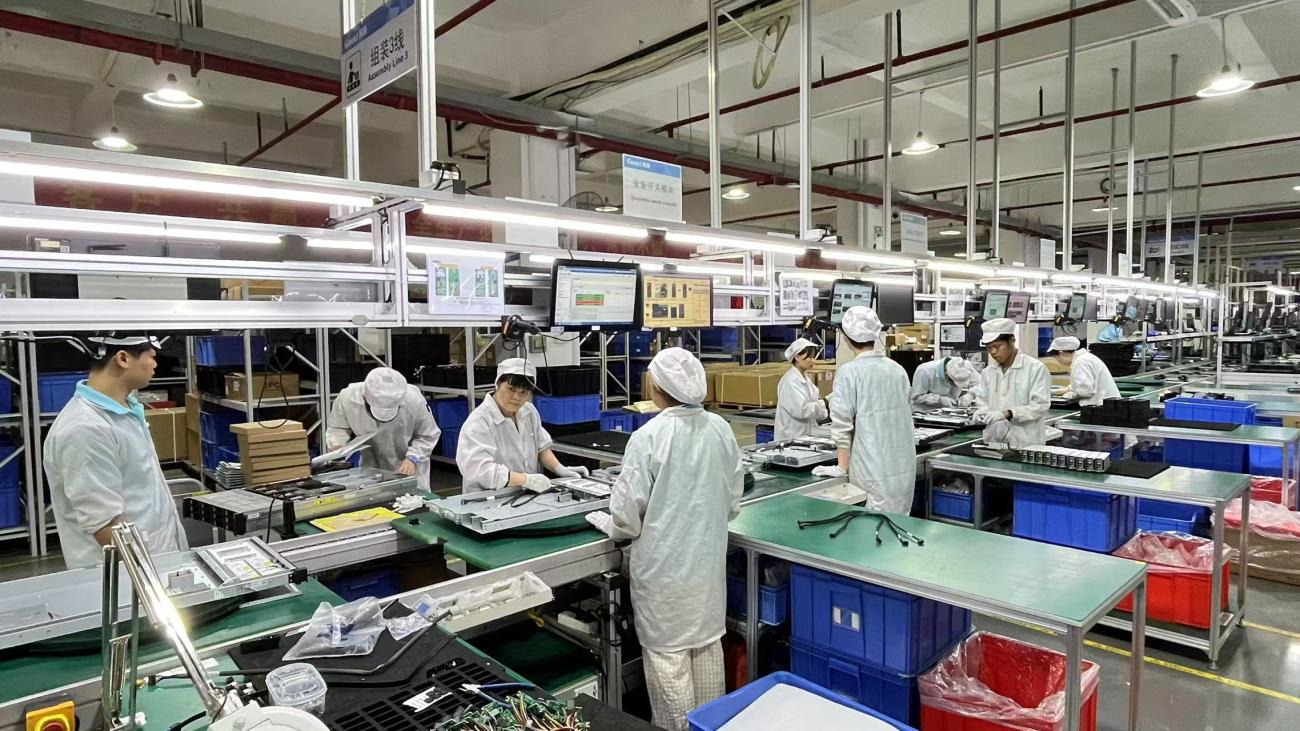
Established in 2016, Veltron Computing Technology Co., Ltd. stands as a premier manufacturer and exporter of state-of-the-art GPU servers, AI compute arrays, and enterprise storage systems. Located in Shenzhen, China, our industrial campus spans over 3,800 square meters of clean-room assembly bays and diagnostic laboratories.
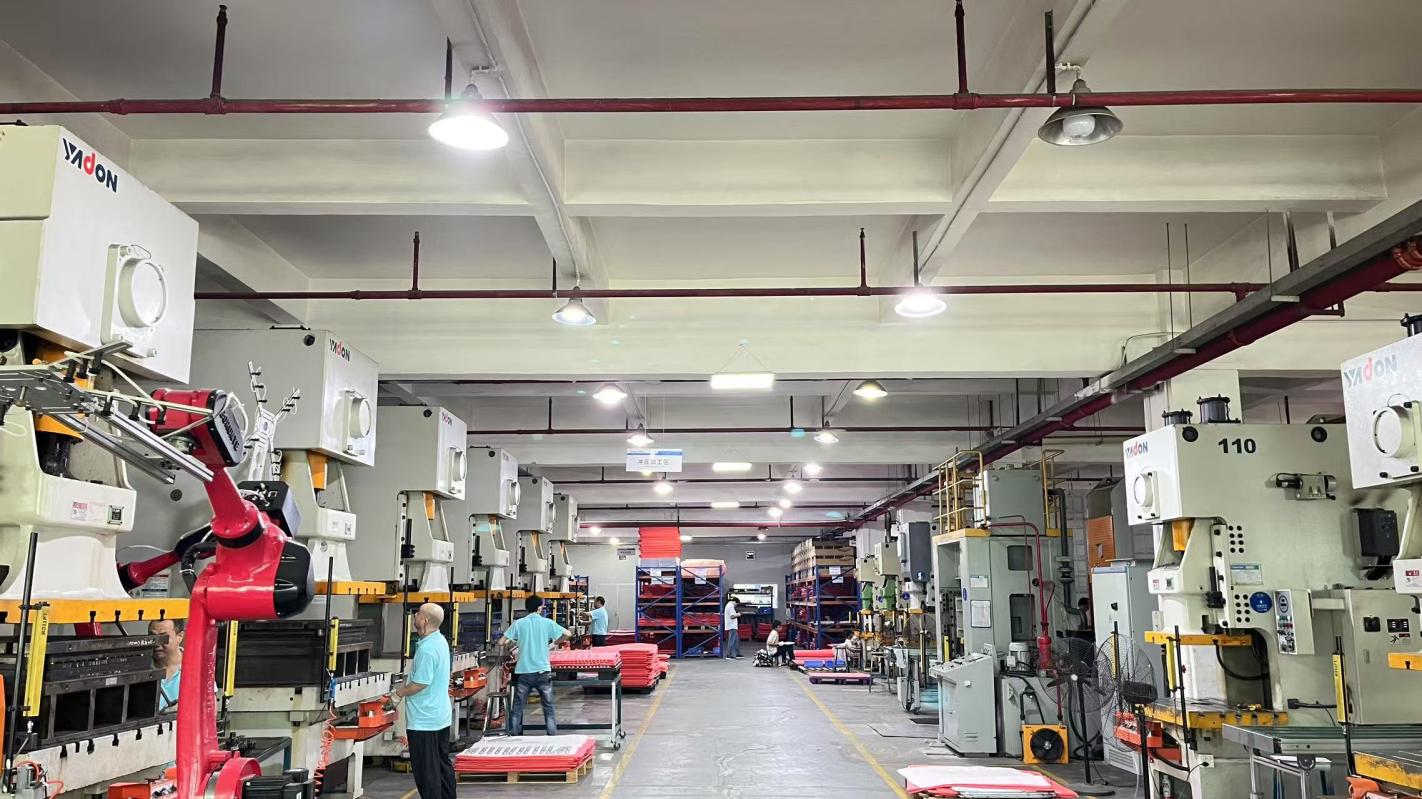
Leveraging 14 years of deep-rooted industry expertise and 8 years of dedicated global export experience, Veltron bridges the gap between raw hardware manufacturing and refined European safety requirements. Our manufacturing floor integrates automated visual inspection, advanced static testing, and robotic picking systems to achieve extreme precision.
Our strategic alliances with more than 1,200 trusted supply chain partners allow Veltron to bypass component shortages that choke typical exporters. Whether sourcing rare RAID controllers, high-speed boot cards, or the latest DDR5 RDIMM modules, our scale guarantees manufacturing continuity. Additionally, our R&D center launches over 85 new products and upgraded configurations annually, giving customers direct access to next-generation hardware designs before they hit general distribution.
Veltron implements a strict quality architecture overseen by 56 dedicated quality control specialists.
Every incoming processor, memory chip, power regulator, and PCB is verified against structural specifications. Resistors, capacitors, and power traces are analyzed for impedance consistency using automated equipment before assembly.
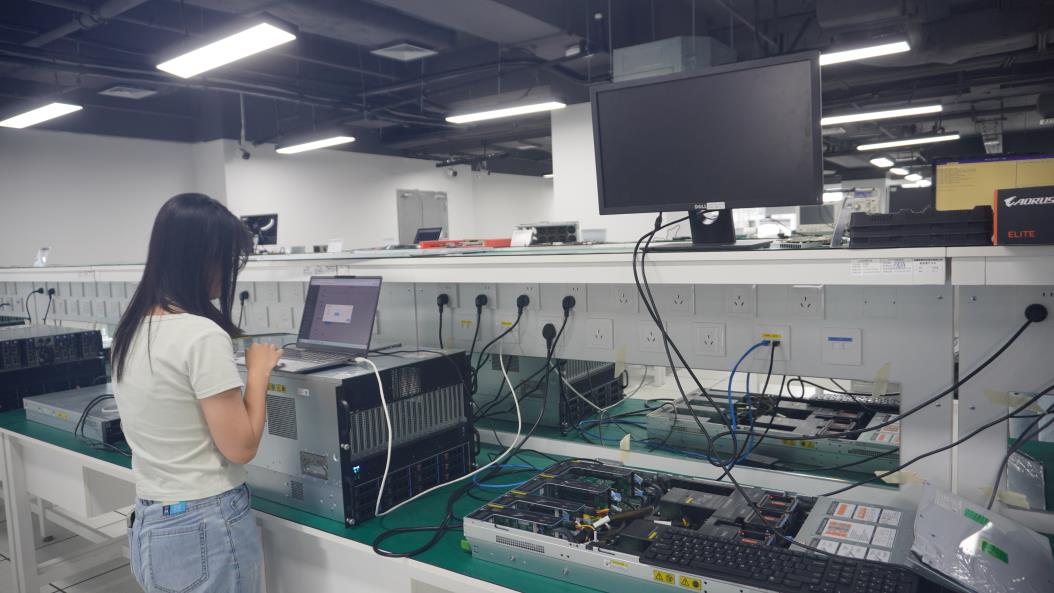
All completed chassis spend up to 72 hours inside specialized temperature chambers operating under full artificial computational loads. This process isolates early component mortality risks prior to final packaging.
Using high-frequency digital oscilloscopes, we map signal eye-diagrams on high-speed buses. This ensures error-free link negotiation for multiple GPU configurations and PCIe NVMe storage cards.
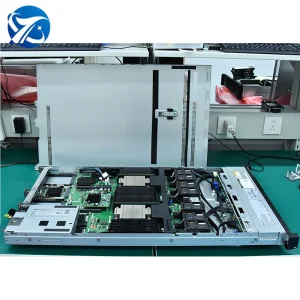
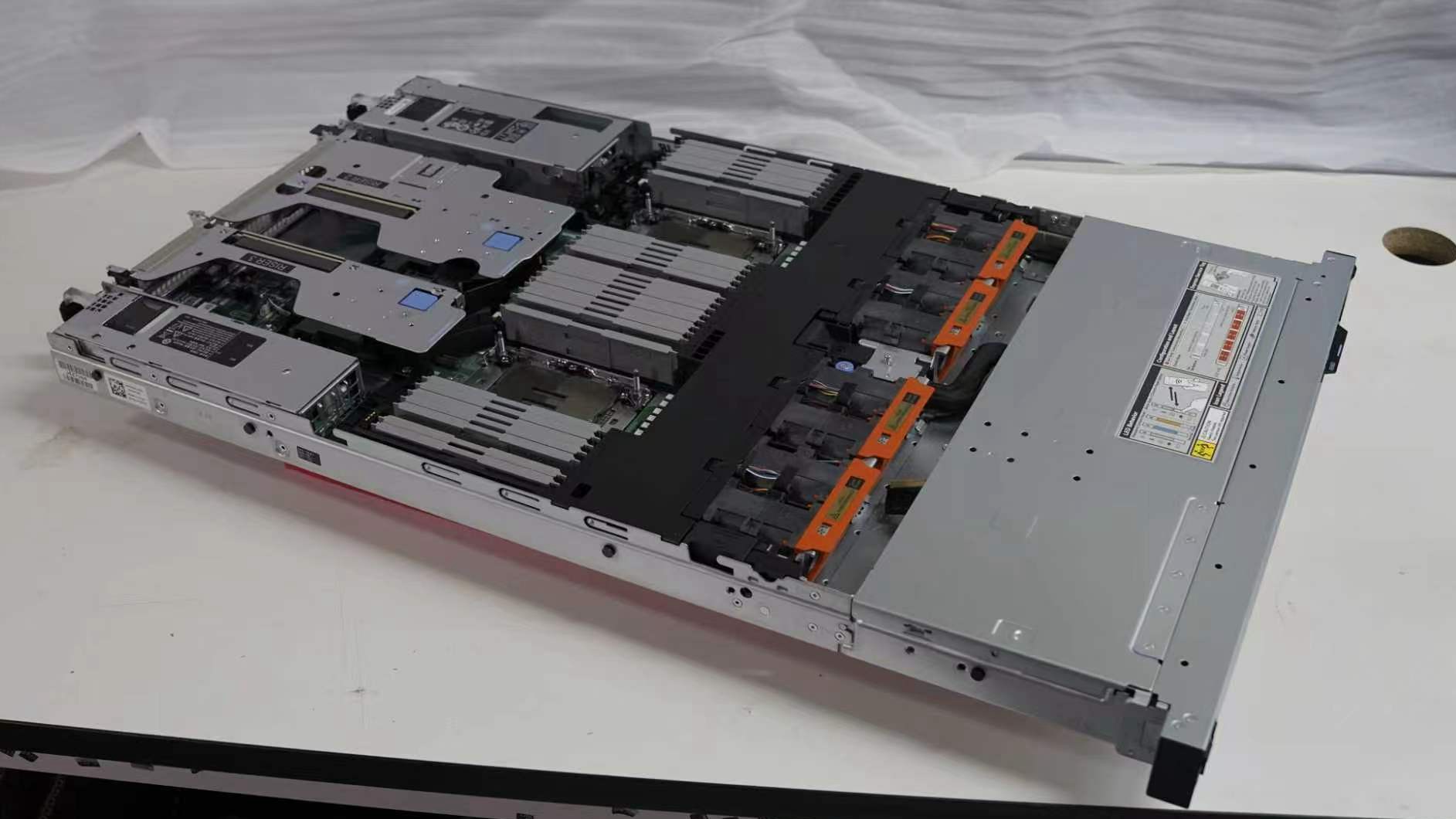
Verifiable industrial infrastructure, assembly lines, and global packaging logistics directly from our Shenzhen headquarters.

Configured bare-metal designs built to fit specific computing ecosystem demands.
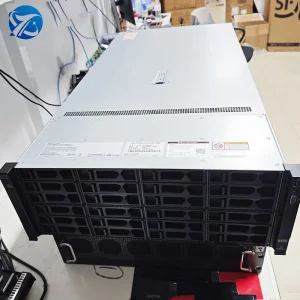
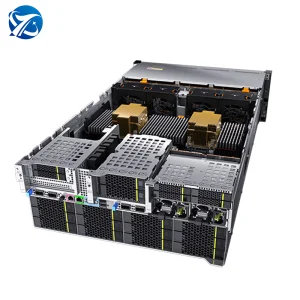
Deploying large multi-GPU servers (such as the 8U GPU FusionServer G8600 V7) for model training, fine-tuning, and scalable LLM inference. Optimized system layouts ensure reliable operations under high thermal stresses.
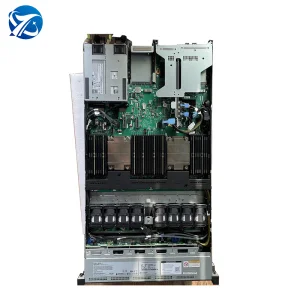
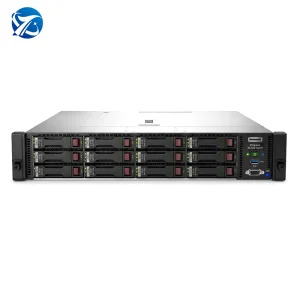
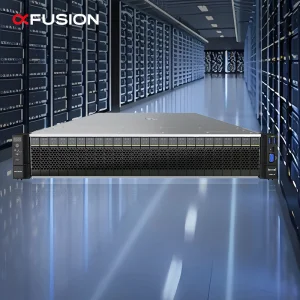
For public cloud operators and VPS hosts, computing density defines floor space efficiency. Our 1U and 2U multi-socket servers with PCIe 5.0 and liquid-cooling configurations supply massive thread counts with minimal server footprint.
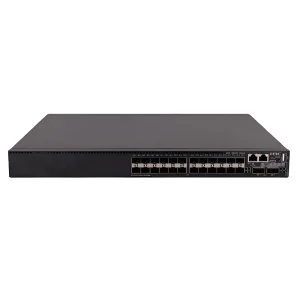
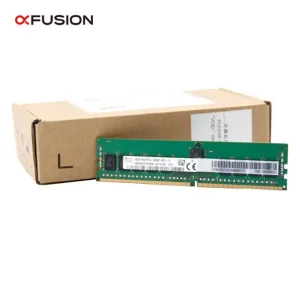
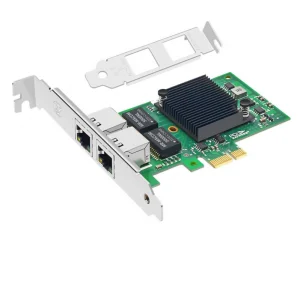
Custom architectures loaded with low-latency ECC DDR5 memory cards, hardware boot controllers with zero cache latency, and redundant core switches optimized to secure sub-millisecond transaction arrays.
Addressing the core technical, compliance, and design queries from global buyers.
CE certification for cloud infrastructure guarantees compliance with the LVD (Low Voltage Directive 2014/35/EU) for electrical safety and the EMC Directive (2014/30/EU) for electromagnetic interference limits. Additionally, RoHS conformity is required to verify that components do not contain restricted hazardous chemicals like lead or cadmium.
Backed by our 168-member specialized engineering team, we offer end-to-end ODM/OEM services. This includes customized metal chassis configurations, personalized firmware branding (BIOS/IPMI), targeted memory/storage configuration builds, and integration of specialized PCIe expansion cards for proprietary algorithms.
We utilize strict 72-hour structural stress testing cycles in climate-controlled environments. Servers undergo memory read-write validation, heavy processor load runs, thermal throttling analysis, and bus interface stability validation using automated digital scopes.
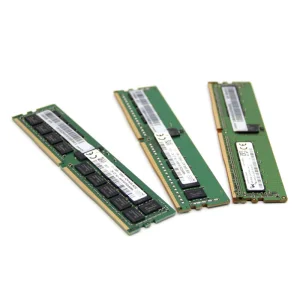
ECC (Error-Correcting Code) dynamically identifies and resolves single-bit memory corruptions, preventing kernel panics and physical data corruption. Transitioning to 6400MHz DDR5 provides significant bandwidth improvements over legacy DDR4 modules, crucial for multi-core processors executing virtualization and generative model processing.
Liquid cooling utilizes custom closed-loop or open-loop water blocks mounted directly onto CPU/GPU heat spreaders. Liquid coolant circulates through internal copper pipes to external heat-exchanging radiators. This enables consistent heat dissipation without the acoustics and airflow challenges associated with high-RPM cooling fans.
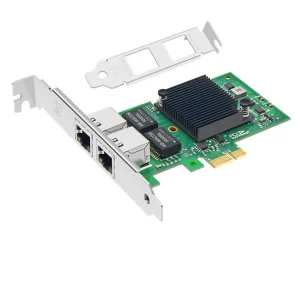
Scale your processing nodes with certified processors, enterprise DDR RAM, and robust storage expansion cards.