Veltron
Veltron
Veltron
Explore our tier-one V6 & V7 servers deployed across leading Turkish telcos, financial centers, and research cloud institutions.
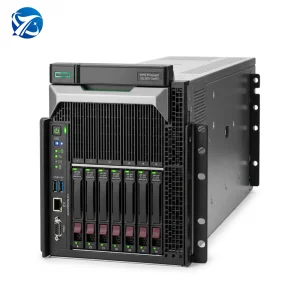
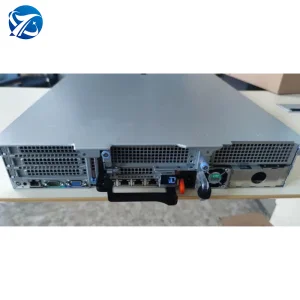
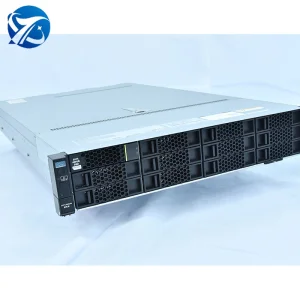
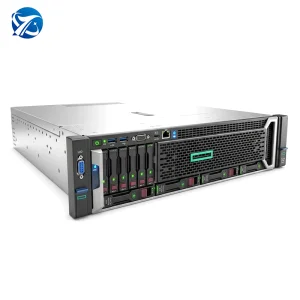
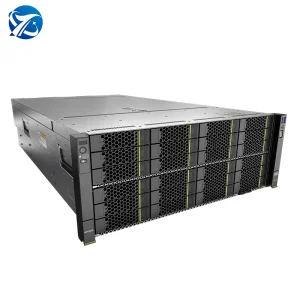
Turkey is rapidly positioning itself as a central computing and logistics node linking Europe, Asia, and the Middle East. With initiatives like the Digital Turkey Roadmap, local industries—ranging from fintech in Istanbul to high-end defense sectors in Ankara—are undergoing massive compute transformations. This shifts the enterprise focus toward high-density computing platforms, specifically the V7 Rack Server architecture.
National compliance frameworks, notably the KVKK (Personal Data Protection Law), dictate that critical enterprise and public data must reside inside Turkey’s physical borders. As a result, the domestic demand for scalable, energy-efficient, and secure local data centers has skyrocketed. System integrators and cloud providers require robust server platforms capable of running continuous virtualization, high-speed database transaction processing, and localized AI models without thermal bottlenecking.
Furthermore, Turkey's industrial hubs in Kocaeli and Bursa are adopting Industry 4.0 paradigms. Modern automotive and textile manufacturing facilities are deploying local private clouds and edge computing infrastructure. This ensures real-time IoT processing, predictive maintenance, and local vision inspect platforms—all dependent on stable rack server nodes configured for harsh physical operating environments.
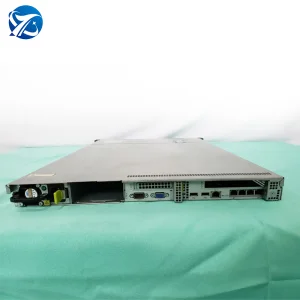
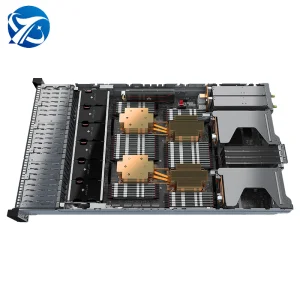
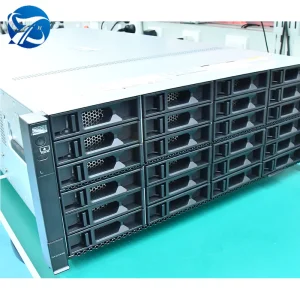
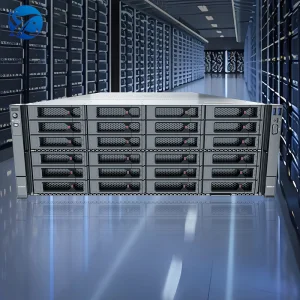
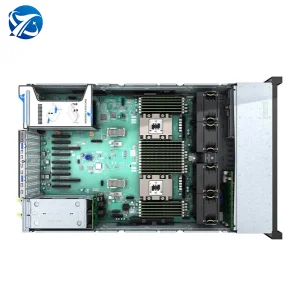
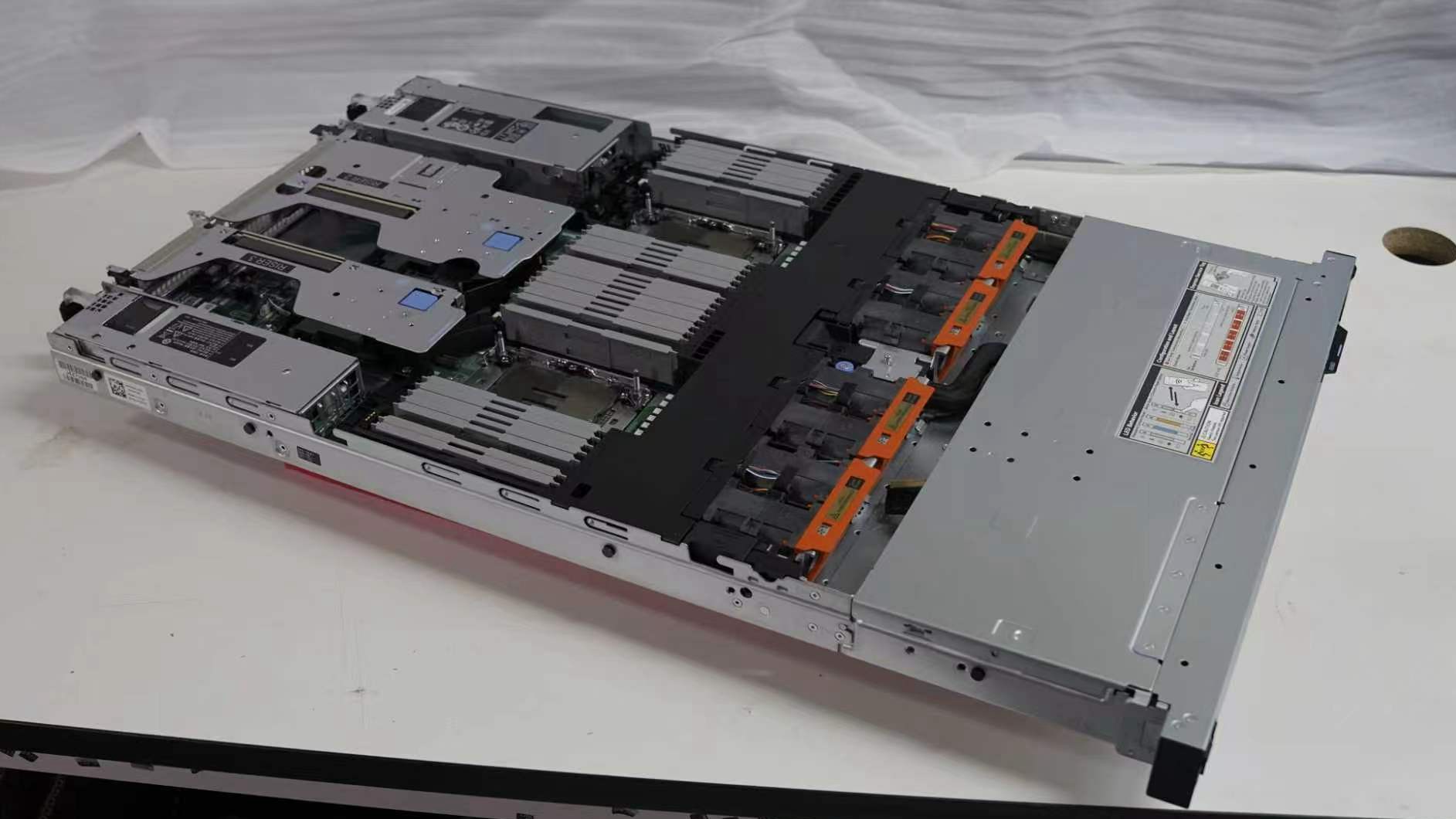
Compared to previous-generation platforms, V7 Rack Servers bring key structural improvements critical for contemporary enterprise metrics:
Understanding how Chinese supply chain synergies enable unmatched TCO optimization and faster time-to-market for Turkish buyers.
Enterprise server procurement is constrained by global chip shortages, shipping bottlenecks, and rising raw component costs. Establishing stable infrastructure requires working with manufacturers who can bypass typical bottlenecks using direct access to component ecosystems.
By centering manufacturing within Shenzhen’s high-tech industrial cluster, factories enjoy immediate proximity to raw PCB fabrication, power supply unit (PSU) assembly, thermal sink processing, and chassis sheet metal stamping facilities, reducing lead time dramatically.
Unlike rigid brand-name vendors, Chinese factories adapt chassis configuration, backplane layout, and BIOS settings to match specific customer environments, enabling unique optimizations for high-performance computing (HPC) networks.
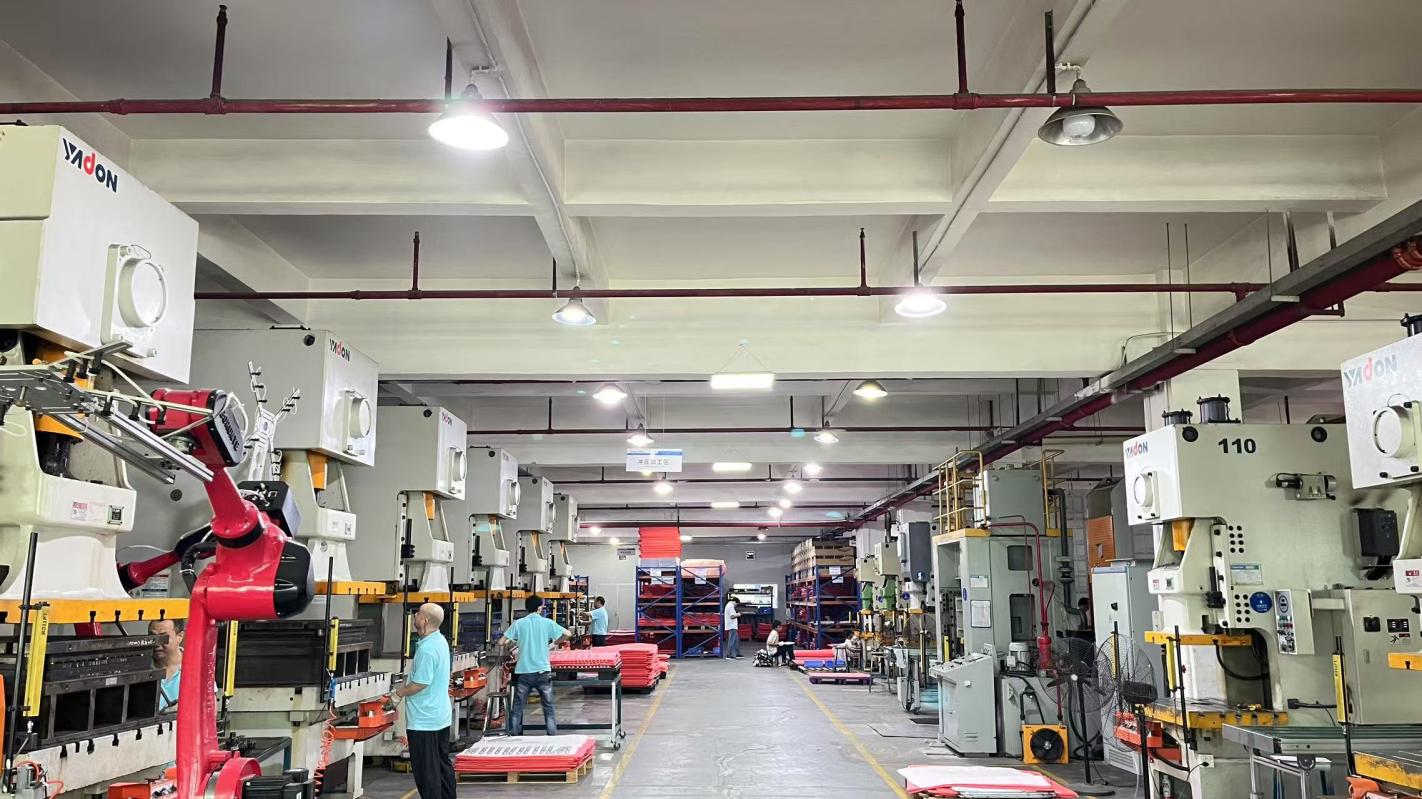
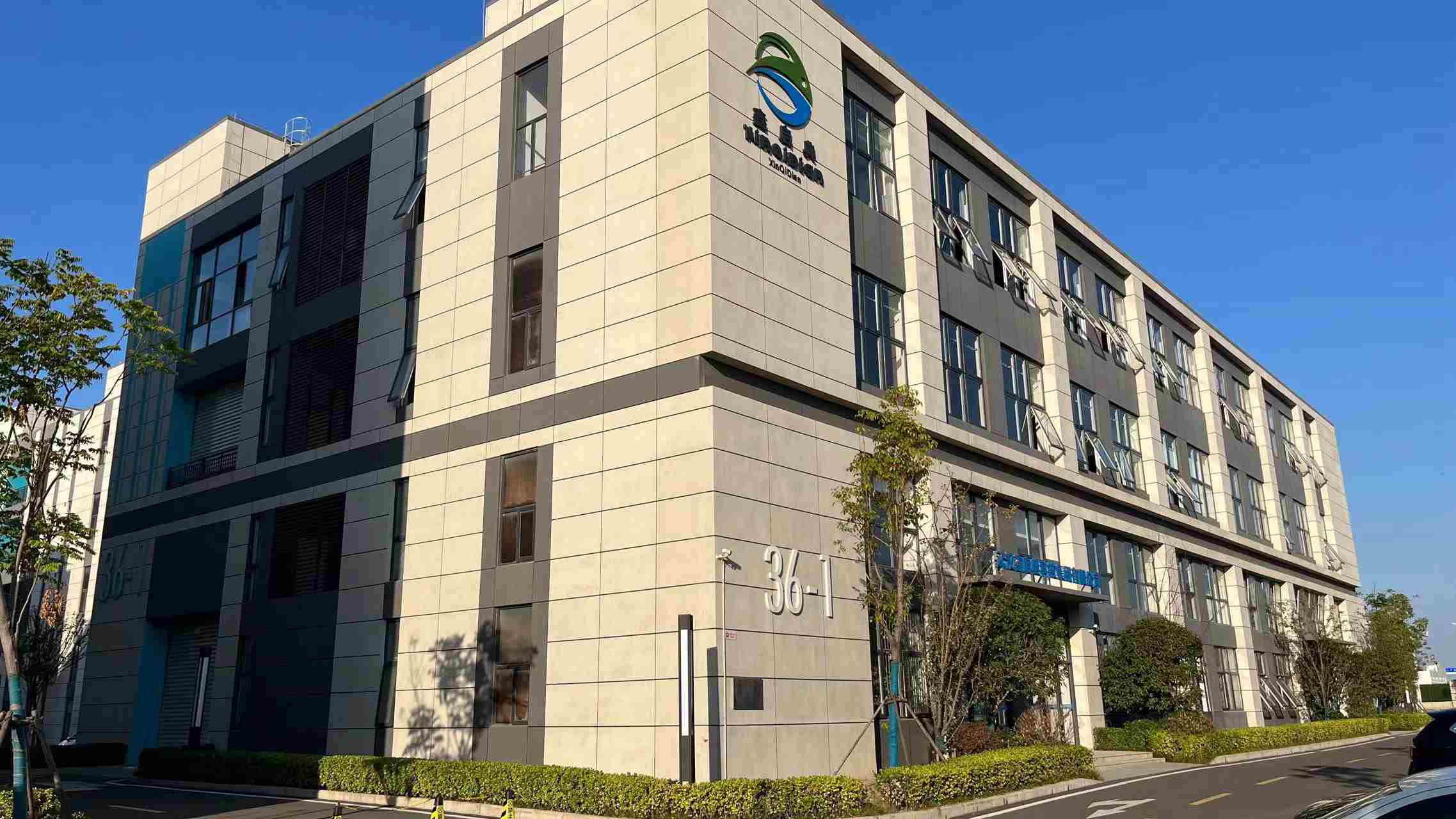
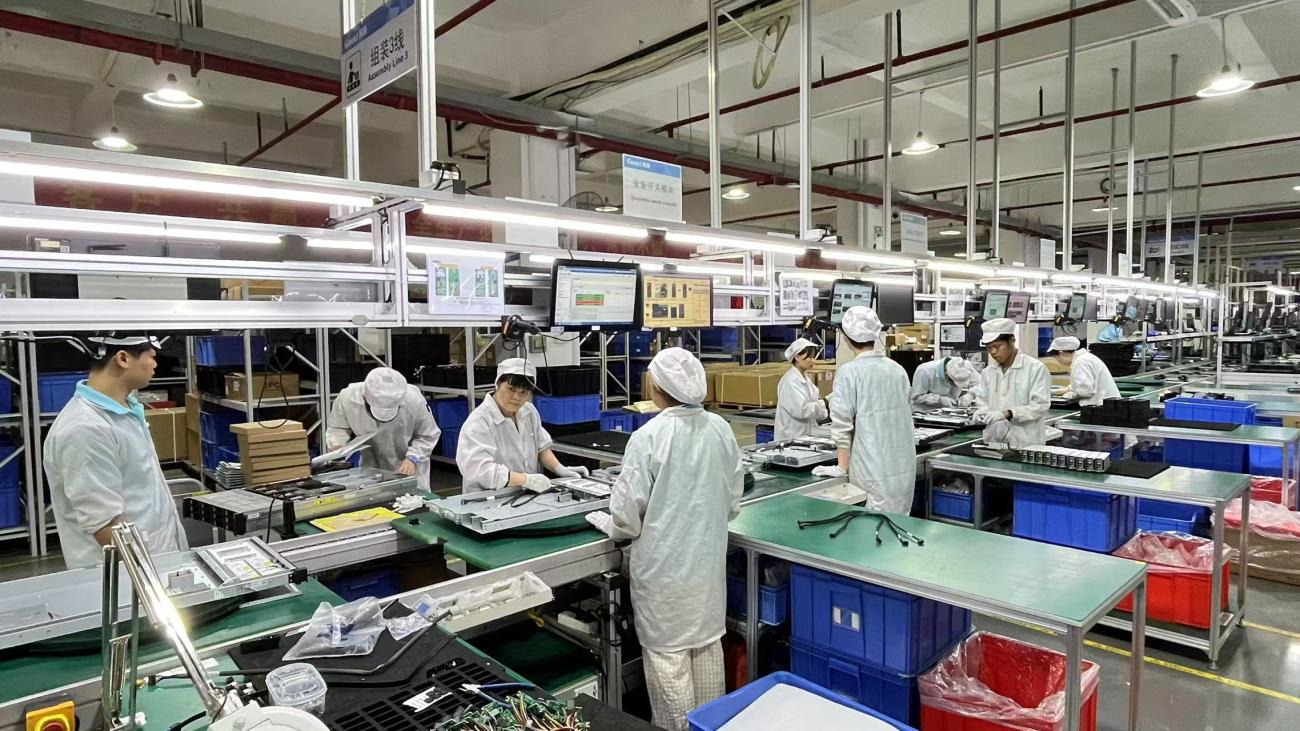
At Veltron Computing Technology Co., Ltd., we recognize that server hardware is the foundation of your business operations. Our Shenzhen-based production center operates with strict quality management protocols. Every unit we manufacture is subjected to a comprehensive battery of stress tests before being cleared for international export to Turkey and other global destinations.
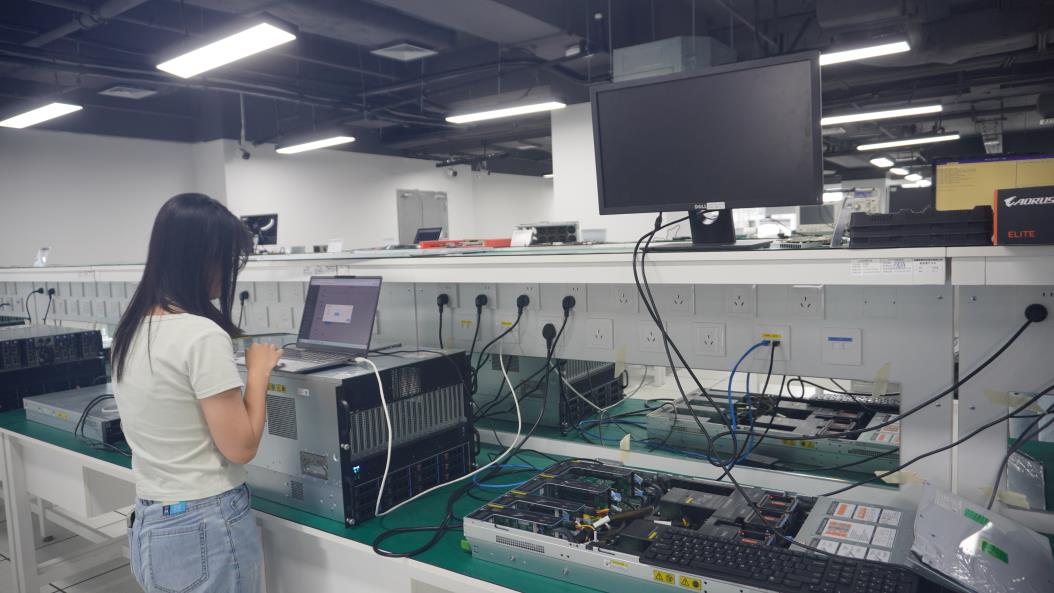
Our 56 dedicated quality control inspectors oversee each phase of assembly. This includes incoming quality control (IQC) for processors and chipsets, in-process quality control (IPQC) for component alignment on the motherboards, and out-of-box audit procedures. We implement thermal cycling chambers, high-frequency vibration testing, and 72-hour continuous burn-in stages at maximum load to eliminate infant mortality rates of semiconductor components.
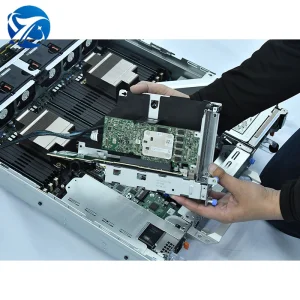
With an R&D force composed of 168 engineers specializing in high-frequency signal design, thermal dissipation solutions, and IPMI management software development, we launch over 85 platform upgrades yearly. Our design team works alongside system integrators to adapt and refine cooling configurations, ensuring optimal operating temperatures inside standard rack chassis cabinets.
Below is a comparative breakdown of key differences in operational and engineering capabilities across standard market solutions:
| Performance Metric | Standard Generic Server | Veltron V7 Enterprise Platform |
|---|---|---|
| Chassis Thermal Design | Passive airflow, static fans | PWM redundant fan grids with hot-swap support |
| Memory Subsystems | DDR4 up to 3200MT/s | DDR5 up to 4800+ MT/s with ECC error-checking |
| PCIe Capabilities | PCIe Gen 4.0 lanes | PCIe Gen 5.0 lanes with high-density GPU layout |
| Quality Control Protocol | Sample-based functional check | 100% full-run 72-hour thermal burn-in |
| IPMI & Management | Basic HTML interface | Dedicated AST2600 BMC with Redfish REST API |

Configuring server configurations to match the technical requirements of key Turkish economic regions.
Financial institutions in Maslak and Ataşehir require microsecond response times and continuous transactional availability. V7 platforms configured with fast PCIe Gen 5.0 SSD storage systems and dual-redundant power supplies deliver the necessary hardware resilience to run secure ledger databases and prevent operational downtime.
Turkey’s defense cluster in Ankara depends on deep learning models and signal processing capabilities. Utilizing custom V7 GPU-accelerated computing nodes allows defense research organizations to process vast sensor matrices, run high-resolution fluid dynamic models, and run geospatial analytics quickly and securely.
Industrial assembly lines in Kocaeli and Bursa generate massive volumes of sensor telemetry. Deploying localized edge rack systems in physical plant facilities enables real-time computer vision quality audits, local robotic automation feedback loops, and predictive maintenance databases without requiring external cloud roundtrips.
For modern Turkish IT operations, selecting hardware vendors involves evaluating total cost of ownership (TCO), lead-time reliability, and compliance compatibility. Relying on single-channel brand name server models often leads to longer procurement times and high-margin markups.
Collaborating directly with a manufacturer in Shenzhen offers key advantages:
Additionally, our customized firmware design permits custom system configurations. This includes modifying UEFI settings, configuring custom fan speed profiles for quiet operational zones, and pre-loading specific hypervisors directly onto hardware configurations at the factory level.
Our operations are structured to support global system integrators and distributors:
Select from our certified list of server platforms, designed to meet the technical and compliance requirements of Turkish enterprises.
Technical answers regarding V7 rack servers, procurement, local compatibility, and quality verification.
V7 rack servers implement Intel 4th/5th Gen Xeon Scalable or AMD EPYC processors, supporting PCIe Gen 5.0 for double the input/output speeds of Gen 4.0. Additionally, they use DDR5 RAM, providing up to 4800+ MT/s speeds to eliminate system bottlenecks during data processing. Increased thermal head room and support for higher power GPU configurations make V7 servers ideal for modern AI workloads compared to V6 platforms.
Under Turkey’s KVKK data regulations, processing personal data must take place locally. Veltron provides on-premises high-density V7 servers that let companies build private cloud infrastructure inside Turkey. Our systems feature secure boot options, TP/TCM chips, and AES-256 hardware level encryption to meet regulatory data security standards.
Our engineering team can customize several key aspects of our server platforms:
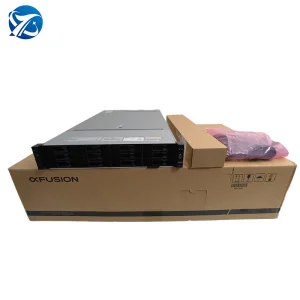
Standard server configurations can be shipped within 7 to 15 business days. Custom ODM designs typically take 3 to 4 weeks depending on the complexity of the customization. Orders are dispatched from our factory in Shenzhen and shipped to Turkey via ocean freight to major ports (such as Ambarli or Mersin), or via air freight for urgent project timelines.
Every server goes through a multi-step quality assurance process, including full component verification, optical inspection of solder joints, diagnostic testing of memory systems, and a 72-hour thermal burn-in stress test at full load. This strict quality control ensures high hardware stability for critical production workloads.
Ready to deploy next-generation V7 rack infrastructure in your data center?
Send Inquiry Now - Get Free Architecture Consultation