Veltron
Veltron
Veltron
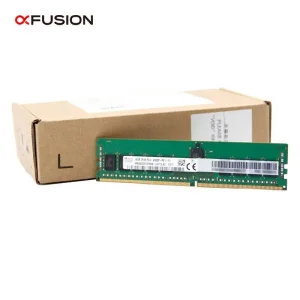
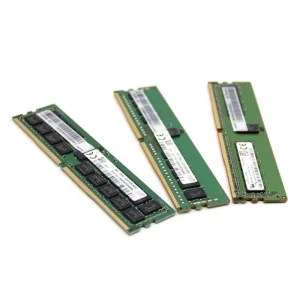
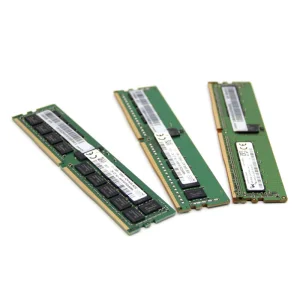
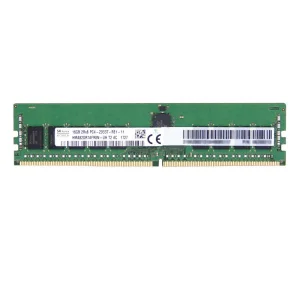
Direct from factory DDR4 RDIMM modules optimized for low-latency compute applications in Paraguay.
Paraguay is emerging as an unexpected hub for energy-intensive computing in South America. Driven by the colossal output of the Itaipu Binational Dam—which supplies the nation with abundance of 100% renewable, low-cost hydroelectric energy—industrial data centers, blockchain computation nodes, and private enterprise clouds are rapidly establishing operations in cities like Ciudad del Este, Hernandarias, and Asunción.
However, operating enterprise-level server systems in Paraguay introduces unique environmental challenges. The subtropical climate, characterized by prolonged summer periods with temperatures regularly exceeding 40°C, and high humidity, demands industrial-grade server components. In server hardware, the memory subsystem (RAM) is particularly susceptible to thermal-induced fluctuations. System administrators in Paraguay recognize that commercial-grade RAM cannot withstand the constant thermal load of local deployments.
To prevent data corruption, bit-flips, and catastrophic system downtime, enterprise deployments must rely on ECC (Error-Correcting Code) Registered RAM (RDIMM). High-reliability memory acts as the baseline defense, correcting single-bit errors dynamically. Veltron’s server RAM modules, featuring integrated registers (RCD) and advanced thermal dissipation capabilities, provide the exact reliability required to operate safely in Paraguayan server racks.
For high-density hosting centers situated along the Paraná River, energy efficiency and heat generation are two sides of the same coin. By adopting Veltron's 1.2V DDR4 RDIMM systems instead of older 1.5V legacy standards, computing centers achieve:
Combining state-of-the-art manufacturing infrastructure with strategic component sourcing to deliver enterprise RAM to South American operators.
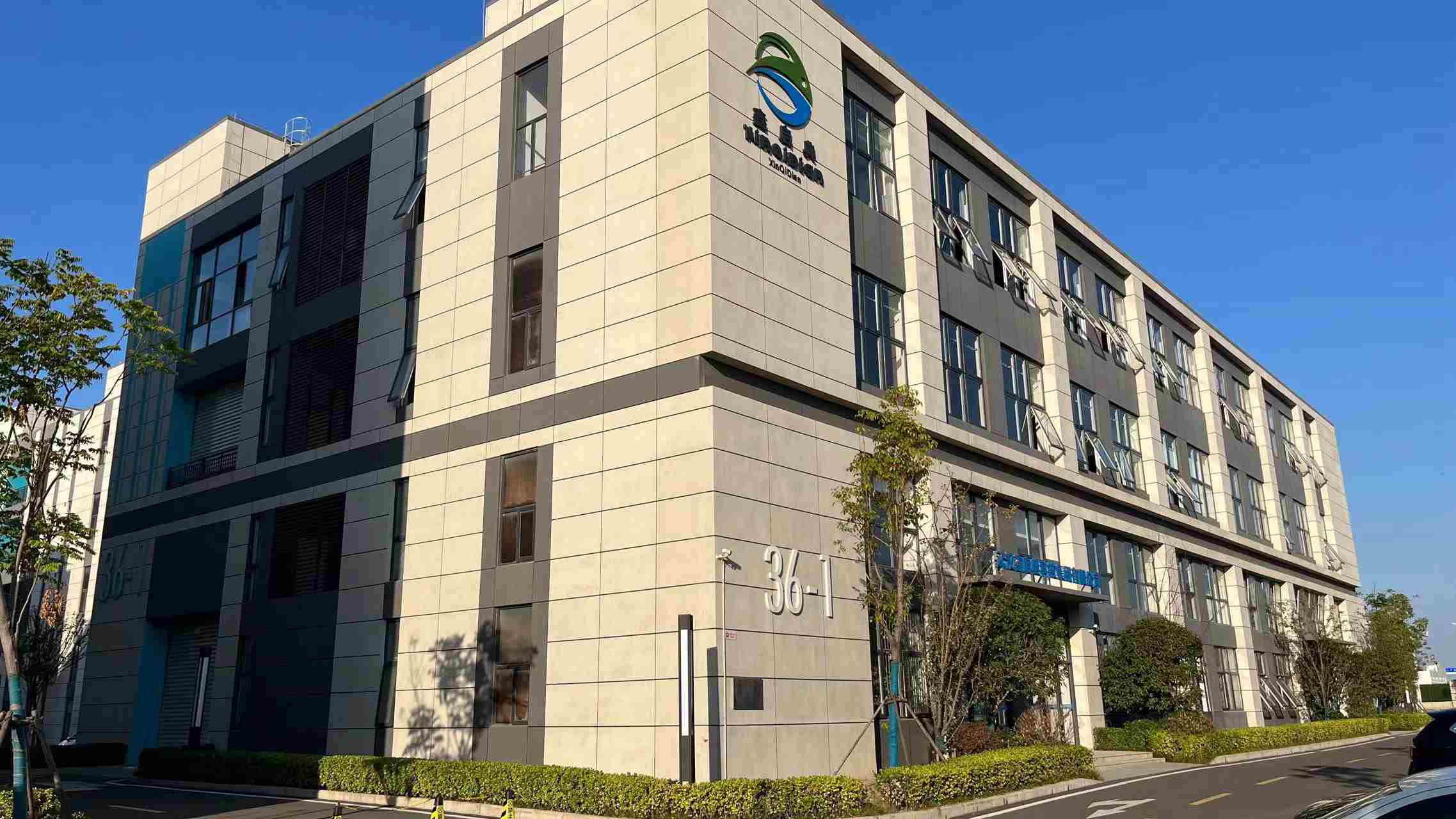
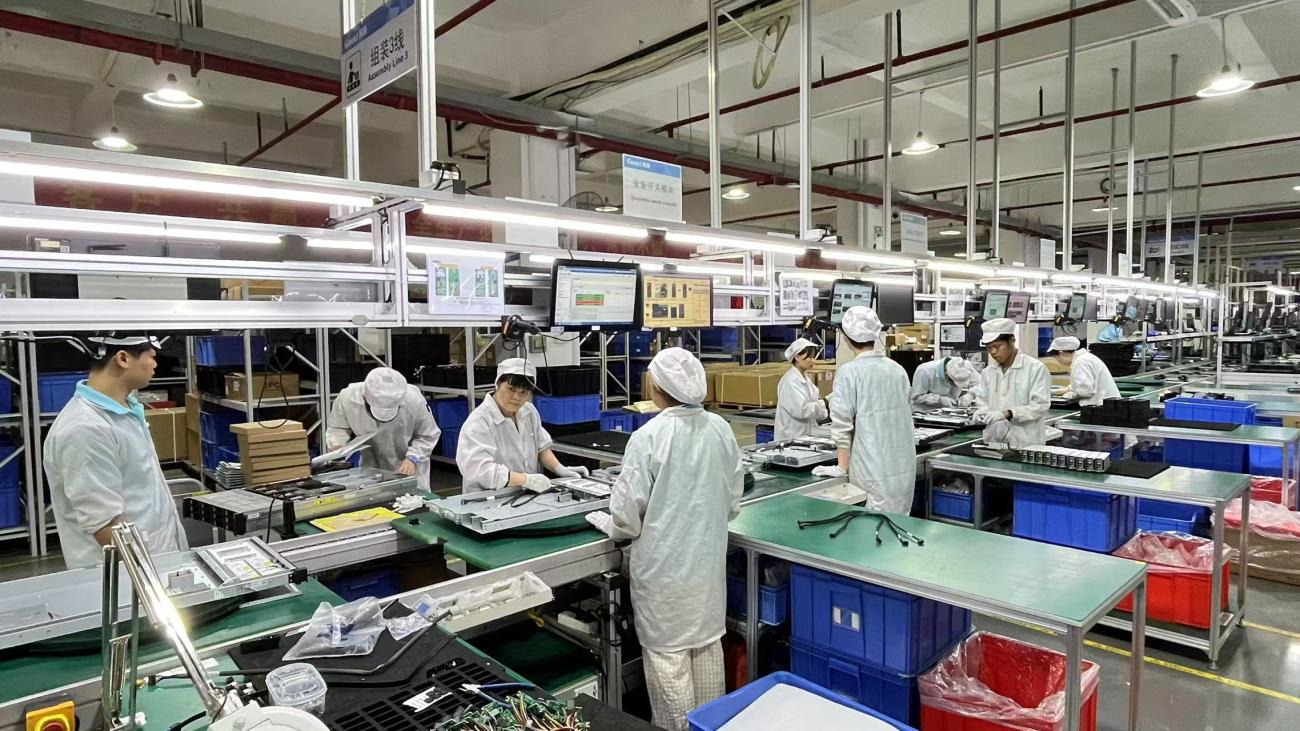
Veltron Computing Technology Co., Ltd., established in 2016 in Shenzhen, China, operates a premier manufacturing and validation ecosystem for GPU servers and high-density server memory. China's Shenzhen technology corridor serves as the epicenter of global semiconductor packaging and hardware integration, granting Veltron immediate access to Tier-1 original DRAM dies (Samsung, SK Hynix, and Micron) and advanced PCB manufacturing.
With 14 years of collective industry expertise and 8 years of dedicated export experience, Veltron has optimized a highly resilient supply chain that insulates clients in Paraguay from component shortages. We maintain strategic alliances with over 1,200 supply chain partners, ensuring that even during periods of semiconductor volatility, our production queues remain active and cost-stable.
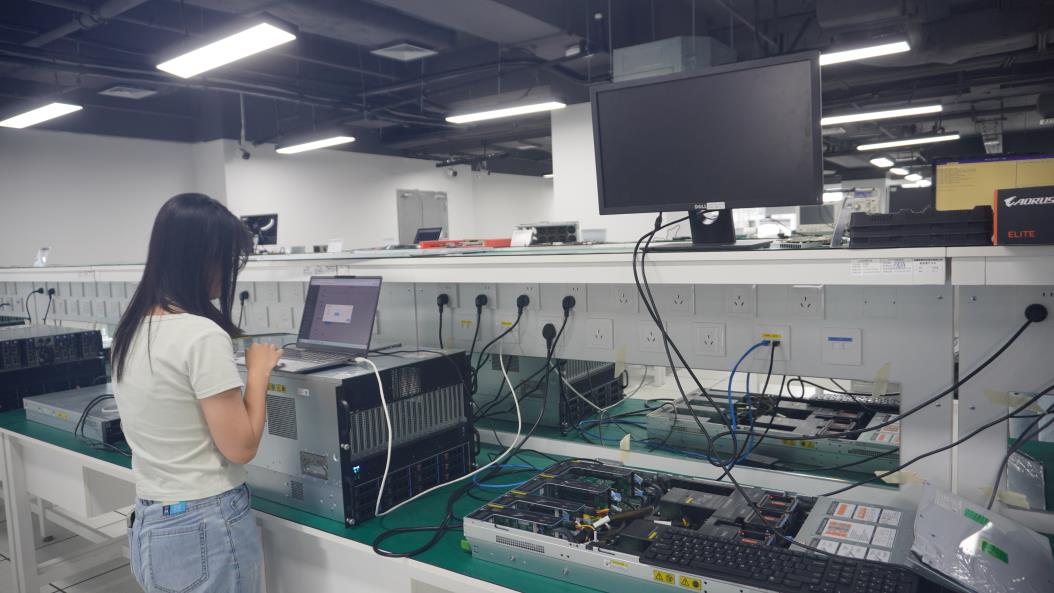
Our quality protocol is rigorous: all server memory modules undergo continuous automated testing (ATE), dynamic thermal cycle stress tests, and 24-hour high-temperature burn-in trials before packaging. This intensive process ensures our failure rates remain below 0.05% at deployment. For Paraguayan system integrators who must factor in long shipping transits, importing from a manufacturer that guarantees out-of-the-box operation is crucial to project timelines.
Understanding memory specifications, latency architectures, and tomorrow's high-performance memory standard.
Operating at 1.2V with speeds up to 3200MHz. Utilizing 288-pin architecture and a low latency profile of 0.625ns. Built with dual-rank structures for optimal interleaving performance on Intel Xeon and AMD EPYC platforms.
Scaling memory speeds up to 4800MHz and 5600MHz while reducing power to 1.1V. DDR5 shifts power management from the motherboard directly to the DIMM via a PMIC (Power Management IC), improving overall power regulation and stability.
Looking ahead, Veltron's R&D division is developing CXL-compliant memory modules, allowing hyper-scale data centers in Asunción to pool memory resources dynamically across servers, eliminating stranded RAM capacity.
Choosing the right technical path requires matching RAM specifications to CPU memory controller capabilities. Our DDR4 288-pin RDIMM series features a 0.625ns cycle time, designed to operate at 3200 MT/s. With on-die terminated Command/Address lines, these modules provide optimal signal integrity even when all memory slots on a dual-socket motherboard are occupied (e.g., 16 or 32 DIMMs per server).
For systems deploying demanding AI models, such as DeepSeek 2025 or large language model (LLM) fine-tuning networks, memory bandwidth is the primary operational bottleneck. High-density modules (64GB RDIMMs and above) arranged in multi-channel configurations (6-channel or 8-channel) unlock the maximum throughput of modern server architectures.
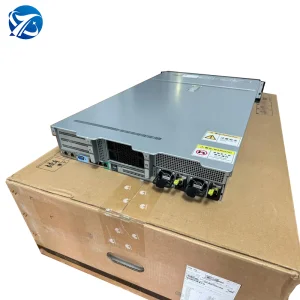
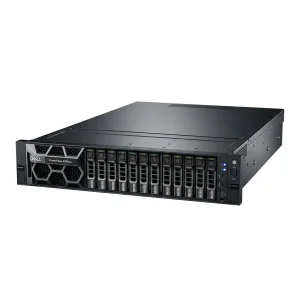
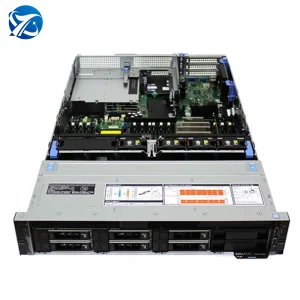
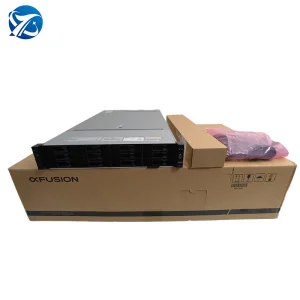
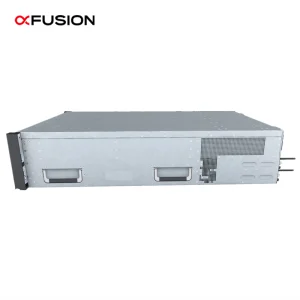
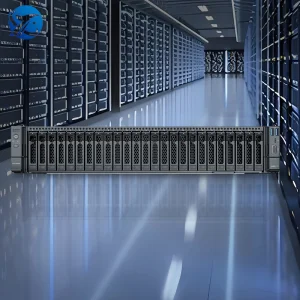
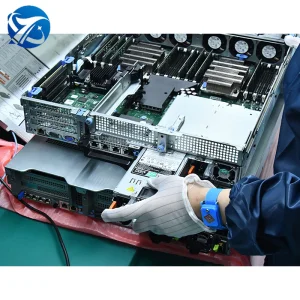
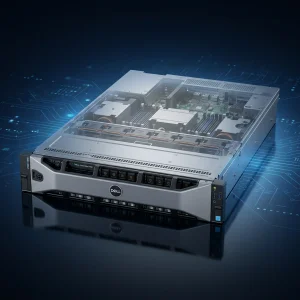
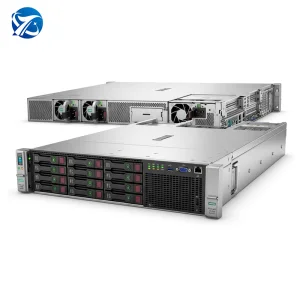
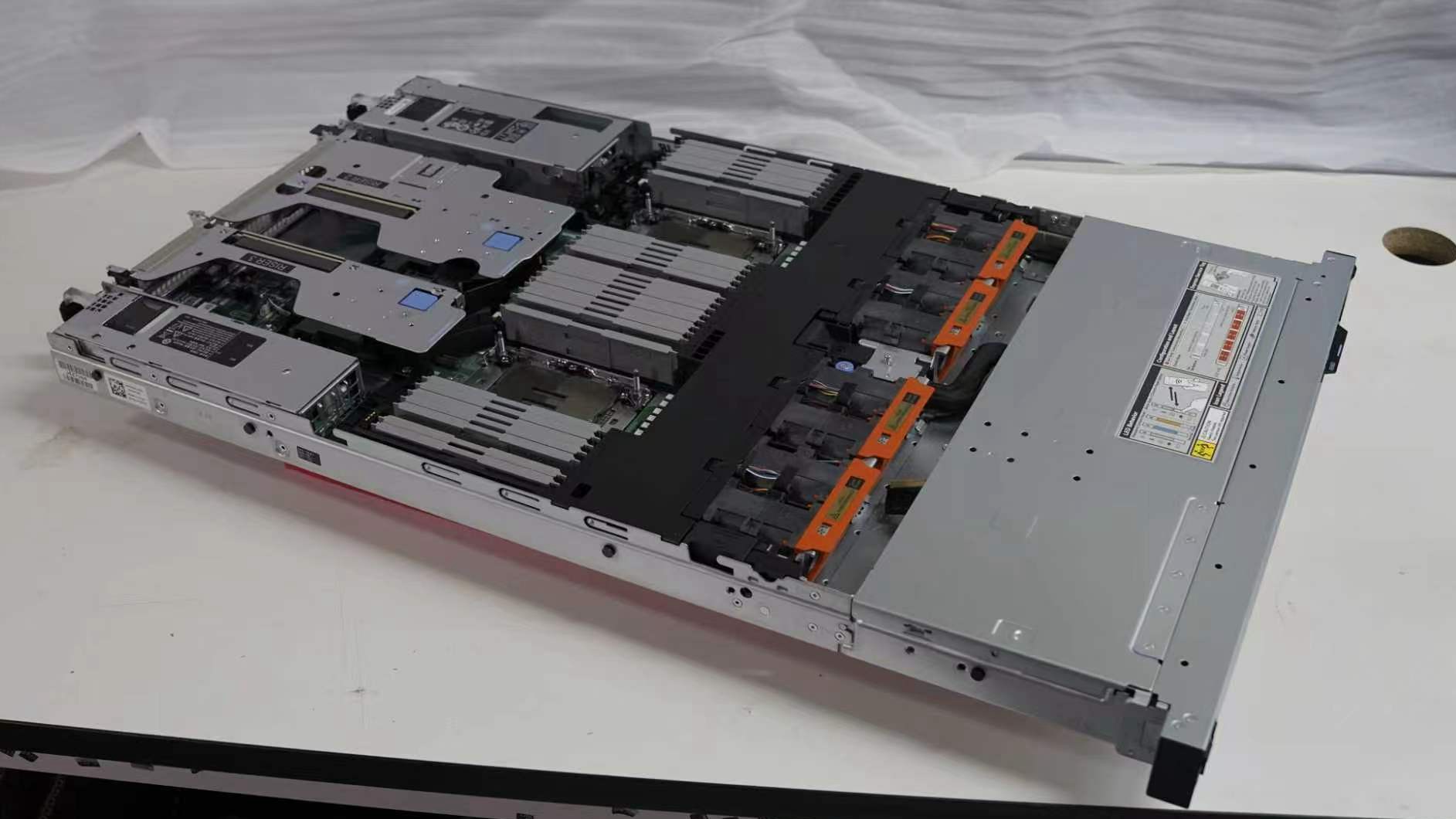
Pairing top-tier RAM with OEM enterprise chassis to deliver comprehensive computational units.
Importing enterprise hardware into Paraguay requires navigating Mercosur customs guidelines and local taxes (such as VAT / IVA and municipal business tariffs). Veltron simplifies this process through our dedicated export department, which handles all necessary compliance paperwork—including Certificate of Origin, HS Code classification (under 8473.30 for memory modules), and detailed packing declarations.
We coordinate with major air cargo carriers and shipping agencies servicing the Guaraní International Airport (AGT) in Ciudad del Este and Silvio Pettirossi International Airport (ASU) in Asunción. By optimizing documentation, we prevent transit delays at Brazilian or Argentine transit ports, ensuring that your enterprise memory and servers arrive securely at your facility.
Furthermore, Veltron provides complete ODM customization options. We program SPD (Serial Presence Detect) parameters to match the system specifications of dominant hardware vendors—including Dell, HPE, xFusion, and Inspur. This ensures that when our RAM is installed in your existing servers, it is recognized correctly by the system BIOS without triggering hardware warning codes or causing boot failures.
Technical Advisory: To qualify for duty-free tech import incentives in Paraguay under the "Maquila" or local digital investment frameworks, contact our logistics coordinators to obtain formal proforma invoices and manufacturing compliance declarations.
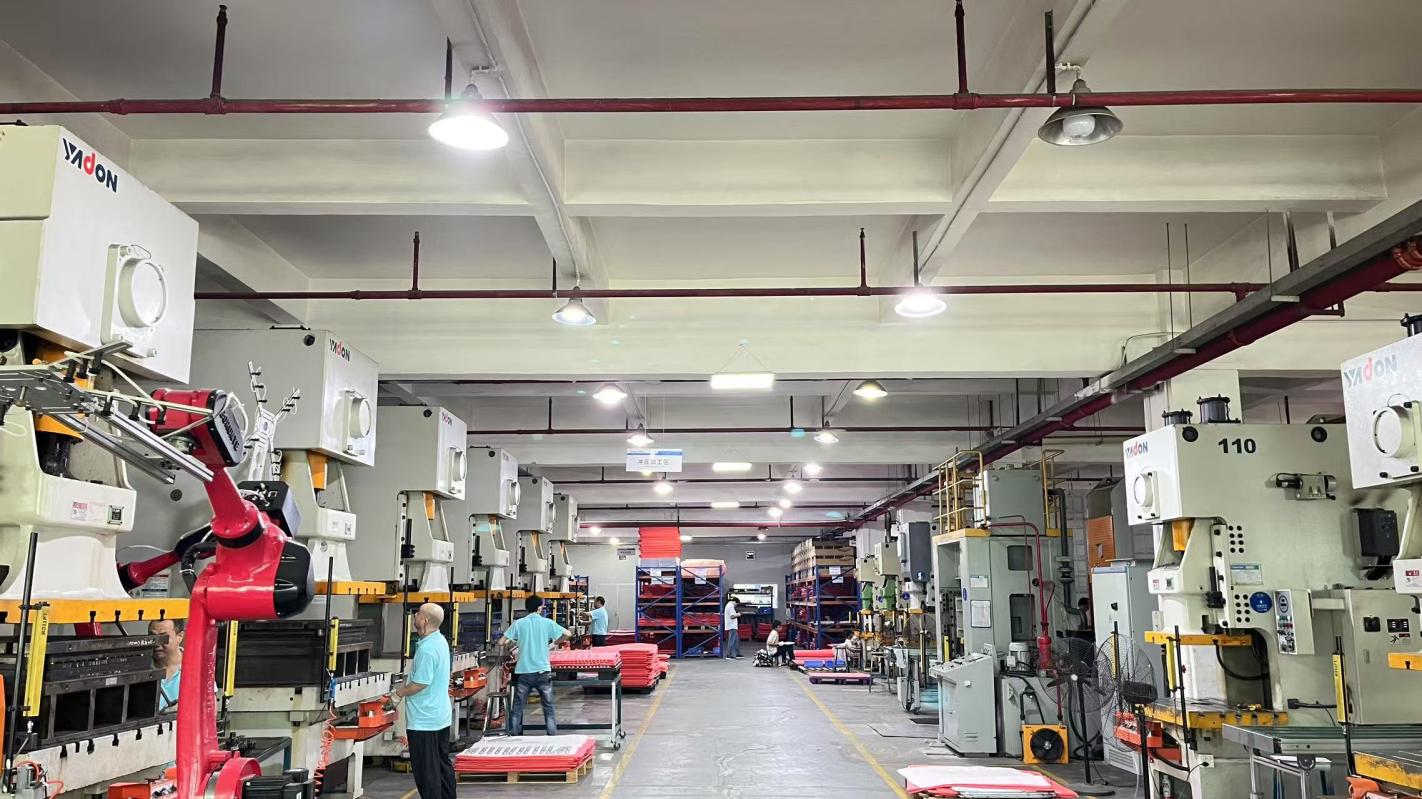
Take a look inside our high-tech assembly lines, automated SMT setups, and specialized testing environments.

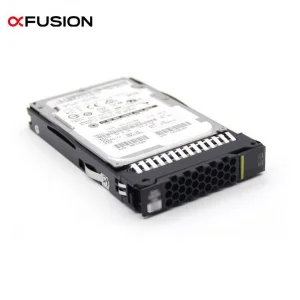
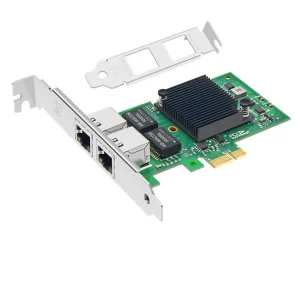
Deploy complete hardware stacks with matching AI servers, controllers, and enterprise-grade storage.
Expert answers to critical deployment, integration, and logistic queries for Paraguayan IT procurement teams.
RDIMMs feature an onboard Register Clock Driver (RCD). This chip buffers the command and address signals between the CPU's memory controller and the memory chips. Reducing electrical load on the system bus allows motherboards to support larger memory capacities (such as 512GB or 1TB of total RAM) and run multi-rank configurations stably. Desktop RAM (UDIMM) lacks this register and will cause system instability if paired with enterprise-class dual-socket motherboards.
All our enterprise modules feature gold-plated contacts (30μ" gold thickness) that prevent atmospheric oxidation and rust caused by high humidity. Furthermore, we use industrial-grade PCBs (10-layer builds) with optimized internal copper paths to dissipate heat efficiently. When paired with high-performance server fans, our modules operate stably within their specified temperature range of 0°C to 95°C.
Yes. During the manufacturing validation phase, our modules are programmed with SPD parameters that match OEM configurations. Our R&D division tests compatibility across various architectures (including HPE ProLiant Gen9/Gen10/Gen11, Dell PowerEdge 14th/15th/16th generations, and xFusion servers). This ensures complete plug-and-play capability and supports system health monitoring through IPMI or iDRAC/iLO interfaces.
Standard manufacturing queues take 5 to 7 business days from deposit validation. Shipping via air freight (DHL, FedEx, or priority air cargo carriers) to Asunción or Ciudad del Este takes approximately 8 to 12 days. For large-scale system deployments, we can offer combined ocean-air routes via regional ports to reduce shipping costs.
Speak with a Veltron memory architect to configure the optimal speed, density, and thermal setup for your server racks in Paraguay.