Veltron
Veltron
Veltron
Immediate stock deployment ready for Houston's computing nodes and high-density virtualization setups.
An Analytical White Paper on High-Density Server Architectures for Enterprise, Energy, and Medical Computing.
As the fourth-largest metropolitan economy in the United States, Houston represents a unique computational environment. Known globally as the Energy Capital of the World, Houston houses the headquarters and core R&D facilities for multinational energy corporations, independent oil exploration companies, and downstream petrochemical facilities. These operations depend heavily on High-Performance Computing (HPC) architectures to process complex, multi-dimensional data models.
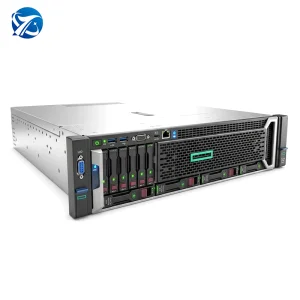
For example, processing 3D and 4D seismic survey profiles requires petaflop-scale computing. These workloads demand deep compute architectures, such as multi-processor structures with massive DDR5 memory lanes and high-throughput PCIe Gen5 storage arrays. The introduction of platforms like the HPE ProLiant DL380 Gen12 provides the necessary scalability to support deep seismic inversion algorithms, Reservoir Numerical Simulations (RNS), and machine learning models that predict drilling target optimization.
Beyond natural resource exploration, the Houston metropolitan region includes the Texas Medical Center (TMC)—the largest medical complex in the world. Modern healthcare computing has transitioned from traditional record storage to live analytical intelligence. Genomic sequencing, digital pathology, and clinical AI diagnostics rely heavily on GPU-accelerated computing nodes to process patient files in seconds instead of days.
Simultaneously, aerospace engineering clusters operating near the NASA Johnson Space Center require resilient hardware platforms capable of telemetry analysis, structural simulation testing, and multi-sensor data fusion. Veltron Computing supports these highly technical ecosystems by designing and exporting optimized server products configured with customized high-density PCIe architectures and active direct-to-chip liquid cooling systems. By optimizing key pathways for the local market, Veltron bridges the gap between hardware manufacturers and local systems integrators.
Examining structural improvements in server engineering to mitigate modern heat, power, and throughput challenges.
The evolution from HPE ProLiant Gen11 to Gen12 servers marks a massive leap in platform bandwidth. DDR5 memory systems deliver speeds reaching up to 6400 MT/s, which dramatically reduces processing bottlenecks. With PCIe Gen5 lanes, data transfers between nvme drives, high-speed controllers, and GPU acceleration blocks double in capacity, optimizing system efficiency.
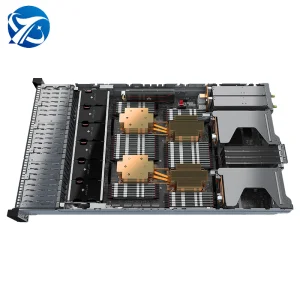
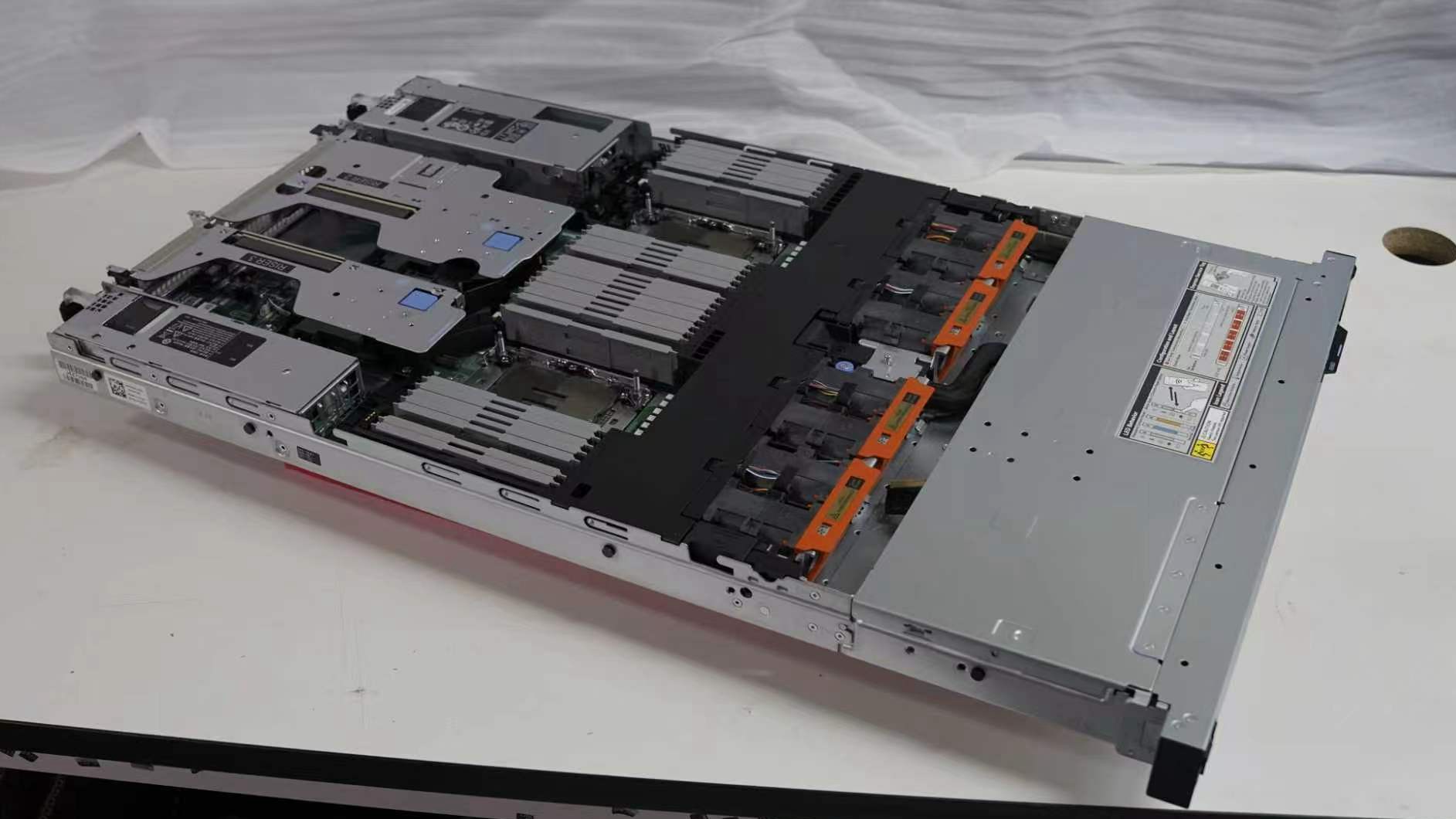
As computing density climbs, traditional air cooling is no longer sufficient. High-density servers, such as the 20EDSFF liquid-cooled architectures, utilize direct-to-chip liquid loops. This layout efficiently handles CPU and GPU thermal envelopes, enabling servers to operate at peak performance without thermal throttling.
Modern workloads require platforms designed for Deep Learning models, including DeepSeek and large LLMs. High-performance GPU nodes support rapid inference cycles and continuous model fine-tuning. This architecture makes them ideal for companies developing enterprise AI workflows and local autonomous systems.
When deploying servers for high-intensity fields like oil reservoir simulation or biomedical gene sequencing, configuration matches are critical. In Gen11 architectures (e.g., DL380 Gen11), dual Intel Scalable Processors offer great balance for core virtualization and legacy databases. However, for real-time training or high-density EDA workloads, the Gen12's support for Intel Xeon 6 (up to 144 cores per socket), 8TB DDR5 memory capacity, and direct integration with 3x double-wide GPU accelerators is essential to prevent system bottlenecks.
How Veltron’s Shenzhen Manufacturing Ecosystem Guarantees Delivery and Quality for Houston Operations
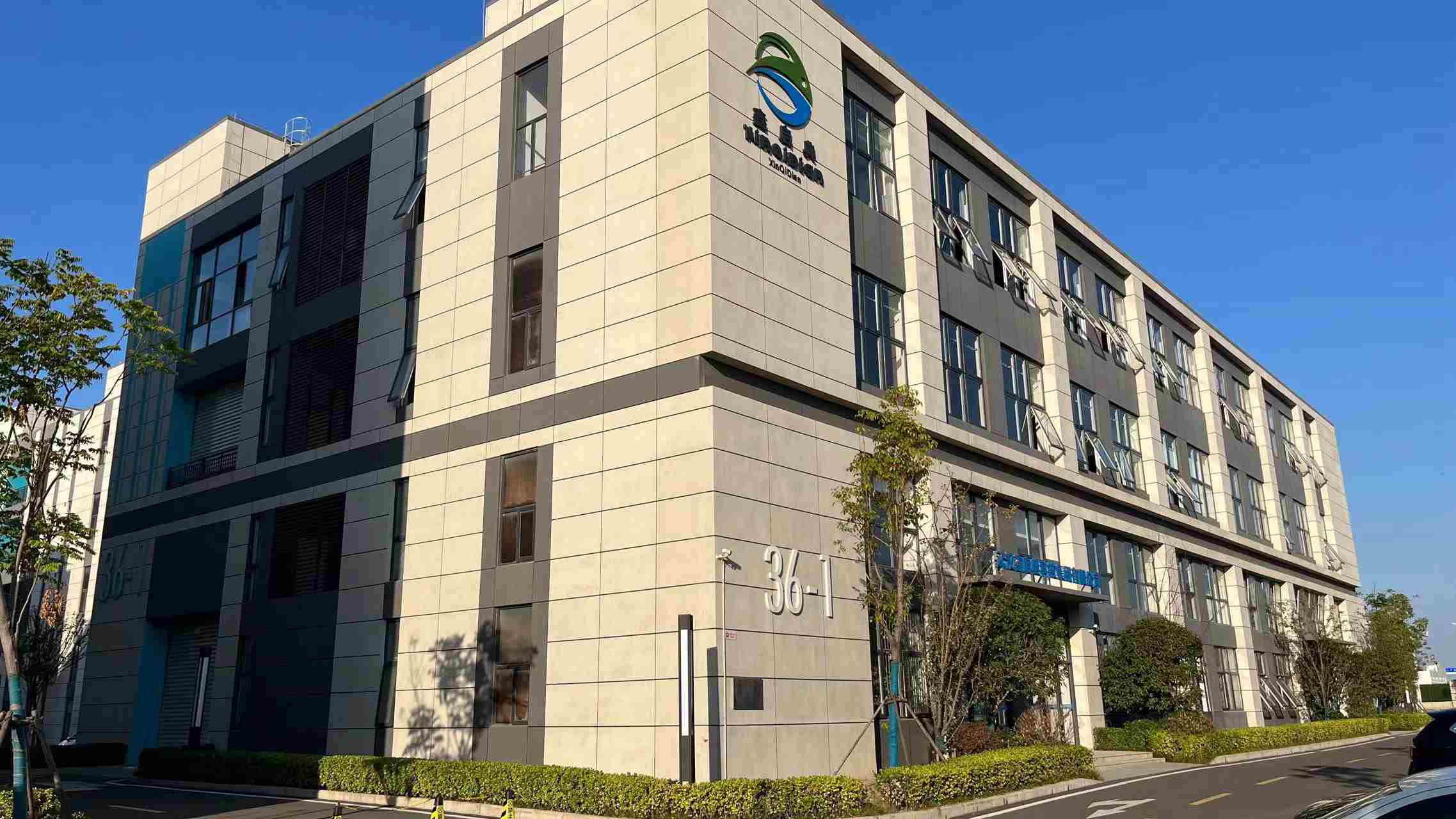
Global technology sourcing requires a resilient supply chain. Component shortages, customs delays, and transport bottlenecks often leave businesses waiting months for critical infrastructure upgrades. Veltron Computing solves this by leveraging a robust Factory 4.0 infrastructure in Shenzhen, China's tech capital.
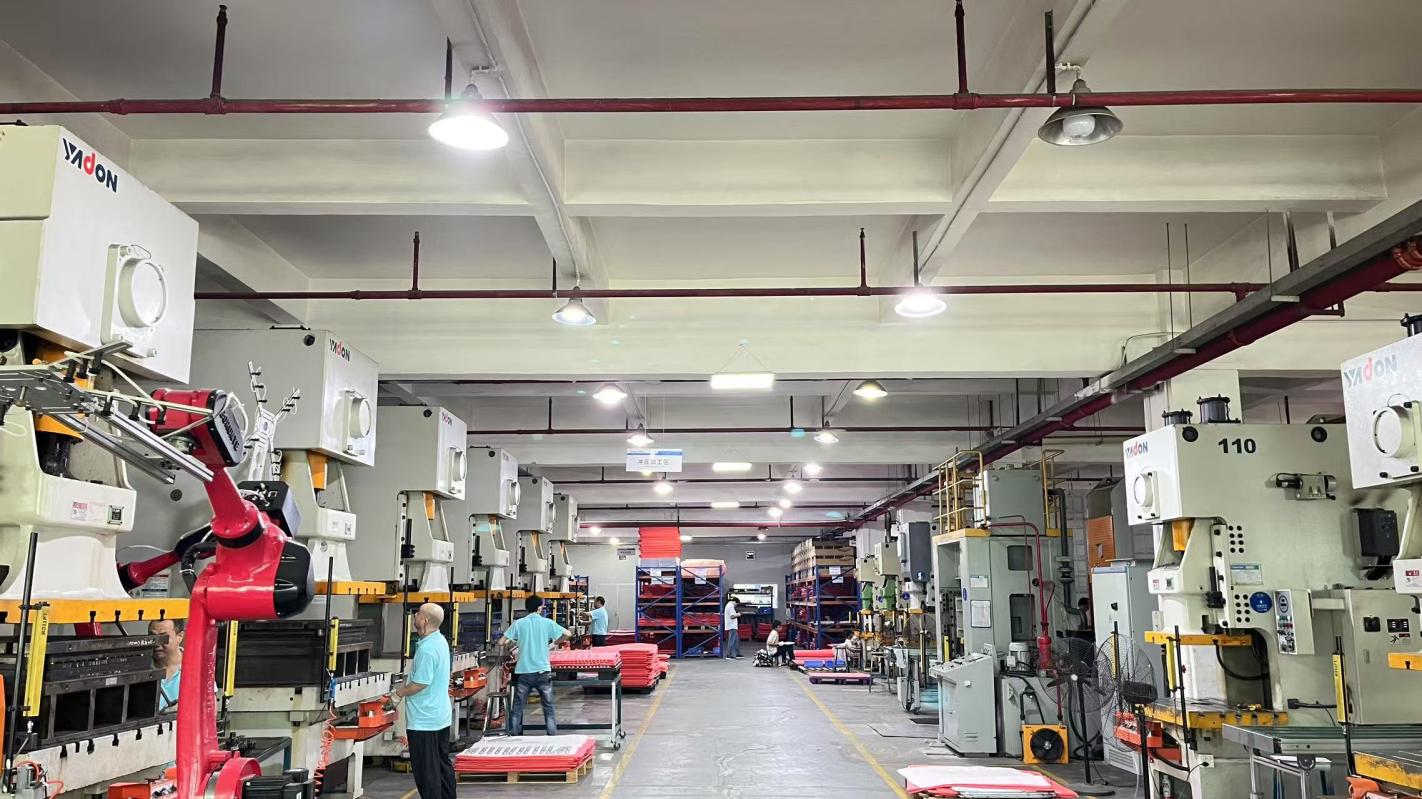
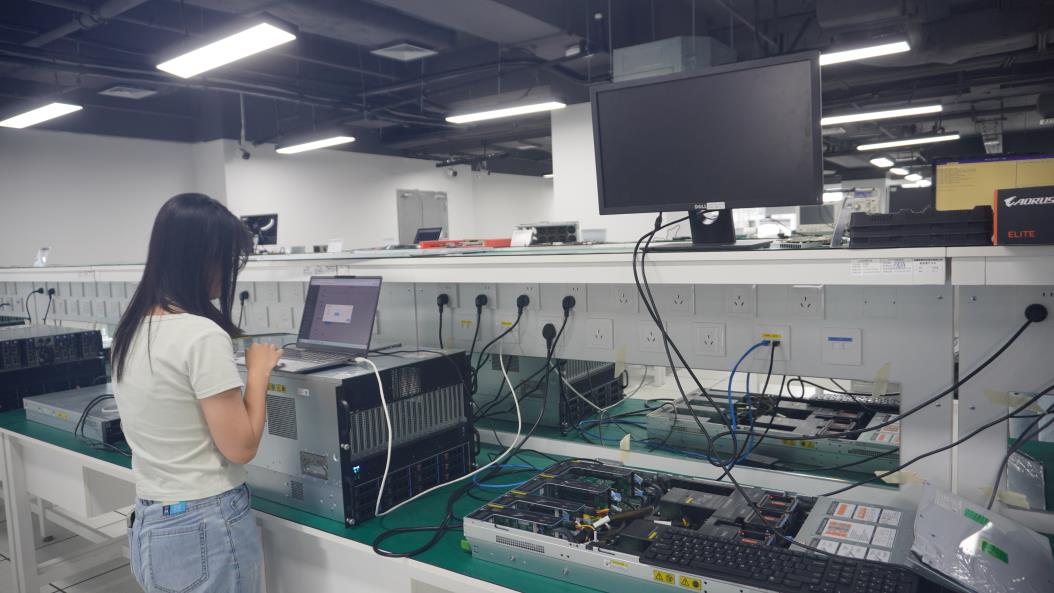
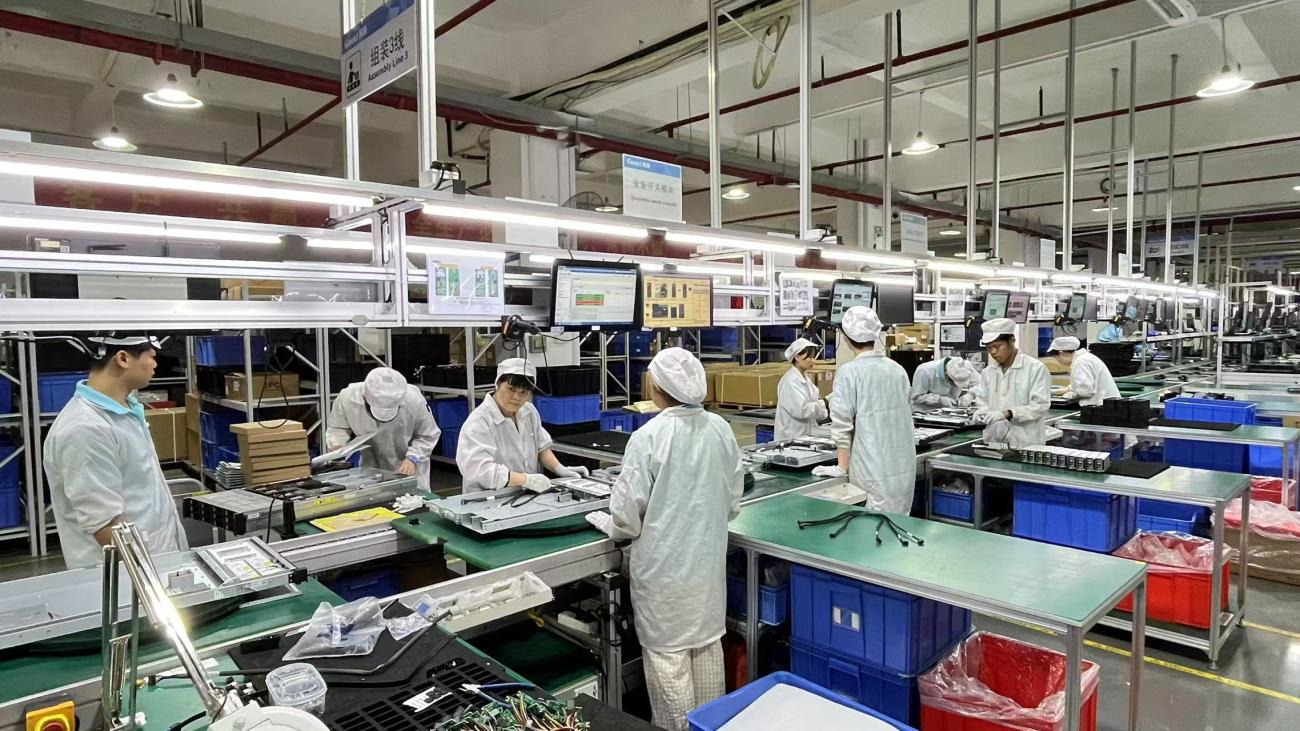
Our modern manufacturing facility covers over 3,800 square meters and features automated assembly lines, thermal testing chambers, and precision burn-in validation labs. We manage component sourcing through a network of 1,200+ trusted supply chain partners. This ecosystem guarantees a steady supply of hard-to-source elements like PCIe Gen5 switches, DDR5 RAM chips, and custom cooling blocks, enabling rapid assembly and shipping.
Veltron’s export services bypass standard multi-tier distribution networks. We ship servers directly from our facility to the Port of Houston or Houston George Bush Intercontinental Airport (IAH). This direct pipeline keeps delivery timelines predictable and avoids regional distribution markups.
At Veltron, quality control is a structured, end-to-end process. Our team of 56 quality control specialists monitors every stage of production, from raw materials through final integration. Every server configuration undergoes rigorous burn-in tests, physical inspections, and workload simulations before packaging and shipping.
Our R&D division, consisting of 168 experienced engineers, specializes in high-performance configurations. They handle motherboard diagnostics, GPU optimization, firmware tuning, and customized cooling systems. This depth of expertise allows us to offer versatile OEM and ODM services, tailoring chassis designs, BIOS features, and hardware specs to your exact workload needs.

How specialized server designs solve complex computation problems in actual regional deployments.
Energy companies in Houston's Energy Corridor need to process massive seismic datasets to identify drilling locations. Traditional systems struggle with the compute requirements of Reverse Time Migration (RTM) algorithms.
Proposed Solution: Deploying the HPE ProLiant DL360 Gen12 20EDSFF Liquid-Cooled Server. The direct-to-chip liquid cooling handles high thermal outputs, enabling dual Intel Xeon processors to run at high clock speeds. Configured with fast NVMe drives, this dense 1U setup processes deep data layers with minimal lag.
Medical research laboratories require fast computing resources to compare patient DNA structures and identify disease vectors. These workflows rely heavily on GPU accelerator processing.
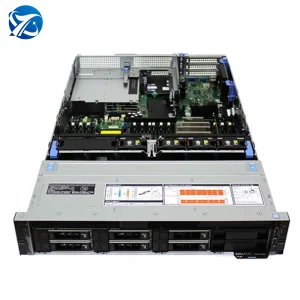
Proposed Solution: Deploying the Dell PowerEdge DeepSeek AI GPU Server. Equipped with high-density GPU accelerators, this platform speeds up tensor operations, reducing patient gene mapping times from days to hours while ensuring reliable database storage.
Browse our selection of specialized computing hardware and high-speed network interfaces.
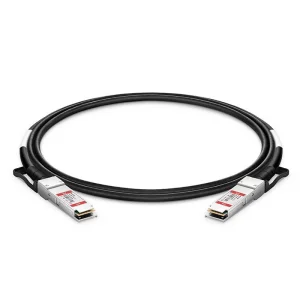
QSFP+ 10G High Speed Direct-attach Cables 3m QSFP+20M CC2P0.254B(S) QSFP-40G-CU3M Used Indoor
View Configuration →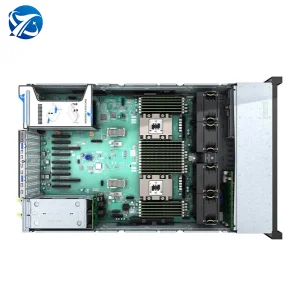
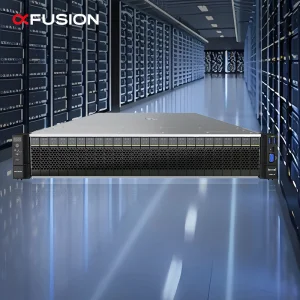
FusionServer 2488H V5 2U 4-Socket High Performance Rack Server for Mission-Critical Applications
View Configuration →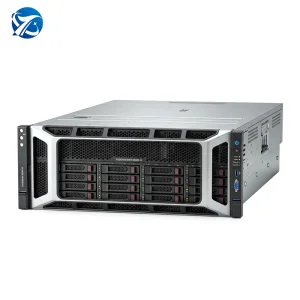
AI Inference G5200 V5 GPU Server for Deep Learning Training and Smart City Video Analysis
View Configuration →Expert answers on configuration compatibility, quality assurance, and international logistics.
Partner with Veltron to build custom high-performance server systems. Get in touch with our engineering team for specialized configurations, project pricing, and shipping timelines to Houston.
Request Free Consultation