Veltron
Veltron
Veltron
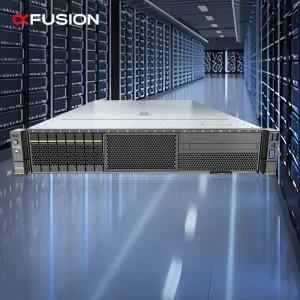
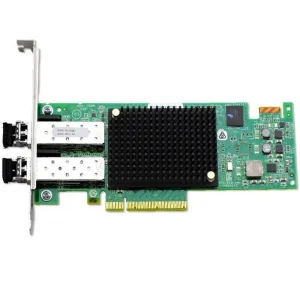
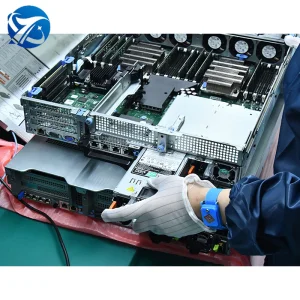
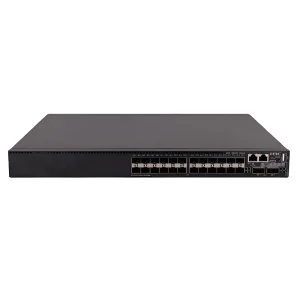
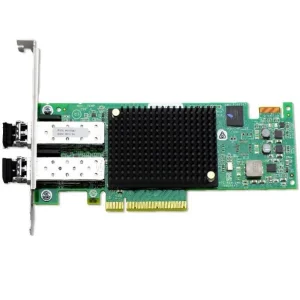
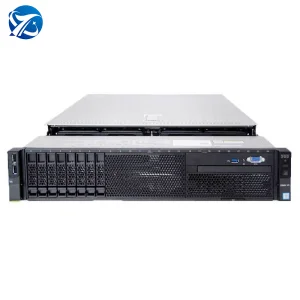
In modern enterprise data centers, computational scaling is no longer governed solely by processor frequency. As multi-core CPU architectures like Intel® Xeon® Scalable and AMD EPYC™ expand core densities, memory bandwidth and reliability have emerged as the primary computational bottlenecks. Enterprise-grade server memory is the crucial architectural link that translates raw processing capability into scalable performance.
The paradigm shift from DDR4 to DDR5 server memory represents a profound architectural leap. DDR5 brings native dual-channel architecture per DIMM, local PMIC (Power Management Integrated Circuits) on the module to improve thermal management and energy efficiency, and on-die ECC (Error Correction Code) to resolve single-bit errors at the silicon level. For enterprise applications such as massive database indexing, multi-tenant virtualization, and real-time inference pipelines, deploying JEDEC-compliant RDIMMs and LRDIMMs ensures system stability, minimizes transmission latency, and virtually eliminates systemic data corruption.
Understanding the difference between consumer-grade RAM and enterprise-grade server memory is critical for global IT procurement directors. While consumer memory prioritizes clock speed and low CAS latency at the expense of continuous workload integrity, server memory utilizes specialized hardware features. Registered DIMMs (RDIMMs) incorporate a hardware register that buffers control signals, stabilizing electrical loads and allowing systems to support vast capacities per channel. Load-Reduced DIMMs (LRDIMMs) go a step further by buffering both data lines and control registers, mitigating physical bus loads to facilitate maximum memory density across multi-socket motherboards.
Established in 2016, Veltron Computing Technology Co., Ltd. is a recognized leader, professional manufacturer, and global supplier of GPU servers, advanced AI computing hardware, and high-performance server memory solutions. Operating from our advanced manufacturing facility covering over 3,800 square meters in the heart of Shenzhen, China, we bridge the gap between premium component engineering and cost-efficient hardware scaling.
Backed by 8 years of export experience and a foundational legacy of 14 years of industry expertise, our annual export revenue exceeds USD 18 million. Veltron serves key markets across North America, Europe, Southeast Asia, the Middle East, and South America, maintaining strategic partnerships with over 1,200 verified supply chain partners.
Innovation drives our research and development. Our specialized R&D center is staffed by 168 experienced engineers specializing in system architecture, thermal management, customized firmware, and AI infrastructure design. With native OEM and ODM capabilities, we support custom board layouts, tailored SPD configurations, and custom chassis integration. Every year, Veltron launches more than 85 new products and system upgrades, keeping pace with rapid developments in AI and enterprise high-performance computing (HPC).
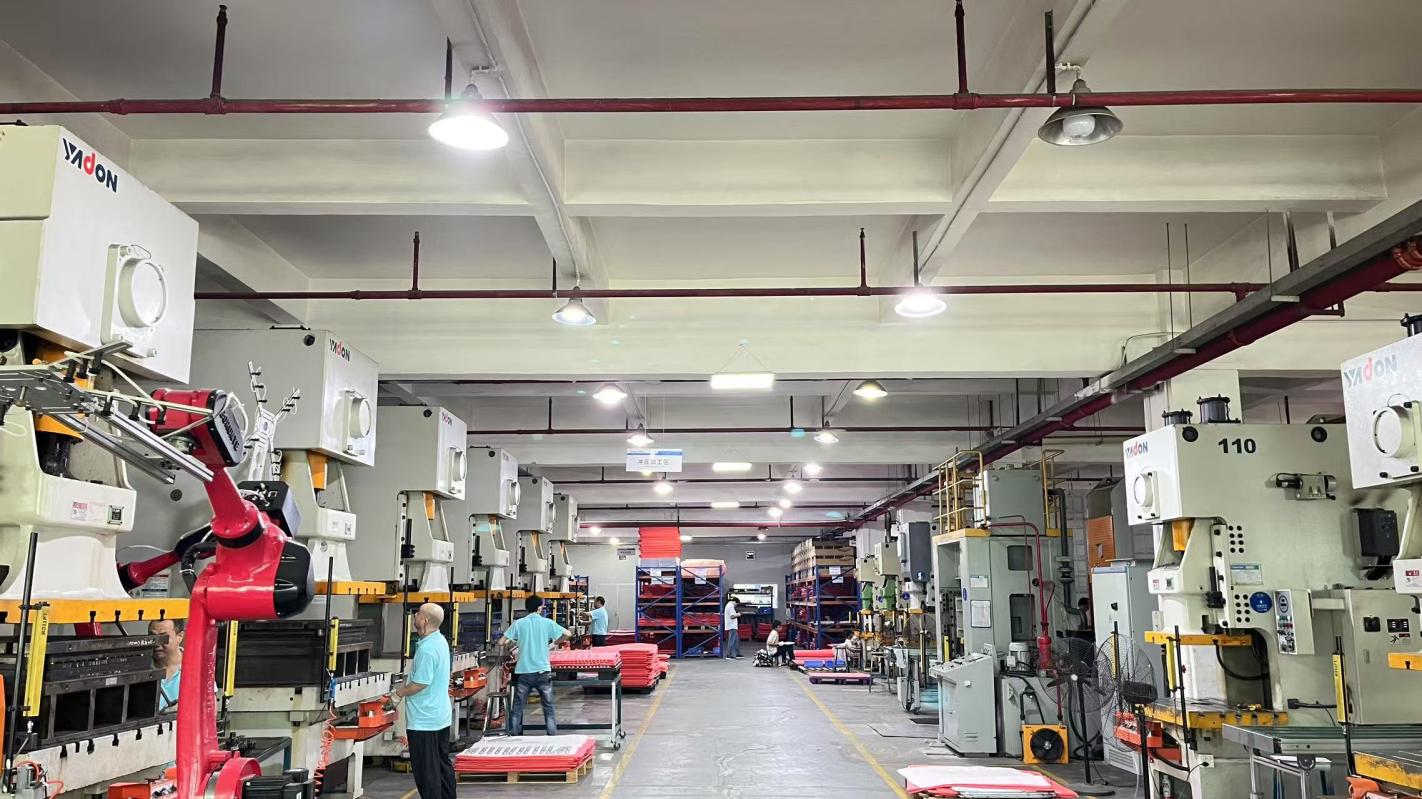
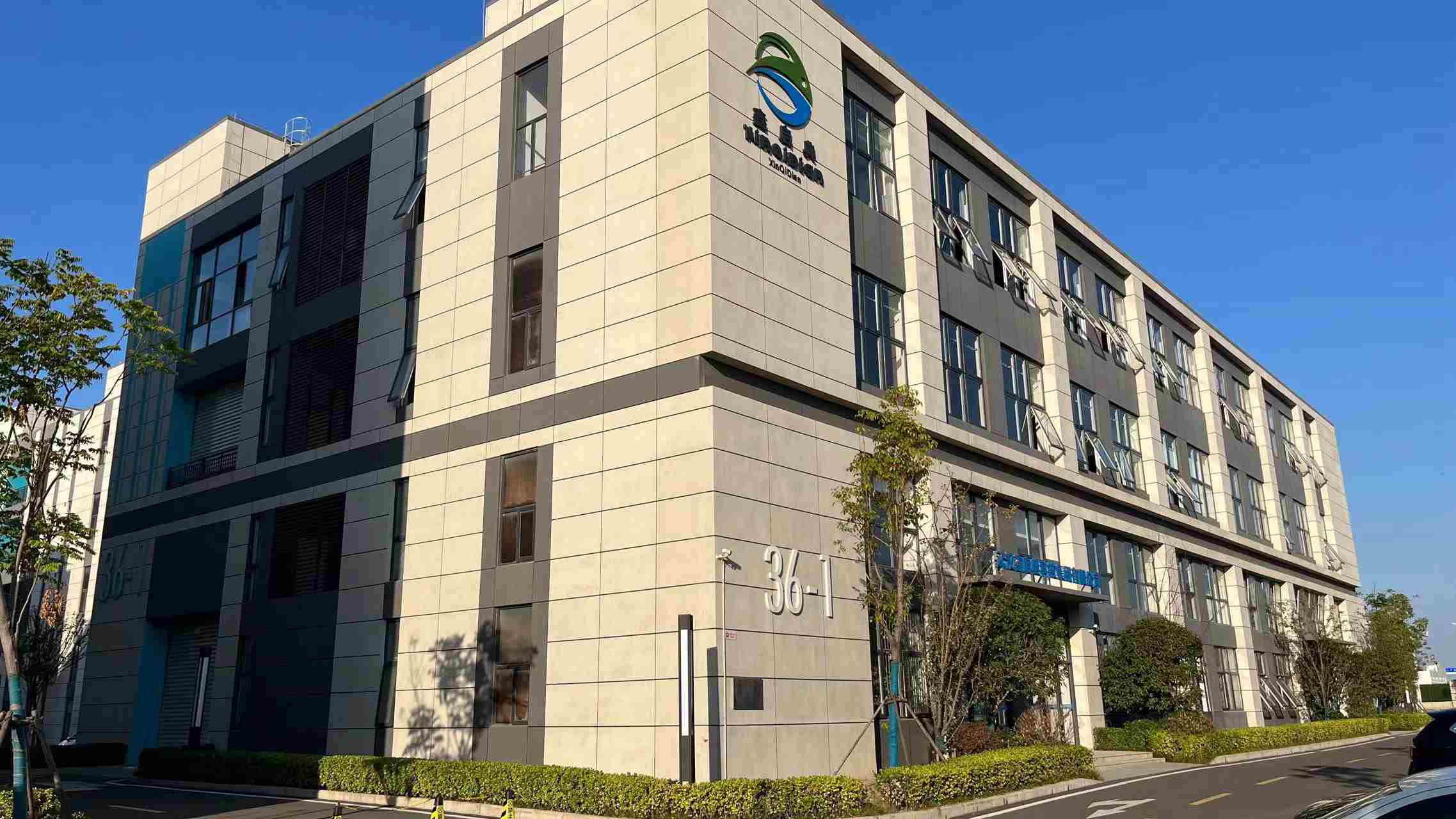
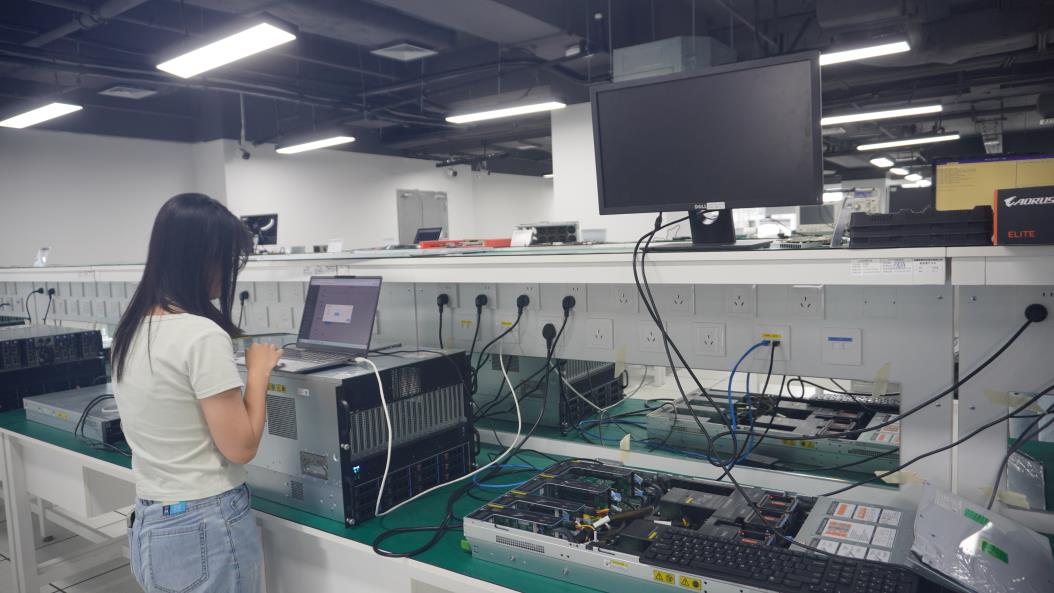
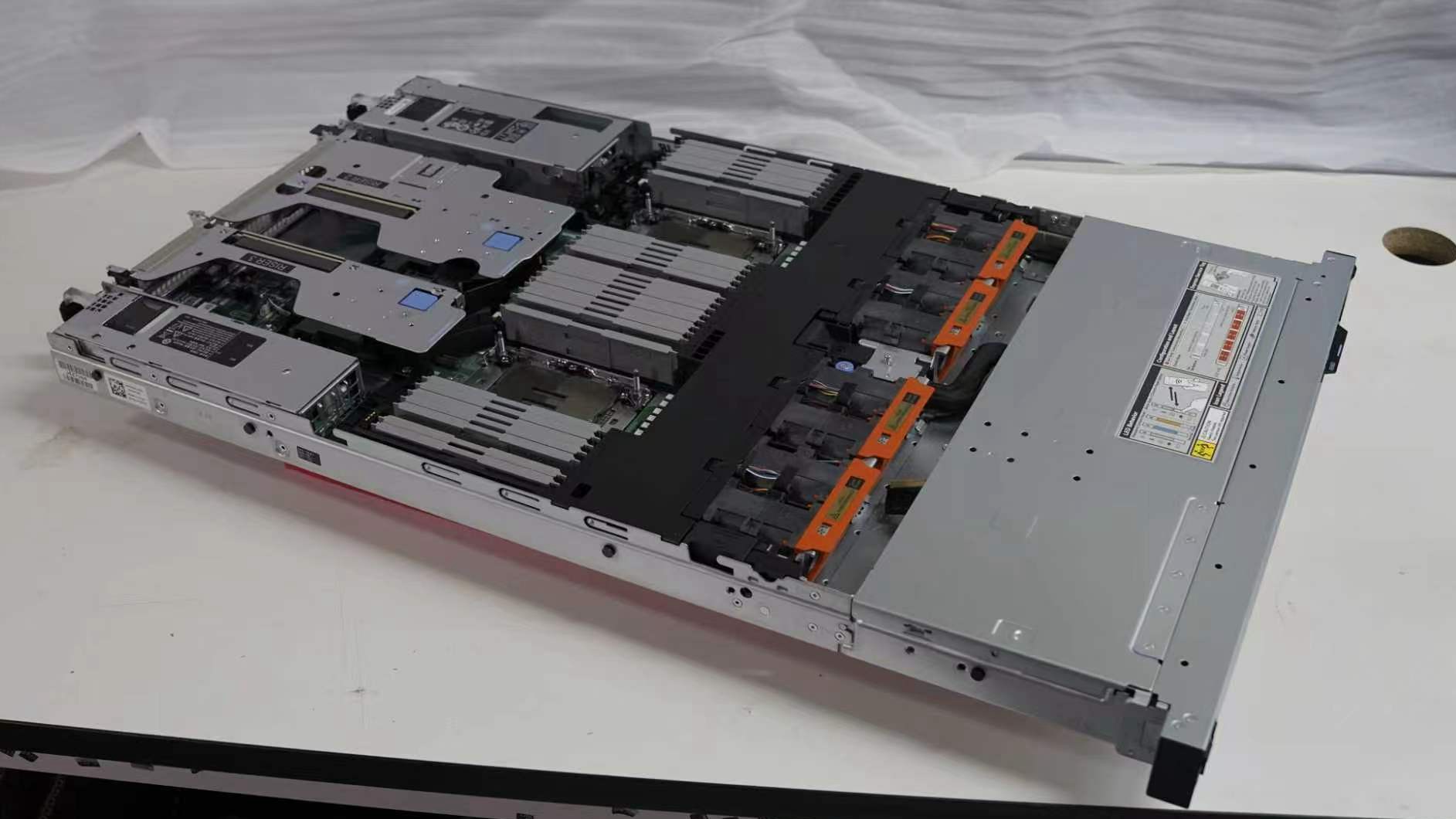
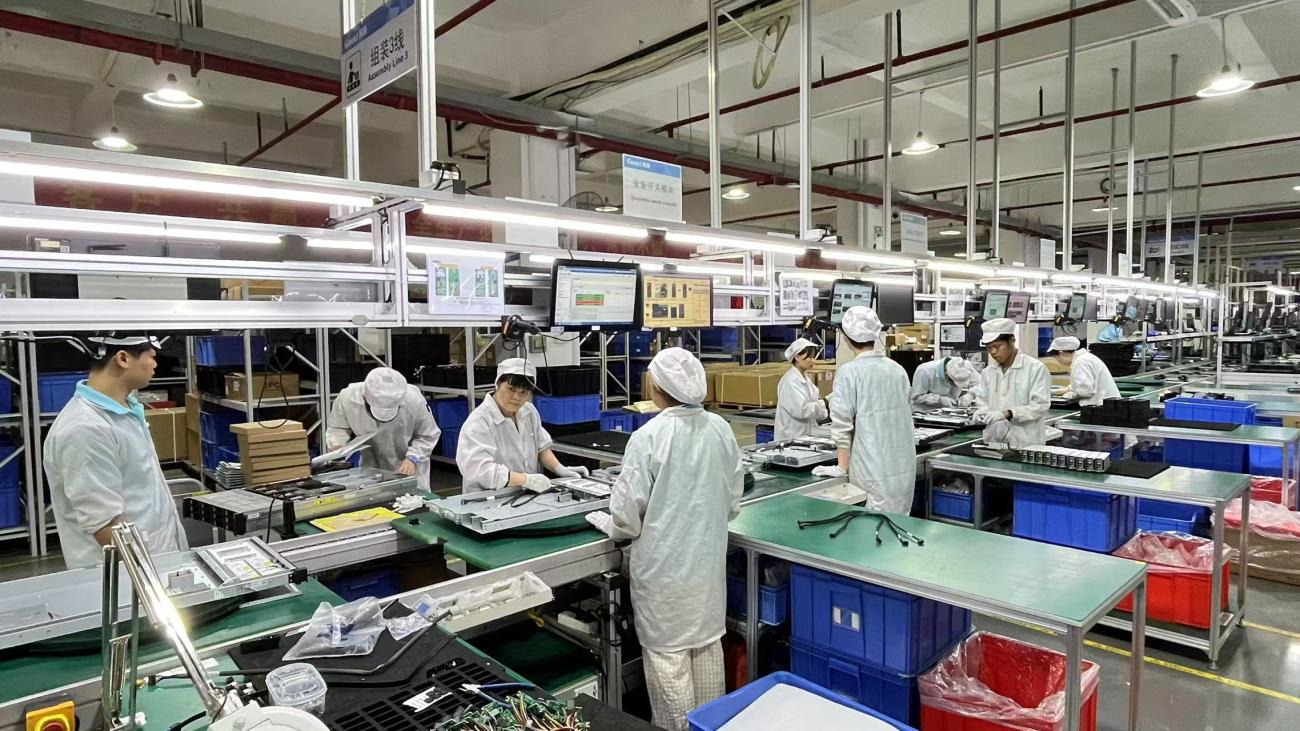

Shenzhen represents the global epicentre of electronics components and assembly. For server memory manufacturing, this concentration provides unique logistical advantages. By leveraging direct relationships with top-tier DRAM wafer fabricators, packaging facilities, and passive component suppliers, Veltron achieves raw material stability and cost-efficiencies that are passed on to global enterprise clients.
At Veltron, quality is managed at every step. We employ a dedicated team of 56 quality control personnel who manage multi-tier inspections:
Procuring server hardware across international boundaries requires navigation of strict regulatory environments, trade compliance, and operational standards. Veltron delivers end-to-end support for international projects. From CE, FCC, RoHS, and UL conformity certifications to customs clearance documentation, we ensure smooth import compliance for various regions.
Our localization capabilities extend beyond international logistics. For data center deployments in regions like North America, Europe, APAC, and South America, we customize server BIOS, firmware, and SPD profiles to match target enterprise platforms. For instance, in virtualized SQL databases, ERP hosting environments, and specific regional requirements (such as remote databases or SQL host systems in Eastern Europe and Russia), our hardware is engineered to run stable, unbuffered, and registered routines without triggering vendor-lock bios flags.
By working with system integrators and distributors, we offer flexible shipping solutions, direct technical support channels, and reliable warranty terms. This helps lower down-time costs, resolve hardware integration issues quickly, and ensure replacement parts are delivered on time.
Memory configuration needs vary depending on the target workload. Below, we examine the typical configurations used for common enterprise server roles:
Workload Demand: High bandwidth and capacity for model weight updates and training data batches.
Configuration: Multi-channel DDR5 ECC RDIMMs paired with dense GPU server architectures. Optimized for high-throughput AI platforms and model training engines.
Workload Demand: Extremely low memory latencies, clean transaction handling, and absolute read/write reliability.
Configuration: Enterprise DDR4/DDR5 RDIMMs with Advanced ECC and clean thermal profiles, preventing host server system reboots and ensuring high-availability database runtimes.
Workload Demand: High memory density to maximize container and VM provisioning per node.
Configuration: LRDIMM memory configurations on multi-socket system architectures, helping scale VM capacities while optimizing overall power consumption.