Veltron
Veltron
Veltron
Why modern compute engines require intelligent, hot-swappable power architectures to eliminate single points of failure.
In the digital economy, downtime translates directly to financial loss and reputational damage. As cloud infrastructures expand and machine learning networks perform continuous calculations, the reliance on high-availability hardware has peaked. Redundant Power Supplies (RPS) function as the foundational defense line in modern servers, storage arrays, and network switches.
An RPS system operates by linking multiple power units to a common bus, typically configured in 1+1, 2+1, or N+N architectures. Should a single power supply fail, or if one power grid feed goes offline, the remaining operational modules assume the load dynamically without interrupting system operations. This hot-swappable capability allows hardware maintenance teams to replace faulty units live, maintaining high uptime targets.
Analyzing Shenzhen's manufacturing ecosystem, assembly efficiency, and technological integration advantages.
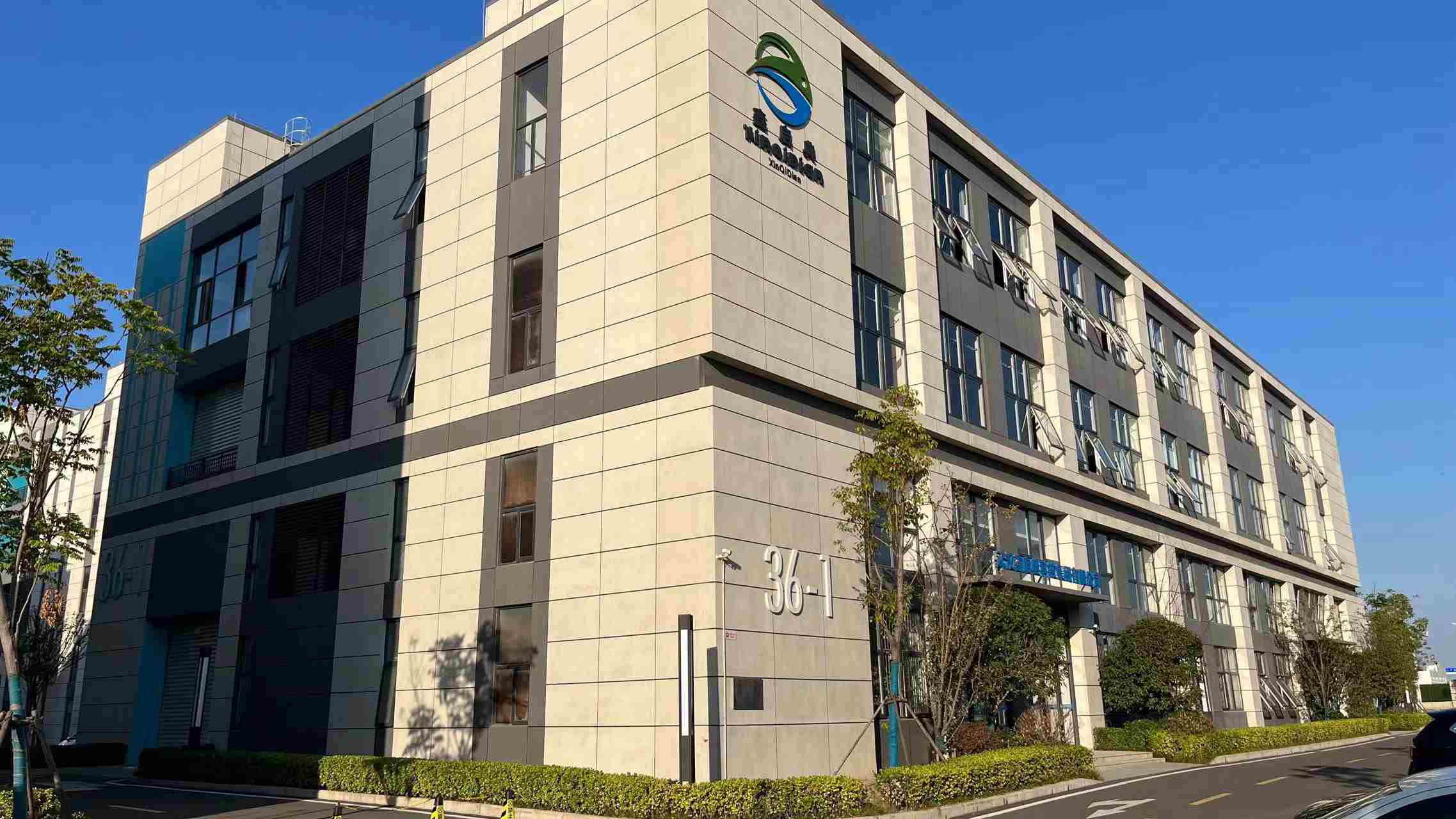
Shenzhen represents the heart of the global electronics supply chain. Our facility maintains access to critical components, including semiconductor packages, high-frequency transformers, capacitors, and custom heat sinks. This geographical advantage compresses engineering cycles from concept to production prototyping.
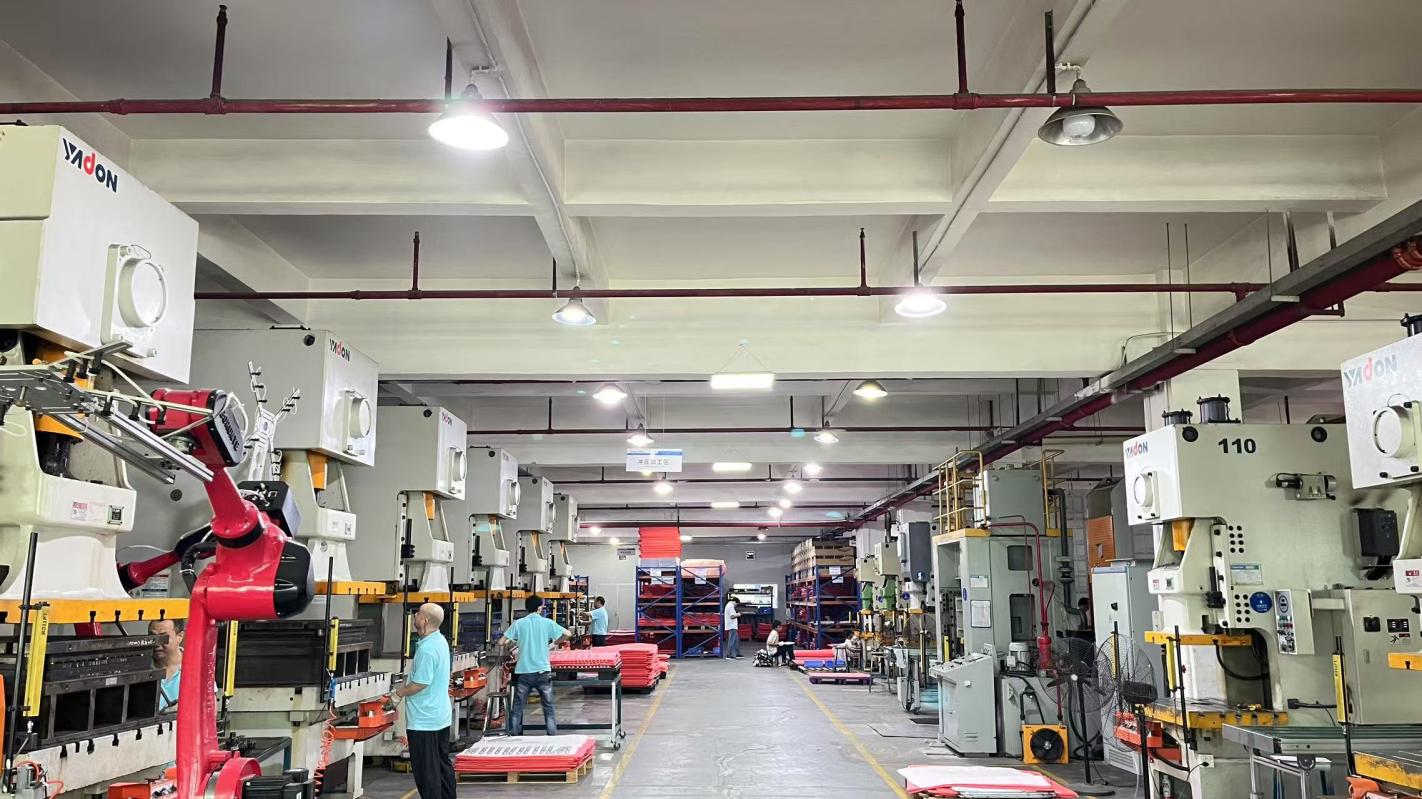
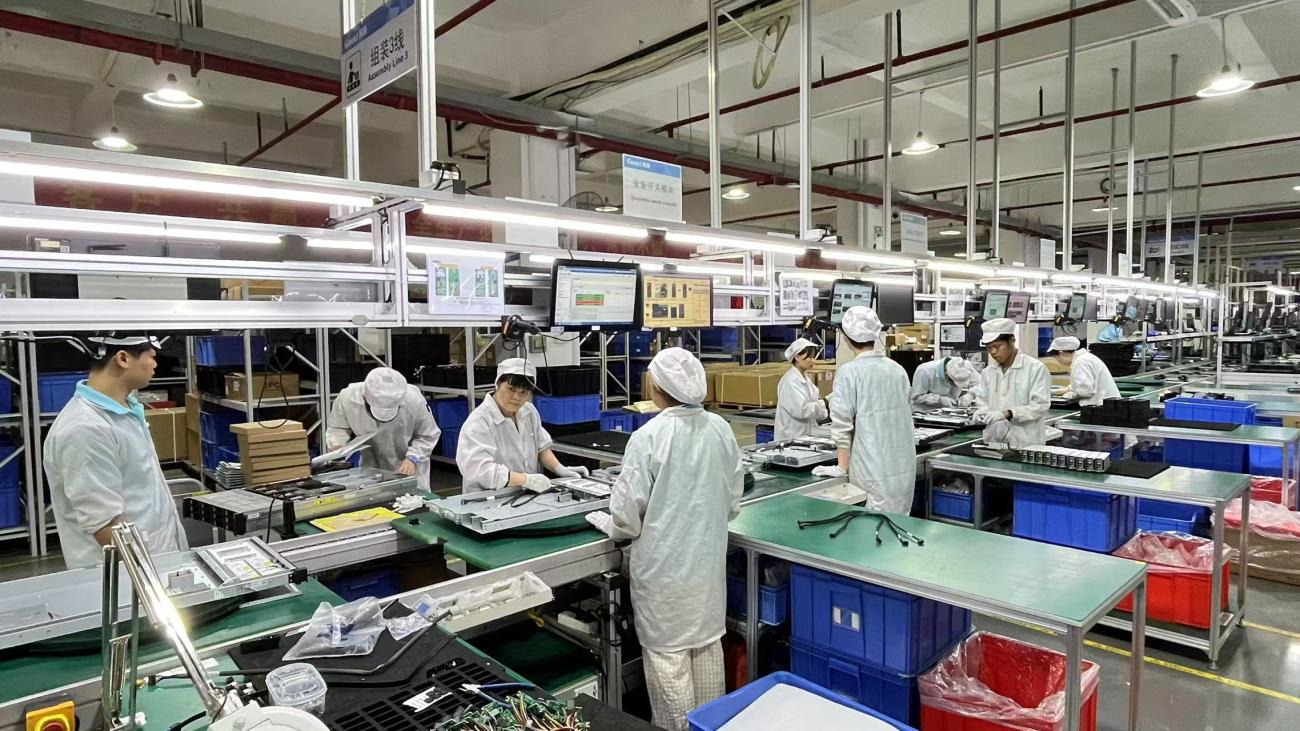
Veltron's facility in Shenzhen spans over 3,800 square meters. The plant utilizes automated assembly lines, high-precision surface mount technology (SMT), and automatic optical inspection (AOI) to eliminate structural soldering variance and ensure PCB longevity.
With an active R&D unit of 168 engineers, we handle custom physical layouts, voltage modifications, specific harness designs, and firmware optimization for proprietary monitoring software, supporting more than 85 new product launches annually.
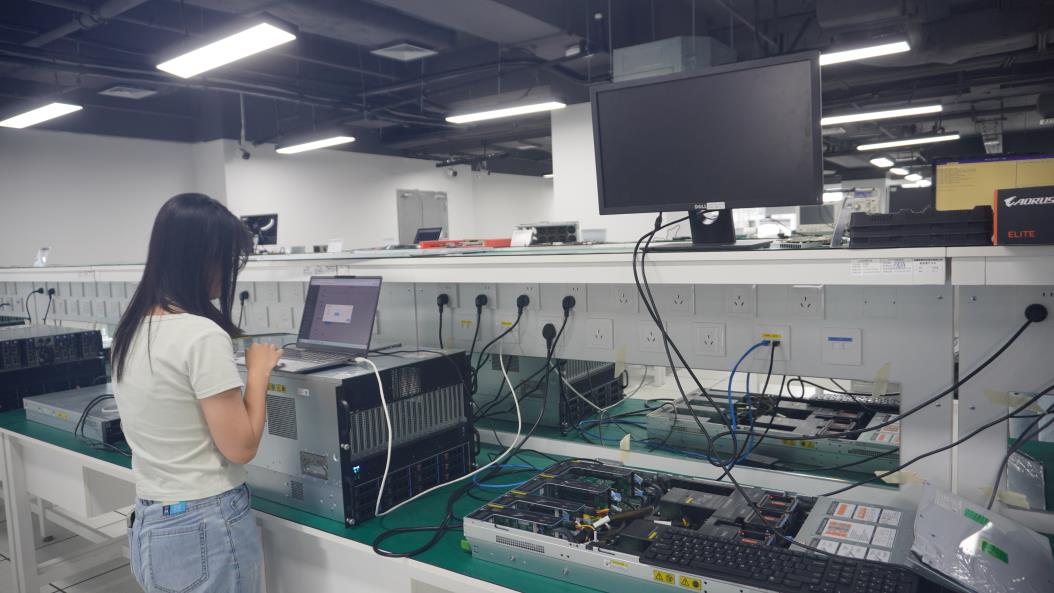
Every server module and redundant power unit undergoes strict verification protocols at Veltron:
As a global enterprise system builder since 2016, Veltron Computing Technology Co., Ltd. combines 14 years of industry expertise with 8 years of direct export operations. We support system integrators, datacenter operators, and cloud infrastructure companies worldwide, achieving over USD 18 million in annual export revenue.
Our operation relies on a multi-stage quality framework overseen by 56 dedicated quality control specialists. From inspecting inbound materials to performing functional verification on outgoing shipments, each step is logged and traceable. This strict attention to quality enables our hardware systems to deliver stable power to computational clusters globally.
How redundant power architectures support diverse enterprise applications and critical computing frameworks.
GPU clusters optimized for deep learning models pull high amounts of electrical energy. Redundant power supplies built for these configurations must handle sudden, steep load transitions while maintaining stable output voltages.
Database engines processing transactional data cannot tolerate voltage fluctuations that could corrupt records. RPS units with built-in PMBus interfaces give operators early warning of input line anomalies, protecting active memory writes.
For remote telecommunications hubs, redundant infrastructure minimizes the need for unscheduled maintenance visits. Dual hot-swappable power modules allow system servicing without interrupting edge services.
Technical answers to common questions about redundant power supply architectures, standards, and direct procurement.
A 1+1 configuration uses two separate power modules, with either unit capable of supporting the full system load on its own. In an N+1 design, multiple units (N) run together to meet the system's power needs, and one extra module (+1) is kept active as backup. If any single module fails, the remaining units take over without interruption.
The Power Management Bus (PMBus) protocol allows system software to query the power supply directly. This protocol provides real-time tracking of current draws, operating temperatures, and conversion efficiencies, helping operators spot issues early, balance thermal loads, and schedule maintenance before failures occur.
CRPS establishes standard physical sizes, connector locations, and electrical interfaces for power modules. This standardization allows datacenters to source replacement parts from different vendors, reducing supply chain risks and lowering the cost of maintaining spare parts inventory.
Higher efficiency certifications indicate less energy is wasted as heat during AC-to-DC conversion. Titanium certification guarantees up to 96% efficiency under typical operating loads, which directly reduces utility bills and lowers the cooling costs needed to keep server racks at safe operating temperatures.
Each power supply undergoes a comprehensive set of tests, including automated visual inspections, high-pot isolation checks, dynamic load transient tests, and a 72-hour burn-in phase under full thermal load to catch and replace any faulty components before final shipment.