Veltron
Veltron
Veltron
High-bandwidth enterprise infrastructure designed to support distributed network load balancing payloads, cluster computing, and deep learning analytics.
In the era of hyper-scale computing, containerized microservices, and AI-driven data pipelines, the demand for high-throughput, low-latency traffic management has risen to unprecedented levels. Network Load Balancing (NLB) functions as the critical traffic director across server clusters, web servers, and database nodes, ensuring optimal system availability, redundancy, and efficiency. However, software load balancers are only as powerful as the physical infrastructure backing them. The industry has shifted towards hardware-assisted, acceleration-capable server platforms and high-speed core optical switches that handle Layer 4 (L4) transport and Layer 7 (L7) application traffic without introducing bottleneck latencies.
As a leading integrator and provider of advanced computational systems, Veltron Computing Technology Co., Ltd. manufactures high-reliability servers, GPU nodes, and cluster network solutions that power the underlying frameworks of global NLB configurations. In this whitepaper, we explore how reliable hardware engineering, optimized network interfaces, and strategic global supplies merge to define the modern standard for reliable network distribution hardware.
The global infrastructure market is currently undergoing a massive evolution. Enterprises are moving away from traditional single-point physical hardware appliances toward Software-Defined Networking (SDN) and Network Function Virtualization (NFV). In these setups, load balancing is deployed as a dynamic software layer on top of standardized, high-performance x86 and GPU-accelerated computing nodes. This transition demands hardware systems that offer extreme I/O capabilities, massive PCI-Express lane availability, and fast network interface controllers (NICs).
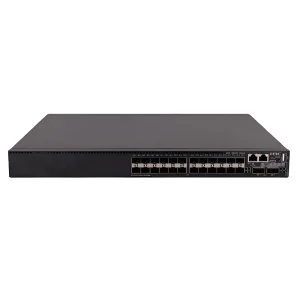
Regions such as North America, Europe, and the APAC hub (Shenzen-Hong Kong corridor) lead this transformation. The rapid rollout of 5G networks, Edge Computing nodes, and automated factory networks requires regional network infrastructure that maintains sub-millisecond connection times. Key components like three-layer core optical switches (e.g., the H3C S6520X-30QC-EI) and high-performance dual-socket processors operate alongside RAID controllers (e.g., the LSI 9560-16I) to guarantee that load-balancing logs and session-state tables are continuously stored and routed without database delays or system crashes.
Using core switches with 10G/40G capabilities ensures that packets arriving at high-concurrency ports are distributed to real-world target pools without buffer overflow or frame drops.
Advanced AI training clusters rely on load balancers to route deep learning inputs directly into multi-GPU server pools, preventing worker idling during massive AI training tasks.
High-speed RAID controllers and redundant rack configurations ensure that active session data persists even during primary controller hardware failures.
Three main trends are currently reshaping how manufacturers build enterprise servers and load-balancing arrays:
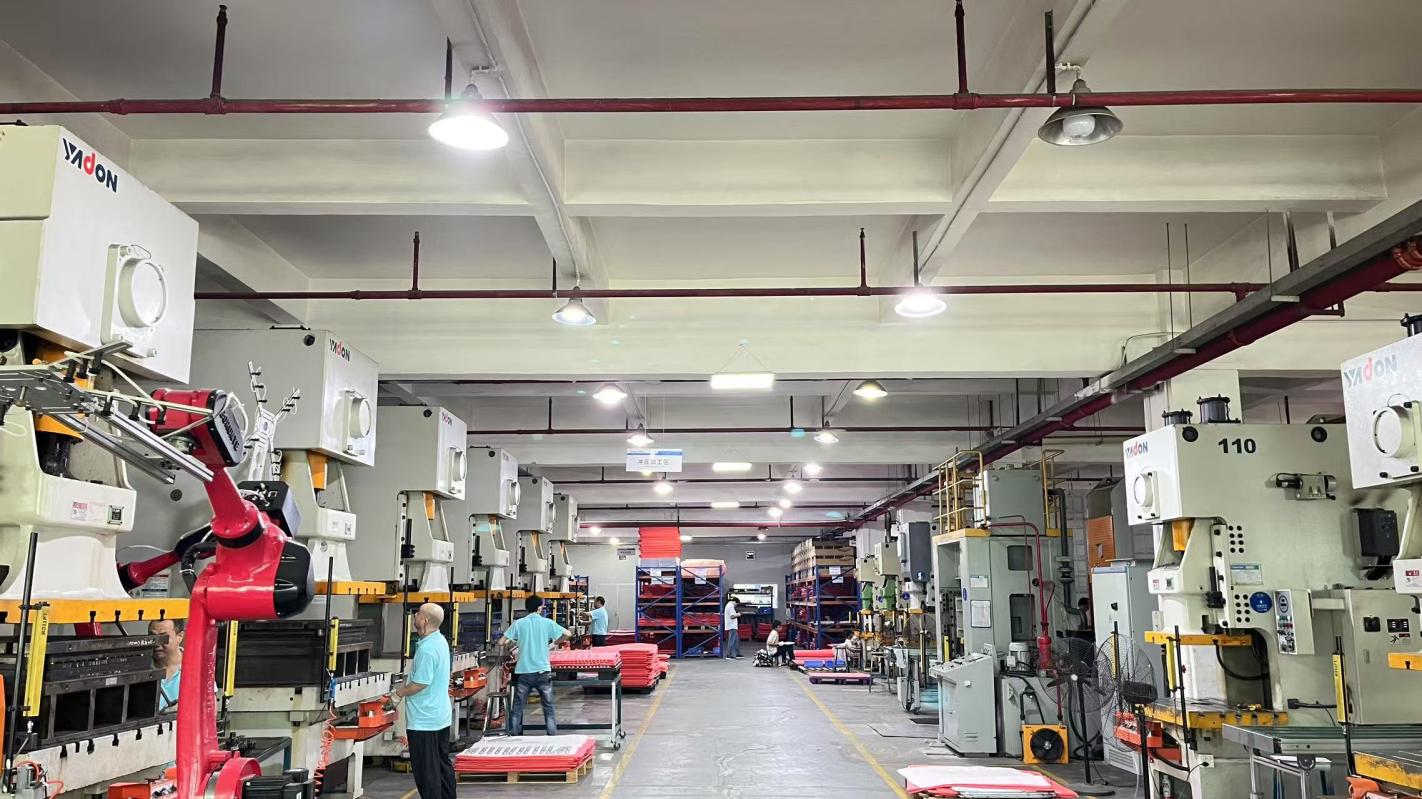
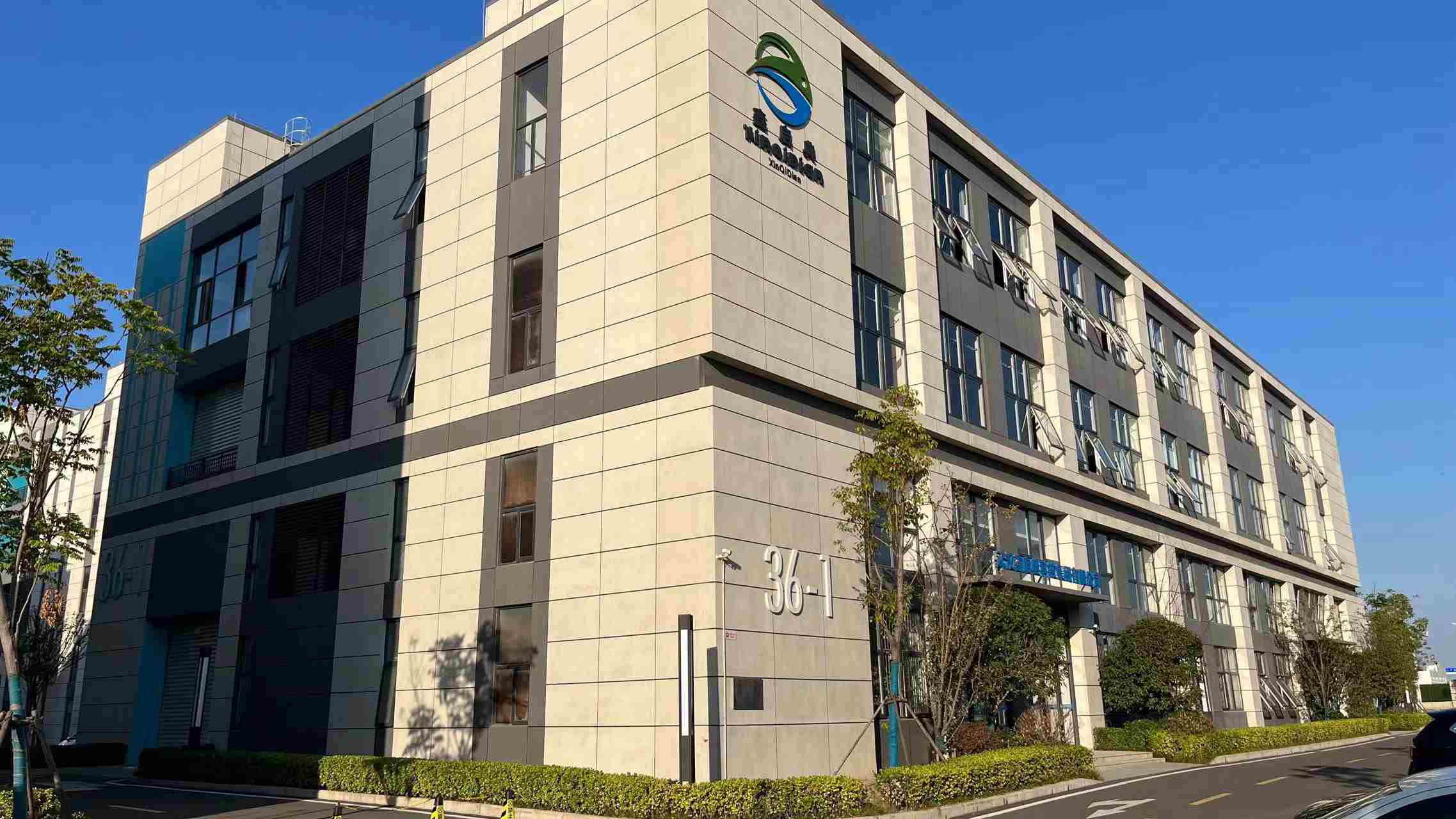
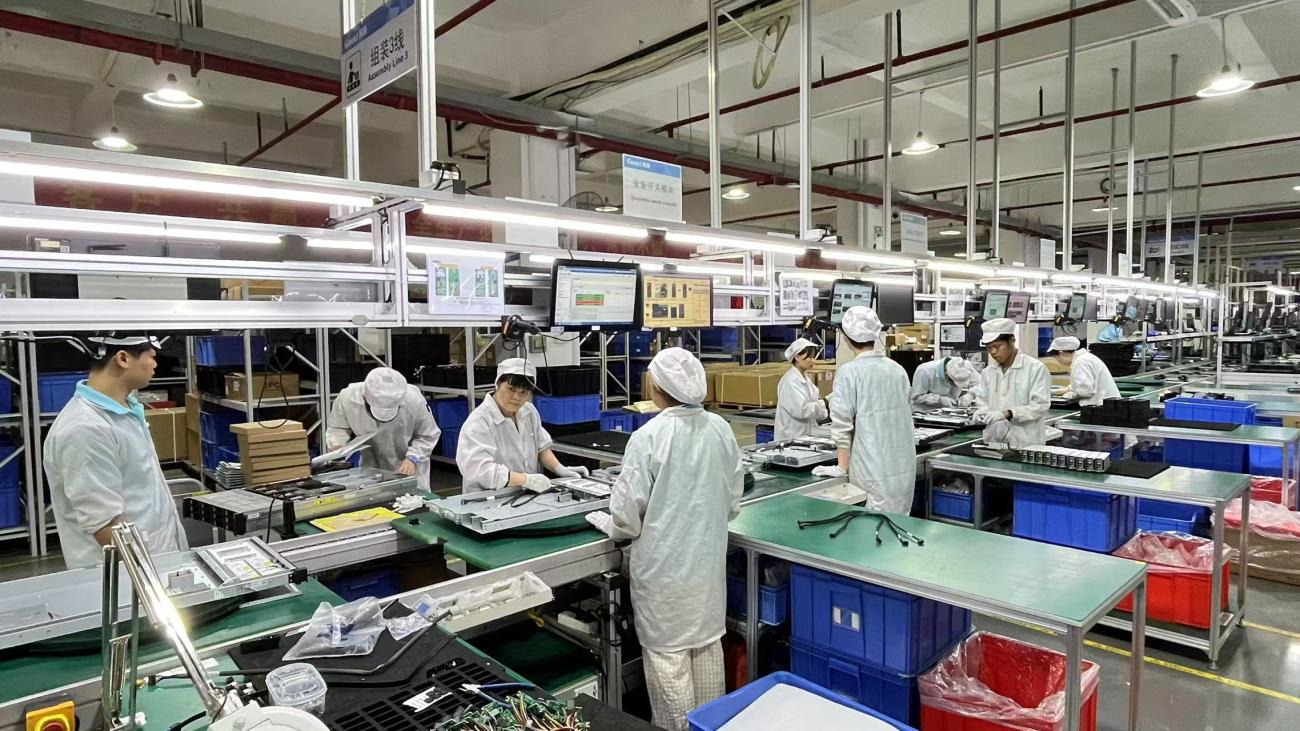
Veltron Computing Technology Co., Ltd. is a professional manufacturer and global supplier of GPU servers, AI computing systems, and high-performance server solutions. Established in 2016 in the high-tech hub of Shenzhen, China, Veltron operates a state-of-the-art facility spanning over 3,800 square meters. The plant is equipped with advanced assembly lines, thermal testing labs, and strict quality control systems.
With an annual export volume exceeding USD 18 million across North America, Europe, Southeast Asia, the Middle East, and South America, Veltron brings 8 years of international export experience backed by 14 years of design and manufacturing depth. Over 1,200 supply chain partners support Veltron’s operations, ensuring reliable sourcing and component stability for customized hardware configurations.
Our dedicated R&D center consists of 168 experienced engineers specializing in server architecture, GPU integration, thermal management, and intelligent computing platforms. Veltron provides flexible OEM and ODM services, including customized chassis designs, tailor-made BIOS firmware, and specific network I/O adjustments. This lets customers customize server platforms to act as dedicated high-speed Load Balancing appliances or high-throughput computing targets.
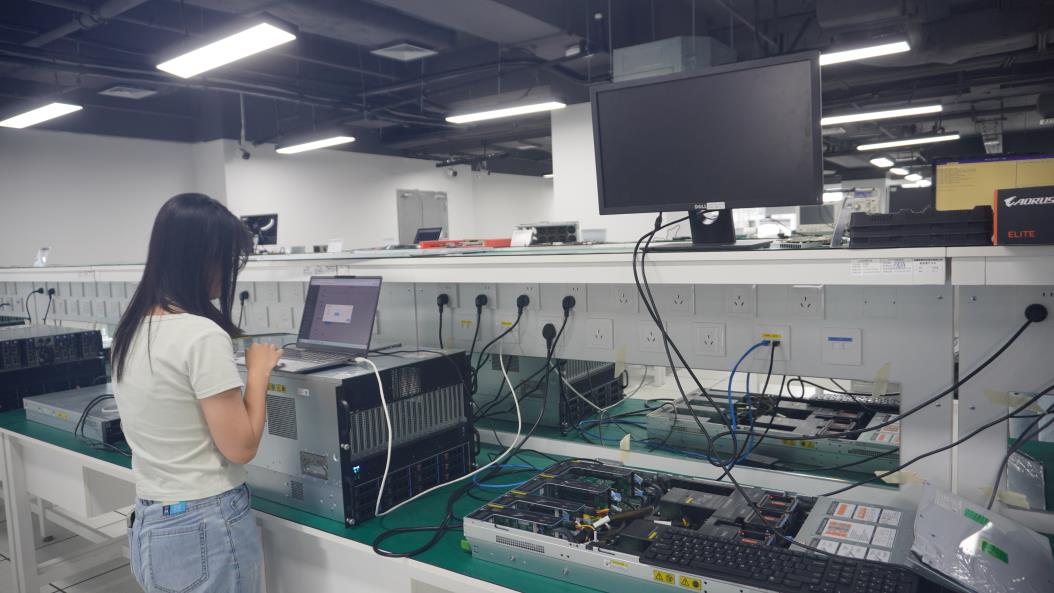
Veltron employs 56 dedicated quality control personnel overseeing a rigorous testing process. Every server undergoes reliability tests, performance validation, thermal cycling, and extended burn-in testing before shipment. This ensures stability in highly active network scenarios where downtime is not an option.
Launching more than 85 new products and solution upgrades annually, Veltron adapts quickly to the changing specifications of modern networking hardware, supporting system integrators, cloud providers, and data center operators worldwide.
High-reliability load balancing requires tailored configurations depending on the specific application environment. Here are three macro-level setups powered by modern hardware architectures:
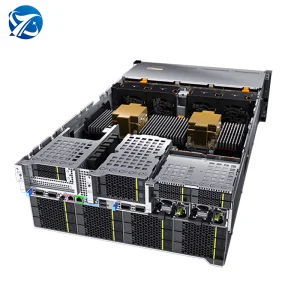
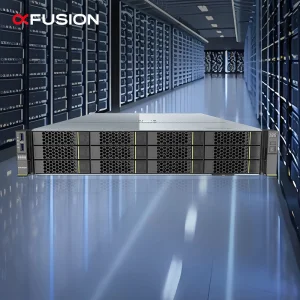
When training LLMs or deploying real-time AI inference services (such as DeepSeek or Smart City Video Analysis pipelines), massive datasets must be split across clusters. A combination of GPU servers (such as the G5200 V5 or xFusion 2488H V7) with high-density core network switches allows developers to dynamically balance incoming queries. This setup keeps latency low and helps prevent GPU processing bottlenecks.
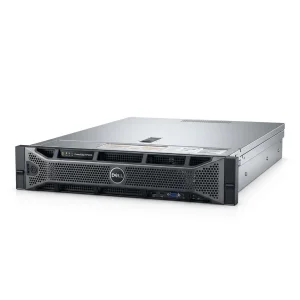
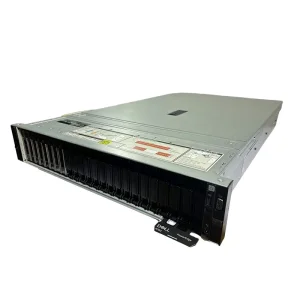
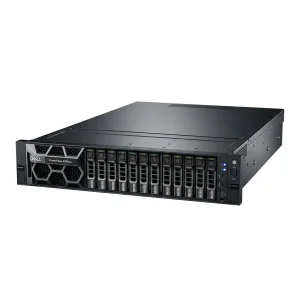
For virtualized databases and remote storage servers—such as enterprise storage arrays deployed in Russia or Eastern Europe—system stability is key. Utilizing virtualization-optimized systems (like the Dell PowerEdge R760XS or FusionServer 5288 V6) alongside robust hardware RAID controllers (such as the XC470C-M-8i) ensures high-throughput, redundant local storage access that handles heavy read/write loads.
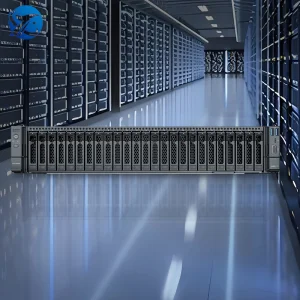
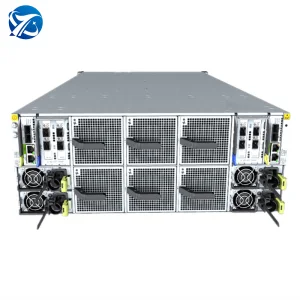
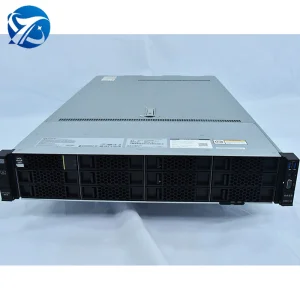
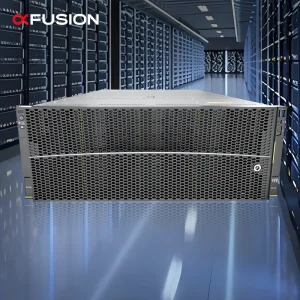
In IoT and Smart City systems, video streams from hundreds of cameras must be processed at the edge. Dedicated 2U or 4U rack servers handle local data load balancing, distributing incoming traffic across multiple edge nodes to keep local bandwidth requirements to a minimum.
The next generation of load distribution hardware will focus on deeper hardware acceleration, tighter security integration, and energy efficiency. Below is the projected technical roadmap for network integration technologies:
Widespread integration of PCIe Gen 5/Gen 6 and 400G core switching. Optical transceivers and active switches become standard in load-balancing setups to support high-speed data transfers.
Dynamic load balancing decisions are shifted to local smart controllers. Neural engines integrated into CPUs and DPUs predict network congestion and automatically reroute traffic beforehand.
Encryption, decryption, and security inspections occur directly within the network interface processor, ensuring that load distribution tasks do not impact system computing performance.
Get professional insights into network hardware, load distribution, and OEM systems from our technical team.
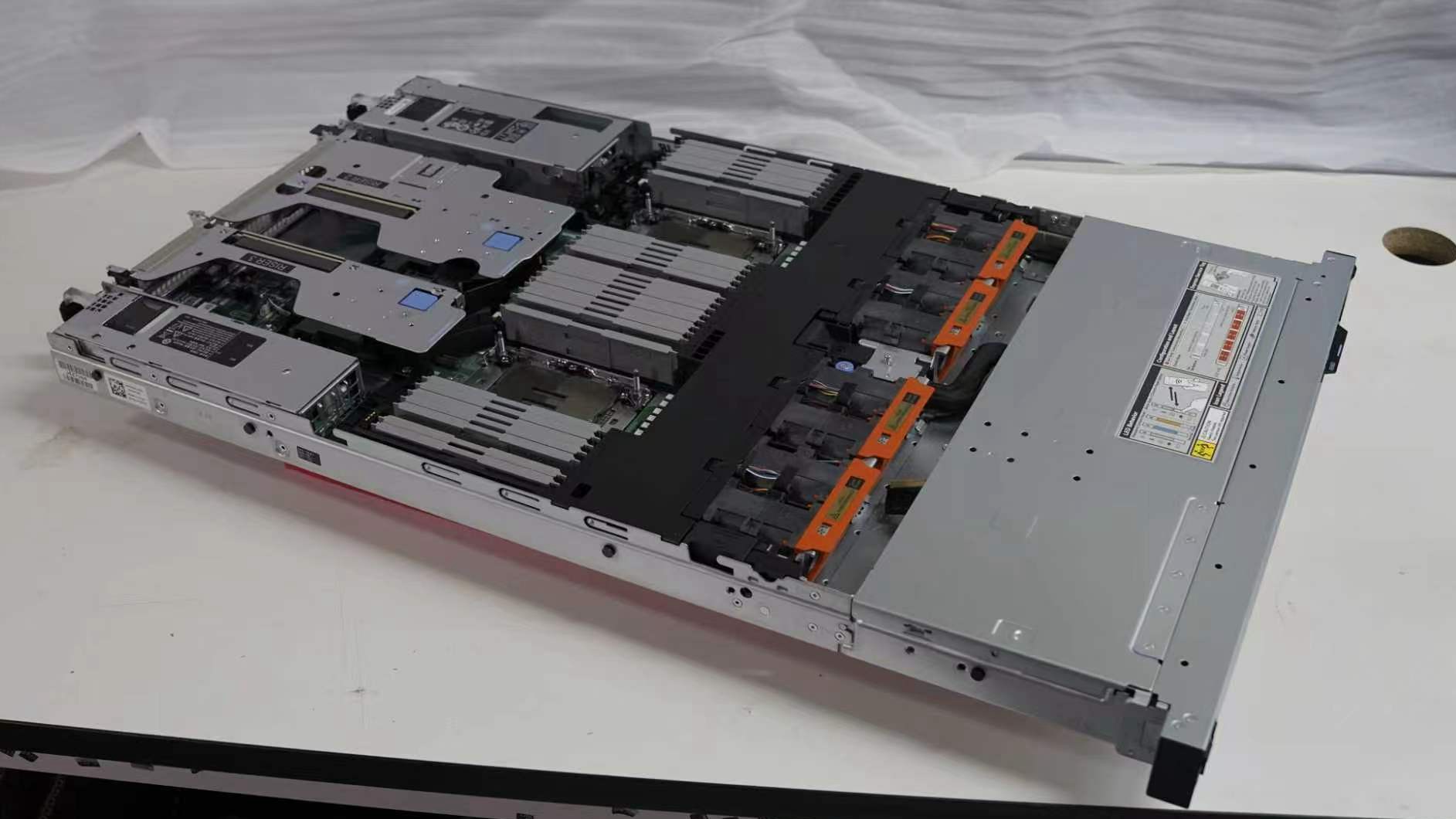
Explore our full line of rack-mount servers, high-speed RAID cards, and enterprise-grade CPUs built for data centers.
Our modern manufacturing center in Shenzhen features advanced assembly processes, testing labs, and strict quality control.