Veltron
Veltron
Veltron
Select bare-metal computing systems engineered for Type-1 hypervisor scalability and low-latency VM resource provisioning.
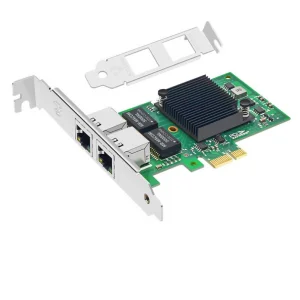
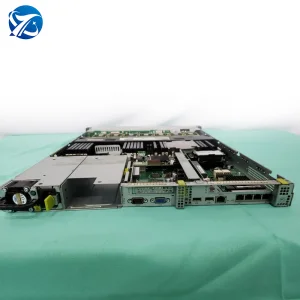
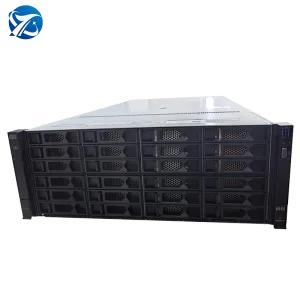
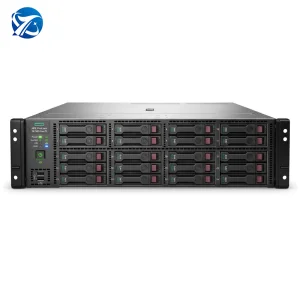
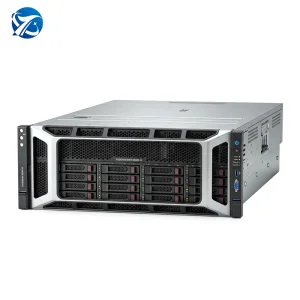
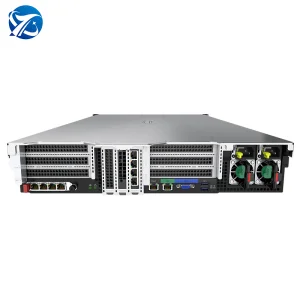
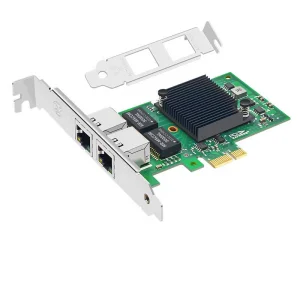
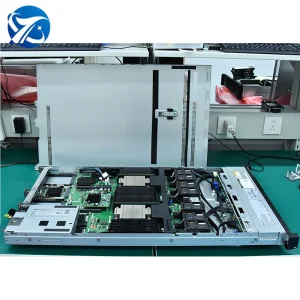
In the modern data center landscape, the role of a Hypervisor Software Factory & Supplier has expanded far beyond simple virtualization layer provision. Today, hypervisors serve as the fundamental control plane orchestrating hardware-assisted execution environments. The integration of high-performance compute nodes, smart NICs, and specialized accelerator boards demands a unified virtual software layer capable of managing complex silicon profiles with absolute stability and bare-metal parity.
Direct integration with physical host silicon. Direct execution paths minimize guest OS overhead, making Type-1 structures ideal for mission-critical databases, multi-tenant public cloud nodes, and hardware-accelerated workloads demanding predictable microsecond latencies.
By transforming the underlying Linux kernel into an enterprise-grade hypervisor host, kernel-level virtualization bridges legacy monolith applications with modern micro-VM structures. This layout offers native memory mapping and rapid context switching.
By implementing SR-IOV and PCIe direct-map technologies, virtual instances bypass standard virtualization CPU cycles, providing direct virtual lanes to physical accelerators. Crucial for AI deep learning, model training, and LLM orchestration.
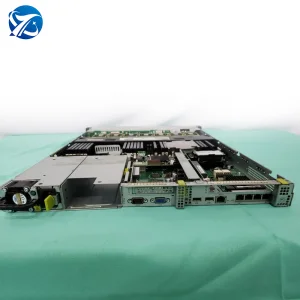
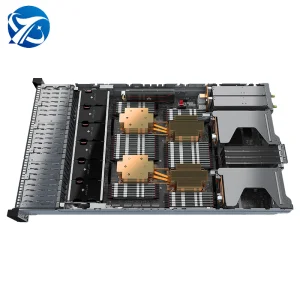
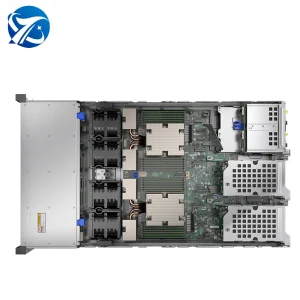
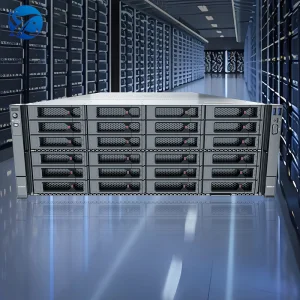
For organizations looking to deploy hypervisor architectures, the performance of the virtualization environment is heavily dependent on physical hardware capabilities. The hypervisor orchestrates raw CPU cores, memory channels, and PCIe lanes, mapping them onto virtual machines (VMs).
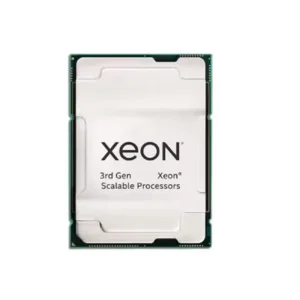
Specifically, integrating modern CPUs like the Xeon Scalable Family allows hypervisors to utilize hardware-assisted instruction sets like Intel VT-x and EPT (Extended Page Tables). These features eliminate software emulation requirements, routing VM instructions directly to physical execution units.
Furthermore, disk I/O bottlenecks represent one of the primary constraints in dense VM environments. High-performance host environments mitigate this issue through hardware array cards such as the LSI 9560-16I 8GB or the 9560-8I Tri-Mode RAID controller. These cards offload RAID computation from the hypervisor kernel, utilizing onboard cache memory to shield guest virtual systems from physical disk write latency spikes.
| Hypervisor Layer Requirement | Hardware Solution Alignment | Core Benefit in VM Environment |
|---|---|---|
| Memory Overcommit & Fast Translation | Intel Xeon 4310 / V6 Processors | Eliminates translation lookaside buffer (TLB) thrashing |
| Ultra-Low Latency VM Storage I/O | PCIe Gen 4.0 Tri-Mode RAID Controllers | Provides up to 12Gb/s per lane, preventing disk bottlenecks |
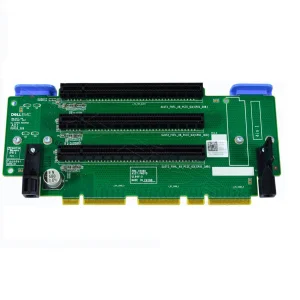
| GPU Shared VDI & AI Training | R740 / R740XD Riser PCI-E GPU Kits | Supports multi-tenant physical GPU partitioning (vGPU) |
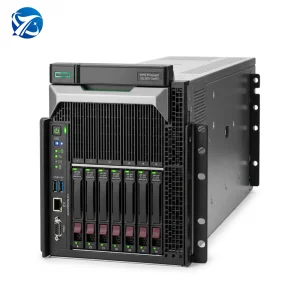
| HPC Virtualization Clusters | xFusion & HPE ProLiant Gen11/Gen12 | Enables seamless multi-node hypervisor failover |
In the wake of shifts in commercial hypervisor licensing structures, enterprises globally are restructuring their procurement strategies. Procurement departments must balance rising licensing overheads against performance and compliance requirements. A hybrid sourcing model, combining specialized hardware with robust hypervisor integration services, has become the industry benchmark for Total Cost of Ownership (TCO) reduction.
Reducing dependence on proprietary licensing cycles by shifting enterprise workloads toward open-source KVM hypervisor backends. By configuring open-architecture virtualization, enterprises can redirect their budgets toward high-performance computing nodes.
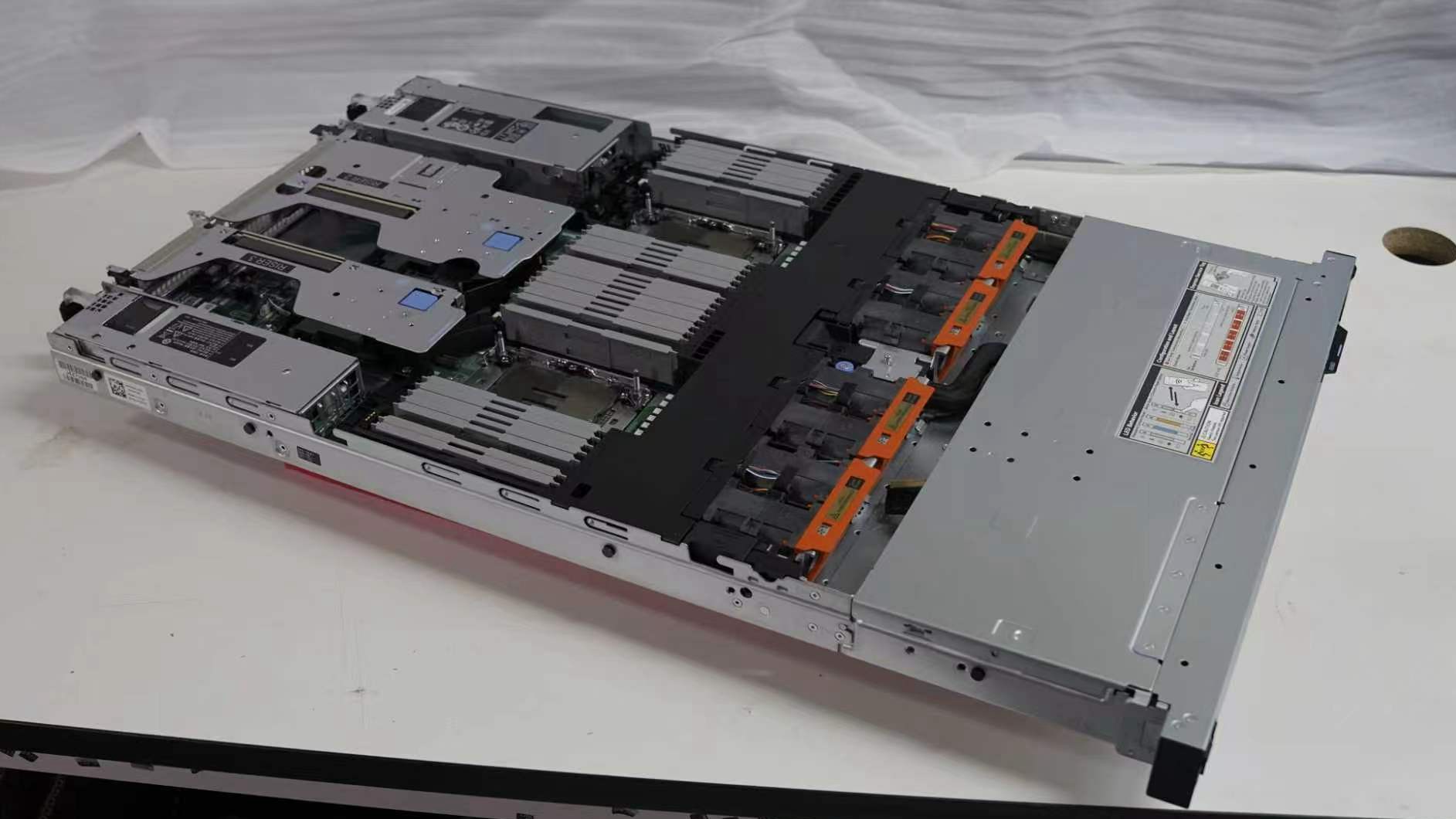
Procuring tailor-configured server solutions that align with specific virtual machine density profiles. By matching CPU core allocations directly with specific memory channels, hypervisor hosts operate at maximum resource utilization.
Collaborating with tier-one suppliers to ensure supply-chain longevity and component continuity. Stable component access guarantees that expansion nodes added to virtualization clusters perform identically to legacy infrastructure.
Isolating storage paths, network rings, and CPU cores to secure predictable performance. Hardware-level partitioning avoids the "noisy neighbor" effect, maintaining service levels across virtual instances.
As a premier hardware manufacturer and supply chain integrator for virtualization and AI solutions, Veltron Computing Technology Co., Ltd. delivers the computational foundation required to run modern hypervisors, deep-learning VMs, and cloud applications.
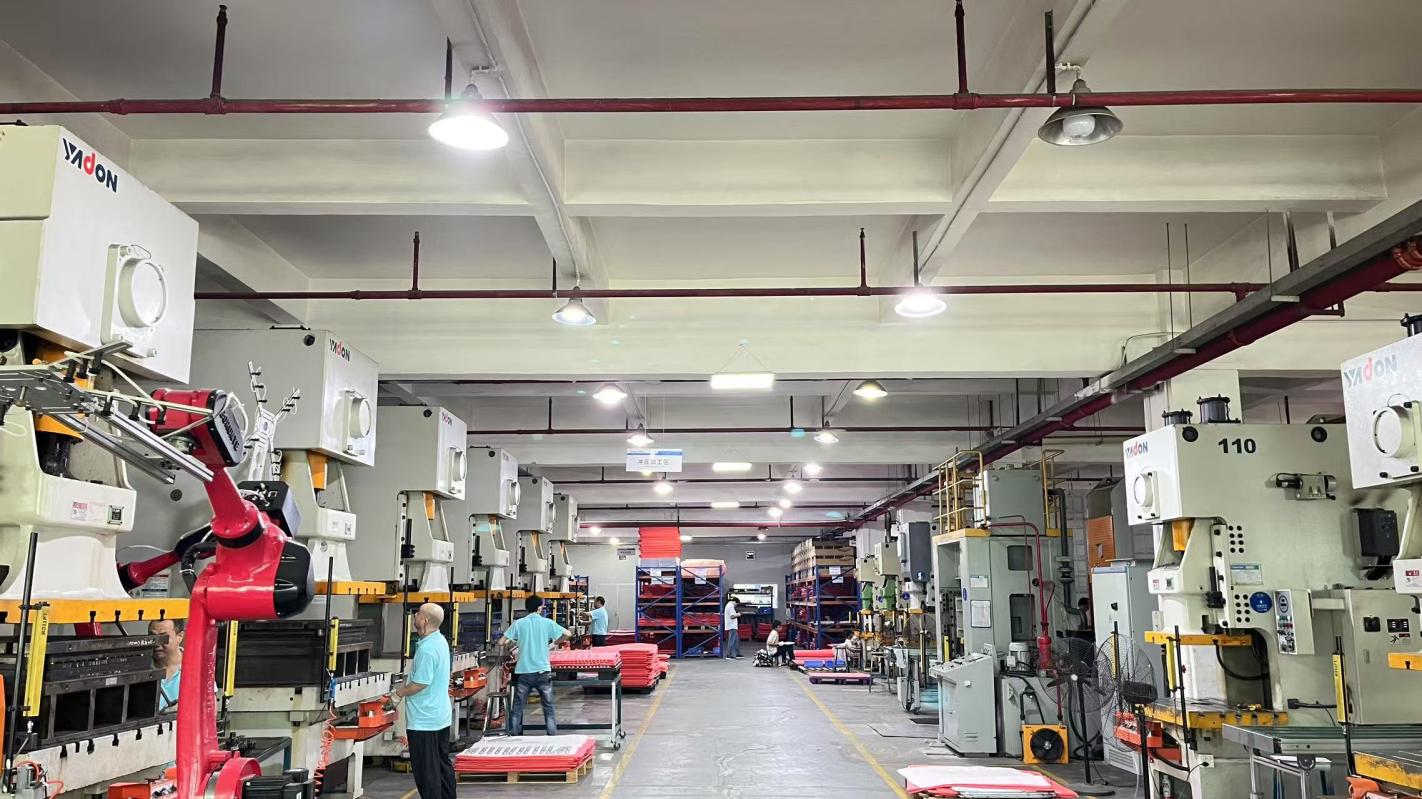
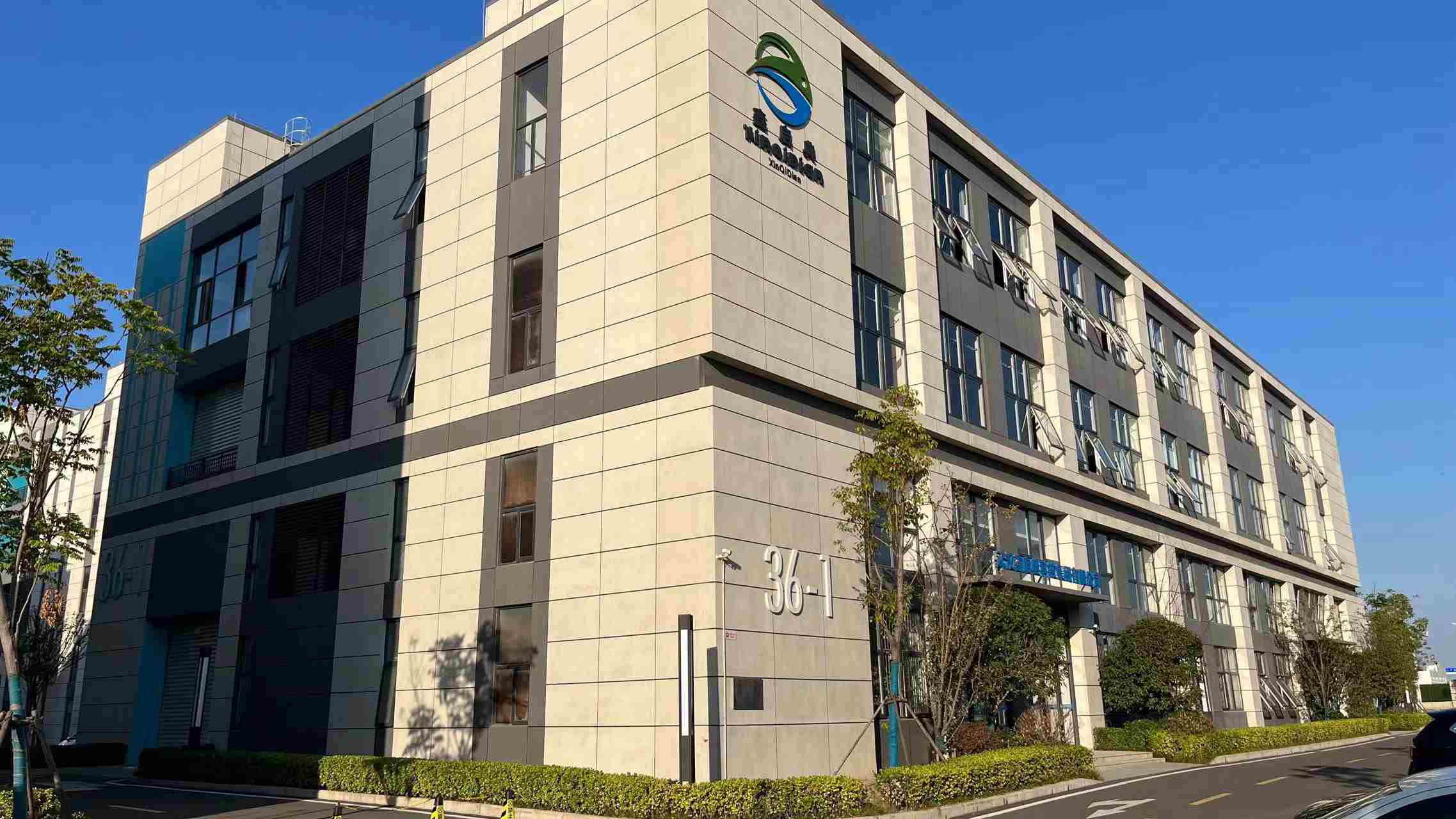
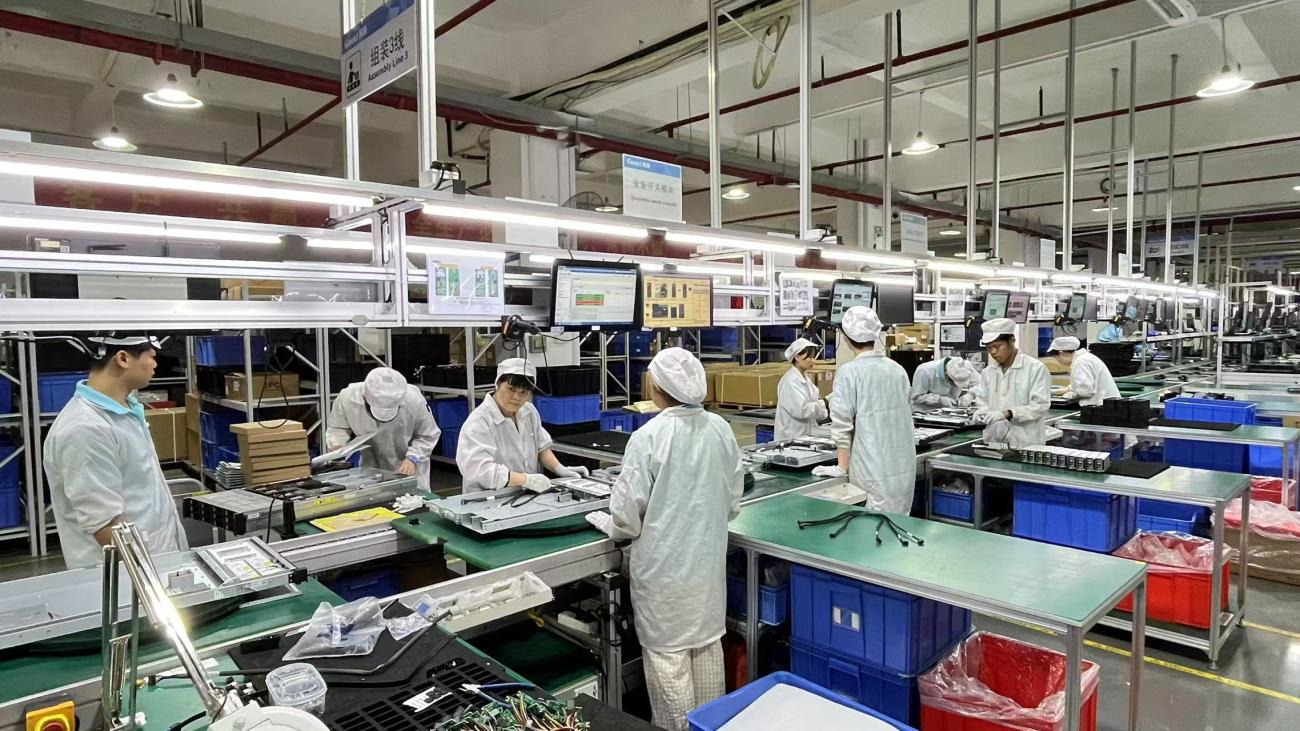
Veltron Computing Technology Co., Ltd. is a professional manufacturer and global supplier of GPU servers, AI computing systems, and high-performance server solutions. Dedicated to delivering reliable, scalable, and innovative computing infrastructure for AI training, machine learning, cloud computing, data centers, scientific research, and enterprise applications worldwide. Located in Shenzhen, China, Veltron operates a modern manufacturing facility covering over 3,800 square meters, equipped with advanced assembly lines, testing laboratories, and quality control systems.
With years of expertise in the intelligent computing industry, we have built a strong reputation for delivering high-performance server solutions that meet the evolving demands of global customers. Our annual export revenue exceeds USD 18 million, serving customers across North America, Europe, Southeast Asia, the Middle East, and South America. Backed by 8 years of export experience and 14 years of industry expertise, Veltron has successfully supported hundreds of projects in AI infrastructure, cloud platforms, enterprise computing, and edge data centers.
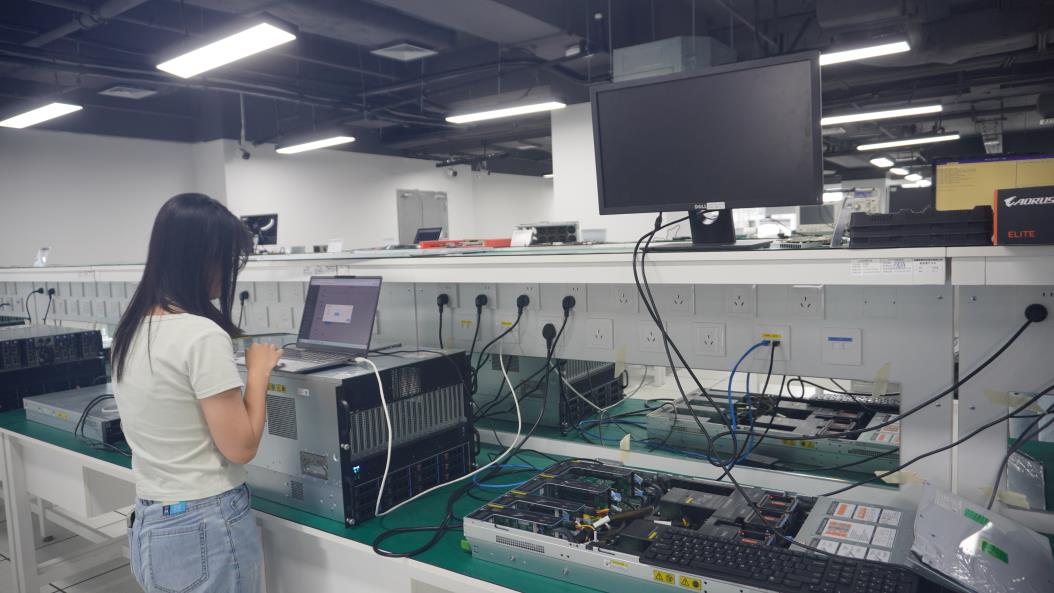
Quality is at the core of everything we do. We implement a comprehensive quality management system with 56 professional quality control personnel overseeing every stage of production. All products undergo strict reliability testing, performance validation, thermal testing, burn-in testing, and final inspection before shipment to ensure exceptional product stability and long-term performance.
Veltron maintains strategic partnerships with more than 1,200 supply chain partners, enabling efficient sourcing, stable production capacity, and rapid delivery for customers worldwide. Our primary customers include system integrators, cloud service providers, AI solution providers, data center operators, distributors, and enterprise IT infrastructure companies.
Innovation drives our growth. Our dedicated R&D center consists of 168 experienced engineers specializing in server architecture, GPU integration, thermal management, intelligent computing platforms, and customized hardware solutions. With strong OEM and ODM capabilities, we offer flexible customization options including chassis design, hardware configuration, branding, firmware optimization, and application-specific solutions. Every year, Veltron launches more than 85 new products and solution upgrades to meet the rapidly changing requirements of the AI and high-performance computing industries.

A single virtualization layout cannot address all environments. Different verticals have specific resource constraints and latency tolerances, requiring customized server integration profiles.
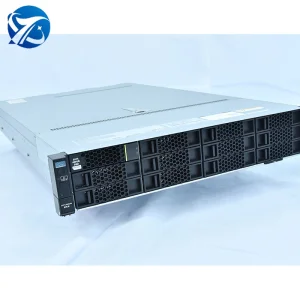
Focuses on maximum CPU core density, dual-socket processor routing, and comprehensive high-availability configurations. Employs hardware hot-swaps to achieve continuous uptime.
Requires direct GPU acceleration maps using custom server RISER cards. Optimizes AI workloads by dedicating hardware channels for virtual deep-learning layers.
Requires shallow-depth, robust servers suited for challenging environments. Optimizes virtual storage using high-performance RAID caching arrays.
The next generation of hypervisor technology will be characterized by integration with cloud-native frameworks. Traditional heavy VM instances are transitioning toward micro-VMs and WebAssembly (Wasm) runtime environments. These runtimes launch in milliseconds while maintaining memory isolation.
Additionally, hardware security is shifting from soft boundary protections to enclave systems like Intel SGX and AMD SEV. Future virtualization systems must configure hardware enclaves directly inside the CPU to secure active guest VM memory from compromised hypervisors.
Veltron is positioning its hardware line to support this secure evolution. By integrating cryptographic chips and secure boot configurations, Veltron ensures that next-generation hypervisor nodes resist hardware-level intrusions.
In-depth responses to technical questions from virtualization engineers and server hardware procurement teams.
Scale your virtual environments with our certified dual-socket rack mounts and multi-socket workstations.