Veltron

The Evolution of Hybrid Cloud Infrastructure in the Generative AI Era
In the contemporary digital landscape, enterprise IT architecture is undergoing an unprecedented paradigm shift. Driven by the explosion of generative AI models (such as the DeepSeek R1 671B model) and the continuous demand for low-latency computation, hybrid cloud solutions have evolved from a secondary backup strategy into the primary blueprint for modern enterprises. The hybridization of IT infrastructure offers a strategic synergy: combining the cost-effective scale and elastic compute of public cloud platforms with the strict security, direct bare-metal performance, and predictable operating expenses of on-premise private clouds.
Global Enterprise Procurement Trends: Security, Scalability, and TCO
Global enterprises, from multinational financial institutions to cutting-edge research laboratories, face a multifaceted set of requirements during the hardware procurement process. The decision-making vector is no longer dominated solely by initial hardware costs; instead, it is guided by three critical factors:
- Data Sovereignty and Compliance: Regulations like GDPR in Europe and strict local data privacy laws require sensitive corporate assets, operational databases, and user information to reside strictly within regional boundaries. Local storage nodes (NAS) combined with secure dedicated servers provide the logical foundation for compliance.
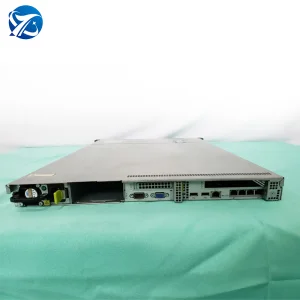
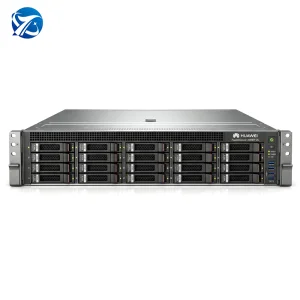
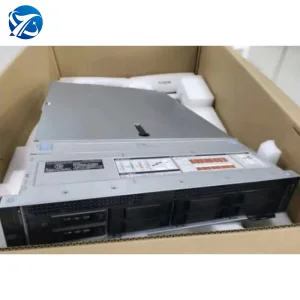
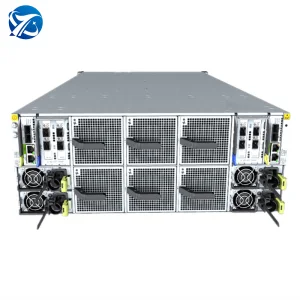
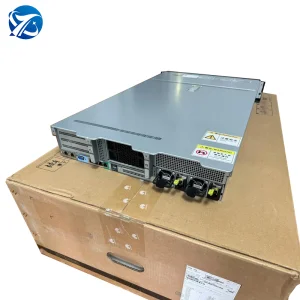
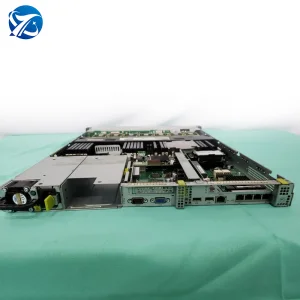
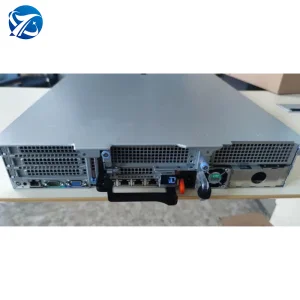
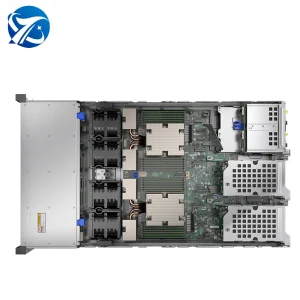
- Total Cost of Ownership (TCO) Optimization: Continuous cloud consumption bills, especially associated with egress fees and the sustained reservation of high-performance GPU instances, have caused many CTOs to evaluate on-premise dedicated server setups. By purchasing robust rack configurations, such as the 1288H V6 or the FusionServer 5288 V6, organizations achieve amortization and drastic operational cost savings.
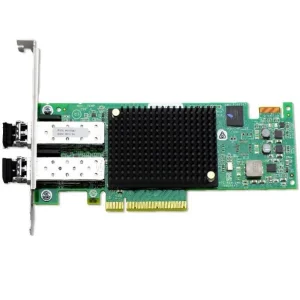
- Workload Interoperability: Modern applications run within software containers (Docker, Kubernetes). Procured hardware must have container-native support, validated hardware paths, and low-latency storage interfaces (like HBA Fibre Channel cards) to ensure seamless dynamic workload movement.
China's Factory 4.0: Shenzhen's Supply Chain Resiliency & Manufacturing Dominance
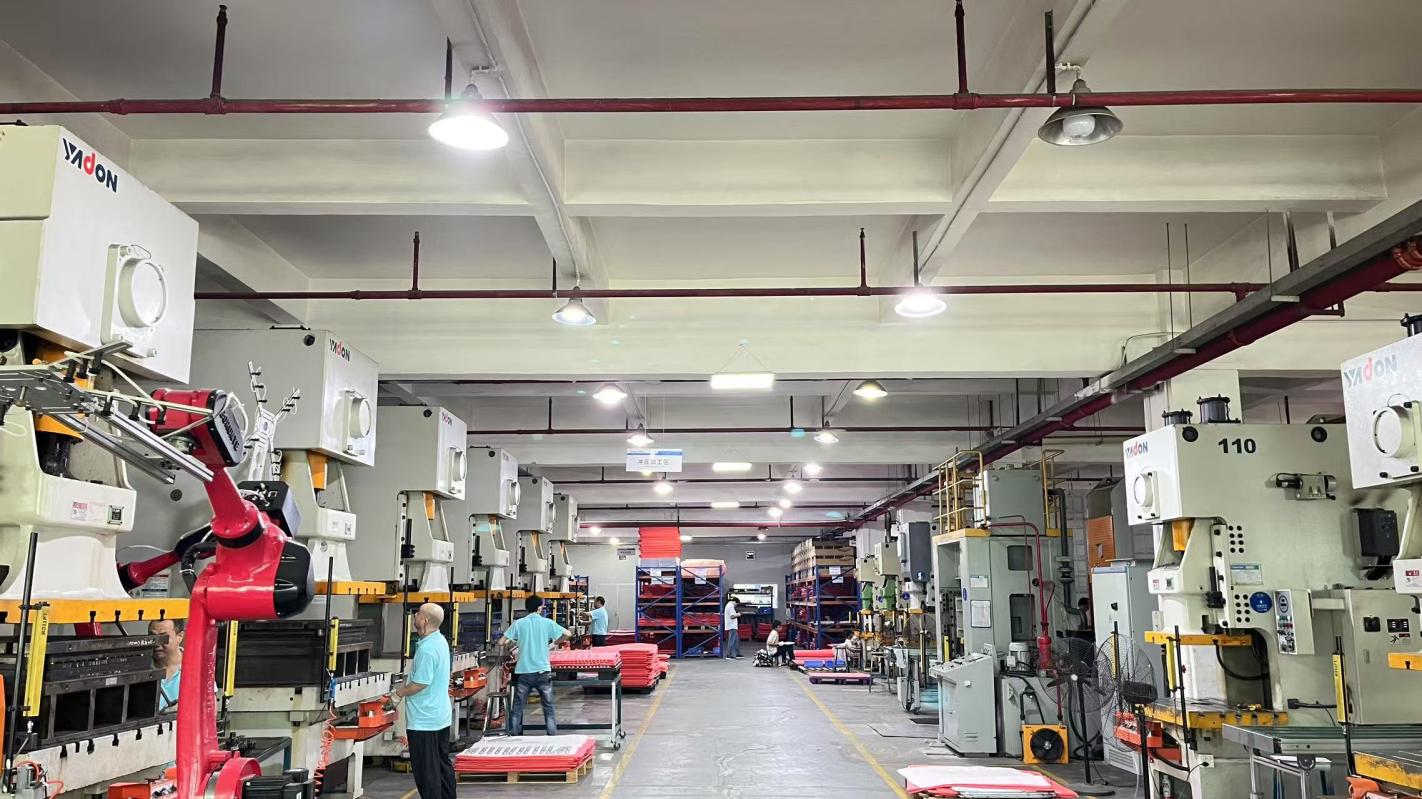
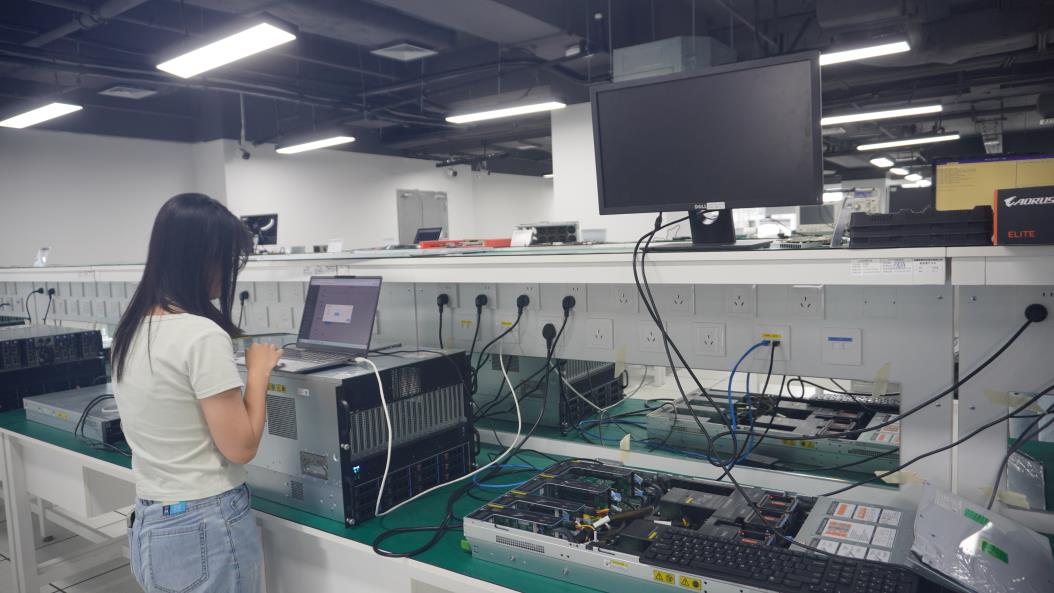
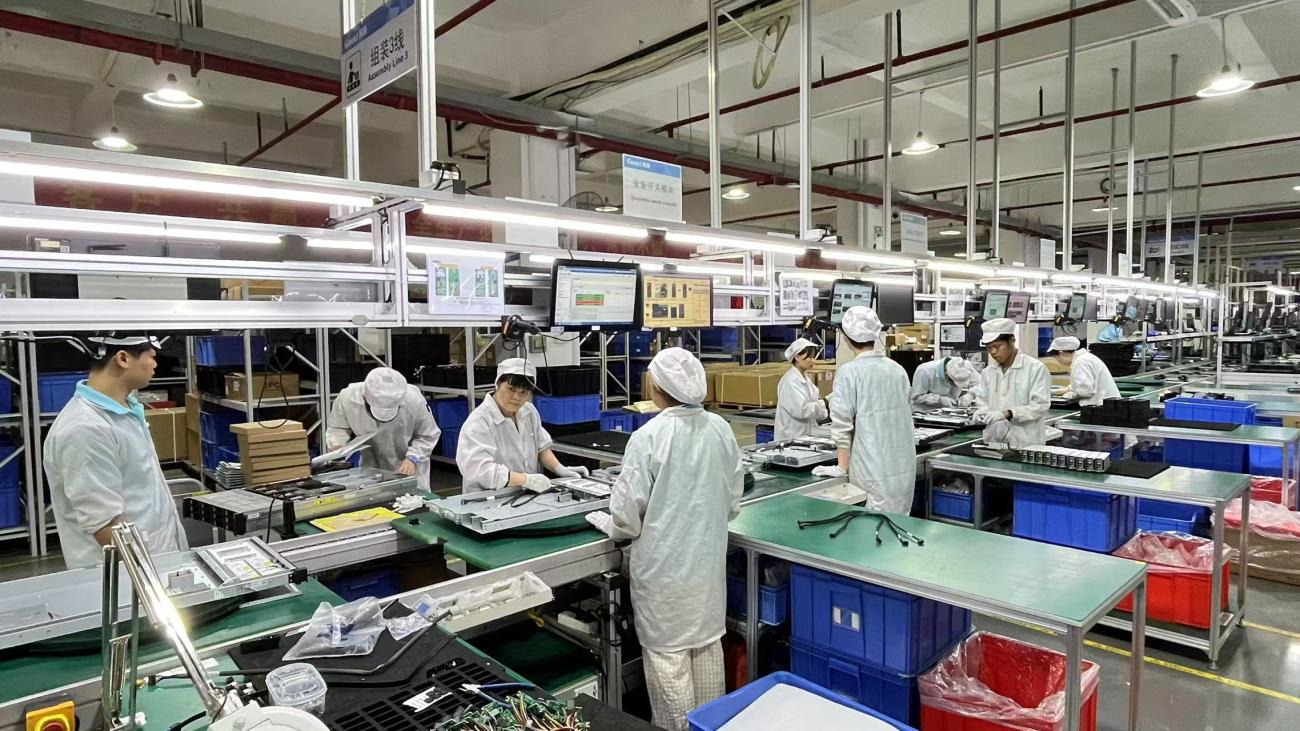
As the primary hub for global server manufacturing, Shenzhen represents the pinnacle of electronics manufacturing. The integration of "Industry 4.0" practices—including automated precision placement, optical inspection systems, and dynamic burn-in chambers—ensures that server architectures are built to withstand rigorous continuous operations.
Veltron Computing Technology Co., Ltd. operates at the center of this technological hub. With a facility spanning over 3,800 square meters, Veltron implements advanced smart manufacturing standards. The proximity to raw component manufacturers, high-speed interconnect developers, and advanced chip packagers provides a natural shielding against global supply chain disruptions. By holding strategic partnerships with over 1,200 verified supply chain partners, Veltron guarantees rapid turnaround times, from raw PCB fabrication to full server integration, system burn-in testing, and global logistics dispatch.
High-Performance Core Architectures: Meeting AI Workload Challenges
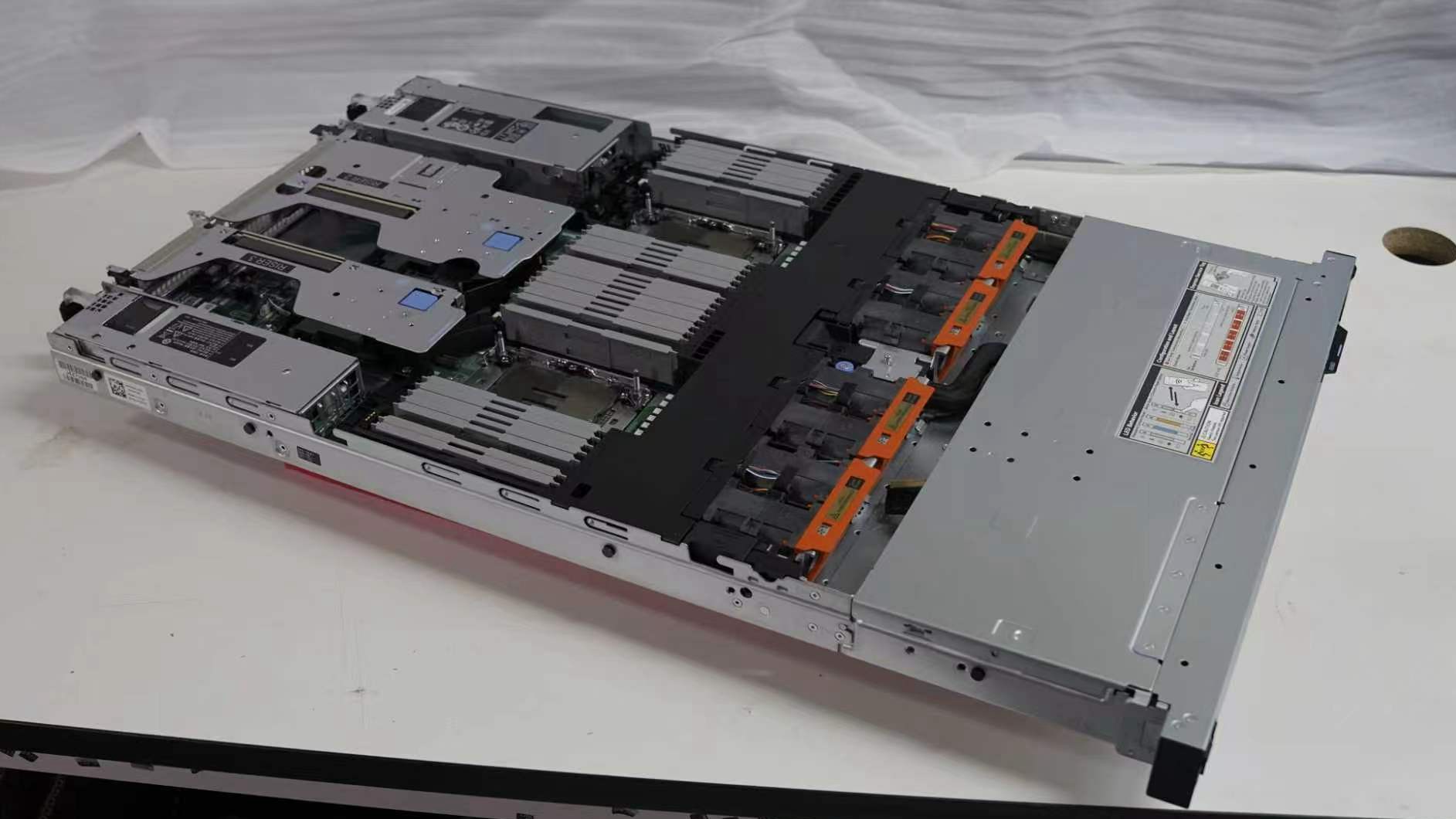
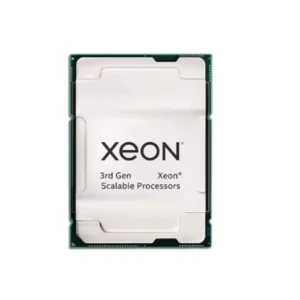
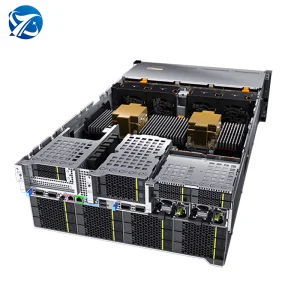
Integrating AI models into corporate processes requires specialized, high-density server configurations. High-performance dual-socket platforms, powered by scalable Xeon processors and connected via high-speed interfaces, serve as the computing engine for these tasks. Thermal management is critical in these setups; sustained heavy computation requires engineered airflow, heat-pipe heat sinks, and advanced cooling layouts to prevent thermal throttling.
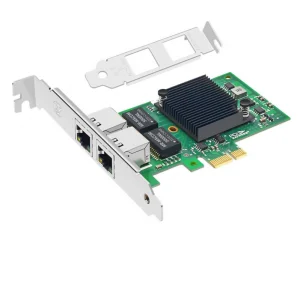
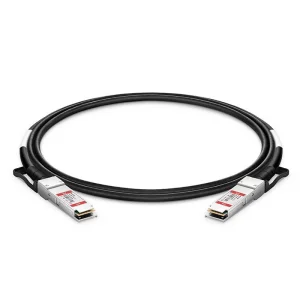
Additionally, hyperconverged infrastructure (HCI) systems combine compute, storage, and networking into unified 2U or 4U rack spaces. This simplifies deployment and management across distributed data centers. High-speed networking components, such as dual-port 32GB Fibre Channel HBA cards and 10G/40G QSFP+ direct-attach cabling, are essential to minimize data bottlenecks and ensure smooth inter-node communication.