 Veltron
Veltron
Veltron
Explore our flagship hardware configurations engineered for high-concurrency workloads, local training, and massive telemetry processing.
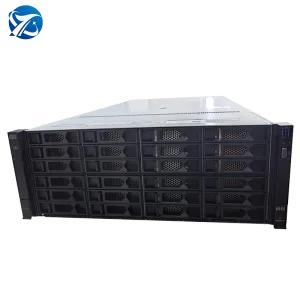
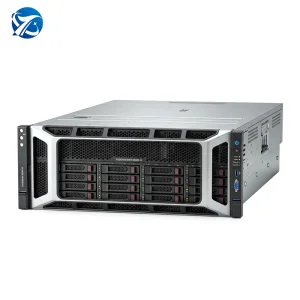
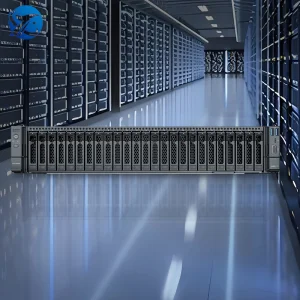
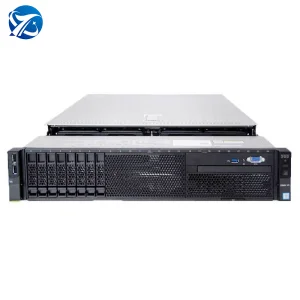
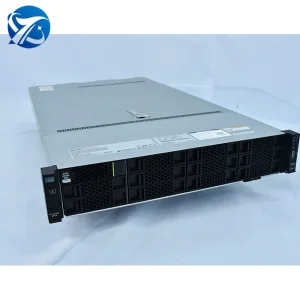
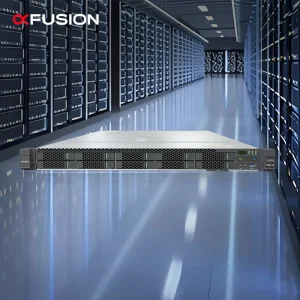
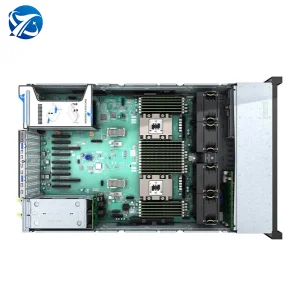
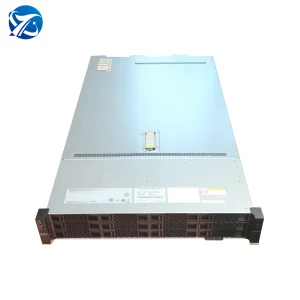
As corporate IT topologies shift from centralized hyperscale data centers toward decentralized architectures, procurement officers face complex multi-dimensional challenges. Modern edge nodes are no longer simple gateway routers; they are high-density, container-ready AI platforms handling massive real-time pipelines. Procurement requirements are driven by three fundamental technological realities: harsh operating environments, deterministic low-latency execution, and zero-trust perimeter security.
For global organizations, standard enterprise servers cannot survive on the factory floor, inside remote telecom shelters, or aboard maritime transport units. The demand for ruggedized Edge AI hardware has spiked. Systems must support extreme thermal profiles, often operating reliably from -20°C to 60°C. In addition, physical shock absorption, anti-vibration certification (such as MIL-STD-810G/H), and ingress protection (IP ratings) are primary filter criteria during international tenders.
Another major trend is the execution of localized Large Language Models (LLMs) and advanced visual analytics. Modern deep learning tasks require custom tensor acceleration. Therefore, procurement specifications now explicitly mandate hardware compatible with high-capacity RAM (up to 256GB GPU/System RAM configurations) and support for low-latency network interface cards (NICs) reaching 10Gbps to 100Gbps. The objective is to achieve sub-millisecond inference responses for real-time applications such as Smart City traffic cameras, predictive maintenance loops, and real-time medical diagnostic equipment.
A premier global developer and manufacturer of industrial Edge computing hardware, GPU servers, and custom AI systems.
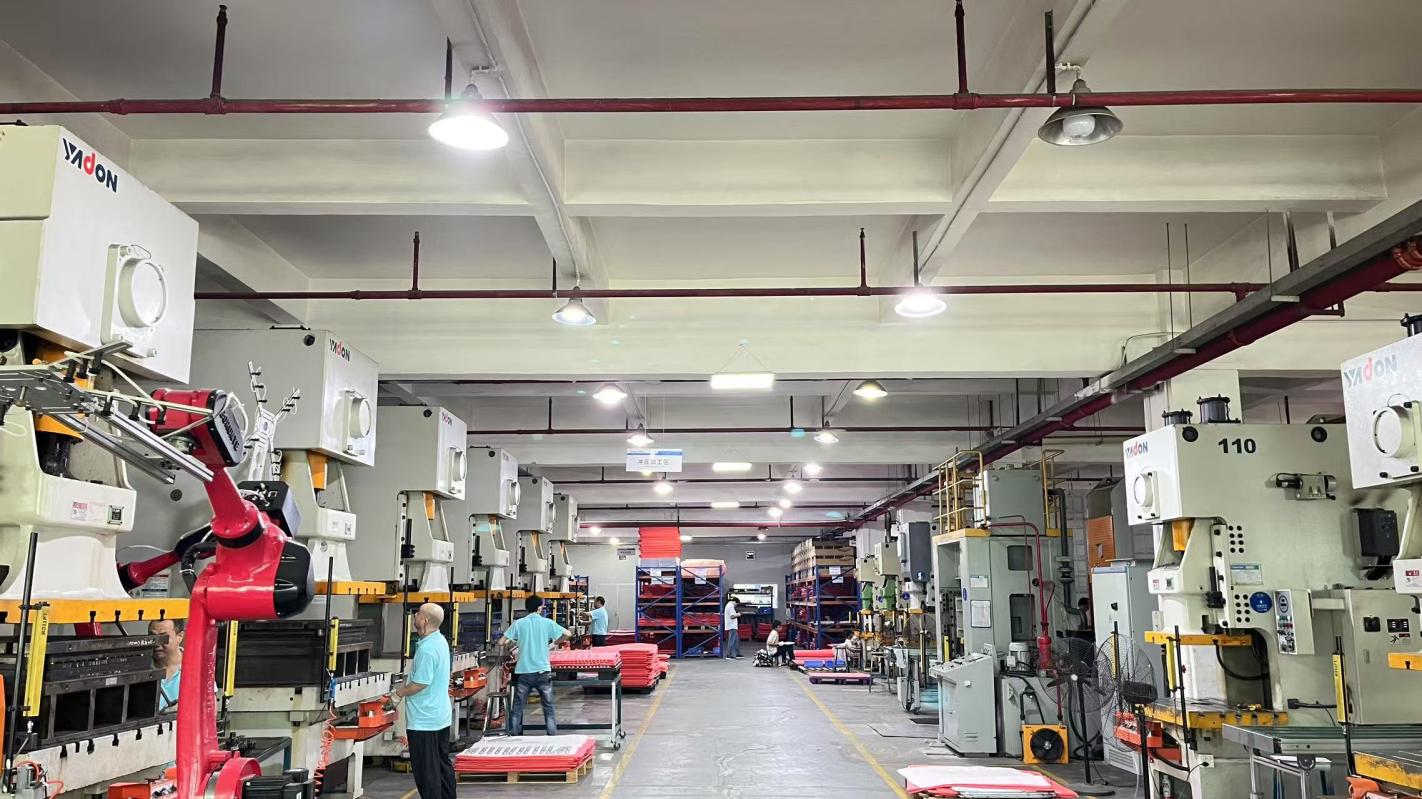
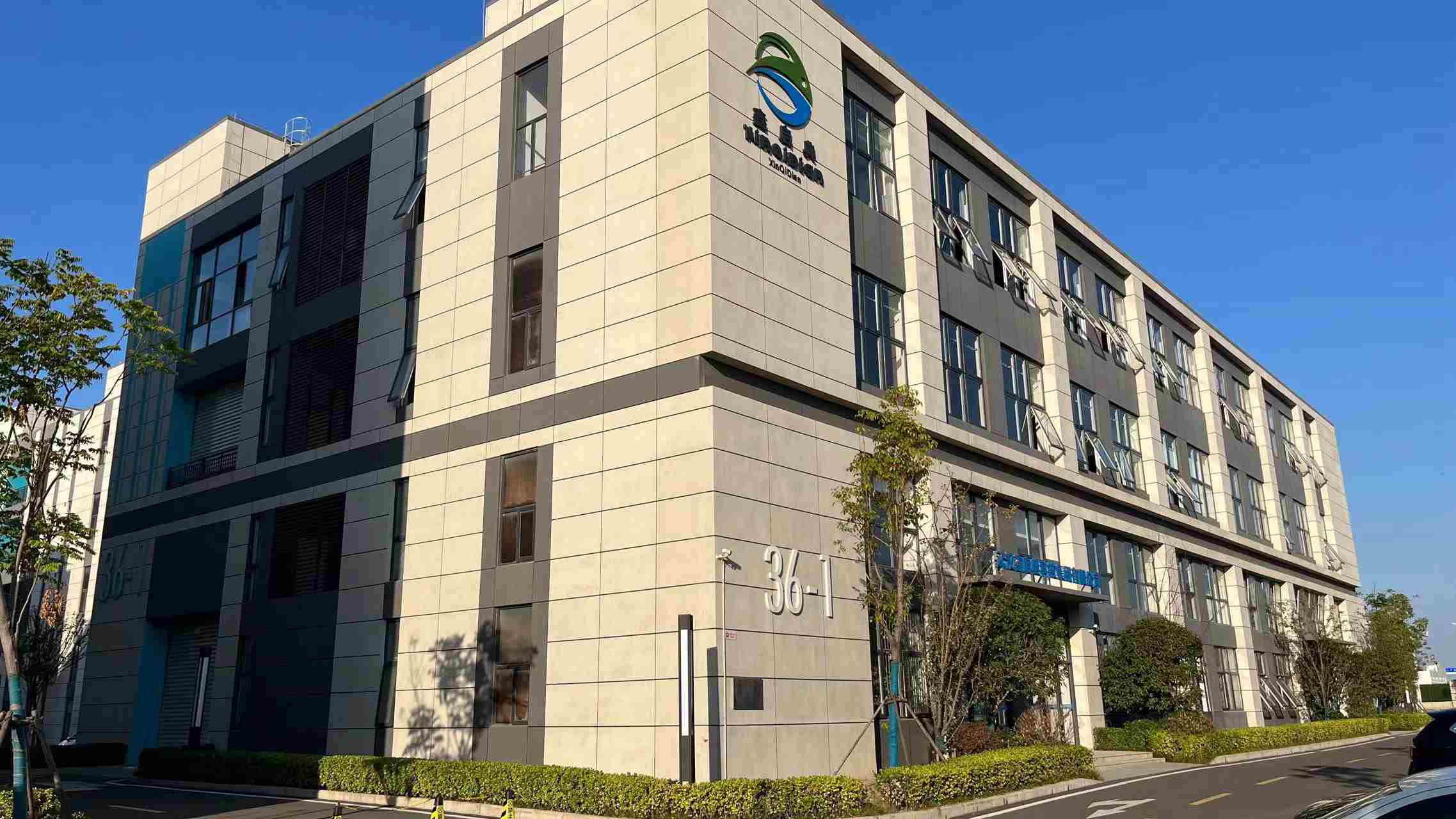
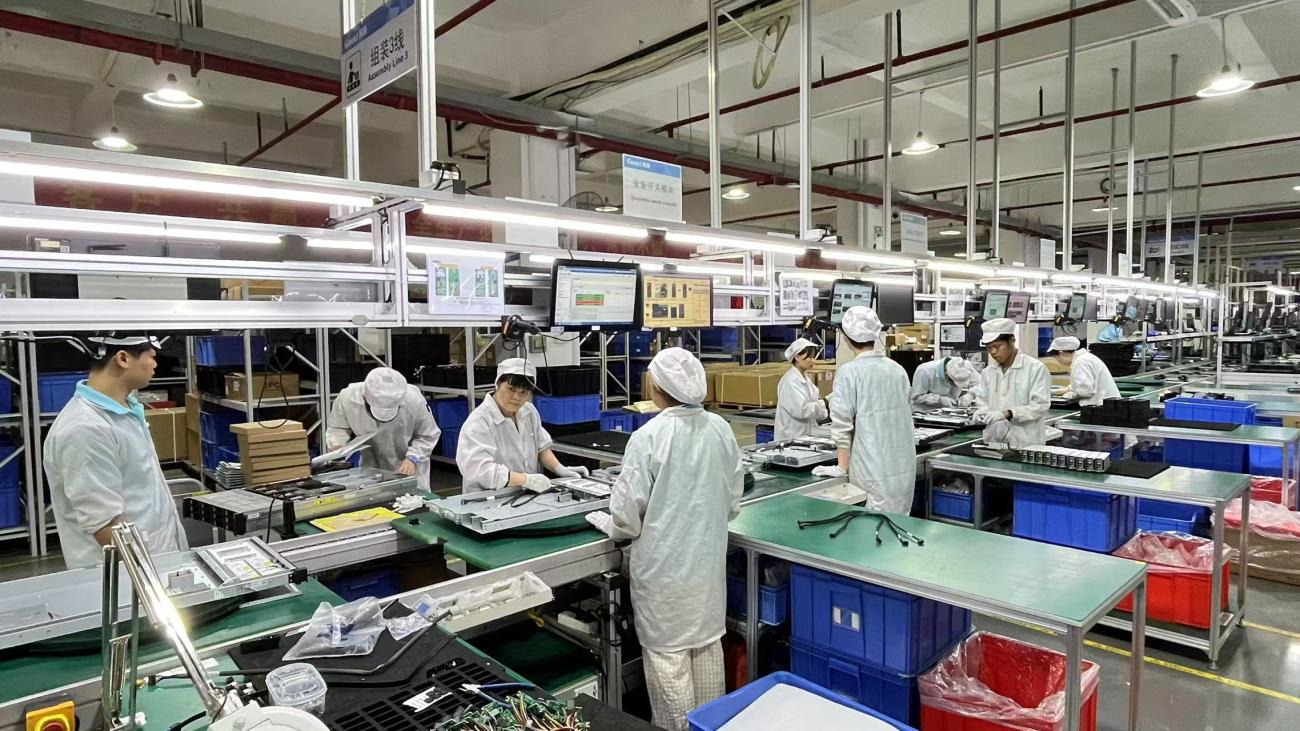
Founded in 2016 in Shenzhen, China, Veltron has established itself as an industry leader in engineering high-reliability compute nodes. Operating a modern 3,800 square meter ISO-certified factory, we support critical operations across North America, Europe, South America, and Asia. Our deep industry expertise, combined with an agile supply chain, allows us to build reliable, high-density infrastructure for complex B2B computing demands.
Tailored system designs matching specific operating paradigms in telecommunications, automation, and surveillance.
Processing thousands of high-definition video feeds at the edge requires hardware optimized for concurrent object detection, tracking, and metadata extraction. Our platforms act as localized inference nodes, minimizing the bandwidth cost of streaming raw video back to a central cloud.
In modern manufacturing facilities, sub-millisecond control loops govern automated assembly robots and high-speed sorting machines. Our industrial edge computer nodes interface with local programmable logic controllers (PLCs) via deterministic fieldbus protocols to optimize processes locally.
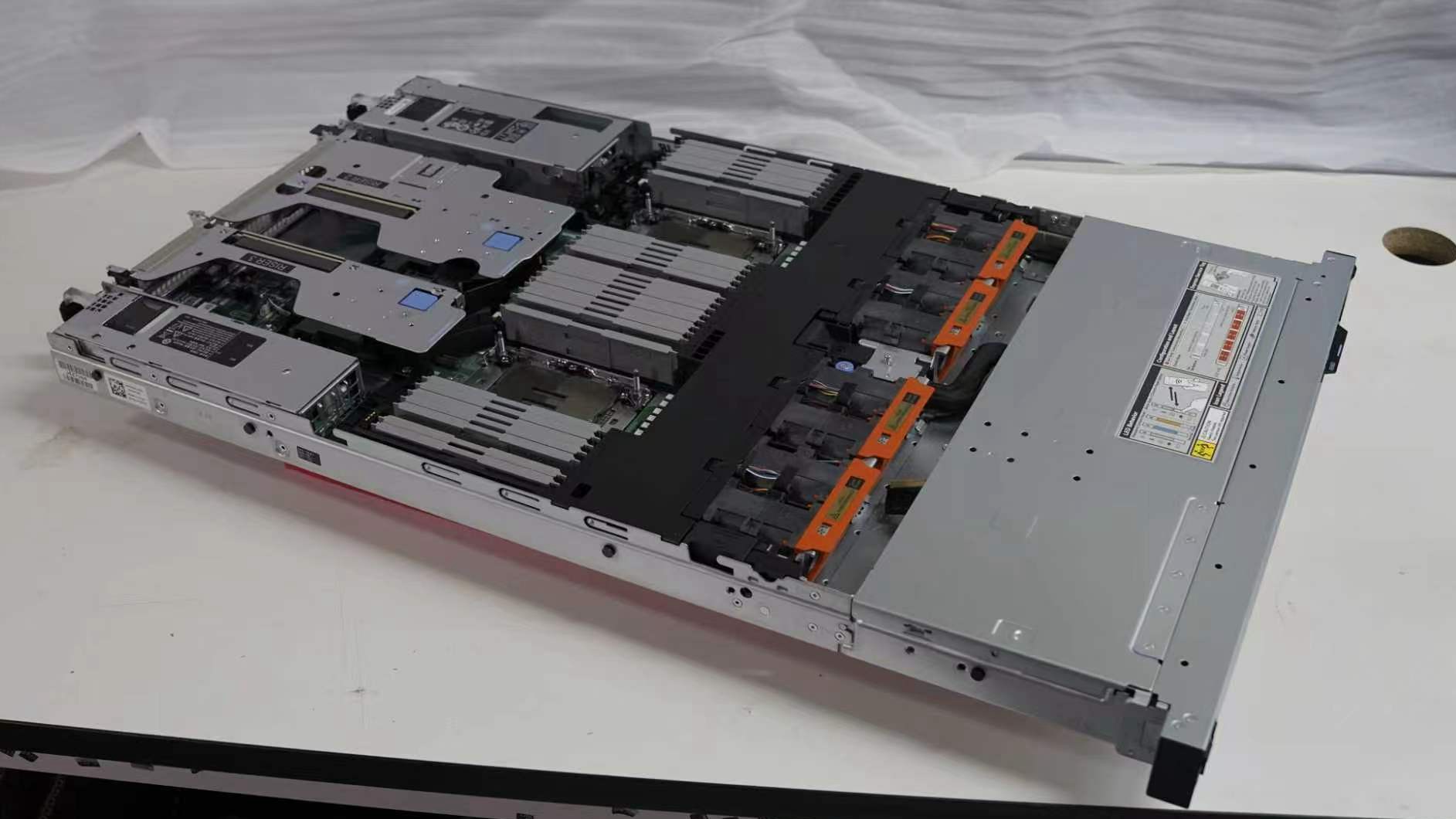
With 5G Multi-access Edge Computing (MEC), data processing is handled at the network edge. Our rackmount servers deliver the high compute density needed for virtualized network functions (VNFs), reducing backhaul traffic and improving latency across base stations.
Compare architectural differences to select the right platform for your operational environment.
| Feature Spec | Enterprise Edge Rack Server | Industrial Ruggedized Node | High-Density Edge AI Rig |
|---|---|---|---|
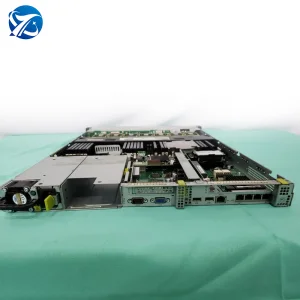
| Chassis Form Factor | 1U / 2U standard rackmount system | Wall-mount/DIN-rail chassis | 2U / 4U high-airflow system |
| Operating Range | 5°C to 35°C (controlled room) | -25°C to 70°C (wide thermal) | 0°C to 40°C (dense compute environment) |
| GPU Configuration | Up to 2x single-width accelerators | Integrated hardware tensor block | Up to 8x dual-slot PCIe Gen5 GPUs |
| Power Configurations | Redundant 80 Plus Platinum PSUs | Wide-range DC terminal block | Dual/Quad high-capacity AC supply inputs |
| I/O & Connectivity | 10GbE SFP+, Out-of-band management | Isolated COM ports, GPIO, GbE LAN | 100Gbps InfiniBand, NVMe-oF links |
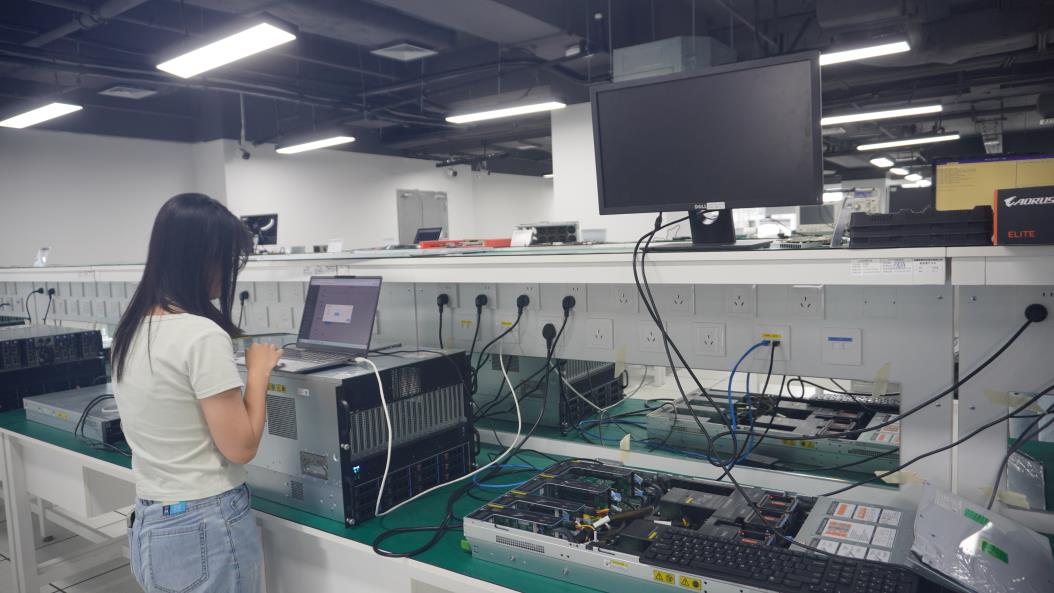
Take a look inside our ISO-certified facilities, testing laboratories, and precision assembly lines.

Data requirements at the edge are scaling quickly. Legacy PCIe Gen 4 buses can bottleneck the throughput of advanced NVMe storage arrays and multi-gigabit NICs. Transitioning to PCIe Gen 5 doubles the available bandwidth, allowing edge systems to ingest multi-source camera feeds, high-frequency telemetry, and local sensor data simultaneously.
Combined with DDR5 memory, which offers higher bus speeds and lower energy footprint, these servers handle memory-intensive inference tasks with minimal latency.
Running large-scale AI models at the edge requires optimized software and hardware stacks. Our systems are engineered to support lightweight, quantized models and containerized environments. By configuring our hardware for quick memory recall and tensor-core calculations, edge systems can process complex models like DeepSeek locally. This allows real-time inference without relying on persistent, high-latency cloud connections.
High-performance silicon generates significant heat. In compact 1U or 2U edge systems, traditional fans may not provide enough cooling in hot environments. To address this, we are integrating direct-to-chip liquid cooling systems and advanced heat-pipe architectures. Liquid cooling helps maintain safe operating temperatures under heavy compute loads, improving hardware longevity and reducing system power consumption.
Deploying edge nodes in multiple international regions requires strict adherence to local laws, regulatory approvals, and safety certifications. Veltron works closely with regional authorities to ensure all hardware meets necessary guidelines, including CE, FCC, RoHS, and local electrical standards.
We provide localized technical support and replacement services to resolve hardware issues quickly. Our international networks help clients manage device lifecycles, configure remote settings, and order replacement components without long customs delays or shipping disruptions.
Our supply chain is designed for stability and flexibility. By partnering with component suppliers globally, we maintain access to critical hardware and minimize the impact of trade restrictions. We offer OEM/ODM services to customize systems, chassis designs, and BIOS settings to match your specific compliance and branding requirements.
Find answers to common questions about configuring, cooling, and deploying edge computing systems.
Traditional data center servers are designed for climate-controlled rack environments with stable temperatures, humidity, and clean air. Edge servers are built to operate outside the data center. They feature rugged enclosures, dust filtration, wide operating temperature ranges (-20°C to 60°C), and robust physical protection against shock and vibration. They are often smaller (short-depth chassis) to fit in telecommunication boxes or wall-mounted enclosures.
Yes. Our systems are built to run edge-friendly models, including quantized versions of DeepSeek. By combining multi-core CPUs with specialized PCIe GPU accelerators and high-speed DDR5 memory, these servers can process local inference tasks directly. This allows real-time data analysis without sending telemetry back to a centralized cloud.
We offer multiple cooling configurations depending on your installation environment. For low-maintenance, dust-prone locations, we supply fanless, passively cooled chassis that transfer heat through aluminum fins. For higher-performance systems with dedicated GPUs, we use high-pressure redundant fans or custom direct-to-chip liquid cooling setups to maintain safe component temperatures.
Physical security is critical for remote devices. Our platforms include TPM 2.0 modules for secure cryptographic storage, support secure boot options, and can be configured with chassis intrusion sensors. Secure out-of-band management interfaces allow administrators to monitor system health, update firmware, and isolate nodes remotely if tampering is detected.
Yes. Our R&D team of 168 engineers provides full OEM and ODM services. We can customize chassis dimensions, configure physical I/O ports, modify BIOS settings, and add custom branding to align with your product requirements and technical standards.
Complete your deployment with certified enterprise storage drives, power cables, and flexible rackmount configurations.
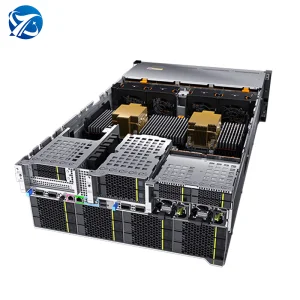
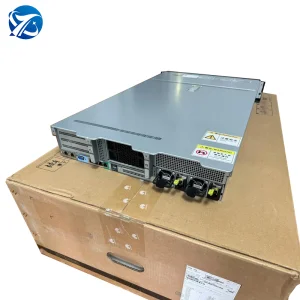
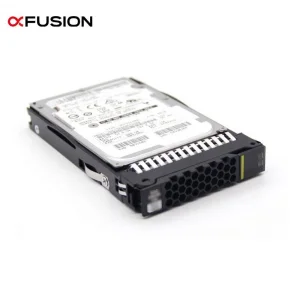
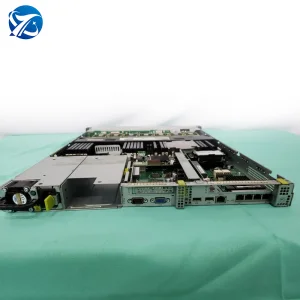
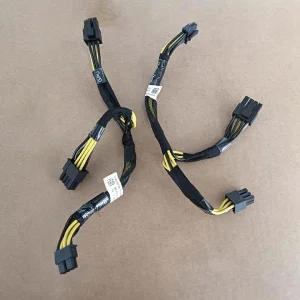
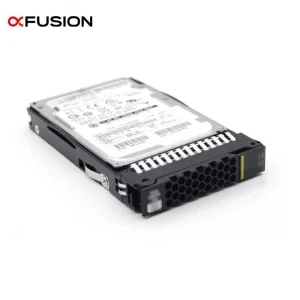
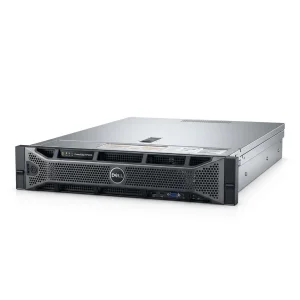
Whether you need custom chassis modifications, specialized component configurations, or regional deployment assistance, we can help design a hardware solution that meets your requirements.
Request Technical Consultation