Veltron
Veltron
Veltron
Deploy high-density hardware platforms validated for big data parsing, mission-critical ERP nodes, and DeepSeek neural processing architectures.
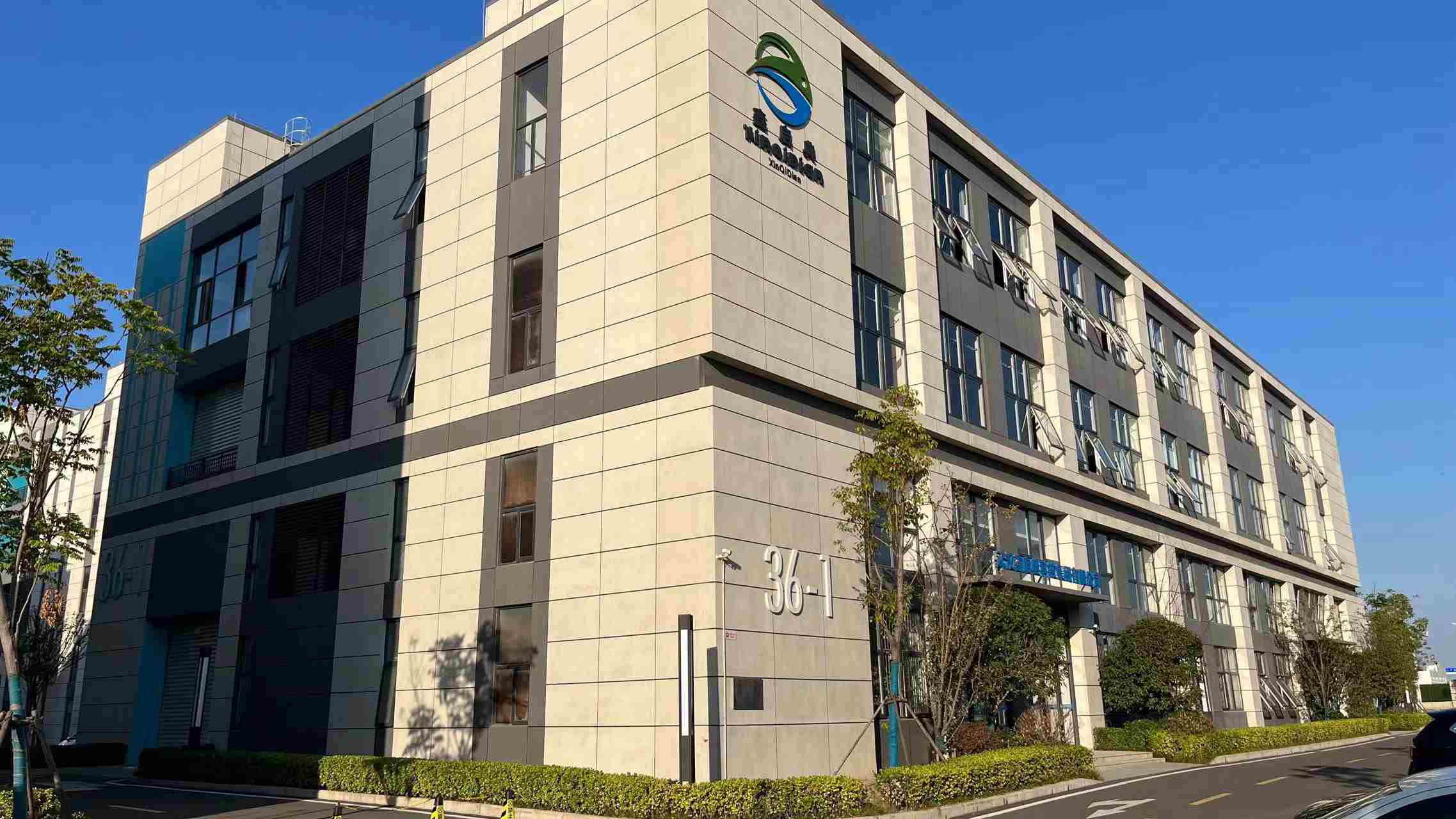
Veltron Computing Technology Co., Ltd. stands as a premier developer, manufacturer, and international provider of advanced GPU servers, complex AI acceleration hardware, and highly scalable server chassis solutions. Founded in 2016 in Shenzhen, China, our company represents the pinnacle of intelligent high-density computing production, delivering reliable infrastructure for complex deep learning model training, ERP virtualization, and massive storage arrays.
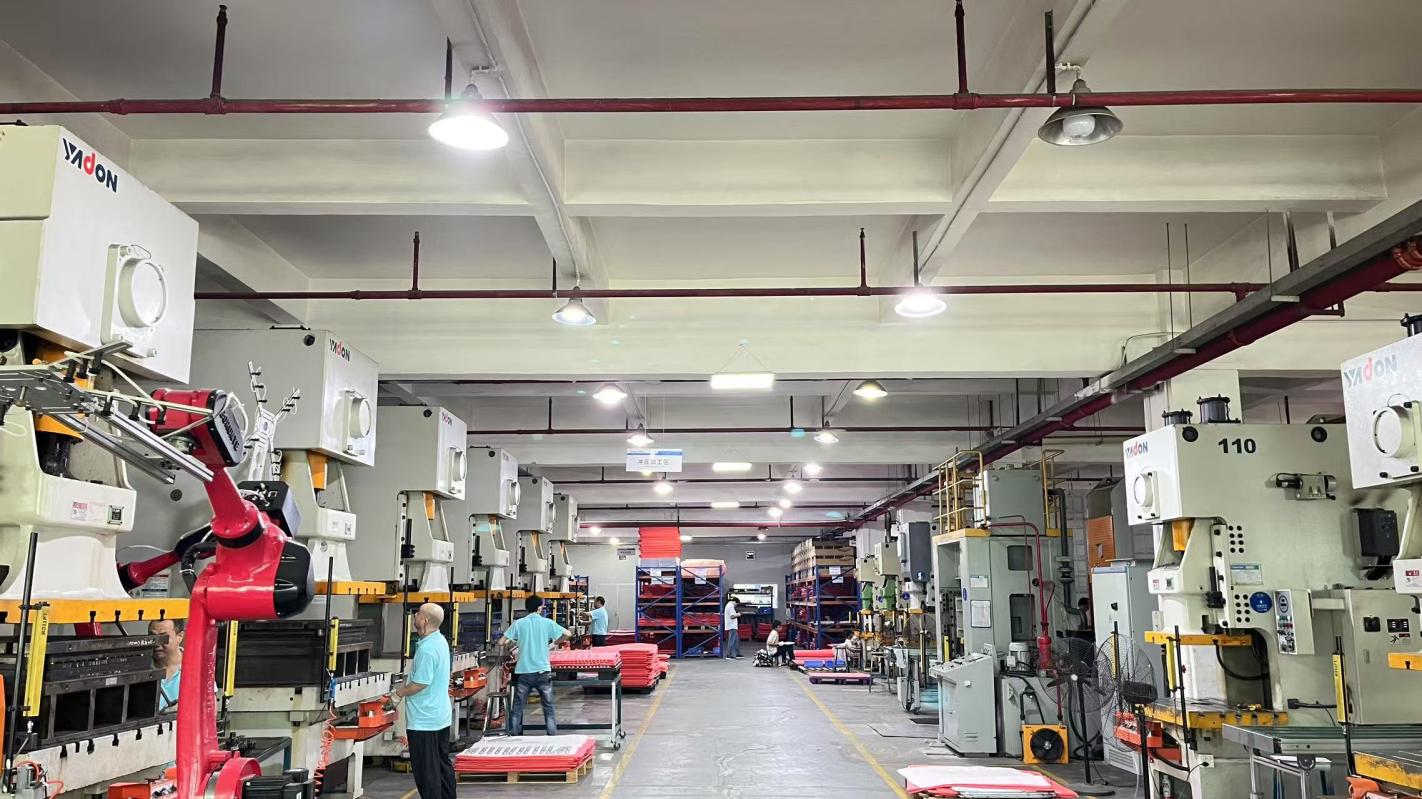
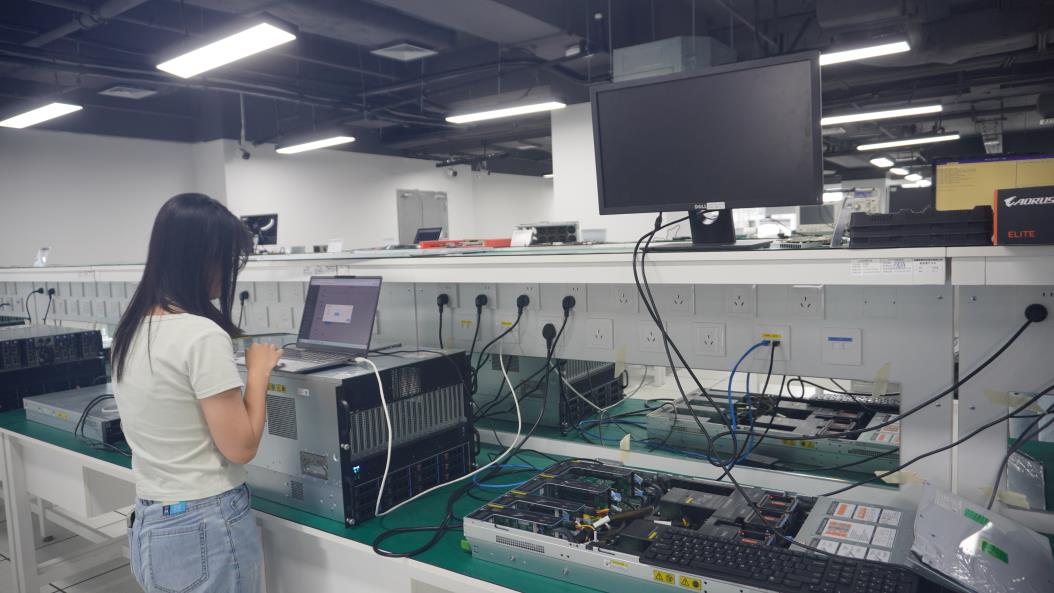
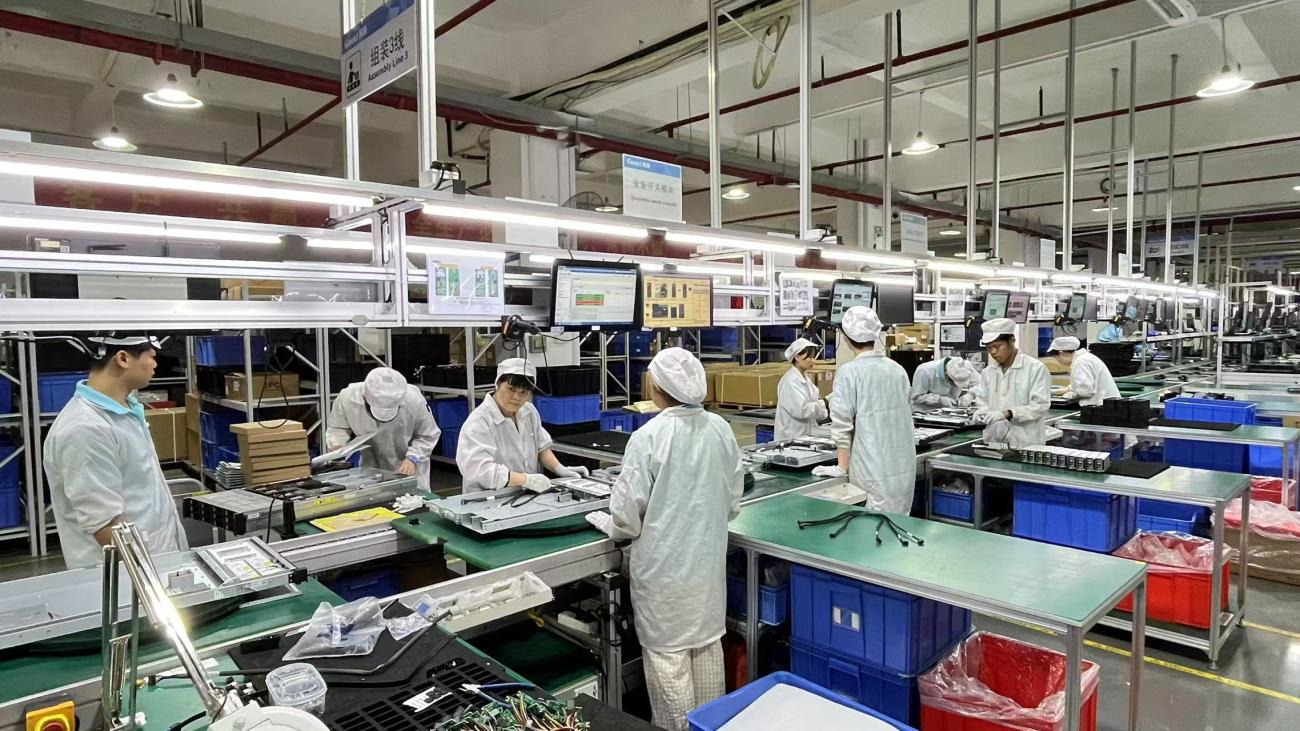
Operating from our state-of-the-art facility spanning over 3,800 square meters, Veltron runs automated assembly systems, multi-tiered QA testing benches, and strict environmental burn-in labs. With over 14 years of internal technical expertise and 8 years of direct global exporting experience, we facilitate more than USD 18 million in annual export revenues, shipping to key integration markets throughout North America, Western Europe, the Middle East, Southeast Asia, and South America.
To maintain hardware availability amid fluctuating component conditions, Veltron utilizes structural supply lines backed by over 1,200 verified partner entities. Our core client base includes global system integrators (SIs), cloud providers (hyperscalers), telecom enterprises, defense computing centers, and certified network distributors who rely on our robust production output and customization capacities.
How high-performance compute architectures replaced classic relational databases in defining enterprise analytics pipelines.
Modern BI demands the combination of CPU cores and parallel GPU clusters. Processing structured and unstructured enterprise records requires accelerators capable of training machine learning models in real-time, bypassing legacy data pipelines.
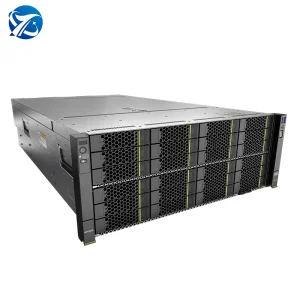
Traditional storage setups bottleneck high-frequency queries. Multi-socket configurations (such as the 4-socket 2488H platform) allow enterprises to host massive, multi-terabyte ERP databases directly within volatile memory buffers, achieving near-zero wait times.
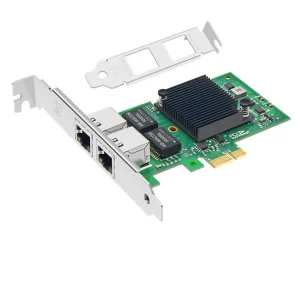
To scale analytical clusters, node-to-node communication is crucial. Modern setups utilize 10Gbps dedicated data channels, PCIe 4.0/5.0 architectures, and customized RAID controller cards to sustain read/write operations without system delay.
Historically, Business Intelligence focused on retroactive reporting. Today, companies leverage real-time semantic search and large language models (LLMs) to identify trends, forecast raw-material prices, and evaluate distribution efficiency. These workloads require distinct AI server architectures. By combining multiple GPU nodes with low-latency components, organizations can host advanced, open-source model pipelines (such as DeepSeek structures) within their own facilities, ensuring full data sovereignty and minimal latency.
This evolution dictates that a hardware manufacturer is no longer a simple chassis producer, but a partner in structural system design. Veltron matches this demand by engineering thermal management systems, PCIe routing schemes, and power distribution setups that optimize processing power and prevent throttling under continuous workloads.
Understanding the technical needs of modern datacenter operators, system integrators, and infrastructure architects.
Procurement specialists facing the responsibility of sourcing backend hardware must navigate a complex grid of compatibility requirements, energy limitations, and regional compliance factors. Based on our analysis of buyer inquiries from North America, Europe, Russia, and East Asia, we have identified key operational factors critical to hardware investments:
Cloud Service Providers & Web Hosts: Require high compute density (such as 1U or 2U dual-socket setups) to maximize container hosting capacity per rack, reducing overall physical space and cooling costs.
ERP Developers & Enterprise IT: Rely on high-memory 4-socket configurations to handle complex relational databases, ERP architectures, and large user groups without data delays.
AI & Machine Learning Teams: Depend on multi-GPU server setups with high-bandwidth network connections to quickly transfer data packages across training nodes.
Inside Veltron's 3,800m² factory facility, assembly lines, and technical burn-in chambers.
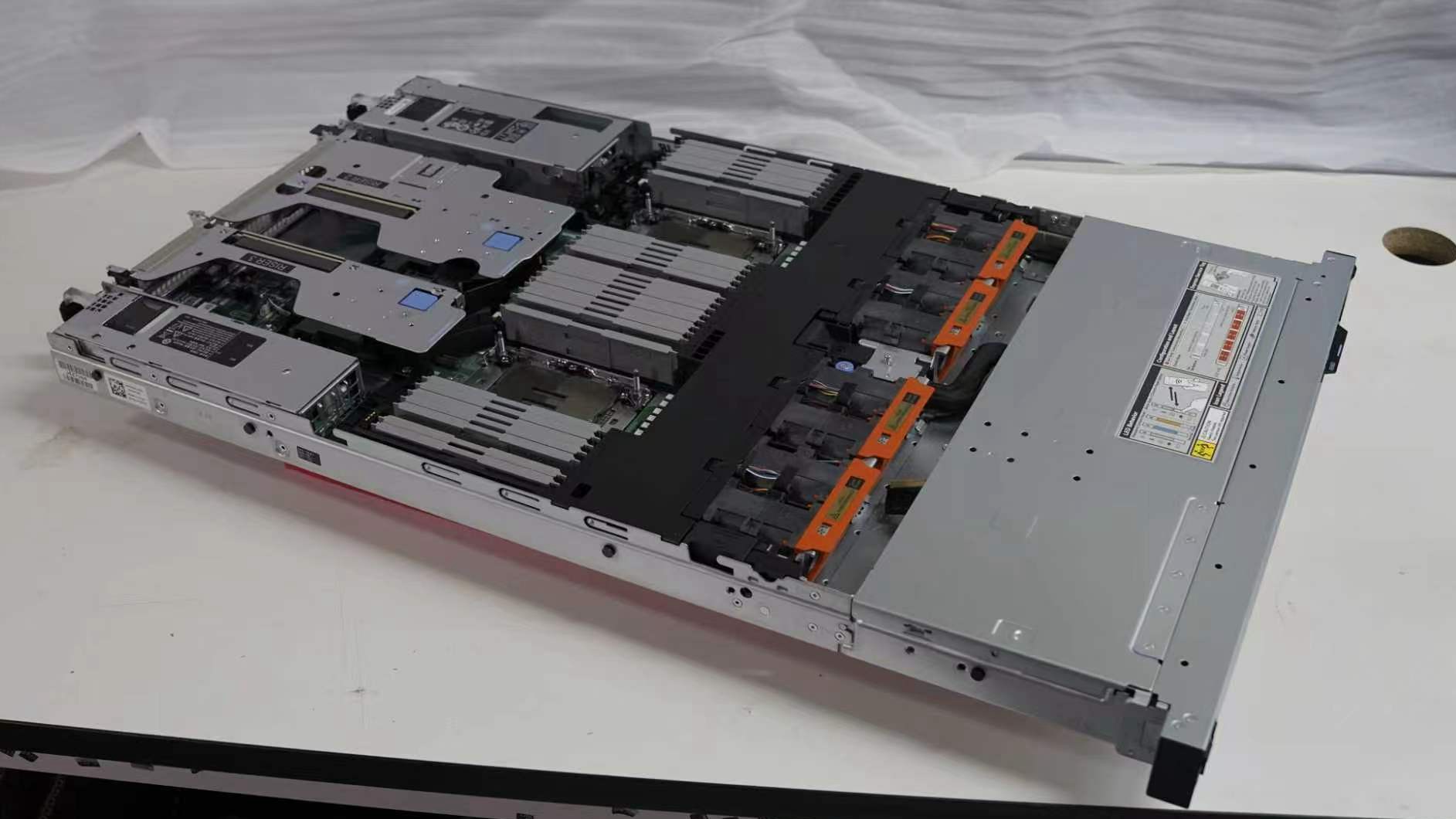

A look into next-generation components, high-density fabrics, and cooling architectures.
The demand for data bandwidth from AI models requires faster transfer speeds between storage devices, network interfaces, and processor units. While PCIe 4.0 remains highly reliable for general enterprise operations, Veltron is actively working on models built for PCIe 5.0 and Gen 6.0 standards.
This migration doubles the theoretical bandwidth per lane, allowing high-performance GPUs and fast NVMe arrays to work without bottlenecks. It ensures that complex clusters can run distributed workloads with minimal latency.
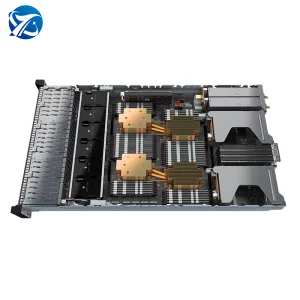
As server rack densities increase, standard air cooling systems can reach their limits under heavy workloads. Veltron's R&D division is focused on designing high-efficiency cooling setups, including hybrid liquid-cooling plates and direct-to-chip heat exchangers.
These thermal management technologies help lower overall datacenter power consumption (PUE), maintaining reliable operating temperatures for core components even during intensive, long-term processing tasks.
Providing flexible design options, strict hardware compliance, and reliable global distribution.
From specific branding and color schemes to custom storage and expansion layouts, Veltron provides flexible assembly adjustments to match the distinct deployment needs of different cloud and enterprise networks.
All server builds undergo testing to meet major safety and emission standards. Our Quality Control teams verify that each unit matches the necessary voltage, frequency, and safety requirements of destination markets.
We work with experienced international freight handlers to manage customs clearance and shipping processes. Our team provides reliable support, including firmware updates, configuration guides, and spare parts availability.
Maximize hardware density and platform stability with compatible modules, rack configurations, and server options.
Detailed answers to common questions regarding enterprise hardware, system integration, and global shipping policies.