Veltron
Veltron
Veltron
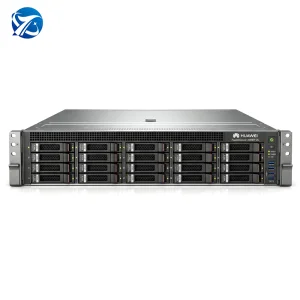
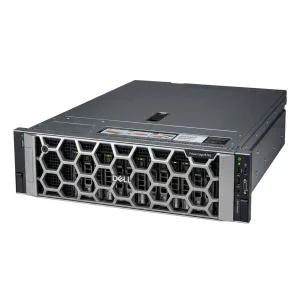
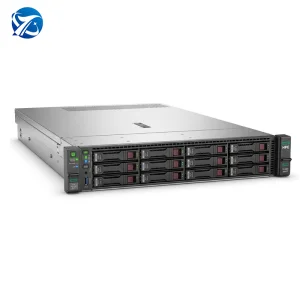
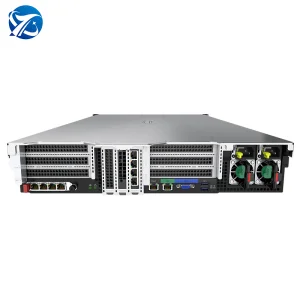
Explore our elite collection of high-density computing servers, GPU riser cards, and storage solutions architected for high-load secure processing.
Modern enterprise cloud models have progressed far beyond software-defined parameters. As hyper-converged infrastructure (HCI) integrates into massive global nodes, safety at the chip and chassis level has emerged as the definitive defensive perimeter. Modern enterprise computing demands security frameworks anchored deep within physical componentry: the Silicon Root of Trust (RoT), cryptographically verifiable boot sequences, and hardware-enforced micro-segmentation. Without trusted infrastructure at the hardware layer, software hypervisors and application layers remain structurally vulnerable to low-level, firmware-based attacks and persistent threat environments.
For international procurement executives, CTOs, and global enterprise architects, securing partnerships with elite manufacturing entities in Shenzhen and surrounding industrial clusters is no longer merely a sourcing decision. It represents a vital strategic imperative. As the global epicenter for server fabrication, GPU integration, and hardware R&D, China’s elite hardware factories—anchored by innovators like Veltron Computing Technology Co., Ltd.—provide the foundational architecture required to deploy secure private clouds, hyperscale data farms, and next-generation AI processing clusters.
To navigate the next five to ten years of computing growth, we must design systems capable of resisting threats that do not yet exist. The roadmap for cloud-oriented hardware security focuses on three distinct paradigms:
The traditional boundaries of processing encryption are expanding. While data-at-rest and data-in-transit are mature fields of protection, data-in-use remains an active target. Through advanced hardware support for technologies such as Intel SGX (Software Guard Extensions), AMD SEV (Secure Encrypted Virtualization), and custom microcode layers, our customized server ranges establish secure, hardware-isolated memory enclaves. These enclaves ensure that even if the host operating system, hypervisor, or BIOS is fully compromised, the application payloads and sensitive parameters inside the processor remain completely secure and encrypted.
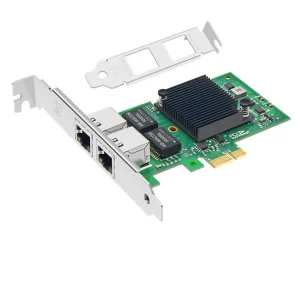
As quantum computing approaches cryptographic decryption thresholds, modern servers must transition to quantum-resistant security algorithms. Hardware roadmap planning integrates dedicated cryptographic co-processors and specialized PCIe expansion boards capable of handling lattice-based cryptography at microsecond latency levels. This future-proofs today's hardware procurement, ensuring systems remain secure for operational lifespans stretching beyond 2030.
By leveraging dedicated management chips (BMCs) with isolated out-of-band communication paths, next-generation servers actively monitor telemetry data, thermal envelopes, and bus signals for physical intrusion or side-channel leakage. Any anomalous physical change triggers automated firmware containment sequences, safeguarding the storage controllers and key storage repositories in real time.
Why leading global enterprise buyers select Shenzhen-engineered server solutions to establish secure private and public cloud foundations.
Cryptographically secured BIOS, UEFI validation, and secure boot technologies designed to detect and block firmware-level rootkits and malicious system modifications before OS execution.
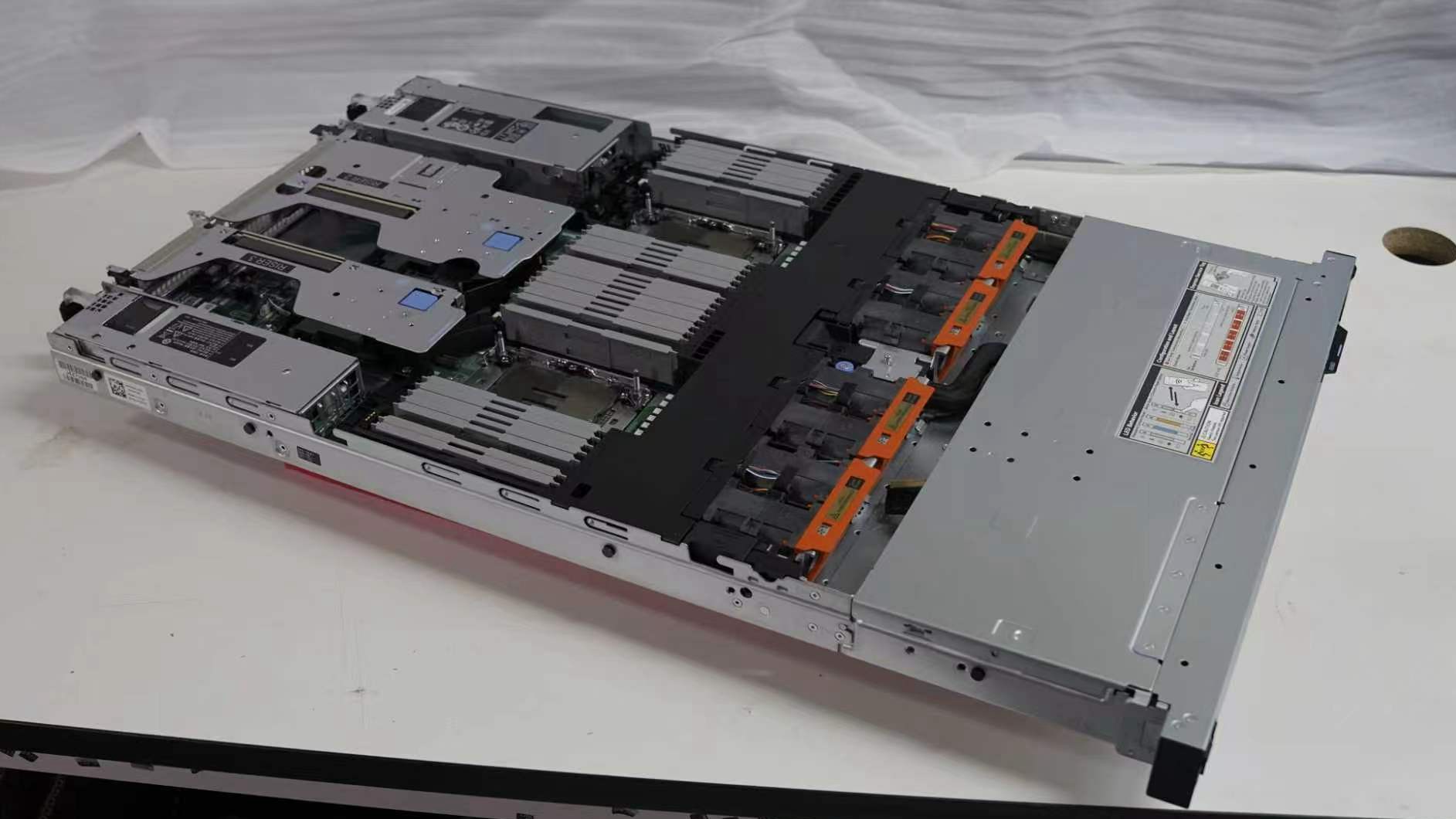
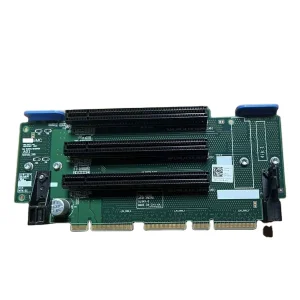
Advanced bus isolation, PCIe riser board shieldings, and specialized thermal containment structures to defeat physical side-channel vector attacks and electronic signals capture.
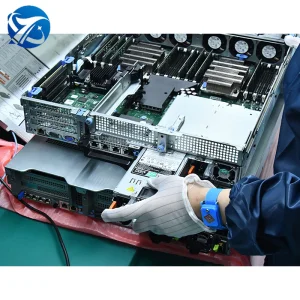
100% component trace systems, multi-layered audits of sub-tier component suppliers, and strict clean-room assembly lines to prevent physical tampering during manufacturing.
Securing computing systems requires specific solutions tailored to unique enterprise application demands. Generic systems fail to balance the performance and security trade-offs needed for specialized workloads. We develop specific deployment topologies designed to meet these distinct enterprise needs:
| Sector / Vertical | Core Threat Vector Addressed | Applied Hardware Optimization | Recommended Hardware Topology |
|---|---|---|---|
| Financial Technology & High-Frequency Systems | Side-channel attacks, data tampering in active RAM structures, and latency exploits. | Intel SGX memory enclaves, physical RAM shielding, and ultra-low latency bus-level isolation. | 2488H V5 4-Socket High-Performance Nodes with redundant RAID and active bus monitoring. |
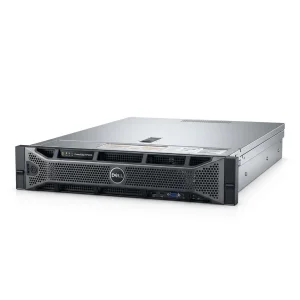
| Governmental & Enterprise SQL Clusters | Cold-boot physical memory extraction, database decryption during query execution. | Dual-socket secure cryptographic storage buses and hardware-level write protection. | Refurbished and customized R740 / R740XD 2U units configured with cryptographic accelerators. |
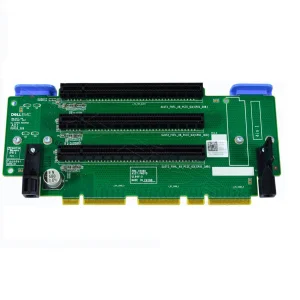
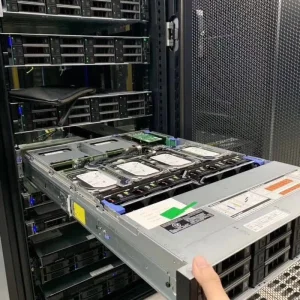
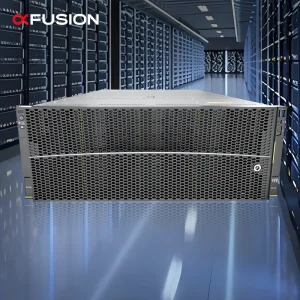
| Hyperscale AI & Deep Learning Training Centers | High-bandwidth model hijacking, side-channel attacks on GPU memory matrices. | Isolated PCI-E GPU Riser interfaces, high-bandwidth server buses, and specialized dynamic power and thermal analysis tools. | Custom GPU-enabled DeepSeek and xFusion platforms with dynamic PCIe riser cards and high-bandwidth interfaces. |
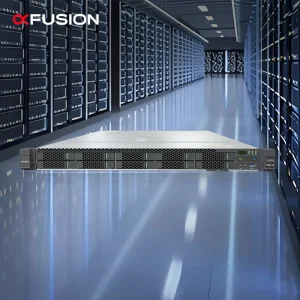
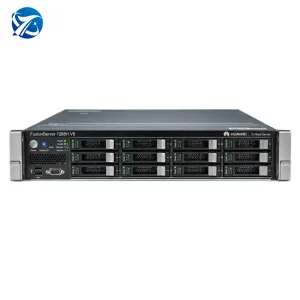
| Healthcare & Genomic Databases | Sovereign HIPAA data leaks, physical storage media extraction by unauthorized personnel. | Full storage bus hardware level AES-XTS-256 bit encryption, immediate security physical keys disposal. | FusionServer V5 / V6 1U & 2U Rack Servers with dedicated high-speed SATA/SAS HDD arrays. |
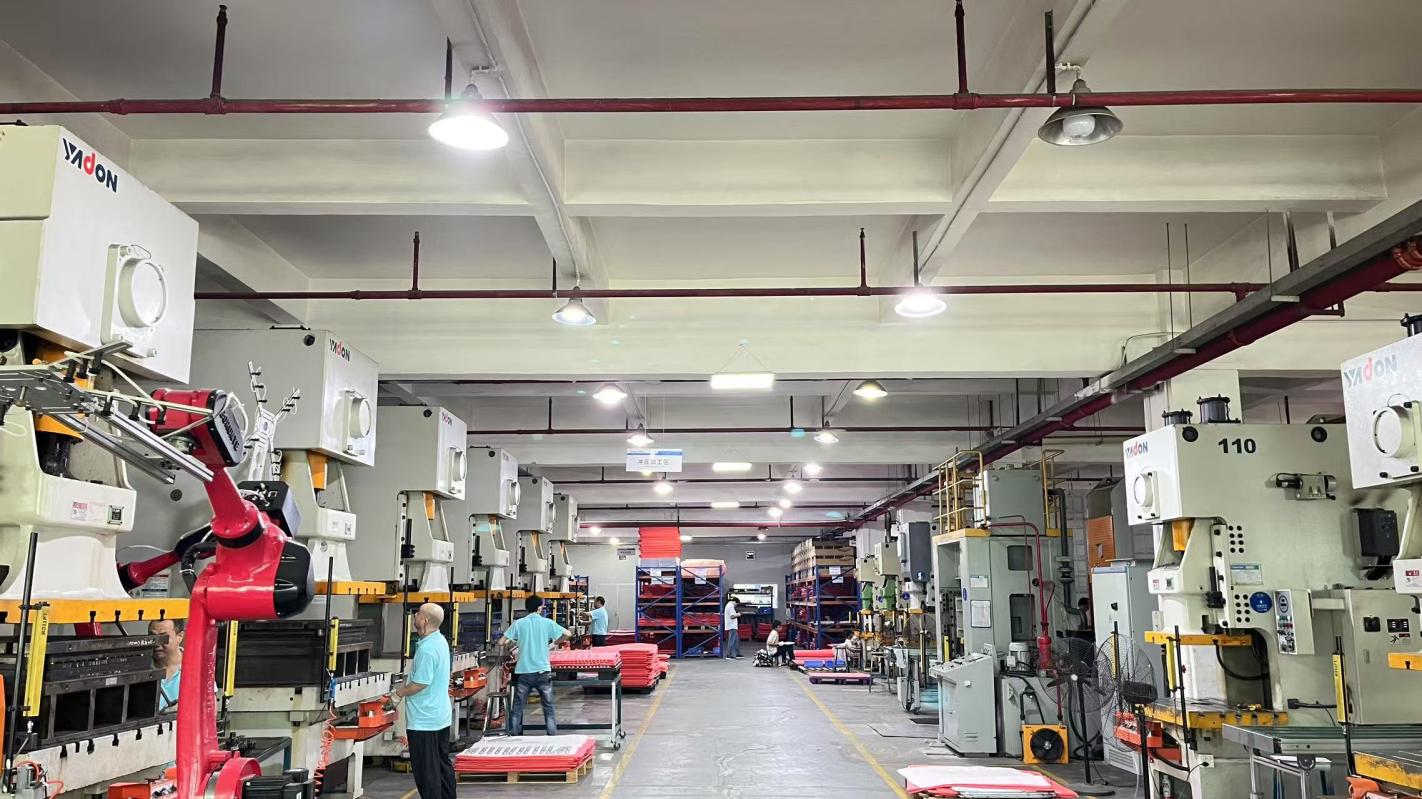
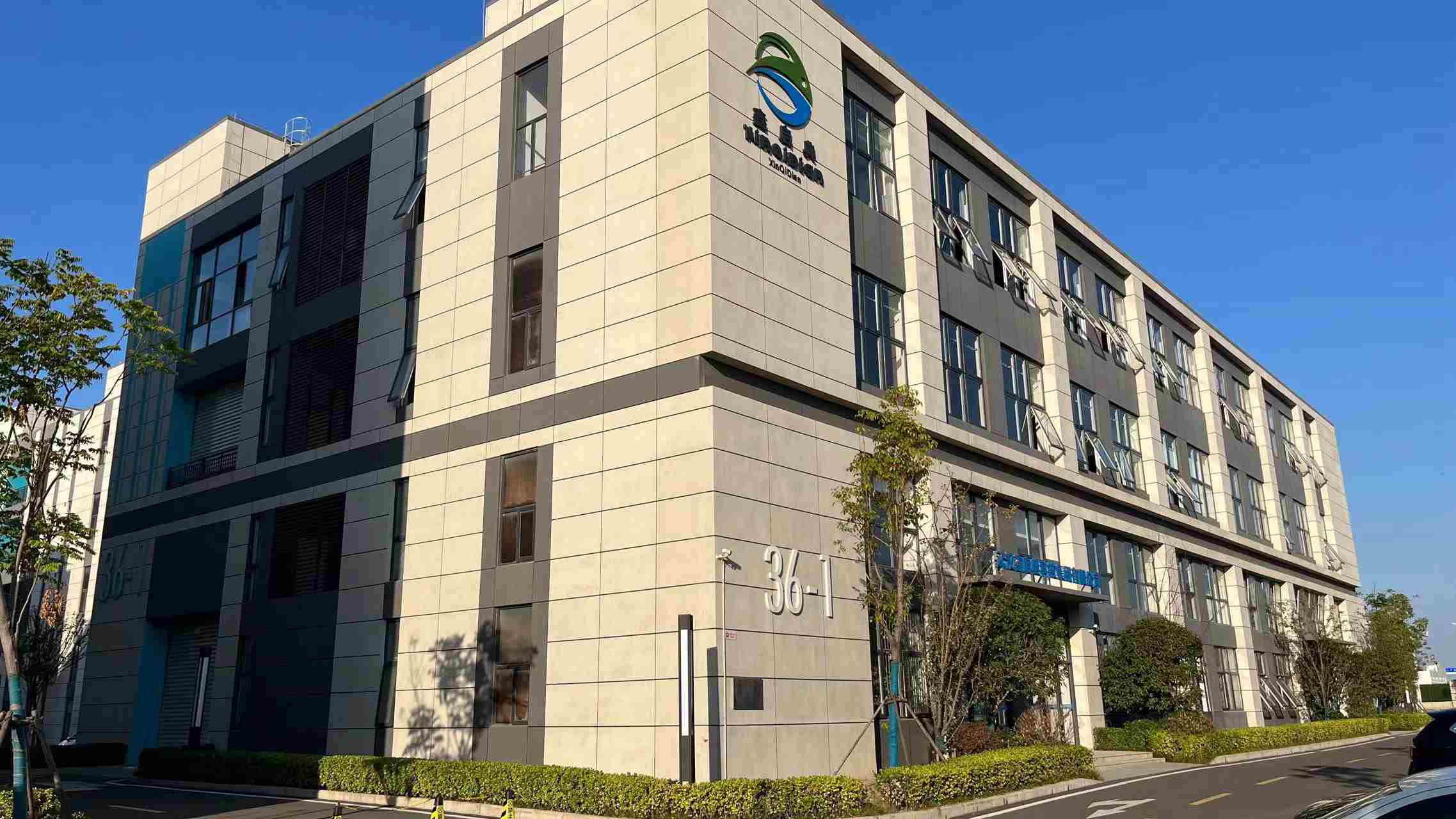
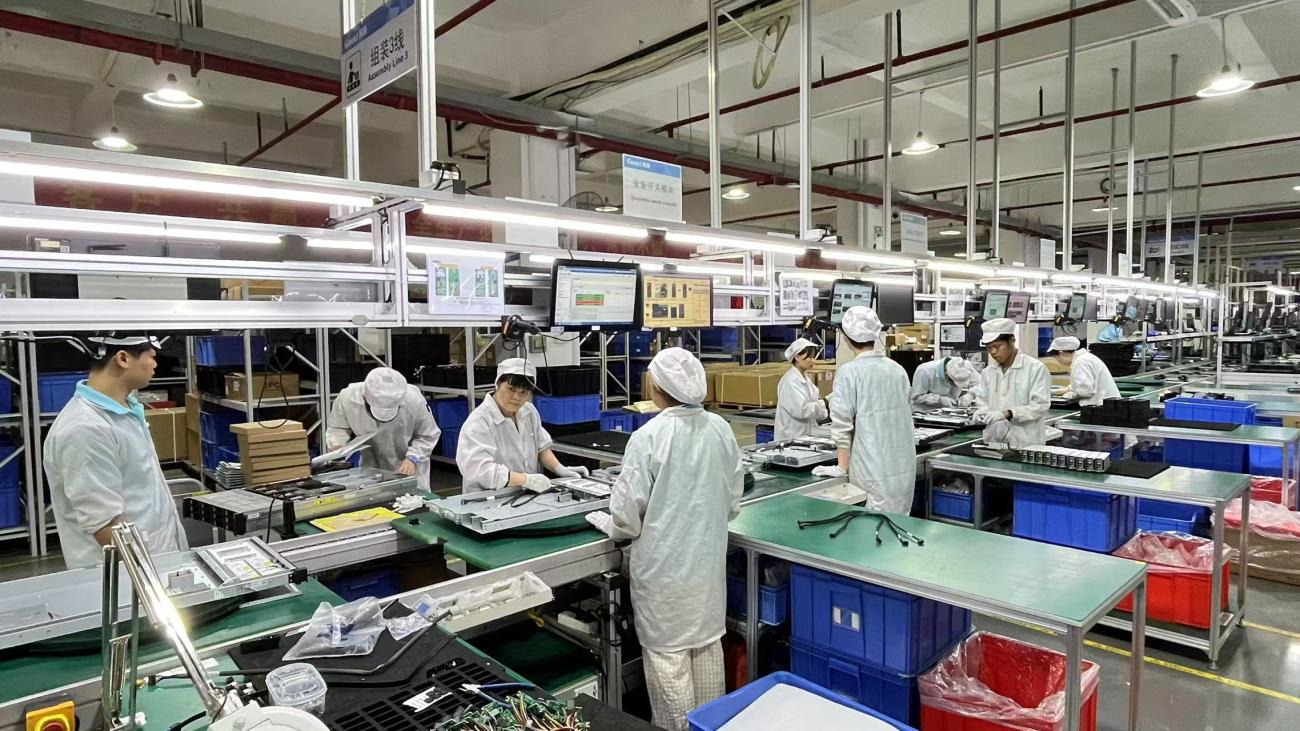
The manufacturing capabilities of modern China are built on digital integration, precision operations, and supply chain redundancy. For demanding global buyers, locating production in Shenzhen enables access to an unmatched hardware ecosystem. Veltron Computing Technology Co., Ltd. operates a modern 3,800 square meter facility utilizing this ecosystem to enforce high standard security controls across the assembly cycle.
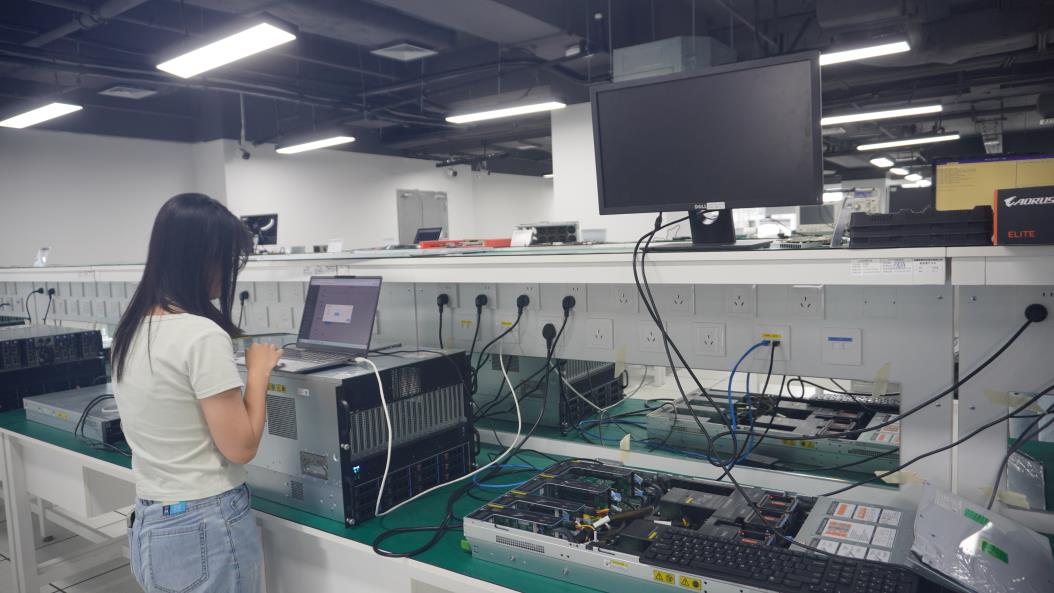
Our Quality Assurance Framework features several core pillars:
Operating compute nodes across international jurisdictions demands strict compliance with diverse legislative frameworks. A global enterprise cannot afford compliance risks. Physical security configurations must align with regions such as Europe (GDPR compliance), North America (FIPS validation), and Asia (sovereign cloud regulatory requirements).
Through our dedicated OEM and ODM programs, we customize system BIOS and BMC settings to match local compliance standards. System integrators can disable remote debug ports, enforce hardware-level write protection, or configure boot keys restricted to authorized local engineers. We provide full technical support documentation to help clients clear strict compliance audits and gain operational approval from regional security agencies.
When selecting your computing hardware supplier, focus on four key operational metrics to maximize return on investment (ROI) while minimizing security exposure:
Expert technical insights answering key questions from network security engineers and enterprise procurement teams.
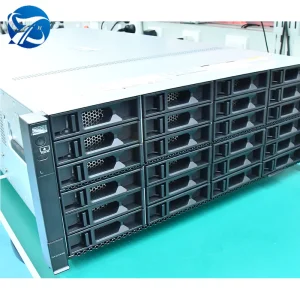
Discover our highly customized GPU computing platforms, high-capacity NAS configurations, and scalable hardware-accelerated nodes.
Veltron Computing Technology Co., Ltd. is a professional manufacturer and global supplier of GPU servers, AI computing systems, and high-performance server solutions. Established in 2016, Veltron is dedicated to delivering reliable, scalable, and innovative computing infrastructure for AI training, machine learning, cloud computing, data centers, scientific research, and enterprise applications worldwide. Located in Shenzhen, China, Veltron operates a modern manufacturing facility covering over 3,800 square meters, equipped with advanced assembly lines, testing laboratories, and quality control systems.
With years of expertise in the intelligent computing industry, we have built a strong reputation for delivering high-performance server solutions that meet the evolving demands of global customers. Our annual export revenue exceeds USD 18 million, serving customers across North America, Europe, Southeast Asia, the Middle East, and South America. Backed by 8 years of export experience and 14 years of industry expertise, Veltron has successfully supported hundreds of projects in AI infrastructure, cloud platforms, enterprise computing, and edge data centers.
Quality is at the core of everything we do. We implement a comprehensive quality management system with 56 professional quality control personnel overseeing every stage of production. All products undergo strict reliability testing, performance validation, thermal testing, burn-in testing, and final inspection before shipment to ensure exceptional product stability and long-term performance. Veltron maintains strategic partnerships with more than 1,200 supply chain partners, enabling efficient sourcing, stable production capacity, and rapid delivery for customers worldwide. Our primary customers include system integrators, cloud service providers, AI solution providers, data center operators, distributors, and enterprise IT infrastructure companies.
Innovation drives our growth. Our dedicated R&D center consists of 168 experienced engineers specializing in server architecture, GPU integration, thermal management, intelligent computing platforms, and customized hardware solutions. With strong OEM and ODM capabilities, we offer flexible customization options including chassis design, hardware configuration, branding, firmware optimization, and application-specific solutions. Every year, Veltron launches more than 85 new products and solution upgrades to meet the rapidly changing requirements of the AI and high-performance computing industries. Our commitment to technological innovation, product quality, and customer success has positioned Veltron as a trusted partner for organizations seeking advanced GPU server solutions. At Veltron, we are committed to empowering the future of artificial intelligence and high-performance computing through reliable hardware, professional engineering support, and world-class manufacturing excellence.