Veltron
Veltron
Veltron
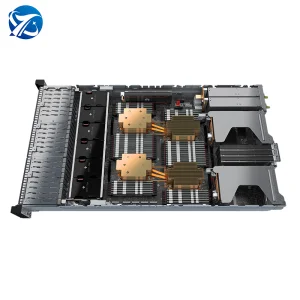
High-performance rack servers and critical hardware architectures that power complex multi-user Virtual Reality rendering simulations and edge computations.


From Localized Headsets to Distributed Edge-GPU Rendering Infrastructure
The global Virtual Reality (VR), Augmented Reality (AR), and Extended Reality (XR) industry is experiencing a profound architectural transition. Historically, VR systems relied solely on local computing power housed within bulky head-mounted displays (HMDs) or tethered desktop workstations. However, as enterprise applications demand ultra-realistic digital twins, complex physical simulations, and real-time multiplayer coordination, the paradigm has shifted. Today’s VR systems are increasingly powered by CloudXR architectures—where processing, rendering, and logic calculations are performed on high-capacity GPU servers and streamed to light, energy-efficient client headsets in real time.
This structural change highlights a crucial reality: the true manufacturers of the virtual reality experience are not only those who assemble the headsets, but also the advanced computing manufacturers who build the core GPU acceleration systems, edge-compute units, and rendering nodes that feed the pixels to these displays. Without high-density servers, low-latency transmission interfaces, and massive memory bandwidth, real-time spatial computing is impossible. In this whitepaper, we dissect the top global manufacturers and exporters responsible for building the actual physical backbone of this ecosystem, focusing on the engineering specifications, localization, and supply-chain structures that make these technologies possible.
An analytical breakdown of the major industrial segments and leading manufacturers shaping the modern spatial computing ecosystem.
Specialization: Enterprise Edge-Rendering GPU Systems & AI Compute Hardware.
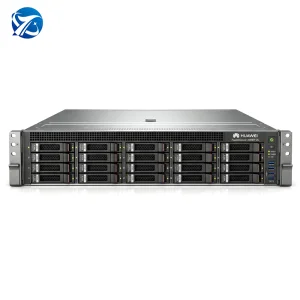
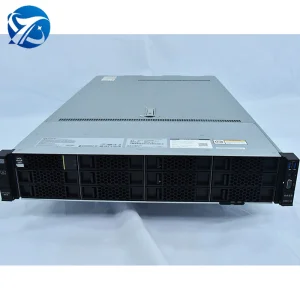
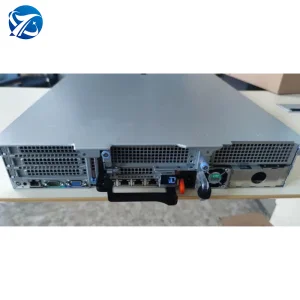
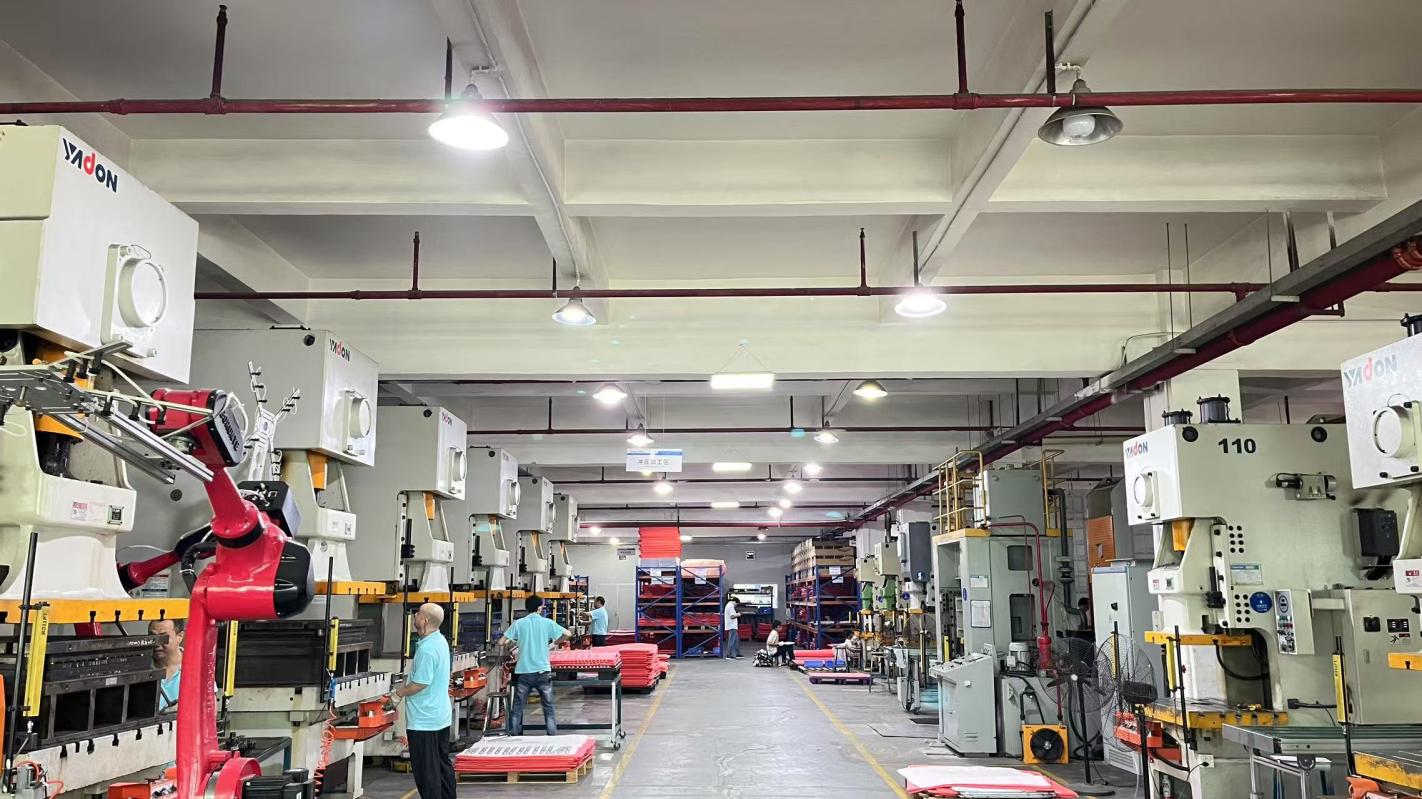
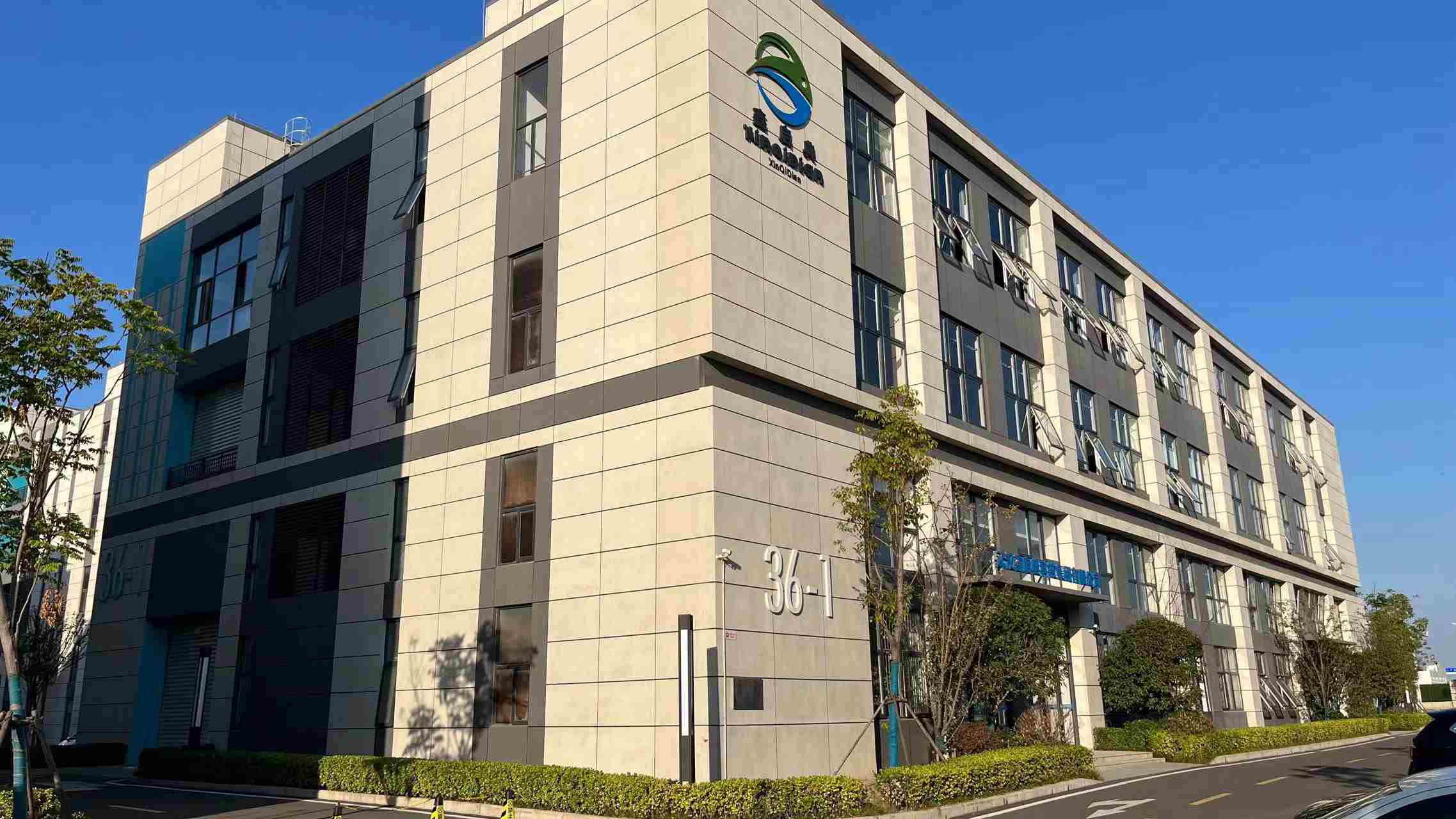
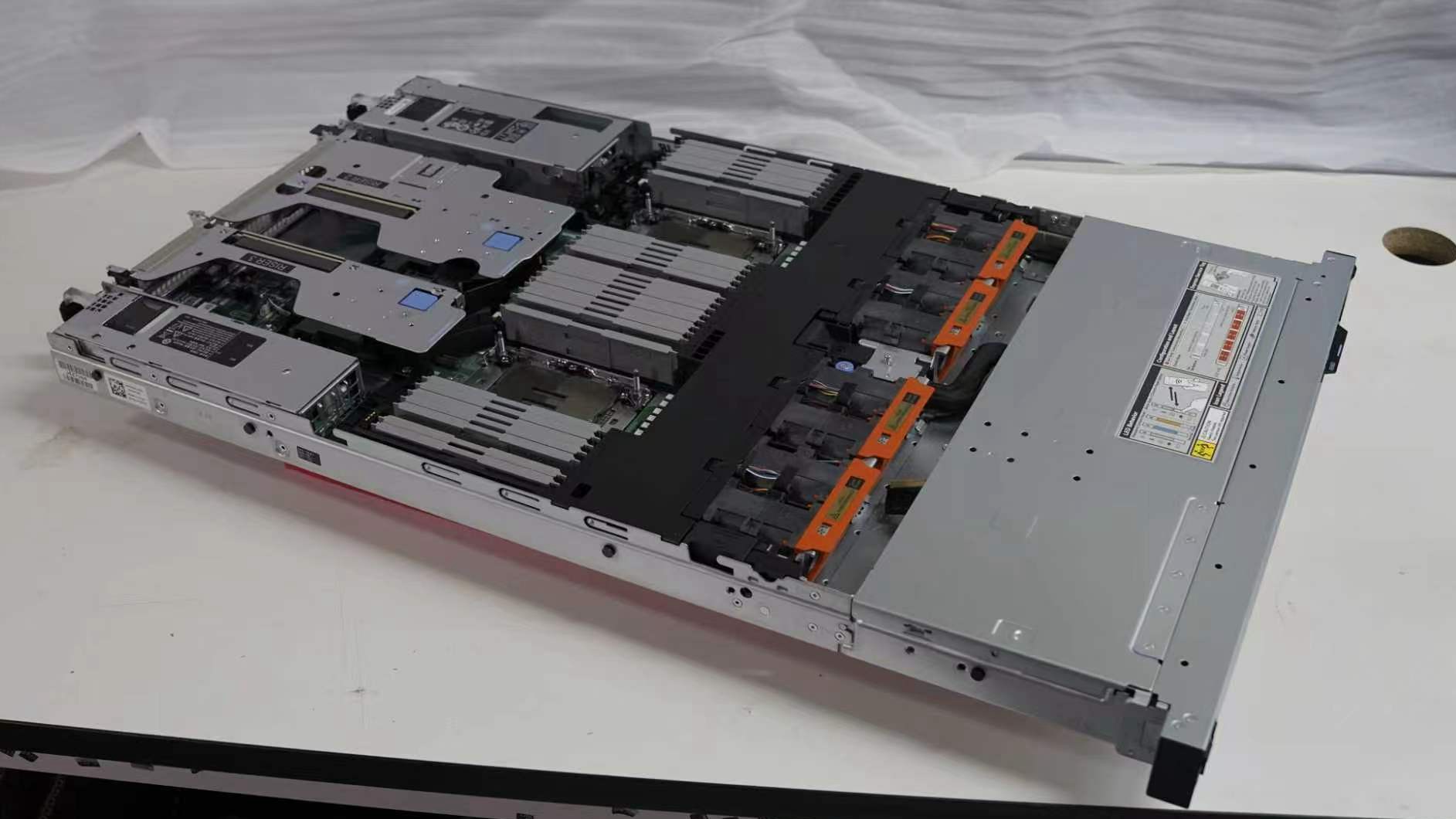
As a critical infrastructure player based in Shenzhen, China, Veltron produces the industrial backend driving immersive VR simulations, multi-GPU rendering farms, and AI spatial calculations. Operating a 3,800 square meter factory, Veltron bridges the gap between hardware rendering capabilities and real-time VR distribution.
Specialization: ODM/OEM Headset Assembly & Optical Components.
Goertek is the dominant force in high-volume VR headset manufacturing. Acting as the manufacturing partner for major global brands, they specialize in optical lens assembly, acoustic components, and structural mechanics, producing the physical units used globally by consumers and enterprises alike.
Specialization: High-End Enterprise VR Systems & Inside-Out Tracking HMDs.
HTC Vive remains a premier designer and exporter of premium VR hardware for commercial, medical, and scientific applications. Their hardware focusing on accurate tracking, high visual fidelity, and robust localized enterprise solutions keeps them at the head of professional VR integration.
Specialization: Mass-market Standalone HMDs & Regional Content Distribution.
Focusing on standalone mobile VR units, Pico manufactures hardware integrated with advanced mobile chipsets. Offering broad regional configurations, Pico exports millions of lightweight headsets optimized for both domestic consumption and European educational deployments.
Specialization: Consumer Console VR & Proprietary Sensory Feedback HMDs.
Sony's PSVR line showcases the power of dedicated entertainment-oriented VR. Their manufacturing pipelines focus on high-fidelity display integration (OLED panels) and proprietary tracking methodologies designed to optimize lower latency graphics under console environments.
Specialization: Wide-FOV (Field of View) Ultra-High Resolution Headsets.
Pimax specializes in ultra-wide 200-degree field-of-view VR designs. Designed for military flight simulators and high-fidelity racing simulations, their hardware demands robust graphics computing configurations, rendering 8K raw display outputs consistently.
Specialization: Human-Eye Resolution MR & VR Systems for Enterprise.
Based in Finland, Varjo manufactures industrial-grade mixed reality (XR) headsets that feature active foveated tracking and micro-OLED displays achieving photorealistic visual outputs, catering mainly to global automotive and aerospace engineering sectors.
Specialization: Interactive Training, Educational VR, and B2B Device Deployment.
DPVR manufactures custom solutions focused on group classrooms and commercial entertainment centers. Their systems feature low maintenance requirements and are highly optimized for wireless local networks and synchronized video streaming servers.
Specialization: Mass Consumer Ecosystem HMDs.
Meta drives global mass market adoption through its Quest line. Leveraging massive production facilities in Asia, they utilize high-speed optical lens alignment systems, advanced plastic injection molding, and integrated battery-safety technology to export globally.
Specialization: Industrial Assisted Reality & Head-Mounted Industrial Workstations.
RealWear manufactures ruggedized, voice-controlled monocular micro-displays specifically designed for heavy manufacturing, field services, and harsh industrial environments. Their hardware interfaces directly with local secure enterprise networks.
Under the Hood: Sourcing, Quality Control, and Engineering Design in Shenzhen
Veltron Computing Technology Co., Ltd. is a professional manufacturer and global supplier of GPU servers, AI computing systems, and high-performance server solutions. Established in 2016, Veltron is dedicated to delivering reliable, scalable, and innovative computing infrastructure for AI training, machine learning, cloud computing, data centers, scientific research, and enterprise applications worldwide.
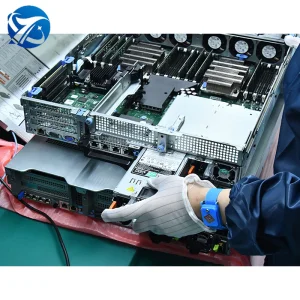
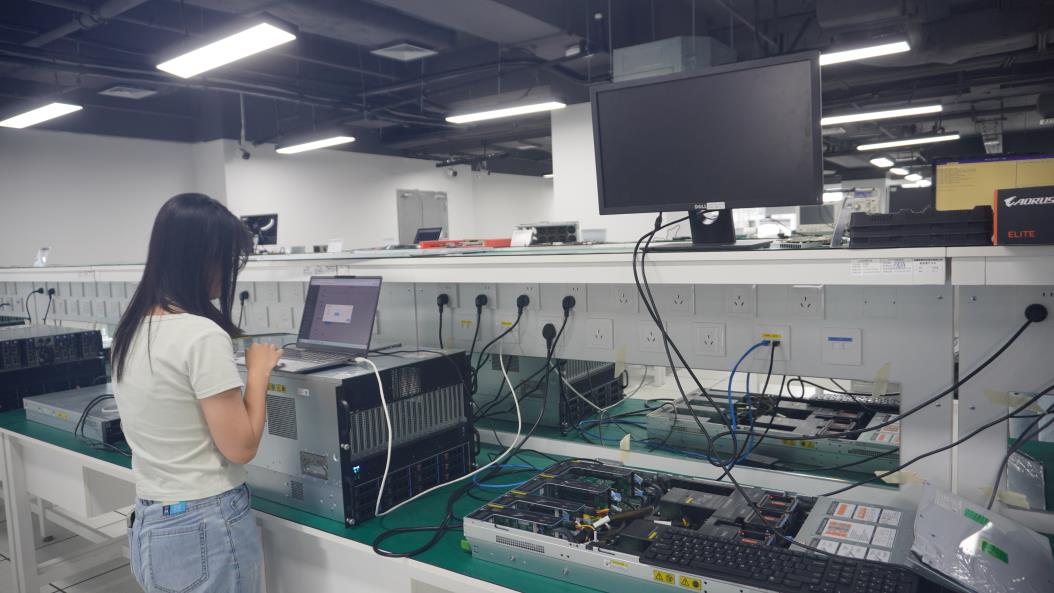
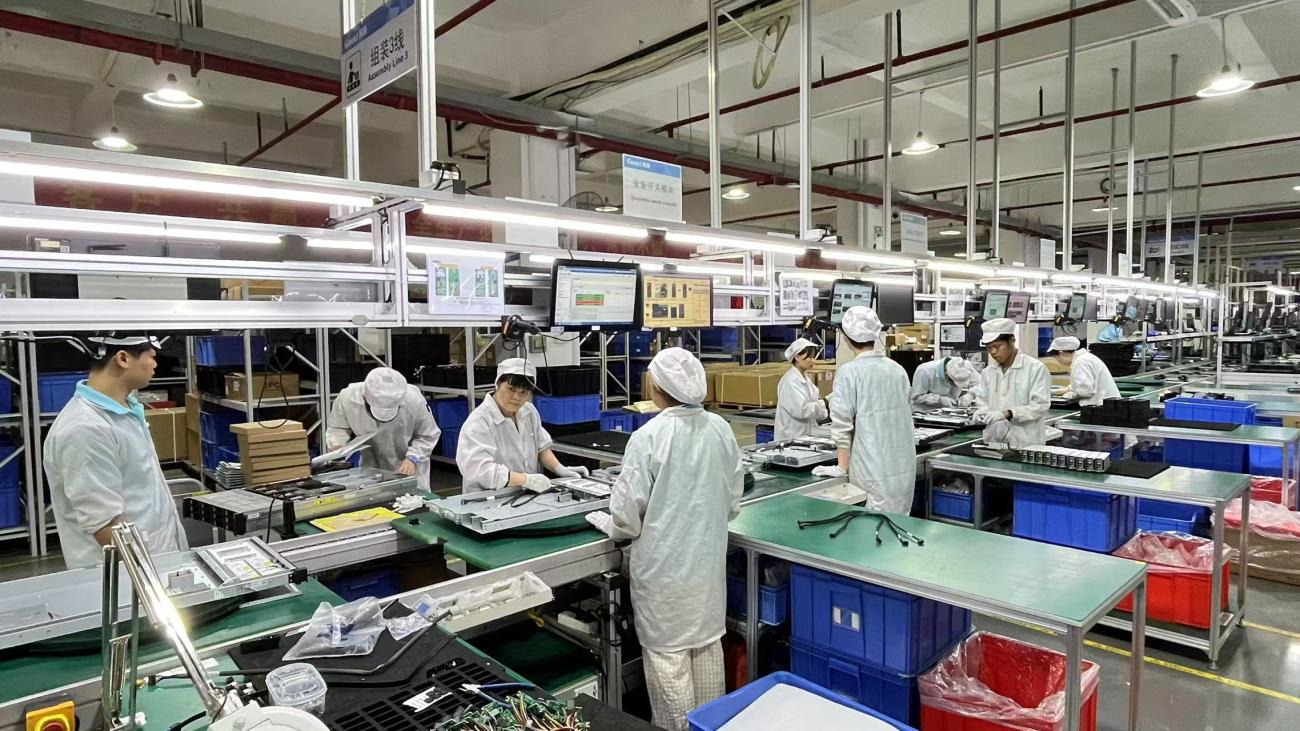
Located in Shenzhen, China, Veltron operates a modern manufacturing facility covering over 3,800 square meters, equipped with advanced assembly lines, testing laboratories, and quality control systems. With years of expertise in the intelligent computing industry, we have built a strong reputation for delivering high-performance server solutions that meet the evolving demands of global customers. Our annual export revenue exceeds USD 18 million, serving customers across North America, Europe, Southeast Asia, the Middle East, and South America.
Backed by 8 years of export experience and 14 years of industry expertise, Veltron has successfully supported hundreds of projects in AI infrastructure, cloud platforms, enterprise computing, and edge data centers. Quality is at the core of everything we do. We implement a comprehensive quality management system with 56 professional quality control personnel overseeing every stage of production.
Bridging geographical requirements through optimized rendering pipelines and specialized server nodes.
In aerospace training centers across the US and Canada, pilot cadets undergo flight simulations in VR cabins requiring real-time photorealistic optical rendering. By positioning localized GPU server arrays at training centers, operators ensure sub-15ms latency between tracking input and the display output, maintaining system stability without relying on external public clouds.
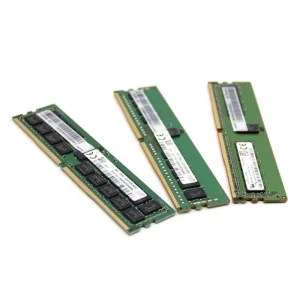
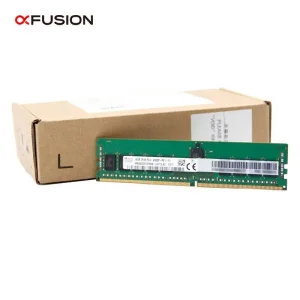
European automotive designers use VR rooms to collaborate simultaneously on complex 3D vehicle designs. These setups demand high bandwidth and large memory arrays (using RDIMM server memory) to process CAD models with billions of polygons, streaming updates in real time to secure headsets across multiple regional design hubs.
Large infrastructure projects in the GCC region require immersive visual twin renderings. These deployments utilize edge-computing servers in regional data centers to process high-resolution GIS map data and dynamic simulation parameters, projecting virtual environments onto headwear for engineers checking physical structural sites.
The technological convergence shaping next-generation virtual environments.
Phase 1: Real-time Neural Rendering
AI algorithms running on GPU clusters will automatically generate realistic 3D textures and environmental assets using neural radiance fields (NeRFs), cutting manual 3D modeling time in half.
Phase 2: Untethered High-Bandwidth Interfaces
Adoption of Wi-Fi 7 wireless routers linking local compute hardware directly to individual headsets, eliminating cables while supporting high refresh rate data flows.
Phase 3: Omnipresent Global Edge Compute
Wide deployment of regional GPU rendering containers near metropolitan networks, delivering scalable, high-fidelity spatial computing directly to mobile headsets via 5G/6G interfaces.
Why Shenzhen remains the center of spatial computing hardware manufacturing.
Shenzhen, China houses the most integrated electronics ecosystem globally. This geographic clustering allows VR hardware and server manufacturers to design, source, prototype, and manufacture computing platforms in record time. Components that might take weeks to source in other parts of the world are sourced, tested, and integrated within days in the Pearl River Delta.
For high-performance server construction, this means having direct pathways to high-grade sheet metal fabricators, power supply unit (PSU) designers, dynamic memory module manufacturers, and advanced PCB fabricators. Veltron leverages this proximity to maintain stability across raw material shortages, providing customers with consistent quality, short leads, and cost-effective shipping paths through global logistical networks.
Ensuring hardware longevity, safety approvals, and global reliability.
Exporting global computing equipment requires meeting strict regulatory standards. All hardware systems must carry CE, FCC, RoHS, and UL safety certifications to guarantee electrical efficiency, electromagnetic compatibility, and non-hazardous materials configuration.
Enterprise requirements differ drastically. Veltron provides complete ODM/OEM configuration paths, covering custom chassis sizes, specific hardware configurations (RAM/GPU layouts), localized BIOS parameters, and company brand options.
Critical VR rendering grids require fast hardware resolutions. Support protocols must include replacement parts delivery, remote network assistance, and structural diagrams to ensure minimum downtime for active computational nodes.
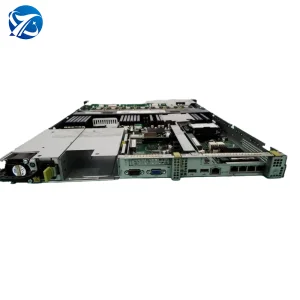
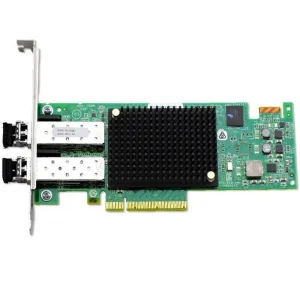
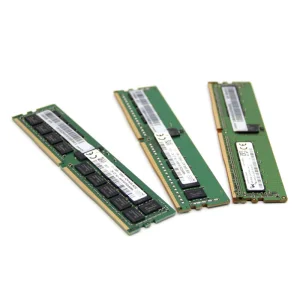
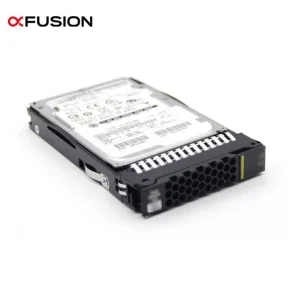
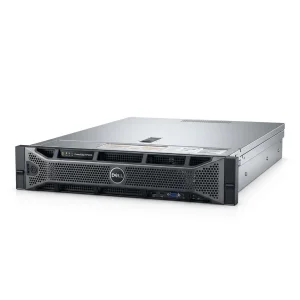
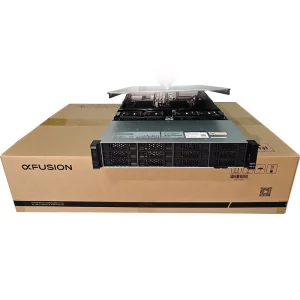
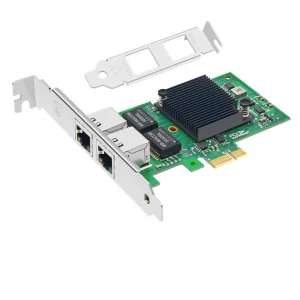
Explore additional systems and networking modules designed to support high-performance enterprise workloads.
Step inside our ISO-certified Shenzhen factory and advanced testing laboratory rooms.
Quality is at the core of everything we do. We implement a comprehensive quality management system with 56 professional quality control personnel overseeing every stage of production. All products undergo strict reliability testing, performance validation, thermal testing, burn-in testing, and final inspection before shipment to ensure exceptional product stability and long-term performance.

Answers to critical questions regarding Virtual Reality hardware pipelines, infrastructure, and factory sourcing.