Veltron
Veltron
Veltron
Decoding the physical infrastructure powering global real-time interactive business networks.
The global Unified Communication (UC) sector has experienced a profound structural evolution. Modern collaboration architectures have shifted from legacy local Private Branch Exchange (PBX) telephony networks to hyper-converged, AI-optimized cloud software systems. Today, enterprise environments depend on seamless multi-channel channels including voice, high-definition videoconferencing, interactive persistent messaging, and real-time document co-authoring. These intensive workloads demand robust, low-latency background computation architecture.
This dynamic software ecosystems requires a physical infrastructure layer capable of managing complex data streams without failure. Modern enterprise software (such as Zoom, Microsoft Teams, Cisco Webex, and VoIP routing backbones) does not operate in a vacuum. It relies heavily on high-density datacenter systems, dynamic GPU storage arrays, and low-latency network interface layers configured directly within hyper-scale data centers. As real-time AI tools like transcription, live translation, and predictive sentiment analytics integrate directly into video calls, the demand for enterprise computing infrastructure has grown exponentially.
Consequently, the distinction between a software provider and a hardware supplier has blurred. Leading global enterprises recognize that system performance is directly limited by hardware capabilities. Purchasing managers must identify capable OEM/ODM hardware manufacturers capable of supplying high-density server architectures, deep storage arrays, and flexible networking nodes. This report explores the core elements that distinguish top-tier manufacturing hubs and exporters globally, with a focus on manufacturing clusters in China that enable competitive global procurement strategies.
Key architectural directions reshaping how global enterprises scale their processing environments.
Real-time translation, dynamic noise suppression, and automatic summary Generation require massive parallel computational throughput. Integrating GPU storage units and high-speed memory modules directly into the server racks ensures processing latency remains below 10 milliseconds.
Modern enterprises run hybrid infrastructures, maintaining localized hardware arrays for secure internal communications while bursting to the public cloud for customer-facing applications. This requires highly compatible rack configurations optimized for virtualization layers like VMware and OpenStack.
As remote work becomes standard, edge gateways must inspect, authenticate, and encrypt every audio and video packet. Hardware-level security protocols, secured by modern CPU TPM modules and cryptographic RAM, form the foundation of this secure architecture.
Why modern hardware enterprises select Chinese electronics manufacturing hubs for rapid OEM/ODM deployment.
China's dominance in electronic manufacturing extends beyond scale; it is rooted in deep integration. The manufacturing ecosystem in industrial centers like Shenzhen enables components to be sourced, assembled, validated, and packaged within a highly concentrated geographic area. This level of clustering reduces material transit times, minimizes production delays, and enables rapid iteration of server chassis designs.
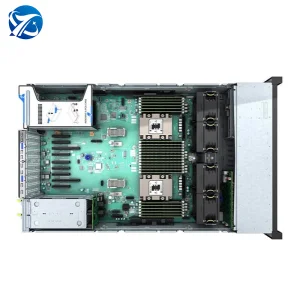
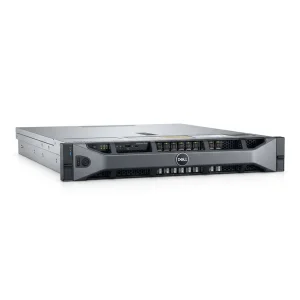
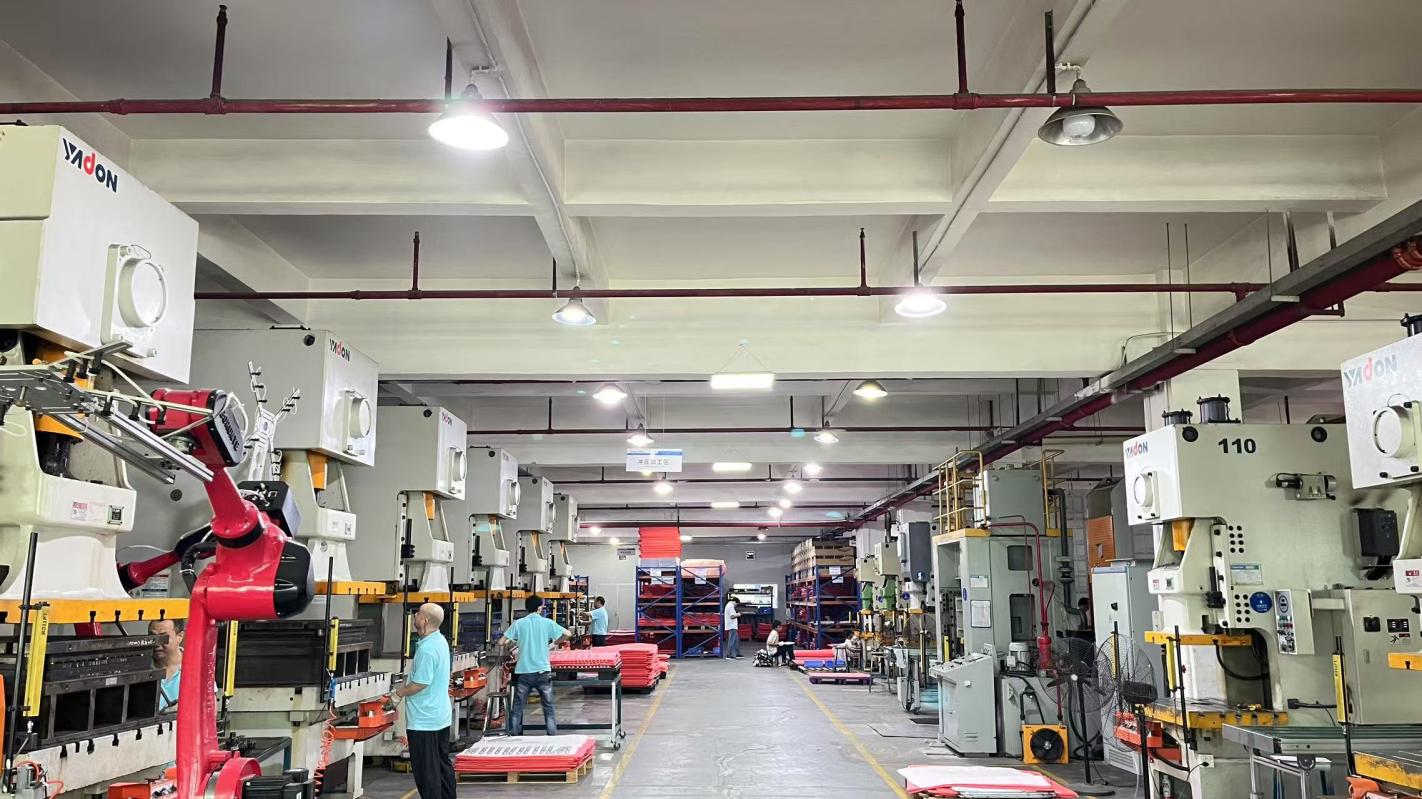
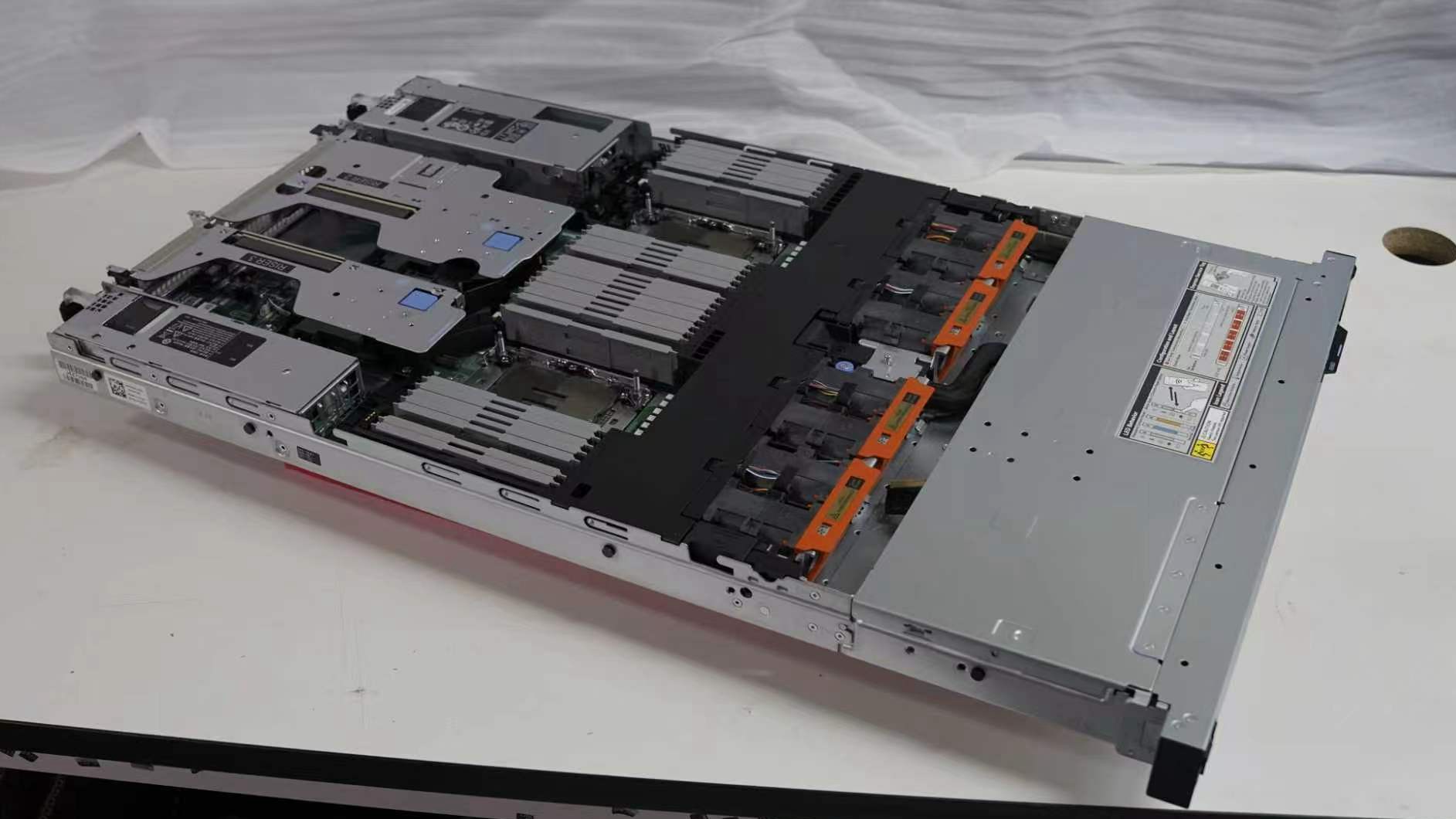
Additionally, Chinese factories have adopted advanced automation and digital quality systems. Manufacturers utilize automated optical inspection (AOI) lines, dynamic thermal validation chambers, and robotic soldering systems. These investments ensure that complex computing systems—such as high-density GPU accelerators or 1U/2U server nodes—are built to exact tolerances. For international organizations requiring customized branding, firmware configurations, or specialized BIOS parameters, these factories offer flexible engineering pipelines that scale from pilot production runs to high-volume outputs.
A case study in high-precision server fabrication, testing, and worldwide logistics execution.
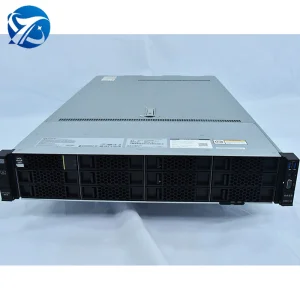
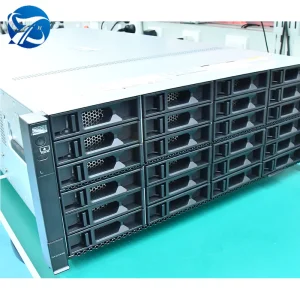
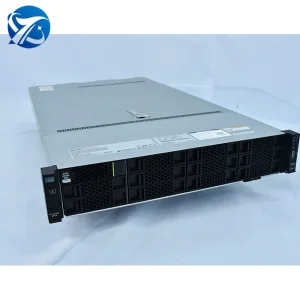
Veltron Computing Technology Co., Ltd. is a professional manufacturer and global supplier of GPU servers, AI computing systems, and high-performance server solutions. Established in 2016, Veltron is dedicated to delivering reliable, scalable, and innovative computing infrastructure for AI training, machine learning, cloud computing, data centers, scientific research, and enterprise applications worldwide.
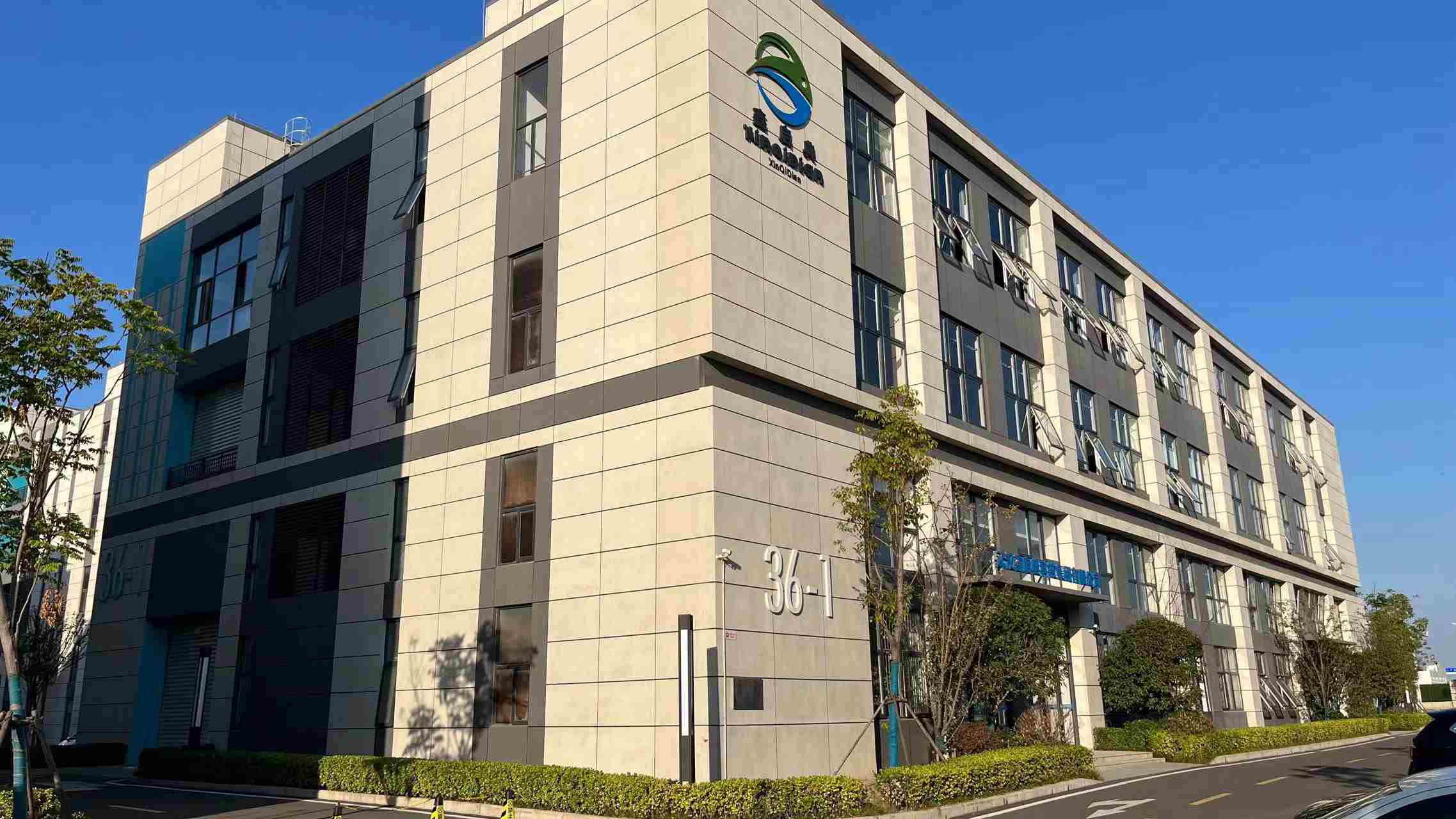
Located in Shenzhen, China, Veltron operates a modern manufacturing facility covering over 3,800 square meters, equipped with advanced assembly lines, testing laboratories, and quality control systems. With years of expertise in the intelligent computing industry, we have built a strong reputation for delivering high-performance server solutions that meet the evolving demands of global customers. Our annual export revenue exceeds USD 18 million, serving customers across North America, Europe, Southeast Asia, the Middle East, and South America. Backed by 8 years of export experience and 14 years of industry expertise, Veltron has successfully supported hundreds of projects in AI infrastructure, cloud platforms, enterprise computing, and edge data centers.
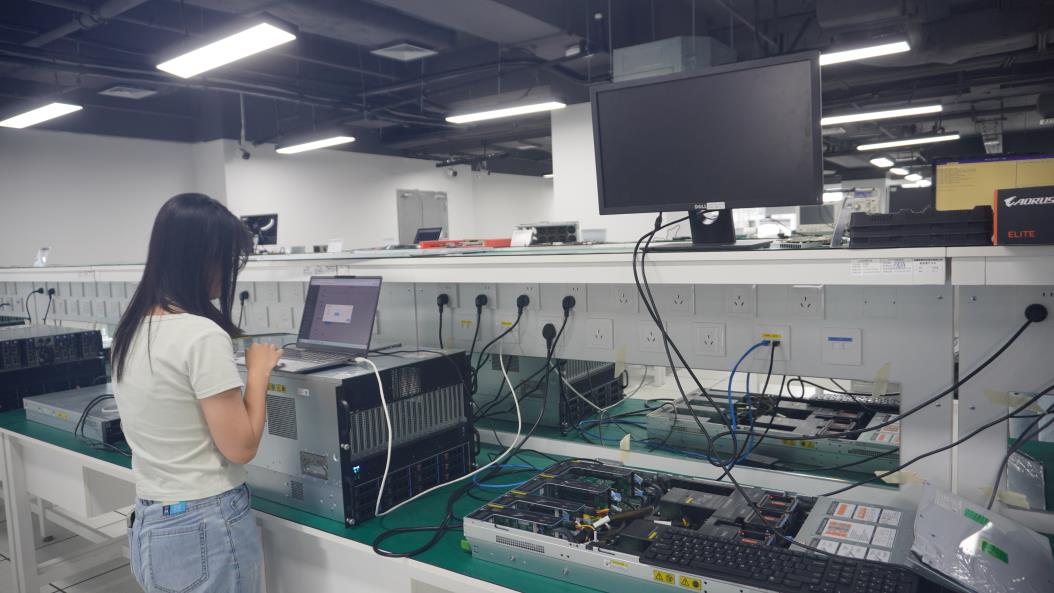
Quality is at the core of everything we do. We implement a comprehensive quality management system with 56 professional quality control personnel overseeing every stage of production. All products undergo strict reliability testing, performance validation, thermal testing, burn-in testing, and final inspection before shipment to ensure exceptional product stability and long-term performance.
Veltron maintains strategic partnerships with more than 1,200 supply chain partners, enabling efficient sourcing, stable production capacity, and rapid delivery for customers worldwide. Our primary customers include system integrators, cloud service providers, AI solution providers, data center operators, distributors, and enterprise IT infrastructure companies.
Innovation drives our growth. Our dedicated R&D center consists of 168 experienced engineers specializing in server architecture, GPU integration, thermal management, intelligent computing platforms, and customized hardware solutions. With strong OEM and ODM capabilities, we offer flexible customization options including chassis design, hardware configuration, branding, firmware optimization, and application-specific solutions. Every year, Veltron launches more than 85 new products and solution upgrades.
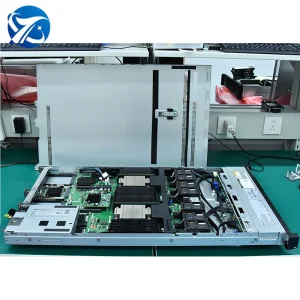
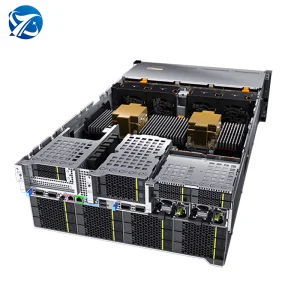
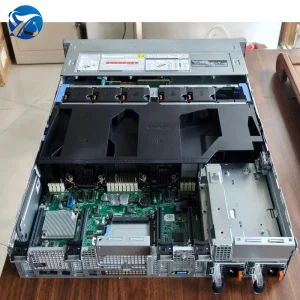
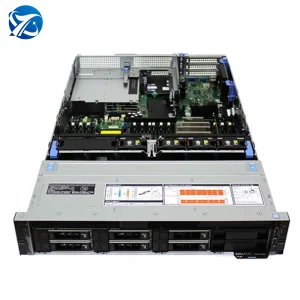
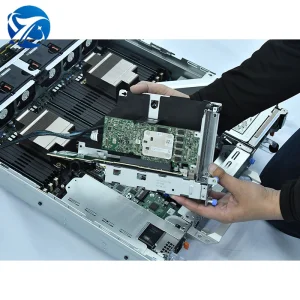
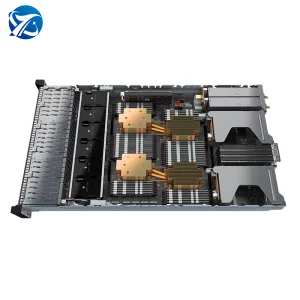
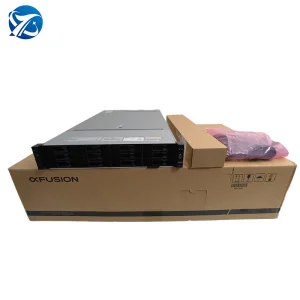
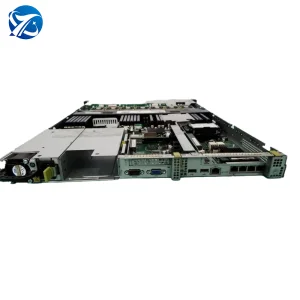
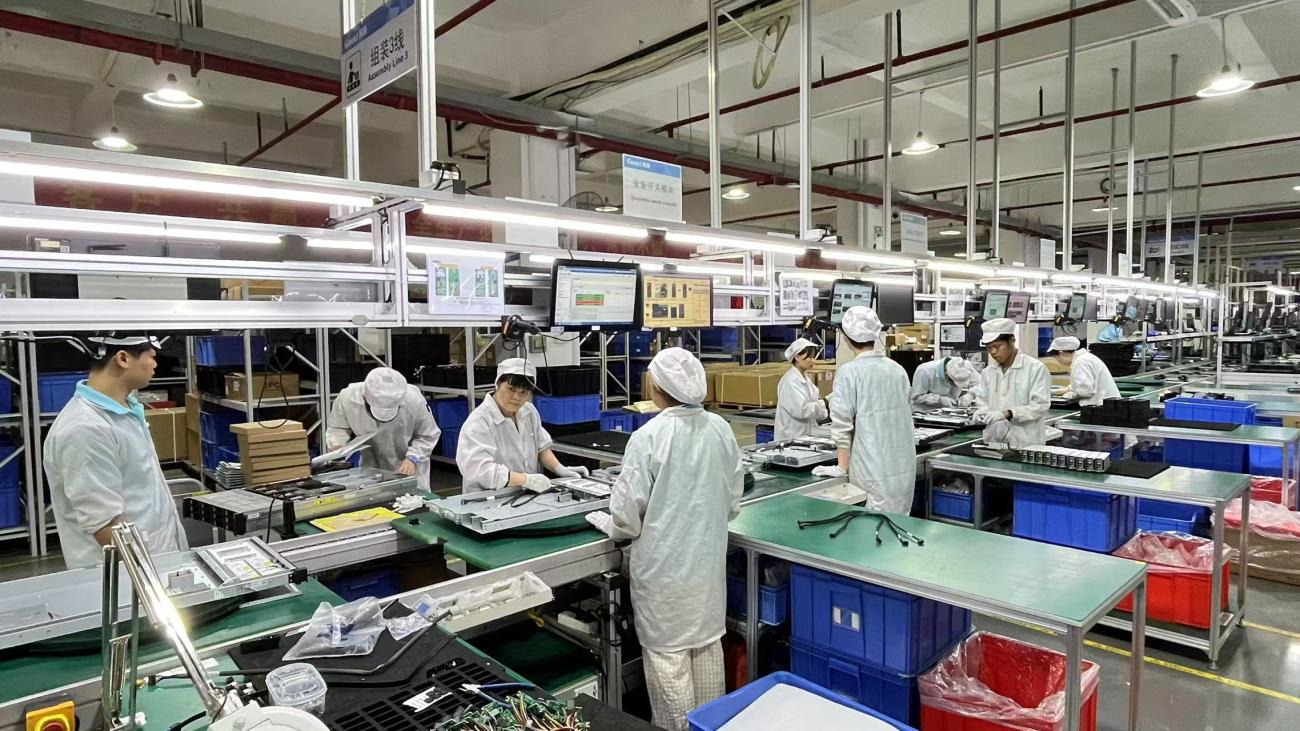
Below is an inside look at our advanced manufacturing lines, quality testing chambers, and global assembly floor in Shenzhen:

Understanding where high-performance collaboration computing nodes are deployed in modern industry.
Organizations rely on internal chat architectures, unified screen-sharing solutions, and continuous VoIP links. Utilizing 1U and 2U rack servers on-premises helps secure communication logs, reduces external data dependencies, and protects sensitive IP.
Telehealth platforms require reliable, real-time video connections to support diagnostics. Deploying high-performance GPU servers ensures lag-free clinical feeds, while secure local databases help maintain compliance with patient privacy regulations.
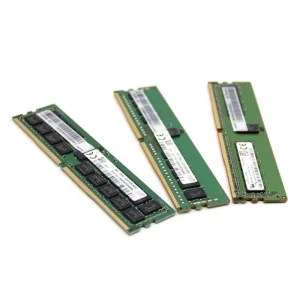
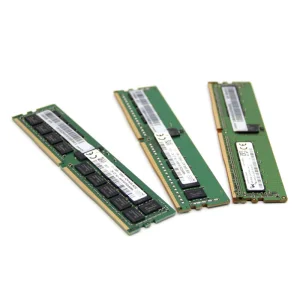
Financial firms use real-time analytics to protect transactions. Compute clusters with high-density DDR4/DDR5 RAM help process dynamic market data, routing live metrics to trader desks and support systems without latency.
Essential validation steps for technical procurement teams assessing offshore manufacturing lines.
When procurement managers purchase computing hardware, assessing unit price alone is insufficient. High-capacity computing hardware requires rigorous technical vetting to ensure long-term reliability and compatibility with complex software stacks. Below is a checklist for evaluating suppliers:
By establishing clear baseline criteria and verifying technical capabilities beforehand, purchasing managers can establish reliable hardware relationships that support their software deployment goals.
Addressing the common questions raised by procurement managers and infrastructure architects.