Veltron
Veltron
Veltron
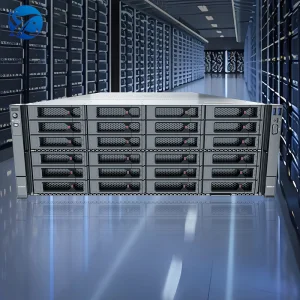
Engineered for GPU-accelerated workloads, mission-critical databases, and hyperconverged virtualization.
A strategic evaluation of on-premises hardware, total cost of ownership (TCO) trajectories, and data compliance mandates.
In the contemporary enterprise landscape, the migration trajectory of corporate compute workloads is undergoing a significant paradigm shift. While the public cloud offered unprecedented elasticity over the past decade, modern operations are encountering critical bottlenecks. Factors such as spiraling outbound bandwidth fees, unpredictable subscription costs, strict data sovereignty laws (such as GDPR in Europe and FZ-152 in Russia), and the massive compute requirements of local LLM inference engines (e.g., DeepSeek models) have driven a resurgence in private cloud infrastructure. Modern on-premises clusters built on high-density architecture offer lower latency, optimized physical space utilization, and superior data governance.
Choosing the correct private cloud hardware manufacturer and exporter is a long-term capital expenditure investment. The decision demands careful evaluation of a vendor’s manufacturing capacity, technological roadmap, supply chain stability, and validation processes. Whether deploying refurbished tier-1 servers for high-availability database hosting or state-of-the-art GPU-accelerated computing nodes, the reliability of the physical bare metal is the ultimate determinant of service-level agreement (SLA) success.
Fulfill stringent national regulations (e.g., HIPAA, GDPR, and localized SQL hosting in Russia) by maintaining physical ownership of storage media and database operations.
Run deep-learning applications and LLMs like DeepSeek without astronomical monthly API fees or data transmission overheads on third-party cloud instances.
Eliminate "noisy neighbor" compute problems by provisioning dedicated CPU resources, bare-metal high-speed RAM, and local hardware RAID configurations.
A comparative synthesis of the primary hardware vendors powering the world's distributed private datacenters.
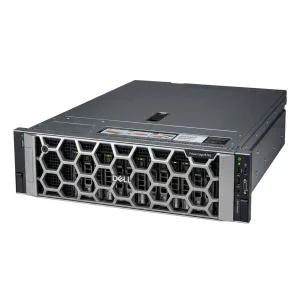
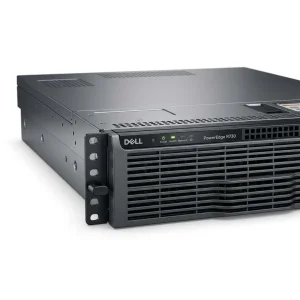
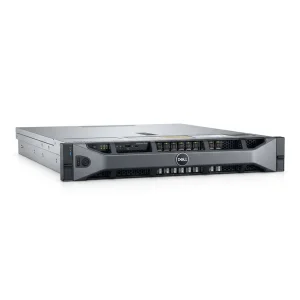
As the undisputed titan of enterprise-level hardware computing, Dell Technologies continues to define server design standards through the PowerEdge portfolio. Renowned for its modular architecture, robust Remote Access Controller (iDRAC), and high availability, Dell is favored by financial institutions and government entities. Their enterprise 1U and 2U rack servers (such as the R660 and the workhorse R740 series) are highly valued in both new and refurbished markets for their resilience and compatibility with virtualization platforms like VMware vSphere and Proxmox VE.
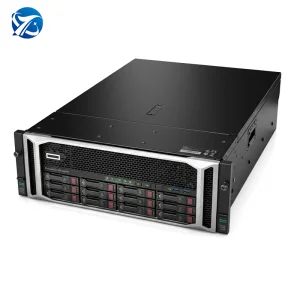
Hewlett Packard Enterprise dominates high-density datacenter infrastructure with the ProLiant and Synergy systems. Leveraging advanced management software (HPE iLO) and silicon root of trust security firmware, HPE servers like the DL380 Gen12 represent the vanguard of mission-critical corporate computing. Their solutions prioritize thermal efficiency and flexible chassis configurations, catering to complex hybrid and private cloud setups with extensive multi-year warranties.
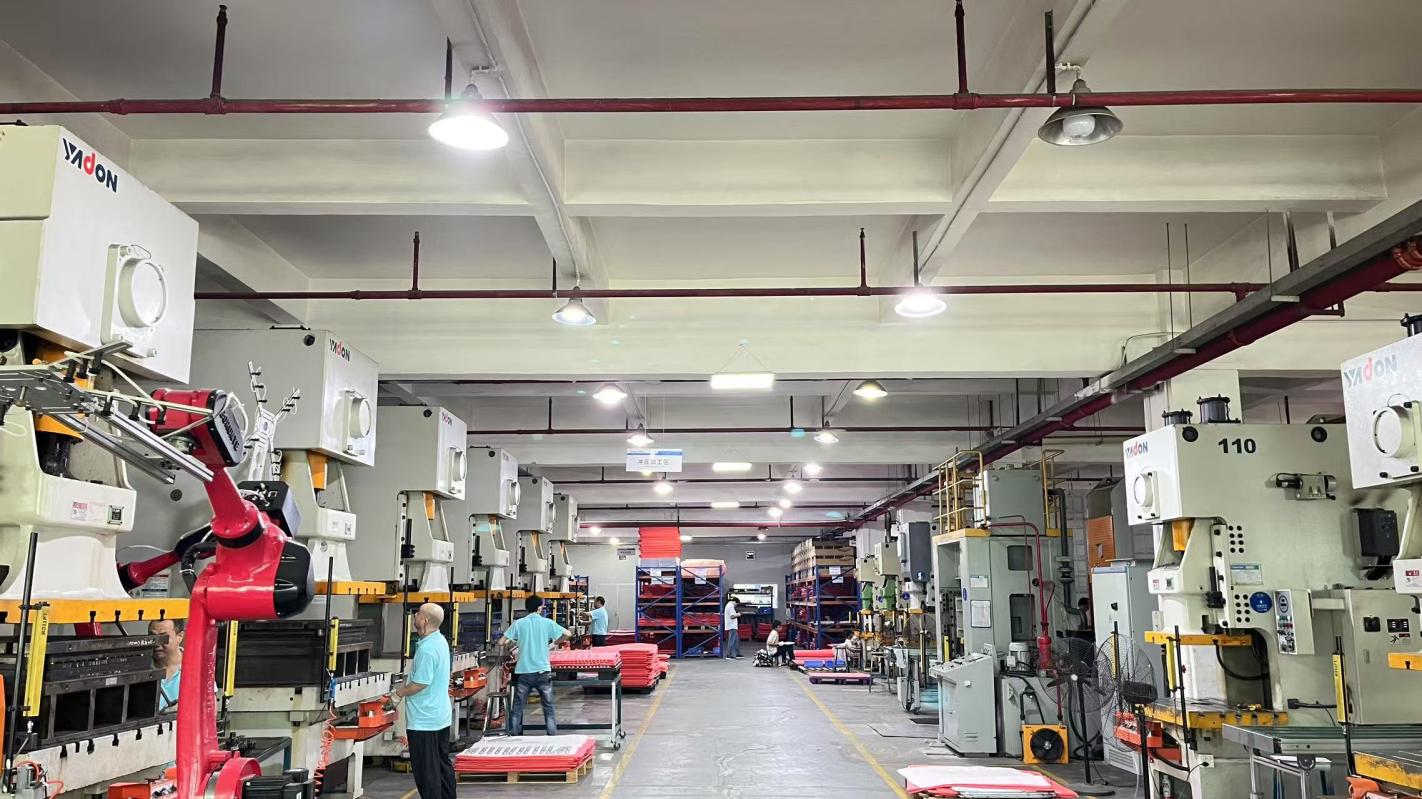
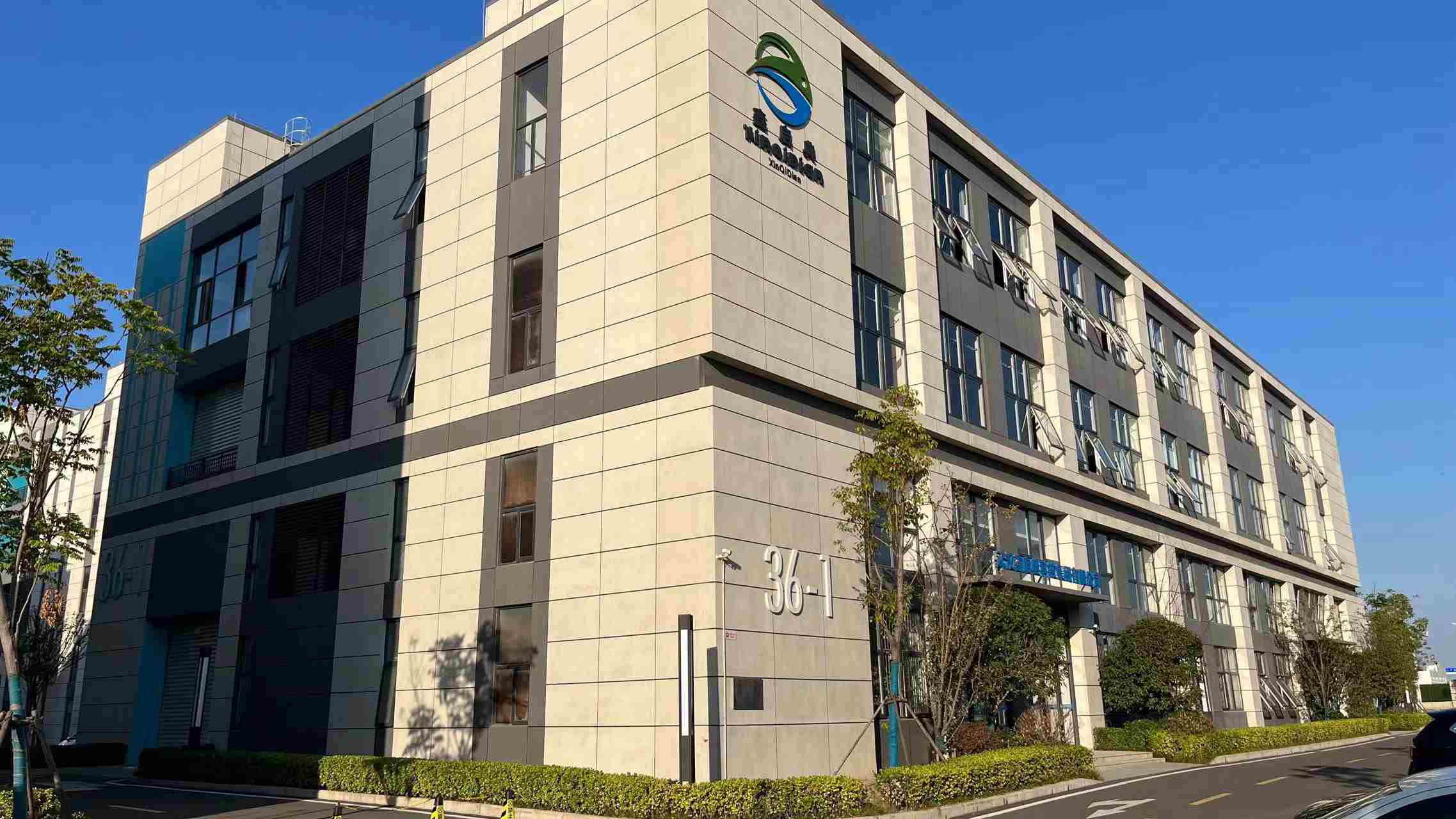
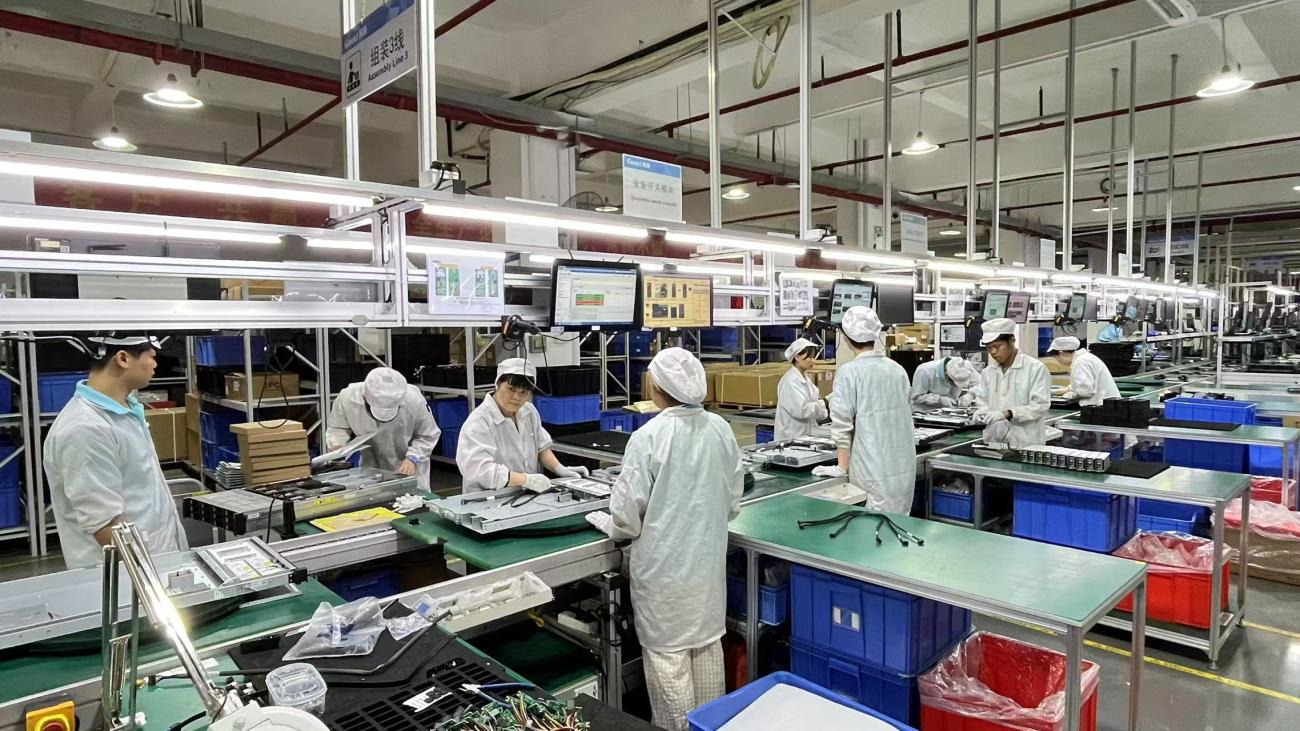
Established in 2016 in Shenzhen, China, Veltron Computing Technology Co., Ltd. is a high-growth manufacturer of custom GPU servers, specialized AI computing platforms, and hyper-scalable enterprise servers. With a modern 3,800+ square meter assembly and validation facility and a robust network of over 1,200 supply chain partners, Veltron fills the crucial industry niche for highly customized bare-metal compute. Veltron’s R&D wing features 168 engineers specializing in bespoke chassis layout, customized thermal validation, and application-specific BIOS/firmware optimization. Annually launching over 85 new products, they export more than USD 18 million in hardware globally. Veltron stands out for providing massive performance advantages and custom configurations at highly competitive price-to-performance ratios, backed by a rigorous 56-person Quality Control system.
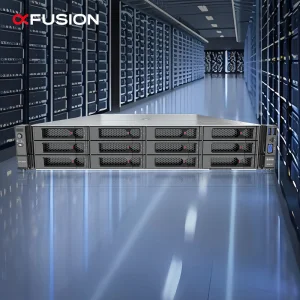
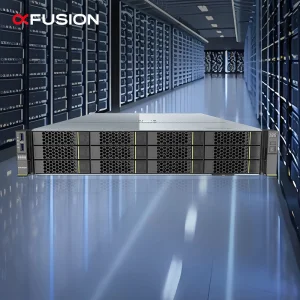
Originating from a legacy of telecom-grade server design, xFusion has emerged as a premier independent manufacturer of enterprise servers. The FusionServer line (including the 2288H and 2258 series) is designed to handle demanding multi-socket virtualization and massive storage arrays. xFusion is widely appreciated for its exceptional hardware stability, energy efficiency, and solid performance across both Intel Xeon and AMD EPYC platforms, making it a staple for large-scale enterprise deployments.
Leveraging the legacy of System x hardware, Lenovo’s ThinkSystem range represents one of the most reliable and performance-oriented portfolios in the x86 ecosystem. Lenovo excels in engineering balanced computing systems with high memory bandwidth and expansive I/O options. They are a frequent choice for private cloud deployments requiring dense virtualization, high-speed networking, and enterprise database engines.
Supermicro is a pioneer in green computing and high-density, custom-tailored server designs. Their building-block server architecture allows for unmatched flexibility in GPU server layouts, making them the preferred partner for deep learning deployment. Their liquid cooling technologies and multi-node systems are widely used by hyperscalers and dedicated private cloud service providers globally.
Inspur holds a dominant market share in massive-scale AI computing infrastructure. As an OEM supplier to some of the world's largest internet companies, Inspur’s server designs focus on scalability, Open Compute Project (OCP) standards, and rapid hardware deployment. Their hardware is designed for heavy cloud-native containers and large-scale parallel processing.
Huawei’s enterprise server systems are built to support dense cloud deployments and specialized telecommunications network nodes. Integrating their own chipsets and proprietary management controllers, Huawei offers highly secure and resilient enterprise hardware configurations for mission-critical databases and cloud container orchestration.
Widely known in consumer computing, Gigabyte has carved out a substantial share of the high-performance enterprise space. They focus heavily on GPU-accelerated computing nodes, offering a broad line of servers supporting NVIDIA, AMD, and Intel computing modules. Gigabyte is a favorite for research labs and high-performance computing (HPC) private cloud installations.
Cisco’s Unified Computing System (UCS) bridges the gap between compute, networking, and storage virtualization. UCS servers are engineered to integrate seamlessly with Cisco’s leading networking fabrics, allowing IT managers to manage compute profiles dynamically via software, reducing setup times for private cloud clusters.
Operating from the hardware capital of the world, Shenzhen, Veltron Computing Technology Co., Ltd. combines advanced engineering with the agility of China’s electronic manufacturing ecosystem.
By maintaining deep strategic alliances with over 1,200 component partners, Veltron is able to source raw components (from multi-layer PCBs and thermal heatsinks to specialized components like DDR4/DDR5 memories and array controller cards) quickly. This localized supply chain ecosystem ensures short production lead times and stable manufacturing throughput even amidst global logistics bottlenecks.
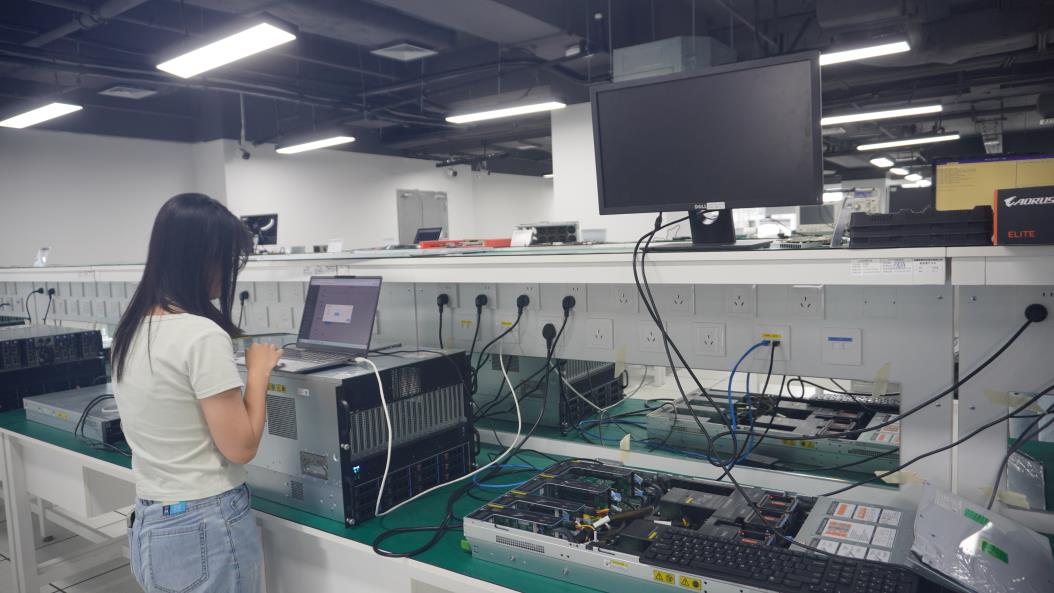
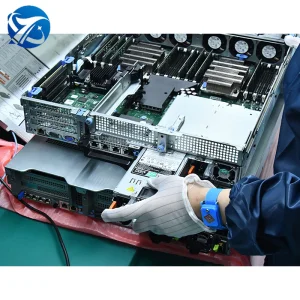
Every unit produced in Veltron’s 3,800+ square meter factory undergoes a multi-stage validation process. A dedicated team of 56 quality assurance professionals monitors automated test cycles, structural stress testing, thermal chamber runs, and complete system burn-in testing to ensure hardware reliability and a low infant mortality rate for deployed servers.
Tailoring compute resources to unique operational, regional, and vertical business challenges.
High-availability ERP systems require multi-socket computing architectures with vast physical RAM and advanced RAID controllers (e.g., XC470C-M-8i cards with 4GB cache). Deploying dedicated 4-socket configurations like the 2488H V5 ensures fast response times for inventory tracking, financial consolidation, and massive database queries.
Running localized open-source LLMs like DeepSeek requires massive parallel computational capability. Deploying specialized GPU server hardware (such as the FusionServer G5500 V7) on-premises allows businesses to run sensitive proprietary algorithms within their local network boundaries, avoiding public API latency and data exposure risks.
For regions with strict localization laws (such as Russian SQL hosting regulations or GDPR guidelines in the EU), organizations deploy secure private cloud architectures using cost-effective refurbished hardware (e.g., Dell R730 or R740 lines). This guarantees compliance with physical data residency requirements while managing capital expenses.
Navigating hardware advances, PCIe generations, memory standards, and cooling challenges.
The enterprise hardware ecosystem is moving toward denser computing configurations and optimized power utilization. Key developments include:
Exporting complex computing systems globally requires strict adherence to trade compliance frameworks, import duties, and strict quality control verification. Veltron maintains comprehensive certifications for international shipping, employing custom heavy-duty packaging with anti-static shielding and drop-cushioning configurations to prevent transit damage.
To ensure smooth global deployment, Veltron provides remote hardware configuration assistance, IPMI out-of-band diagnostic validation support, and flexible warranty structures (ranging from 1-year coverage on cost-effective components to 3-year full replacement agreements on high-performance enterprise lines). Their technical support team works alongside regional system integrators to resolve hardware issues quickly.
Critical purchasing and engineering questions addressed by infrastructure specialists.
A: Refurbished tier-1 servers (such as Dell PowerEdge R740 or R730) offer high reliability, mature IPMI platforms, and lower acquisition costs. They are well-suited for non-computational storage nodes, backup arrays, or SQL database hosting. Newly manufactured custom systems (such as Veltron's GPU models or xFusion's Gen12 systems) are designed for the high bandwidth, processing power, and thermal management required by modern workloads like AI inference and high-speed NVMe storage.
A: Hardware RAID controllers with integrated cache (such as 4GB cache models) offload RAID parity calculations from the system CPU. This ensures consistent disk performance and provides flash-backed cache protection, preventing data corruption during sudden power losses.
A: All hardware undergoes a multi-point quality check before export, including visual inspection, memory diagnostic tests, full system burn-in testing, drive read/write validation, and firmware updates. Systems are then secured in double-wall, shock-absorbing export packaging.
A: On-premises servers give organizations direct physical control over storage drives and user databases. This allows them to store and process data entirely within country borders, complying with regulations like Russia's FZ-152 or Europe's GDPR that restrict data transfers out of country.
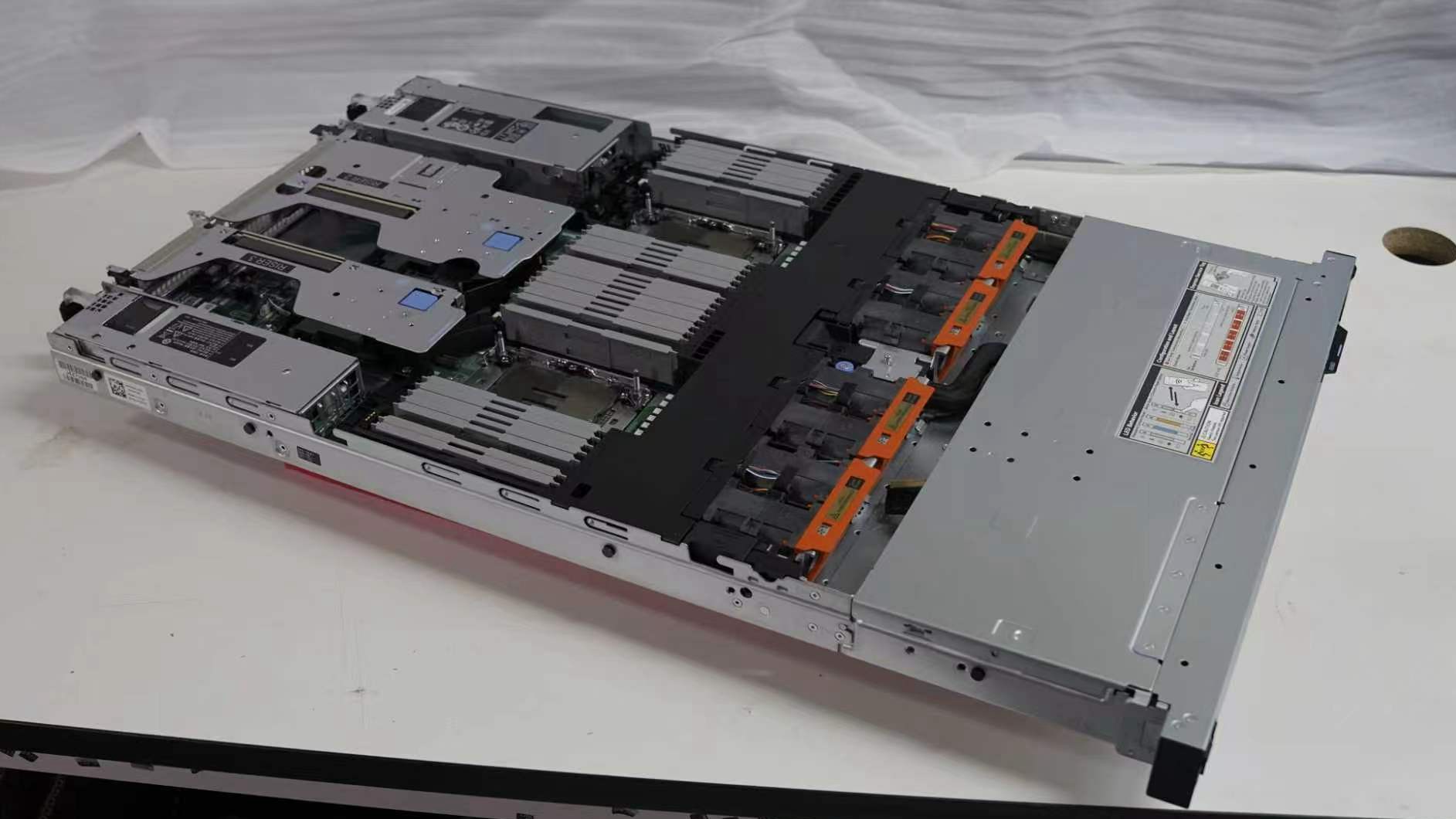
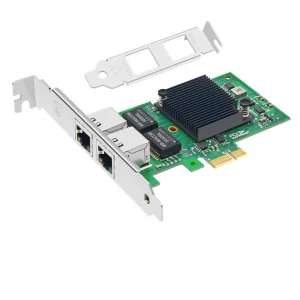
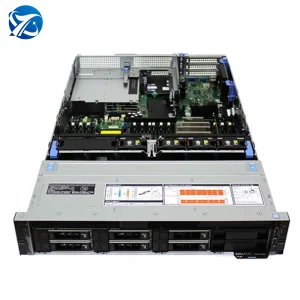
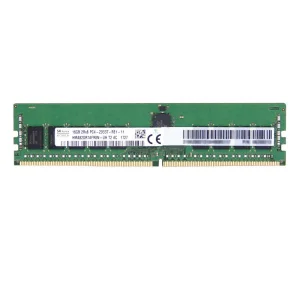
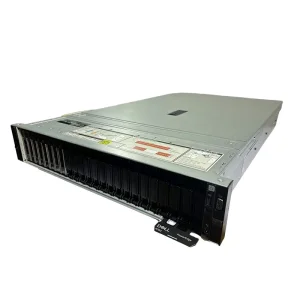
High-quality memory modules, array cards, and scalable node assemblies for immediate export dispatch.
A transparent look inside our Shenzhen-based electronics assembly and testing facilities.