Veltron
Veltron
Veltron
In the era of Artificial Intelligence (AI) and Machine Learning (ML), Network Attached Storage (NAS) has evolved from simple file-sharing boxes into sophisticated data management hubs. Global enterprises are no longer looking for just storage; they are seeking Information Gain—the ability to process, analyze, and store data at the edge with zero latency. The transition to "AI-Ready NAS" is driven by the need for high-throughput GPU integration and DeepSeek-optimized computing environments.
Manufacturers are now focusing on NVMe-over-Fabrics (NVMe-oF) and hybrid cloud architectures to bridge the gap between local speed and cloud scalability. For 2026, the industry is witnessing a massive shift toward 10Gbps+ standard networking and hardware-level encryption to meet stringent cybersecurity regulations.
Over 85% of Fortune 500 companies are upgrading to AI-integrated storage systems to handle LLM (Large Language Model) training data.
New PCIe 5.0 and DDR5 standards are becoming the baseline for enterprise NAS to eliminate data bottlenecks.
Shenzhen's unique ecosystem allows manufacturers like Veltron to source everything from PCB assemblies to precision chassis within a 50km radius, reducing lead times by 40% compared to global peers.
Chinese factories specialize in "Rapid Iteration." While Western counterparts take 18 months for a product cycle, Chinese engineers launch new solutions, such as DeepSeek-optimized GPU servers, in under 6 months.
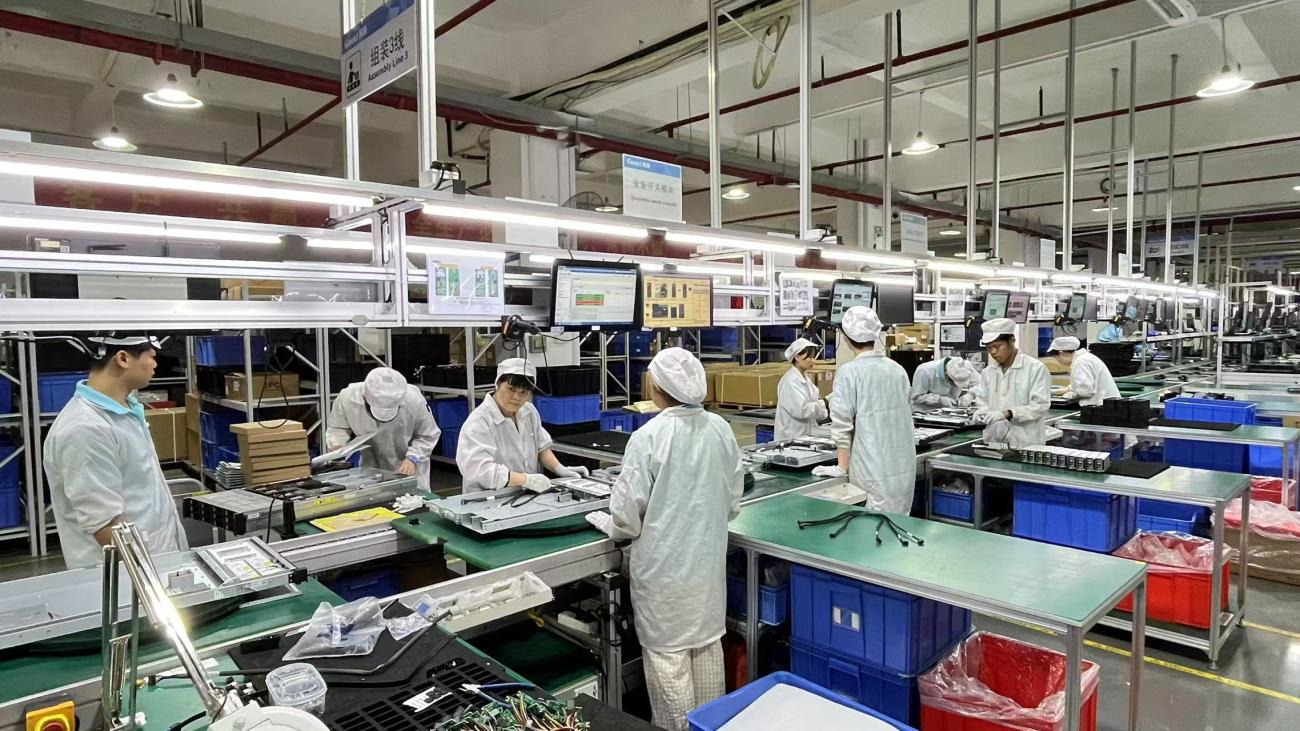
With automated assembly lines and thousands of strategic partners, factories can scale from prototype to 10,000 units per month seamlessly, meeting sudden global demand surges.
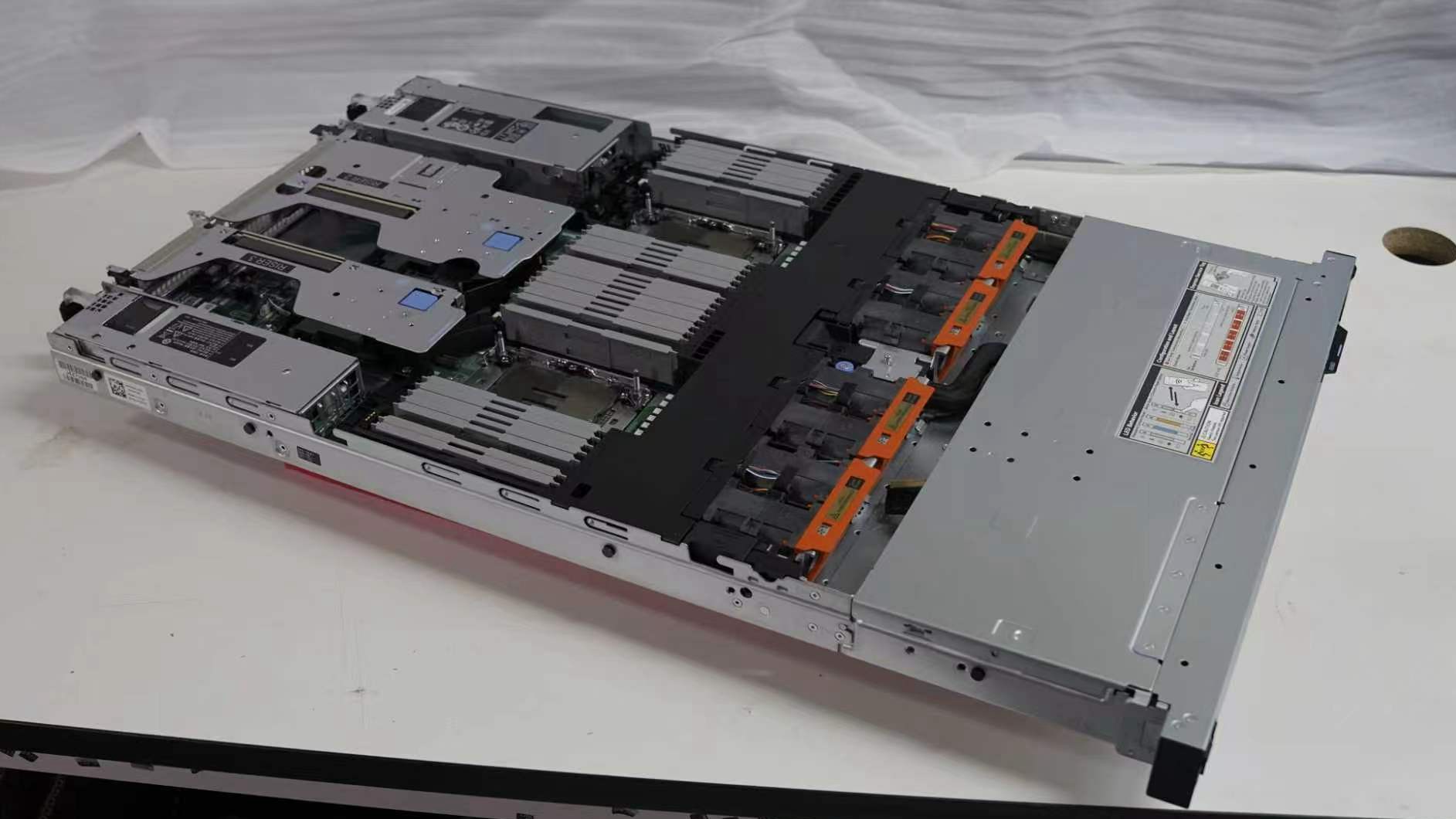
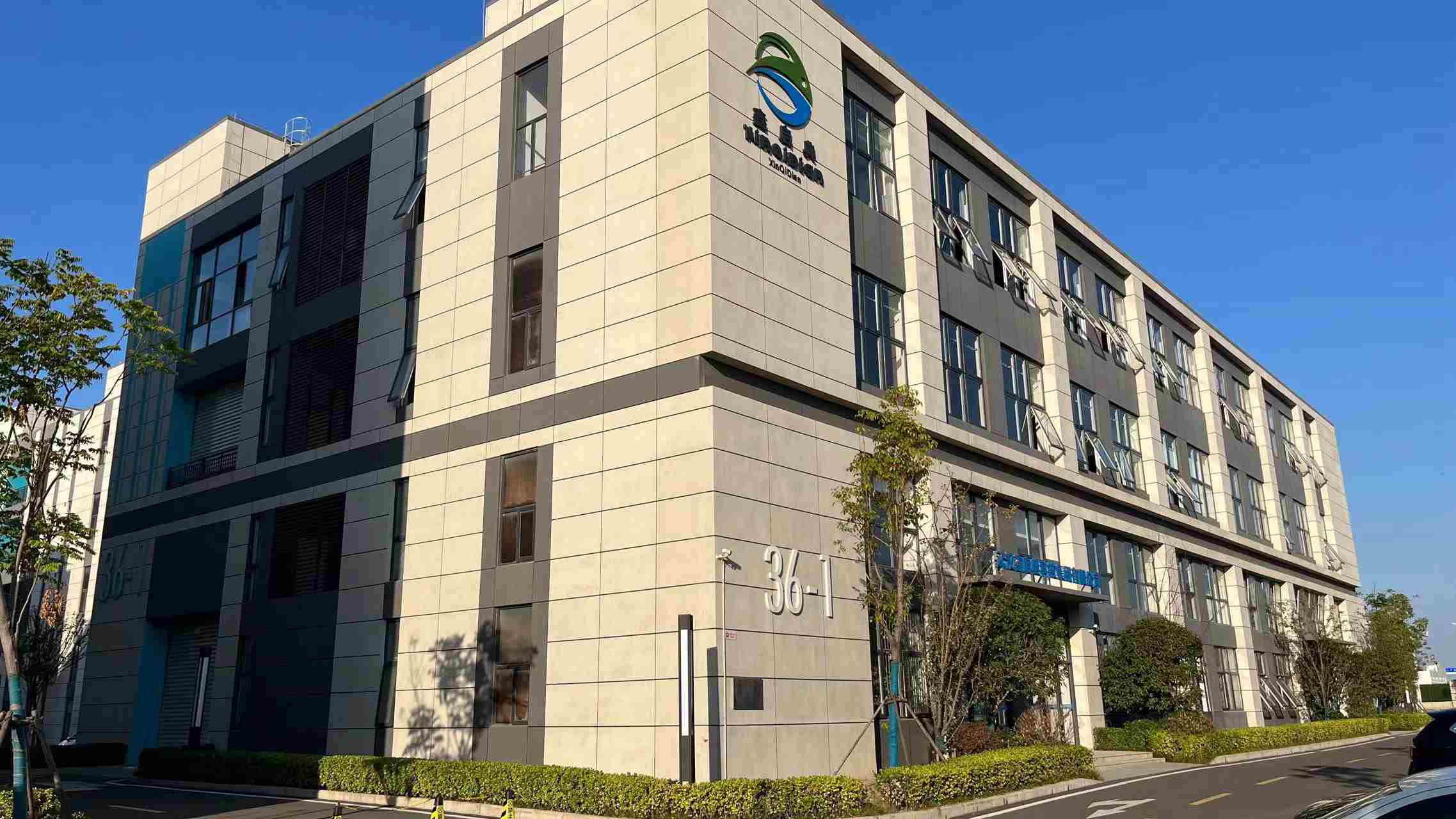
Veltron Computing Technology Co., Ltd. is a professional manufacturer and global supplier of GPU servers, AI computing systems, and high-performance server solutions. Established in 2016, Veltron is dedicated to delivering reliable, scalable, and innovative computing infrastructure for AI training, machine learning, cloud computing, data centers, scientific research, and enterprise applications worldwide.

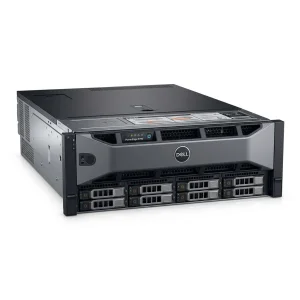
The gold standard for enterprise rackmount NAS. Known for the R760 series with Intel Sapphire Rapids, Dell dominates the high-end data center market with unrivaled reliability.
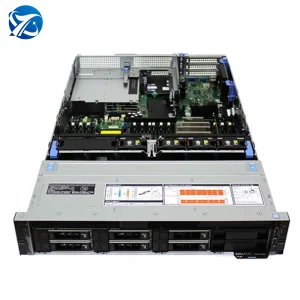
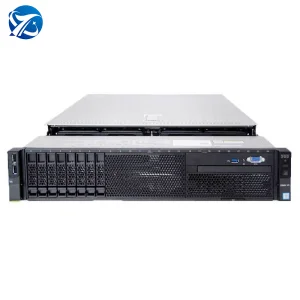
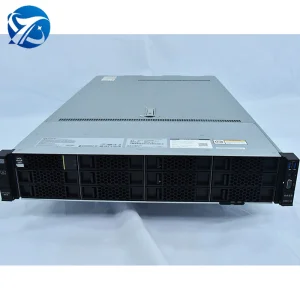
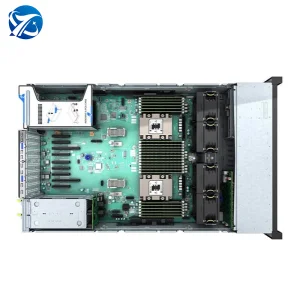
A powerhouse in intelligent computing, providing high-performance 2U servers like the 2288H V7, specifically designed for AI-heavy workloads and DeepSeek model deployment.
Focuses on GPU-intensive NAS and AI data servers. Their strength lies in OEM/ODM flexibility and integrated 4K video processing hardware.
The leader in user-friendly NAS OS (DSM). Synology is the go-to for SMBs and creative studios requiring seamless cloud-local synchronization.
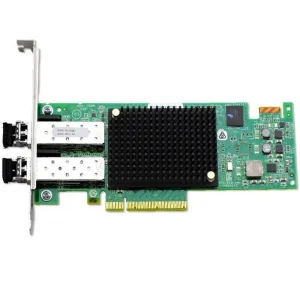
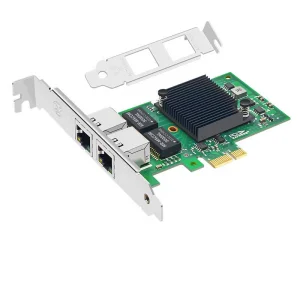
Innovators in hardware versatility, QNAP provides NAS units with multiple PCIe slots for GPU and 10GbE/25GbE expansion, ideal for virtualization.
Pioneers in "As-a-Service" storage with GreenLake, focusing on scalable enterprise storage that grows with business needs.
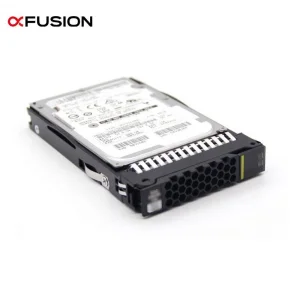
A vertically integrated manufacturer that controls the entire stack from the HDD/SSD to the NAS enclosure, ensuring component compatibility.
Specializes in hybrid cloud data services and ONTAP software, making them a top choice for massive-scale enterprise data management.
A leader in All-Flash NAS arrays, focusing on extreme IOPS and ultra-low latency for financial and telecommunication sectors.
An ASUS subsidiary focusing on high-speed consumer and enthusiast NAS, often being first-to-market with 2.5GbE and M.2 NVMe slots.
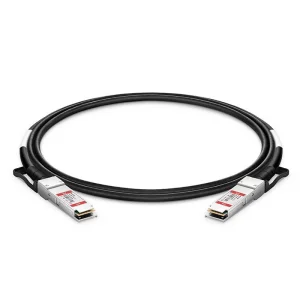
Modern film studios utilize high-performance NAS with 10Gbps Direct-attach cables (QSFP+) to enable real-time 8K editing across multiple workstations without frame drops.
PACS (Picture Archiving and Communication System) requires high-redundancy NAS for storing petabytes of MRI and CT scans with strict HIPAA-compliant encryption.
Factories and municipal hubs deploy NAS as central NVRs (Network Video Recorders) to manage thousands of AI-powered cameras for real-time safety monitoring.
With 256GB GPU RAM servers, enterprises are building private AI clusters on-premise to keep sensitive proprietary data off the public cloud.
Enterprises are moving toward architectures where sensitive "hot" data remains on-premise (NAS), while "cold" archival data is tiered to the cloud automatically.
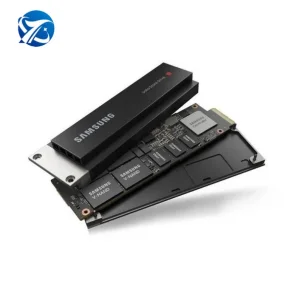
As Enterprise SSD prices (like Samsung PM893) stabilize, traditional HDDs are being phased out in favor of all-flash arrays for better durability and performance.
AI-driven predictive maintenance can now detect drive failure signatures before they happen, initiating automatic data migration to prevent downtime.
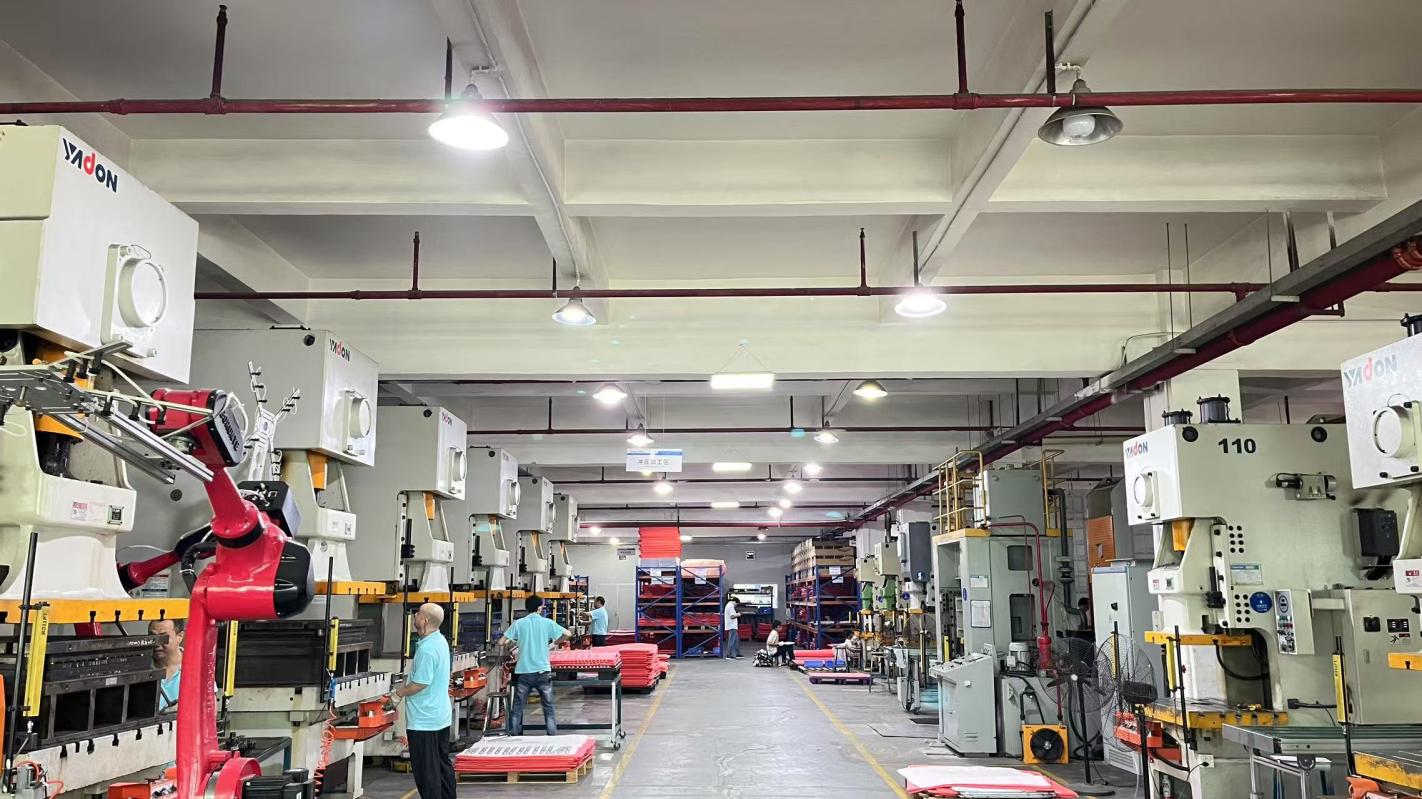
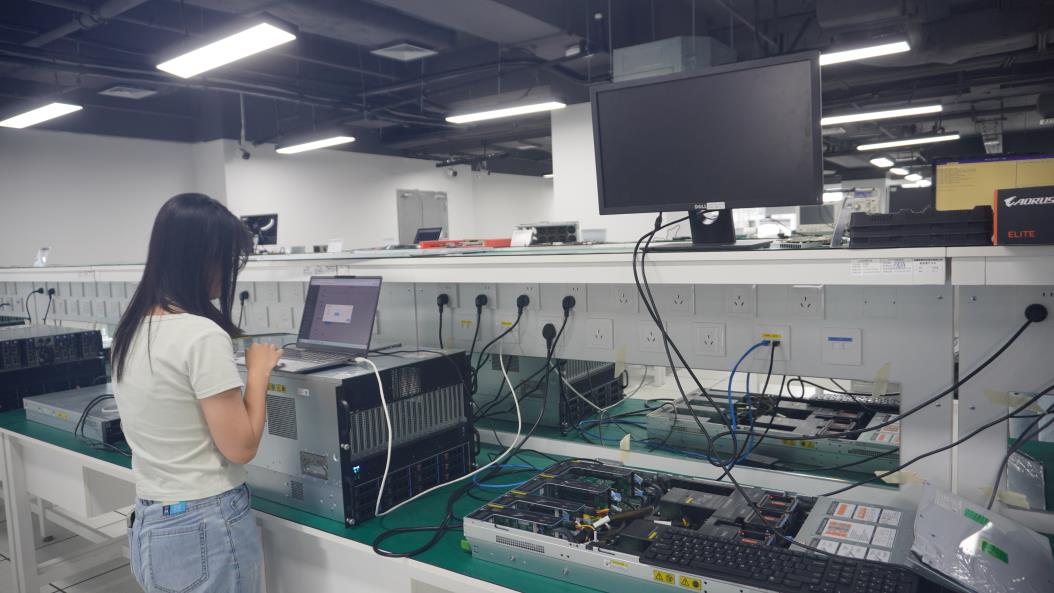
Quality is at the core of everything we do. We implement a comprehensive quality management system with 56 professional quality control personnel overseeing every stage of production. All products undergo strict reliability testing, performance validation, thermal testing, burn-in testing, and final inspection before shipment to ensure exceptional product stability and long-term performance.
Global buyers require CE, FCC, RoHS, and ISO certifications. Veltron ensures all AI servers and NAS units meet regional safety and environmental standards.
From custom chassis branding to specialized firmware optimization for DeepSeek or TensorFlow, procurement teams value flexibility above all.
With an annual export of $18M, we provide 24/7 technical support and global warranty services to ensure business continuity for our partners.