Veltron
Veltron
Veltron
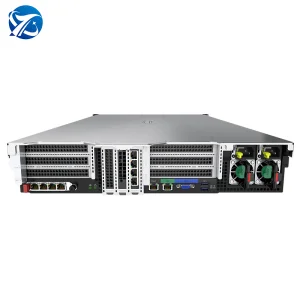
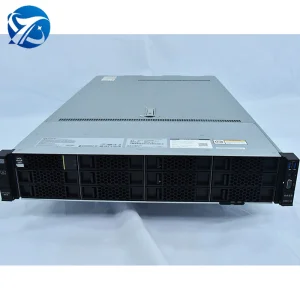
Enterprise computing is undergoing a structural transformation. Traditional CPU-centric general computing is rapidly being displaced by accelerated GPU architectures designed to handle parallel computational payloads.
From large language models (LLMs) like DeepSeek R1 to distributed scientific simulations, today's workloads require massive tensor processing capabilities. This seismic shift requires physical hardware infrastructures that can sustain high thermal design power (TDP), provide wide inter-GPU bandwidth, and maintain strict signal integrity across high-speed PCIe Gen 5 and Gen 6 interfaces.
Modern GPU architecture relies heavily on high-speed point-to-point interconnect networks (such as NVIDIA's NVLink or open standards like OAM - OCP Accelerator Module structures). Modern infrastructure design is no longer just about the silicon. It encompasses advanced thermal management, high-density power delivery, and low-latency storage interfaces like NVMe and SAS 12Gb/s.
Managing TDP levels up to 700W+ per GPU through liquid-to-air cooling loops, multi-zone static pressure fans, and custom heat dissipation paths.
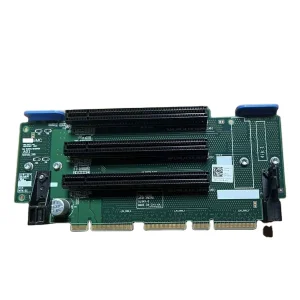
Optimizing PCB layout designs to minimize insertion loss across PCIe Gen 5 channels, utilizing premium components like the PM3YD Dell R740 Riser Board.
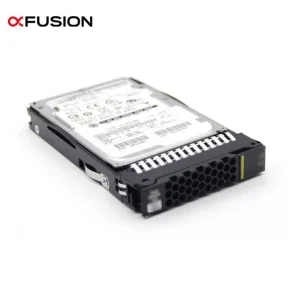
Utilizing high-speed SSDs such as Samsung's PM893 read-intensive enterprise storage to prevent I/O bottlenecks during massive model training stages.
This evaluation breaks down the global hardware leaders who define compute performance, system reliability, and customization in the enterprise market.
The architect of the modern AI revolution. NVIDIA does not merely supply chips; they design complete computing architectures (DGX systems) and software platforms (CUDA, TensorRT). Their proprietary NVLink networking technology sets the benchmark for inter-node communication, forming the core infrastructure for hyperscale cloud providers globally.
Known for their building-block architecture and rapid time-to-market. Supermicro specializes in high-density rackmount systems, pioneering liquid-cooling modules for massive data centers. Their systems feature versatile modular designs, letting enterprises configure custom storage, memory, and acceleration units.
Dell's PowerEdge servers, notably the R740 and R760 lineups, are the workhorses of corporate data centers. By utilizing custom riser cards (like the PM3YD PCIe 3.0/4.0 modules), Dell bridges legacy IT configurations with high-performance acceleration demands, supported by their comprehensive OpenManage suite.
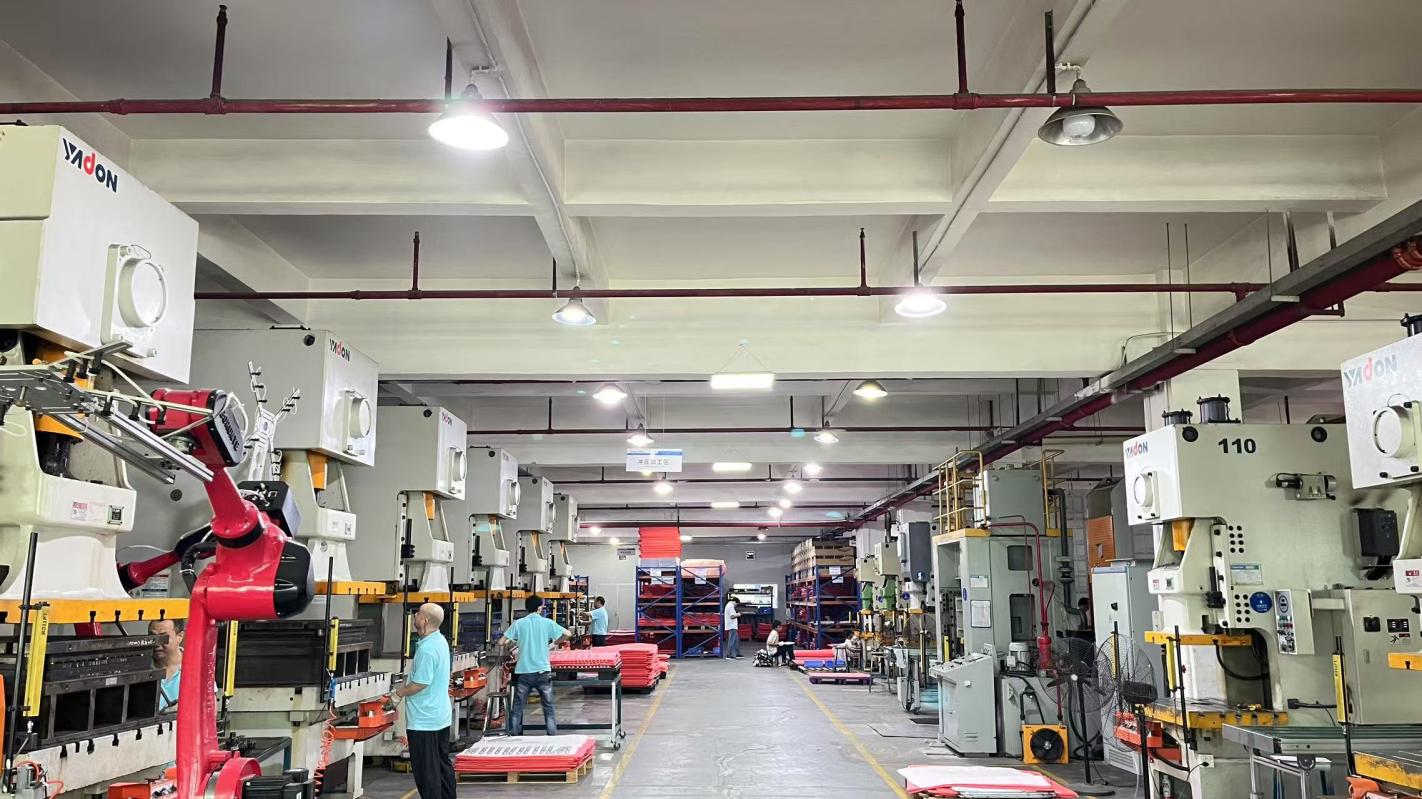
Established in 2016 and based in Shenzhen, Veltron is a specialized manufacturer and global supplier of GPU servers and custom AI computing systems. Operating a modern 3,800+ square meter factory, Veltron has carved out a vital role in providing flexible ODM/OEM services. Backed by 168 R&D engineers, Veltron bridges the gap between mass-market hardware and specialized enterprise application requirements, launching over 85 customized platform upgrades each year.
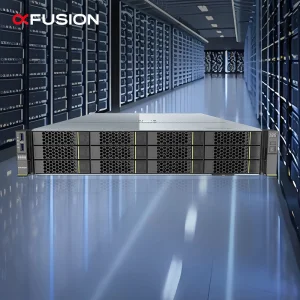
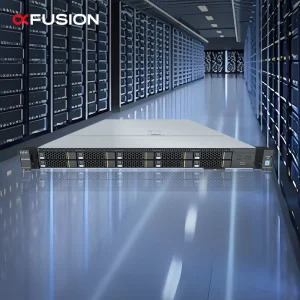
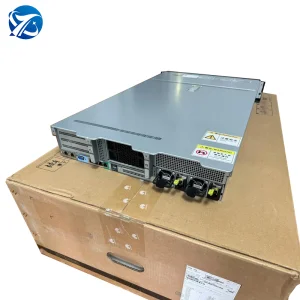
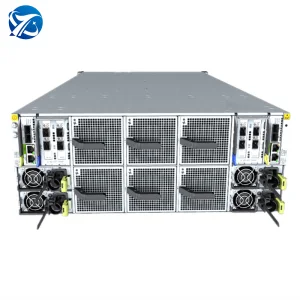
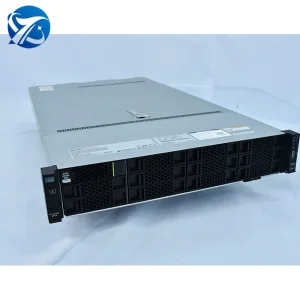
A key player in cloud computing systems, xFusion's FusionServer family (such as the 2288H V6 and G5500 V7 series) is designed for deep learning operations. Engineered for extreme efficiency, these platforms natively support high-speed DDR5 memory architecture, optimized for executing large-scale inference workloads like the DeepSeek R1 architecture.
HPE ProLiant servers offer deep GPU density, coupled with their GreenLake service platform. This enables hybrid cloud billing structures for hardware deployments, ensuring that compute operations scale organically in response to live inference and training requirements.
Inspur is a major global provider of hyperscale data center infrastructure, specializing in hyper-converged architectures and massive GPU nodes. Their products focus on maximum node count per rack, delivering cost-efficient scaling for large enterprise projects.
Lenovo's ThinkSystem servers feature Neptune direct-to-water cooling systems. This design draws heat away from critical system components, lowering operational costs and energy consumption in high-density HPC environments.
Highly regarded for their flexible barebone server architectures. Gigabyte manufactures custom motherboards and chassis that accommodate diverse card architectures, helping system integrators design customized computing nodes.
ASUS specializes in high-density, multi-GPU configurations for edge nodes. Their systems are widely deployed in remote testing labs, intelligent security gateways, and regional AI inference clusters.
Procuring high-performance AI infrastructure requires navigating volatile component availability and precise layout planning.
For procurement directors, Total Cost of Ownership (TCO) extends far beyond the initial cost of GPU silicon. It encompasses critical factors including rack space utilization, power efficiency metrics (PUE), local regulatory certifications (CE, FCC, RoHS), and maintenance contract parameters.
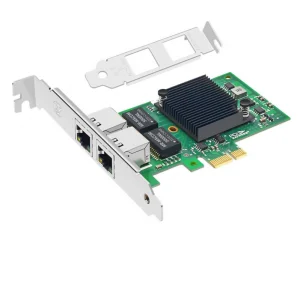
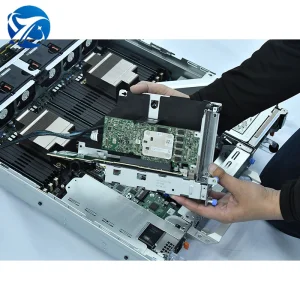
Crucially, components such as SAS boot cards (e.g., the XP270-M2 SAS3808 system) and PCIe riser cards must integrate seamlessly with primary motherboards to prevent operational failures. Securing a reliable OEM/ODM partner like Veltron, with over 1,200 active supply chain connections, provides long-term hardware availability and protection against component shortages.
| Evaluation Parameter | Hyperscale Cloud Standard | Enterprise Private Cloud | Edge Inference Deployments |
|---|---|---|---|
| GPU Density / Node | 8x to 16x SXM5/OAM Accelerator Modules | 4x to 8x PCIe Dual-Slot Cards | 1x to 2x Single-Slot Low-Profile GPUs |
| Cooling Requirements | Direct Liquid Cooling (DLC) preferred | Optimized Air / Rear-Door Heat Exchangers | Passive or Active Air Cooling |
| Storage Latency Profile | NVMe over Fabrics (NoF) | Local NVMe SSDs & SATA Enterprise PM893 | M.2 SATA / PCIe Boot Media |
| Power Infrastructure | 3-Phase 415V/480V input feeds | Redundant 200V-240V AC power inputs | Standard 110V/220V AC feeds |
GPU servers must be optimized for the specific workloads they run. Below is how leading sectors configure their hardware stacks.
Training models like DeepSeek R1 requires high inter-node communication bandwidth. xFusion G5500 V7 platforms and Veltron GPU systems utilize high-speed DDR5 memory buses and optimized PCIe slots to support distributed training clusters.
High-density video processing requires rapid compute capabilities. Systems like the G5200 V5 series analyze multiple high-definition video feeds simultaneously, running complex recognition algorithms in real time.
Standard data center workloads require highly versatile platforms. The xFusion 2288H V6 series supports hybrid operations, handling storage arrays, database management, and virtualized workloads from a unified rack footprint.

As silicon design approaches physical limitations, server layout innovation is driving performance improvements.
The transition to PCIe Gen 6 and Gen 7 architectures, coupled with Compute Express Link (CXL) technology, is fundamentally changing memory structures. This enables unified memory pools across CPUs and GPUs, significantly reducing latency and data transfer overhead.
Furthermore, the industry is shifting toward liquid cooling solutions as standard configurations. High-performance accelerators now push 1000W per chip, requiring direct-to-die liquid plates and closed-loop liquid systems to maintain performance and prevent thermal throttling.
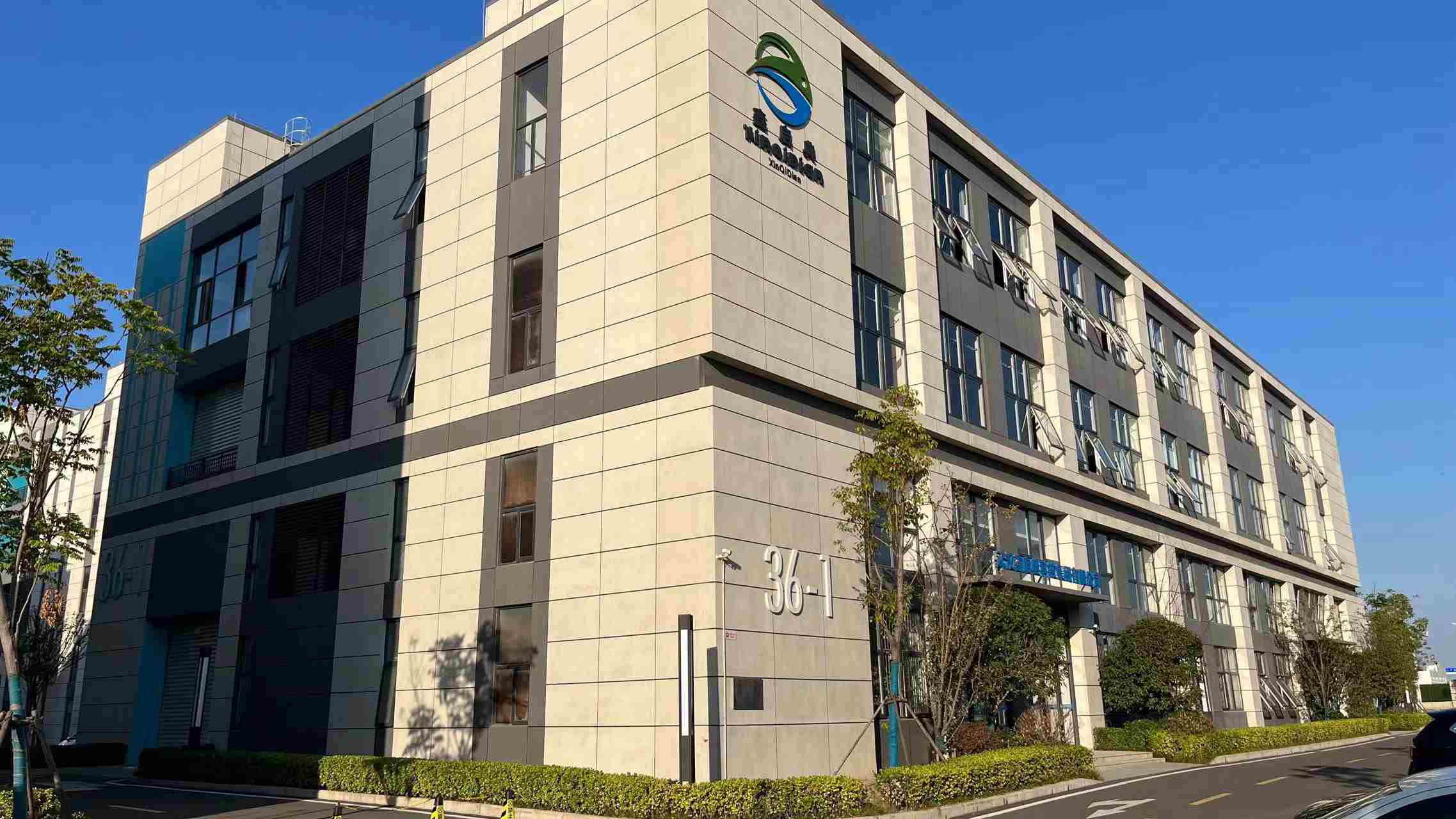
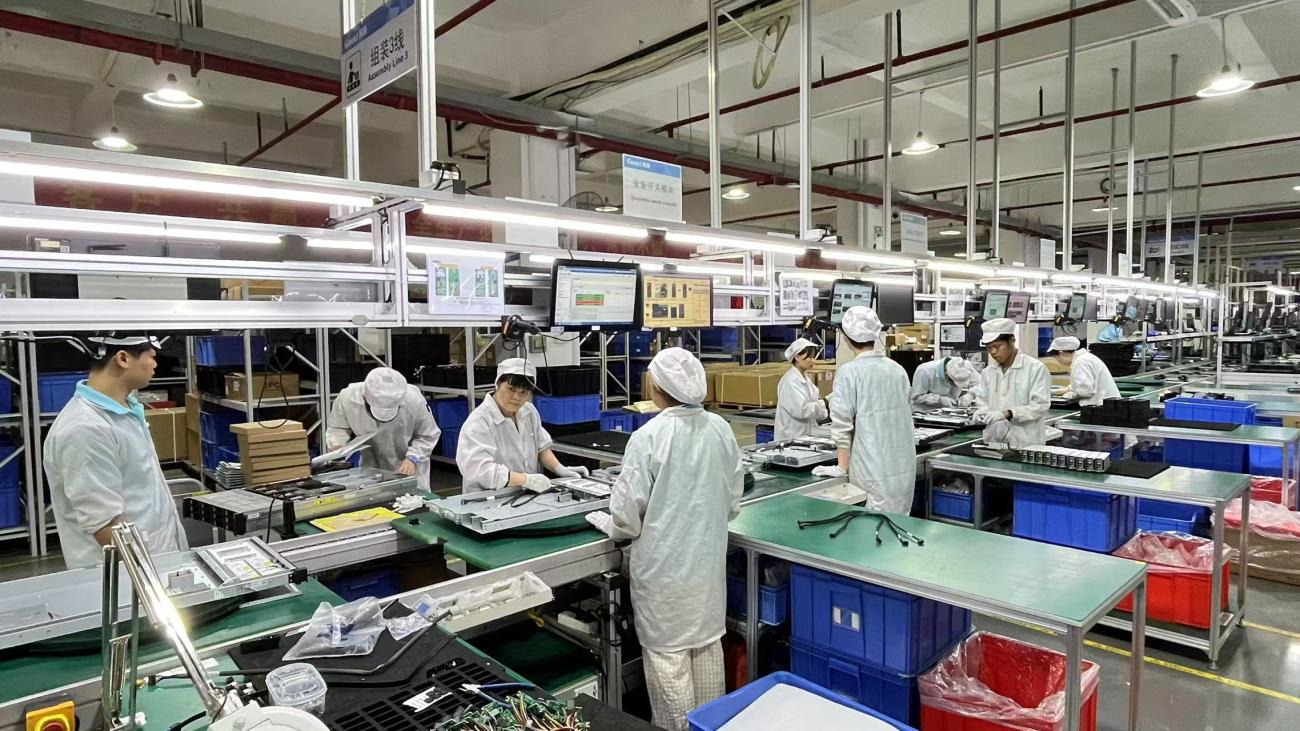
Veltron Computing Technology Co., Ltd. delivers advanced GPU and AI computing systems from its modern production center in Shenzhen.
Operating a modern 3,800+ square meter factory, Veltron has established a robust production pipeline capable of delivering reliable systems to international clients. A dedicated team of 56 quality control personnel monitors every step of production, ensuring high manufacturing standards.
Veltron's 168 R&D engineers specialize in system architecture, thermal management, and hardware customization. With annual export revenues exceeding USD 18 million across North America, Europe, and Asia, Veltron supports complex projects in AI training, cloud computing, and edge data processing.
Global deployments require strict adherence to regional safety and environmental standards.
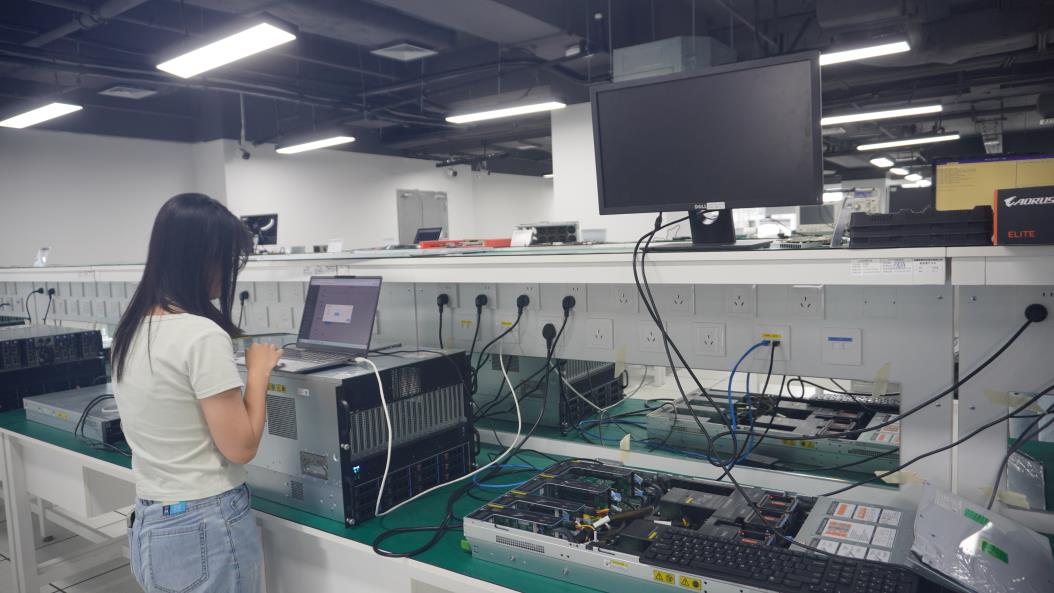
Veltron ensures all components and complete server systems comply with regional standards, including CE, FCC, and RoHS certifications. Every server undergoes rigorous testing protocols, including high-temperature burn-in tests, vibration checks, and storage read-write cycle testing prior to shipping.
By coordinating with regional logistics partners and maintaining warehouse components, Veltron offers timely technical assistance and replacement parts. This localized support ensures enterprise projects remain operational, minimizing downtime for critical IT operations.
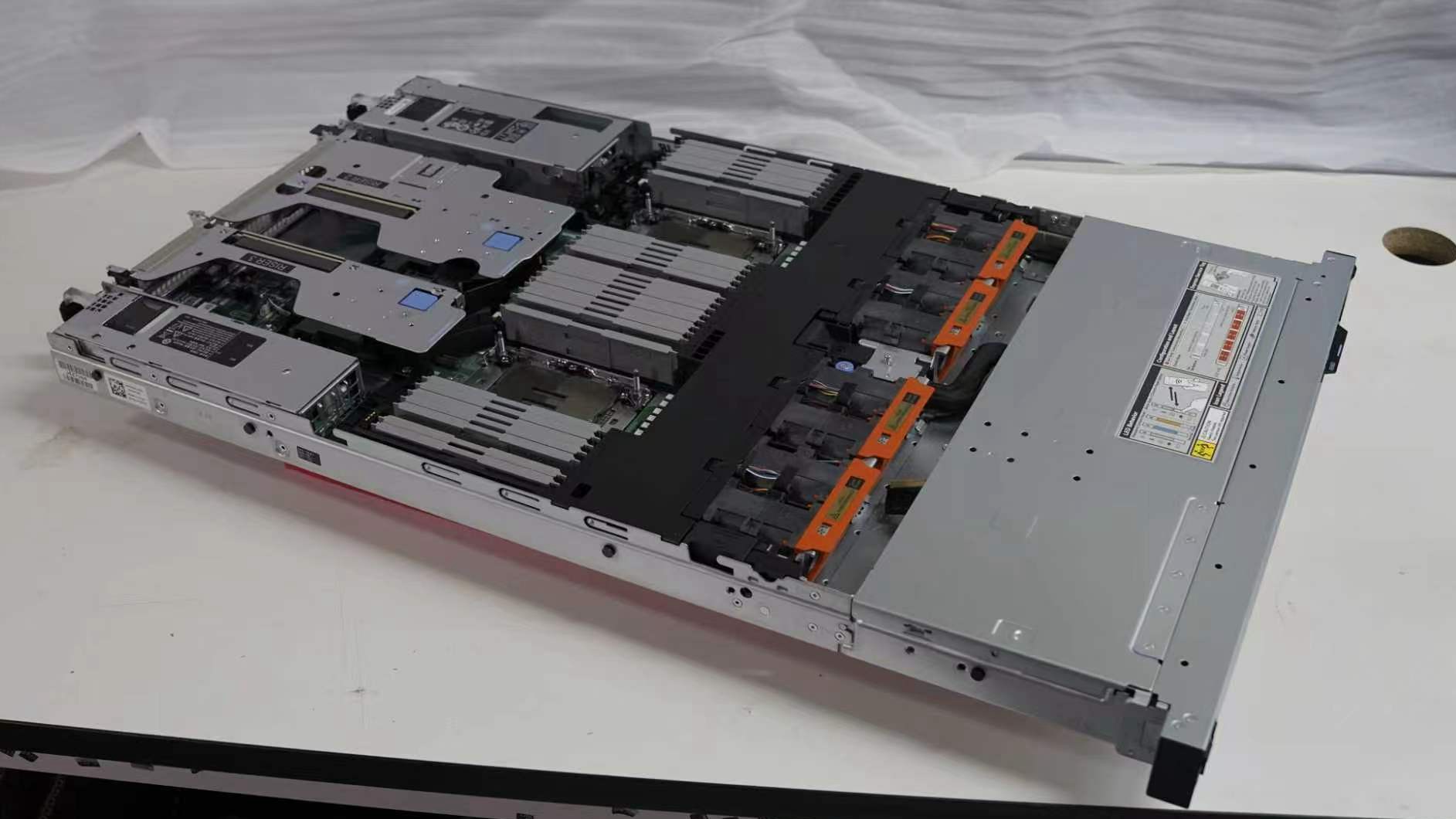
Riser cards route high-speed PCIe lanes from the primary motherboard to accessory slots. High-quality risers maintain signal integrity and prevent data corruption, ensuring stable communication between GPUs and the CPU host.
Every system undergoes a series of testing stages overseen by our 56 QC specialists. This includes thermal testing, 24-48 hour burn-in stress tests, physical vibration checks, and high-speed data transmission diagnostics.
DeepSeek R1 and similar models require high-speed inter-GPU communication and low-latency storage. Hardware configurations utilize fast DDR5 RAM arrays, high-speed NVMe storage, and optimized PCIe layouts to prevent memory bottlenecks during inference.
Veltron offers comprehensive design services, including custom chassis configurations, motherboard layouts, thermal cooling solutions, firmware tuning, and customized packaging options tailored to specific enterprise requirements.
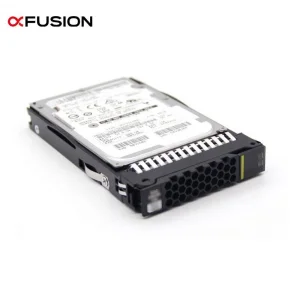
NVMe storage offers high data throughput and low latency, making it ideal for processing active datasets. SAS 12Gb/s drives, like the NL SAS HDD arrays, provide cost-effective, high-capacity storage for cold data storage and system backups.